

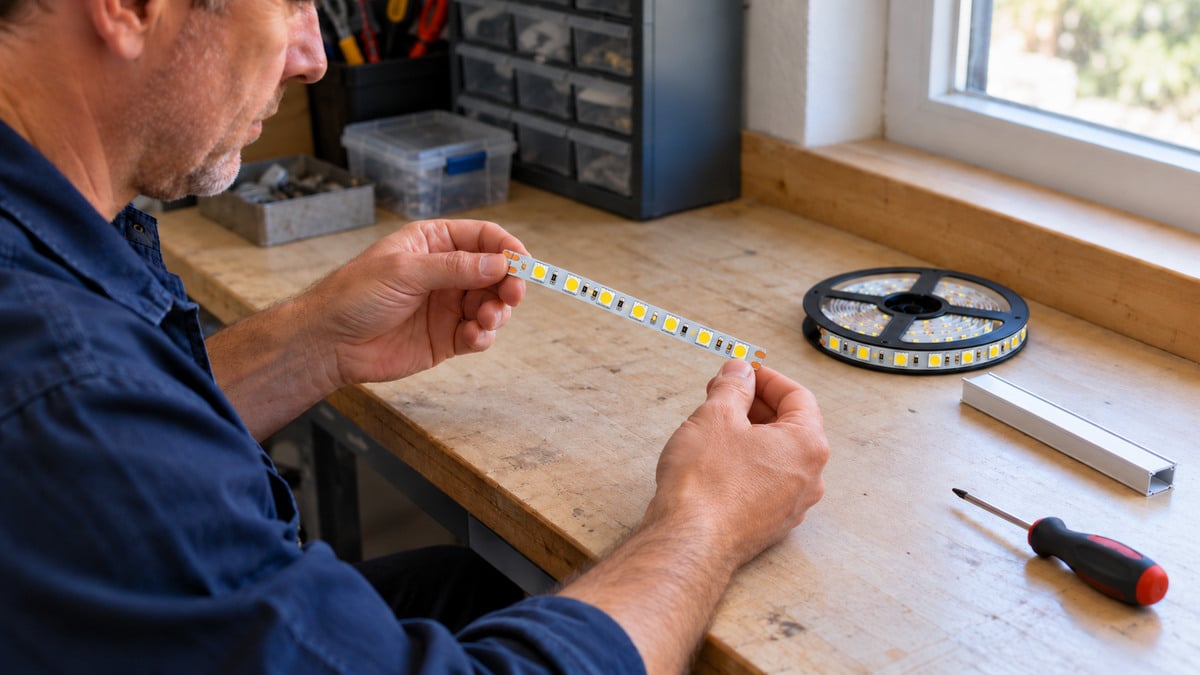
How long do LED strip lights last? If two different LED strip suppliers claim that their products have a lifespan of 50,000 hours, does this mean their lifespans are exactly the same? This article provides specific answers, elaborates on the factors that affect their durability, and offers advice on how to extend their life.
Outdoor LED & Safety Guides
Deploying LED strip lighting in an outdoor environment introduces significant engineering challenges beyond indoor applications. This guide provides an authoritative overview of the critical electrical, thermal, and material science principles required for safe, durable, and high-performance exterior installations. We will dissect Ingress Protection (IP) ratings, thermal management protocols for fire prevention, UL Class 2 compliance, and long-term failure mode diagnostics to ensure your project meets professional standards for both residential and commercial grade outdoor led strip lights.
A successful outdoor lighting system begins with selecting components engineered for the elements. Key product categories include robust Waterproof COB LED Strip for seamless light, dependable MeanWell UL Outdoor Power Supplies for certified safety, and fully sealed Waterproof IP68 Connector Series to maintain system integrity. For underwater applications, only specialized IP68 LED Strip Lights For Pools should be specified.
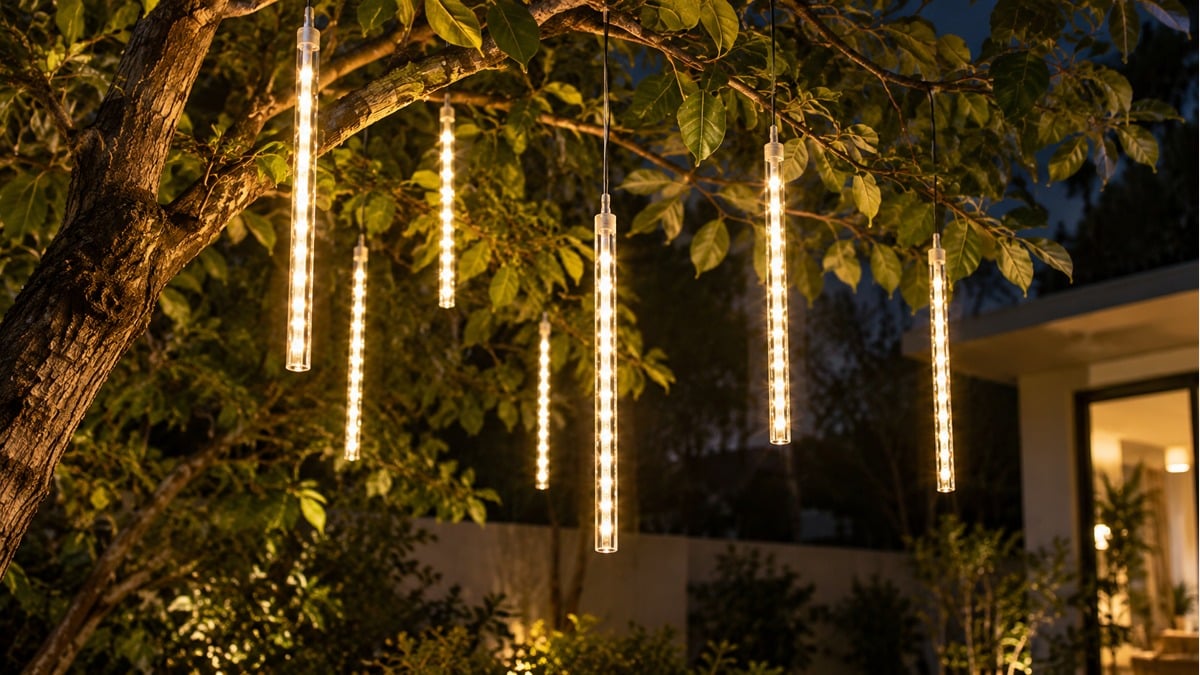
Decorating Ideas: Complete Guide To Meteor Shower Lights
LED meteor shower lights are a good idea for indoor and outdoor decorative lighting, know what is it and how to choose and use it here.
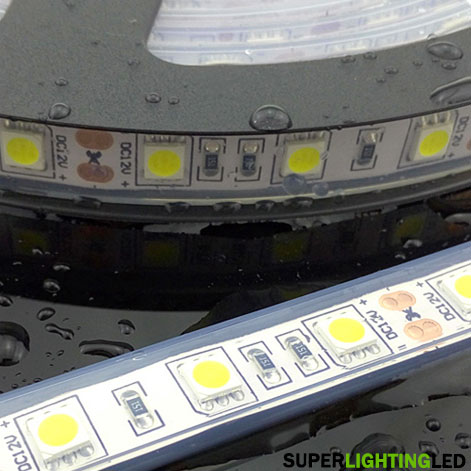
Can You Put LED Strip Lights Outdoor?
Want to add led strip lights to illuminate your outdoor places? This blog tells you what you need to know before buying and installing outdoor led strip lights.
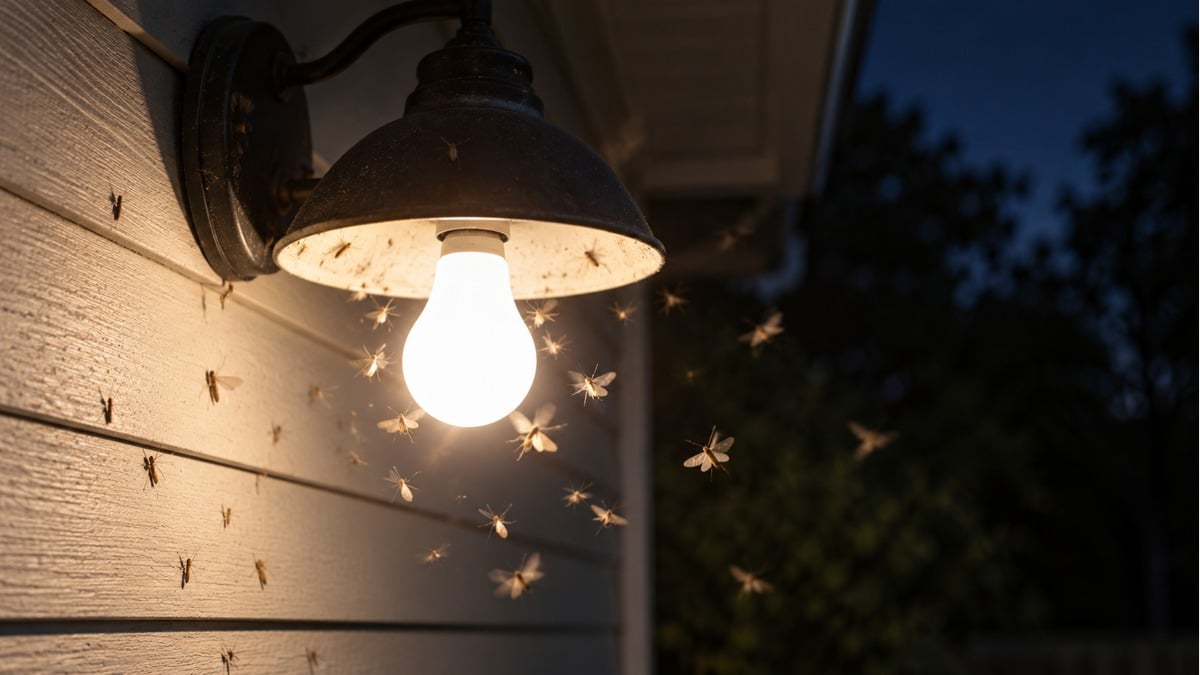
Do LED Lights Attract Bugs?
Positive phototaxis bugs are attracted to LED strip lights, while negative phototaxis bugs are not. Shorter wavelengths, cool white color temperature, and high heat are attractive to bugs and insects.
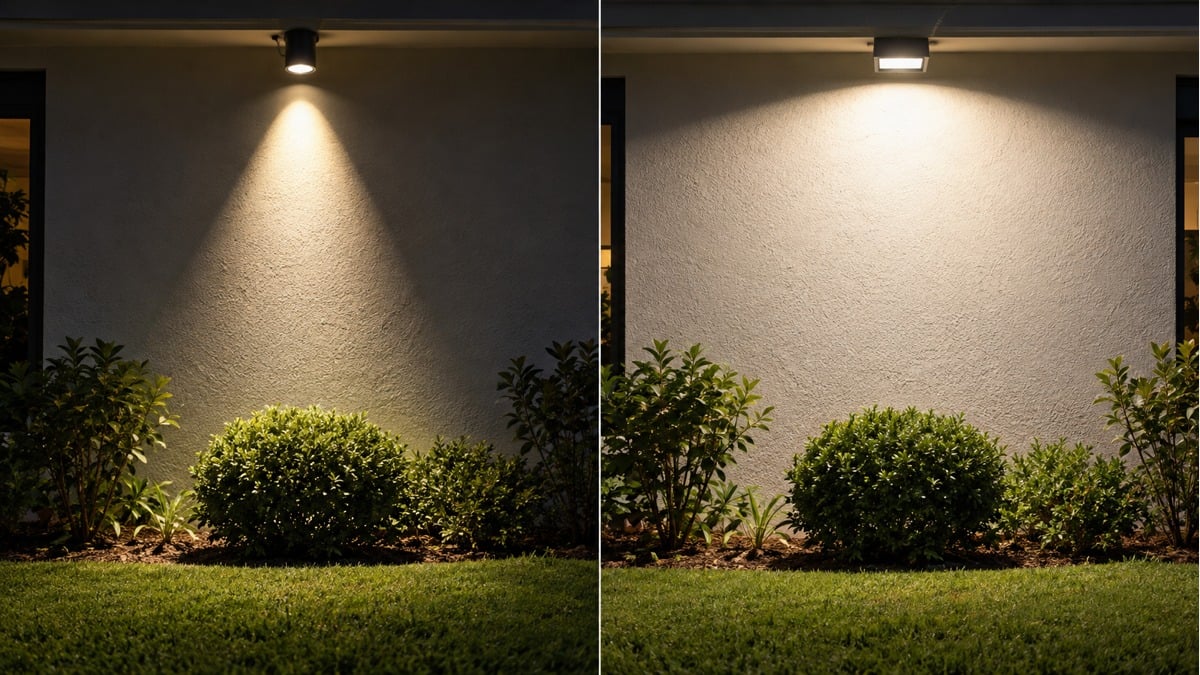
Spotlight VS Floodlight
What’s the difference between spotlights and floodlights? Should you choose a LED spotlight or a LED floodlight for your indoor or outdoor lighting project?

5 Best RGBW Waterproof LED Strip Lights
Looking for color changing LED strip lights for outdoor use? RGBW waterproof LED strip lights are a great option. Here’re 5 best RGBW waterproof LED light strips.
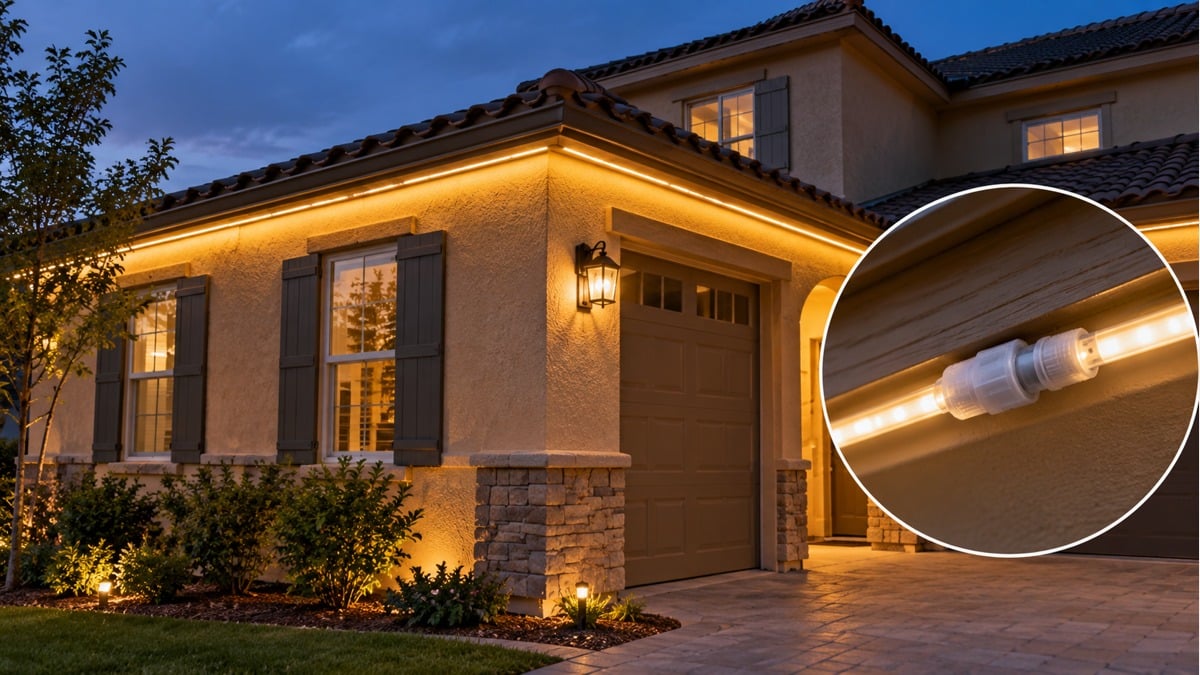
6 Best Outdoor LED Strip Lights For Different Usage
LED strip lights can be used for outdoor lighting, the waterproof layer of the LED lights uses silicone material, which has excellent properties such as anti-atmospheric aging and ultraviolet aging, so the led strip lights can work well […]
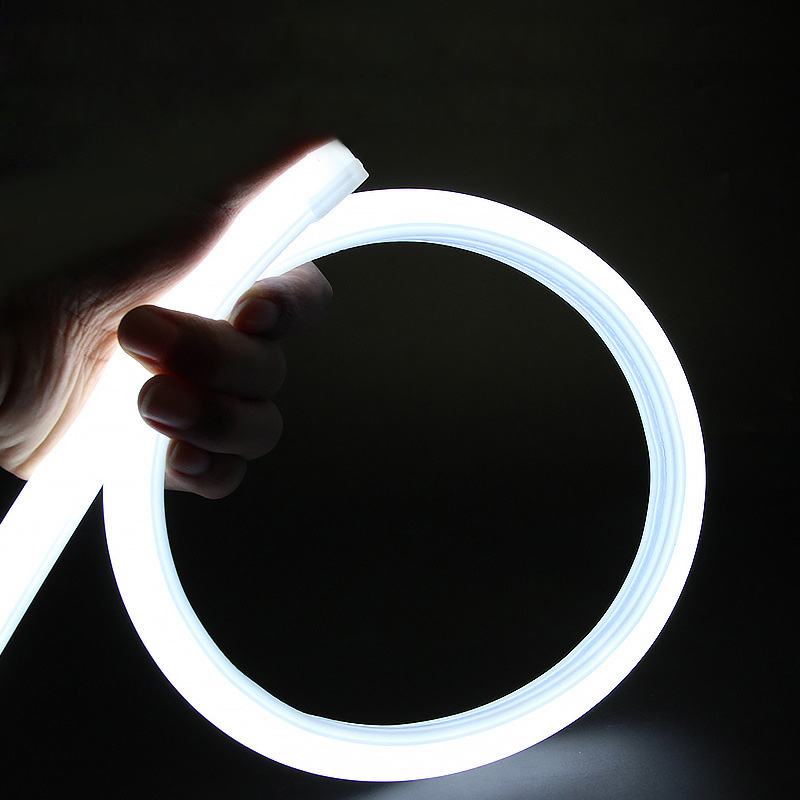
Is LED Strip Lighting Safe?
LED strip lighting is safe for the human body, it can’t cause a fire, and it’s safe to sleep with LED strip lights on. All you need do is to properly use it.

Do LED Strip Lights Overheat?
All electronic equipment generates heat during operation, such as our commonly used mobile phones and computers, so as the led strip lights. This heat must be discharged to the outside of the led strip light, otherwise, the accumulation […]
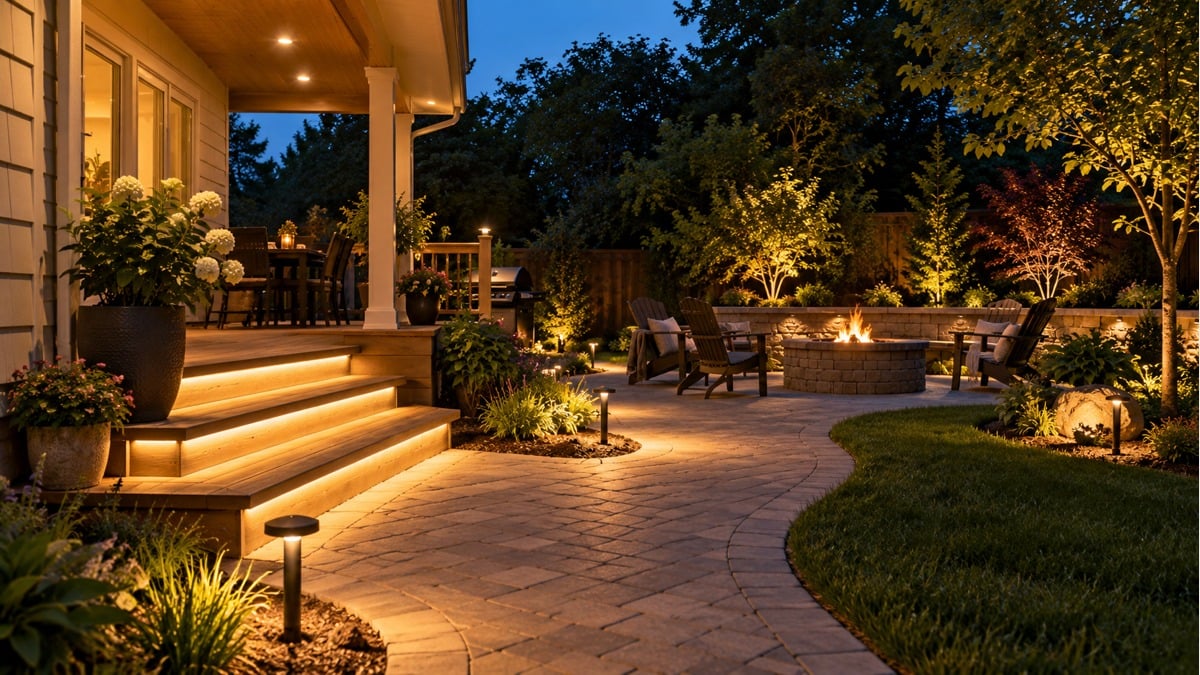
Backyard Lighting Ideas For Outdoor LED Lights
Backyard lighting is the highlight of the entire backyard design. Backyard lights at night can adjust the atmosphere and give the garden a unique flavor. Different backyard light fixtures play different roles. Choose the right LED light fixture […]
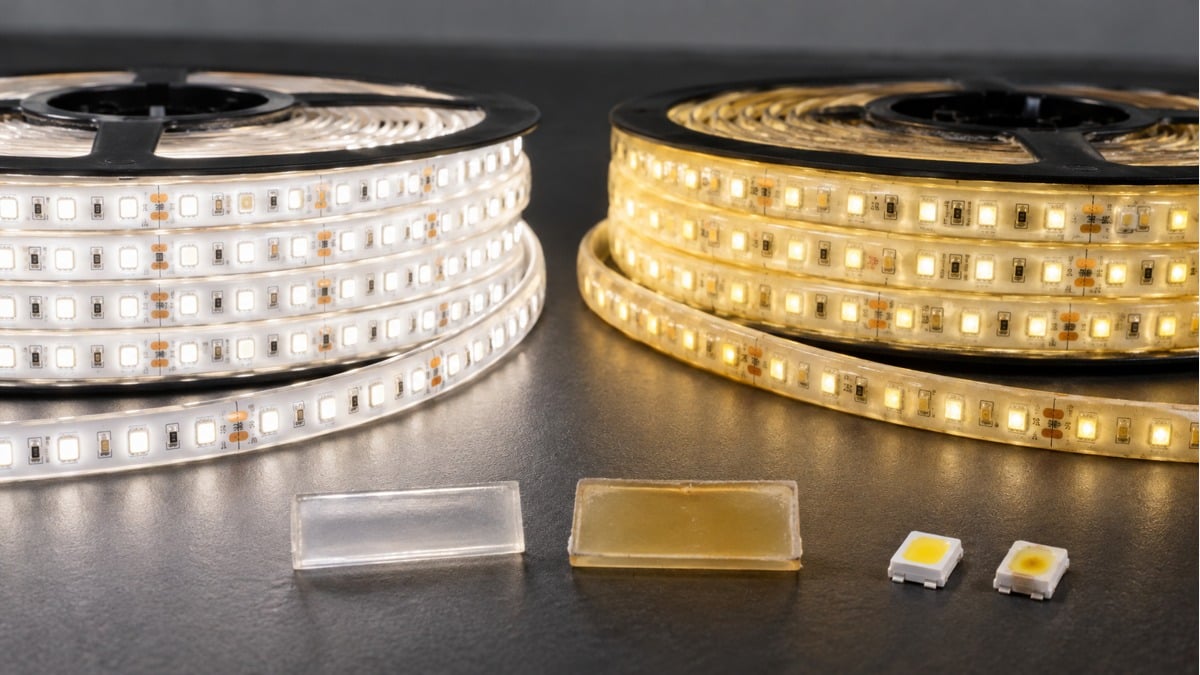
Why Does White LED Light Turn Yellow?
LED strip performance degradation is often manifested as a color change, light yellowing is a good indicator of the quality and durability of LED strip lights. The basic structure of the LED light strip is an electroluminescent semiconductor […]
Quick Technical Summary · At-a-Glance Specifications
This guide details the engineering requirements for safe and durable outdoor LED strip light installations. Success depends on selecting the correct IP rating for water exposure, implementing proper thermal management to prevent overheating, and using UL Listed Class 2 power systems to ensure electrical safety and compliance.
Min. Outdoor IP RatingIP65 (Splash/Jet-proof)
Submersible IP RatingIP68 (Continuous Immersion)
Typical L70 Lifespan50,000+ Hours
Safety CertificationUL/ETL Listed Components
IP Rating Engineering Decoded: From Splash-Proof to Submersible
The Ingress Protection (IP) rating is the single most critical specification for any outdoor LED strip light. It is a standardized system (IEC 60529) that defines the degree of protection an electrical enclosure provides against intrusion from solid objects (like dust) and liquids (like rain or submersion). Choosing an inadequate IP rating is the primary cause of premature failure in exterior lighting systems. For a detailed selection guide, see our article on how to choose waterproof LED strip lights.
Understanding IP Rating Construction
The construction method of a waterproof LED strip light directly dictates its IP rating and suitability for different environments. A common misconception is that any 'waterproof' LED strip is suitable for any outdoor use, which is a critical engineering error.
| IP Rating | Protection Level | Construction Method | Typical Application | Key Limitation |
|---|---|---|---|---|
| IP20 | No Protection | Bare PCB, no coating | Indoor dry locations only (coves, accents) | Fails instantly with any moisture contact. |
| IP65 | Water Jets | Thin silicone spray or epoxy top-coating | Damp locations, soffits, areas protected from direct rain | Not protected against immersion; cut points are vulnerable. |
| IP67 | Temporary Immersion (up to 1m) | Hollow silicone sleeve/tube with sealed ends | Decking, pathways, bathrooms, RGBW waterproof LED strip lights for landscaping | Air gap can cause optical distortion and trap heat. Not for permanent submersion. |
| IP68 | Continuous Submersion (>1m) | Solid silicone extrusion/potting | Pools, ponds, fountains, boat hulls, shower floors | Reduced flexibility; heat dissipation is a primary design concern. |
Material Science: Silicone vs. Polyurethane (PU)
For weatherproof outdoor led strip lights, the encapsulating material is as important as the IP rating itself. While lower-cost IP65 strips may use a polyurethane (PU) or epoxy coating, these materials suffer from poor UV stability. When exposed to direct sunlight, PU will yellow, harden, and crack over time, compromising the waterproof seal and causing significant color temperature shift. High-quality exterior waterproof led strip lights exclusively use silicone for encapsulation (sleeves, extrusions, or coatings). Silicone is inherently UV stable, remains flexible across a wide temperature range (-40°C to 200°C), and is chemically inert, ensuring long-term optical clarity and physical integrity.
Thermal Safety, Fire Prevention & UL Class 2 Compliance
Electrical safety and thermal management are non-negotiable for outdoor installations. Waterproofing layers, while protecting from moisture, also act as thermal insulators, trapping heat generated by the LEDs. Without proper engineering, this trapped heat can lead to catastrophic failure and poses a significant fire risk. For more on this topic, read our deep dive: Do LED Strip Lights Overheat?
Junction Temperature (Tj) and Thermal Derating
Every LED has a maximum rated junction temperature (Tj max), typically around 125-150°C. Exceeding this temperature, even briefly, causes irreversible damage to the LED phosphor and semiconductor, leading to rapid lumen depreciation and color shift. The silicone or PVC jackets on waterproof led strip lights inhibit convective and radiative cooling. Consequently, a high-power LED strip rated for 20 W/m in open air may need to be derated (operated at a lower current/brightness) to 12-15 W/m when sealed in an IP67 or IP68 enclosure to keep Tj within safe limits. For high-output applications, mounting the strip inside a Waterproof LED Light Channel Series is essential to provide an adequate heat sink.
Power Supply Sizing Formula
PSU Watts = (Strip Length × W/m) × 1.2
Always oversize your power supply by 20% to ensure it runs cool and efficiently, preventing overload and premature failure. Use our Power & Voltage Drop Calculators for precise project planning.
Voltage Drop Rule of Thumb
V_drop ≈ 10% max
For long runs of 12V outdoor led strip lights, voltage drop causes dimming and color shift at the far end. Plan for power injection points every 5-10 meters or use higher voltage (24V) systems. Consult our LED Strip Wiring Diagram Library for solutions.
UL/ETL Class 2 Compliance: The Safety Standard
For residential and commercial safety in North America, all low-voltage outdoor lighting systems must be powered by a UL or ETL Listed Class 2 power supply. A Class 2 driver is inherently power-limited (max 60W for DC systems >20V, max 100VA total), and its design prevents it from delivering a fatal electrical shock, even under fault conditions. Using non-listed power supplies voids electrical code compliance and insurance coverage, posing a severe liability. We strongly recommend using certified drivers like those in our DC24V Waterproof Power Supply catalog for all commercial grade outdoor led strip lights.
Lifespan (L70 50,000h) & Failure-Mode Diagnostics
A common question is, "how long do led strip lights last?" Professional-grade LED strips are rated with an L70 lifespan, typically 50,000 hours. This means after 50,000 hours of operation, the strip is projected to retain at least 70% of its initial brightness. However, this rating assumes ideal operating conditions. Outdoor environments introduce multiple failure vectors that can drastically shorten this lifespan.
Key Engineering Rule: The most common point of failure for outdoor led strip lights waterproof systems is not the strip itself, but the connections and terminations. Every cut point must be meticulously sealed with neutral-cure silicone adhesive and properly fitted end caps. Failure to do so allows moisture ingress via capillary action, leading to corrosion and circuit failure within months.
Common Failure Modes and Solutions
Diagnosing failures in the field requires a systematic approach. Understanding the root cause is key to preventing recurrence in future installations.
| Symptom | Probable Engineering Cause | Diagnostic & Solution |
|---|---|---|
| White LEDs turn yellow/dim | Phosphor degradation due to excessive junction temperature (Tj). | Verify strip wattage is appropriate for its IP rating and mounting. Improve heat sinking with an aluminum channel. See our guide on why white LEDs turn yellow. |
| Flickering or intermittent sections | Solder joint fatigue from thermal cycling (expansion/contraction). | Inspect solder points between segments. This is more common in low-quality strips with insufficient solder. Replace the affected section. |
| A single 3- or 6-LED section is out | Failed LED or resistor in that series segment. | This is a component-level failure. The entire segment must be cut out and replaced by soldering in a new piece. |
| Entire strip is dead | Power supply failure or break in the primary connection. | Use a multimeter to test for DC voltage at the power supply output and at the start of the strip. Replace the faulty component (driver or connector). |
Outdoor Environmental Design Considerations
Beyond waterproofing and thermal safety, a successful outdoor lighting design must account for the broader environment. The right design choices enhance aesthetics, improve safety, and ensure long-term performance. For a look at what's possible, explore these backyard lighting ideas for outdoor LED lights.
UV Stability and Material Durability
As mentioned, direct sunlight degrades inferior plastics. For any application with sun exposure, such as outlining a roofline or pathway, specifying a high-quality, silicone-jacketed outdoor led strip light is mandatory. This prevents the material from becoming brittle and cracking, which would compromise the IP rating. This is a key differentiator for the best outdoor led strip lights.
Light, Wavelengths, and Insects
A frequent concern is whether LED lights attract pests. The answer lies in the light spectrum. Insects are primarily attracted to short-wavelength light, particularly in the ultraviolet (UV) and blue portions of the spectrum. LEDs produce negligible UV, but cool white (4000K-6500K) LEDs have a significant blue peak. To minimize insect attraction on patios, decks, and entryways, specify a warm Correlated Color Temperature (CCT) of 3000K or less. For a deeper analysis, read our article: Do LED Lights Attract Bugs?
GFCI Protection and Electrical Code
All outdoor circuits, without exception, must be protected by a Ground Fault Circuit Interrupter (GFCI). A GFCI device monitors the current flow and will trip the circuit in milliseconds if it detects an imbalance, such as current flowing to ground through water or a person. This is a life-saving requirement for any line-voltage equipment outdoors, including the power supplies for your low-voltage system. This is especially critical for wet niche applications like waterproof led strip lights for shower niche installations.
Lighting Techniques: Floodlight vs. Linear Grazing
Different lighting fixtures produce different effects. While traditional fixtures create a spotlight vs floodlight effect, LED strips excel at creating continuous lines of light. This makes them ideal for:
- Architectural Grazing: Mounting a strip close to a textured surface like stone or brick to create dramatic shadows and highlight detail.
- Cove Lighting: Hiding the strip in architectural recesses (like soffits) to provide soft, indirect illumination.
- Path and Stair Lighting: Installing strips under railings or stair treads for safety and a modern aesthetic.
Even alternative power sources like solar powered outdoor led strip lights have their place. While not suitable for primary illumination due to lower output and limited runtime, solar powered waterproof led strip lights are an excellent option for decorative accents in areas where running wire is impractical.
Recommended Hardware Matching These Specs
Each product below is stocked in our factory-direct catalog and verified for compatibility with the engineering guidelines in this library.
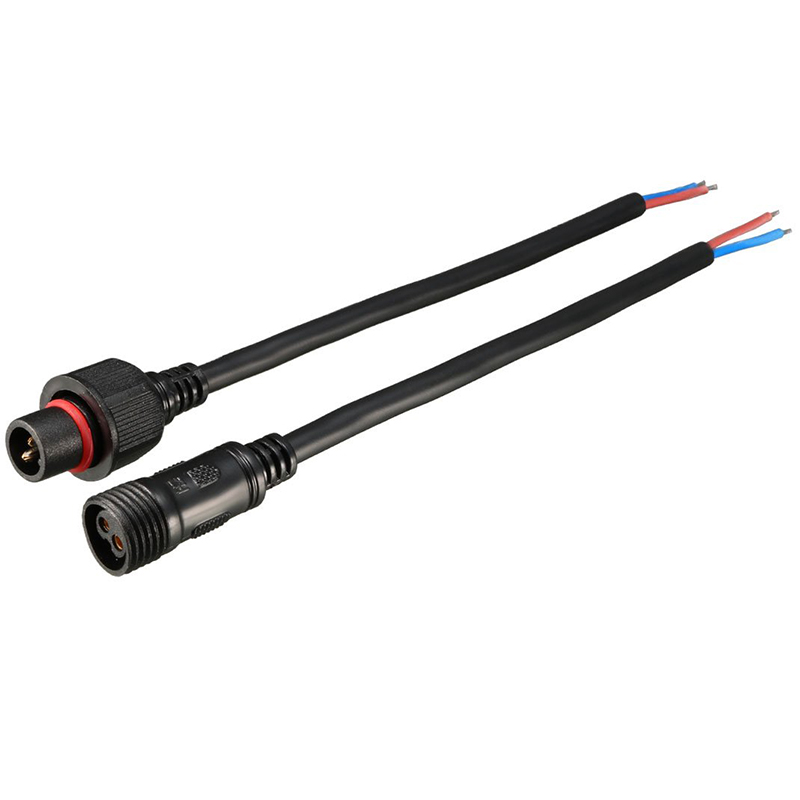 SC-ACCESSORIES-021
Male Female 20AWG 2 Terminal Waterproof Connector Cable Black For Single Color LED Strips Light
From $1.28View Specs →
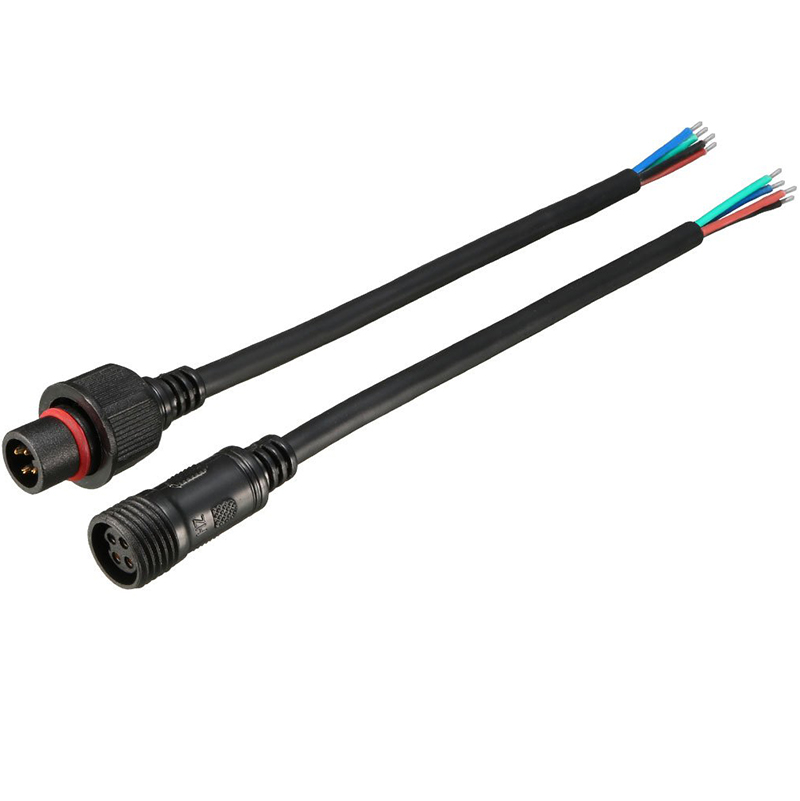 RGB-ACCESSORIE-021
Male Female 20AWG 4P Waterproof Connector Cable Black for LED Strips Light 40cm
From $1.85View Specs →
 FCOB-24V-RGBX576-0612
24V Flexible Cuttable Smooth RGB COB Neon Like LED Strip Lights 12X6mm
From $35.98View Specs →
 DCFLS-NEON-DCRGB
360 Degree LED Neon Sign Light Waterproof IP68 Silicone Housing
From $84.98View Specs →
 DCFLS-IP68-WS2811X300
WS2811 DC12/24V 300LEDs Series Flexible LED Strip Lights, addressable Programmable Full Color Chasing, Outdoor Waterproof IP68, 5m/16.4ft Per Reel By Sale
From $35.98View Specs →
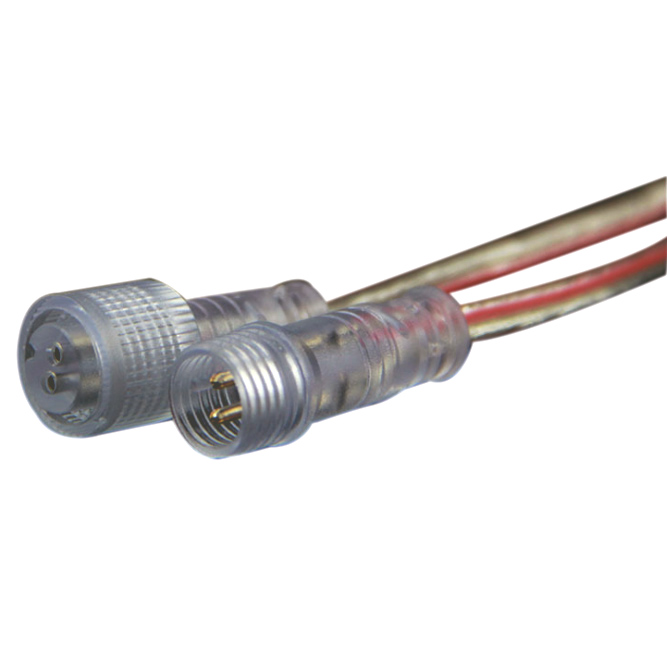 2PIN-WTC
2PIN Transparent Waterproof Male And Female Plug Round head Terminal Connector
From $1.49View Specs →
Interactive Engineering Tools & Design Utilities
Use our free factory-maintained calculators, schematics, and BOM planners before finalizing parts or cutting hardware.
Calculator Suite
Power & Voltage Drop Calculators
Compute exact PSU amperage with 20% headroom, wire gauge (AWG), max run length, cut increments, and lumen targets.
Open Calculators →
97 Schematics
LED Strip Wiring Diagram Library
Verified parallel injection, dimmer, controller, repeater, and multi-zone schematics with exact parts lists.
Browse 97 Diagrams →
OEM Engineering
Custom Lighting & Pre-Wiring
Custom cut-to-length LED strips, pre-soldered leads, bespoke aluminum channels, IP68 encapsulation, and factory quotes.
Request Custom Build →
Datasheet Vault
Spec Sheet & Manual Library
Download photometric reports, wiring diagrams, UL/CE compliance sheets, and controller manuals by model.
Browse Spec Sheets →
Engineering Datasheets & Specification PDFs
Download primary technical manuals and test sheets directly from our PDF specification library.
Hands-On Video Demonstrations
Watch bench tests and step-by-step wiring demos from our LED Video Library.
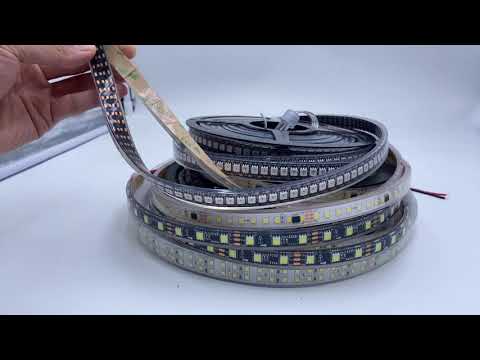 Demo
Custom Waterproof IP68 LED strips series for Outdoor Lighting - superlightingled.com
 Demo
RGB Waterproof IP68 Outdoor use LED Strips lighting with MINI RGB Controller
 Demo
65Ft Addressable RGB Neon Light Kit - Waterproof IP68 DC24V Custom Flex Neon Rope For Pool Lighting
 Demo
How to make the narrowest 0.1"wide waterproof IP67 led strips- using in water
 Demo
Waterproof IP68 DC12V Black FPCB LED RGB Color Changing Music Flex LED Pool Car Lighting 32 Feet
 Demo
WS2812B 5V Waterproof IP68 LED Strip Lights For Arduino LED Swimming pool lighting
Matching Hardware Categories & Reference Hubs
Waterproof COB LED Strip
DC12V Waterproof Power Supply
DC24V Waterproof Power Supply
MeanWell UL Outdoor Power Supplies
Waterproof IP68 Connector Series
Waterproof LED Light Channel Series
Outdoor Waterproof LED Controllers
IP68 LED Strip Lights For Pools
How to Choose Waterproof LED Strip Lights
Are LED Strip Lights Safe?
Architectural & Outdoor Applications
Technical Support Desk
01What's the real difference between IP65, IP67, and IP68 waterproof LED strips for outdoor use?
The key is matching the IP rating to the specific water exposure. IP65 strips have a silicone coating that protects against low-pressure jets, making them suitable for damp locations or covered outdoor areas with no direct rain. IP67 strips can be temporarily submerged up to 1 meter for 30 minutes, ideal for exposed areas with puddles or heavy rain. IP68 strips are for continuous submersion, like in pools or fountains, with the exact depth specified by the manufacturer. For most exposed architectural work, IP67 is the safe choice, while pools require IP68. Learn more at How to Choose Waterproof LED Strip Lights.
02For a long outdoor run (e.g., 50 ft), is a 12V or 24V LED strip better to minimize voltage drop?
For long runs, 24V LED strips are technically superior. A 24V system draws half the current (amps) of a 12V system for the same power (watts). This lower amperage significantly reduces voltage drop, preventing dimming at the far end of the strip. While a 12V strip typically shows noticeable dimming after 16 feet (5 meters), a 24V strip can often run up to 32 feet (10 meters) or more from a single power feed while maintaining consistent brightness. For a 50 ft installation, 24V is the professional choice. See compatible power options at DC24V Waterproof Power Supply.
03How do I properly cut and reseal a waterproof LED strip to maintain its IP rating?
To maintain the waterproof rating, you must cut only on the designated copper pads marked with a scissor icon. After cutting, the exposed end must be sealed. Use a dedicated waterproof end cap filled with a generous amount of neutral-cure silicone sealant. Press the cap firmly onto the strip's end until the silicone oozes out, ensuring no air gaps remain. Wipe away the excess for a clean finish. For connections, use IP68-rated solderless connectors or solder the wires and seal the joint with adhesive-lined heat-shrink tubing. Explore connection options at Waterproof IP68 Connector Series.
04What size power supply do I need for a 50 ft commercial grade outdoor LED strip light installation?
First, calculate the total load: multiply the strip's watts-per-foot by 50 feet. For example, a 4.5W/ft strip needs 225W (4.5 * 50). Professional installers add a 20% headroom by dividing the total wattage by 0.8, ensuring the power supply isn't overworked. So, 225W / 0.8 = 281.25W. You would need a power supply rated for at least 282W. For a 24V system, this equals about 11.7 amps (282W / 24V). Always select a UL-listed driver like those found at MeanWell UL Outdoor Power Supplies and use our Power & Voltage Drop Calculators.
05My outdoor LED strips are flickering. What are the most common technical causes and how do I fix them?
Flickering is usually caused by an unstable power supply, loose connections, or excessive voltage drop. First, ensure your power supply wattage is at least 20% greater than the strip's total load. Next, check all connections from the driver to the strip, including any solderless connectors or extension wires, for a secure fit. On long runs, voltage drop is a likely culprit; if the end of the strip is dim or flickering, you may need to inject power in parallel or upgrade to thicker gauge wire. Find reliable drivers at DC12V Waterproof Power Supply.
06What is the correct wire gauge (AWG) for connecting a power supply to a long run of outdoor 12V LED strips?
Wire gauge depends on run length and current (amps). For short, low-power 12V runs, 20 or 22 AWG may suffice. However, for longer outdoor runs (over 10-15 feet), voltage drop becomes critical. Using a thicker wire (lower AWG) reduces resistance. For a typical 12V strip drawing 2-4 amps, 18 AWG is a common starting point, but for runs exceeding 20 feet, upgrading to 16 AWG or even 14 AWG is recommended to maintain brightness and safety. Always use a voltage drop calculator to be certain. Find calculation tools here: Power & Voltage Drop Calculators.
07Can I safely install waterproof LED strips inside a shower niche? What specific ratings are required?
Yes, but safety and product selection are critical. The LED strip must have a minimum rating of IP67, but IP68 is highly recommended for any area with direct water exposure or potential for pooling. The strip should be installed within a Waterproof LED Light Channel Series to provide a protective housing. All connections must be sealed with waterproof connectors and silicone. The power supply must be a low-voltage (12V or 24V) driver located outside the wet zone (e.g., in an adjacent closet or attic) to ensure electrical safety. For fully submersible options, see IP68 LED Strip Lights For Pools.
08How do I connect multiple waterproof LED strips back to a single outdoor controller or power supply?
For multiple outdoor strips, parallel wiring is the safest and most reliable method. Run separate waterproof cables from each strip back to a central Waterproof IP68 Connector Series splitter or junction box. This box then connects to your main power supply and controller. Avoid daisy-chaining long waterproof strips end-to-end, as this causes significant voltage drop and overloads the initial strip's conductors. A parallel setup ensures each strip receives full voltage for consistent brightness and color. See examples in our LED Strip Wiring Diagram Library.
09What defines a 'commercial grade' outdoor LED strip light versus a residential one?
Commercial grade implies higher durability, performance, and safety certifications. This includes thicker 2oz or 3oz copper PCBs for better heat dissipation, high-quality silicone (not epoxy or PU) for IP67/IP68 waterproofing that resists yellowing from UV exposure, and tighter LED binning for consistent color temperature (e.g., within a 3-step MacAdam ellipse). They are also typically UL Listed, operate on 24V for longer runs, and have a higher CRI of 90+ for accurate color rendering. Explore robust options like our Waterproof COB LED Strip for professional results.
10How should I mount heavy IP67 or IP68 LED strips outdoors? Is the 3M adhesive enough?
No, adhesive backing alone is unreliable for heavy, silicone-encased IP67/IP68 strips in an outdoor environment. Temperature fluctuations, UV exposure, and moisture will cause the adhesive to fail over time. The professional method is to use dedicated mounting clips or brackets screwed into the surface every 12-18 inches to securely support the strip's weight and prevent sagging. For a clean, protected installation, mounting the strip inside a Waterproof LED Light Channel Series is the best practice for long-term durability and light diffusion.
11How long do outdoor LED strip lights actually last before failing or turning yellow?
An LED strip's lifespan is rated in L70 hours—the time until it reaches 70% of its initial brightness. Quality strips are rated for 30,000 to 50,000 hours. However, for outdoor strips, the waterproofing material is often the first point of failure. Low-quality epoxy or PU coatings can yellow and crack from UV exposure within 1-2 years. High-quality silicone-encased IP67/IP68 strips offer far better resistance to UV and weather, lasting 3-5 years or more before significant degradation. Proper heat sinking via aluminum channels also extends life. Read more here: How long do LED strip lights last.