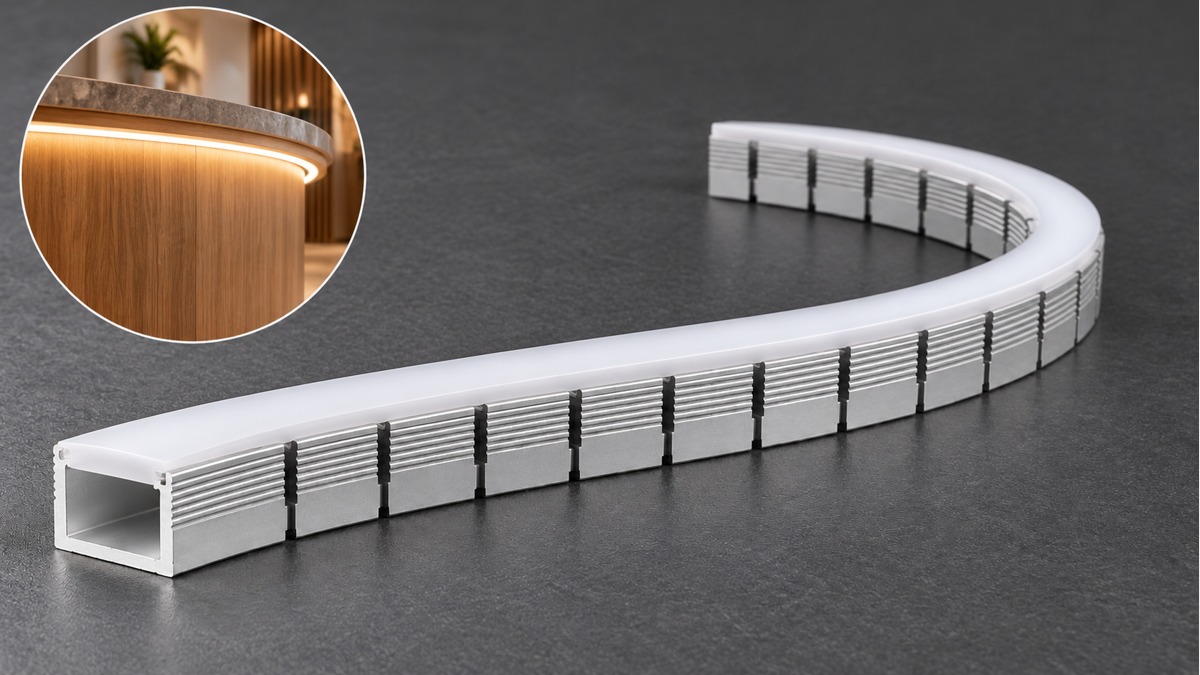
Learn how to use Flexible LED Strip Aluminum Channels in drywall or tile home and commercial environments, or embedded directly into furniture to create curved light lines.
LED Aluminum Channel Guides
This engineering guide provides an authoritative technical overview of LED aluminum channels, essential components for professional-grade linear lighting installations. We will dissect the core engineering principles governing their performance, from achieving flawless, dotless light diffusion to ensuring long-term LED strip reliability through effective thermal management. This resource is intended for engineers, architects, and lighting professionals seeking to specify and implement LED strip channel systems with precision and predictability, covering material science, optical physics, and mechanical integration.
A properly specified system begins with selecting the correct profile architecture. SuperLightingLED offers a comprehensive portfolio of solutions, including versatile Surface Mount LED Strip Diffuser profiles for general applications, architecturally integrated Recessed LED Channel Diffuser options for seamless finishes, and specialized LED Strip Corner Channel profiles for task and accent lighting. For unique applications, our Flexible LED Channel Series provides solutions for curved surfaces.
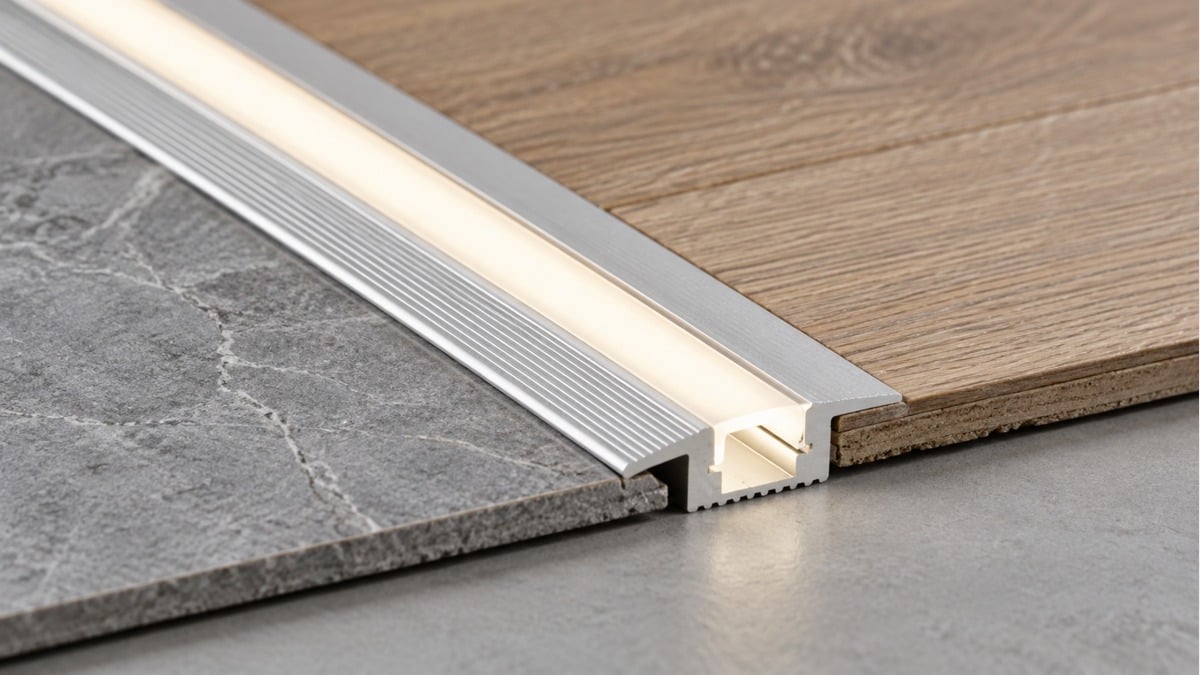
How to Transition Floor Trim of Different Materials?
Combining floor transition strips with LED lighting is a novel floor trim idea. Provides a smooth and even transition between different flooring materials.
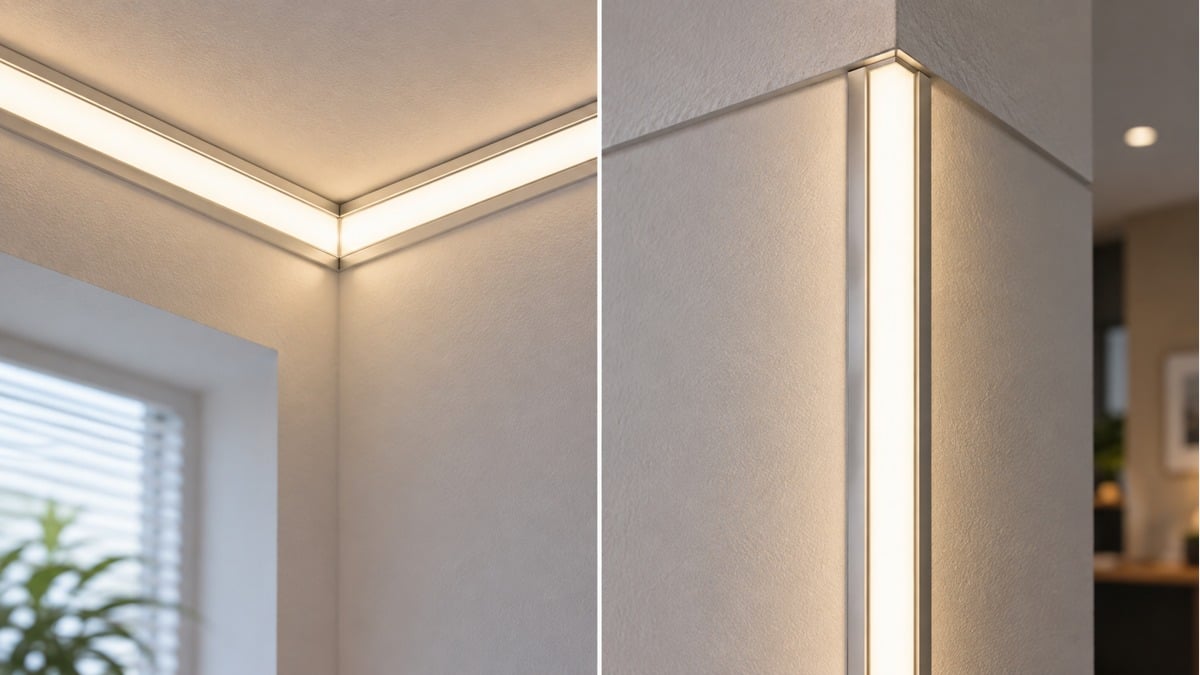
How to Realize Seamless Inside And Outside Corner Lighting?
Inside corner and outside corner are inportant architectural structures. Read this blog to achieve seamless inside corner and outside corner molding lighting.
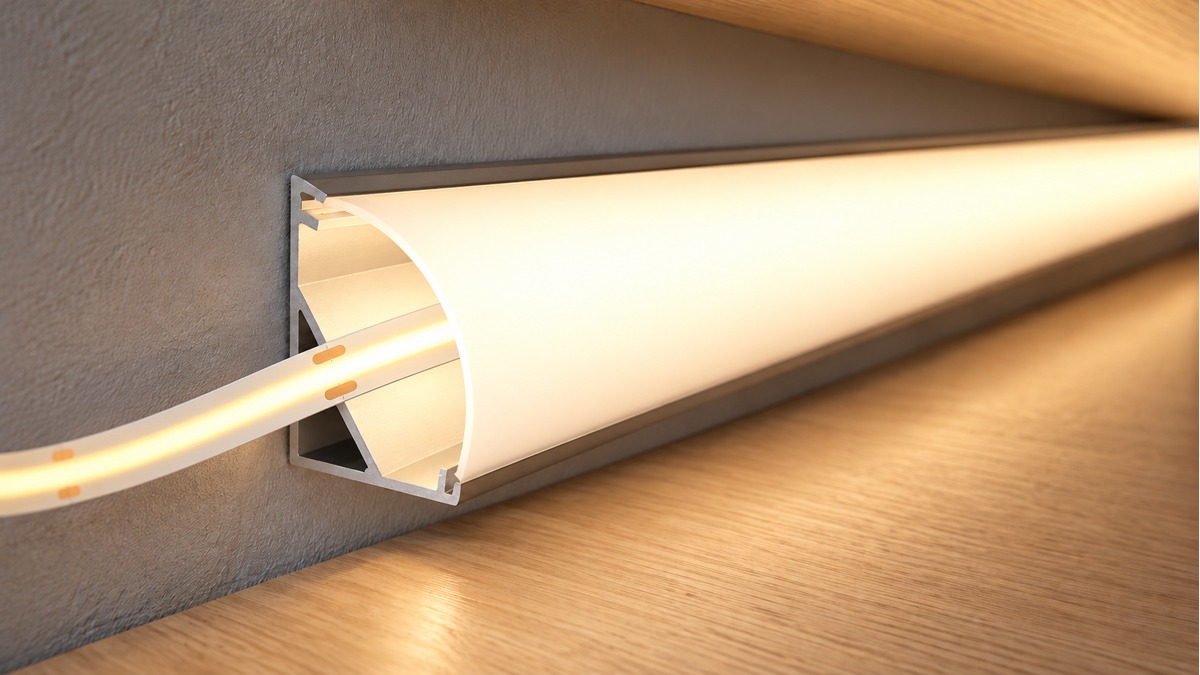
Modern LED Channel Lighting
Learn about modern lighting’s popular LED channel applications, and whether you can eliminate LED strip hotspots through the LED channel.
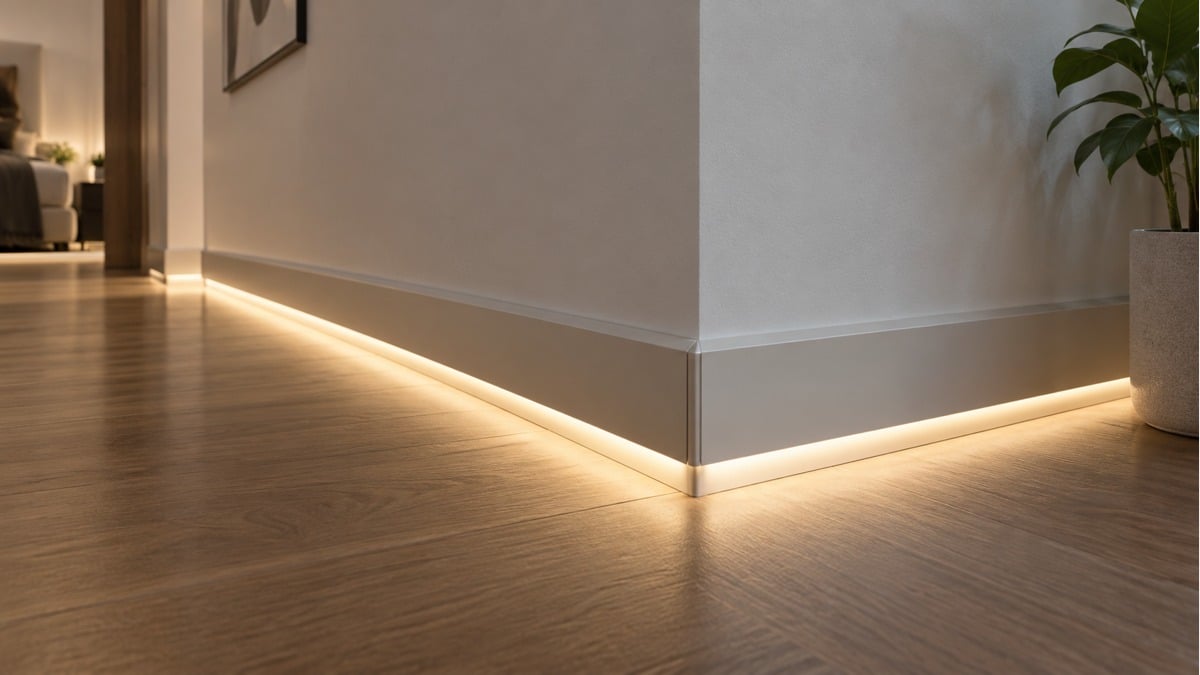
Should You Install LED Baseboard For Your Room?
There’s now an LED aluminum profile type designed for baseboards or skirting boards trim. Read this blog to understand what’s baseboard lighting.
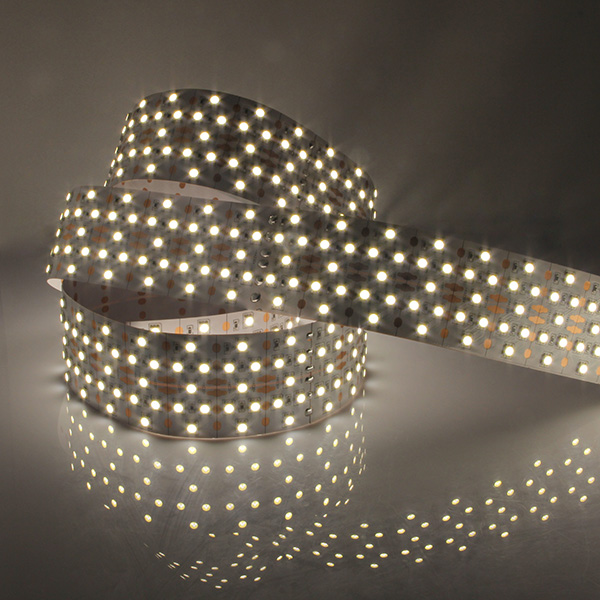
What LED Strip Widths Are Available?
What is the widest led light strip? Does the led strip width matter to me? What is the difference between the various strip widths? Here’s how wide LED strip lights are.
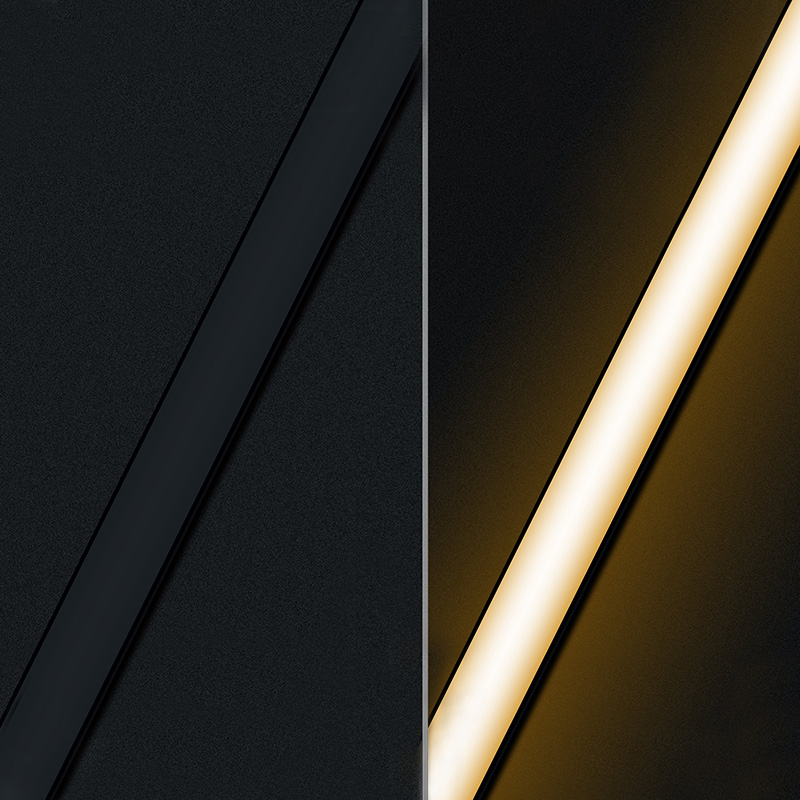
Best LED Light Strip Channel Black
As an optional accessory, the LED aluminum channel is an important part of linear lighting for led strip lights, its surface can be processed into black color through finely oxidized treatment. Relying on simple black lines, the aluminum […]
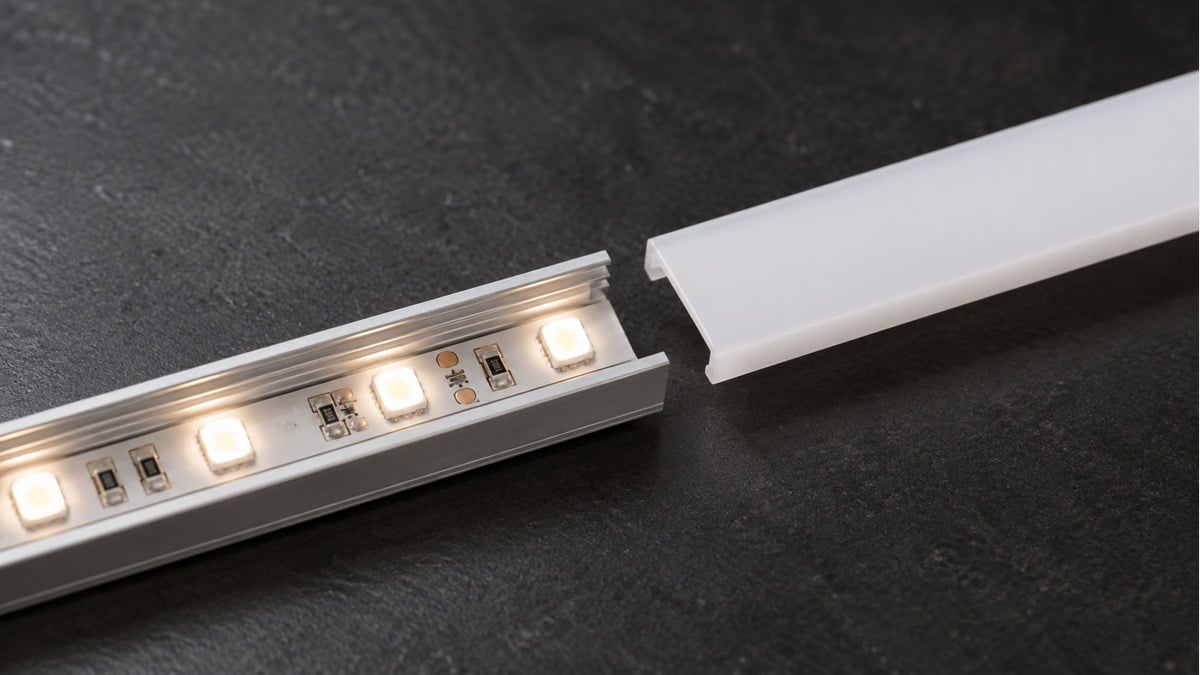
Aluminum LED Channel – How Do You Diffuse LED Strip Lights?
LED diffuser provides a uniform light diffusion effect for LED strip lights. Place the led strip lighting in the aluminum channel, the channel depth, the led diffuser type, and the LED density are all closely related to the […]
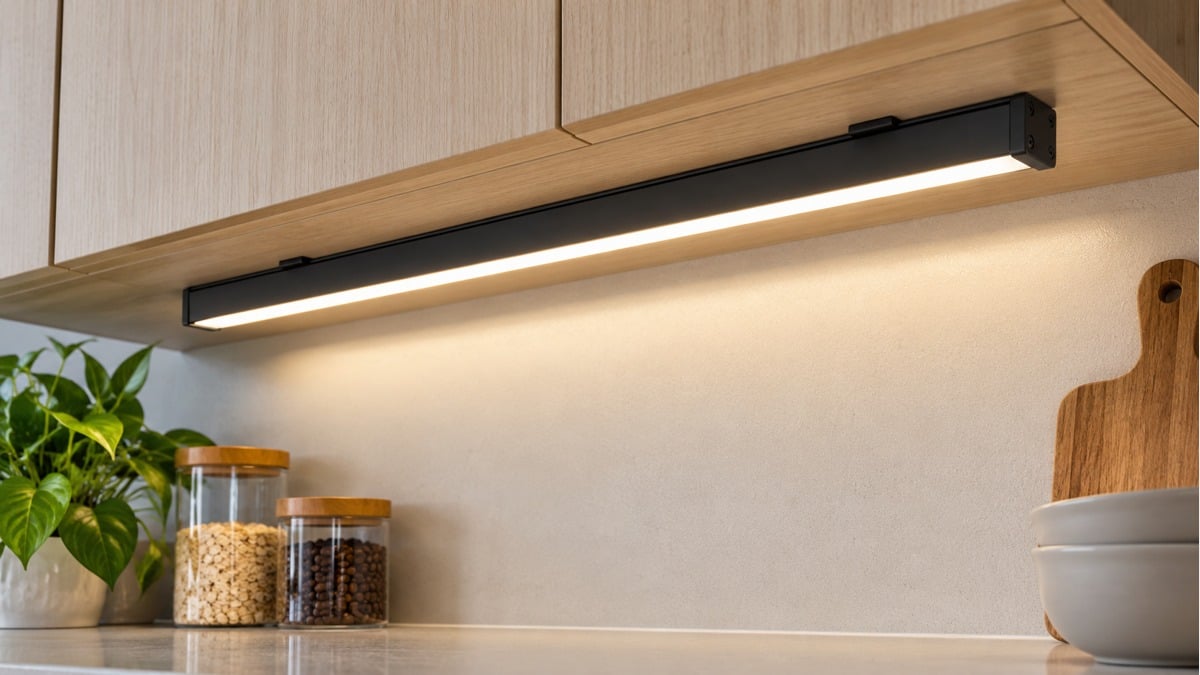
Add Black Aluminum LED Light Diffusers For Your Home Lighting
Black led profiles, with black anodized aluminum surface treatment, are a special product designed for LED light strips. The overall appearance is black, simple, and stylish. It is composed of a black aluminum channel, a black led light […]
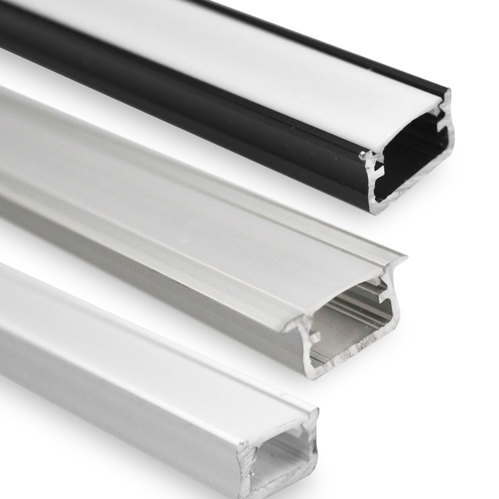
How To Find The Right Aluminum LED Light Strip Diffuser Channel?
In LED lighting applications, do I need aluminum channels as a light diffuser for my led strip light, and how to choose LED aluminum channels are important issues. Before answering these two questions, I think you need to […]

How To Install LED Strip Corner Channel Under Cabinet?
The LED corner channels are used as linear light fixtures, with a simple and stylish appearance, which is very suitable for cabinet lighting. And the corner LED channels support different light diffusers, transparent, translucent, opal matte, and black […]
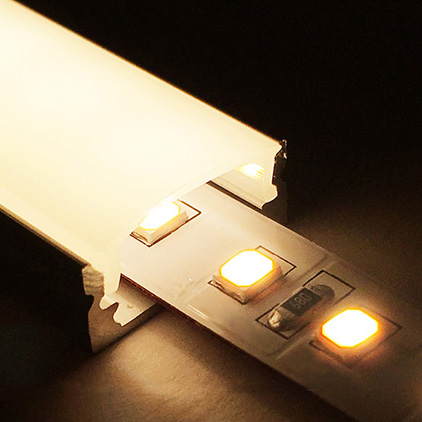
Ultimate Guide on Aluminum Profile for LED Strip Lighting
Are you curious about LED aluminum profiles and how they can be used in your next lighting project? LED profiles are specially designed casings that house and protect LED strip lights. But why choose aluminum profiles over other […]
Quick Technical Summary · At-a-Glance Specifications
An LED aluminum channel is an engineered extrusion that houses, protects, and thermally manages an LED strip. Proper selection requires balancing optical diffusion for dotless output with the thermal dissipation capacity of the 6063-T5 aluminum profile, ensuring LED longevity and visual quality.
Standard Aluminum Grade6063-T5 Anodized Aluminum
Typical Inner Widths8mm, 10mm, 12mm, 20mm+
Primary Diffuser MaterialsPMMA (Acrylic), PC (Polycarbonate)
Dotless Diffusion TargetChannel Depth ≥ LED Pitch
Optical Dotless Diffusion Engineering
The primary optical function of an LED Aluminum Profile is to transform the discrete points of light from individual SMD chips into a uniform, continuous line of light. This is achieved through a component known as the LED diffuser or LED diffuser cover. Achieving a truly "dotless" or hotspot-free appearance is a function of three variables: the LED strip's pitch (distance between LED centers), the channel's depth, and the diffuser's material properties.
The Depth-to-Pitch Ratio (D ≥ P) for Hotspot Elimination
The fundamental rule for achieving dotless illumination is that the distance from the LED chip to the diffuser (Depth, D) must be greater than or equal to the distance between adjacent LED chips (Pitch, P). When D ≥ P, the light from each LED has sufficient distance to spread and overlap with the light from its neighbors before reaching the diffuser, effectively blending the individual points into a homogenous line. High-density LED strips (e.g., 120, 180, or 240 LEDs/meter) have a smaller pitch, making it easier to achieve a dotless effect even in shallower channels. Conversely, low-density strips (e.g., 30 or 60 LEDs/meter) require a significantly deeper LED strip channel to eliminate hotspots. For a detailed exploration of this principle, see our guide on how to diffuse LED strip lights.
Dotless Diffusion Formula
D ≥ P
Where:
D = Channel Depth (distance from PCB to diffuser)
P = LED Pitch (center-to-center distance between LEDs)
Calculating LED Pitch
P (mm) = 1000 / (LEDs per Meter)
Example: For a 120 LEDs/m strip:
P = 1000 / 120 = 8.33 mm.
A channel depth of at least 8.33mm is required.
Diffuser Cover Material and Transmission Loss
The LED diffuser strip itself plays a critical role. Most are made from Polymethyl Methacrylate (PMMA, or acrylic) or Polycarbonate (PC). PC offers higher impact resistance and a better fire rating, while PMMA provides superior optical clarity and UV stability. The diffusion level and color of the cover dictate the trade-off between hotspot blending and light transmission efficiency.
| Diffuser Type | Material | Typical Transmission Rate | Diffusion Level | Primary Application |
|---|---|---|---|---|
| Clear | PC / PMMA | ~95-98% | Very Low | Maximum light output; protection only. Not for dotless effect. |
| Frosted (Semi-Clear) | PC / PMMA | ~80-90% | Medium | Good balance of light output and moderate diffusion. May still show faint hotspots. |
| Opal (Milky) | PC / PMMA | ~60-75% | High | Best for achieving a completely dotless, uniform line of light. The standard choice for architectural lighting. |
| Black (Smoked) | PC / PMMA | ~30-40% | High (Appearance-focused) | Creates a sleek, black line when off and a diffused line of light when on. Ideal for dark surfaces. Learn more about black LED light strip channels. |
Thermal Dissipation & 6063-T5 Extruded Aluminum Sizing
An LED aluminum channel is not just a housing; it is a critical heatsink. The junction temperature of an LED chip directly impacts its lifespan (L70 rating) and color stability. By conducting heat away from the LED strip's PCB, the aluminum profile ensures the LEDs operate within their specified temperature range.
6063-T5 Aluminum: The Engineering Standard
The industry standard material for LED strip channels is 6063-T5 extruded aluminum. This alloy offers an excellent combination of thermal conductivity (~201 W/m·K) and extrudability, allowing for complex profile shapes. The T5 temper indicates it has been artificially aged for increased hardness and strength. The anodized finish provides corrosion resistance and a durable, aesthetically pleasing surface.
Matching Channel Size to Heat Load (W/m)
The thermal dissipation capacity of a channel is proportional to its mass and surface area. High-power LED strips (e.g., >15 W/m) generate significant heat and require larger, heavier aluminum profiles with more surface area (often via integrated fins) to dissipate it effectively. Low-power accent lighting (e.g., <5 W/m) can be safely housed in smaller, more discreet profiles.
Key Engineering Rule: For every 5W/m of LED strip power, a minimum of 60 grams per meter of aluminum mass is recommended for adequate passive cooling in a 25°C ambient environment. High-power strips (>20W/m) require significantly larger profiles or active cooling considerations.
Equally important is matching the channel's inner width to the LED strip's PCB width. Common PCB widths are 8mm, 10mm, and 12mm. The strip should fit snugly within the channel to ensure optimal thermal contact between the PCB and the aluminum base. A gap will trap air, which is a poor thermal conductor, hindering heat transfer. Always verify the inner width of the LED diffuser channel against your chosen strip's specifications, which you can learn more about in our guide to available LED strip widths.
Mounting Architectures & Seamless Joinery
The mechanical design of an aluminium led strip channel dictates how it integrates into an architectural space. Different profiles are engineered for specific mounting scenarios, each with unique installation requirements.
Common Mounting Profiles
The choice of profile impacts both the final aesthetic and the installation process. From simple surface mounting to fully integrated, trimless looks, there is a profile for every design intent.
| Mounting Architecture | Profile Example | Typical Inner Widths | Installation Method | Common Applications |
|---|---|---|---|---|
| Surface Mount | U-Channel, Square | 8mm, 10mm, 12mm, 20mm | Mounting clips or direct screw/adhesive. | Under-cabinet lighting, cove lighting, display cases, general purpose. |
| Recessed / Plaster-In | Flanged ('Mud-In') | 10mm, 12mm, 20mm+ | Screwed to studs/joists before drywall; plaster applied over flanges for a trimless look. | Seamless lines of light in walls and ceilings for modern LED channel lighting. |
| Corner Mount | 45° Angled | 10mm, 12mm | Mounting clips position the channel at a 45° angle in a corner. | Under-cabinet task lighting, display case corners, wall-ceiling transitions. See our corner channel installation guide. |
| Floor & Skirting | Walk-over rated, Baseboard | 10mm, 12mm | Set into flooring material or integrated as a baseboard. | Wayfinding, stair lighting, architectural accents. Explore options for LED baseboards and floor transitions. |
| Bendable / Flexible | Bendable Aluminum | 8mm, 10mm | Profile is designed to be bent on-site (horizontally or vertically) to follow curves. | Curved reception desks, architectural coves, signage. Learn more about flexible aluminum LED channels. |
For complex projects, consider using our Interactive LED Project Planner to map out your requirements. All profile types and their corresponding accessories can be found in our main LED Aluminum Profile category.
Field Cutting, 90° Miter Corners, and Light-Leak Sealing
Professional installation requires precise fabrication of the LED aluminum channels on-site. Proper cutting, joining, and sealing are essential for a clean, high-end finish.
Cutting Aluminum Channels and Diffusers
For clean, burr-free cuts, a miter saw equipped with a non-ferrous metal cutting blade (e.g., 80-100 tooth triple-chip grind) is the recommended tool. A slower blade speed and a cutting lubricant can improve the quality of the cut. The plastic LED diffuser cover should be cut separately with a fine-toothed blade to prevent cracking or melting. For precise, factory-quality cuts without the need for on-site fabrication, consider our Custom Cut-to-Length Channel Services.
Creating Seamless 90° Miter Corners
To create a 90° corner, each of the two joining channels must be cut at a perfect 45° angle. A powered miter saw is essential for this level of accuracy. After cutting, the LED strips must be joined at the corner. This can be done by carefully bending the strip (if the corner is rounded) or, more commonly, by cutting the strip and using a solderless L-shaped connector or by soldering short jumper wires. The latter method is more reliable and allows for a tighter fit. For a deep dive on this topic, review our guide on achieving seamless corner lighting.
Light-Leak Sealing Techniques
Light leaks are a common sign of an amateur installation. They typically occur at the seams between two joined channels or at the end caps. To prevent this:
- At Joints: Ensure miter cuts are tight and perfectly aligned. A small amount of aluminum-filled epoxy or a specialized joining plate on the back of the profile can help create a rigid, light-proof connection.
- At End Caps: The LED strip should terminate just before the end cap to prevent direct light from bleeding through the cap material or any wire entry holes. A small dab of black silicone sealant on the inside of the end cap, around the wire pass-through, can effectively block any stray light.
For any complex wiring schemes, especially those involving long runs or corner joins, it is crucial to account for voltage drop. Use our Power & Voltage Drop Calculators to ensure consistent brightness and color along the entire length of your installation.
Recommended Hardware Matching These Specs
Each product below is stocked in our factory-direct catalog and verified for compatibility with the engineering guidelines in this library.
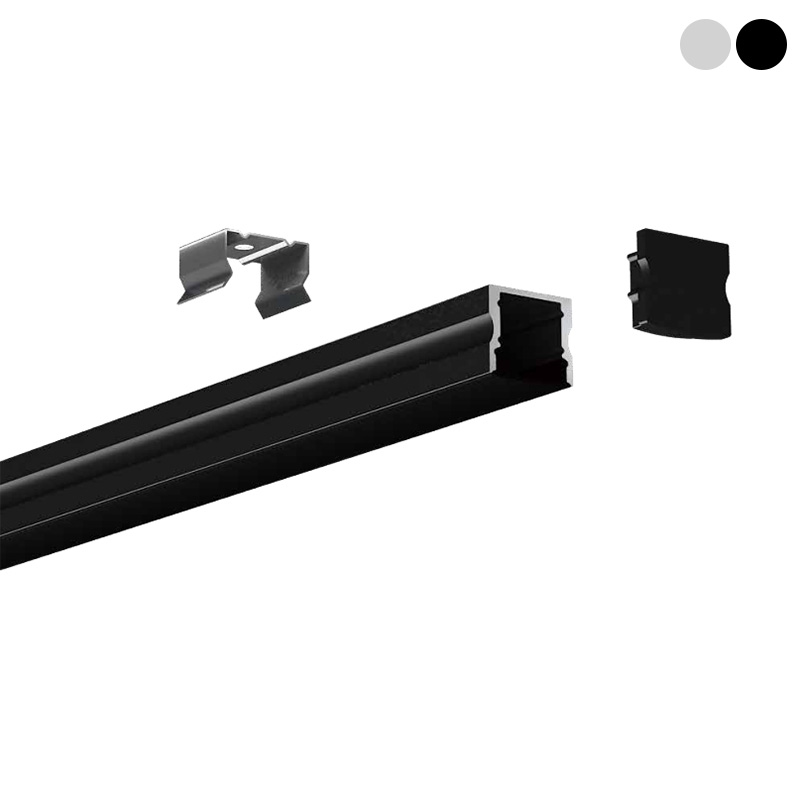 HL-BAPL004
Black LED Diffuser Aluminum Profile For 12mm Width LED Strip Lighting
From $9.99View Specs →
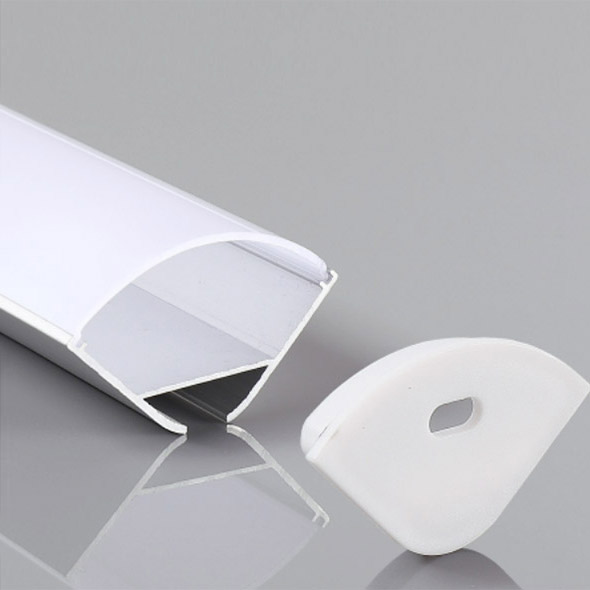 MS-AL-606
1 Inch Corner LED Light Strip Aluminum V Channel, 20mm Inner
From $10.99View Specs →
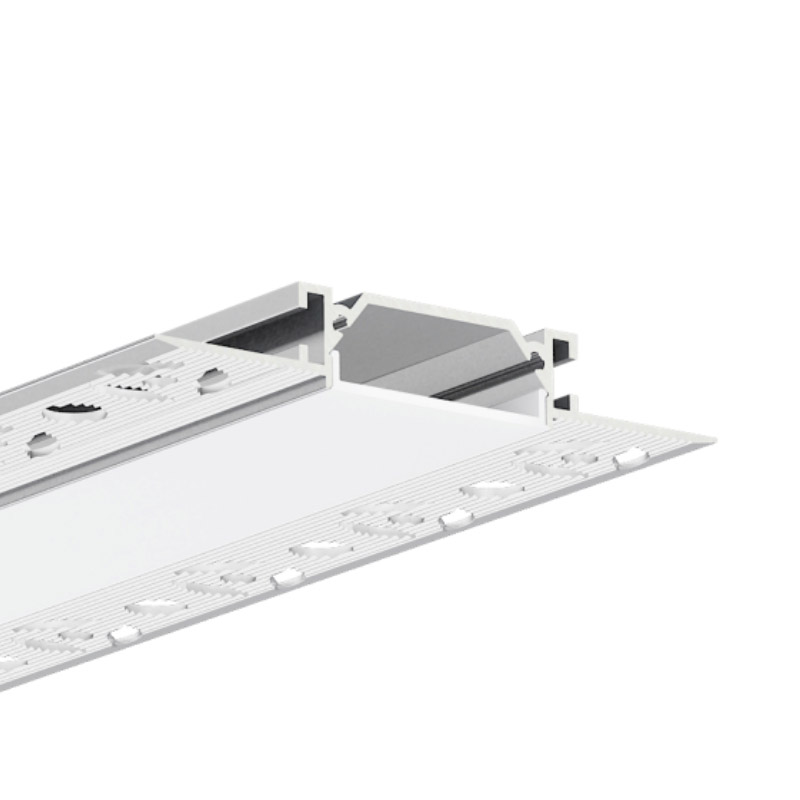 QSG-8012
Wide Plaster In LED Profile For Dual Row Strip Light
From $16.98View Specs →
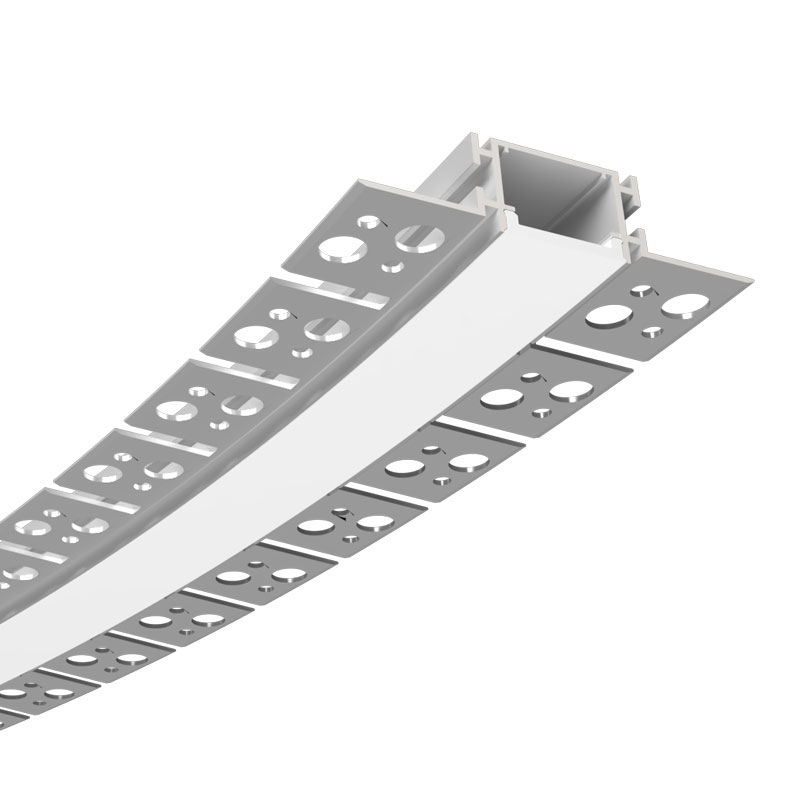 QSG-7030LR
70x17mm Bendable LED Plaster-in Channel For 12mm Flexible LED Strip
From $28.98View Specs →
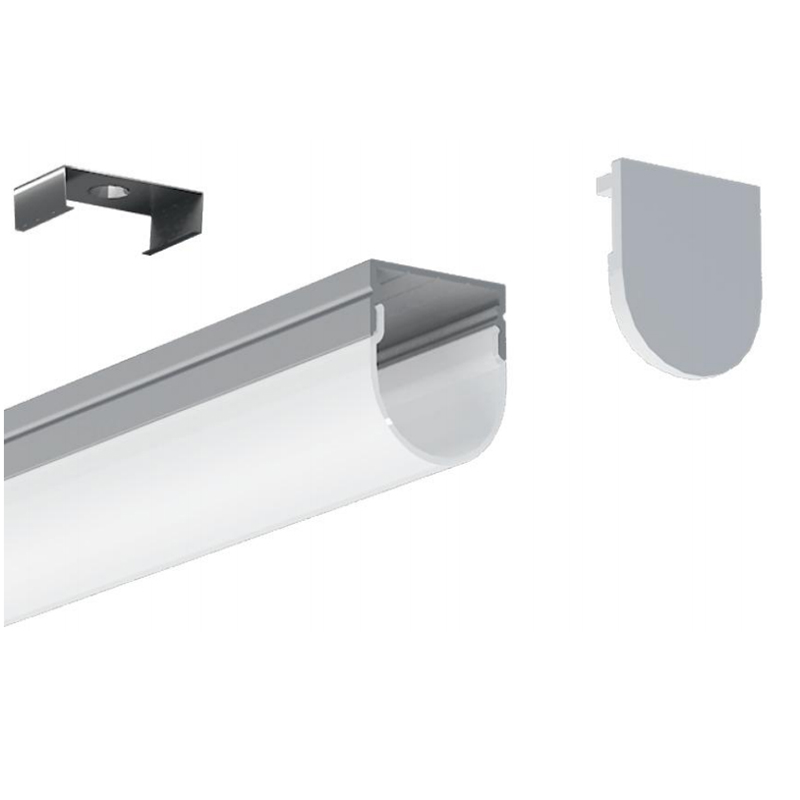 QSG-2326
U Aluminum Channel LED Profile For 20mm Double Row LED Strip Lights
From $9.98View Specs →
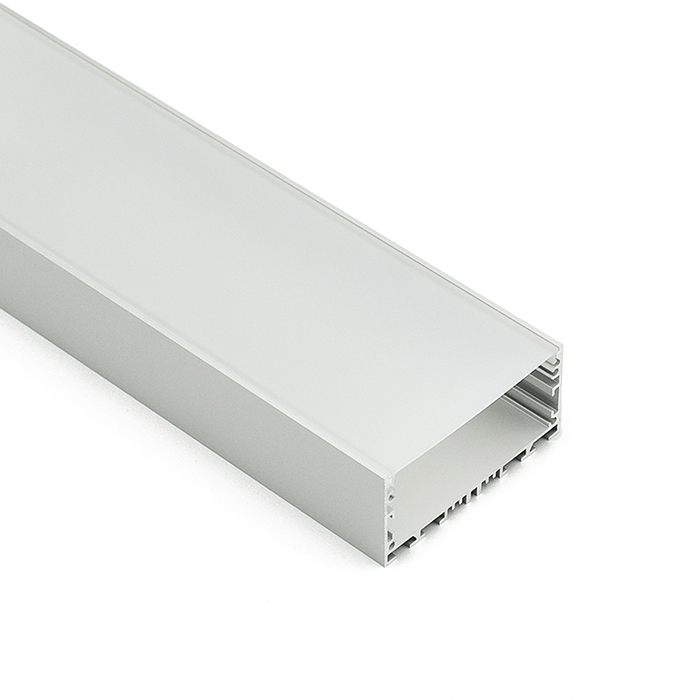 HL-A019/MS7535
3 Inch Wide Linear LED Flat Pendant Light Profile 55mm Inner
From $30.98View Specs →
Interactive Engineering Tools & Design Utilities
Use our free factory-maintained calculators, schematics, and BOM planners before finalizing parts or cutting hardware.
Calculator Suite
Power & Voltage Drop Calculators
Compute exact PSU amperage with 20% headroom, wire gauge (AWG), max run length, cut increments, and lumen targets.
Open Calculators →
Guided Builder
Interactive LED Project Planner
Step-by-step bill-of-materials generator matching strips, channels, controllers, and UL-listed drivers for your room.
Launch Project Wizard →
OEM Engineering
Custom Lighting & Pre-Wiring
Custom cut-to-length LED strips, pre-soldered leads, bespoke aluminum channels, IP68 encapsulation, and factory quotes.
Request Custom Build →
Datasheet Vault
Spec Sheet & Manual Library
Download photometric reports, wiring diagrams, UL/CE compliance sheets, and controller manuals by model.
Browse Spec Sheets →
Engineering Datasheets & Specification PDFs
Download primary technical manuals and test sheets directly from our PDF specification library.
Hands-On Video Demonstrations
Watch bench tests and step-by-step wiring demos from our LED Video Library.
 Demo
How to Bend Flexible Aluminum Channels for LED Strips | 12x10mm Shapeable Profile Demo
 Demo
LED Recessed Extruded Aluminum Channel Profile For LED Strip Lights
 Demo
The most complete LED aluminum profile diffuser - superlightingled
 Demo
How to use quad row led strip lights and aluminum profiles to make an LED workbench lighting
 Demo
Addressable RGB Motion Sensor Stair Lights Kit (With Aluminum Channels)- superlightingled
 Demo
Newnest Flexible FCOB LED Strip Lights, CRI 90 DC12/24V - No Light Dot - Replace Aluminum Channel
Matching Hardware Categories & Reference Hubs
LED Aluminum Profile
Recessed LED Channel Diffuser
Surface Mount LED Strip Diffuser
LED Strip Corner Channel
Floor Stair LED Aluminum Channel
Wall Series LED Aluminum Channels
Flexible LED Channel Series
LED Aluminum Channel Accessories
Ultimate Guide on Aluminum Profiles for LED Strips
Custom Cut-to-Length Channel Services
LED Strip Knowledge Map
Technical Support Desk
01How do I choose an LED aluminum channel width for my LED strip?
The channel's internal width must be larger than your LED strip's PCB width. For a standard 8mm wide LED strip, select a channel with at least a 10mm internal width to allow for easy installation and heat dissipation. For 10mm or 12mm wide strips, such as RGBW or high-density types, a channel with a 12mm to 16mm internal width is required. Always check the manufacturer's spec sheet for both the strip and the channel to ensure a proper fit, which is critical for thermal management and longevity. Find compatible sizes in our LED Aluminum Profile guide.
02How can I achieve a completely dotless/'spotless' look with an LED diffuser?
To eliminate hotspots, you need the right combination of LED strip density, channel depth, and diffuser type. Use a high-density LED strip (at least 120 LEDs/meter) or a COB LED strip. Pair it with a deep Recessed LED Channel Diffuser, as a greater distance between the LEDs and the diffuser allows the light to blend more effectively. Finally, choose an opal (milky) diffuser, which provides the best light scattering, though it may reduce brightness by up to 35%. Shallow channels will almost always show dots with lower-density strips.
03What's the best way to cut aluminum LED channels and diffusers for precise lengths?
For clean, professional cuts, use a miter saw equipped with a fine-toothed blade designed for non-ferrous metals. A hacksaw with a miter box is a viable alternative for smaller jobs. Mark your cut line clearly and secure the channel firmly before cutting to prevent vibration. Cut the aluminum channel and the plastic led diffuser cover separately for the best results. Always deburr the cut edges with a file for a smooth finish and to ensure end caps fit properly. For perfect lengths without the hassle, consider our Custom Cut-to-Length Channel Services.
04How do I properly install LED channels into drywall for a flush, trimless look?
For a seamless built-in appearance, use a plaster-in or trimless Recessed LED Channel Diffuser. First, cut a groove in the drywall to the exact dimensions of the channel's body. Secure the channel in the groove using screws or adhesive. Next, apply plaster or joint compound over the channel's perforated flanges, feathering it out to blend smoothly with the surrounding wall or ceiling. After sanding and painting, only the diffuser will be visible, creating a clean, architectural line of light. Proper planning is key for a professional result.
05What is the difference between a silicone LED diffuser and an aluminum channel system?
A Flexible LED Channel Series made of silicone is ideal for curved applications and provides excellent diffusion for a neon-like effect. It's often waterproof (IP67) but offers minimal heat dissipation. An aluminum channel is rigid and acts as a crucial heat sink, extending the LED strip's lifespan, especially for high-output strips (over 15W/m). Aluminum is superior for straight-run installations requiring thermal management, while silicone excels in flexibility and creating seamless, dot-free curved lighting. Read more about the benefits of flexible channels in our guide: What Is Flexible Aluminum LED Channel?
06How do I prevent light leakage or gaps when installing corner LED channels?
To achieve seamless corner lighting, precise 45-degree miter cuts on your LED Strip Corner Channel are essential. Use a miter saw for accuracy. When joining two sections, ensure the ends are perfectly aligned and deburred. For the LED strip itself, use solderless corner connectors or carefully solder jumper wires to navigate the 90-degree turn without damaging the strip. This avoids a dark spot at the corner. For a detailed walkthrough, see our guide on How to Realize Seamless Inside And Outside Corner Lighting?
07Can I use standard LED aluminum channels for outdoor or bathroom installations?
Standard indoor channels are not suitable for wet environments. For outdoor or bathroom use, you must use channels specifically rated for waterproofing, typically IP65 or IP67. These systems feature sealed diffusers, waterproof end caps with silicone sealant, and corrosion-resistant mounting hardware to protect the LED strip from moisture and dust ingress. Pairing a waterproof channel with an IP-rated LED strip provides robust, long-lasting protection. Explore options like our Floor Stair LED Aluminum Channel which are designed for durability in demanding environments.
08How does the diffuser cover material (PC vs. PMMA) affect performance?
The diffuser material impacts light transmission, durability, and UV resistance. PMMA (acrylic) offers superior optical clarity and light transmission (around 92%) and is naturally more UV resistant, making it less likely to yellow over time. PC (polycarbonate) is more impact-resistant and flexible, making it a more durable choice against physical damage. However, PC typically has slightly lower light transmission (80-90%) and can be more susceptible to yellowing without a UV-stabilizing coating. For most professional indoor applications, PMMA is preferred for its optical quality. Find various options in our LED Aluminum Channel Accessories.
09What is the minimum bending radius for a flexible LED channel?
The minimum bending radius for a Flexible LED Channel Series depends on its design and material. Aluminum-based flexible channels typically have a minimum radius of around 500mm (approx. 20 inches). Silicone-based diffusers are far more flexible and can often handle much tighter curves. Always check the product's specification sheet before installation, as exceeding the minimum bending radius can damage the channel, the diffuser, and the LED strip inside. Learn more about their capabilities in our article: What Is Flexible Aluminum LED Channel?
10How do I manage voltage drop in long runs of LED strips inside channels?
For runs over 5 meters (16.4 ft), voltage drop causes dimming and color shifting. To mitigate this, use a 24V LED strip instead of 12V, as it carries current more efficiently over distance. For very long runs (over 10 meters), you must inject power at multiple points along the strip. This involves running a parallel set of thicker gauge wires (e.g., 18 AWG) from the power supply and connecting them to the strip every 5-10 meters. Use our Power & Voltage Drop Calculators to plan your wiring and ensure consistent brightness.
11What's the best way to mount surface-mount LED channels for a secure, clean installation?
For a secure and professional finish with a Surface Mount LED Strip Diffuser, use the provided mounting clips. Screw the clips into the surface at regular intervals (e.g., every 12-18 inches), then snap the aluminum channel into place. This method allows for easy removal if needed and provides a more secure hold than double-sided tape, which can fail over time, especially on textured surfaces or in areas with temperature fluctuations. For under-cabinet applications, placing clips closer together ensures the channel remains perfectly straight and won't sag.
12How does channel depth relate to LED strip power (W/m) for heat dissipation?
The primary role of an LED Aluminum Profile is to act as a heat sink. The deeper and heavier the channel, the more thermal mass it has to dissipate heat. For low-power strips (under 10W/m), a shallow profile is usually sufficient. For high-output strips (15-25W/m), a deeper channel (e.g., 15mm+ depth) is critical to prevent overheating, which causes premature lumen depreciation and color shift. Insufficient heat sinking can reduce an LED's 50,000-hour lifespan by more than half. Always match your channel to your strip's power requirements for optimal performance.