

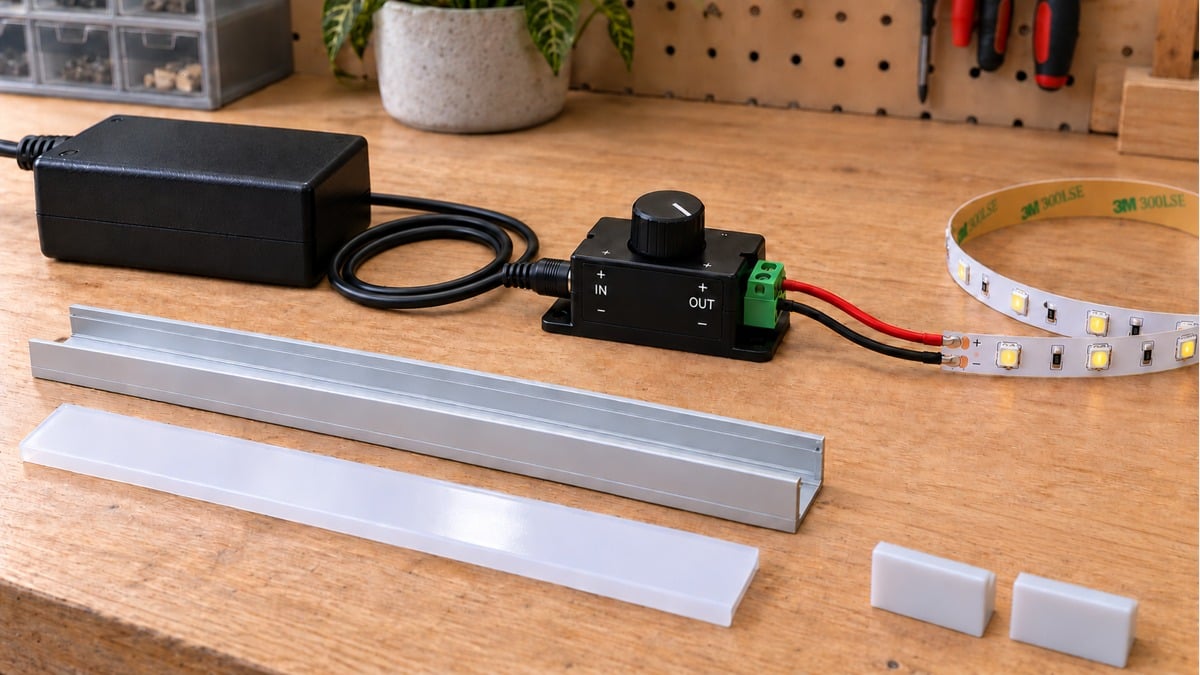
Guide to choose and buy LED products for your custom light strip project. Step-by-step guidance on creating your shopping cart and purchasing all necessary items for your project.
LED Strip Buying Guides
This engineering guide provides a technical framework for specifying high-performance LED strips, moving beyond simple marketing claims to focus on the critical metrics that define quality, longevity, and performance. Whether you are an architect, lighting designer, or discerning DIYer, this documentation details how to select the best LED strip lights for any application, from subtle accents to powerful primary illumination for commercial spaces.
Understanding these core principles is the first step to a successful project. From there, you can explore our curated product lines, including high-efficacy Single Color LED Strip Lights, dotless Flexible COB LED Strip Lights for seamless lines of light, dynamic Multi-Color RGB LED Strips, and complete, ready-to-install Complete LED Strip Kits for streamlined installations.

SuperLightingLED VS Amazon LED Strip Lights
Superlightingled strip lights vs Amazon led strip lights. Superlightingled vs Govee. Superlightingled vs BTF Lighting. Why choose superlightingled to buy strip lights.
Which Is The Brightest LED Light Strip?
Are the brightest led strip lights a trap? This blog takes you to know light brightness, and tells you how to choose the right LED brightness for your place.
Are There Really Small LED Strip Lights You Want?
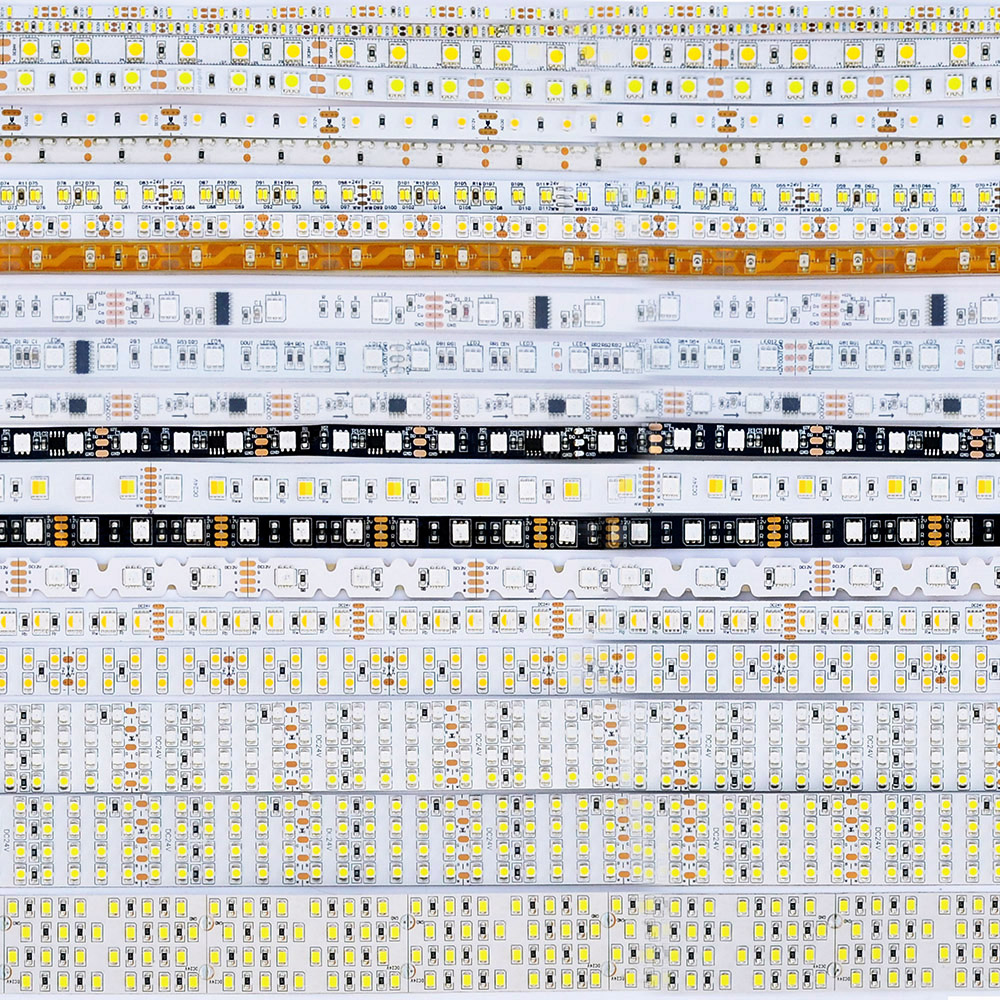
If you’re shopping for LED strip lights, you’ve probably come across a few small-sized options that caught your eye. But do narrow LED strips that meet your lighting needs really exist on the market today? Small LED strip […]

Is It Worth Getting LED Strip Lights To Lighting Your Place?
Here we will introduce the advantages and disadvantages of LED light strips to explain whether it is worth starting with to decorate your home or other lighting places. Article Guide: Are LED Strip Lights sustainable? In our daily […]
Top 6 Considerations Before Buying LED Strip Lights
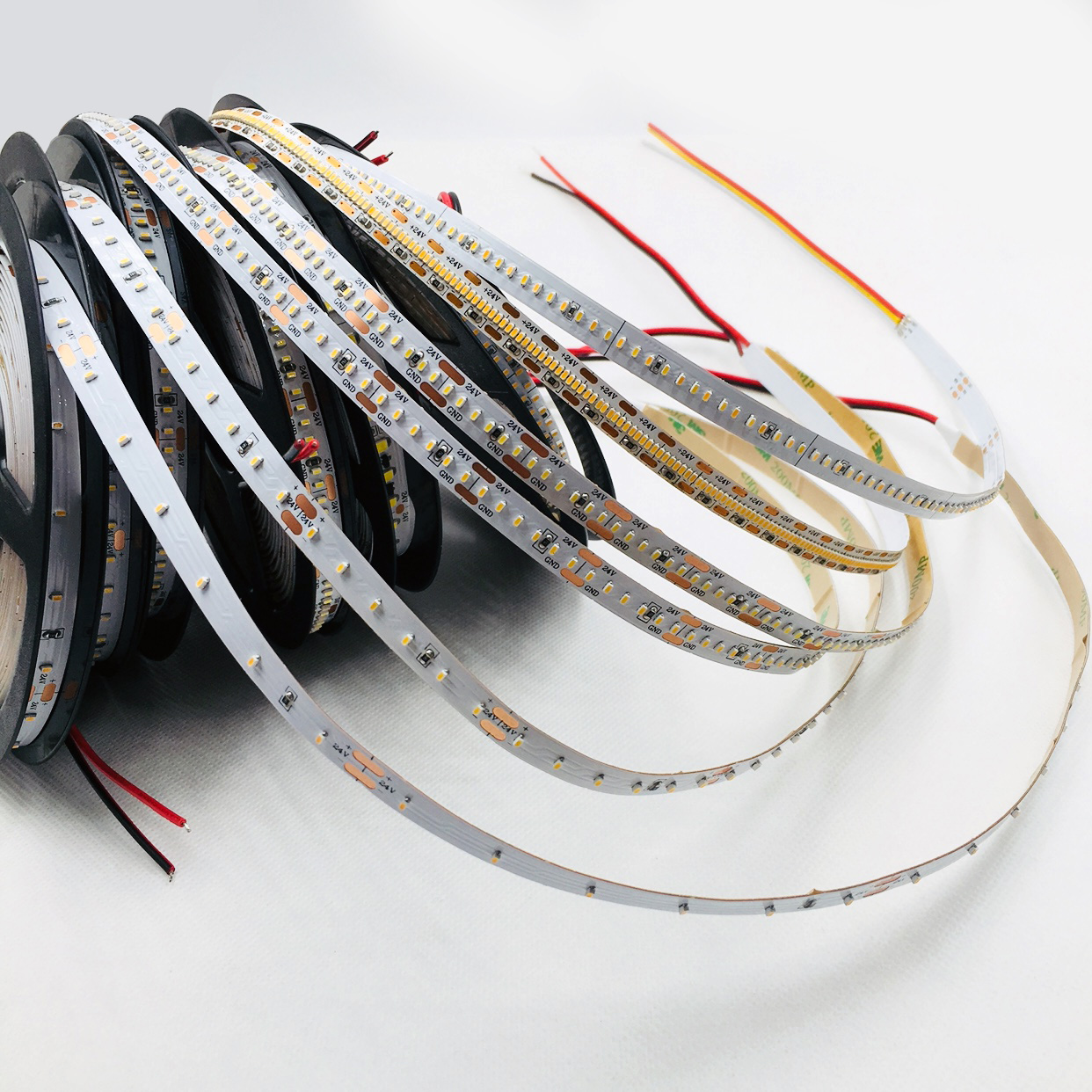
Before buying LED strip lights, there are many factors that you need to consider, such as LED light brightness, waterproof grade, working voltage, etc. How to choose the best LED strip light? This is the main purpose of […]

Everything you need to know before buying LED strip lights
Before buying LED strip lights, we recommend that you first understand the relevant led strip knowledge so that you can use the led light strip in your lighting project to the greatest extent, whether it is an indoor […]
Quick Technical Summary · At-a-Glance Specifications
This guide provides an engineering framework for specifying high-performance LED strips. We cover critical quality metrics like PCB copper weight and SDCM binning, and provide a system checklist to ensure project success from power supply to controls.
Min. Commercial PCB2oz Copper
Color Consistency<3 SDCM
Primary Illumination800+ lm/ft
Typical Lifespan (L70)50,000+ Hours
Evaluating LED Strip Quality Beyond Marketing Claims
The performance and longevity of an LED strip are determined by its underlying components, not by flashy packaging or exaggerated lumen claims. For commercial and architectural applications, it is critical to evaluate the engineering specifications. Understanding how to choose high-quality LED strip lights is paramount. Here are the key technical indicators of a superior product.
Copper PCB Weight (2oz–4oz)
The Flexible Printed Circuit Board (FPCB) is the foundation of the LED strip. Its primary roles are electrical conductivity and thermal management. PCB copper thickness is measured in ounces per square foot. While many consumer-grade strips use thin 1oz or even 0.5oz copper, professional-grade commercial led strip lights utilize 2oz, 3oz, or even 4oz copper. Thicker copper provides a lower resistance path, minimizing voltage drop over long runs and allowing for more consistent brightness from start to end. More importantly, it acts as a superior heat sink, drawing thermal energy away from the LED diodes and significantly extending their operational lifespan.
LED Binning & Color Consistency (SDCM)
During manufacturing, LEDs exhibit slight variations in color and brightness. The process of sorting these LEDs into groups (or 'bins') with similar characteristics is called binning. Color consistency is measured using Standard Deviation of Color Matching (SDCM), often represented as MacAdam ellipses. For architectural projects where multiple strips are visible, a low SDCM value is non-negotiable. A rating of <3 SDCM ensures that there are no perceptible color differences between reels or even from one end of a strip to the other. In contrast, cheaper strips can have an SDCM of 5, 7, or higher, resulting in noticeable and unprofessional color variations.
Verified Lumen Output (lm/ft) and Efficacy (lm/W)
Many manufacturers inflate lumen ratings. The only reliable metric is data from an integrating sphere test, which provides an accurate measurement of total light output. When evaluating the brightest led strip lights, look for lumens per foot (lm/ft) or lumens per meter (lm/m). Equally important is efficacy, measured in lumens per watt (lm/W), which indicates the strip's efficiency. A high-efficacy strip produces more light with less energy and less heat, contributing to a longer lifespan. For an in-depth analysis, read our guide on which is the brightest LED light strip.
Safety & Compliance (UL/cUL Listing)
For any permanent installation, especially in commercial environments, UL or cUL listing is a critical safety requirement. This certification (e.g., UL 2108 for Low Voltage Lighting Systems) ensures the product has been rigorously tested for fire and electrical safety. Using non-listed components can void insurance policies and fail building inspections. As a leading commercial led strip light supplier, we prioritize UL listing across our architectural-grade product lines. You can review these certifications in our Spec Sheet & Manual Library.
Adhesive Backing (Authentic 3M VHB)
While seemingly minor, the adhesive backing is crucial for a lasting installation. Professional-grade LED strips use authentic 3M VHB (Very High Bond) tape, such as models 300LSE or 4229P. These adhesives are engineered for strong, long-term adhesion across a range of surfaces and temperatures. Counterfeit or low-quality adhesives will fail over time, especially as the strip heats up, leading to sagging and costly repairs.
Brightness & Width Selection Matrix
Selecting the correct brightness and physical form factor is essential for achieving the desired lighting effect. This decision balances aesthetic goals with functional requirements and physical constraints.
Lumen Output Tiers for Application-Specific Design
LED strip brightness is best defined by lumens per foot (lm/ft). We categorize output into three main tiers:
- Accent & Mood Lighting (150–300 lm/ft): Ideal for subtle effects like cove lighting, toe-kicks, shelving, and creating ambiance in a living room or bedroom. This range provides a gentle glow without causing glare. This is often the target for the best led strip lights for bedroom or false ceiling applications.
- Task Lighting (400–600 lm/ft): Provides functional illumination for work areas. This is the standard for the best led strip lights for kitchen cabinets (undercabinet lighting), vanities, and workshop benches where clear visibility is important.
- Primary & General Illumination (800+ lm/ft): This high-output category is capable of replacing traditional light fixtures. These are the brightest led strip lights, suitable for indirect lighting in rooms with high ceilings, illuminating large commercial spaces, or for outdoor applications requiring significant light projection.
Key Engineering Rule: Higher lumen density (more LEDs per foot) requires superior thermal management. Always pair high-output strips (800+ lm/ft) with a LED Aluminum Profile. The profile acts as a heat sink, dissipating thermal energy and ensuring the strip achieves its rated L70 lifespan of 50,000+ hours.
| Application | Required Brightness (lm/ft) | Example Use Case | Recommended Strip Type |
|---|---|---|---|
| Accent / Cove | 150 - 300 | Best led strip lights for false ceiling, media units | Standard Density Single Color or COB |
| Task Lighting | 400 - 600 | Under-cabinet, vanity, workbench | High Density Single Color or COB |
| General Illumination | 800 - 1500+ | Best led strip lights for ceiling (indirect), commercial spaces | Ultra-Bright or Multi-Row Strips |
| Gaming / Entertainment | 200 - 500 | Best led strip lights for gaming setup, home theater | Addressable RGB/RGBW |
| Outdoor / Landscape | 300 - 1000+ | Commercial led strip lights outdoor (pathways, facades) | IP67/IP68 Rated Strips |
PCB Width: From Ultra-Narrow to Standard
The width of the PCB impacts both where a strip can be installed and its thermal performance.
- Ultra-Narrow PCBs (2.7mm–5mm): These strips are designed for installations with severe space constraints, such as in custom millwork, architectural reveals, or miniature models. Their reduced surface area means thermal management is critical. For more on these specialized products, see our article on small LED strip lights.
- Standard PCBs (8mm–12mm): This is the most common range, offering a good balance of compatibility with aluminum channels, connector availability, and thermal dissipation capacity. 8mm and 10mm are typical for single-color strips, while 10mm and 12mm are common for RGB and RGBW multi-color strips.
Factory-Direct Architectural Strips vs. Consumer Retail Kits
A common point of confusion is the vast difference between professional-grade components and all-in-one consumer kits. The choice impacts not just initial cost, but total cost of ownership, reliability, and performance. Our deep dive on SuperLightingLED VS Amazon LED Strip Lights covers this in detail.
Lifecycle Cost & Performance (LM-80 & L70)
Professional commercial led strip lighting is rated for longevity using LM-80 test data, which projects the L70 lifespan—the point at which the LEDs have degraded to 70% of their initial lumen output. A typical architectural-grade strip is rated for 50,000 hours or more. In contrast, consumer kits often use lower-grade LEDs and inadequate thermal management, leading to a drastically shorter lifespan of 10,000-15,000 hours and rapid color shifting. Investing in a quality product minimizes the labor and material costs of premature replacement.
Customization, Consistency & Scalability
As a factory-direct commercial led strip light supplier, we offer a level of control unavailable in retail kits. This includes:
- Custom Reel Lengths: Order the exact length needed for your project to minimize waste and soldering.
- Consistent Binning: For large projects, we can supply entire orders from a single LED bin, guaranteeing absolute color uniformity across hundreds or thousands of feet.
- Pre-Wiring Services: Our custom lighting and pre-wiring services can save significant time on-site by delivering strips with pre-soldered leads to your exact specifications.
| Specification | Professional / Architectural Grade | Consumer Grade Retail Kit |
|---|---|---|
| L70 Lifespan | 50,000+ hours (LM-80 data) | 10,000 - 15,000 hours (Often unverified) |
| Color Consistency | <3 SDCM (Single Bin) | >5 SDCM (Mixed Bins) |
| PCB Copper Weight | 2oz - 4oz | 0.5oz - 1oz |
| Efficacy (lm/W) | 100 - 160+ lm/W | 60 - 90 lm/W |
| Warranty | 3 - 7 Years | 90 Days - 1 Year |
| UL/cUL Listing | Standard for most products | Rare; often just the power adapter is listed |
Complete System Specification Checklist Before Ordering
A successful LED strip installation is a complete system. The strip itself is only one part of the equation. Before placing an order, use this checklist to ensure all components are specified and compatible. For a guided experience, use our Interactive LED Project Planner.
1. Define Project Goals
What is the primary function of the light? (Accent, Task, General). What color temperature (CCT) is required (e.g., 3000K warm white, 6000K cool white)? Do you need static color, tunable white, RGB, or pixel-addressable control for effects like the best led strip lights for music synchronization?
2. Calculate Total Length & Power Consumption
Measure the total linear feet required for your installation. Then, use the strip's 'watts per foot' rating to calculate the total system wattage. This is a critical step for sizing your power supply. Our top 6 considerations guide explains this in more detail.
Total Wattage Calculation
Total Length (ft) × Watts per Foot (W/ft) = Total System Watts
Example: 25 ft of a 4.4 W/ft strip requires 25 × 4.4 = 110W.
Power Supply Sizing (80% Rule)
Total System Watts / 0.8 = Minimum Power Supply Wattage
Example: For a 110W system, you need a power supply of at least 110 / 0.8 = 137.5W. Select the next standard size up (e.g., 150W).
3. Select the LED Strip
Based on your goals for brightness (lm/ft), color (CCT/RGB), and any physical constraints (PCB width, IP rating for outdoor use), select the appropriate LED strip from our catalog.
4. Choose the Power Supply
Select a LED Power Supply Drive that matches the strip's voltage (typically 12V or 24V DC) and exceeds the minimum wattage calculated in step 2. Consider the form factor (hardwired driver vs. plug-in adapter) and whether you need a dimmable driver (e.g., 0-10V, TRIAC).
5. Specify Controls & Dimming
How will you control the lights? Options range from simple inline dimmers to wall-mounted keypads, RF/WiFi remote controls, or DMX controllers for complex scenes. For dynamic color effects, you will need an appropriate RGB/RGBW or addressable controller. For the best led strip lights for gaming setup, an addressable controller is a must.
6. Select Mounting & Diffusion
For a professional finish and proper heat sinking, choose a LED Aluminum Profile with a compatible lens (e.g., frosted for diffusion, clear for max output). This protects the strip and creates a clean, finished fixture.
7. Plan Wiring & Connectors
Determine the wire gauge needed based on run length and current using our Power & Voltage Drop Calculators. Plan for any connectors, splitters, or amplifiers needed to complete the circuit. For complex projects, a detailed wiring diagram is essential. Our guide on how to choose and buy products for custom LED strip projects provides a comprehensive overview. If you have any questions, our Technical Support Desk is ready to assist.
Recommended Hardware Matching These Specs
Each product below is stocked in our factory-direct catalog and verified for compatibility with the engineering guidelines in this library.
 FSLRGBWW-5T1-5050X480-W10
24V 5050 Color Shift RGB Tunable White LED Strip Light 10mm 96 LEDs / m
From $64.98View Specs →
 FSLSR-IP20-2835X300
Single Row Series DC12/24V 2835SMD 300LEDs Flexible LED Strip Lights Indoor Lighting 16.4ft Per Reel By Sale
From $24.98View Specs →
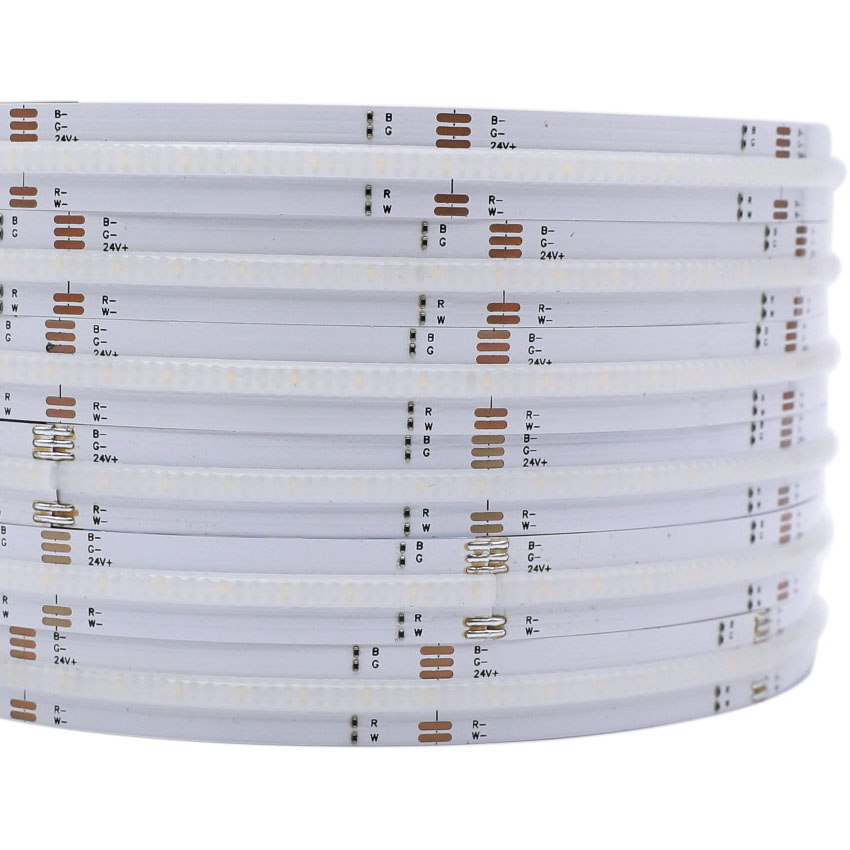 FCOB-24V-840RGBW
DC24V Color Change RGBW 3920 Chips 16.4Ft Flexible COB LED Strip Lights
From $60.00View Specs →
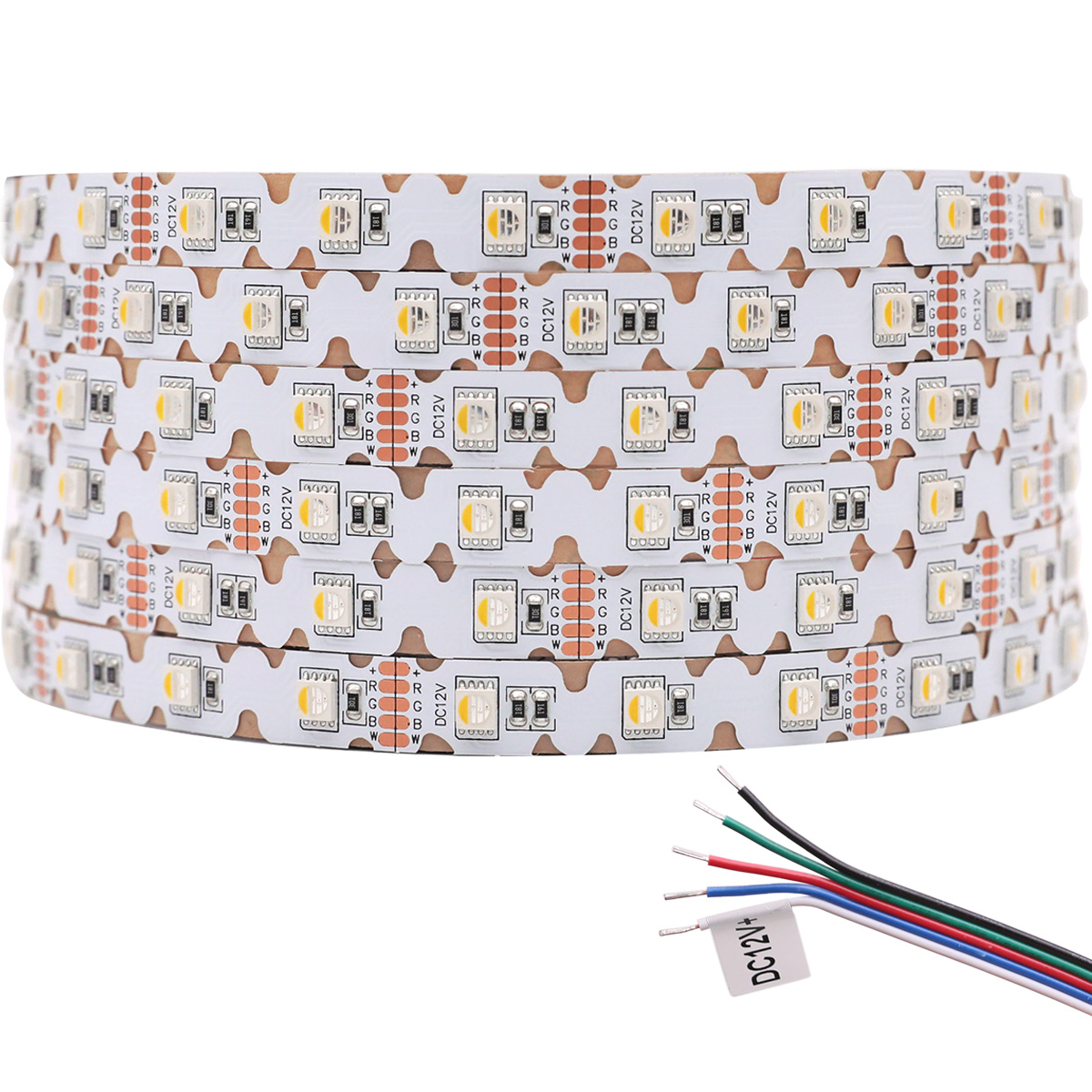 FSLRGBWS-5050X240
RGBW Color Changing LED Lights - 12V 48LEDs/m S Shape LED Strip Bendable
From $39.98View Specs →
 FCOB-24V-RGBX576-0612
24V Flexible Cuttable Smooth RGB COB Neon Like LED Strip Lights 12X6mm
From $35.98View Specs →
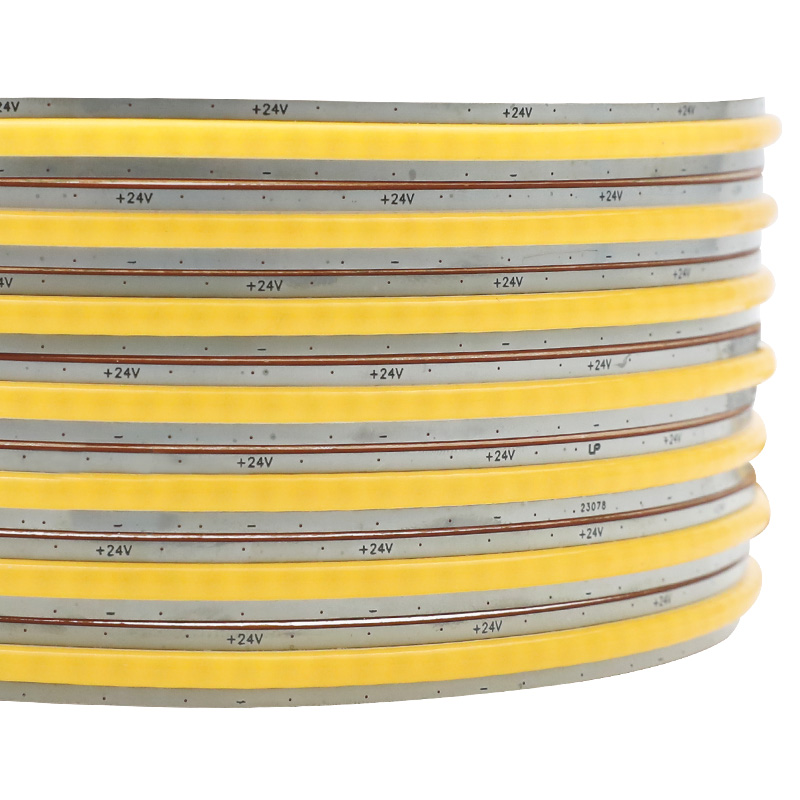 FSLCOB-FREECUT-576DW8-TIN
DC24V COB Easy Solder and Arbitrary Cut to Length LED Strip Lights Dimmable White Color
From $26.98View Specs →
Interactive Engineering Tools & Design Utilities
Use our free factory-maintained calculators, schematics, and BOM planners before finalizing parts or cutting hardware.
Guided Builder
Interactive LED Project Planner
Step-by-step bill-of-materials generator matching strips, channels, controllers, and UL-listed drivers for your room.
Launch Project Wizard →
Calculator Suite
Power & Voltage Drop Calculators
Compute exact PSU amperage with 20% headroom, wire gauge (AWG), max run length, cut increments, and lumen targets.
Open Calculators →
OEM Engineering
Custom Lighting & Pre-Wiring
Custom cut-to-length LED strips, pre-soldered leads, bespoke aluminum channels, IP68 encapsulation, and factory quotes.
Request Custom Build →
Datasheet Vault
Spec Sheet & Manual Library
Download photometric reports, wiring diagrams, UL/CE compliance sheets, and controller manuals by model.
Browse Spec Sheets →
Engineering Datasheets & Specification PDFs
Download primary technical manuals and test sheets directly from our PDF specification library.
Hands-On Video Demonstrations
Watch bench tests and step-by-step wiring demos from our LED Video Library.
 Demo
Bending Aging Test For High Quality COB LED Strip Lights - superlightingled
 Demo
Best High CRI COB LED Strip Light - No Light Spot - superlightingled
 Demo
How to Choose the Best LED Strip Lights - What are LED light strips used for?
 Demo
What are LED Strip Lights and How to Choose High Quality LED Strip Lights - SuperLightingLED com
 Demo
What is the brightest RGBWW led strip lights - superlightingled
 Demo
Dual Row COB LED Strip Light - A Brighter Lighting Choice
Matching Hardware Categories & Reference Hubs
Single Color LED Strip Lights
Flexible COB LED Strip Lights
Multi-Color RGB LED Strips
Addressable LED Strip Lights
Complete LED Strip Kits
Single Color LED Strip Light Kits
LED Power Supply Drives
LED Aluminum Profile
Everything to Know Before Buying LED Strips
Top 6 Considerations Before Buying LED Strips
How to Choose High-Quality LED Strip Lights
LED Strip Factory & QC Standards
Technical Support Desk
01How do I calculate the right size power supply for my LED strip lights?
To correctly size your power supply, calculate the total wattage by multiplying the LED strip's watts-per-meter by the total length in meters. For example, a 5-meter strip at 14.4W/m requires 72W (5m x 14.4W/m). Always add a 20-25% safety margin to prevent overloading; for a 72W load, you'd need a power supply of at least 90W. A standard 100W, 24V DC power supply would be a safe and reliable choice. This ensures the unit doesn't run at full capacity, extending its lifespan. Use our Power & Voltage Drop Calculators for precise planning.
02What causes voltage drop in LED strips, and how can I prevent it?
Voltage drop is the gradual decrease of DC voltage along the length of the LED strip, causing LEDs at the far end to appear dimmer or change color. It's caused by the inherent resistance of the copper traces in the flexible PCB. For 12V strips, this becomes noticeable after 5 meters (16.4 ft). To prevent it, use 24V strips for longer runs, as they carry half the current for the same power. For very long runs, inject power in parallel to multiple points of the strip using appropriately sized wire (e.g., 18 AWG). Our Power & Voltage Drop Calculators can help you plan wire gauge and injection points.
03What wire gauge (AWG) should I use for connecting my LED strips?
The correct wire gauge depends on the current (Amps) and the distance from the power supply. Using a wire that is too thin (higher AWG) for the load and distance will increase resistance, causing voltage drop and a potential fire hazard. For short runs (under 3 meters) carrying up to 5A, 20-22 AWG is often sufficient. For longer runs or higher currents (10-15A), 16 or 18 AWG is recommended. For commercial or whole-room installations, 12-14 AWG may be necessary. Always consult a voltage drop chart or use a calculator to ensure performance and safety. Learn more in our How to Choose and Buy LED Strip System Products for Your Custom Projects? guide.
04How do I connect multiple LED strips to a single power supply?
To power multiple LED strips from one source, you must wire them in parallel, not in series. This means each strip gets a direct connection to the power supply's output terminals, ensuring each receives the full voltage (e.g., 24V). Connecting strips in series (end-to-end) will cause significant voltage drop, making each subsequent strip dimmer. Use a terminal block or splitter to create separate parallel runs from the power supply. Ensure the power supply's total wattage can handle the combined load of all strips plus a 20% safety margin. Explore options in our LED Power Supply Drives category.
05What's the difference between COB and SMD LED strips, and which is better?
The main difference is aesthetics and light diffusion. SMD (Surface Mounted Device) strips have visible, individual LED chips that create 'dots' of light, which can be diffused with a deep LED Aluminum Profile. COB (Chip on Board) strips mount hundreds of tiny chips under a continuous phosphor layer, creating a seamless, dotless line of light without a diffuser. COB is ideal for visible installations or near reflective surfaces where a flawless look is desired. SMD is more cost-effective and efficient for general-purpose or indirect lighting where the strip itself is hidden. For a dotless look, see our Flexible COB LED Strip Lights.
06Why are my LED strip lights flickering, especially at low brightness?
Flickering is most often caused by an overloaded power supply, an incompatible dimmer, or excessive voltage drop. At low brightness, flickering can be due to the dimmer's PWM (Pulse Width Modulation) frequency being too low (under 200 Hz). For video or sensitive applications, a high-frequency PWM dimmer (over 25 kHz) is needed to eliminate banding. Also, ensure your power supply is not loaded beyond 80% of its capacity and that all connections are secure. If only the end of the strip flickers, the cause is likely voltage drop. For more details, read our guide on Top 6 Considerations Before Buying LED Strip Lights.
07What IP rating do I need for outdoor or bathroom LED strip installations?
The required IP (Ingress Protection) rating depends on the exposure to water. For indoor areas with occasional splashes like kitchens or bathrooms (Zone 2), an IP65 rating (silicone-coated) is sufficient. It protects against dust and low-pressure water jets. For outdoor locations exposed to rain but not submersion, like under eaves, IP67 (silicone tube) is necessary. For applications involving temporary or continuous submersion, such as in pools or fountains, you must use an IP68-rated strip. Always use a similarly rated waterproof power supply for wet locations. Get more info from our Technical Support Desk.
08Do I need an aluminum channel for my LED strips? Does it really help with heat?
Yes, an aluminum channel is crucial for heat dissipation, especially for strips over 10W/m. LEDs generate heat that, if not managed, degrades the phosphor and reduces lifespan and brightness. Aluminum has high thermal conductivity (around 200 W/m·K), drawing heat away from the PCB. A profile with a wall thickness of at least 2mm can lower the operating temperature by 15-25°C, significantly extending the L70 lifespan. Channels also provide physical protection and a professional finish with a diffuser. Browse our LED Aluminum Profile selection for options.
09What is CRI, and what CRI value should I look for in commercial or residential lighting?
CRI (Color Rendering Index) measures how accurately a light source reveals the true colors of objects compared to a natural light source (like the sun). The scale is 0-100, with 100 being perfect. For general residential use, a CRI of 80+ is acceptable. For commercial applications, retail displays, art galleries, or kitchens where color accuracy is important, a CRI of 90+ is highly recommended. High-CRI lighting makes environments look more vibrant and colors appear as they should. Many of our Single Color LED Strip Lights offer high-CRI options.
10How do I control addressable LED strips like WS2812B or SK6812?
Addressable LED strips require a dedicated controller that sends a data signal to each individual LED (or small group of LEDs). These controllers connect to the strip's data input wire (and sometimes a clock wire). Popular DIY controllers include microcontrollers like Arduino or ESP32 running software like WLED or FastLED. For commercial or plug-and-play solutions, dedicated SPI controllers with remote controls or DMX interfaces are used. Ensure the controller's voltage matches your strip (typically 5V or 12V). Explore our Addressable LED Strip Lights and compatible controllers.
11What's the brightest LED strip light I can get for a ceiling or commercial space?
Brightness is measured in lumens per meter (or foot). For the brightest output, look for high-power SMD 2835 or 5050 LED strips with a high LED density (e.g., 120-240 LEDs/meter) and high wattage (20-30W/m). These can produce over 3000 lumens per meter, making them suitable for primary illumination in commercial spaces or high ceilings. Always use a 24V system for high-power strips to manage current effectively and pair them with an LED Aluminum Profile for heat dissipation. Read our guide on the brightest LED light strips for more details.
12Can I cut LED strips and how do I reconnect them?
Yes, LED strips are designed to be cut at designated points, typically marked with a scissor icon along copper solder pads every 3 to 6 LEDs. You can cut them with standard scissors. To reconnect pieces or add wire, you can either solder wires directly to the copper pads (the most reliable method) or use solderless clip-on connectors. Ensure you match the polarity (+ to +, G to G, R to R, etc.). For a professional and durable connection, especially in commercial projects, soldering is always the recommended method. Our Custom Lighting & Pre-Wiring services can handle this for you.