

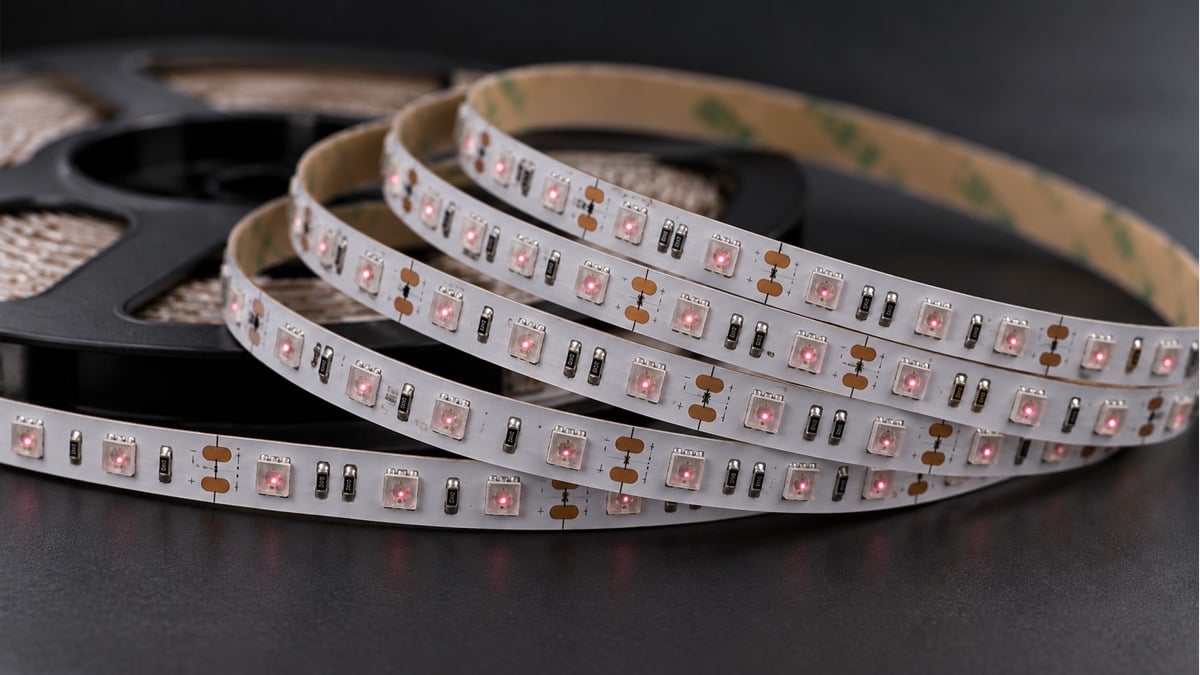
Explore NIR light & near infrared LED light wavelengths: their ranges, key differences, and how to choose the right one for your needs.
LED Color, CCT & CRI
Understanding the science of LED color is fundamental to professional lighting specification and engineering. This guide provides an in-depth analysis of the core metrics that define light quality, from the perceived warmth or coolness of white light (CCT) to the accuracy of color reproduction (CRI, R9, TM-30) and the consistency between fixtures (SDCM). We will dissect the spectral power distributions and underlying technologies that enable precise control over the visual environment, ensuring every project meets its design intent with engineering-grade precision.
Whether your application requires dynamic color changes, tunable white capabilities, or high-fidelity architectural illumination, selecting the correct LED strip architecture is critical. SuperLightingLED offers a comprehensive portfolio, including versatile Multi-Color RGB LED Strips for vibrant effects, advanced RGBW LED Strip Lights for adding true white, and fully flexible Dual White CCT Dimmable LED Strips. For specialized applications, we also provide precision UltravioletUV LED Light Strips.
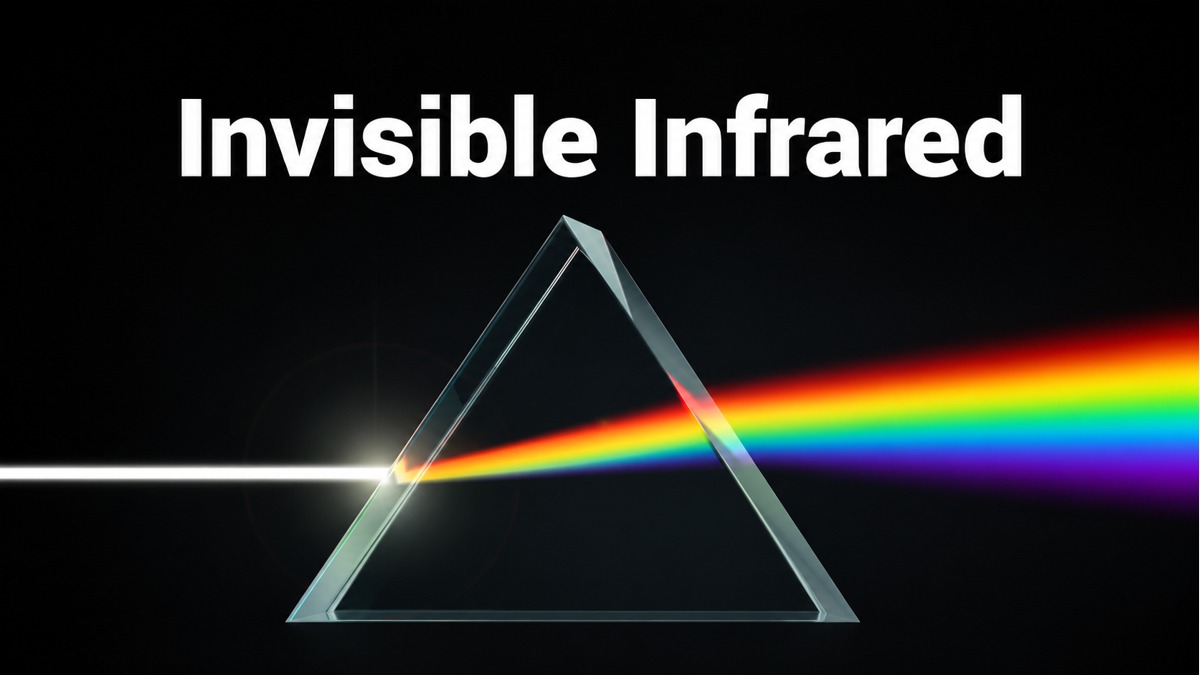
Do LEDs Emit IR: Guide to Know Infrared Lights
Explore red and infrared LED lights: waves, visibility, safety, benefits of RLT/ILT therapy. Learn proper use for home red and near-infrared applications.

Led Lights and Growing Plants
Can regular LED lights promote plant growth? What is the difference between regular LED lights and LED grow lights? Are there any advantages of LED grow lights? How should we use grow lights properly? In this blog we will discuss all these questions.
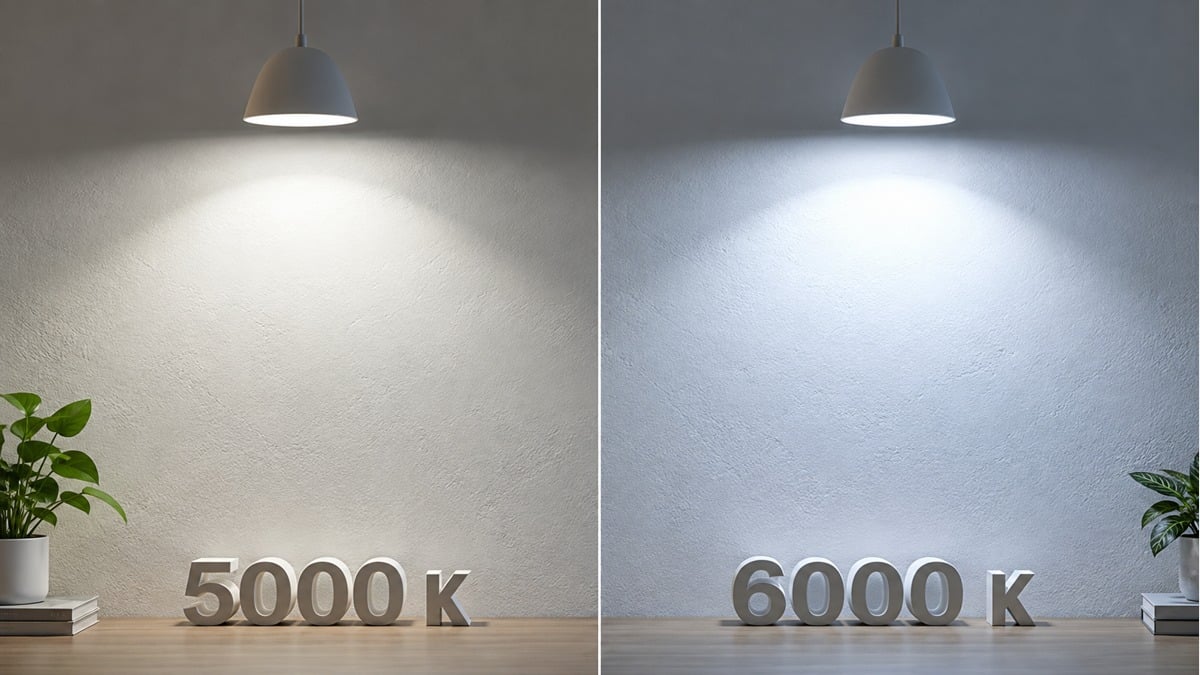
5000K VS 6000K
There are subtle differences between 5000K and 6000K, including colors, application scenarios, advantages and disadvantages. Knowing the differences are helpful to create a functional and inviting space.
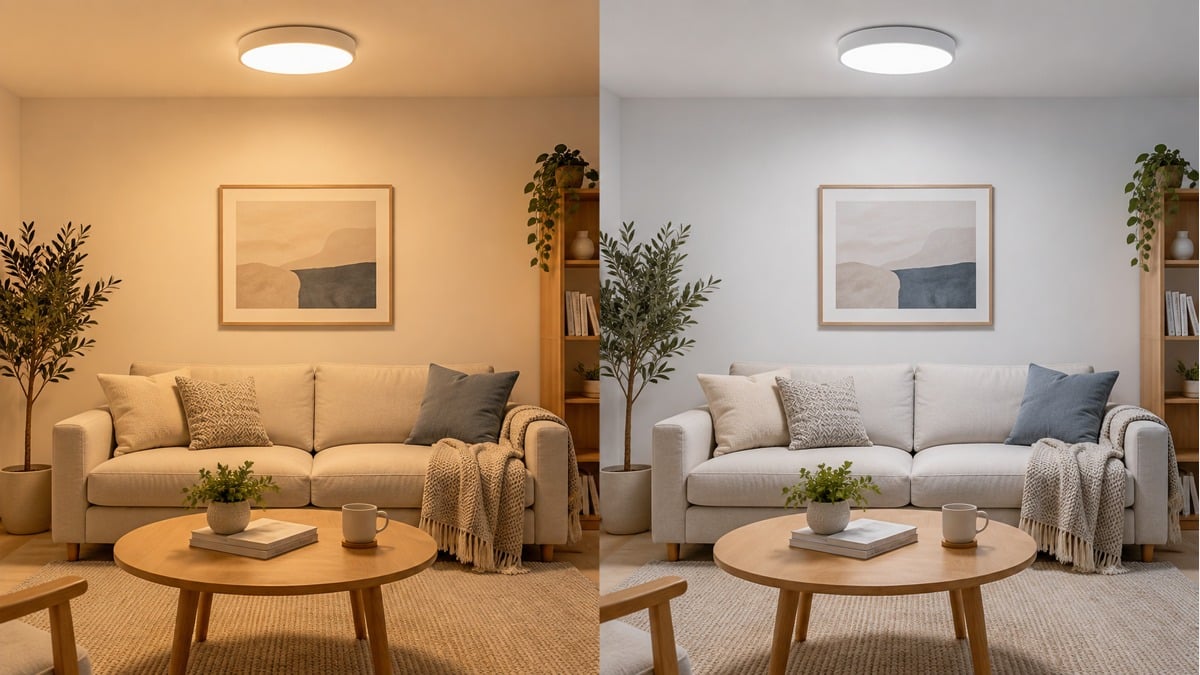
What Is Tunable LED White Lighting?
Tunable white meaning and CCT controls. Tunable white vs dim to warm. Relation of tunable white to blackbody curve. Know these here.
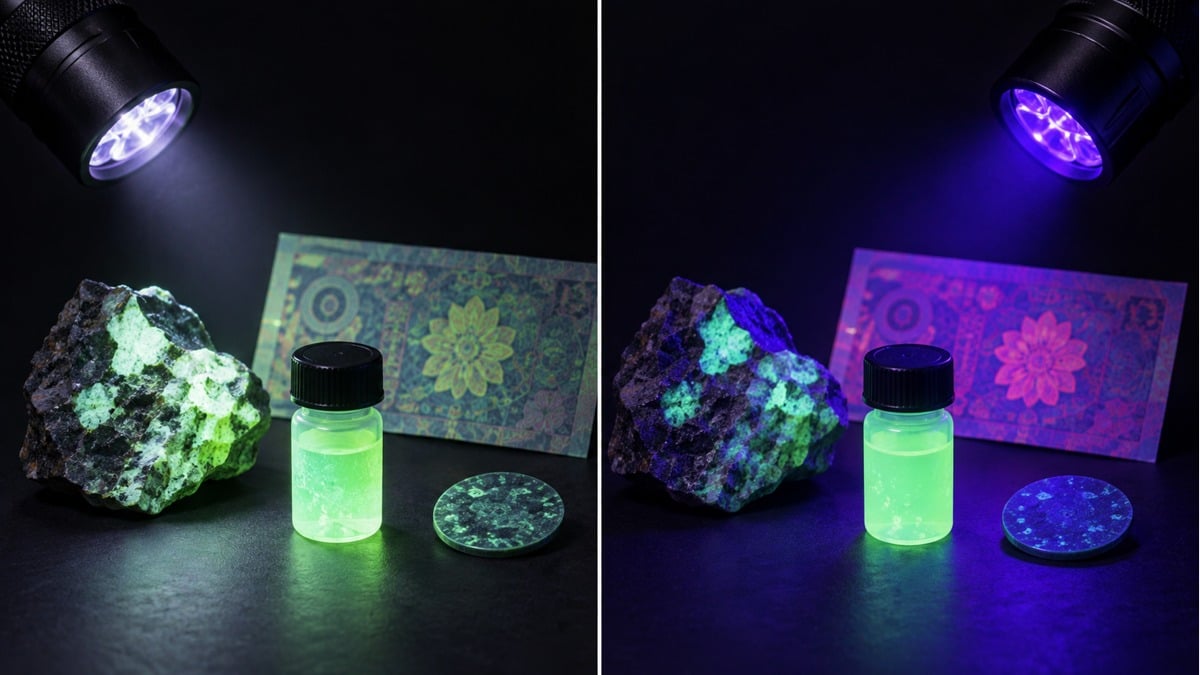
UVA Black Light: 365nm VS 395nm
It’s a common consideration for choosing 365nm or 395nm in UV black light and fluorescence detection applications. Read this blog to know the difference between 365nm vs 395nm.
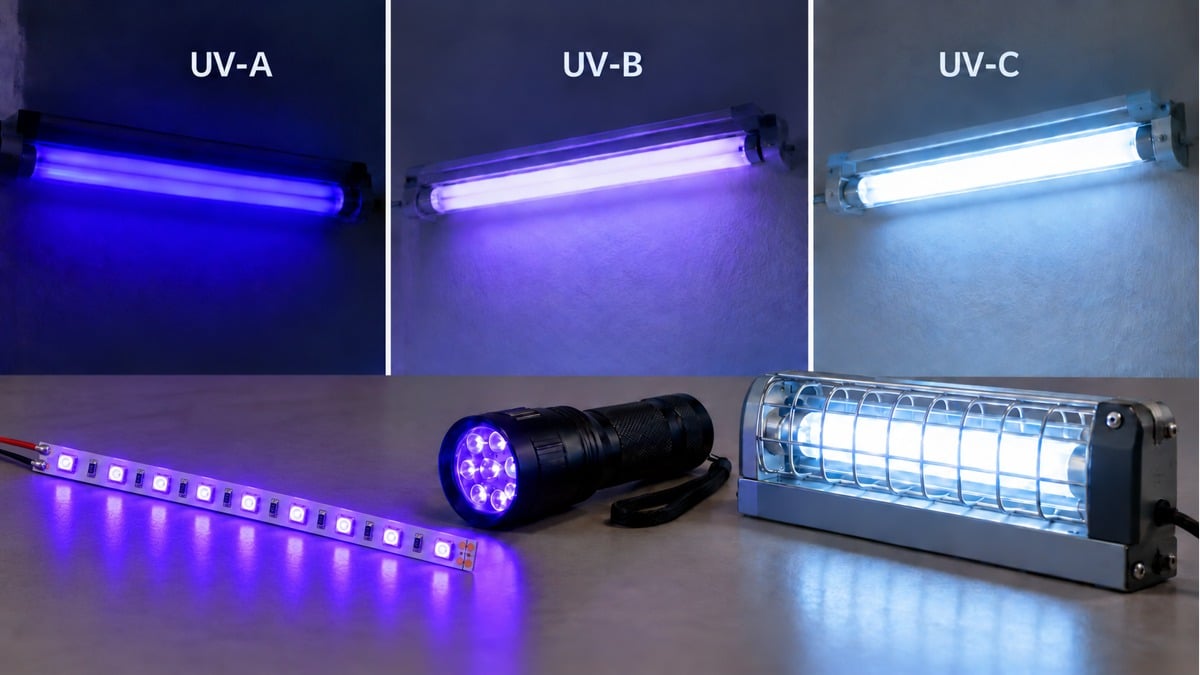
Does UV Light Kill Mold, Fungus, And Bed Bugs?
Although UVC light has a positive effect on killing mold, fungus, and dust mites, you need other means to get rid of them completely. And UV light doesn’t kill bed bugs.
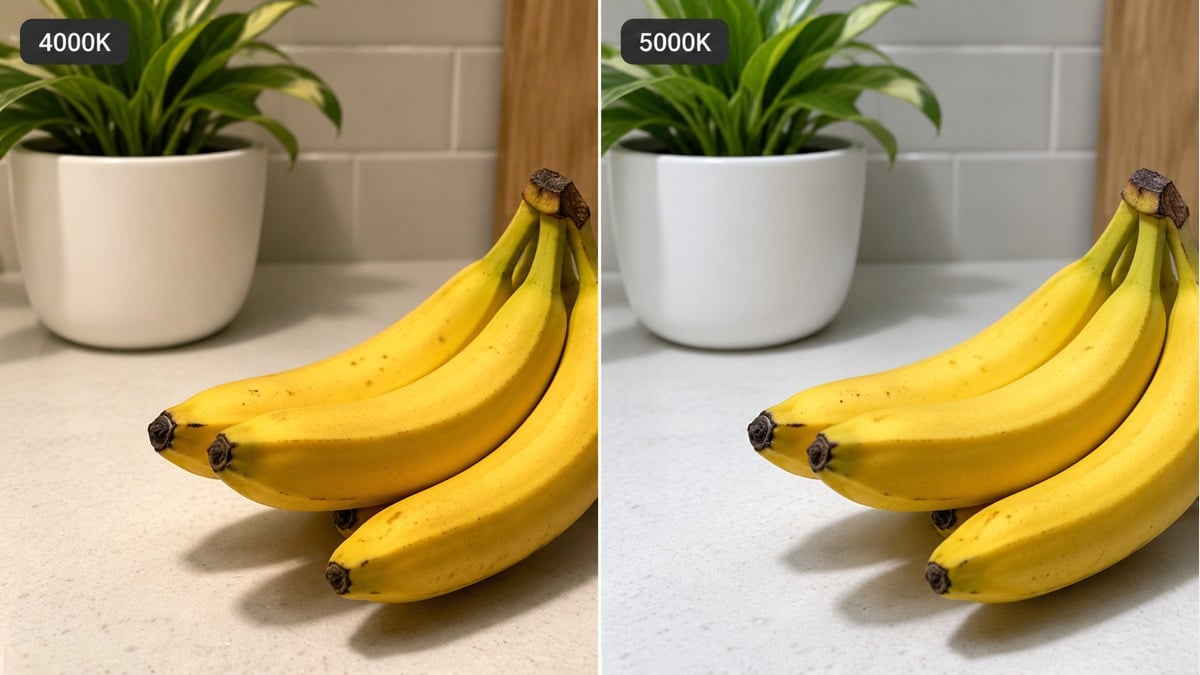
4000K VS 5000K – A In-depth Comparison
A in-depth comparison between 4000K vs 5000K. Here to know what are 4000K and 5000K, 4000K and 5000K lighting difference, and where they are suitable for.
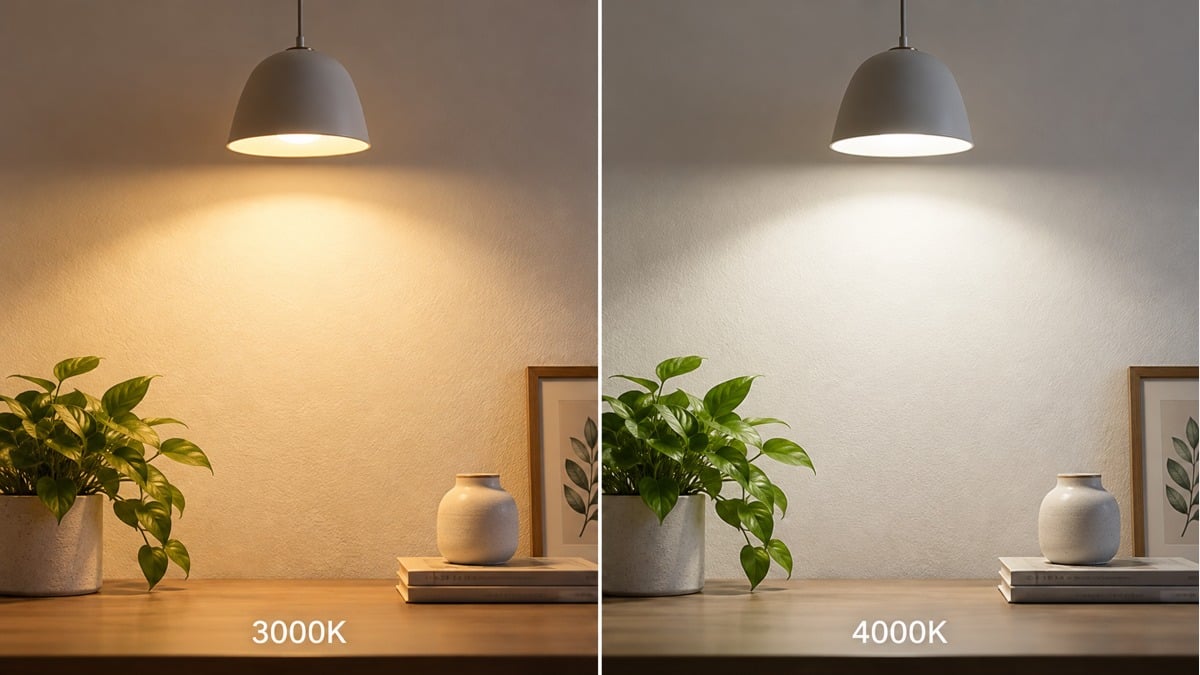
3000K VS 4000K – Here To Know The Difference
Is 3000K right for your home or commercial lighting application? Or is 4000K? Here to understand the difference between 3000K and 4000K lighting.
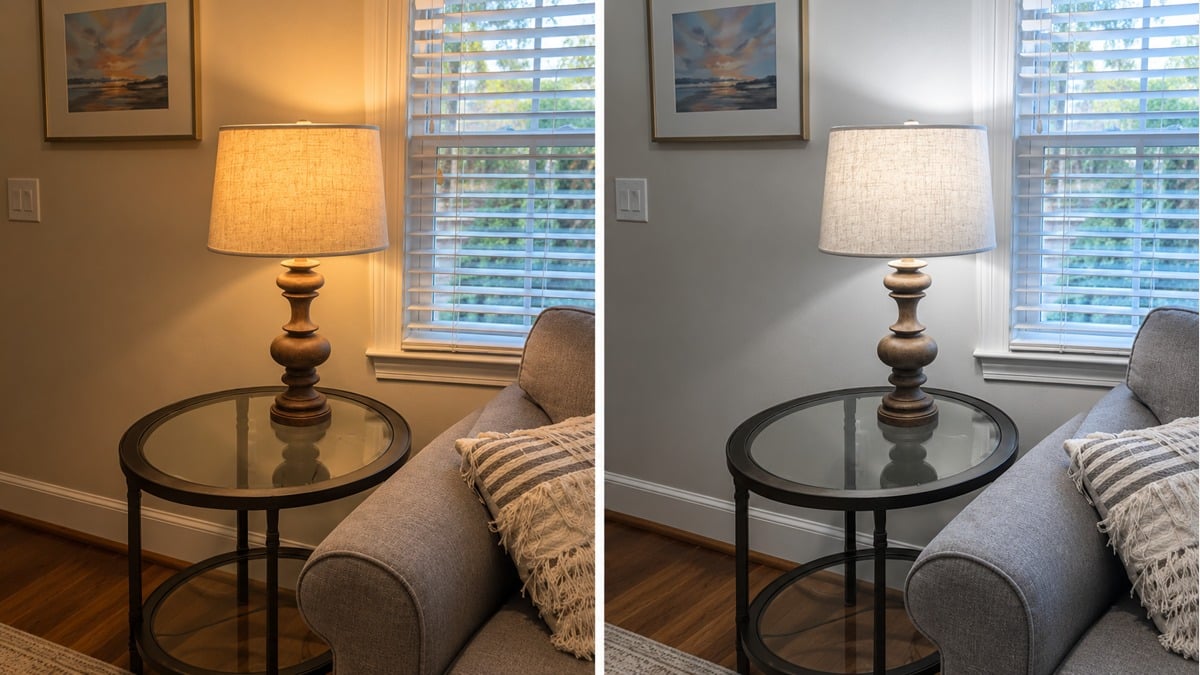
Soft White Vs Daylight – What’s The Difference?
Soft White Vs Daylight. Should you choose 2700K/3000K warm white light or 6000K/6500K daylight light for your bedroom, living room, kitchen, bathroom, etc? Click to know the difference now.

RGB vs RGBIC vs RGBW vs RGBWW vs RGBCW vs RGBCCT
A complete how-to-choose guide to color-changing led strip lights. RGB vs RGBW vs RGBWW vs RGB CCT vs RGBCW vs RGBIC vs addressable RGB /RGBW /RGBCCT.
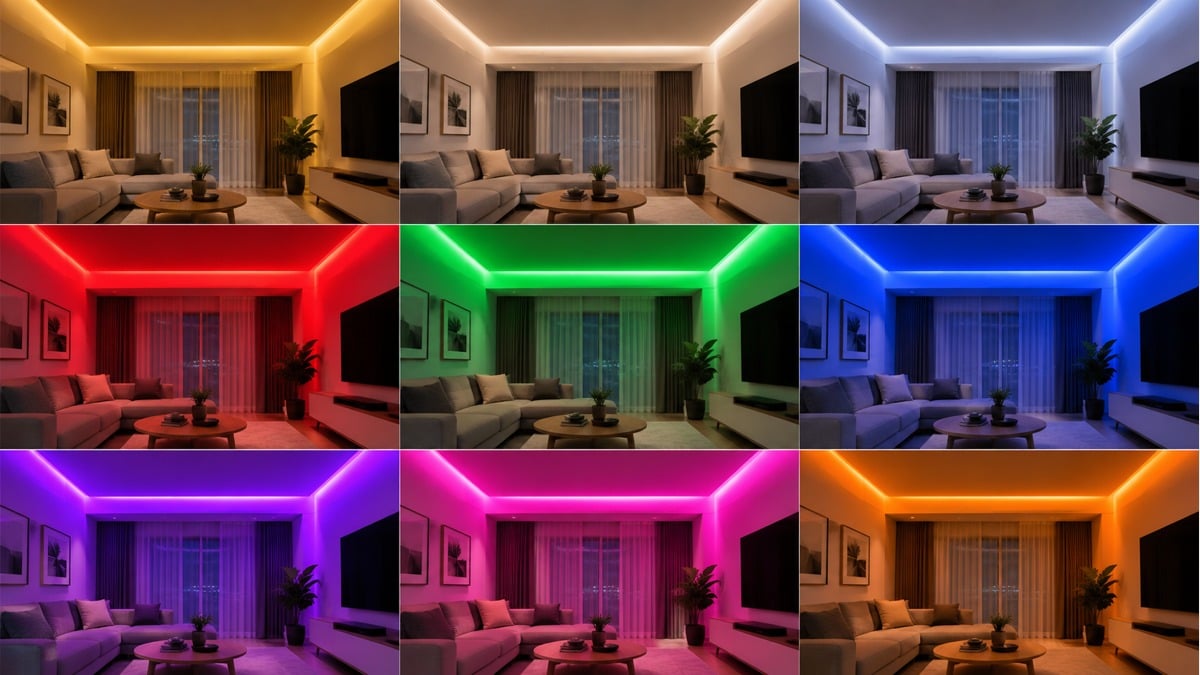
What Effect Do LED Strip Light Colors Bring To People?
Each light color and color temperature has its meaning and suitable installation place. Choose the right color for your LED lighting.
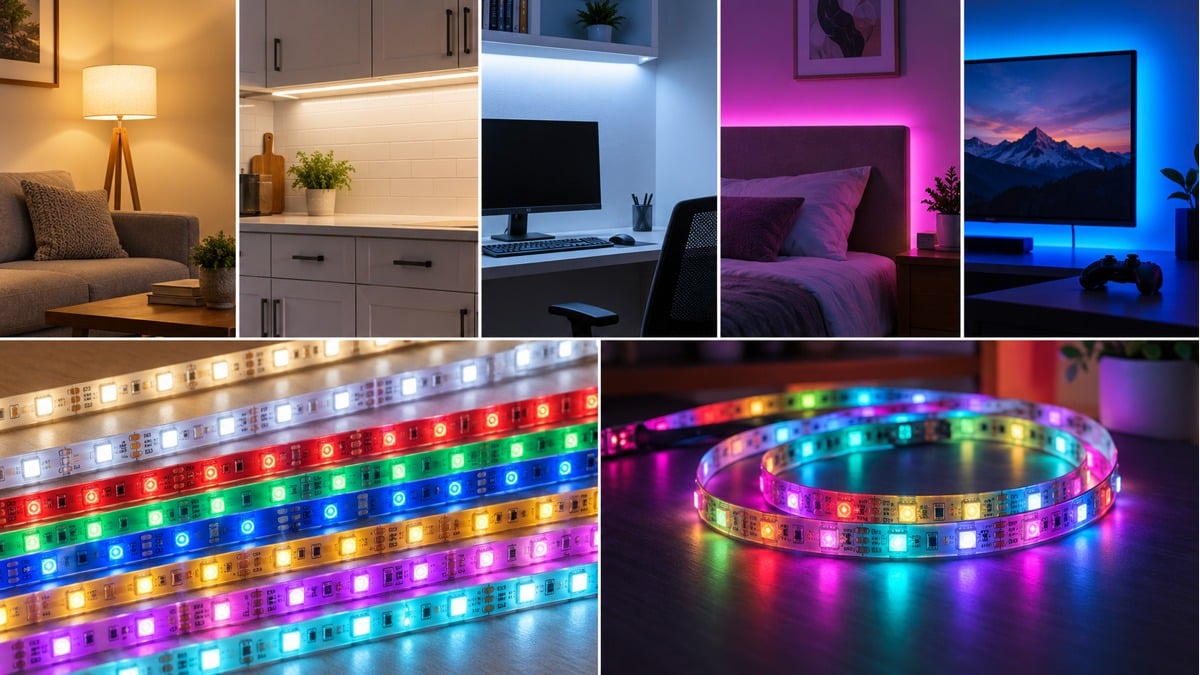
What LED Light Colors Mean?
LED lights are available in static solid colors and dynamic color effects, click to know LED light color meaning and choose the right light color.
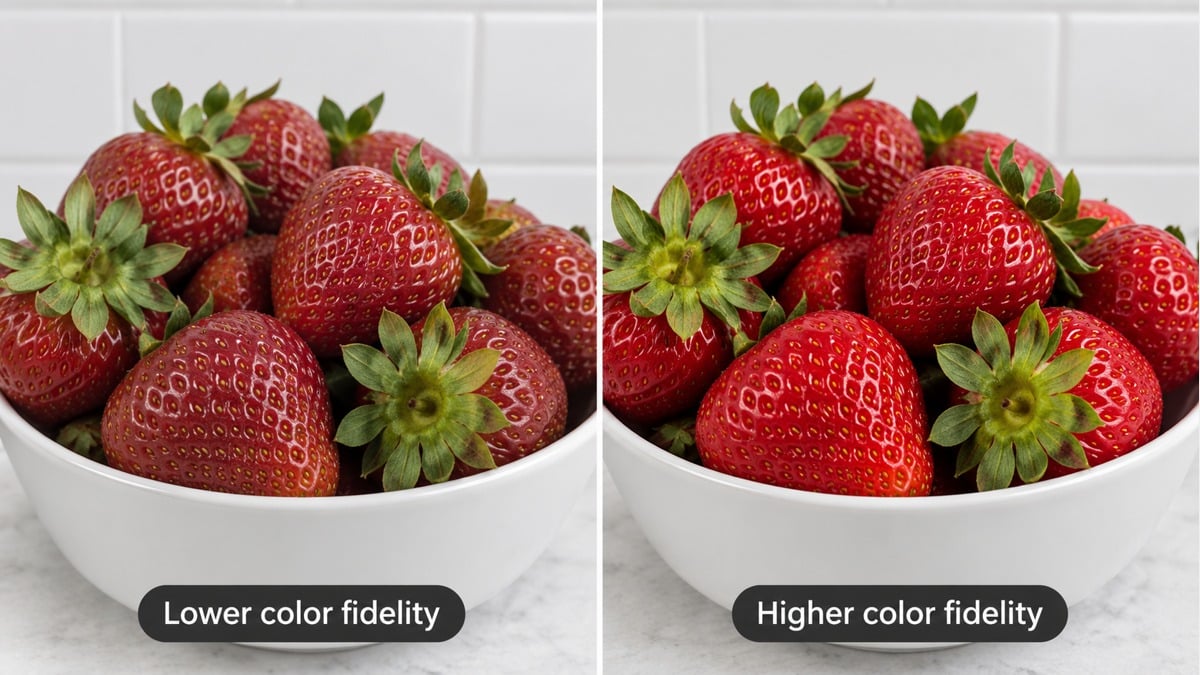
What Is Color Rendering Index?
CRI is an important parameter of LED strip lights. A high CRI value can restore the original color of the object as much as possible, friendly to human eyes.
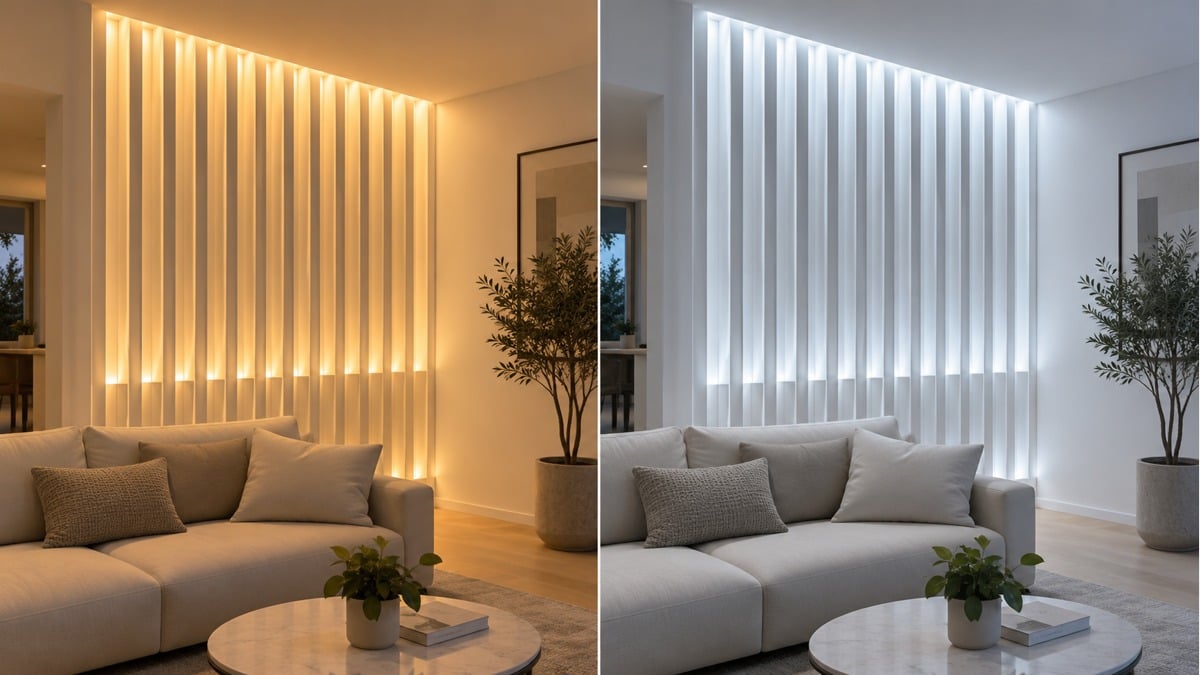
What Is LED Color Temperature?
Different color temperatures adapt to different places. 2700K warm white vs 3000K soft white vs 4000K natural white vs 6500K daylight vs 7000K cool white.
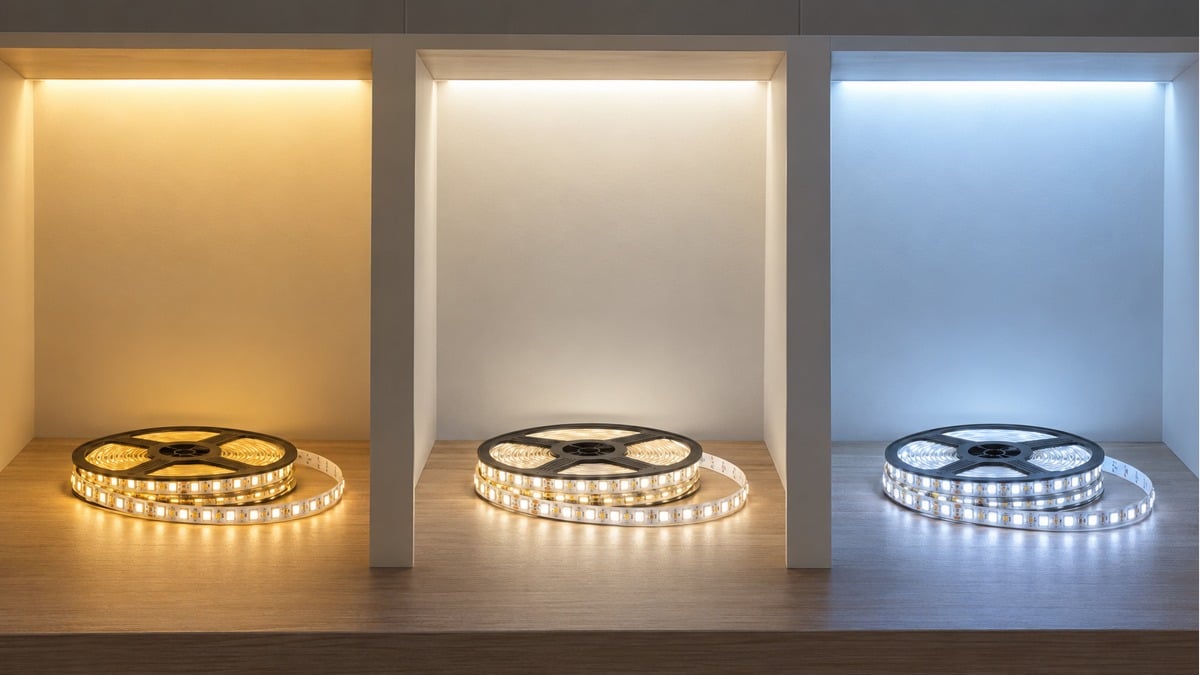
Color Difference Between Warm White, Daylight, And Cool White
Soft white vs warm white. Soft white vs daylight. Bright white vs daylight. Cool white vs daylight. Cool white vs warm white.

Guide To Know LED UV Light Strip And UV Light Fixtures
UV black light is often used in fluorescent art, human body black light art, and decorative lighting in parties, art galleries, aquariums. In this article, you will know what is UV light and what UV light fixtures can […]
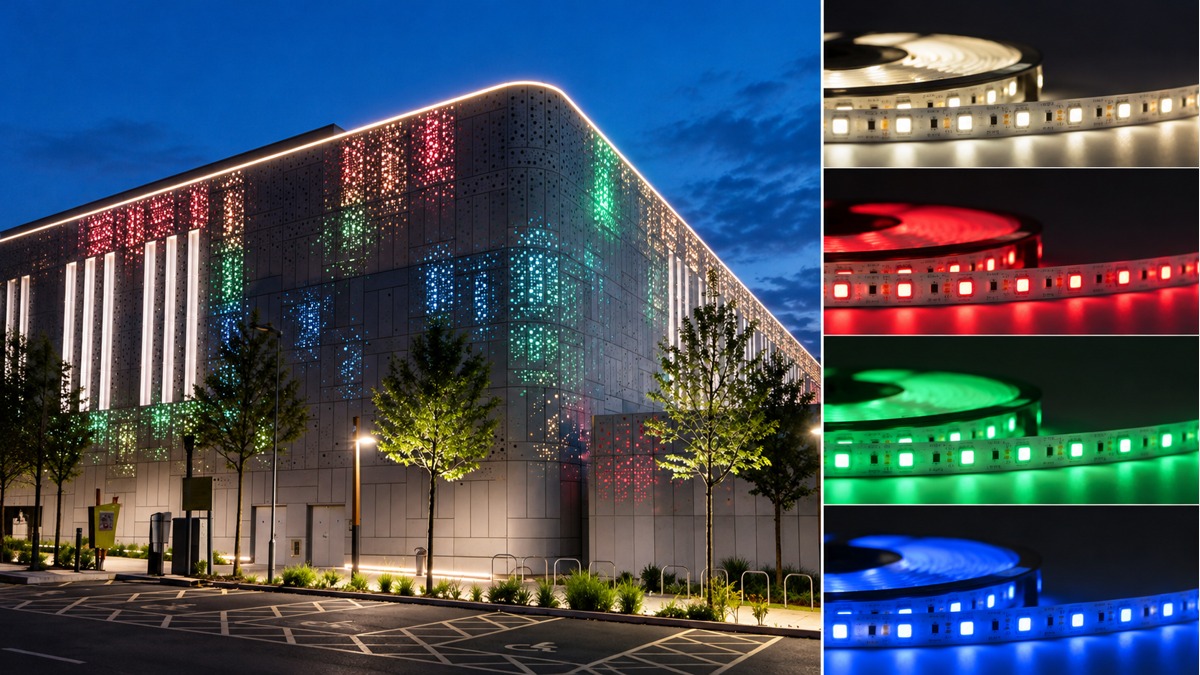
RGBW Lighting: How To Choose The Right LED Light Fixtures?
In the range of low voltage color changing LED lights, RGB lighting is widely used in public places or entertainment places, such as advertising signs, KTVs, building outline lighting, etc. Here we will introduce the RGBW led lights, […]
Quick Technical Summary · At-a-Glance Specifications
This guide provides an engineering-level analysis of LED light quality, covering Correlated Color Temperature (CCT) from warm to cool, and color fidelity metrics like CRI, R9, and TM-30. We dissect multi-channel architectures like RGBW and RGBCCT, and explore specialty wavelengths including UVA and Infrared, ensuring precise specification for any application.
CCT Range2700K – 6500K+
High CRI StandardRa >90, R9 >50
Color Consistency≤ 3-Step MacAdam
Specialty SpectraUVA, NIR, Horticulture
Correlated Color Temperature (CCT) & Tunable White
Correlated Color Temperature (CCT) is a fundamental metric that describes the perceived color appearance of a white LED light source, measured in Kelvin (K). It relates the color of the light to the color of an ideal black-body radiator at a specific temperature. Lower CCT values produce a warmer, more amber or yellow light, while higher values produce a cooler, bluer light. Understanding the nuances between different LED color temperatures is the first step in specifying lighting that creates the desired ambiance and psychological effect for a space.
Common LED Color Temperatures
Selecting the right CCT is critical for matching the function of a space. The debate over 3000K vs 4000K light is common in both residential and commercial design. For instance, in a 3000K vs 4000K living room scenario, 3000K provides a cozy, relaxing atmosphere, while 4000K offers a cleaner, more modern and energizing feel. The choice between 2700K vs 3000K vs 4000K depends entirely on the design goals. For a detailed comparison, our article on 3000K VS 4000K provides an in-depth analysis.
| LED Color Temperature | Appearance | Typical Applications | Psychological Effect |
|---|---|---|---|
| 2700K | Warm, Incandescent Glow | Residential living rooms, bedrooms, fine dining | Cozy, intimate, relaxing |
| 3000K | Soft / Warm White | Kitchens, bathrooms, hospitality, retail boutiques | Warm, welcoming, comfortable |
| 4000K | Neutral / Natural White | Offices, garages, commercial spaces, modern kitchens | Clean, focused, energizing |
| 5000K | Cool White / Daylight | Warehouses, hospitals, industrial settings, task lighting | Alert, high-visibility, crisp |
| 6000K-6500K | Very Cool / Bluish White | Display cases, laboratories, grow lights (veg stage) | Intense, sterile, vibrant |
Tunable White CCT Mixing
Tunable white technology, also known as CCT mixing, provides the ability to dynamically adjust the CCT of an LED strip. This is achieved by integrating two sets of LEDs with different CCTs (e.g., 2700K and 6500K) onto a single PCB. By independently controlling the intensity of each CCT channel with a compatible controller, users can mix the light to produce any CCT between the two endpoints. This allows for human-centric lighting solutions that can mimic the natural progression of daylight, enhancing productivity and well-being. For a deeper dive, explore our guide on What Is Tunable LED White Lighting?. Proper installation is key; consult our technical guide on How to Wire Tunable White LED Strips for detailed instructions.
Color Fidelity (CRI, R9, TM-30) & Consistency (SDCM)
While CCT describes the color of the light itself, color fidelity metrics describe how accurately that light renders the colors of objects. For professional applications in retail, art galleries, healthcare, and high-end residential projects, specifying a high CRI LED strip is non-negotiable. Poor color rendering can make objects appear dull, washed-out, or with unnatural color shifts.
CRI, R9, and the TM-30 Standard
The Color Rendering Index (CRI) has been the industry standard for decades. It measures color fidelity by comparing the appearance of 8 standard pastel color samples (R1-R8) under the test light source to their appearance under a reference source. An Ra of 100 is a perfect match. For quality lighting, a CRI (Ra) of 90+ is recommended. However, CRI has a significant weakness: it does not include a saturated red sample. This is where the R9 value becomes critical. R9 specifically measures the rendering of strong red, which is crucial for accurately representing skin tones, wood grains, and fresh produce. A high-quality light source should have an R9 value greater than 50, and ideally above 80 for the most demanding applications.
The IES TM-30-18 standard offers a more comprehensive two-metric system. The Fidelity Index (Rf) is similar to CRI but uses 99 color samples, providing a more statistically robust evaluation. The Gamut Index (Rg) describes how the light source saturates or desaturates colors, with a value of 100 indicating no change. This dual-metric system gives a much fuller picture of a light source's color performance than CRI alone.
Key Engineering Rule: There is often an inverse relationship between luminous efficacy (lumens per watt) and color rendering quality. The phosphors required to produce high CRI and high R9 light, especially those that fill in the red part of the spectrum, are typically less efficient than standard phosphors. Engineers must balance the project's need for energy efficiency with its requirements for color fidelity.
Color Consistency: MacAdam Ellipses (SDCM)
In large-scale projects, ensuring that every LED strip and fixture looks identical is paramount. Standard Deviation of Color Matching (SDCM), often described in steps on the MacAdam ellipse, quantifies the color consistency of a light source. A 1-step ellipse represents a color difference that is imperceptible to the human eye. For professional architectural lighting, a rating of SDCM ≤ 3 is the standard, ensuring no visible color variation from one end of an installation to the other, or between fixtures manufactured months apart. Cheaper, lower-quality LED strips may have SDCM ratings of 5, 7, or higher, resulting in noticeable and unprofessional color shifts.
| Metric | What It Measures | Scale | Professional Target |
|---|---|---|---|
| CRI (Ra) | Fidelity of 8 standard pastel colors | 0-100 | Ra ≥ 90 |
| R9 | Fidelity of saturated red color | 0-100 | R9 ≥ 50 (≥ 80 for critical tasks) |
| TM-30 Rf | Fidelity of 99 diverse color samples | 0-100 | Rf ≥ 90 |
| TM-30 Rg | Average color saturation/desaturation | ~60-140 | Rg ≈ 100 (95-105) |
| SDCM | Color consistency from a target point | 1-Step, 3-Step, etc. | ≤ 3-Step MacAdam Ellipse |
Multi-Channel Color Architectures
Beyond single-color white, LED strips are available in various multi-channel architectures that allow for dynamic color control. The choice depends on whether the goal is purely decorative color, functional white light, or a combination of both. For a complete breakdown, see our guide on RGB vs RGBIC vs RGBW vs RGBWW vs RGBCCT.
RGB & RGBIC
RGB (Red, Green, Blue) is the basic color-changing architecture. It mixes these three primary colors to create a wide spectrum of hues. However, it cannot produce a high-quality, pure white light; its 'white' is a bluish, low-CRI mixture. RGBIC adds an Integrated Circuit (IC) to each segment, allowing for individual control of sections of the LED strip. This enables flowing, chasing, and rainbow effects not possible with standard RGB.
RGBW & RGBCCT
RGBW adds a dedicated White LED chip to the RGB package (4-in-1). This provides a true, high-quality white light for functional illumination, solving the primary weakness of RGB. RGBCCT (or RGB+Tunable White) is the most advanced architecture, combining RGB LEDs with two dedicated white LEDs (one warm, one cool) in a 5-in-1 chip. This allows for full color mixing plus dynamic CCT tuning of the white light, offering maximum flexibility in a single product, such as our RGB+CCT LED Strip Lights.
Non-Visible & Specialty LED Wavelengths
LED technology extends beyond the visible spectrum into ultraviolet (UV) and infrared (IR) wavelengths, enabling a wide range of scientific, industrial, and security applications.
Ultraviolet (UVA) Blacklight: 365nm vs. 395nm
UVA LEDs are commonly used for 'blacklight' effects. The two most common wavelengths are 395nm and 365nm. The key difference is visibility and fluorescence.
- 395nm LEDs are more affordable and produce a noticeable violet/purple glow. They are effective for general entertainment effects and charging phosphorescent materials.
- 365nm LEDs emit much less visible light, resulting in a 'purer' blacklight effect where only the fluorescent materials glow brightly. This wavelength is superior for professional applications like forensic analysis, counterfeit detection, and UV curing. The choice between a 365nm vs 395nm UV flashlight or LED strip depends on the need for purity versus cost. For a detailed comparison, read our article on UVA Black Light: 365nm VS 395nm. Our 365nm UV LED Light Strip is engineered for these professional use cases.
Horticulture & Grow Spectra
Plants primarily use light in the Photosynthetically Active Radiation (PAR) range (400-700nm) for photosynthesis. LED grow lights are engineered to provide specific spectral power distributions that optimize plant growth. This typically involves a combination of deep blue (~450nm) LEDs for vegetative growth and deep red (~660nm) LEDs for flowering and fruiting, often supplemented with full-spectrum white LEDs to provide a complete nutritional light diet. You can learn more about this topic in our guide to LEDs and growing plants.
Near-Infrared (NIR): 850nm vs. 940nm
Near-Infrared (NIR) LEDs are invisible to the human eye but are readily detected by digital camera sensors (without an IR-cut filter). This makes them ideal for covert surveillance and night vision illumination.
- 850nm LEDs are the most common for security cameras. They produce a very faint red glow at the emitter, which can be slightly visible to the naked eye up close. They offer the best range and sensitivity for most camera sensors.
- 940nm LEDs are completely invisible to the human eye, offering true covert illumination. However, camera sensors are less sensitive to this wavelength, resulting in a roughly 30-40% reduction in effective range compared to 850nm.
Recommended Hardware Matching These Specs
Each product below is stocked in our factory-direct catalog and verified for compatibility with the engineering guidelines in this library.
 FSLRGBWW-5T1-5050X480-W10
24V 5050 Color Shift RGB Tunable White LED Strip Light 10mm 96 LEDs / m
From $64.98View Specs →
 FLS-24V-2835-CCTX440
24V 2835 Dual White Thin Flat Sheet LED Panels for Backlighting Stone 22X10
From $26.98View Specs →
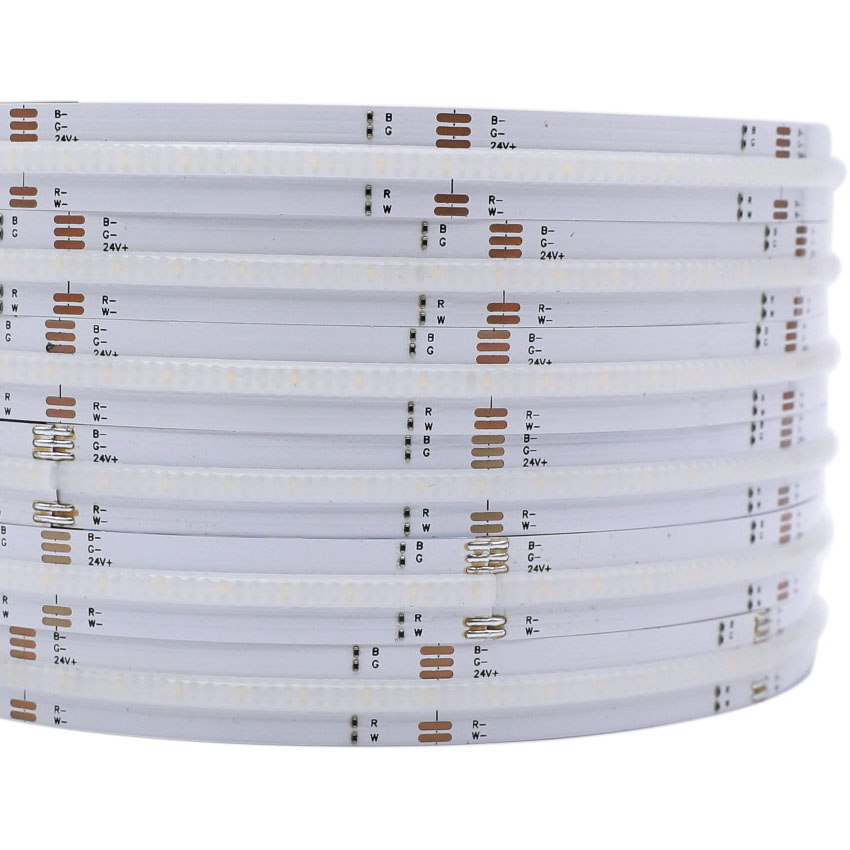 FCOB-24V-840RGBW
DC24V Color Change RGBW 3920 Chips 16.4Ft Flexible COB LED Strip Lights
From $60.00View Specs →
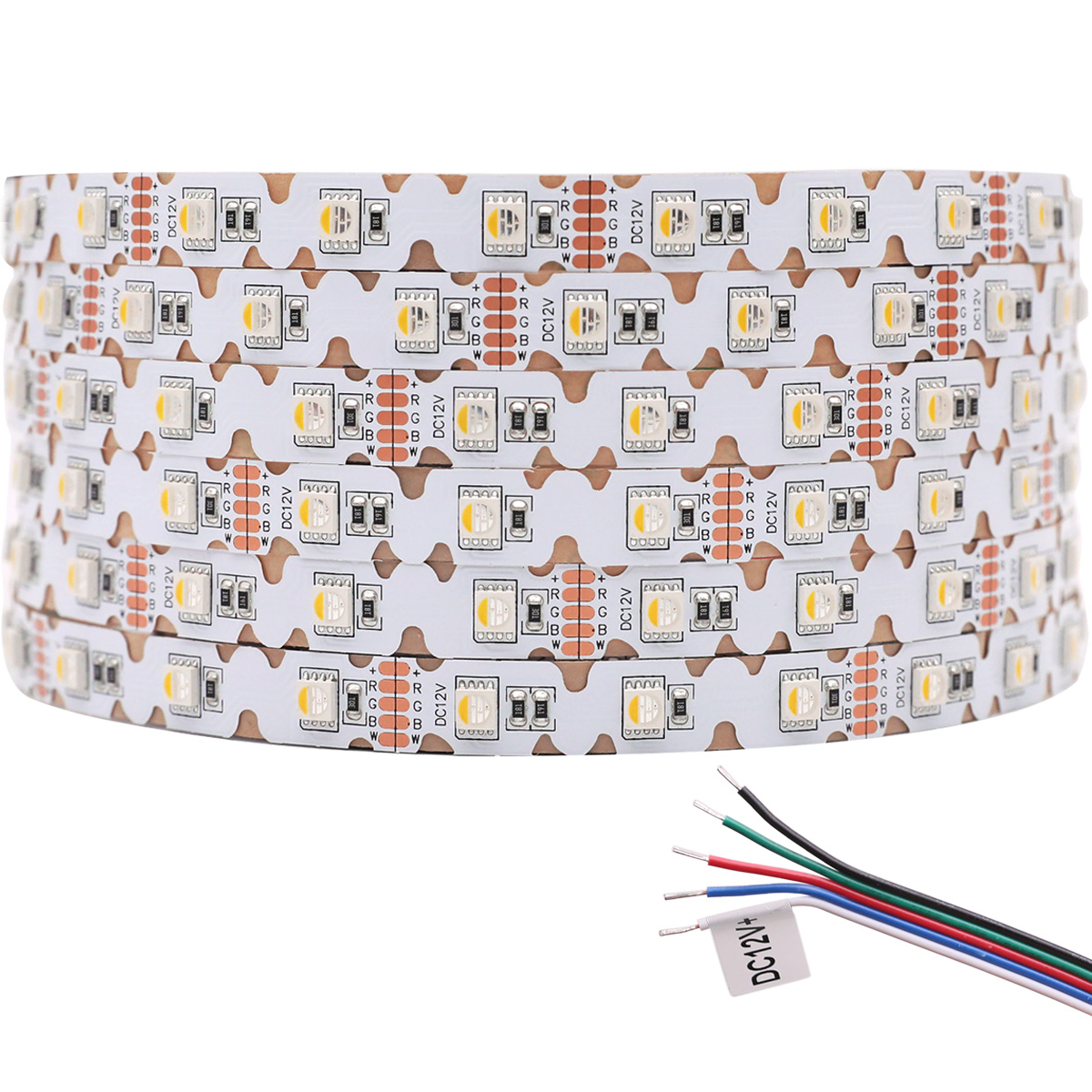 FSLRGBWS-5050X240
RGBW Color Changing LED Lights - 12V 48LEDs/m S Shape LED Strip Bendable
From $39.98View Specs →
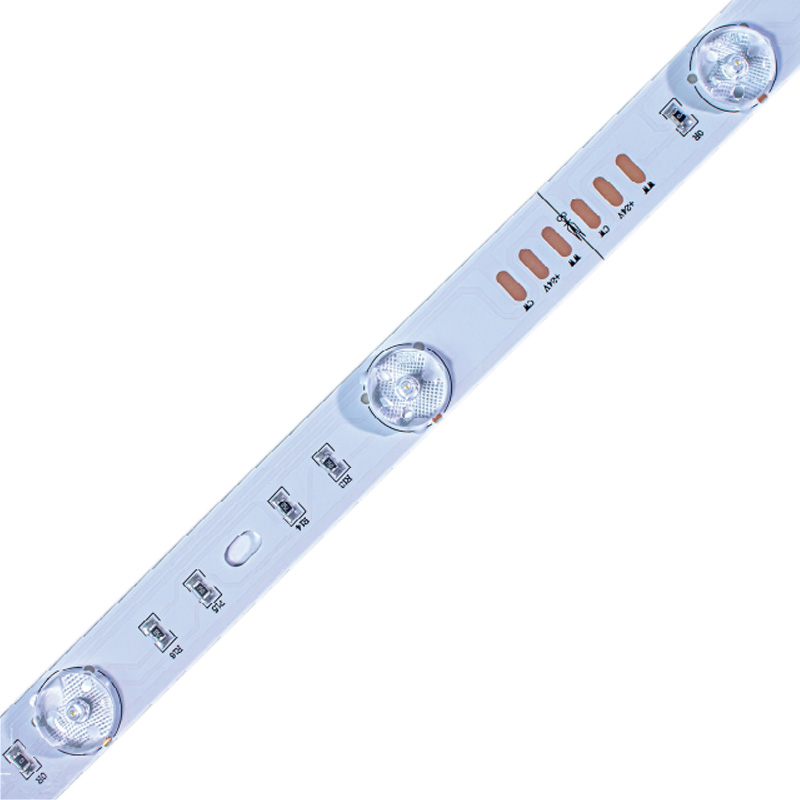 GYKJLENS-CCT-D12W15
DC24V Diffuse Reflective Lens Dual White CCT LED Solid Strip 3030
From $5.98View Specs →
 FSLRGBW-24V-5050X300
24V 5050 RGBW Bendable S Shape LED Strip Light Flexible for Sign
From $28.98View Specs →
Interactive Engineering Tools & Design Utilities
Use our free factory-maintained calculators, schematics, and BOM planners before finalizing parts or cutting hardware.
Calculator Suite
Power & Voltage Drop Calculators
Compute exact PSU amperage with 20% headroom, wire gauge (AWG), max run length, cut increments, and lumen targets.
Open Calculators →
Guided Builder
Interactive LED Project Planner
Step-by-step bill-of-materials generator matching strips, channels, controllers, and UL-listed drivers for your room.
Launch Project Wizard →
Room Blueprints
Home & Commercial Lighting Ideas
Room-by-room placement inspiration for coves, kitchens, stairs, closets, mirrors, and architectural facades.
Explore Room Ideas →
Datasheet Vault
Spec Sheet & Manual Library
Download photometric reports, wiring diagrams, UL/CE compliance sheets, and controller manuals by model.
Browse Spec Sheets →
Engineering Datasheets & Specification PDFs
Download primary technical manuals and test sheets directly from our PDF specification library.
Hands-On Video Demonstrations
Watch bench tests and step-by-step wiring demos from our LED Video Library.
 Demo
What Do Addressable RGBCCT Neon Flex Colors Look Like? Dynamic Color-Chasing & True White
 Demo
RGBCCT LED Sheet User Guide - Backlighting & Wiring
 Demo
How to cut and connect 112LEDs/m 5 in 1 RGBCCT led strips with quick connector
 Demo
How to use SP630E Control WS2805 RGBCCT LED Strips
 Demo
How to Connect RGBCCT COB LED Strip Light FCOB-24V-RGBCCT? - superlightingled
 Demo
DC24V 5050SMD 16.4Ft 300LEDs Flexible RGBCCT LED Color Changing Neon Light Kit - superlightingled
Matching Hardware Categories & Reference Hubs
Dual White CCT Dimmable LED Strips
Multi-Color RGB LED Strips
RGBW LED Strip Lights
RGB+CCT LED Strip Lights
RGB Flexible LED Strip Lights
Ultraviolet丨UV LED Light Strips
365nm UV LED Light Strip
InfraRed丨IR LED Strip Lights
How to Choose the Right LED Strip Color
How to Wire Tunable White LED Strips
LED Strip Knowledge Map
Technical Support Desk
01What's the real-world difference between 2700K, 3000K, and 4000K for a living room?
Choosing between these CCTs dramatically changes a room's feel. 2700K provides a warm, cozy, incandescent-like glow, ideal for relaxation areas. 3000K is a slightly cleaner, neutral warm white, offering a good balance for general living spaces. 4000K is a cool, neutral white that feels more crisp and alert, often considered too clinical for living rooms but suitable for task-oriented spaces. For a living room, most designers recommend 2700K for a traditional, intimate feel or 3000K for a versatile, modern look. Mixing them can be jarring, so consistency is key. Learn more about What Is LED Color Temperature? to make an informed choice.
02I'm choosing between 3000K vs 4000K for kitchen lighting. Which is better for tasks and ambiance?
This is a common dilemma. 3000K offers a warm, inviting light that makes a kitchen feel like a comfortable living space, but it can slightly mute colors. 4000K delivers a neutral, crisp white light that is excellent for task visibility, making food prep safer and colors appear more accurate. Many designers compromise by using 4000K for task areas like under-cabinet LED strips and 3000K for ambient overhead or pendant lighting. For a single CCT, 3500K is a great middle ground. Explore the differences in our 3000K VS 4000K guide to see visual comparisons.
03What does a high CRI LED strip (90+) actually do for my project? Is it worth the extra cost?
CRI (Color Rendering Index) measures how accurately a light source reveals the true colors of objects. A standard LED strip might have a CRI of 80, which is acceptable for general use. However, a high CRI (90-95+) LED strip renders colors with much higher fidelity, making everything from skin tones to wood grains and artwork appear more vibrant and natural. This is critical in retail, galleries, and high-end residential projects. For color-critical applications, the improved visual quality is definitely worth the investment. Understand the details in our article, What Is Color Rendering Index?.
04What's the functional difference between RGB, RGBW, and RGB+CCT LED strips?
RGB strips create colors by mixing red, green, and blue LEDs; their 'white' light is often bluish and has a low CRI. RGBW adds a dedicated white chip (e.g., 3000K), providing much better quality white light for general illumination. RGB+CCT (or RGBCCT) is the most versatile, featuring RGB chips plus separate chips for warm white (e.g., 2700K) and cool white (e.g., 6500K). This allows you to mix any color and also tune the white light from warm to cool, offering complete flexibility. For projects needing both accent colors and high-quality, adjustable white light, RGB+CCT LED Strip Lights are the superior choice.
05For UV-A applications, should I use a 365nm or 395nm UV LED strip?
The main difference is visible light output. 395nm LED strips produce a strong violet glow, while 365nm strips emit a dimmer, bluish-white light, making the fluorescence effect of UV-reactive materials appear much more intense. For professional applications like counterfeit detection, mineral inspection, or high-potency curing where minimal visible light contamination is crucial, the 365nm wavelength is superior. For general party effects or charging glow-in-the-dark items where the visible purple light is acceptable, the more affordable 395nm is sufficient. Explore options in our UltravioletUV LED Light Strips category.
06Can I mix different color temperatures like 3000K and 4000K in an open-plan living room and kitchen?
While possible, it should be done with a clear strategy. Using 4000K in the kitchen for tasks and 3000K in the adjacent living area for relaxation is a common approach. However, the transition can be visually jarring if not handled well. A good practice is to use a transitional CCT like 3500K in hallways or to ensure the light from one space doesn't spill harshly into the other. For seamless transitions, consider using tunable CCT LED strips that allow you to adjust the temperature across the entire space. Learn more about What Is Tunable LED White Lighting?.
07Why don't my high CRI LED strips seem brighter than my low CRI ones, even with the same lumens?
Luminous efficacy can be slightly lower in high CRI LEDs. Achieving a higher CRI (e.g., 95+) often requires using phosphors that convert blue light into a broader spectrum, including more red wavelengths (R9 value). This conversion process is slightly less efficient than what's used for standard CRI 80+ LEDs. Therefore, a CRI 95 strip may have slightly fewer lumens per watt than a CRI 80 strip. However, the perceived brightness is often similar because the superior color rendering makes the environment appear richer and more defined. For projects demanding color accuracy, a high cri led strip is the correct choice.
08How do I choose the right LED color temperature for a bedroom to promote relaxation?
For bedrooms, the goal is a calm, restful atmosphere. The ideal color temperature is a warm white, typically 2700K, which mimics the gentle glow of an incandescent bulb or candlelight. A 3000K LED color temperature is also a popular choice, offering a slightly less yellow, cleaner warm light that still feels cozy. Anything higher, like 4000K, emits more blue light, which can disrupt circadian rhythms and feel too sterile for a sleeping environment. Dimmable fixtures are also highly recommended to adjust intensity. Get more ideas by reading about What Effect Do LED Strip Light Colors Bring To People?.
09What is the difference between an RGBW and an RGBWW LED strip light?
Both are enhancements over standard RGB, but the difference is the 'white' they produce. An RGBW LED strip combines RGB diodes with a single white diode, which could be cool white (~6000K) or warm white (~3000K), but it's fixed. An RGBWW (or RGB+CCT) strip includes both a warm white (~2700K) and a cool white (~6500K) diode in addition to the RGB. This allows you to blend the two whites to create any color temperature in between. For ultimate flexibility, an RGB+CCT LED Strip Lights is superior. Read the full breakdown at RGB vs RGBIC vs RGBW vs RGBWW vs RGBCW vs RGBCCT.
10For art display lighting, is CCT or CRI more important?
Both are crucial, but CRI is paramount for displaying art. A high CRI (95+) ensures that the artwork's colors are rendered accurately, just as the artist intended. A low CRI light can make vibrant reds look dull or shift subtle hues, fundamentally misrepresenting the piece. CCT sets the mood—a 3000K light might give a classic painting a warm, intimate feel, while a 4000K light provides a neutral, gallery-like presentation. The best practice is to select the desired CCT for ambiance and then demand the highest possible CRI to ensure color fidelity. Learn more from our guide on What Is Color Rendering Index?.
11My client wants 'warm lighting' but finds 2700K 'too yellow'. What CCT should I specify?
The perfect compromise is 3000K. This led color temperature is still firmly in the 'warm white' category but has less of the yellow/amber tint associated with 2700K. It's often described as a clean, neutral warm white. This makes it incredibly versatile for residential spaces like kitchens and living rooms, where you want a comfortable atmosphere without sacrificing clarity or making white surfaces look dated. For clients sensitive to yellow tones, 3000K is the ideal starting point. Explore the nuances in our Soft White Vs Daylight comparison.