
Direct DMX Control Series
45 productsThe ability to deliver centralized multi-zone management with scalable system architecture and professional-grade control stability is what makes DMX lighting control the preferred solution for high-end residential and commercial projects.
Why Choose Direct DMX Control For LED Strip Lights?
Unlike traditional wall panel controllers that connect directly to LED strip light and are limited by load capacity and cable distance, SuperLightingLED DMX wall panels can distribute DMX 512 control signals to 4, 8, or even more independent lighting zones through a simple architecture:
DMX Panel → DMX-PWM Decoder → LED Strips
This DMX LED control structure allows one single panel to manage 4, 8, or more LED strip lighting units with stable synchronization or completely separate scene control across home living rooms, kitchens, hallways, staircases; commercial retail storefronts, restaurants, etc.
DMX Control vs. Wireless Lighting Control
Compared with wireless panels paired with wireless controllers for LED strip lighting control, wireless-only systems are more susceptible to signal interference, whereas DMX communication remains the most stable and reliable solution for permanent architectural lighting installations.
Of course, for simple residential DMX light control or as a smart add-on to professional DMX systems, we also offer WiFi / Bluetooth DMX controllers and wireless DMX devices to provide flexible mobile operation.
Explore Your DMX Control Solution
With the basics covered, you can now browse the smart DMX control options below and see which setup best matches your space and lighting goals.
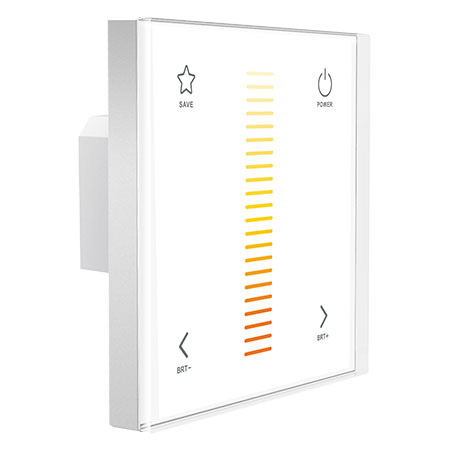

BC-100 DMX512 Controller - Real-time Clock, RF Remote | 170 Pixel Control
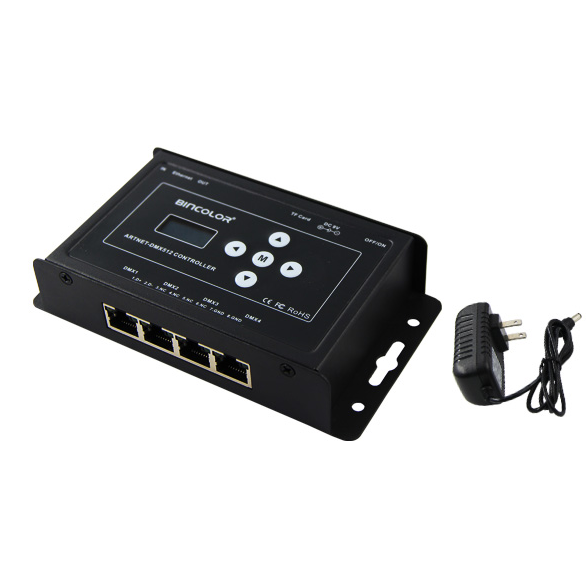
DMX512 4CH LCD Controller | ArtNet Compatible | BC-204-DMX512

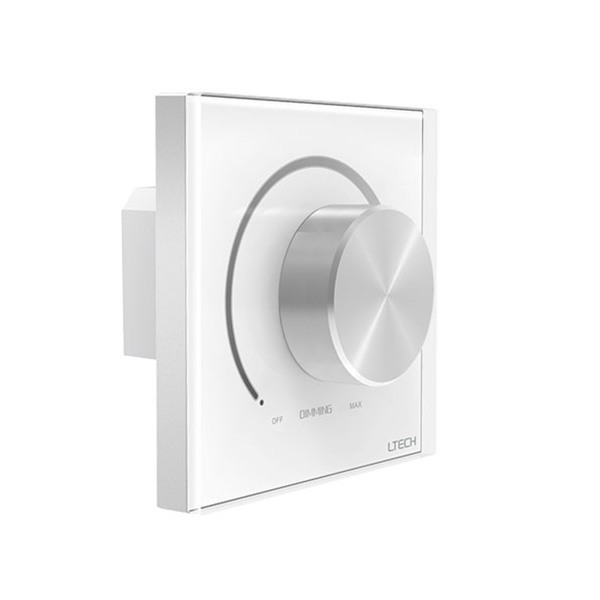
DMX512 Rotary Panel T11-K - 85-265VAC 1 Zone Dimming Controller

DMX512 Touch Panel T12 - 4 Zone Dual Color RF Remote for LED Strips

DMX512 Touch Panel T13 - 4 Zone RGB Master Remote for LED Strips
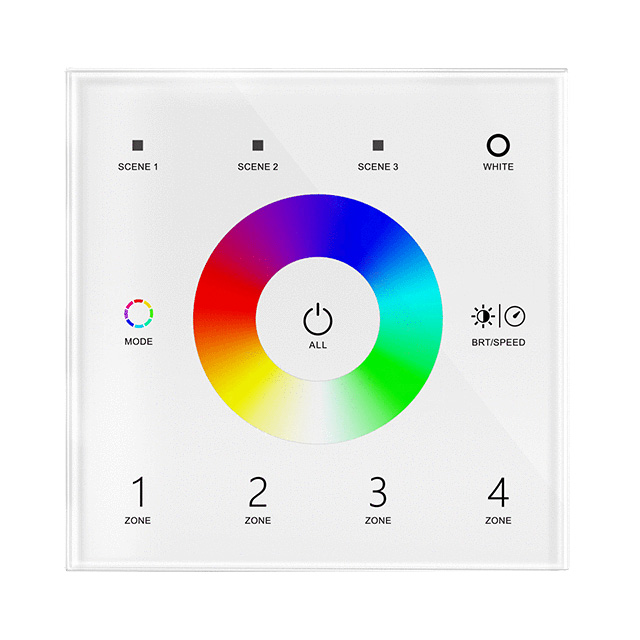
T14 RGBW DMX512 Master - 4 Zone Touch Panel Remote for LED Strips

T15 4-Zone RGB+CCT Touch Panel - DMX512 Master & RF Remote | Skydance
.jpg)


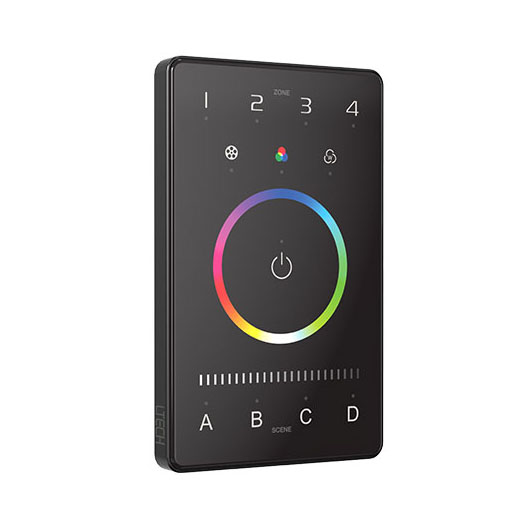
Smart LED Touch Panel UB1: Bluetooth & DMX Control | Programmable

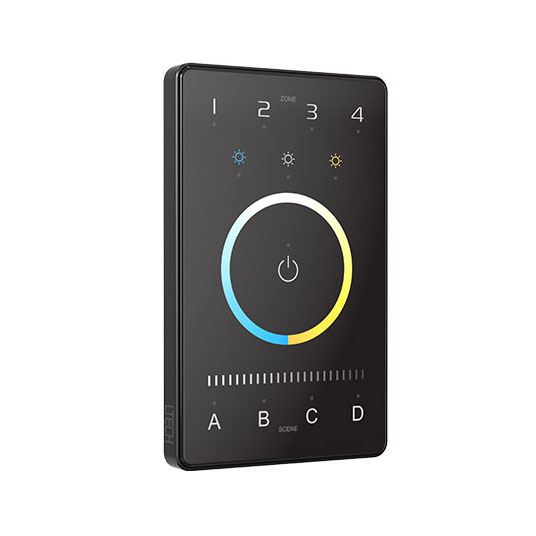
Tunable White Intelligent Touch Panel UB2 | Bluetooth & DMX Smart Switch


DMX512 RGB LED Decoder 100-240V AC - Wall Washer, Underwater Light Control

Wireless DMX Transmitter DC5/12V - SD Card Remote Control RGB LED Strip
Frequently Asked Questions About Direct DMX Control
Your questions about choosing, wiring, and troubleshooting DMX master controllers, answered by our engineers.
DMX is a professional lighting control protocol, like a digital language for lights. You'd use a DMX control system for rock-solid reliability in large or multi-zone projects where wireless systems might drop out. It sends a stable, wired signal from a central controller to decoders that then control the LED strips, ensuring everything is perfectly in sync and flicker-free. It's the standard for architectural, stage, and high-end residential lighting for a reason.
Absolutely. While traditional DMX is all hard-wired, many of our modern DMX masters are designed for hybrid control. We stock units that can be controlled by the Tuya app via WiFi, or even Alexa and Google Home. These devices act as a bridge, receiving wireless commands from your phone or smart speaker and then outputting a standard, reliable DMX signal to your decoders and lights.
A controller that can output a DMX signal and also connect to WiFi acts as a gateway. It joins your home WiFi network just like any other smart device. Inside our app, like Tuya, you can then link it to your Alexa or Google Home account. When you say, 'Hey Google, set the kitchen to 80%,' the command goes over the internet to your smart speaker, then over WiFi to our controller, which translates that into a DMX command and sends it down the wire to the decoders.
The DMX protocol allows for 512 channels. Since a simple single-color decoder uses one channel and an RGBW decoder uses four, you could theoretically have up to 512 single-color decoders or 128 RGBW decoders. However, the physical limit is 32 devices per DMX run before the signal starts to degrade. If you need to connect more than 32 decoders, you'll need to use a DMX splitter/amplifier to create new, separate runs.