
635nm Red LED Light Strip
9 products
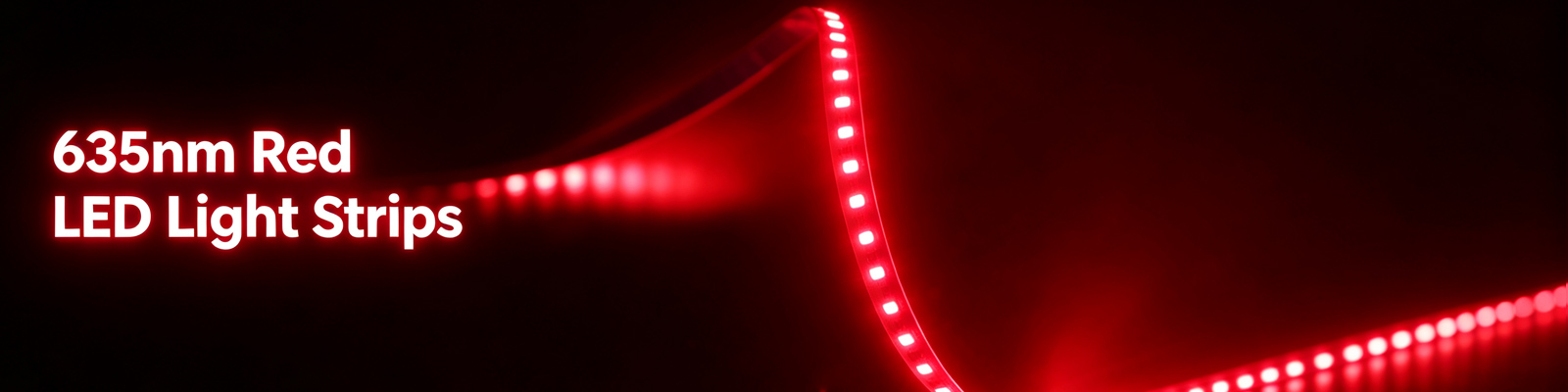
SuperLightingLED Red & Infrared Series 635 nm Light Strips utilize SMD2835 LED chips with a peak wavelength of 635 nanometers as the core light source. 635 nm light is a high-purity red light, with a wavelength within the human eye's sensitive red light spectrum (620-750 nm), producing a highly vibrant red color with exceptional visual distinguishability.
In red light therapy, 635nm red light exhibits significant biological activity, promoting ATP synthesis in cellular mitochondria, accelerating tissue repair, and is used for skin treatments (such as inflammation and wound healing).
In terms of absorbance measurement, red 635 nm led light is commonly used in colorimetric analysis and spectroscopic research. Many chemical substances and biomolecules, such as hemoglobin, Cy5 dye or fluorescent markers, have specific absorption peaks at 635 nm wavelength. By measuring absorbance, the concentration of these substances can be quantitatively analyzed.
In plant growth supplemental lighting applications, while plant photosynthesis relies more on 660 nm deep red light, 635nm red light LED can assist in regulating photomorphogenesis (such as flowering induction), thereby enhancing plant growth rate and yield.
Additionally, due to its strong monochromaticity and moderate penetration capability, 635 nm red light is widely applied in machine vision, industrial inspection, and specialized lighting scenarios.
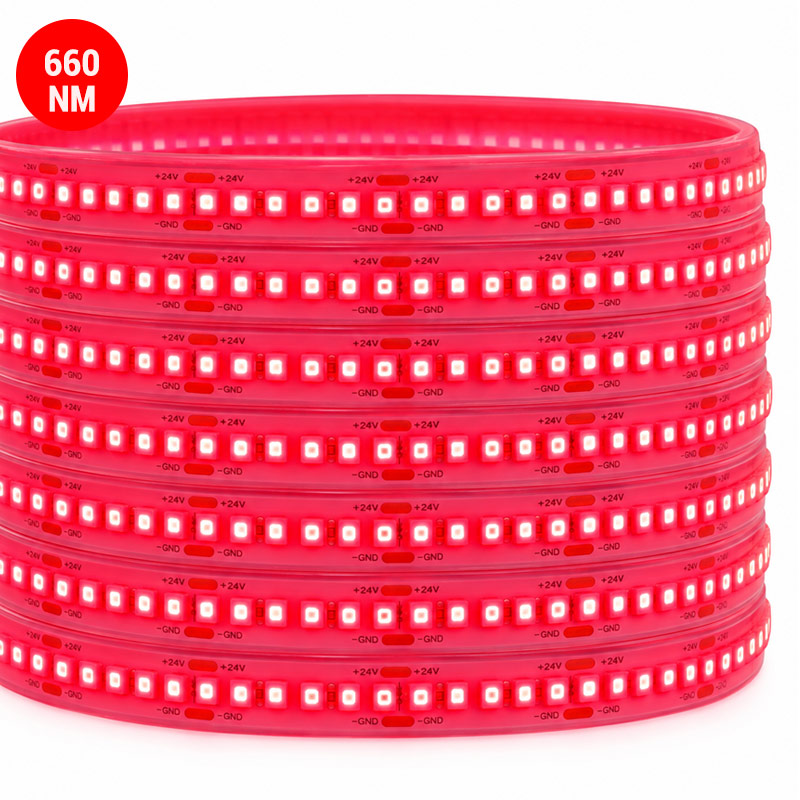
Ultra Bright Light Red 660 Wavelength LED Strip
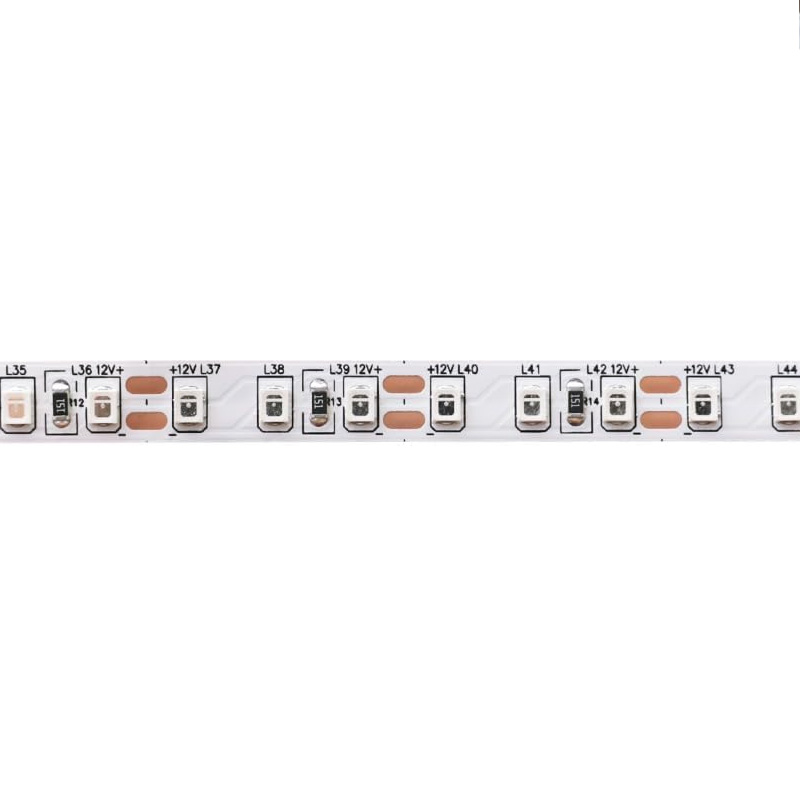
635nm LED Red Light Tape For Phototherapy & Substance Detection
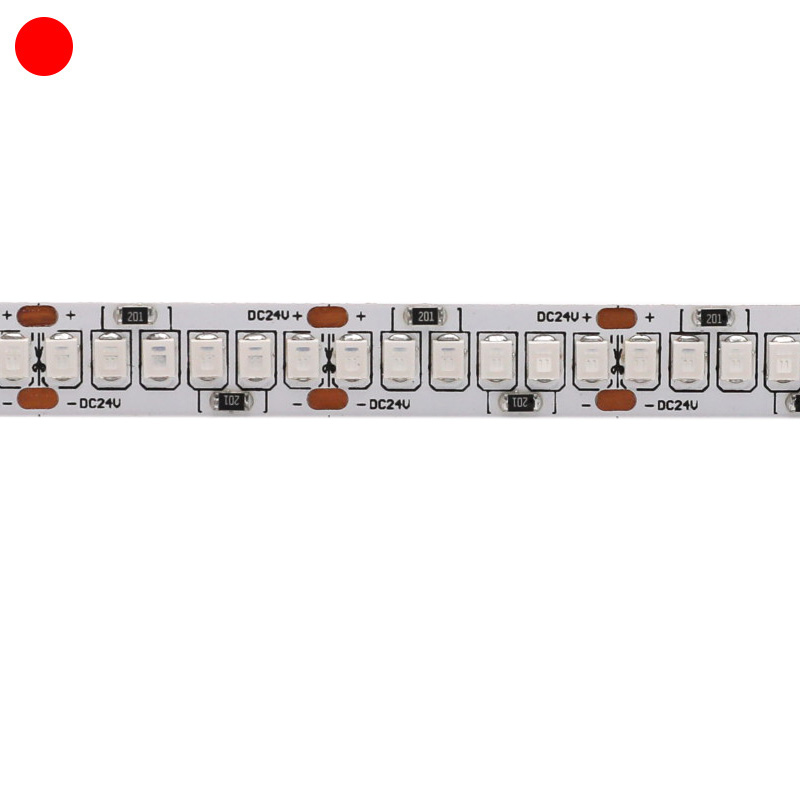
Ultra Bright Infrared 810nm/830nm/850nm/940nm Red 780nm/730nm/660nm/635nm LED Light Strip
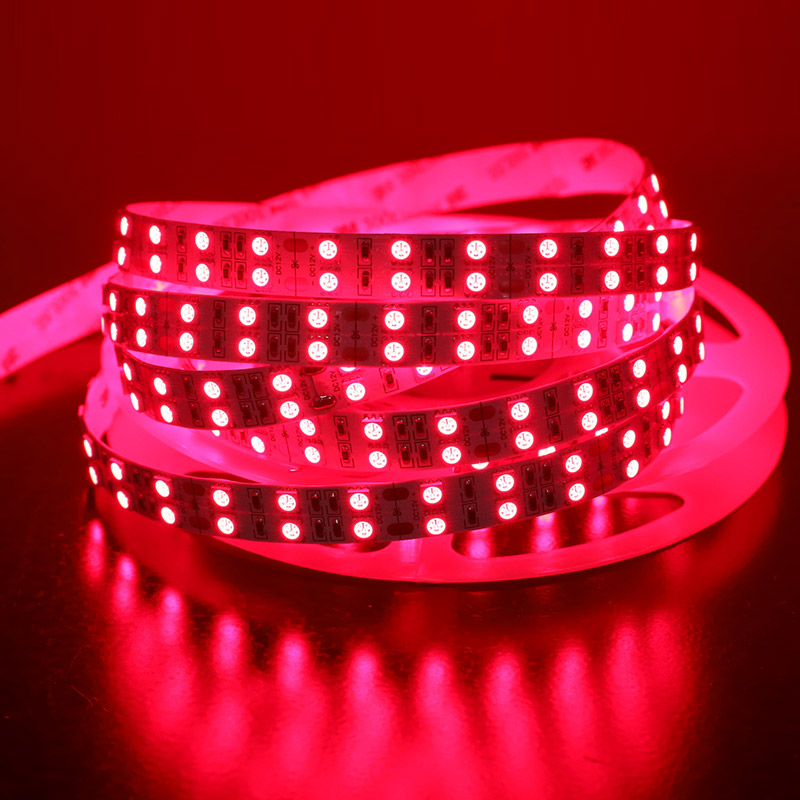
Bright Deep Red Light 660nm 635nm LED Strip - 5050 Double Row
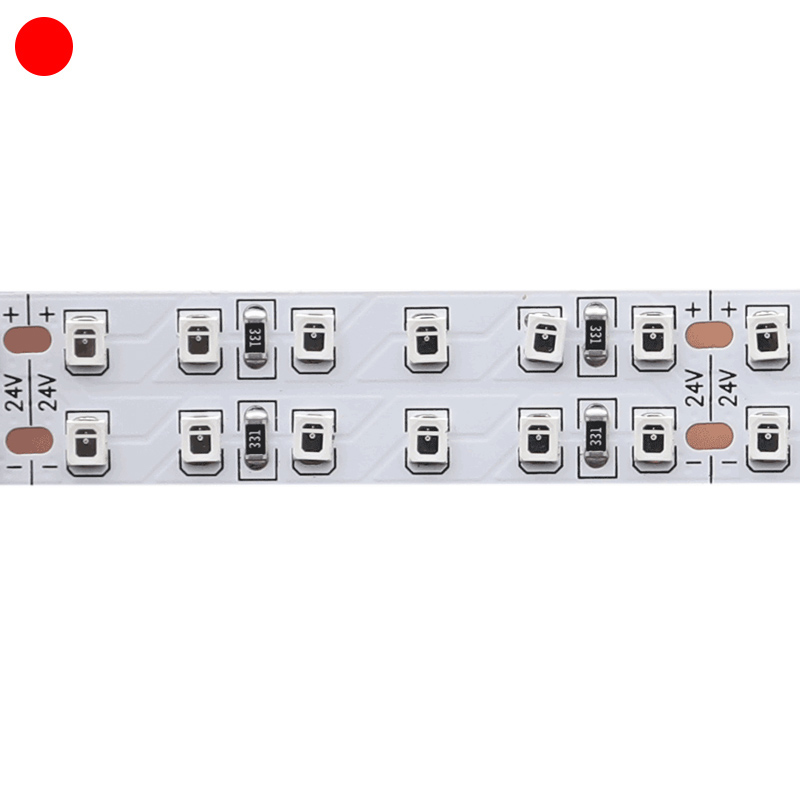
SMD2835 High Bright 810nm/830nm/780nm Near Infrared 730nm/660nm/635nm Red LED Tape Light
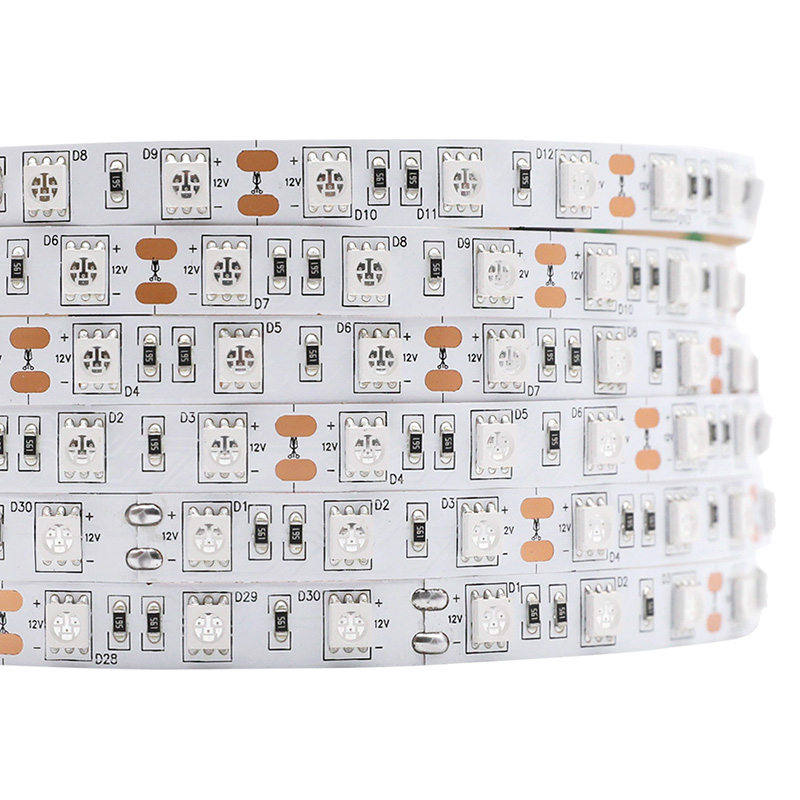
Standard Infrared 940nm/850nm/830nm/780nm Red 660nm/635nm LED Strip Light
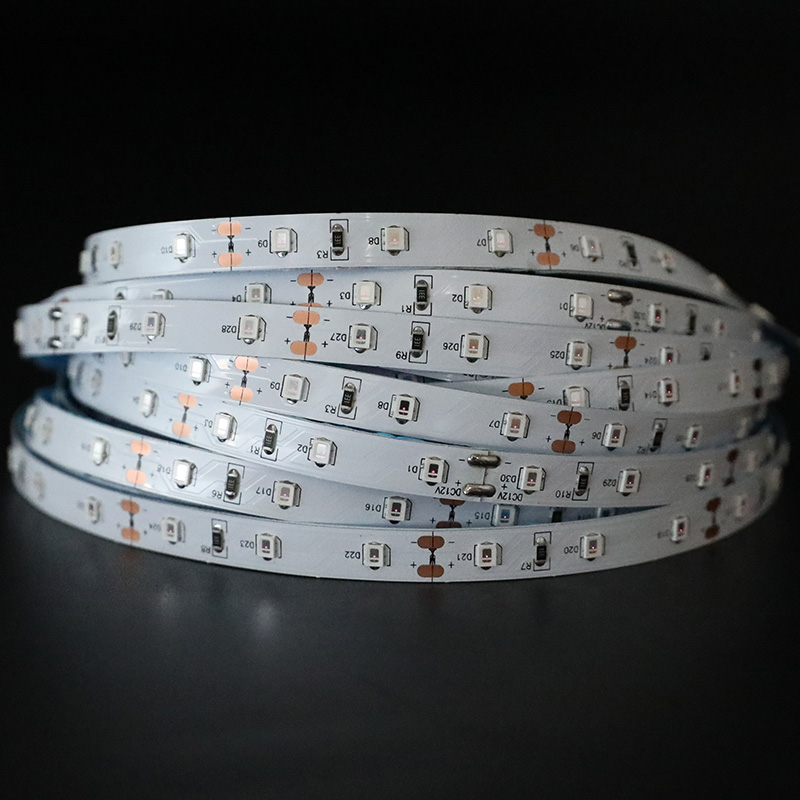
Eco 2835 Infrared 850nm/940nm/830nm/810nm/780nm Red 730nm/660nm/635nm LED Strip
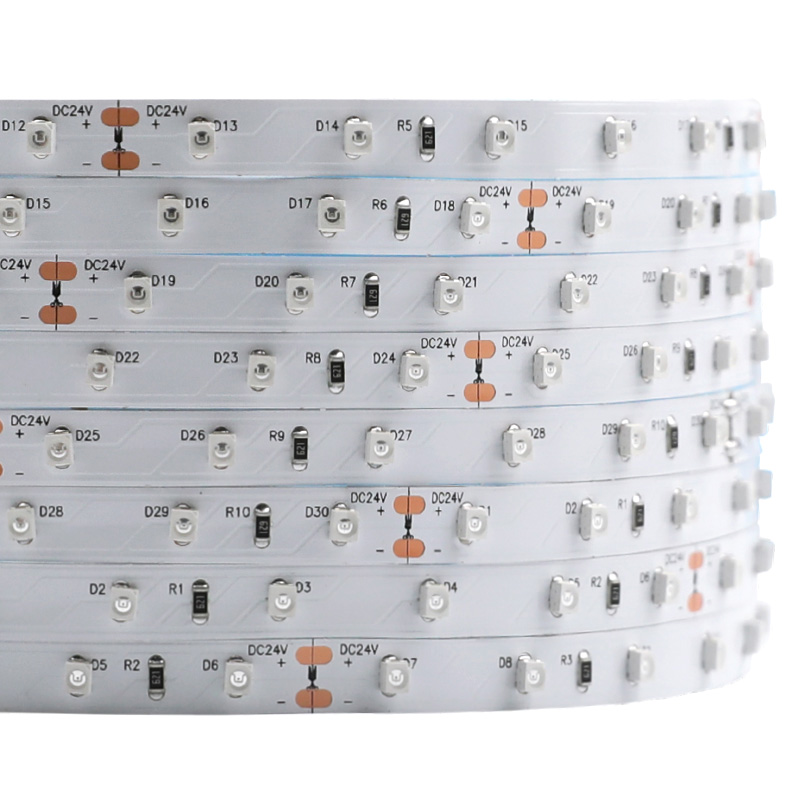
60LEDs/m 3528 940nm/850nm/830nm/810nm/780nm Infrared & 730nm/660nm/635nm Red LED Strip Light
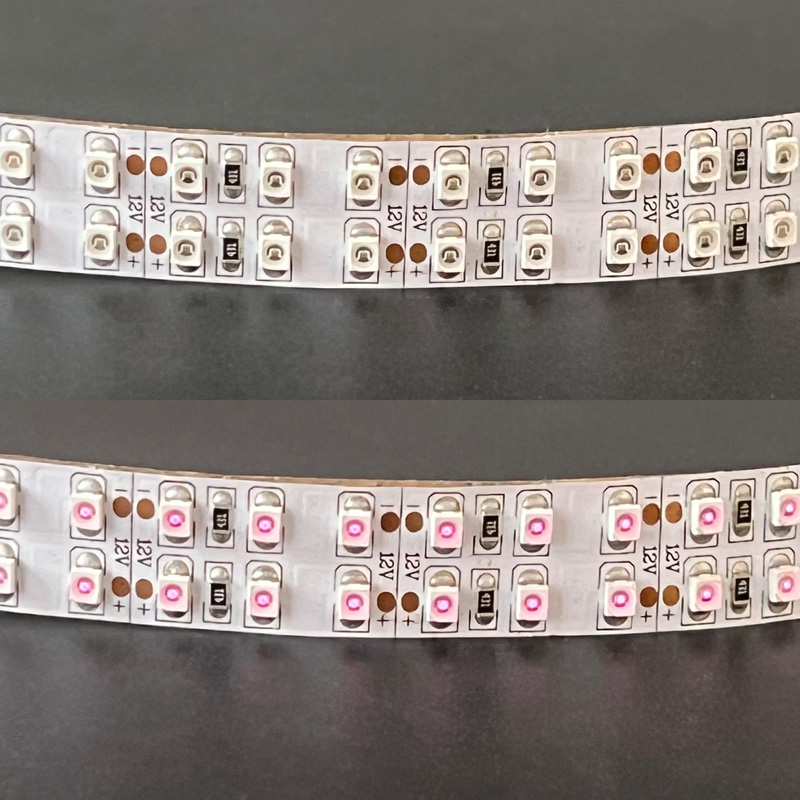
SMD3528 Double Row 850nm/830nm/810nm/780nm Infrared 730nm/660nm/635nm Red IR LED Strip
635nm vs. 660nm vs. 850nm: Which Red Light is Right for You?
You see a lot of numbers thrown around for red light therapy, and it gets confusing fast. Let's clear it up. The main difference is how deep the light penetrates your skin. 635nm is a brighter, more visible red light that works closer to the surface. It's excellent for skin-level concerns. Our deep red 660nm strips go a bit deeper, reaching into more tissue. Then you have near-infrared (NIR) 850nm strips, which are mostly invisible to the eye but penetrate the deepest, reaching muscles and even joints. Choosing the right one isn't about which is 'best,' but which is best for your specific goal. Many people building their own red light therapy lights actually combine different wavelengths, like using our multi-spectrum red and NIR strips, to get the benefits of both surface and deep tissue treatment.
| Wavelength | 635nm Red Light | 660nm Deep Red Light | 850nm Near-Infrared (NIR) |
| Visibility | Bright, vibrant red | Deep, rich red | Faint red glow (mostly invisible) |
| Penetration Depth | Shallow (1-2mm) | Medium (3-5mm) | Deep (5-10mm+) |
| Primary Therapeutic Use | Skin health, wound healing, surface inflammation | General wellness, tissue repair, hair growth | Muscle recovery, joint pain, deep tissue |
| Other Applications | Substance detection, machine vision | Plant growth (photosynthesis peak) | Night vision, security cameras |
Can You Build Your Own Red Light Therapy Lamps?
Absolutely. That's one of the main reasons people buy specific wavelength strips from us. Instead of a fixed-size, expensive pre-built panel, you can create a custom red light therapy device that fits your exact needs. You can line a cabinet, build a targeted wrap for a specific joint, or even create a flexible red light therapy blanket. Our 635nm red LED light strips are sold by the reel, are fully cuttable, and have a adhesive backing, making them perfect for DIY projects. For a simple setup, all you need is the strip, a compatible 24V power adapter, and maybe a single color dimmer to control the intensity.
Frequently Asked Questions About 635nm Red LED Light Strips
Got a question about wiring, choosing, or installing your 635nm red light strips? I've answered thousands of them over the years. Here are the most common ones.
The main uses for a 635nm red light strip fall into three buckets. First is red light therapy, where this specific wavelength is great at promoting cellular energy and aiding skin repair. Second is in labs for things like fluorescence excitation or substance detection, as many chemical markers absorb light at exactly 635nm. Finally, while plants prefer a deeper 660nm for photosynthesis, 635nm light can help regulate their growth cycles, like inducing flowering.
You're right to be confused, because 'red light lumens' isn't the right metric here. Lumens measure brightness as perceived by the human eye. For therapeutic or technical applications, you need to know the actual energy output, which is called radiant flux and is measured in milliwatts (mW).
No, and this is a common mistake that can give you zero results. The 'red' from a standard RGB strip is a mix of phosphors trying to look red, but its wavelength is broad and imprecise. A dedicated 635nm LED strip produces a very narrow, specific peak right at 635nm, which is what's needed to trigger the desired biological effects. Using an RGB strip is just shining a generic red light with none of the targeted benefits.
It comes down to precision and consistency. You can get much higher LED density, which provides even, uniform coverage without hotspots, which is critical for treating an area of skin or running a lab test. Plus, you can build them into any shape you need.
That's a classic case of voltage drop. The longer the strip, the more resistance the copper traces have, and the voltage literally drops by the time it reaches the far end. The solution is to start with a 24V strip for any run over 5 meters (16.4 ft). If it's a long 24V run, you'll need to power it from both ends or inject power in the middle. We've got a whole guide on voltage drop that explains it.
For our high-density models, yes, absolutely. It's not just for making the installation look clean; the channel is a critical heatsink. Without it, the LEDs will run too hot, which shortens their lifespan from 50,000 hours to maybe 10,000 and can even cause the wavelength to shift slightly. Heat is the number one killer of LEDs, so using aluminum channels is non-negotiable for performance and longevity.
Go with 24V, no question. For any panel or array larger than a foot or two, 24V is the professional choice. It allows you to run longer series of LEDs with less current, which means you can use thinner, more manageable wires and you'll have much less trouble with voltage drop across the panel. We stock hundreds of 24V power supplies specifically for these kinds of projects.
It's because traditional black-and-white photographic paper is designed to be orthochromatic, which means it's not sensitive to light in the long-wavelength red part of the spectrum. Using a 'safelight' with a specific red wavelength like 635nm lets you see what you're doing during the developing process without accidentally exposing and ruining the print. The light is bright enough for your eyes but invisible to the paper.
To your eye, 635nm is a very bright, vibrant red. 660nm is a noticeably deeper, almost blood-red color. The application is the key difference. 635nm is often used for surface-level light therapy and biostimulation. 660nm is one of the peak absorption wavelengths for chlorophyll, making it a workhorse for plant growth, and it also has properties for deeper tissue therapy. We have a guide explaining the key differences in wavelengths if you need to go deep.
A professionally made 635nm red LED light strip should give you 50,000 hours of use before its output drops to 70% of the original brightness (that's the L70 rating). But there's a huge catch: that number is only valid if the strip is installed correctly. That means using the right voltage, a stable power supply, and mounting it on an aluminum profile to pull heat away. Without proper heat sinking, you can burn out a strip in a fraction of that time.
Yes, absolutely. Just send us a sketch or a description of what you need. An engineer will send back a full parts list and wiring diagram, usually the same day, with no obligation to order.