
Near IR Light 810nm LED Strip
12 products
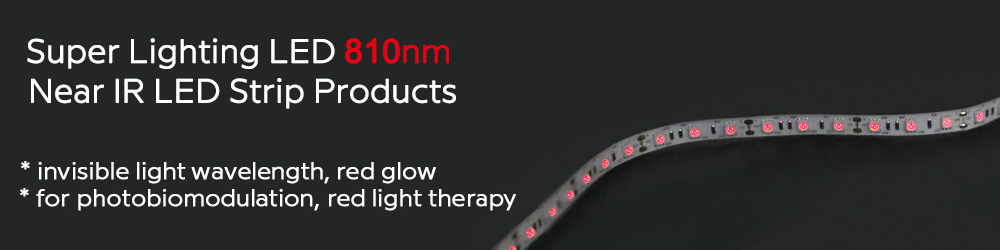
SuperLightingLED offers multiple types of 810 nm near infrared LED strip for red light therapy. 810nm integrated with SMD 5050, 2835, 3528 LED diodes and you can see red light dots due to the 810nm IR LED wavelength contains visible 680-780 nm far red light spectrums. In fact 800nm 810nm 820nm 830nm wavelengths are all near IR light, they are invisible to the human eyes. Key Differences Between NIR LED Near Infrared Light Wavelengths
The 810nm wavelength has strong tissue penetration ability and can penetrate deep into the skin tissue and reach the target treatment area, often used in sauna applications and photobiomodulation therapy. Beneficial for improving depressive symptoms, enhancing muscle performance and post-exercise recovery, promoting lymphatic drainage, antibacterial and anti-inflammatory, and blood circulation. Guide to Know Near-Infrared Light Therapy
Flexible 810 nm near infrared (NIR) LED light strips are highly adaptable in domestic and commercial medical, beauty and health lighting with their cuttable, waterproof design, selectable light densities, and long strip structure.

Ultra Bright 3-in-1 Infrared Red Blue Light Therapy LED Strip
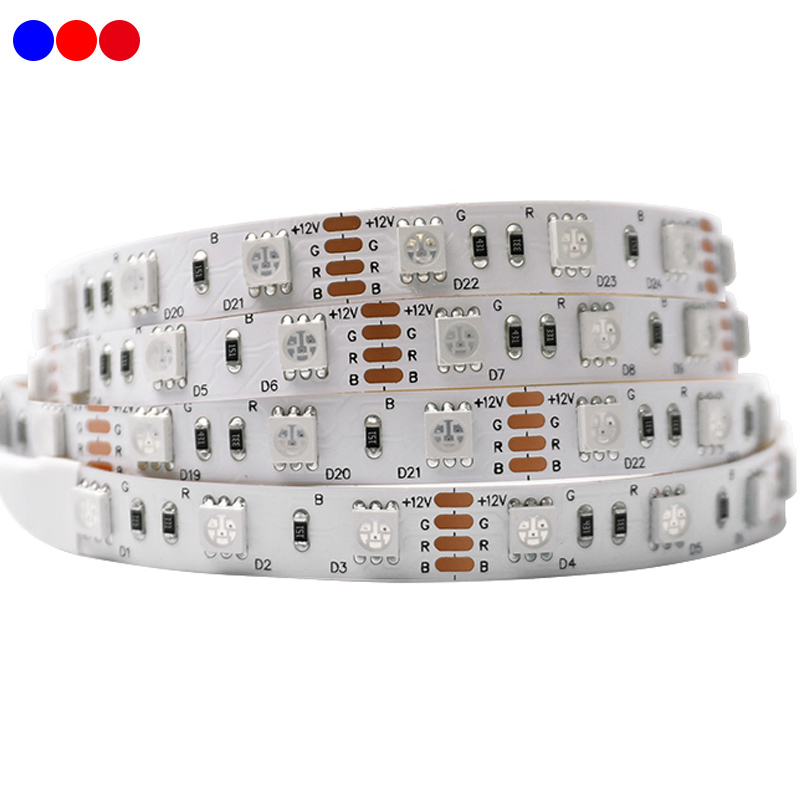
660nm Red + 810nm IR + 450nm Blue 3-in-1 Multi Wavelength LED Strip
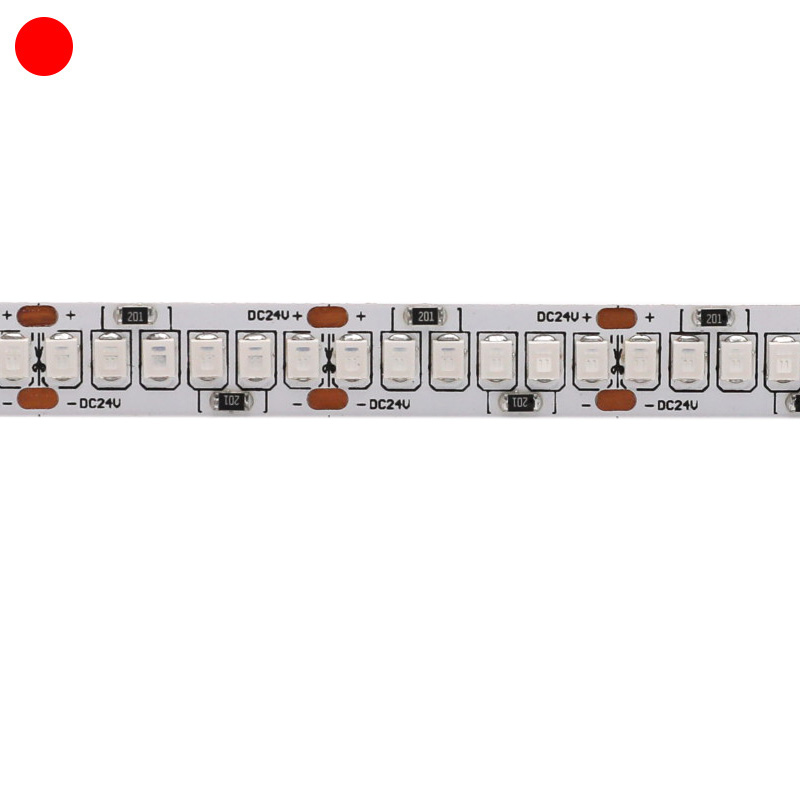
Ultra Bright Infrared 810nm/830nm/850nm/940nm Red 780nm/730nm/660nm/635nm LED Light Strip
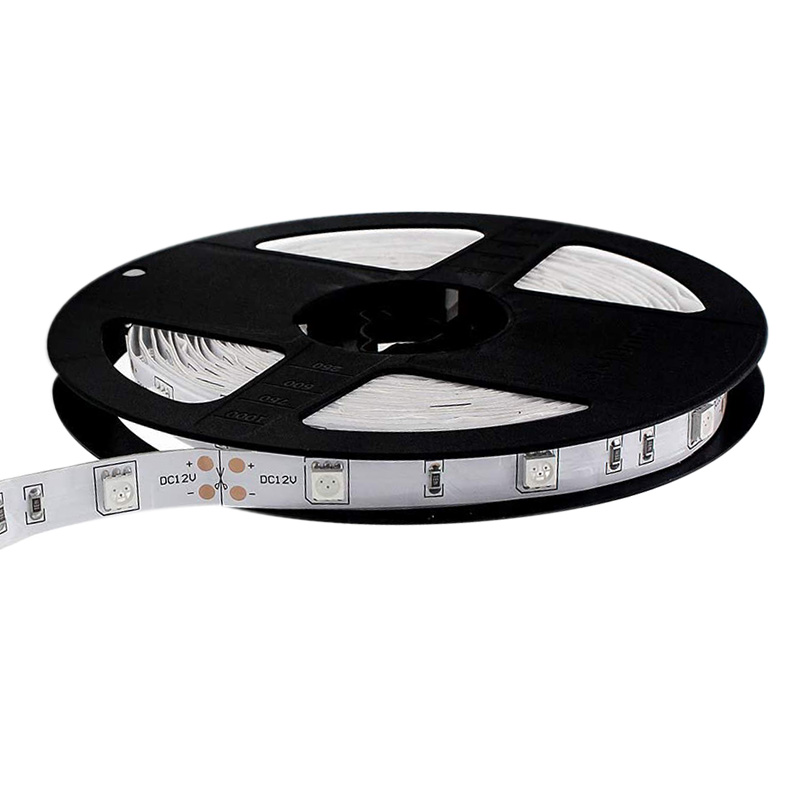
5050 30LEDs/m 940nm/850nm/830nm/810nm/780nm/635nm Infrared & Red Light Strips
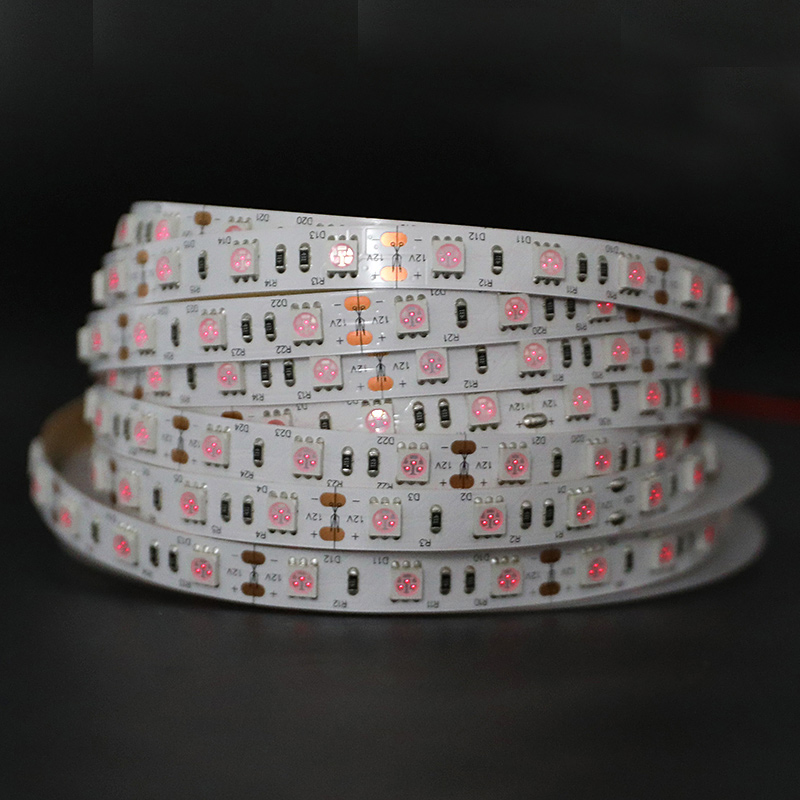
300LEDs SMD 5050 Near IR 810nm LED Strip Light
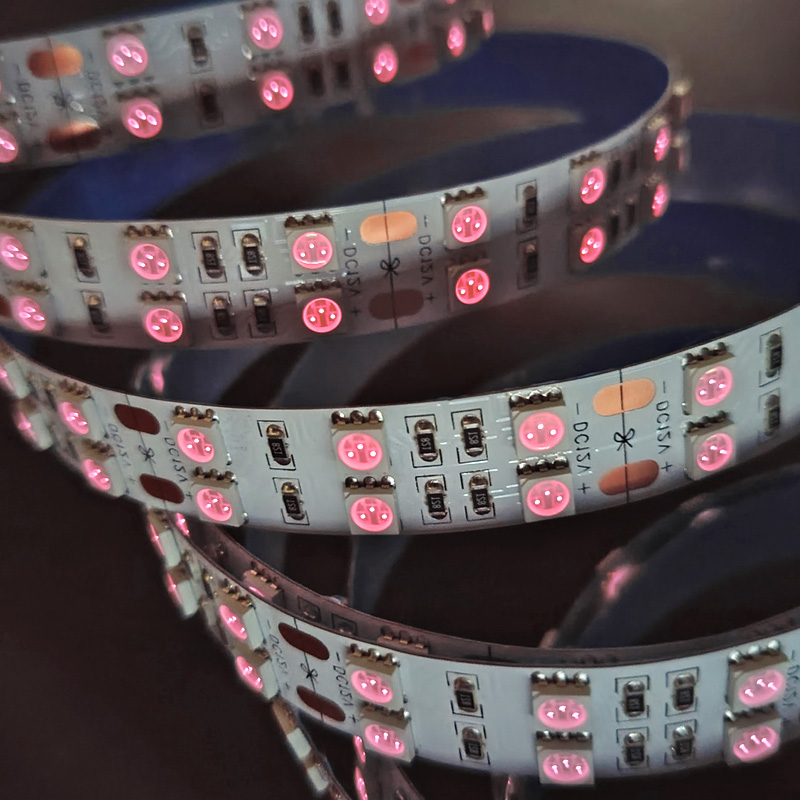
Two Rows 5050 High Power Infrared LED 810nm 830nm Light Tape
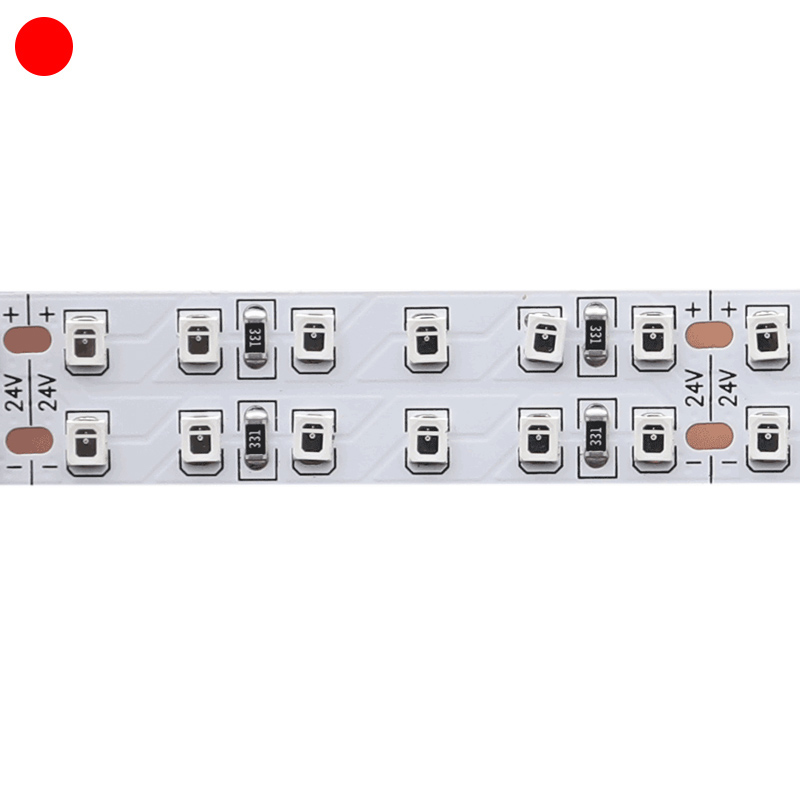
SMD2835 High Bright 810nm/830nm/780nm Near Infrared 730nm/660nm/635nm Red LED Tape Light

High Efficiency Infrared SMD2835 810nm 830nm LED Light Strip (600 Diodes)

600LEDs SMD 3528 Infrared LED 810nm/830nm/780nm IR Light Strip
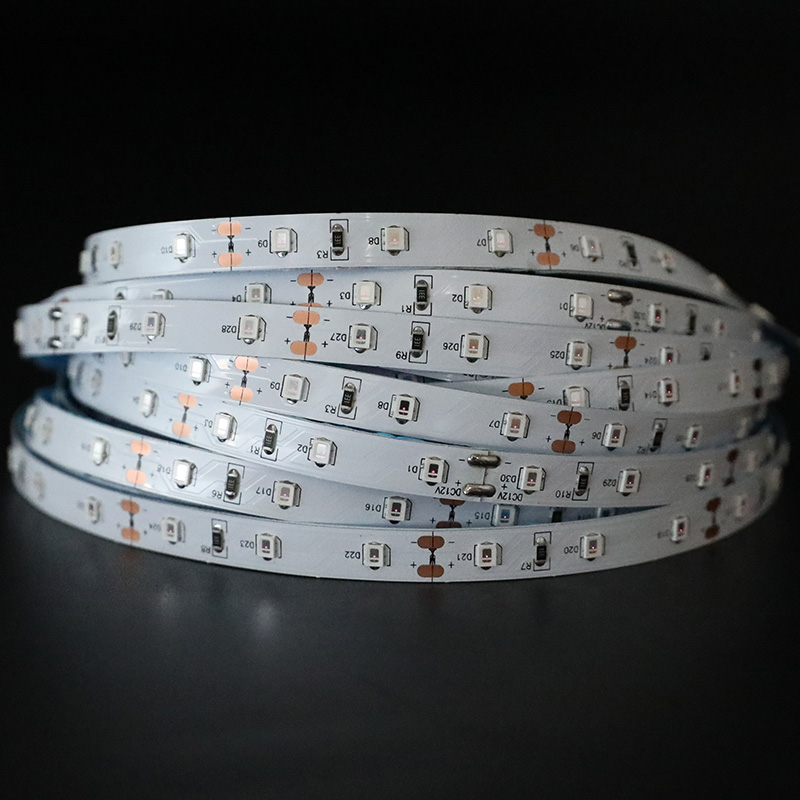
Eco 2835 Infrared 850nm/940nm/830nm/810nm/780nm Red 730nm/660nm/635nm LED Strip
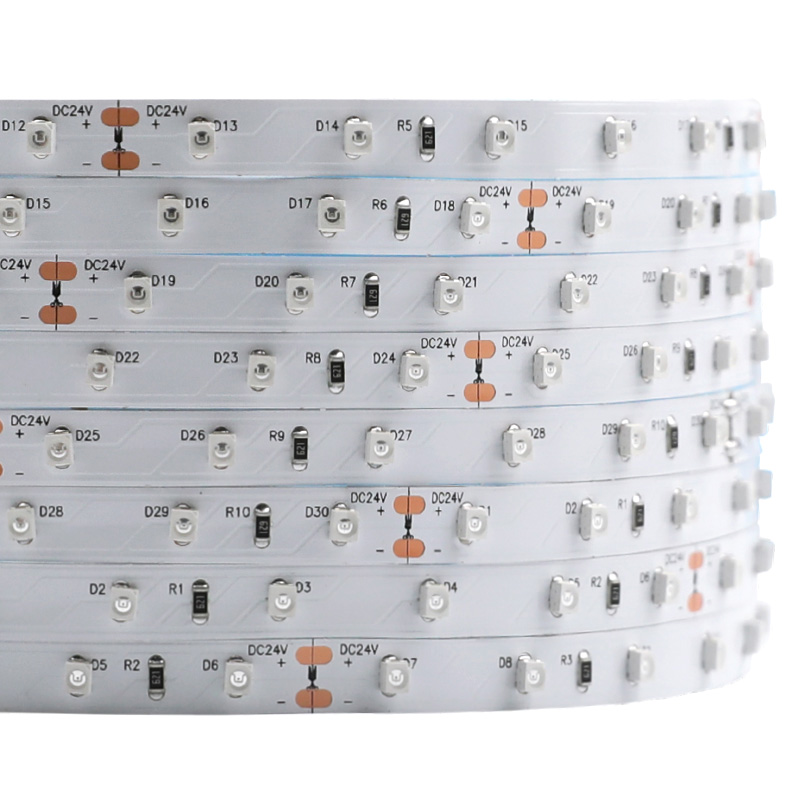
60LEDs/m 3528 940nm/850nm/830nm/810nm/780nm Infrared & 730nm/660nm/635nm Red LED Strip Light
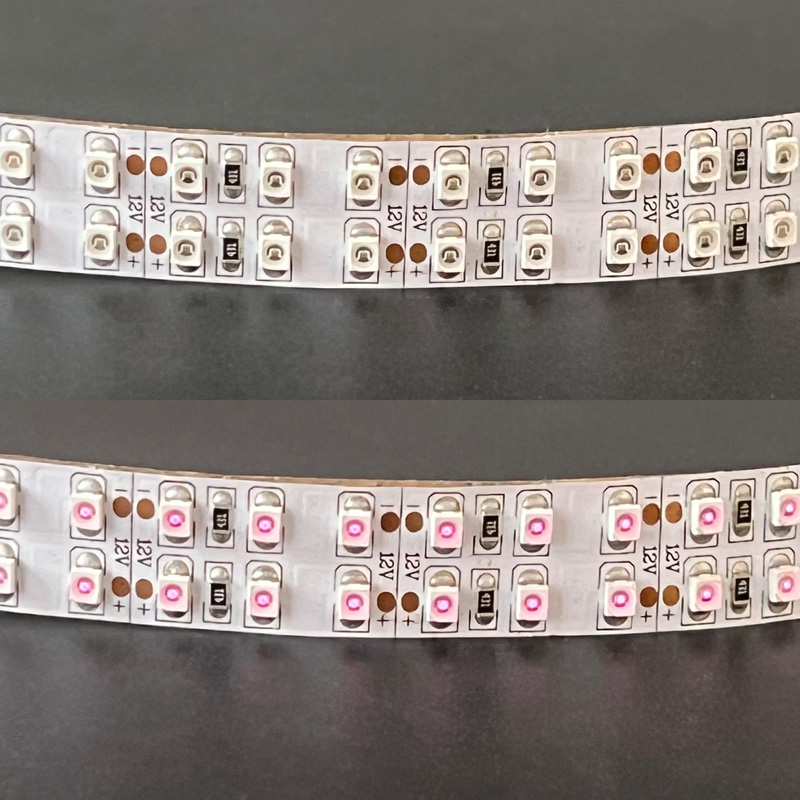
SMD3528 Double Row 850nm/830nm/810nm/780nm Infrared 730nm/660nm/635nm Red IR LED Strip
Near IR 810nm LED Strip: Spectrum Test Report Download
Frequently Asked Questions About 810nm Near-Infrared LED Strips
Got questions about setting up your 810nm NIR light project? I've answered thousands of these over the years. Here are the most common ones we get right before an order.
Near-infrared (NIR) light is a section of the electromagnetic spectrum just beyond what our eyes can detect. An 810nm LED strip is deep in this range, so it's perfectly normal that you can't see the light output directly. You might see a very faint red glow from the diodes, which is just a tiny bit of spillover into the visible spectrum, but the main therapeutic energy is invisible. A good way to check if it's working is to point your phone camera at it—most phone sensors can see NIR light.
An IR light is simply a light source that emits infrared radiation, which we can feel as heat but can't see. For an 810nm near-infrared strip, the "color" is technically invisible. The faint red dots you might notice on the chips themselves aren't the primary output; they're just a small part of the diode's total emission that happens to leak into the visible red range. The actual therapeutic beam you want is unseen.
A therapy light uses specific wavelengths to trigger biological processes in the body, a field called photobiomodulation. And yes, an 810nm LED strip is absolutely designed for this. This wavelength is well-researched for its ability to penetrate deep into tissues, making it a popular choice for building custom therapy panels for muscle recovery, joint pain, and other applications. We see customers use them for everything from workout recovery rooms to custom sauna builds.
Yes, when used correctly, 810nm near-infrared light is considered safe for the skin and is widely used in therapeutic devices. The key is managing heat and duration. Don't use a high-density strip directly on the skin for long periods without a diffuser or proper distance, as the LEDs themselves can get hot. It’s the light you want, not concentrated heat from the chip. Also, avoid staring directly into the diodes, even if the light appears dim.
I strongly recommend it, yes. While the light itself is infrared, the LED chips still produce heat as a byproduct of making that light. An aluminum channel acts as a heatsink, pulling that heat away from the diodes and the circuit board. This is critical for getting the full 30,000-50,000 hour lifespan out of the strip. Without proper heat dissipation, the LEDs will degrade much faster, losing output and failing prematurely. We stock dozens of aluminum channels for exactly this reason.
It's all about penetration depth and visibility. Both 810nm and 850nm near-infrared strips are very popular for therapy because their wavelengths penetrate tissue effectively. 940nm penetrates less deeply but is almost completely invisible even to cameras, making it the top choice for covert security cameras and night vision systems. For therapy, stick with 810nm or 850nm. For a security setup where you need zero visible glow, you want a 940nm strip.
Look at the product specs for "watts per meter" (W/m). Multiply that number by the total length of your strip. Then, add a 20% safety margin because you never want to run a power supply at 100% load continuously. For example, if a 5-meter strip is 14.4W/m, the total is 5m * 14.4W/m = 72W. Add 20% (14.4W), and you get 86.4W. You'd need a driver of at least that wattage, so a 96W or 100W driver is a safe, reliable choice.
Yes, that's exactly what they're designed for. Along the strip, you'll see copper pads with a scissor icon, usually every 3 or 6 LEDs depending on the voltage. These are the designated cut points. Only cut on these lines. You can then use solderless connectors or, for the most reliable connection, solder wires directly to the copper pads to link your segments. Just be sure the power supply you choose has enough wattage for the total final length.
For the high heat and moisture inside a sauna, you need more than a basic waterproof rating. I'd go with an IP67 rated strip, which is fully encased in a silicone tube. The IP65 version just has a thin silicone coating on top, which can degrade and peel in high heat over time. The IP67's full sleeve offers much better long-term protection against both steam and elevated temperatures. Always mount it in a channel, even the IP67 version, to help with the heat.
We do that all the time. Many of our therapy-focused customers need specific wavelength ratios and precise lengths. We already stock some multi-spectrum strips, but building a custom one is straightforward. Just send us a sketch or description of what you need—the exact lengths, the ratio of 810nm to 660nm diodes, the lead wire length and type—and we'll handle it. An engineer will send back a complete parts list and quote, usually the same day, with no obligation to order. A huge part of our business is building strips that never appear on the website.