
Triac Series
3 sub-categoriesTRIAC Dimming: Reliable Phase-Cut Control
TRIAC dimming is one of the most widely used lighting control methods, designed to regulate high-voltage AC power directly. By controlling the phase of the AC waveform, TRIAC dimmers can adjust brightness smoothly without requiring complex control systems.
Broad Compatibility
One of the key advantages of TRIAC dimming is its ability to work with a wide range of lighting fixtures:
The Smart Evolution
Modern TRIAC lighting control has evolved into intelligent ecosystems, integrating wireless technologies and advanced sensors:
Ltech Systems
Focuses on advanced smart integration with RF control, Bluetooth connectivity, and NFC configuration.
Skydance Systems
Comprehensive ecosystem: RF, Bluetooth, WiFi, Zigbee, Voice control, and a full range of sensors (Hand sweep, PIR, Door sensors, Microwave motion sensors).
MiBoxer (Mi-Light) Systems
Flexible control through RF, Bluetooth, WiFi, Voice assistants, and Zigbee compatibility.
This makes TRIAC dimming a practical solution for both traditional lighting upgrades and modern smart lighting projects.
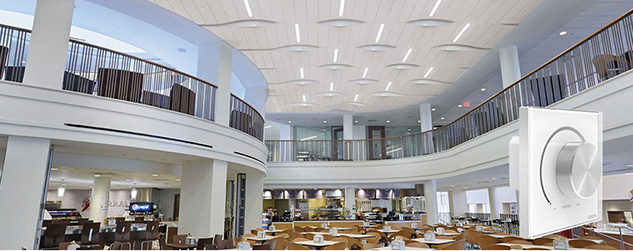
Triac Dimmer
LTECH Intelligent dimmable led driver have excellent performance:
T-PWM digital dimming maintains CRI (color rendering index). 0~100% flicker-free, High-Frequency Exemption.
Dimming range: 0~100%, LED start at 0.1% possible.
Multi-current & wide voltage, suitable for different power LED.
Overload / Over temp. / Short circuit / Over voltage protection, recover automatically.
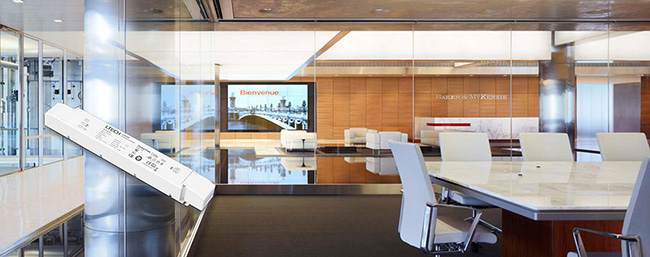
Triac CV Dimmable Driver
Full-digital circuit design, more outstanding performance, and life
PWM digital dimming, do not change the LED color rendering index
Stepless dimming, really no flicker.
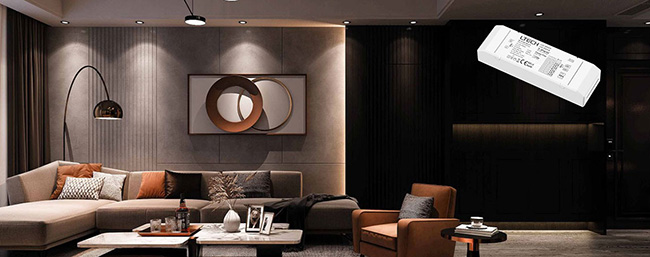
Triac CC Dimmable Driver
LTECH Intelligent dimmable led driver have excellent performance:
T-PWM digital dimming maintains CRI (color rendering index).
0~100% flicker-free, High-Frequency Exemption.
Dimming range: 0~100%, LED start at 0.1% possible.
Multi-current & wide voltage, suitable for different power LED.
Over load / Over temp. / Short circuit / Over voltage protection, recover automatically.
Best-selling Triac Series
1–20 of 57 products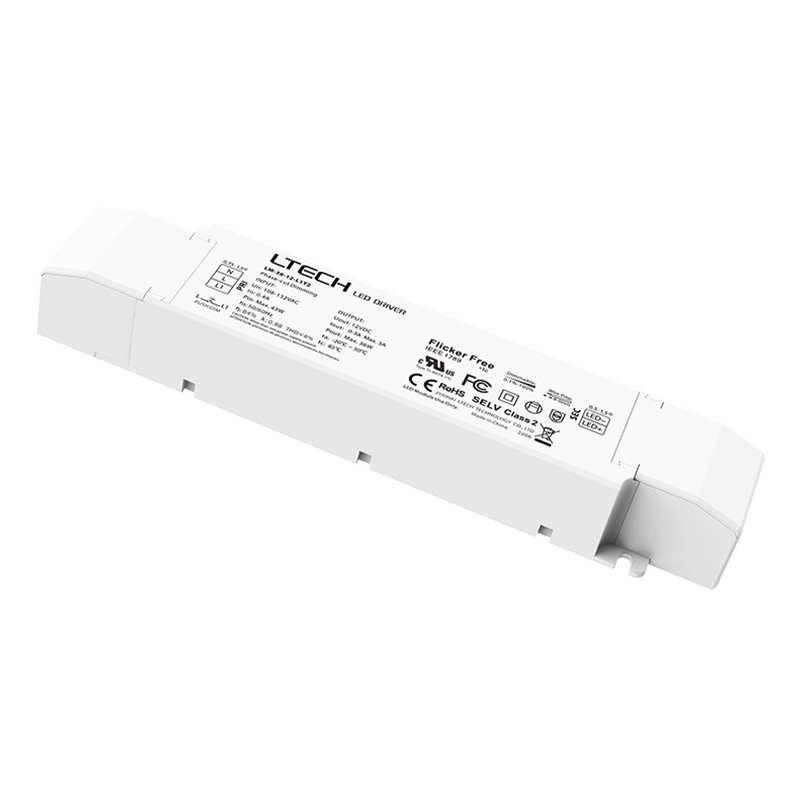
LM-36-12-L1T2 36W 12VDC Class 2 CV Dimmable Triac LED Driver

LM-36-24-L1T2 36W 24VDC CV Class 2 Intelligent Triac Dimming LED Driver
LM-60-12-L1T2 60W 12VDC CV Energy Efficient Class 2 Triac LED Driver
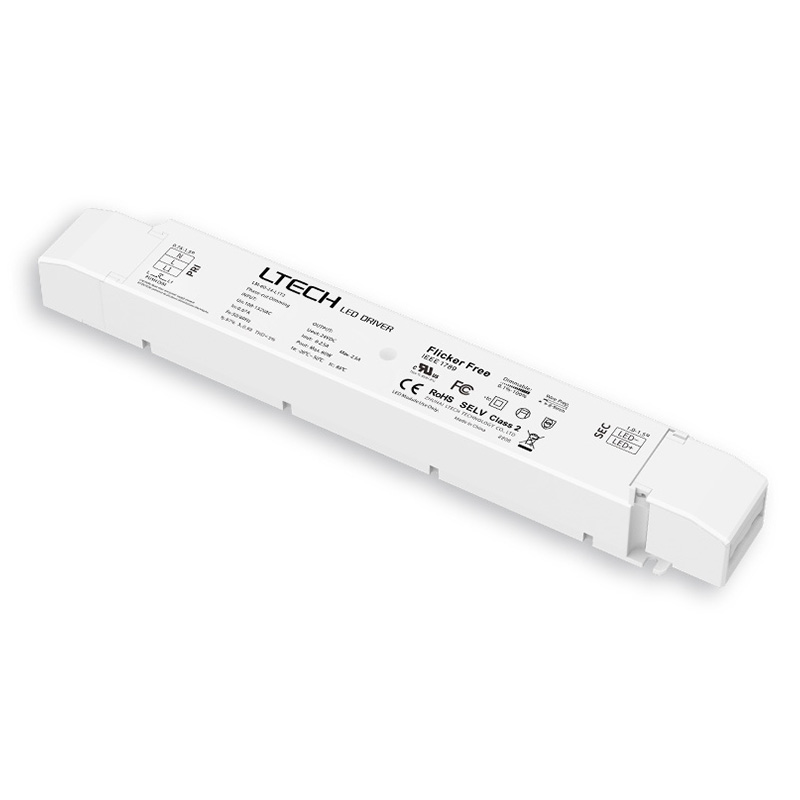
LM-60-24-L1T2 60W 24VDC Push DIM CV Triac Dimming LED Driver
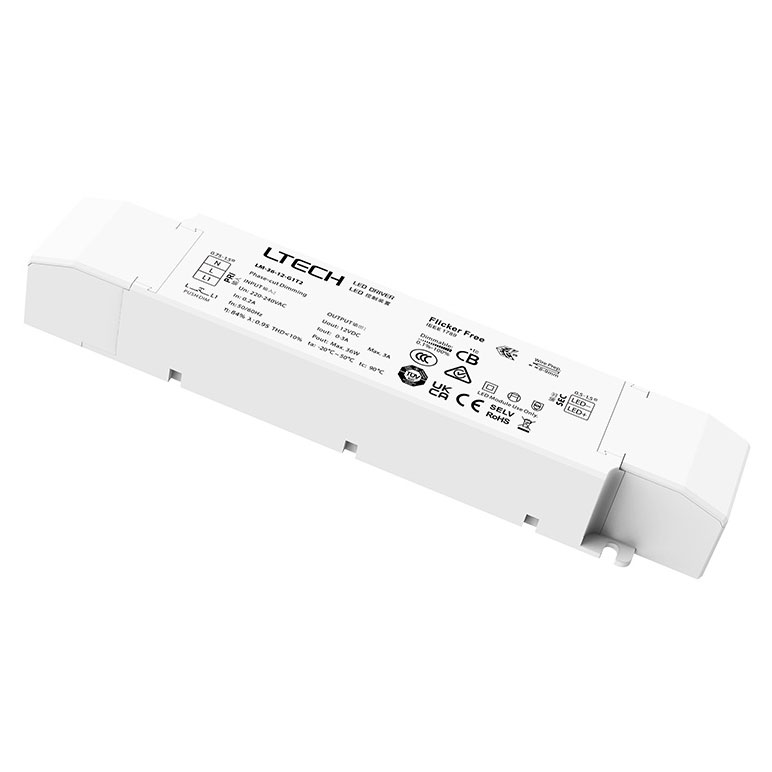
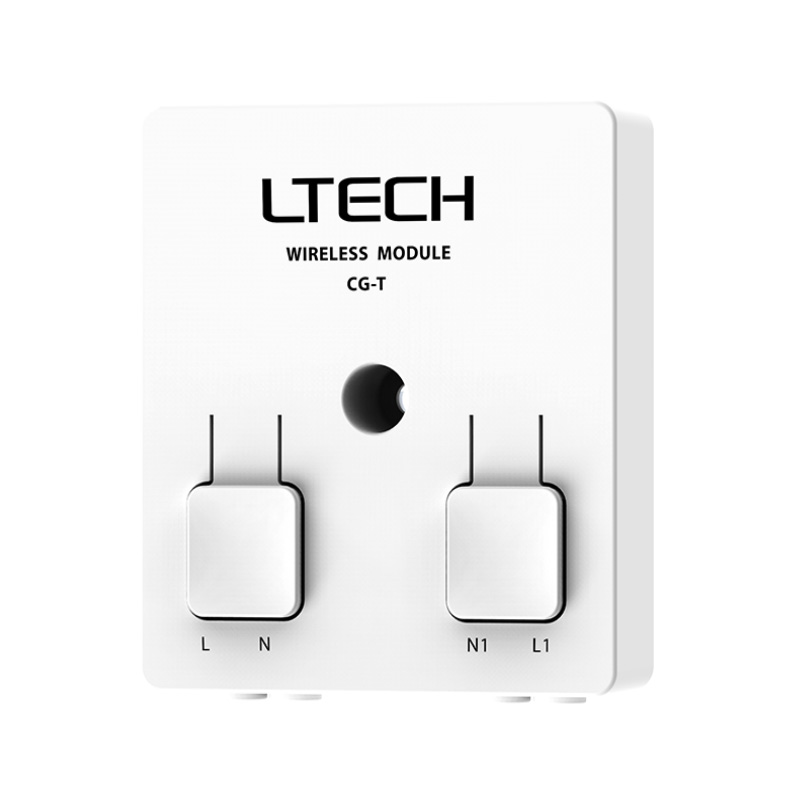
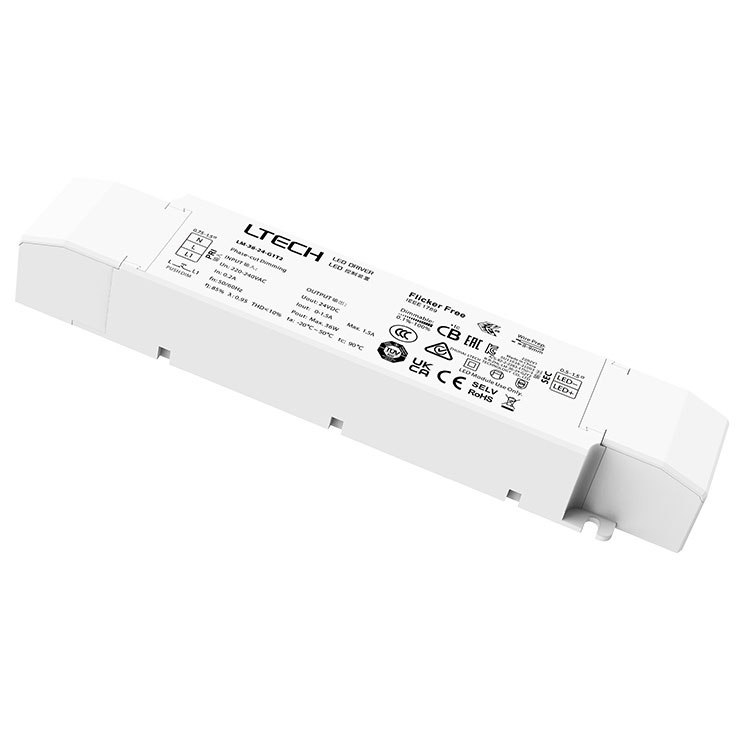
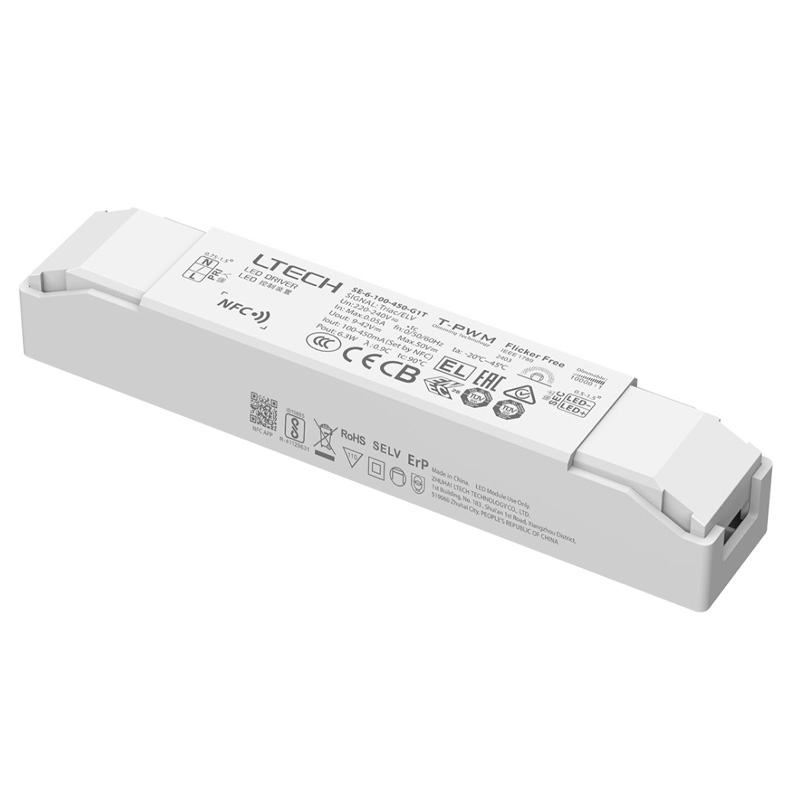
SE-6-100-450-G1T 6W CC 100 to 450mA Triac LED Dimming Driver
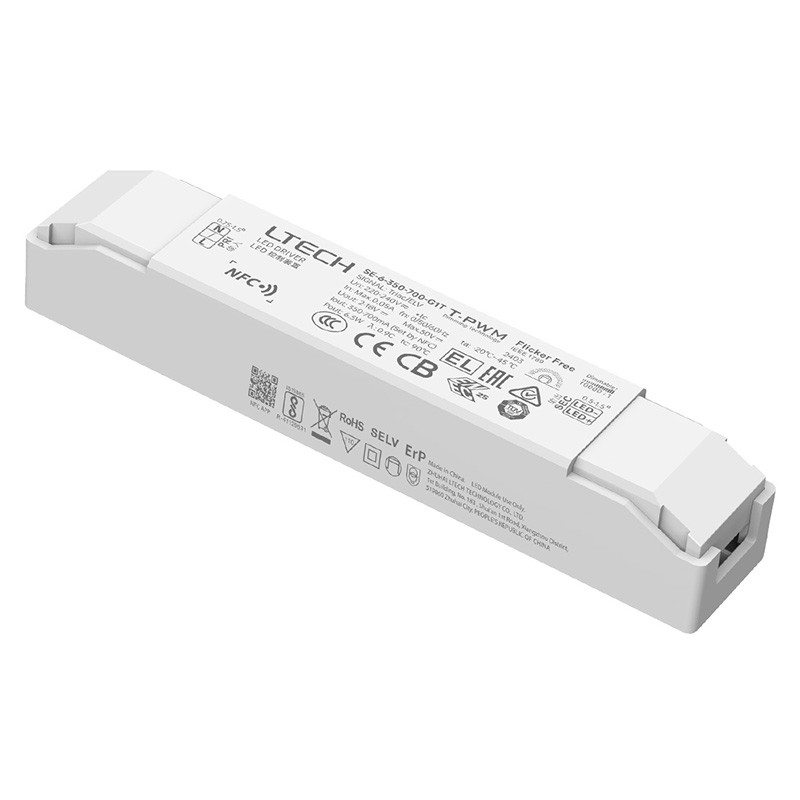
SE-6-350-700-G1T 6W 350mA to 700mA NFC Enabled Ultra Small Triac Driver
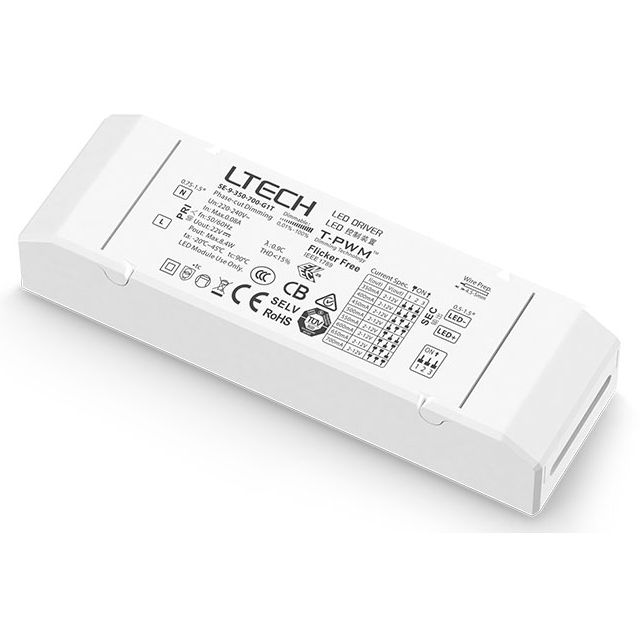
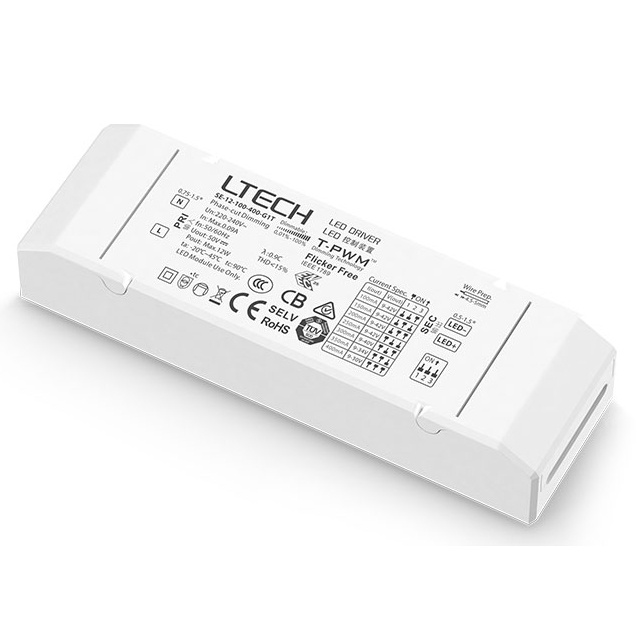
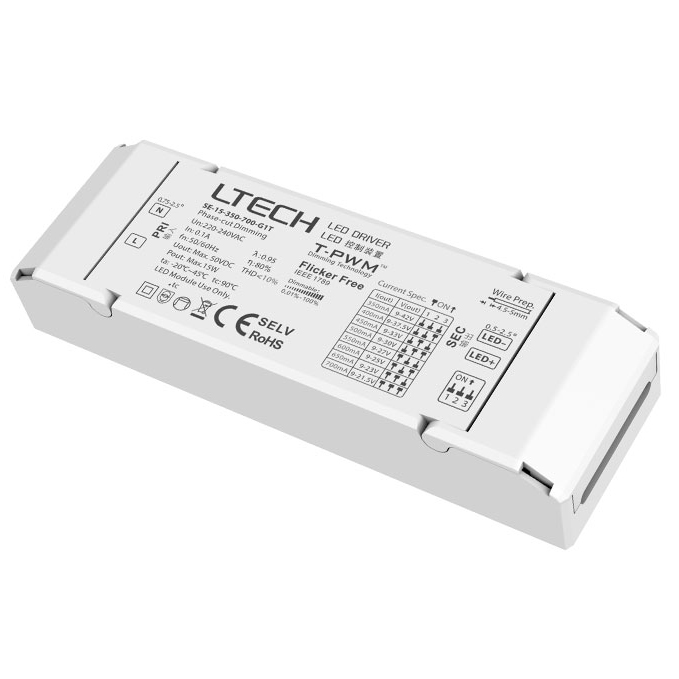
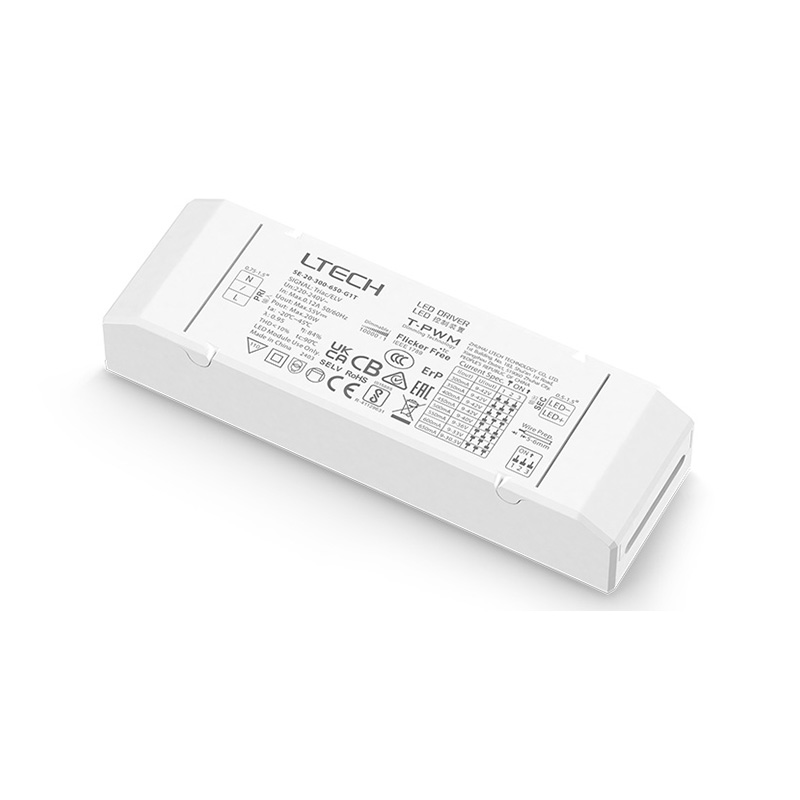
SE-20-300-650-G1T 20W 300 to 650mA Indoor IP20 CC Triac Driver
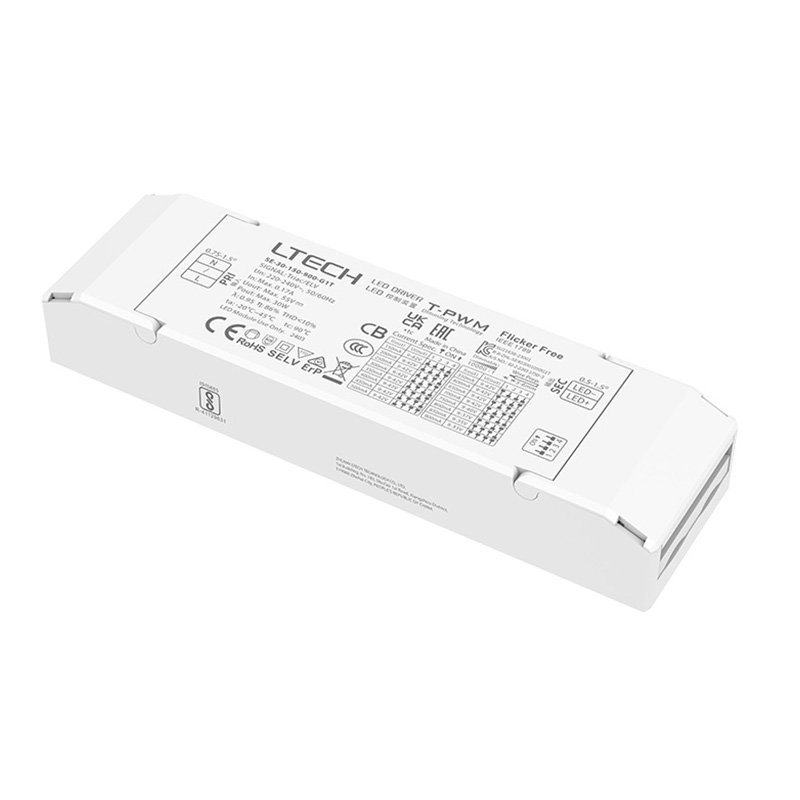
SE-30-150-900-G1T 30W 150 to 900mA IP20 CC Dimmable Triac Driver

SE-40-300-1050-G1T 40W 300 to 1050mA Isolated CC Triac Dimming Driver

SE-6-250-G1T 6W 250mA Ultra Small Soft Start CC Dimmable Triac Driver
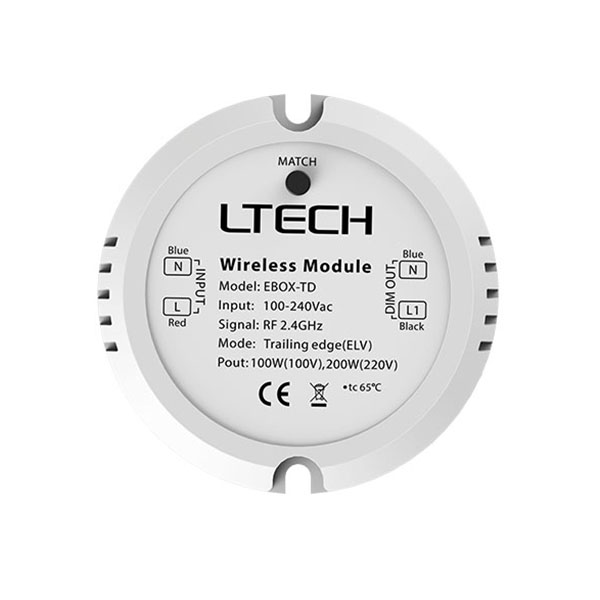
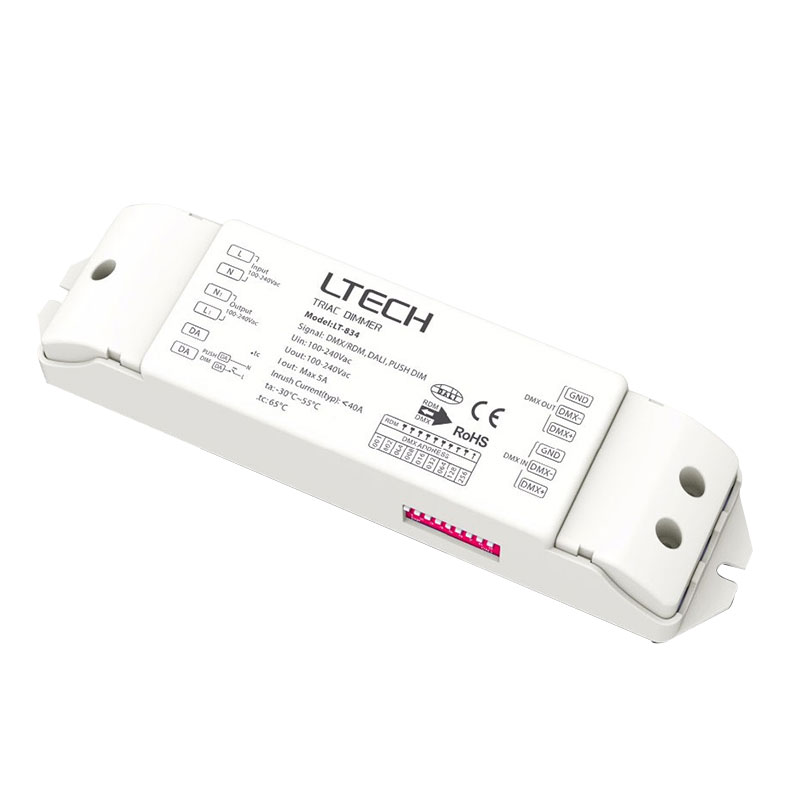
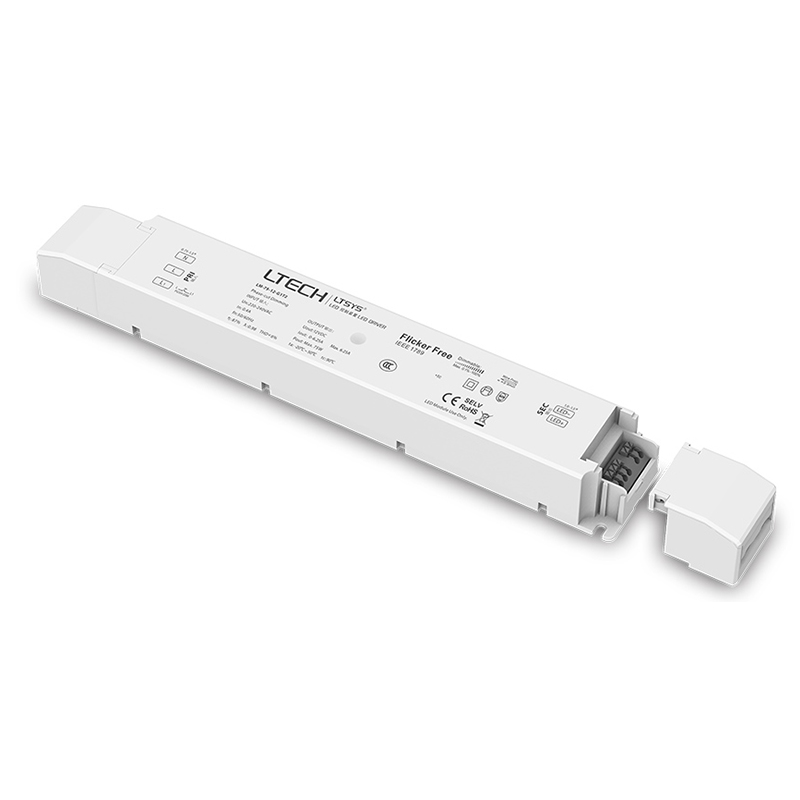
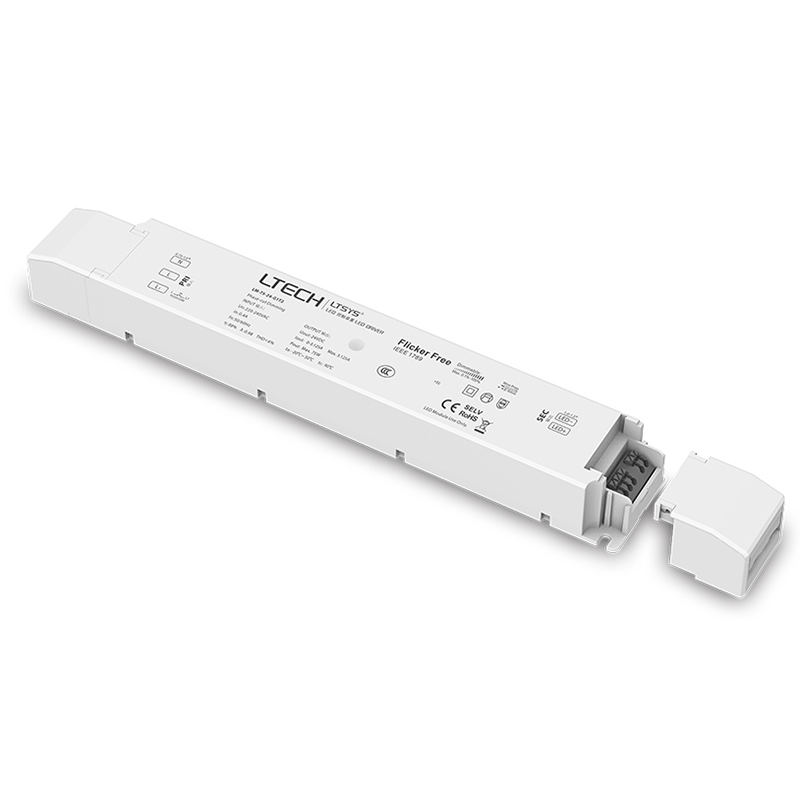
Leading Edge vs Trailing Edge TRIAC Dimming
TRIAC dimming works by cutting portions of the AC waveform, commonly referred to as phase-cut dimming. There are two main types:
Leading Edge Dimming (Forward Phase)
-
Cuts the beginning of the AC waveform
-
Traditionally used with incandescent and halogen lighting
-
More affordable but may cause noise or flicker with some LED loads
Trailing Edge Dimming (Reverse Phase)
-
Cuts the end of the AC waveform
-
More suitable for modern LED lighting and electronic drivers
-
Provides smoother dimming performance with reduced flicker and noise
In modern LED applications, trailing edge dimming is generally preferred for better compatibility and stability.
Universal (Leading & Trailing Edge Compatible) Dimmers
In addition to standard leading edge and trailing edge dimmers, many modern TRIAC dimmers are designed to support both dimming modes. These are often referred to as: Universal TRIAC dimmers, Leading & trailing edge compatible dimmers, Auto-detect dimmers.
These Triac controllers can automatically detect the connected load and adjust the dimming method accordingly, ensuring better compatibility with different types of lighting such as LED drivers, dimmable bulbs, and power supplies.
For a deeper understanding of how TRIAC dimmers work, including waveform control, compatibility considerations, and real-world applications, check out our detailed Triac Dimming Guide.
How Does TRIAC Control LED Strip Lights?
TRIAC dimming can be applied to LED strip lighting in several ways, depending on the system design:
1. Direct Control of High-Voltage LED Strip Lights
A TRIAC dimmer or controller is connected directly to high-voltage LED strip lights (AC LED strips), allowing direct brightness adjustment.
2. TRIAC Control with AC Power Supply (AC → DC)
A TRIAC controller or module controls the input of a standard AC-to-DC power supply, which then powers low-voltage LED strips.
3. TRIAC Dimmer + TRIAC DC Controller
A wall TRIAC dimmer is connected to a TRIAC-compatible DC controller, which regulates the output to LED strip lights powered by a separate DC power supply.
4. TRIAC Dimmer + TRIAC LED Driver
A TRIAC dimmer is paired with a TRIAC dimmable LED driver, which directly controls the brightness of connected LED strip lights or fixtures.
Each method offers different levels of compatibility, control precision, and installation flexibility, making TRIAC a versatile option for both retrofit and new lighting projects.
TRIAC LED Dimming FAQ
Flickering is one of the most common issues and is usually caused by:
1. Incompatible power supply (non-dimmable);
2. Mismatch between dimmer type (leading edge vs trailing edge);
3. Low load conditions.
Using a TRIAC-compatible driver or controller and a matching dimmer type can significantly reduce flicker.
Yes, if you are dimming low-voltage LED lights through the AC side.
A standard (non-dimmable) power supply will not respond properly to TRIAC dimming and may cause flickering, noise, and unstable brightness. Always choose a TRIAC dimmable LED power supply for best results.
Not directly. A TRIAC wall dimmer controls AC voltage, while a 24V LED strip requires DC power. You will need one of the following:
1. A TRIAC dimmable power supply;
2. An AC TRIAC smart module;
3. A TRIAC LED controller with a separate DC power supply.
Yes, but only if the total load is within the TRIAC dimmer’s rated capacity. Overloading the TRIAC dimmer or controller can cause overheating or unstable performance.
TRIAC dimming works on the AC power line, so control distance is not a limitation like wireless systems.
However, the wiring should follow proper electrical standards to avoid voltage drop or interference.