
IR Remote RGB Control Box
12 products

For many color-changing RGB LED tape lighting enthusiasts and professional installers, the IR Remote Controller remains a top choice for localized, interference-free environmental control. Unlike broader RF wireless systems, Infrared (IR) technology requires a direct line-of-sight, which is precisely why users specify it for multi-zone RGB setups.
Why Choose IR Over RF for Your RGB Project?
For instance, if you have RGB flexible LED strips in separate display cabinets or shelving units within the same room, an IR remote allows you to adjust one specific RGB controller without accidentally changing the colors of the others. This makes them ideal for targeted applications like under-cabinet kitchen lighting, landscape accents, and marine or boat interiors.

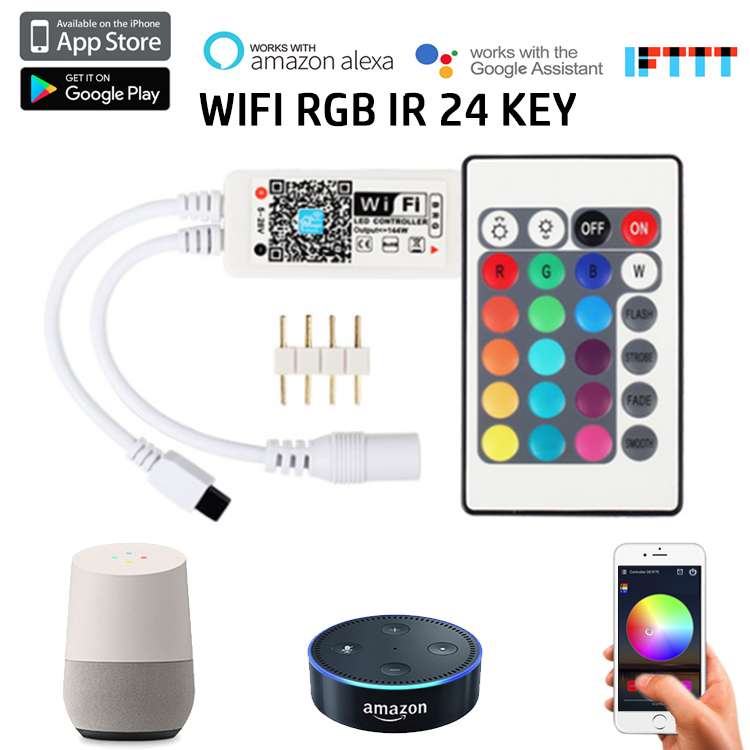
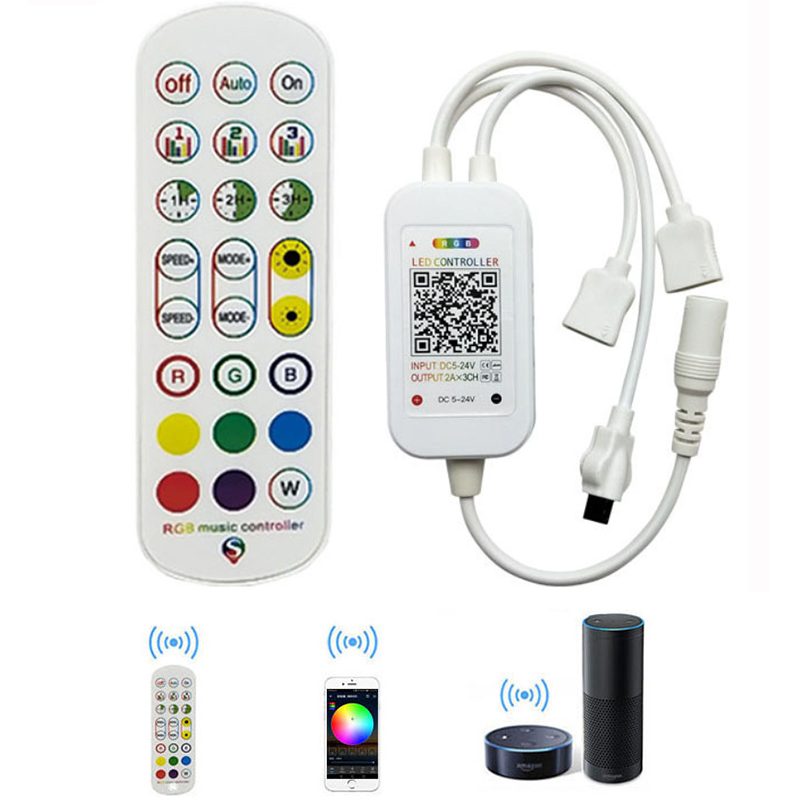
DC5-24V RGB Bluetooth/WiFi Music APP LED Mini Controller With 24 Keys Remote Control, Work With Alexa & Google Assitant
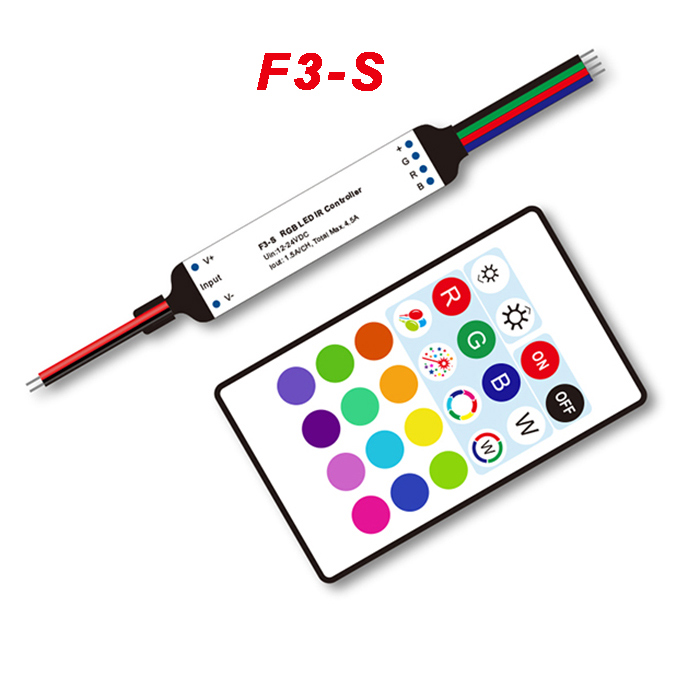
+RC3-WiFi-&-IR-Dimmable-RGB-LED-Controller-with-IR-Remote.jpg)
+RC3-3CH-LED-RGB-WiFi-IR-Controller-with-Infrared-Remote.jpg)
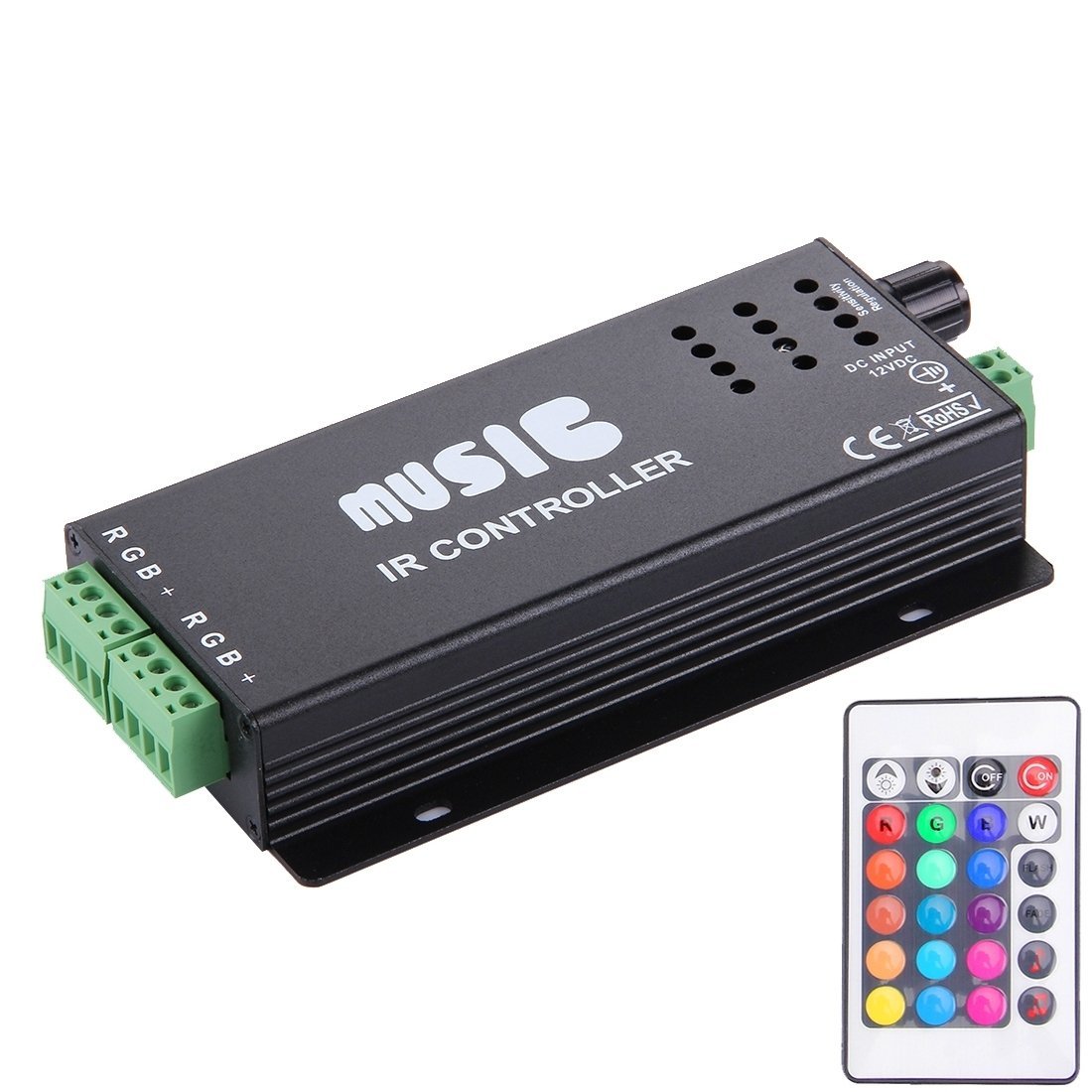
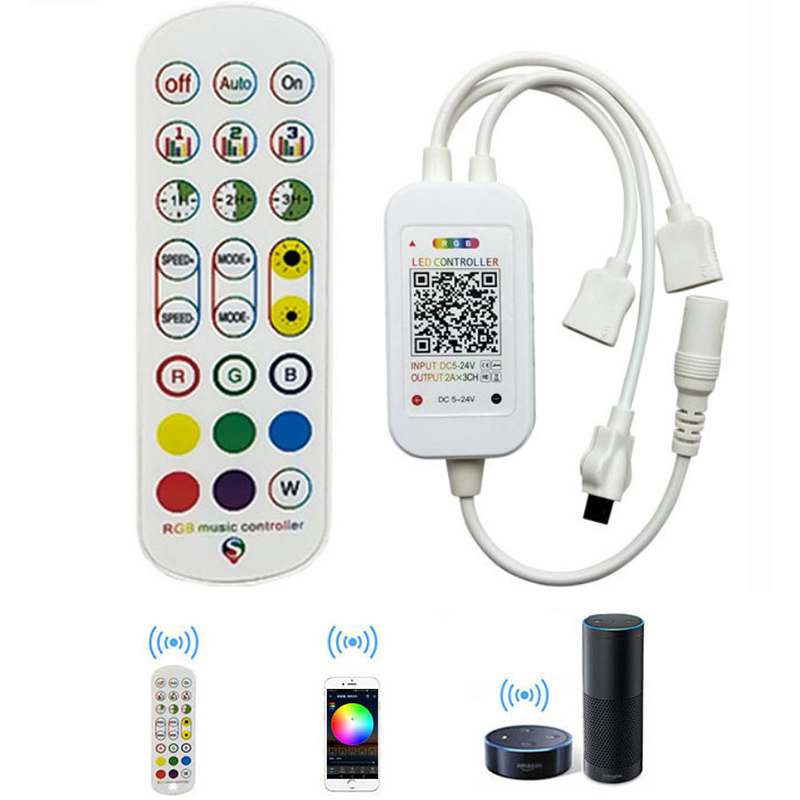
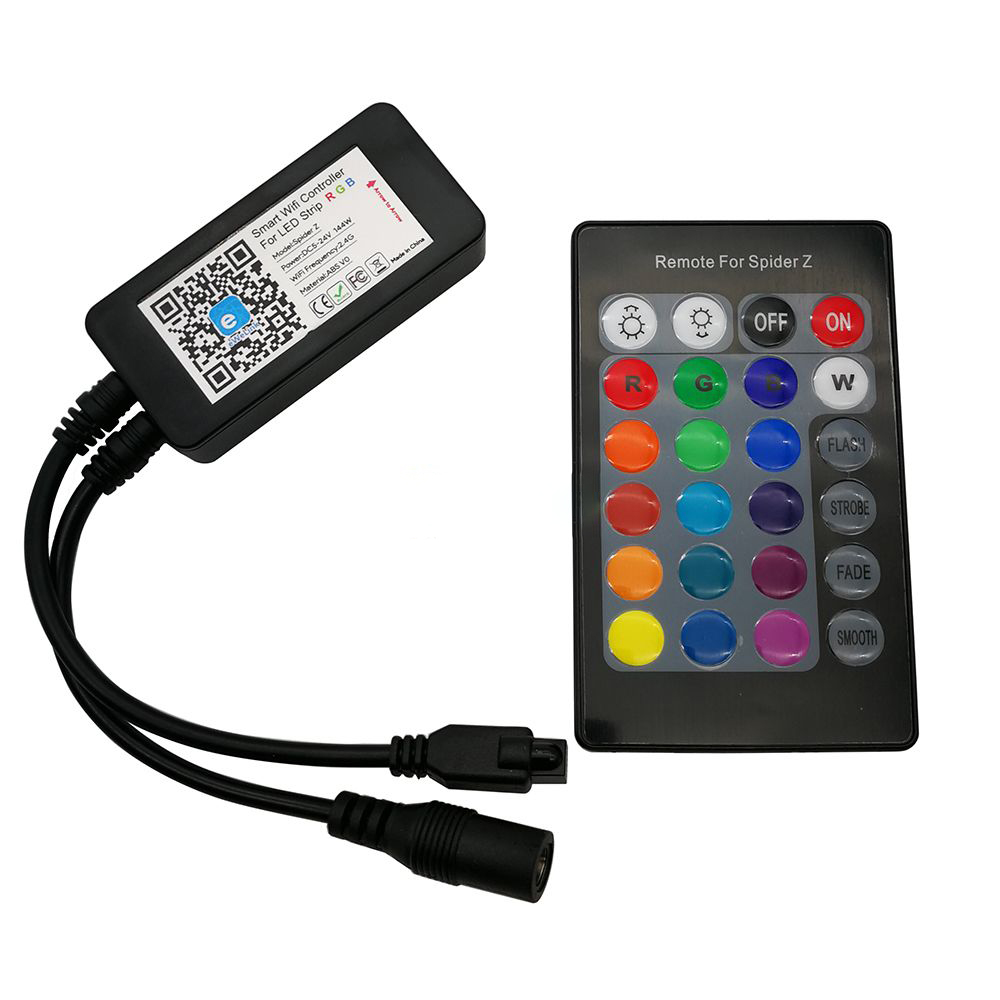
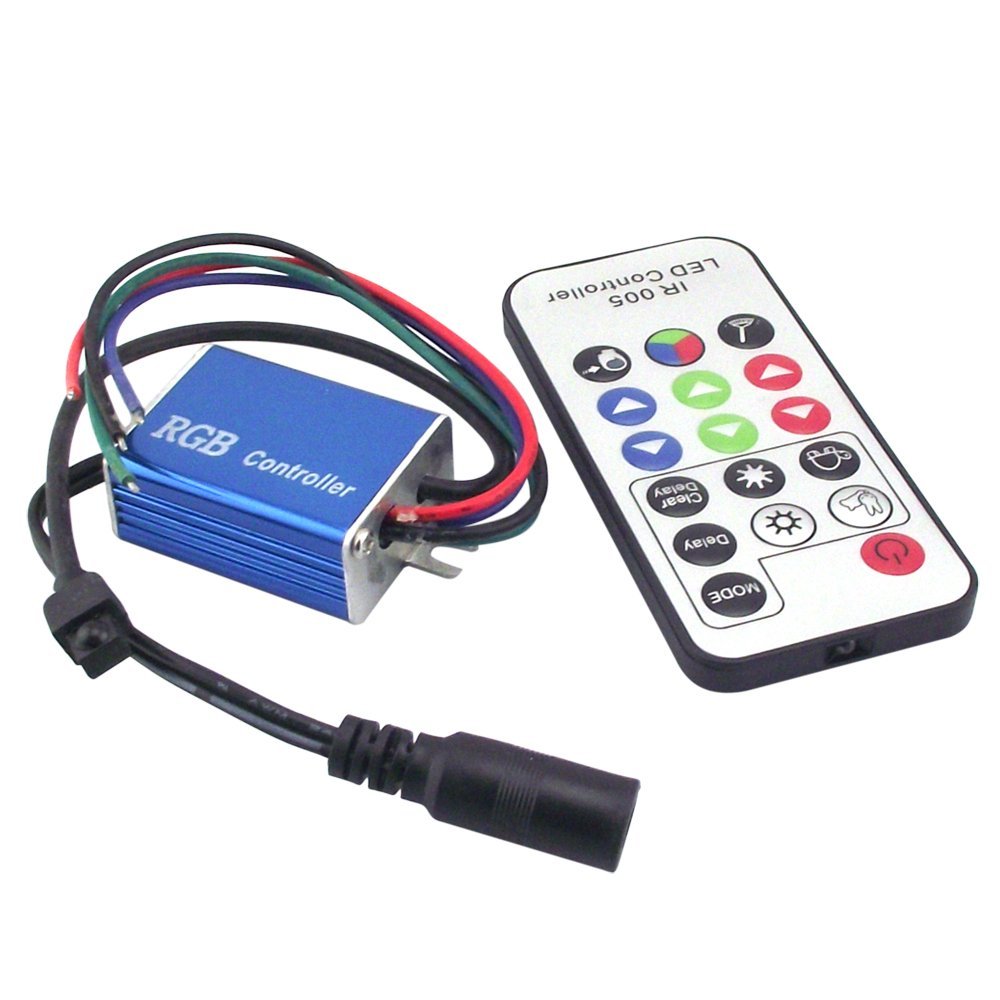
IP65 Waterproof RGB LED Controller DC12/24V Max 12A - IR/RF Remote
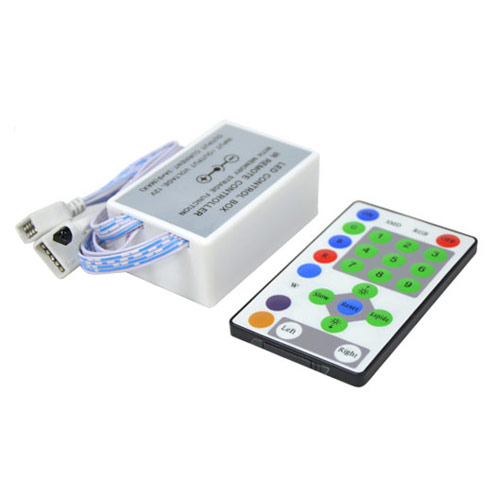
Frequently Asked Questions About IR Remote RGB Control Boxes
Got a question about our infrared RGB controllers? I've probably answered it a thousand times. Here are the most common ones that come up before and after an install.
An Infrared Remote Controller works just like your TV remote, using a beam of invisible light that requires a direct line-of-sight to the receiver. That's actually its main advantage. If you have multiple RGB setups in one room, like in display cabinets, you can change one without affecting the others. RF signals would blast through everything and change them all at once.
Maybe it's the little plastic tab in the battery compartment that hasn't been pulled out. If you've pulled that, check your line of sight. The little black dome on the control box (the IR receiver) can't be buried behind metal or inside a solid cabinet. It has to 'see' the remote.
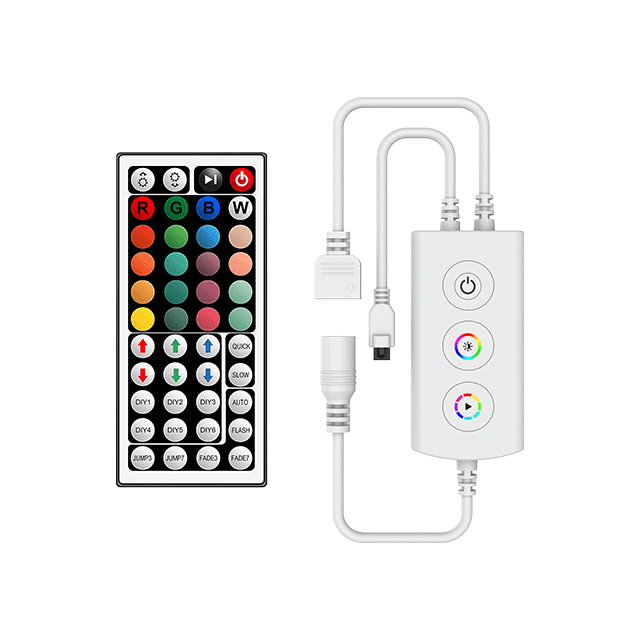
Those buttons on your IR LED remote give you access to stored functions. 'JUMP' cycles instantly between preset colors (like red, green, blue), while 'FADE' transitions smoothly. 'DIY' buttons let you create and save your own custom color mixes. You typically use the red, green, and blue arrow keys to adjust the mix, then press the DIY button you want to save it to. It's a simple way to store a specific shade you like.
If you lost the remote for your infrared controller, you have a couple of options. Many of our IR control boxes have physical buttons on the unit itself for basic mode and color changes. For the models that are also WiFi-enabled, like the Tuya-compatible ones, you can always just use the smartphone app. The app gives you way more control than the simple remote ever could, so you're not missing much.
You need to place the IR receiver where you'll have a clear line of sight from where you'll be using the remote. The most common mistake is hiding it completely. A good spot is right near the edge of a cabinet, under a shelf lip, or mounted discreetly on a frame. Just make sure it's not recessed so far that the signal can't reach it. It doesn't need to be obvious, just visible to the remote.
They give you the best of both worlds. The WiFi part connects the controller to your network so you can use an app like Tuya or voice assistants like Alexa for detailed control from anywhere. The Infrared Remote Controller is your simple, local backup. It's for anyone in the room who just wants to turn the lights on or change the color without pulling out their phone. The controller listens for both signals.
Absolutely. That's a very common way installers hide the wiring for a clean finish. Most of our mini RGB control box units are tiny, often just a couple of inches long. You can easily fit them inside a standard plastic DIY project box along with any wire connections. Just make sure to drill a small hole for the IR receiver's 'eye' to poke through so it can see the remote.
Pretty much, yes. As long as it's a standard, non-addressable 4-pin RGB strip that runs on constant voltage (like DC 12V or 24V), it will work. The controller's job is to manage the power to the red, green, and blue channels. Just make sure the controller's voltage and amperage rating match your strip.