
LPD6803 IC Programmable LED Strips
5 productsDesigned strictly for legacy maintenance, our LPD6803 Addressable LED Strips serve as direct replacements for older, first-generation 2-wire SPI dynamic lighting installations. As an early-stage 5-bit (32-level grayscale) IC architecture, LPD6803 is ideal for servicing existing architectural facades, vintage KTV chases, and legacy control networks that cannot be re-programmed or swapped out.
Recommended Upgrade for New Projects: For new installations requiring clock-driven stability, we strongly recommend replacing 12V LPD6803 RGBIC strip lights with 5V SK9822 or APA102 for true 8-bit (256-level) color depth and flicker-free 20kHz+ PWM performance, or WS2811 (12V or 24V) for high-efficiency, budget-friendly commercial dynamic runs.
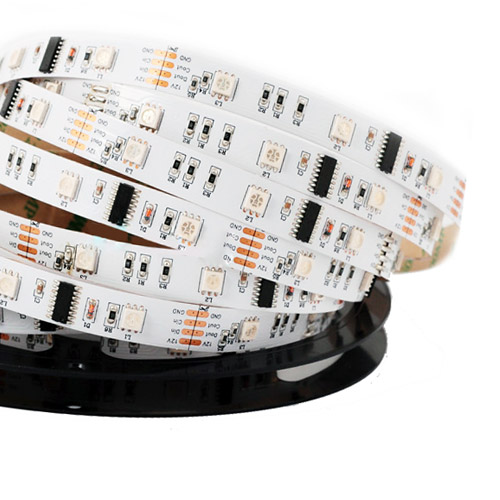
LPD6803 DC12V 150LEDs RGB Series Flexible LED Strip Lights, Programmable Pixel Full Color Chasing, Indoor Use, 16.4ft Per Reel By Sale
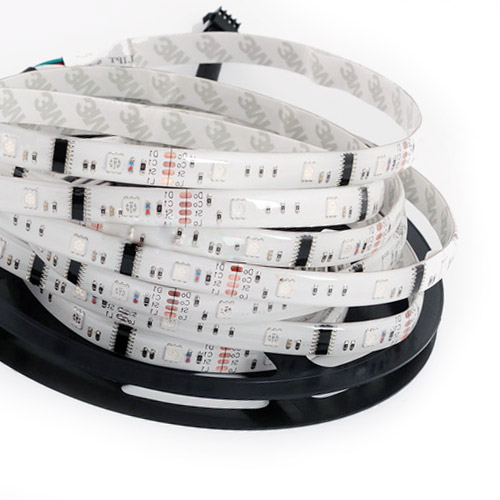
LPD6803 DC12V Series Flexible LED Strip Lights, Programmable Pixel Full Color Chasing, Waterproof IP65, 150LEDs 16.4ft Per Reel By Sale
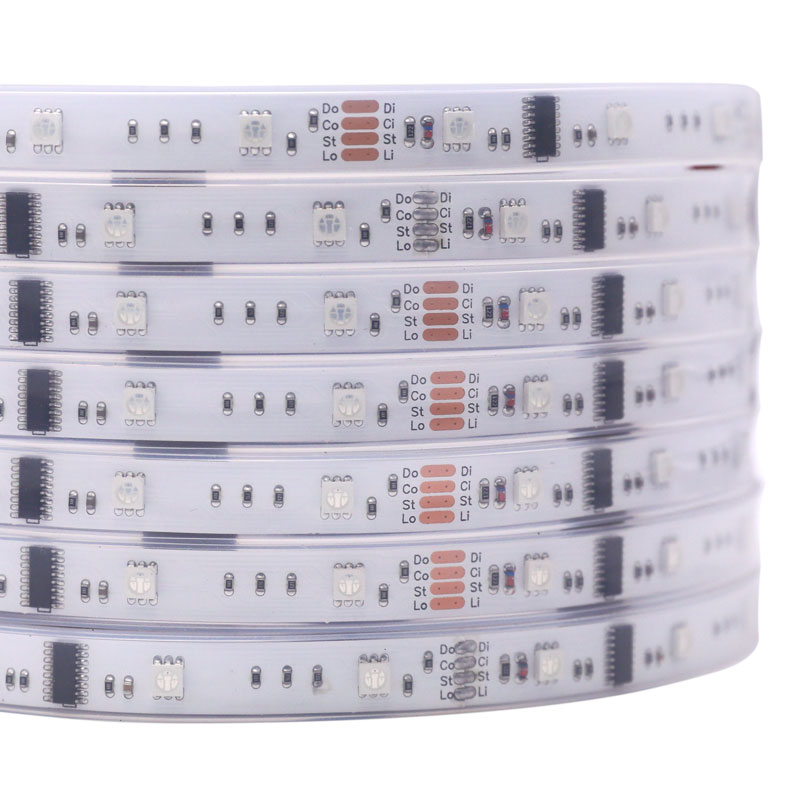
30LEDs/m 12V LPD6803 Digital RGB Outdoor IP67 LED Strip Lights
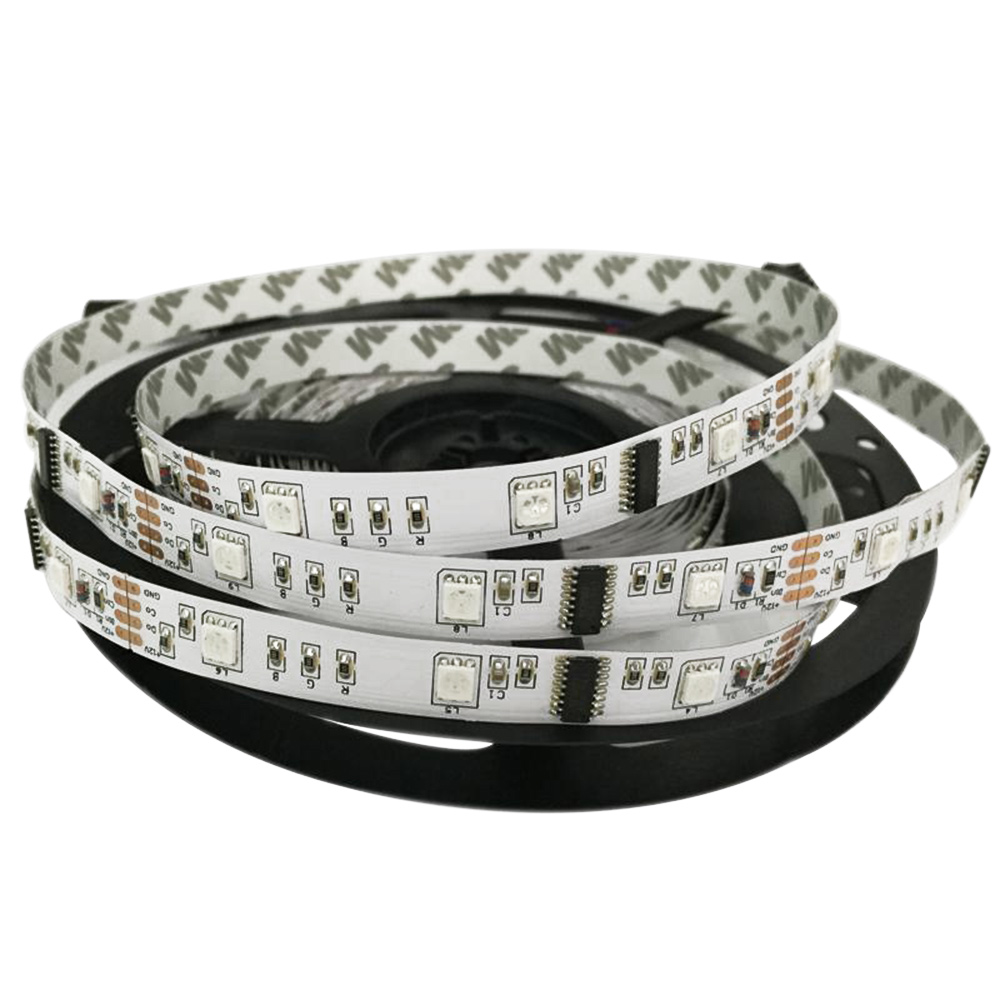
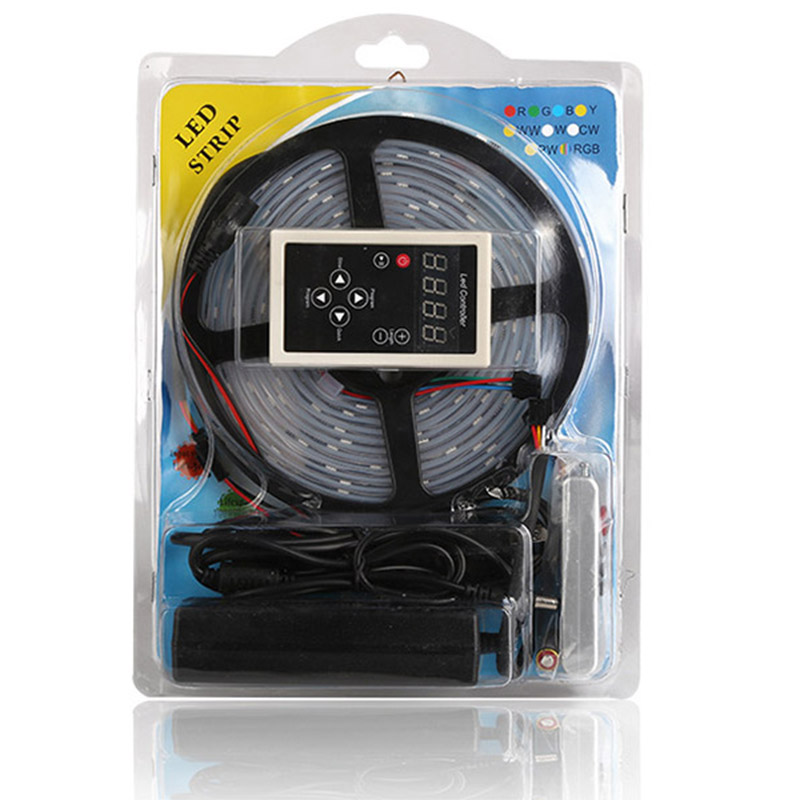
DC12V 16.4ft/5m 6803 SMD 5050 133 Mode Symphony Full-Color LED Light Strip Kit
Frequently Asked Questions About LPD6803 LED Strips
Your questions about using and replacing these legacy strips, answered by our engineers.
An LPD6803 LED strip is an early type of addressable RGB strip that uses a two-wire protocol (Clock and Data). We stock them specifically as direct replacements for older installations from the early 2010s. For any new project, we strongly recommend modern chips like WS2811 or SK9822 for vastly better color resolution and efficiency.
The biggest difference is color depth. LPD6803 is a 5-bit chip, meaning it can show only 32 levels of brightness per color, which can look steppy or blotchy in slow fades. A modern 8-bit chip like WS2811 has 256 levels, giving you smooth, fluid gradients. LPD6803 also requires a dedicated clock line, while WS2811 uses a single data wire.
No. The LPD6803 IC controls LEDs in groups of three. So, on a 30 LED/m strip, you have 10 individually controllable pixels per meter. If you program pixel one to be red, the first three physical LEDs will turn red. This was a common architecture for older 12V RGBIC strips.
That's the 5-bit color depth showing its age. With only 32 brightness levels for each red, green, and blue channel, slow color fades can't render smoothly. They jump from one shade to the next. It's a hardware limitation of the LPD6803 chip itself, not a fault in your strip.
RGBIC just means the strip has an 'Independent Chip,' allowing for multiple colors to be displayed at the same time. While modern strips use the term for single-LED control, on a 12V LPD6803 strip, it means you can control each group-of-three LEDs independently to create chasing, flowing, and rainbow effects.
Yes, they can, but it requires more effort than modern strips. You'll need an Arduino library that specifically supports the LPD6803 chipset, like the classic FastLED library. For WLED, support is limited and not guaranteed, as most development focuses on newer protocols. It's best suited for repair work with its original controller.
Absolutely. The strips have designated cut lines, usually marked with a scissors icon, between every set of three LEDs. You can solder wires directly to the copper pads or use solderless 4-pin RGB strip connectors to rejoin sections. Just make sure your connectors are the correct width for the strip's PCB.
Yes, we do this all the time. A large part of what we ship is built to customer drawings for specific repair or retrofit jobs. Just send us the exact lengths you need. We can cut the LPD6803 strips, pre-solder lead wires of a specified length and type, and even attach waterproof connectors. Send a sketch or description to our engineers; we'll send back a parts list and quote, usually within 12 hours, with no obligation to order.