
WiFi Smart Voice LED Bulb Lights
32 productsLED Light Bulb uses the voice to turn the light on or off to dim it to a certain degree or let it change to the color you like. Our WiFi voice series light bulbs can be controlled by Amazon Alexa or Google Assistant like a home control center without any additional hardware. You only need to open the mobile APP, screw in the light bulb, or install the switch, and perform your oral operation.
What is a smart Wi-Fi LED bulb?
A smart Wi-Fi LED bulb connects directly to your home's 2.4GHz WiFi network, letting you control your lighting through a smartphone app or with voice commands. It requires no separate hub or gateway. You just screw in the bulb, connect it to the app, and you can instantly manage on/off, dimming, and color. You can set schedules to wake you up, create scenes for movie nights, or group multiple bulbs to control an entire area at once.
With power ratings from 4W to 40W, SuperLightingLED smart LED bulb lights are direct, energy-saving replacements for incandescent bulbs in nearly any existing fixture. For larger, more complex systems, we also provide models that use the Zigbee protocol, which creates a dedicated mesh network for your smart lighting.

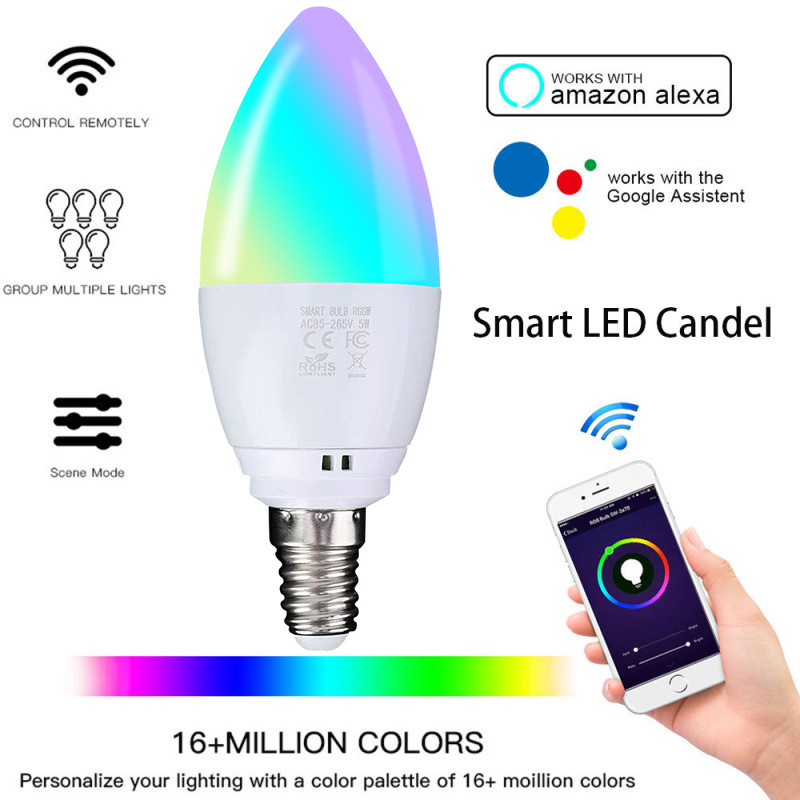
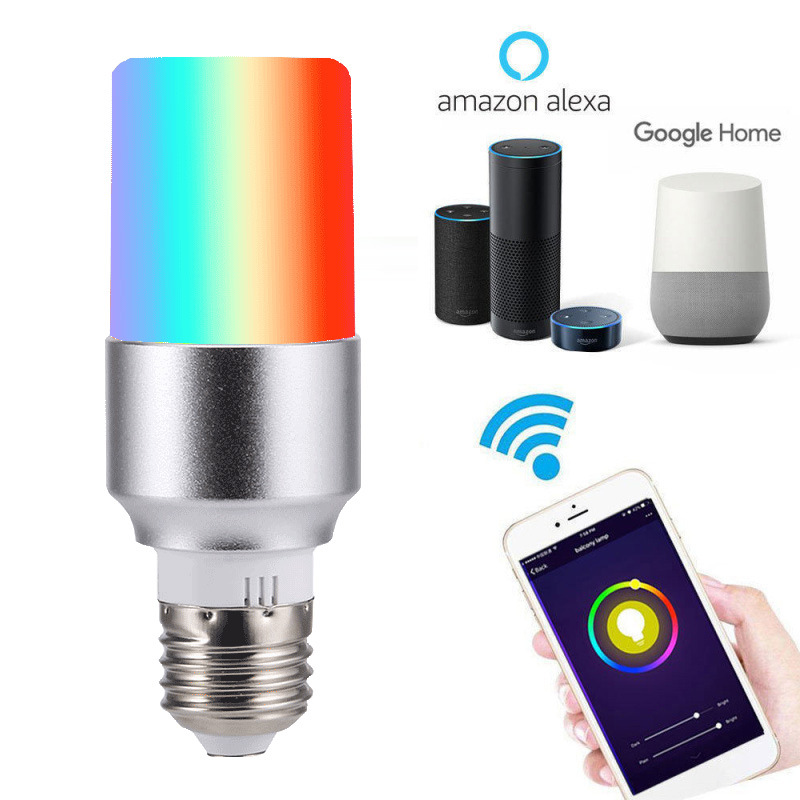
E14 Smart LED Color Changing Light Bulb, Remote Control LED Lights
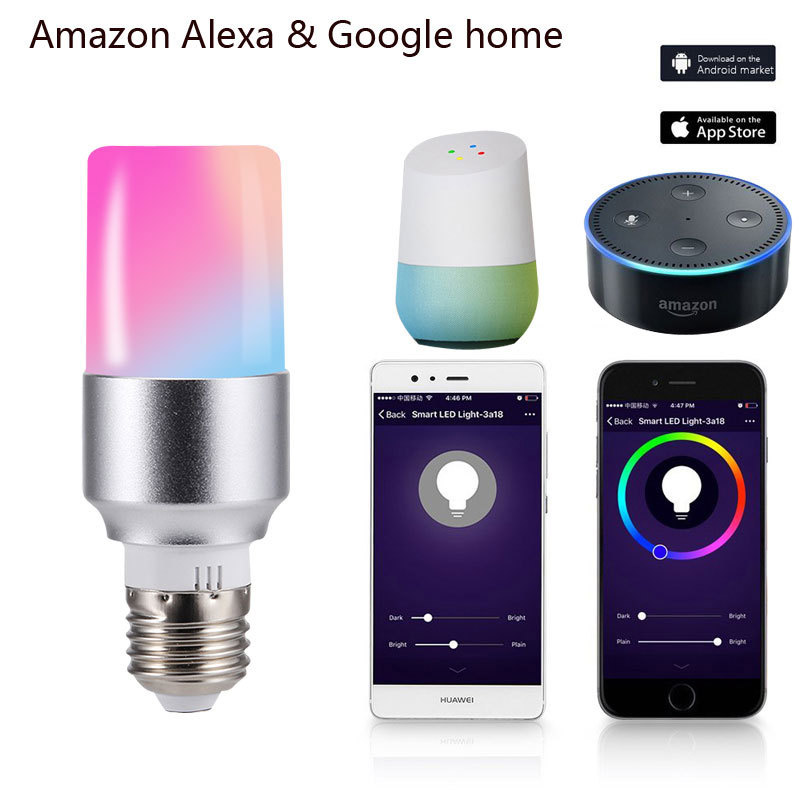
E27 6W RGBW Alexa Voice WiFi Cylindrical LED Light Bulb, Color Changing Warm White Dimming Energy-saving Light Bulb, AC 85-265V, APP Long-range Remote

GU10 WiFi Smart LED Bulb Lights RGBW Color Changing
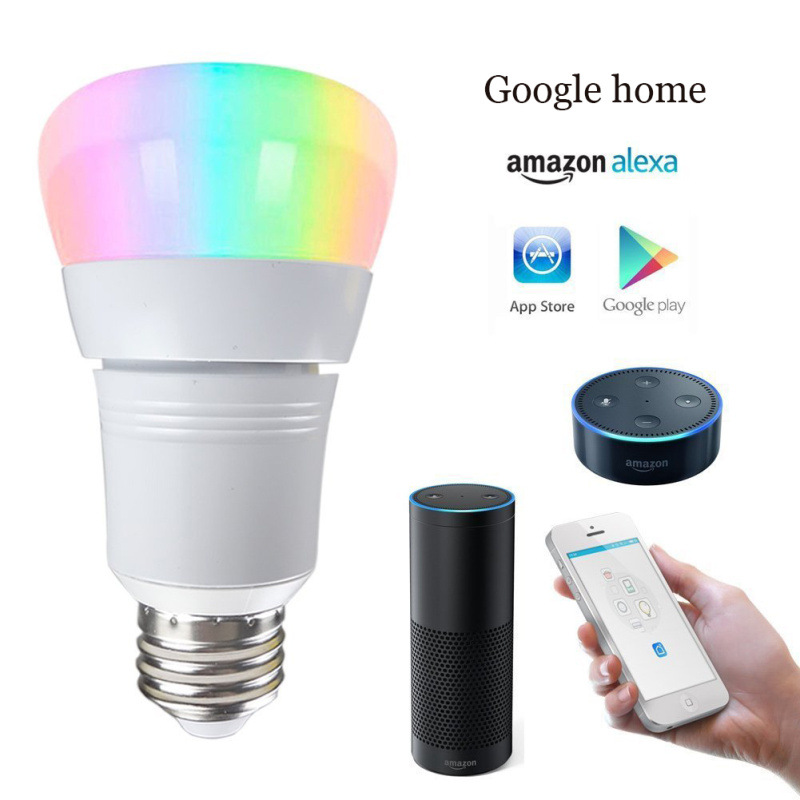
E27 7W RGB WiFi APP Alexa Voice Control Smart LED Bulb
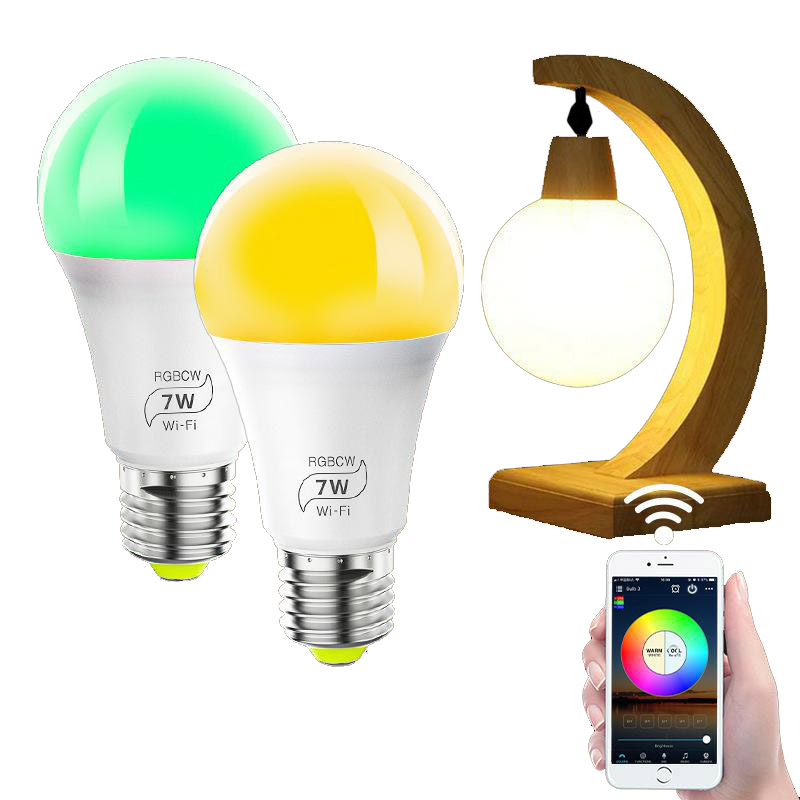
E27 7W RGB+CCT Smart WiFi LED Bulb,Work With Alexa & Google,AC100-240V,Color Changing and Dimmable Color Blub
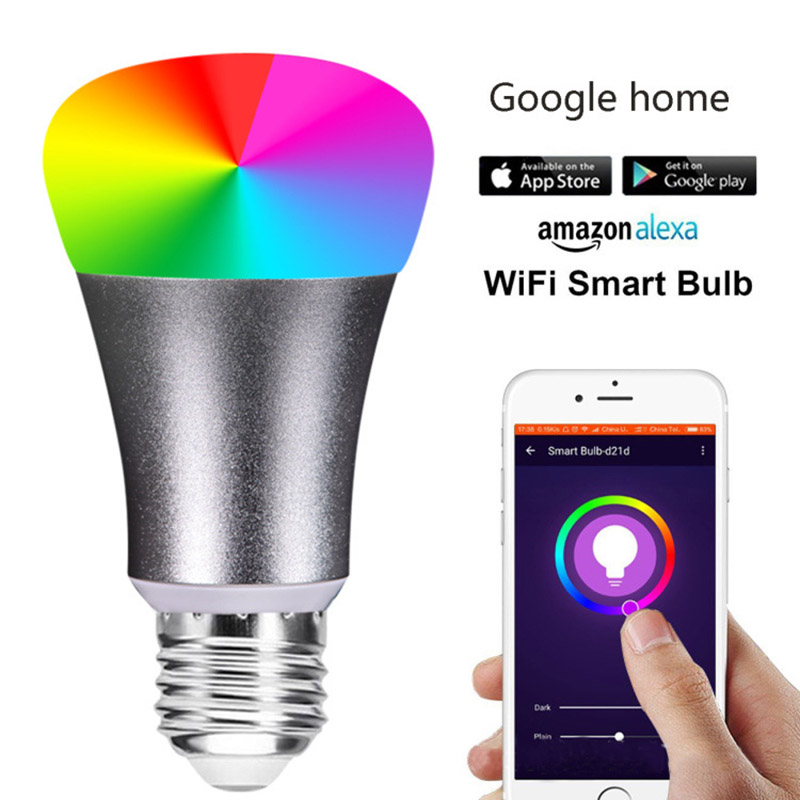
E27 7W RGBW WiFi Smart LED Bulb - Works With APP, Alexa, Google Assistant
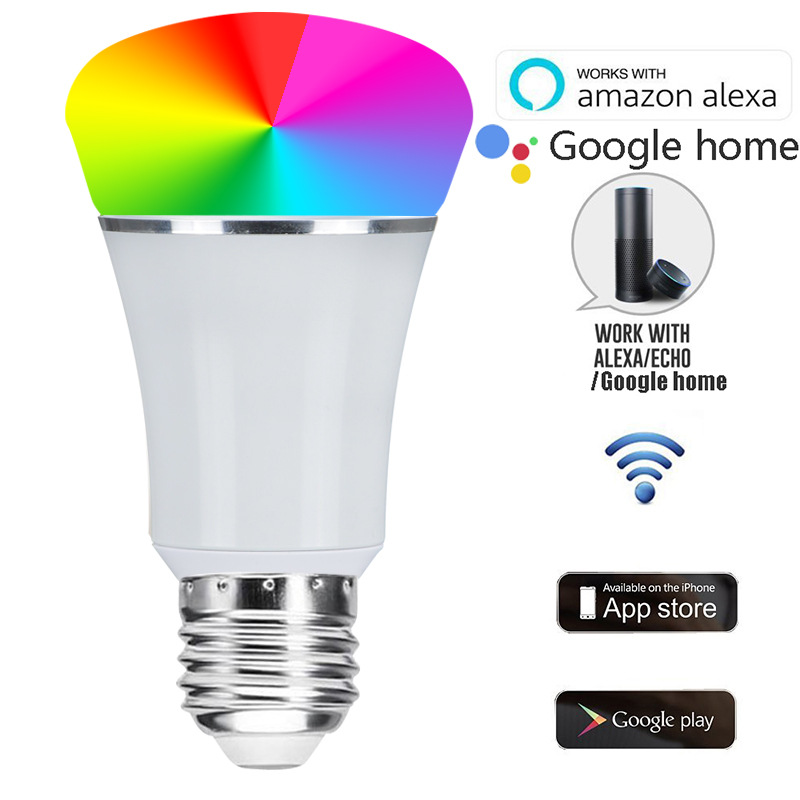
E27 RGBW Color Change WiFi Smart LED Light Bulb, Alexa / Google Assistant / Mobile APP
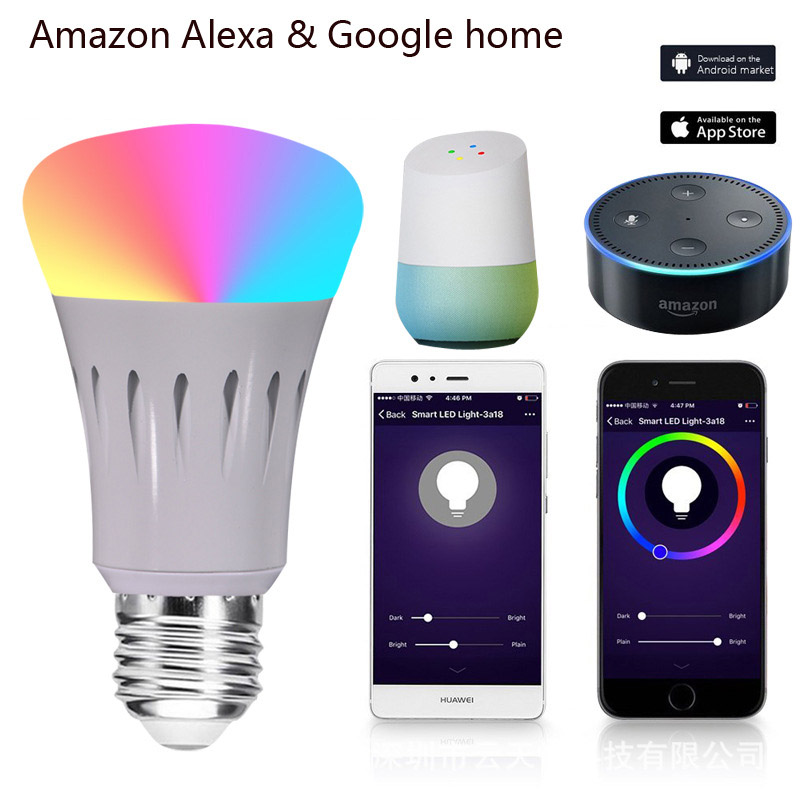
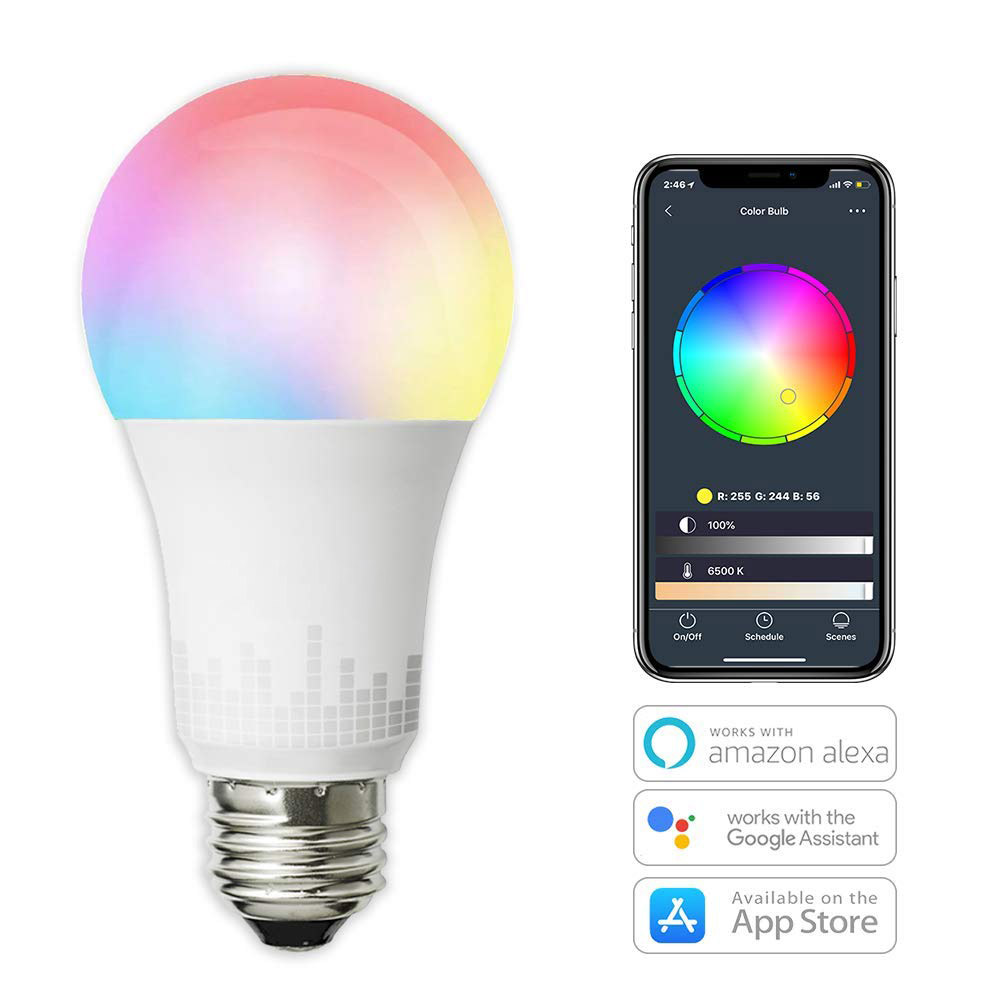
8W E27 WiFi RGBW LED Dimmable Color Changing Smart Bulb
E26 11W RGB Smart WiFi Remote Voice Control LED Light Bulb, AC85-265V, Color-changing LED Bulb
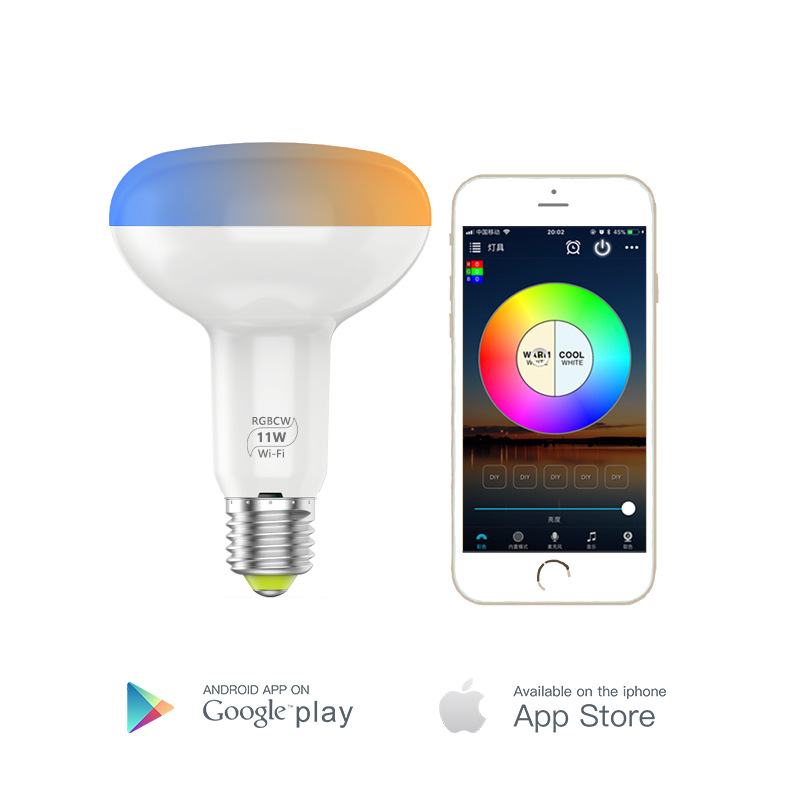
E27 WiFi Smart Mushroom LED Bulb BR30, Color Change And Dimmable
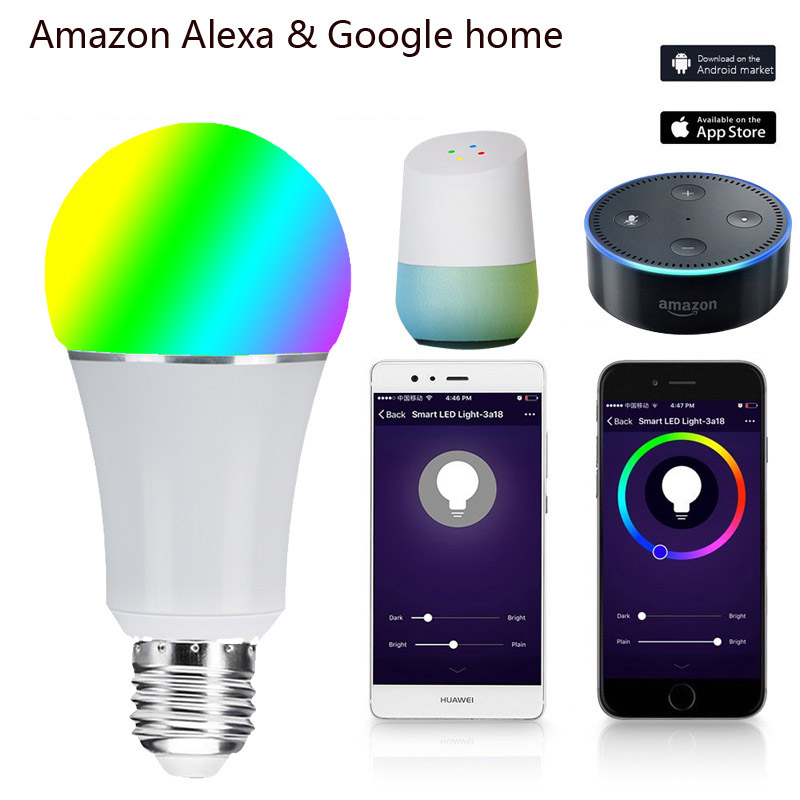
E27 WiFi Smart RGBW LED Light Bulb - Compatible APP Remote Control, Alexa, Google Assistant
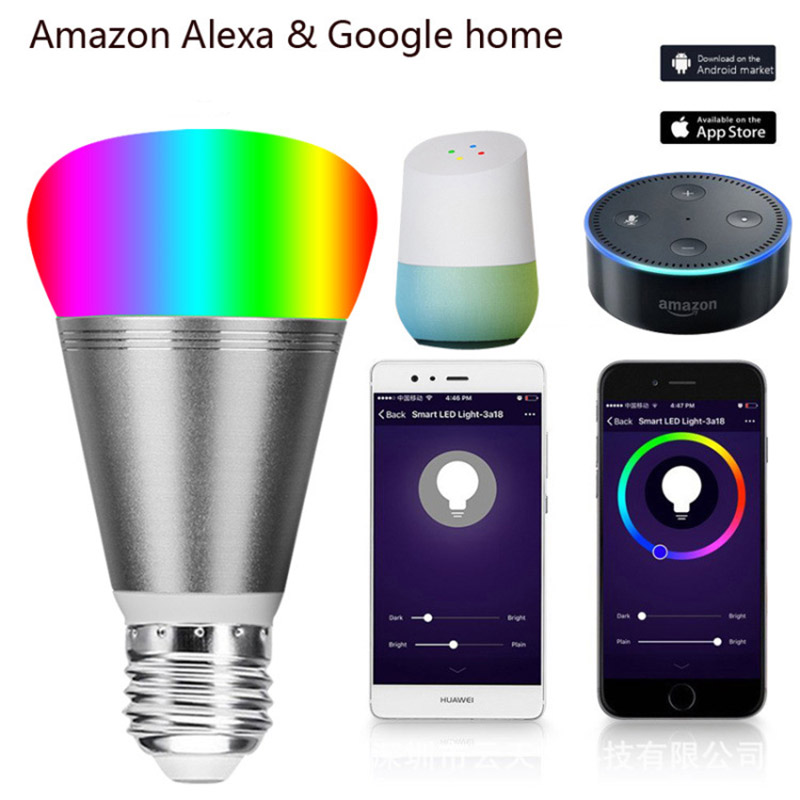
E27 11W RGBW WiFi Alexa Remote Control Smart LED Bulb
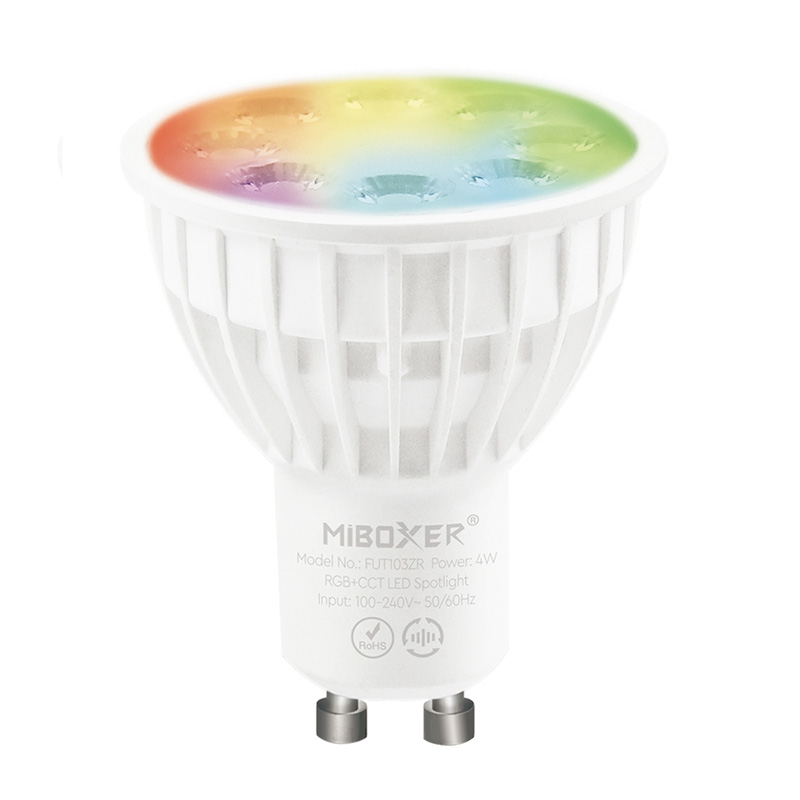
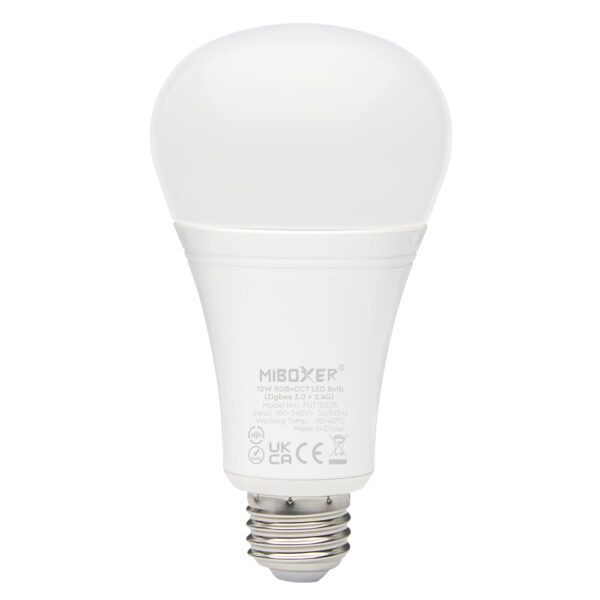
12W 2.4G Zigbee Colored Bright Led Light Bulbs FUT105ZR
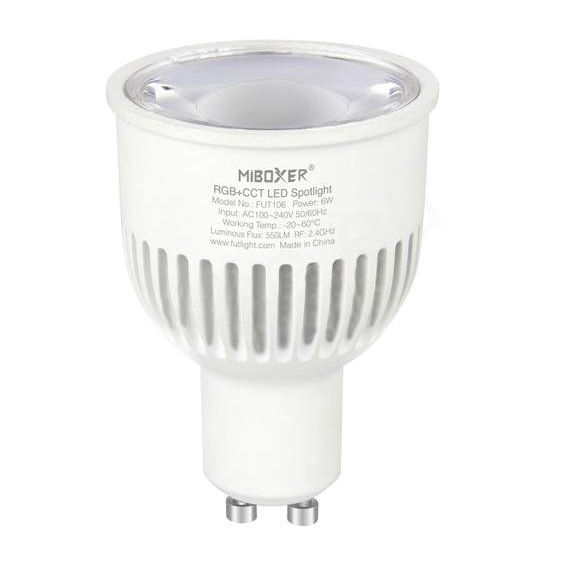
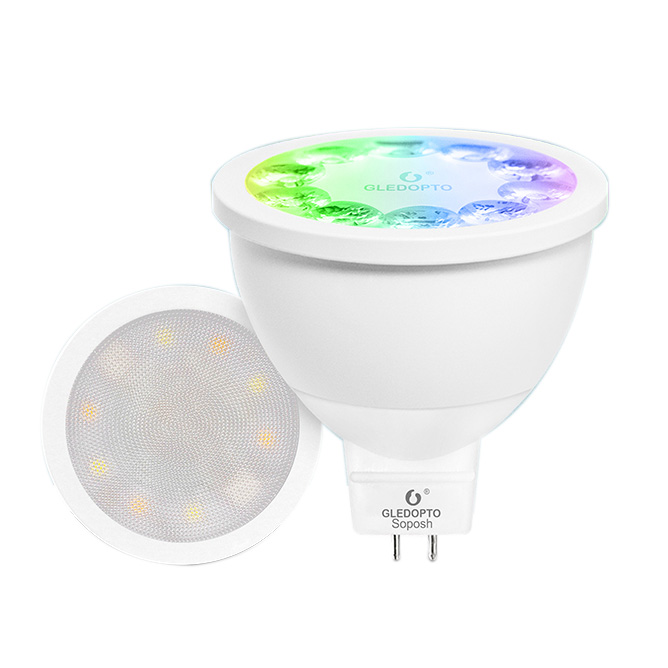
Gledopto GL-S-004P GL-S-014P Zigbee MR16 RGB+CCT Smart LED Bulb
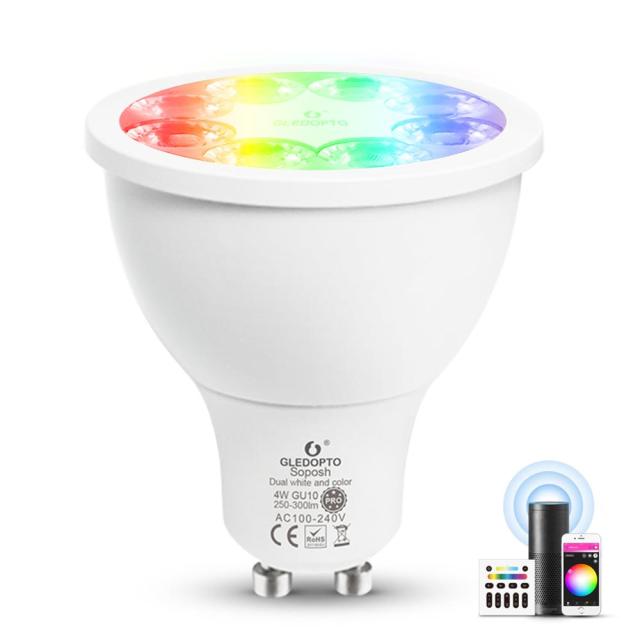
Gledopto GL-S-007P ZIGBEE 3.0 GU10 RGB+CCT LED Spotlight Bulb
Smart Lighting: WiFi vs. Zigbee Control Protocols
When choosing a smart LED light bulb, the main technical decision is between WiFi and Zigbee. Most of our smart LED bulb lights use WiFi. A WiFi LED bulb connects straight to your home's wireless router, just like a laptop or phone. This is the simplest setup, perfect for adding smart control to one or two rooms without extra hardware. The downside is that dozens of smart devices can eventually congest your WiFi network.
For more extensive smart lighting setups, our Zigbee models are the better choice. Zigbee LED bulb devices create their own separate, low-power mesh network. Each bulb acts as a repeater, extending the network's range and reliability. While this requires a Zigbee 3.0 compatible hub or gateway, it keeps your lighting traffic off your main WiFi, ensuring faster and more reliable performance, especially in a home with many smart devices. Some of our Gledopto and MiBoxer (FUT series) bulbs even offer dual Zigbee 3.0 and 2.4G RF control for maximum flexibility.
How to Choose Your Light Bulb Colors and Features
The right smart bulb depends on the kind of light you need. Our range covers everything from simple tunable white to full-spectrum color.
RGB vs. RGBW vs. RGB+CCT
- RGB: These bulbs mix Red, Green, and Blue light to create over 16 million colors. They can produce a version of white light by blending all three colors, but it often has a colored tint.
- RGBW: Our RGBW models add a separate, dedicated white LED chip to the RGB array. This produces a much purer and higher-quality white light, making them a better choice for task lighting where color accuracy matters. You get both vibrant colors and a functional white light in one RGBW LED bulb.
- RGB+CCT: This is the most capable option. It combines full RGB color with a tunable white (Correlated Color Temperature) chip. This lets you produce millions of colors *and* adjust the white light from a very warm white (around 2700K) to a cool, daylight white (up to 6500K).
- Tunable White (CCT): If you don't need colors, a CCT bulb allows you to adjust the warmth of your white light throughout the day, which can help regulate your circadian rhythm.
Will This LED Bulb Fit My Fixture? E26, E12, and GU10 Explained
Before buying any LED light bulb, you have to match its base to your light fixture's socket. Our smart bulbs come in all the standard residential sizes, so you can upgrade lamps, ceiling fixtures, and track lighting without any rewiring. Most of the time, the bulb you're replacing will have the code printed on it.
- E26 & E27 Light Bulb: This is the standard screw-in base found in most lamps and fixtures in North America (E26) and Europe (E27). They are mechanically interchangeable. The majority of our smart bulbs use this fitting.
- E12 & E14 Light Bulb: This is the smaller 'candelabra' screw-in base, typically used in chandeliers, sconces, and decorative fixtures.
- GU10 & MR16: These are not screw-in bases. They are bi-pin connectors used for track lighting, recessed spotlights, and landscape fixtures. GU10 is a twist-and-lock base for line voltage (AC 100-240V), while MR16 is a two-pin push-in base, often for low voltage (12V DC) systems. Always check the voltage of your fixture before ordering a replacement.
Frequently Asked Questions About WiFi Smart Voice LED Bulb Lights
Got questions before you buy? I've answered thousands of them over the years. Here are the most common ones for our smart WiFi bulbs.
Our WiFi smart bulbs connect directly to your home's 2.4GHz WiFi network, so you don't need any extra hub. Just screw in the bulb, download the app shown on the product page (usually Tuya or Smart Life), and pair it. From there, you control everything—on/off, color, brightness—from your phone or by linking the app to Alexa or Google Assistant for voice commands. Some of our models use Zigbee 3.0, which does require a Zigbee gateway, so just check the 'Control' spec before you buy.
It comes down to lifespan, energy, and features. A classic incandescent bulb might last 1,000 hours and gets very hot. A modern LED bulb is often rated for 25,000 to 50,000 hours and uses about 85% less power for the same brightness. On top of that, a smart LED bulb gives you dimming, millions of colors, and voice control built right in, which an old-school bulb just can't do.
It's all about the mood. A 2700K light bulb gives you a very warm, cozy, yellowish glow like a traditional bulb—perfect for living rooms and bedrooms. A 3000K LED bulb is a bit whiter but still considered warm white. Once you hit the 4000K light bulb range, you're in a cool, neutral white that's great for kitchens and workspaces. The best part? With our RGB+CCT or Tunable White bulbs, you don't have to choose one. You can adjust the white tone from warm to cool right in the app.
Those codes identify the bulb's base, so you can match it to your fixture. E26 is the standard screw-in base found on most lamps in North America. An E12 light bulb has the much smaller 'candelabra' screw base. A GU10 is a two-pin, twist-and-lock base common in track lighting and spotlights. It's critical to get this right, so just check the markings on your old bulb before you order.
Our Zigbee 3.0 models do, yes. Look for 'Zigbee' in the product title. They are designed to pair with standard Zigbee hubs, including Philips Hue, Amazon Echo Plus, and others. Our WiFi-only bulbs, which are the majority of this category, work independently through their own app and won't connect to the Hue bridge.
CRI means Color Rendering Index, a score out of 100 that measures how accurately a light shows colors compared to sunlight. A high CRI LED bulb (CRI 90+) makes colors look rich and natural. It's important for kitchens, bathrooms, or retail displays where you want things to look their best. Most of our bulbs are CRI >80, which is great for general use, but if color accuracy is critical, look for that higher number in the specs.
You'll want to compare lumens, not watts. A typical 60-watt incandescent bulb produces around 800 lumens. To get that same brightness from an LED, you'll only need a bulb that consumes about 8 to 12 watts. Every product page lists the 'Luminous Flux' in lumens (lm) so you can get a perfect match.
I wouldn't recommend it. Nearly all the bulbs in this category are designed for indoor, dry locations (they're not sealed against moisture). Using one outdoors, even in a covered fixture, will lead to a short lifespan. For outdoor projects, you really need a light source that is purpose-built and IP-rated for weather, which you can find in our outdoor lighting guides.
It's a valid question. Our bulbs run on major, established IoT platforms like Tuya or Smart Life, which handle the cloud infrastructure, security patches, and encryption. The most important security steps are on your end: use a strong, unique password for your home WiFi network and for your smart home app account. It's also good practice to keep your router's firmware updated.