
Quick Electrical Wire Splice Connectors
29 productsElectrical wire splice connector tool for low voltage LED lighting projects, easy to use, quickly creates an electrical connection with a snap. Fits 16, 18, 20 to 22 gauge wires. Multiple wire splices types available.
Quick splice wire connectors are snap or crimp connectors that do not require stripping the wire. The wire is placed directly into the connector, put on the cover, and the wire jacket is pierced to make an electrical connection. Or use pliers to crimp the butt splice wire connectors to make an electrical connection. Copper wire splice connector twists two strands of copper wire together to ensure that current is conducted smoothly through the twisted portion.
In LED strip lighting connections, there will be situations where you need to combine LED wire with wire, such as connecting multiple led tapes. When dealing with more complex LED strip projects, it may be necessary to manage wires in different directions, such as 1 in 2, 3-way T tap, etc. Use wire splitter for multiple in 1 wire connections or splice connectors for 3-way wire connections. A small wire to wire connector and wire splitter accessory can make the connection easier and faster. Please choose the right lighting cable connector according to your light strip pin, 2pin, 3pin, 4pin, 5pin, or 6pin.
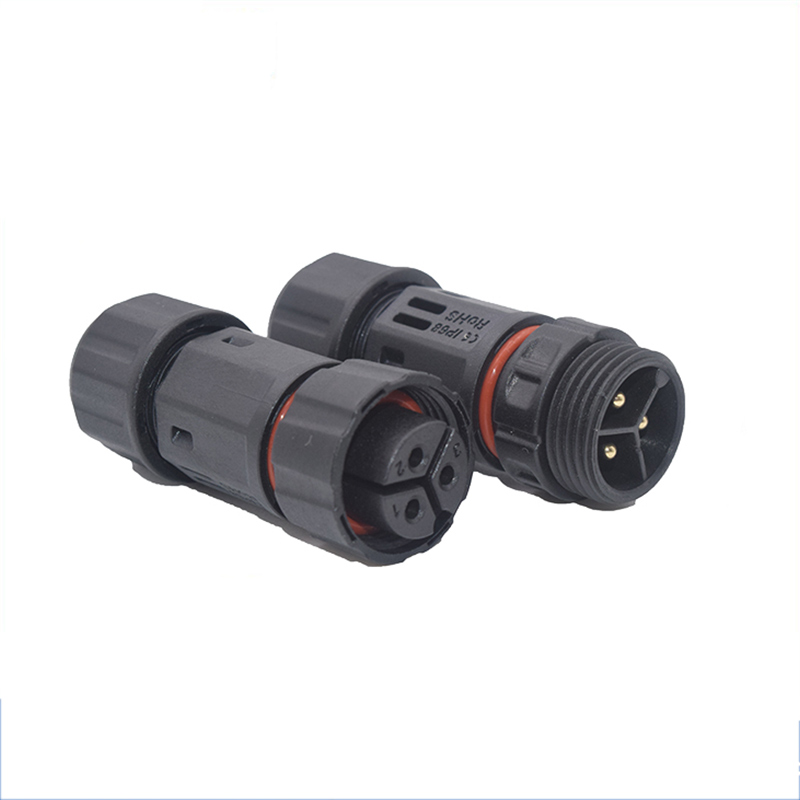
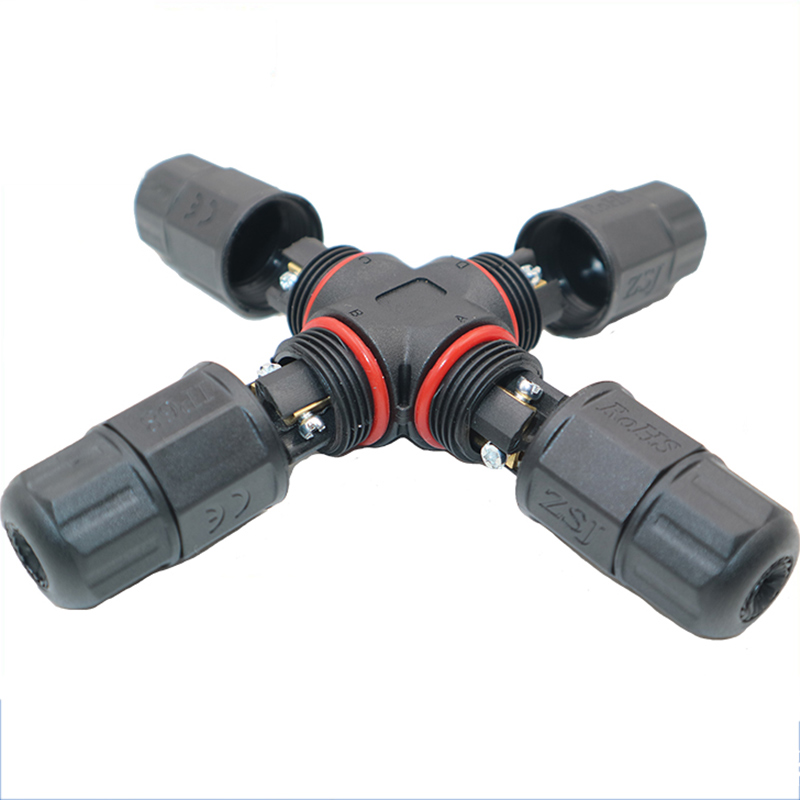
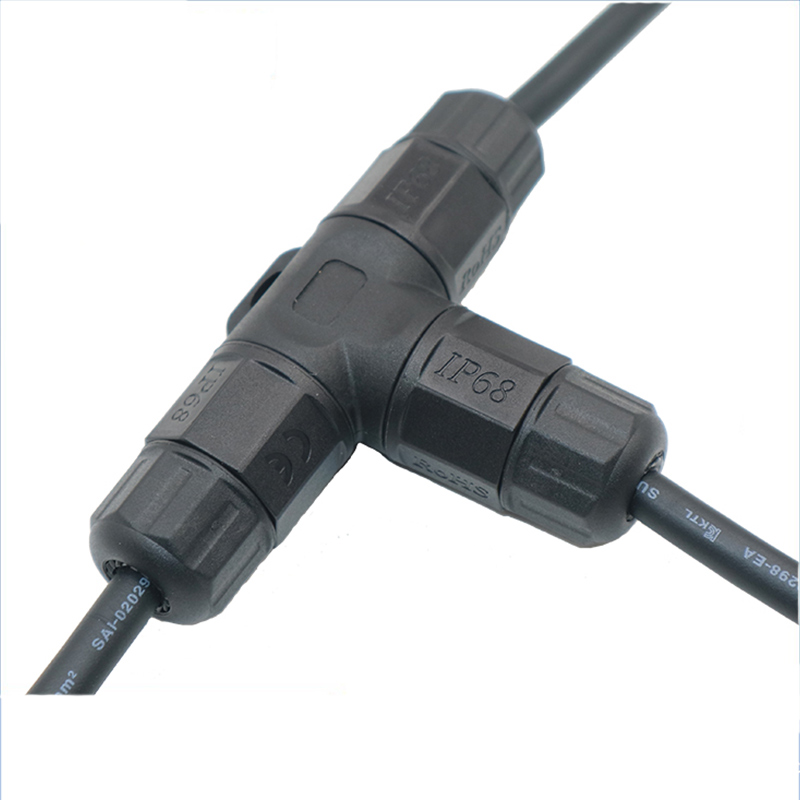
M20 IP68 Waterproof LED Connector - Secure 2/3/4 Core Self-locking
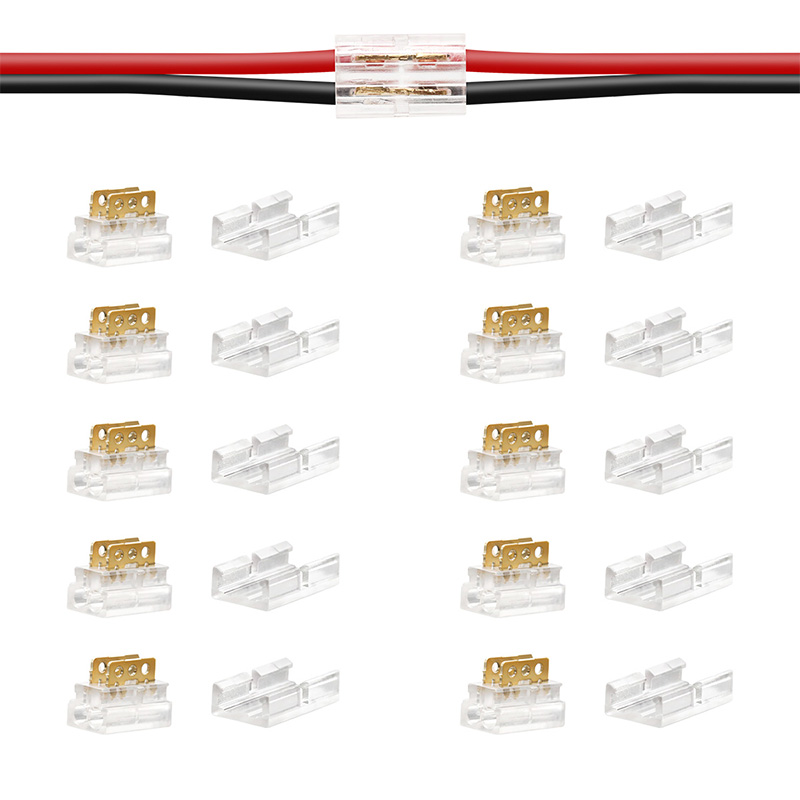
10 Pcs Small Solderless Push in Quick Clamp 2 Pin Wire to Wire Connectors with Caps
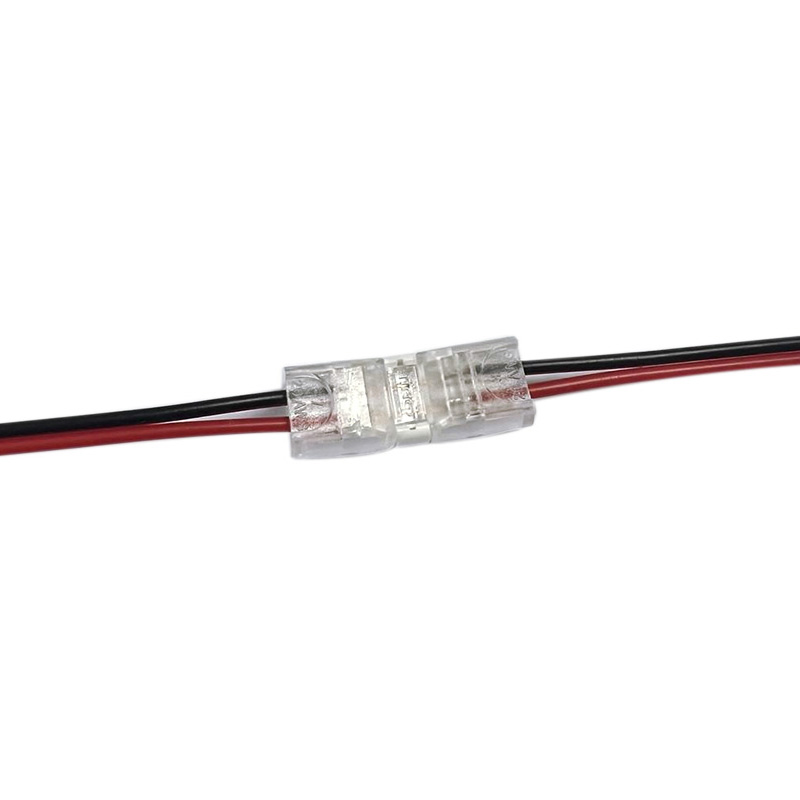
LED Strip Power Cord 2 Pin Wire to Wire Splice Connector
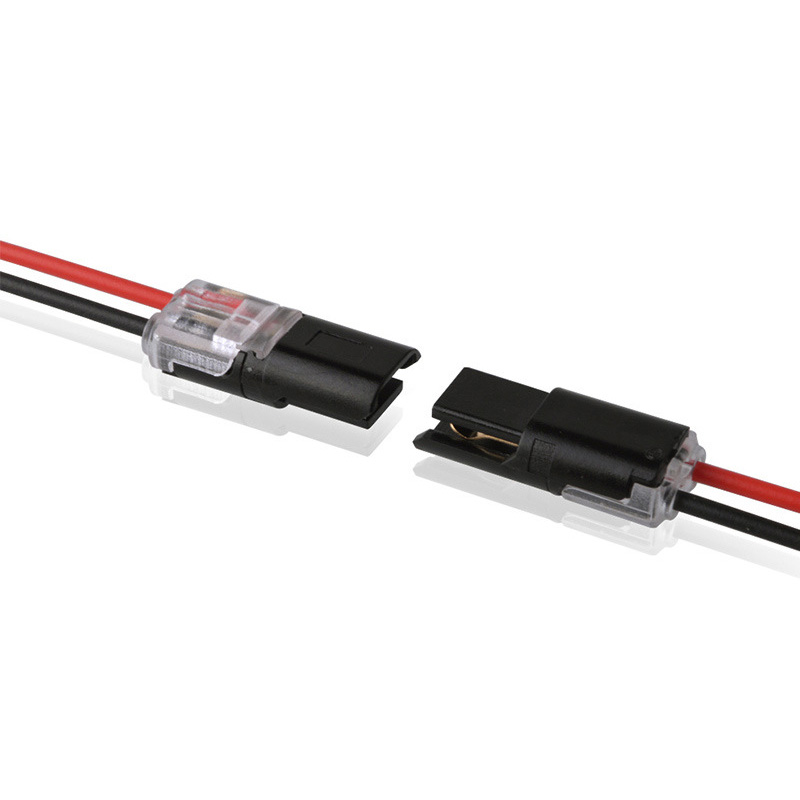
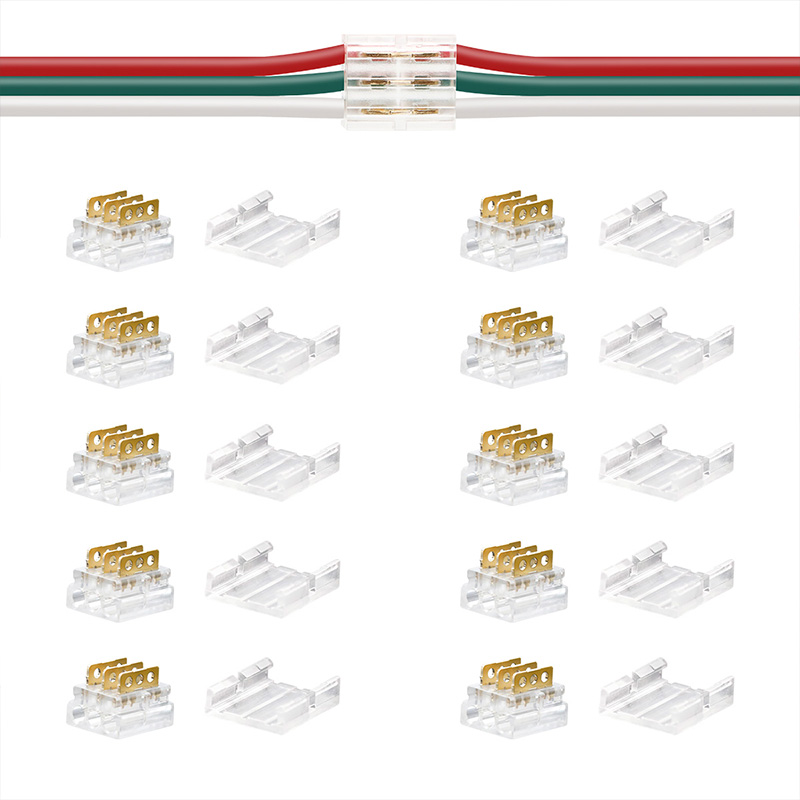
10 Pcs Mini Quick Splice 3 Way Push Wire Connectors for 20 to 24 AWG Wire Connection
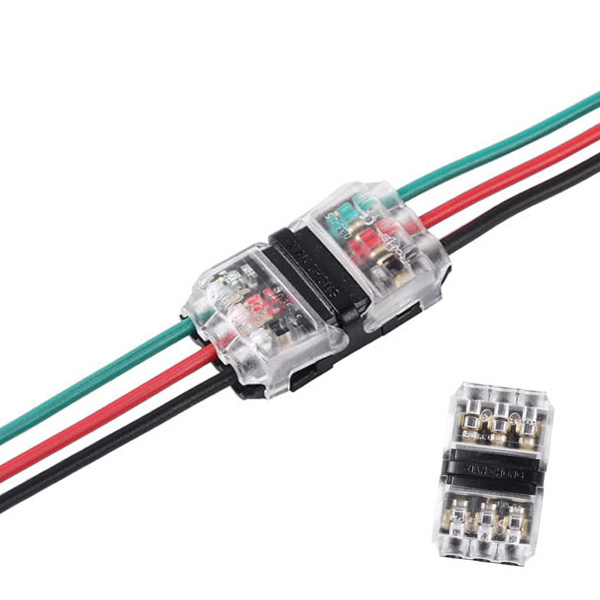
I Shape Inline 3 Wire Quick Splice Connector, 20 to 22 Gauge, 10A Max
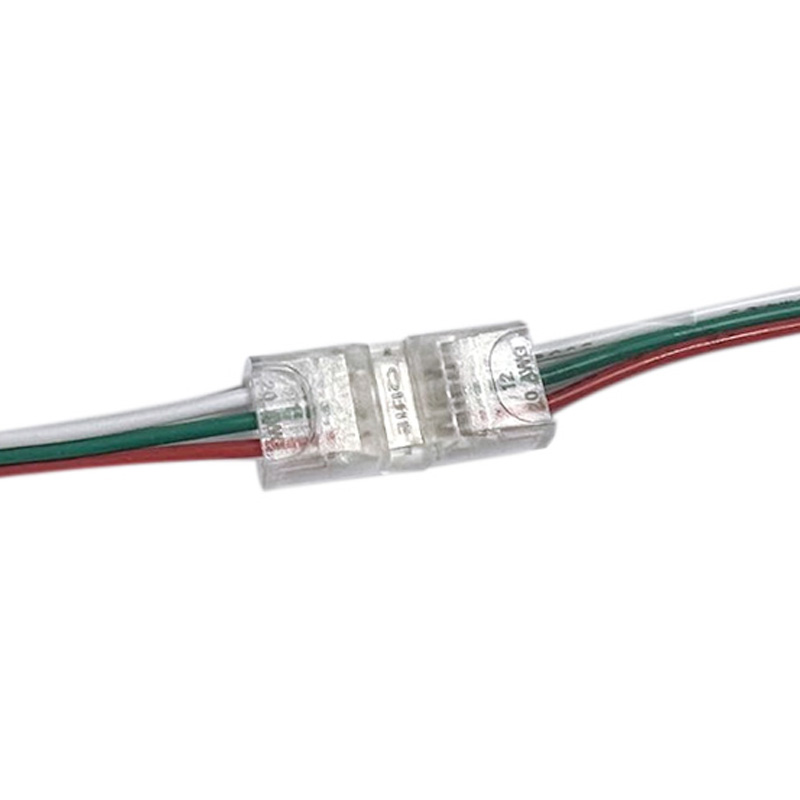
Quick Electrical 3 Pin Wire Splice Connector
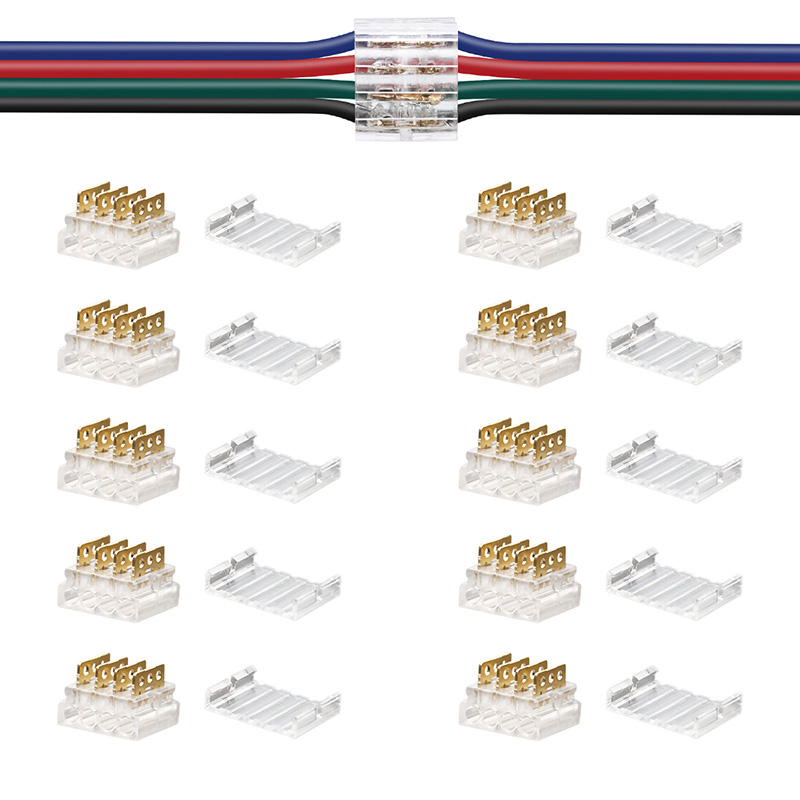
10 Pcs Micro 4 Port Plug in Wire Extender Connectors for 20 to 24 AWG Cables
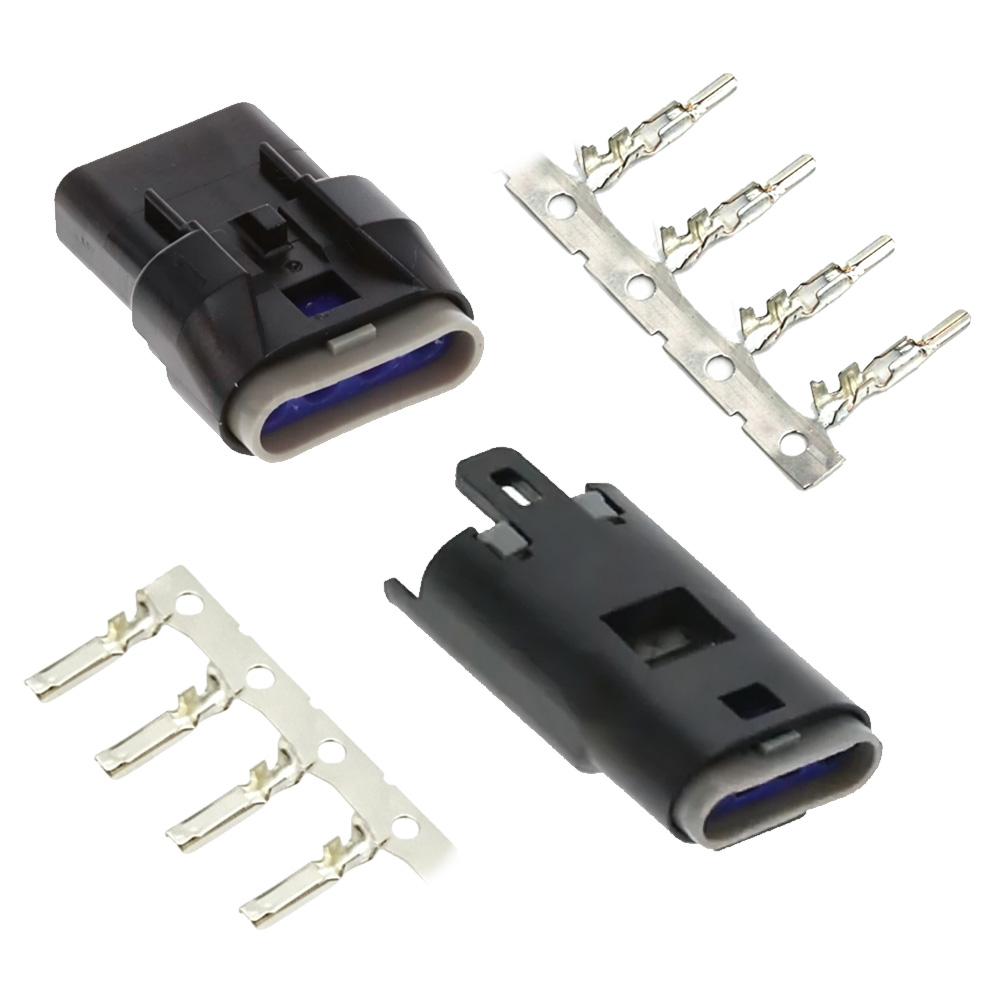
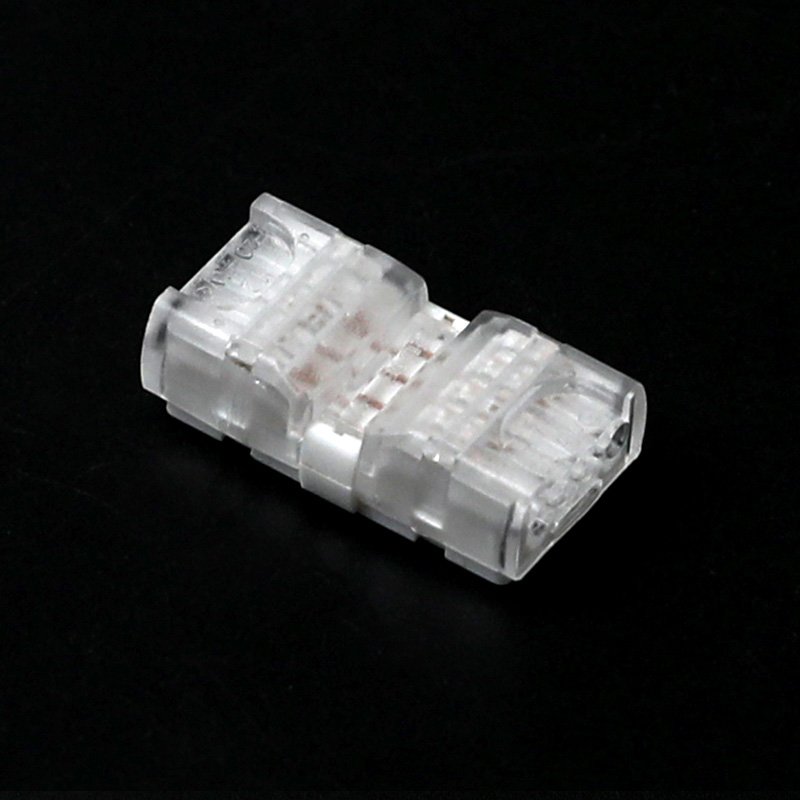
Quick Electrical 4 Pin Wire to Wire Splice Connector
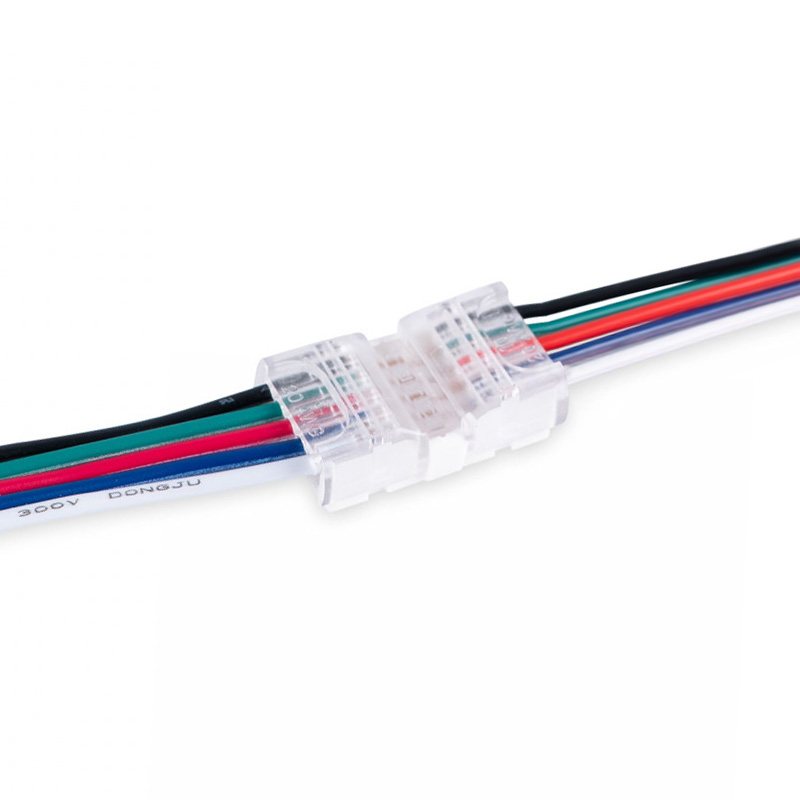
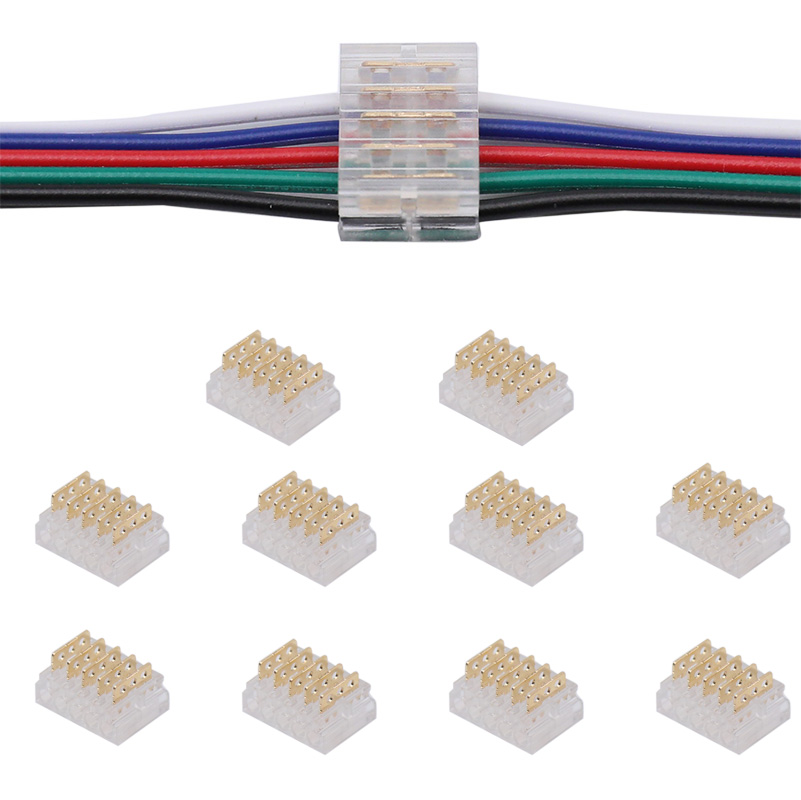
LED Wire to Wire Quick Splice Connector with Caps
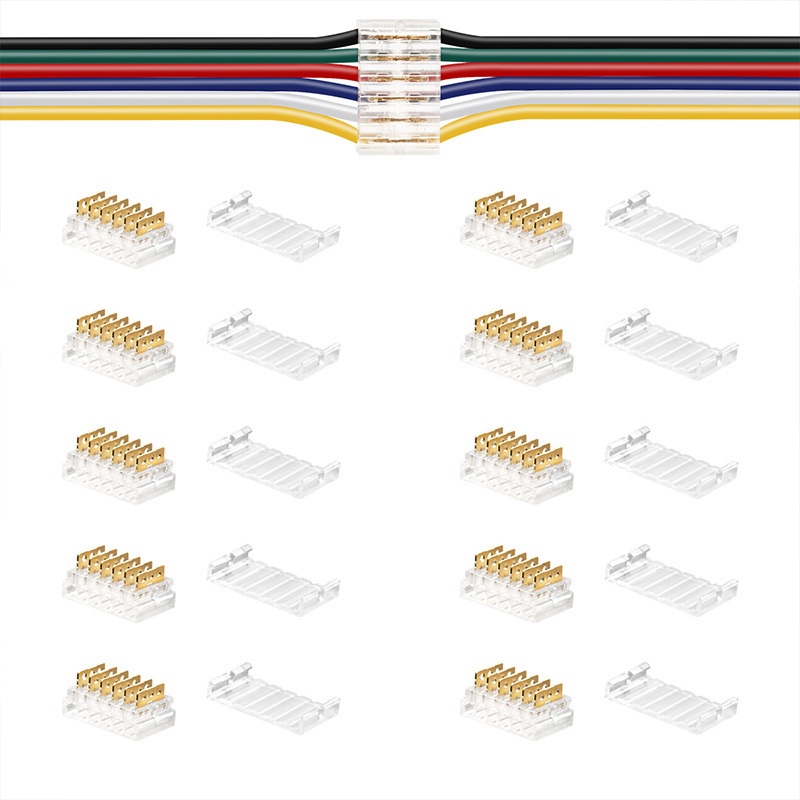
10 Pcs Transparent 6 Pin Electrical Wire Extension Connectors for 20 to 24 AWG Cable
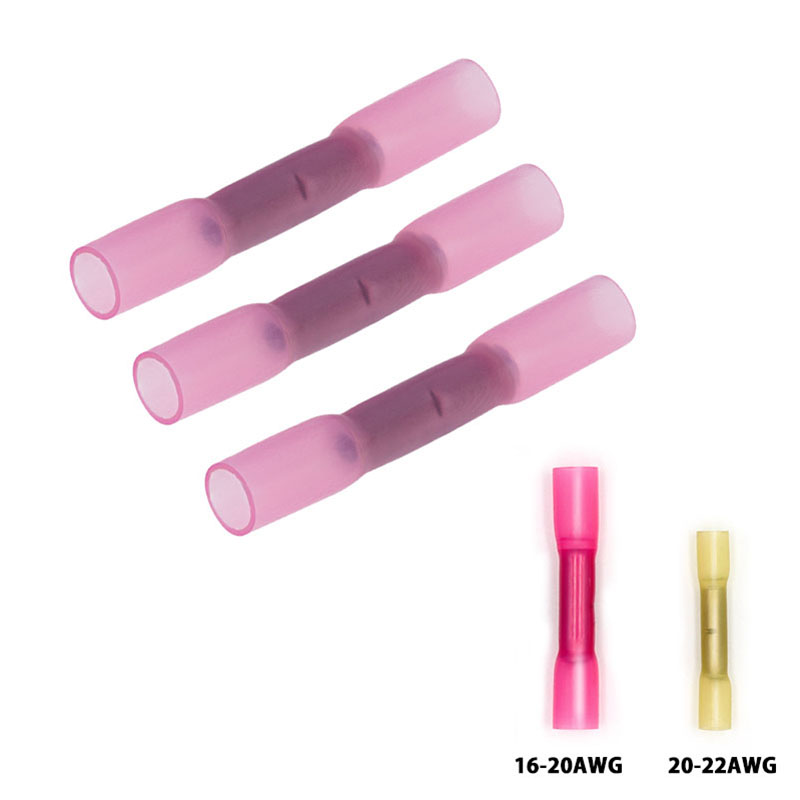
3PCS 16~22 AWG Waterproof Wire Terminal Butt Connectors For AC Waterproof Plug and Waterproof Power Supply
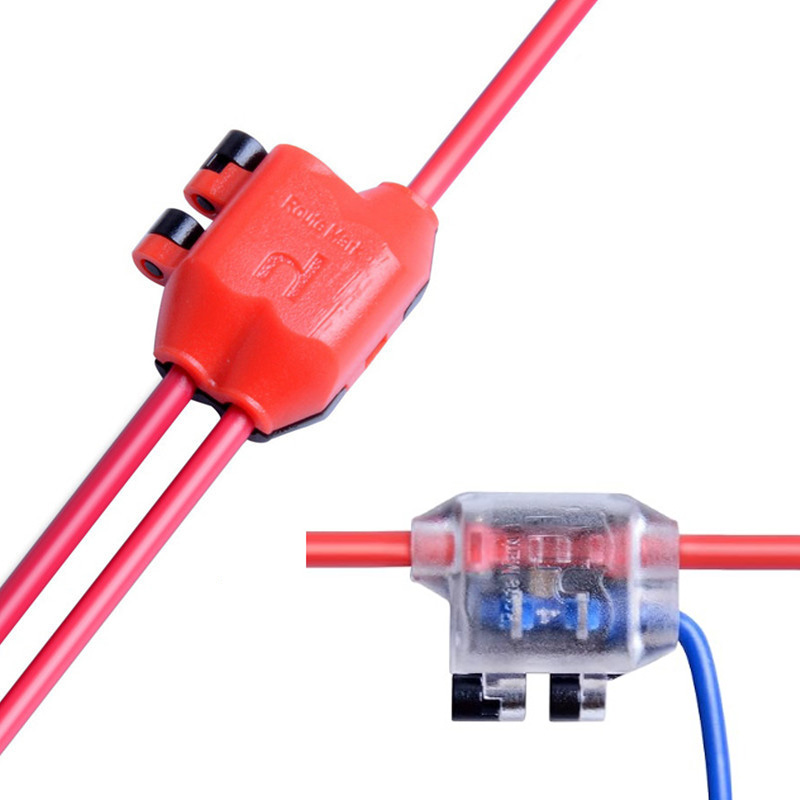
Y Shape 2 to 1 Wire Splice Splitter Connector, 20 to 22 Gauge, 10A Max
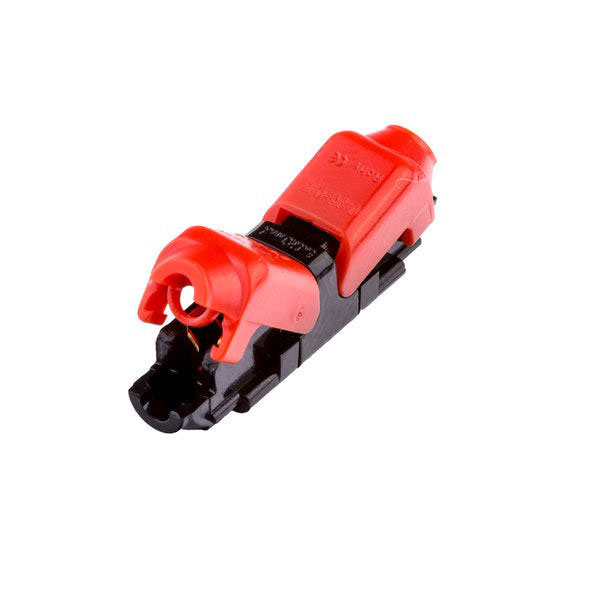
I-Type 1 Wire Clip-on In Line Wire Splice Connector, Max 10A
Frequently Asked Questions About Quick Electrical Wire Splice Connectors
Got a question about getting your wires connected? I've probably answered it a thousand times. Here are the most common ones that come across my desk.
A quick LED wire splice connector is a small housing that lets you join two or more low-voltage wires without stripping insulation or using a soldering iron. You just insert the wires and clamp it shut. Inside, small metal teeth pierce the wire jacket to make a solid connection. It's much faster than soldering, requires no special tools, and is way easier to do up on a ladder or in a tight space.
It has to match the number of conductors on your LED strip. A 2-pin connector is for single-color lighting strips (power and ground). 3-pin is for CCT tunable white or single-signal addressable LED strips. 4-pin is standard for RGB strips. 5-pin is for RGBW lights, and 6-pin is for RGB+CCT lights. Using the wrong one just won't work, as you'll be missing connections for colors or control.
An inline wire connector (or butt splice) joins two wires end-to-end to make a longer run. Think of it as just extending the wire. A T-tap wire connector lets you tap into an existing wire without cutting it. You clip the T-tap over the main wire and then plug a new wire into the side port. It's perfect for branching power off to another section of lights.
No, and this is a common mistake. Every connector has a specific range, usually listed in AWG (American Wire Gauge). Most of our low-voltage quick connectors are designed for 22, 20, or 18 AWG wire. Forcing a wire that's too thick will break the connector, and using one that's too thin means the contacts won't pierce or grip it properly, leading to a flickering or dead connection.
The key is to make sure the wires are pushed all the way into the connector's channels before you close the clamp or cap. Don't angle them; they need to go in straight so the piercing contacts line up perfectly with the copper core. Once they're fully seated, use your fingers or a pair of pliers to apply firm, even pressure to snap the housing shut. You should feel a distinct click as it locks.
Absolutely, that's what many of them are for. T-taps and Y-shaped wire splitter cables are specifically designed to help you create parallel connections. This is the right way to wire multiple long runs back to a single power supply to avoid voltage drop. Just be sure the main wire feeding the splitters is a heavy enough gauge to handle the total current of all the strips combined.
Flickering almost always means a poor connection. The first thing to check is that the wires are fully seated inside the LED wire splice connector and that the housing is snapped completely shut. The second most common cause is using the wrong wire gauge; if the wire is too thin, the contacts can't make a reliable connection. Finally, make sure the wire's insulation isn't abnormally thick or hard, which can prevent the contacts from piercing through.
Most of the simple clear-cap or snap-down connectors are for indoor, dry locations only (IP20). They offer no protection from moisture. For outdoor or wet area installations, you must use connectors specifically rated IP67 or IP68. We have a whole category of IP68 waterproof connectors that use screw-down housings and rubber O-rings to create a fully submersible seal.
The piercing-style connectors (the ones that bite through the insulation) are generally single-use. Once those little metal tines have been compressed, they don't spring back reliably for a second use. You risk a loose connection. However, push-in or lever-style connectors are designed to be reused many times. You can just lift the lever or press a release to remove the wire and insert a new one.
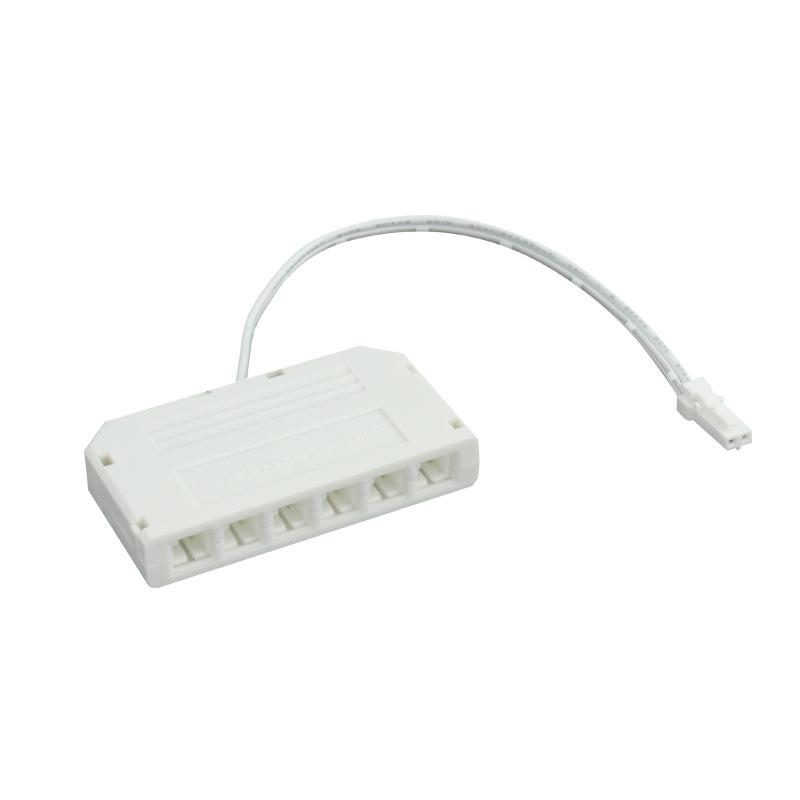
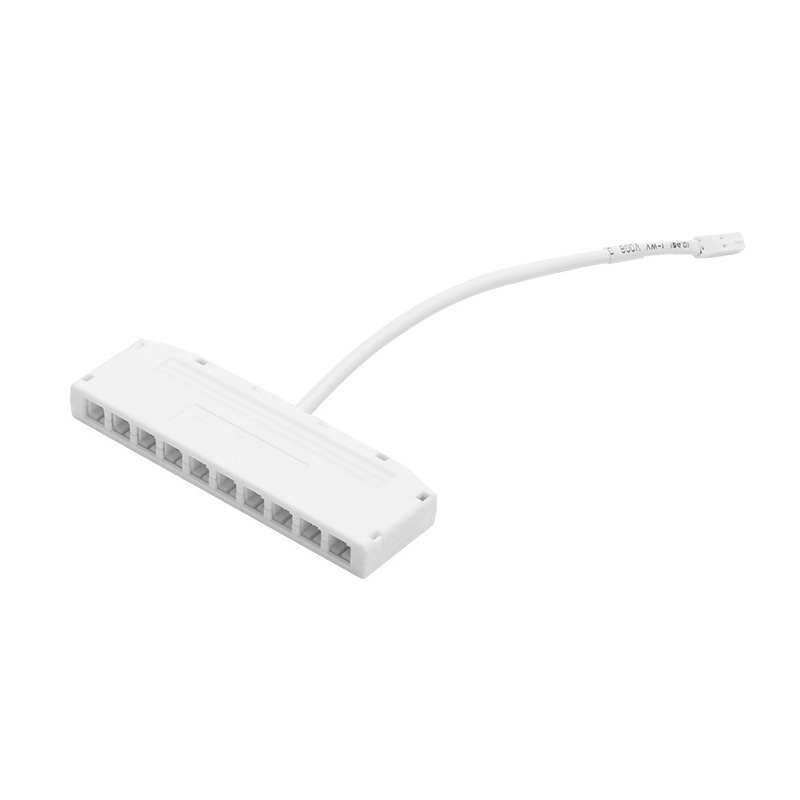
A junction box, like our 6-way or 10-way DuPont splitters, is for projects with many separate lights coming back to one point, like under-cabinet lighting. Instead of a messy chain of T-taps, you get a clean hub to plug everything into. It tidies up the wiring significantly and makes it much easier to troubleshoot later because all your connections are in one organized place.
For low voltage (12V or 24V), the wiring itself is generally safe inside a wall. However, building codes often require that any electrical connection be made inside an approved enclosure or junction box. While these connectors are secure, just leaving one floating in a wall cavity might not pass inspection. It's always best to check your local electrical code requirements for low-voltage wiring installations.