
LED Underwater Light
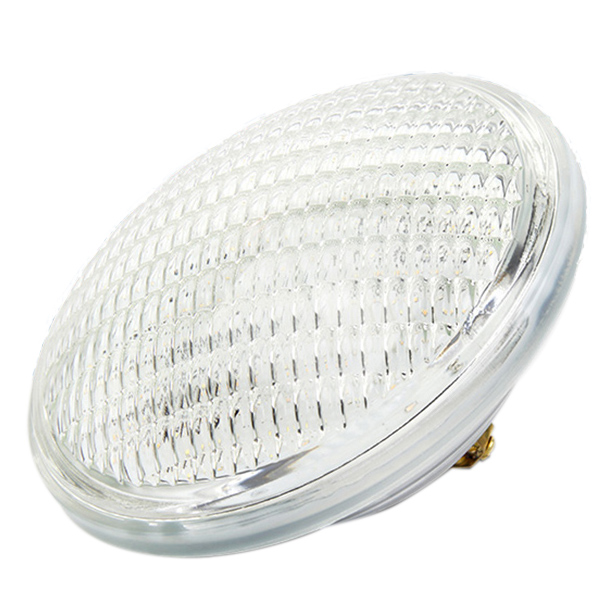
21 productsUnderwater LED lights are widely used in swimming pools, fountains, ponds, and other places, and are the first choice for underwater lighting and inground pool lighting.
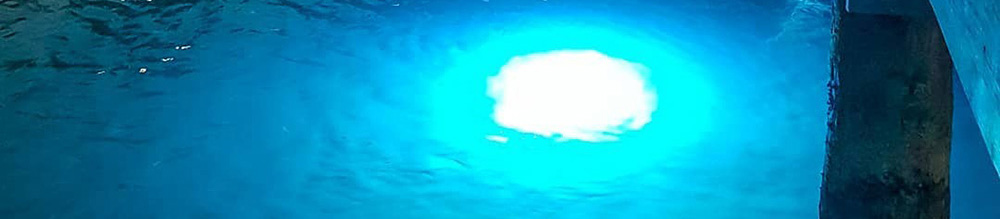
We provide two types professional underwater pool lights equipment:
1. RGBCCT LED underwater light series independently developed by MIBOXER brand supports mobile APP control and third-party Amazon Alexa and Google Assistant device control through 433MHZ Gateway and has a variety of adjustable modes, With high-lumen LED chips and high-quality PC masks.
2. Market special provide LED underwater light with single, RGB, DMX512 Addressable RGB colours optional, a variety of power, size, and input voltage are available, which can be controlled by DMX controller and remote control.
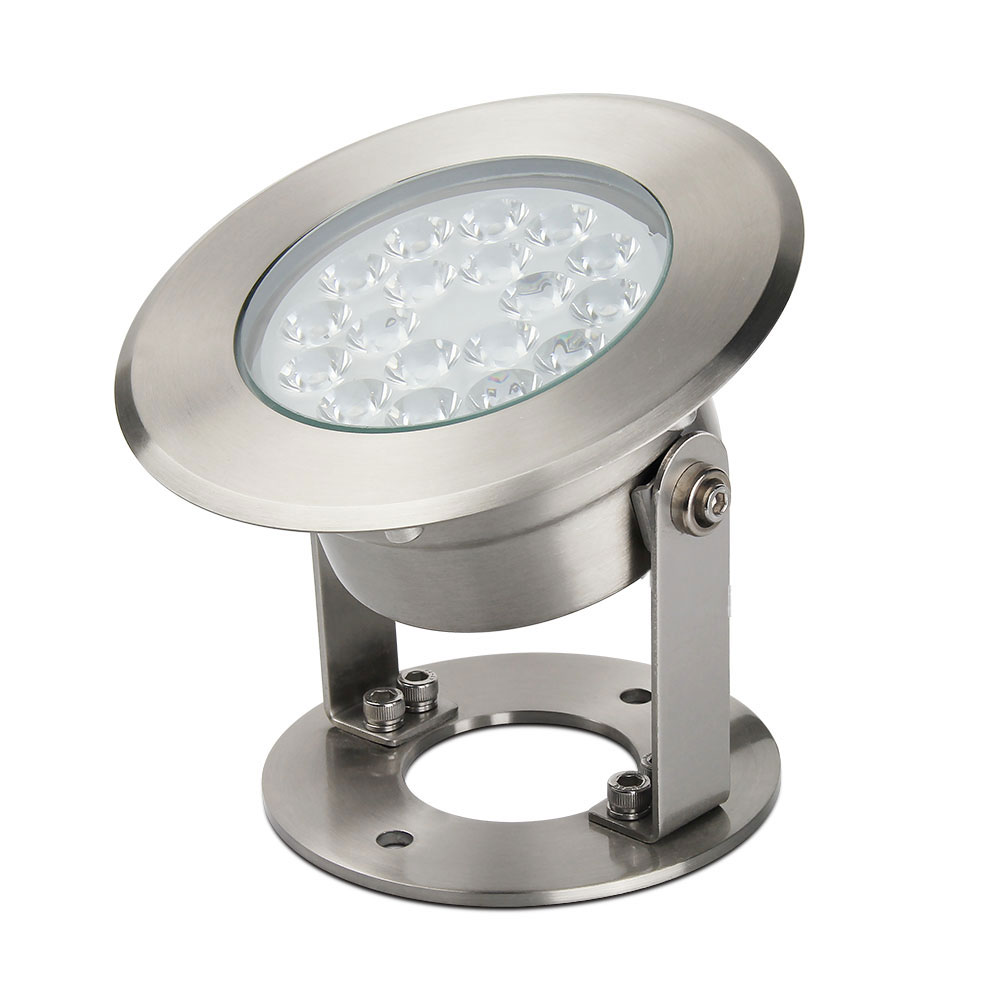
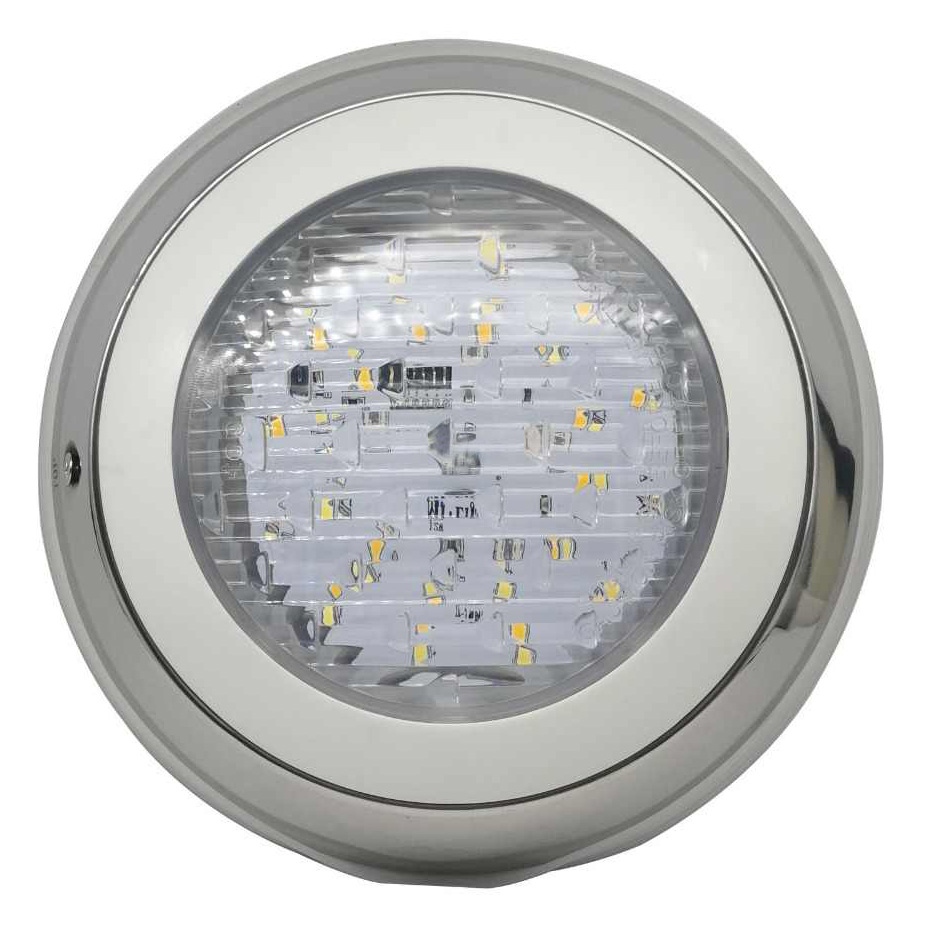
Using 304 stainless steel lamp body + plastic insert + tempered glass, waterproof interface line, super waterproof, explosion-proof, not easy to break. High-strength tempered glass is compressive and shatter-resistant and has high light efficiency. Can be used for spa lighting and hot tub lighting.
3. Underwater LED strip lights to illuminate the edge or to outline the shape of pools.
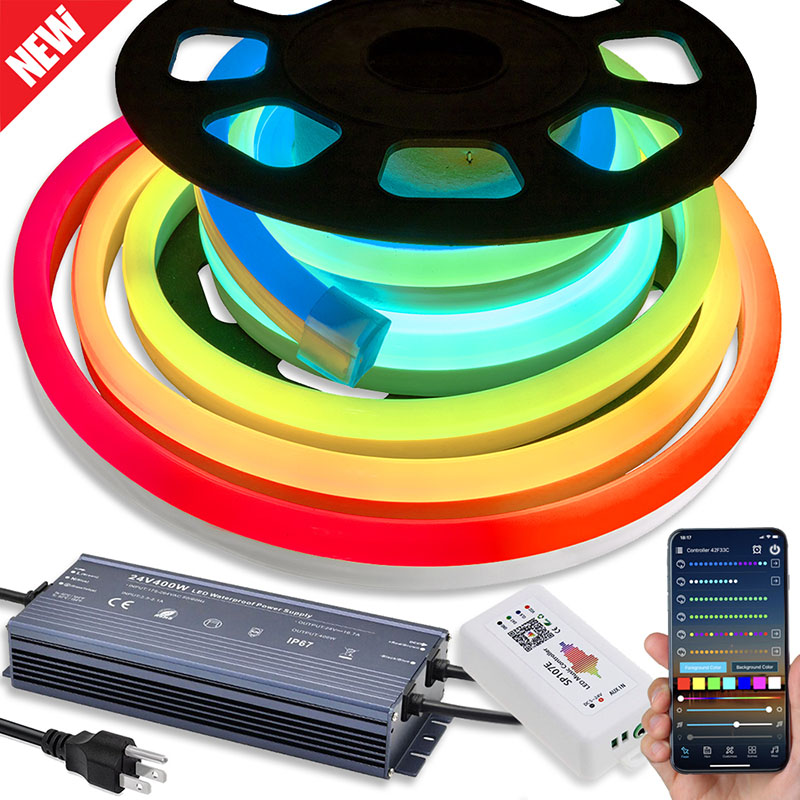
IP68 Neon Light Kit WS2811/TM1934 Outdoor LED Strip Lights 5m~20m
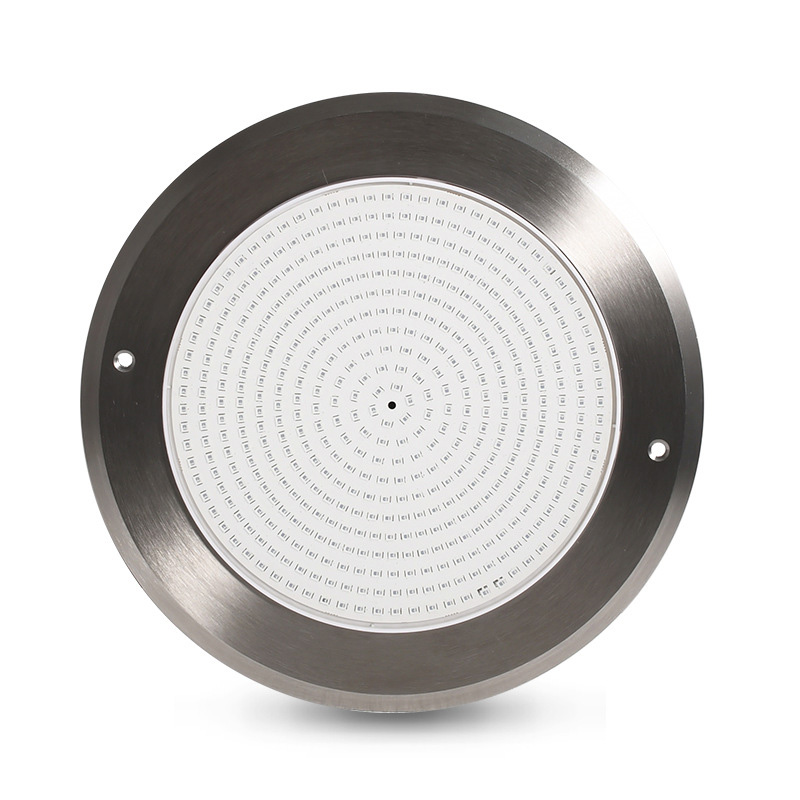
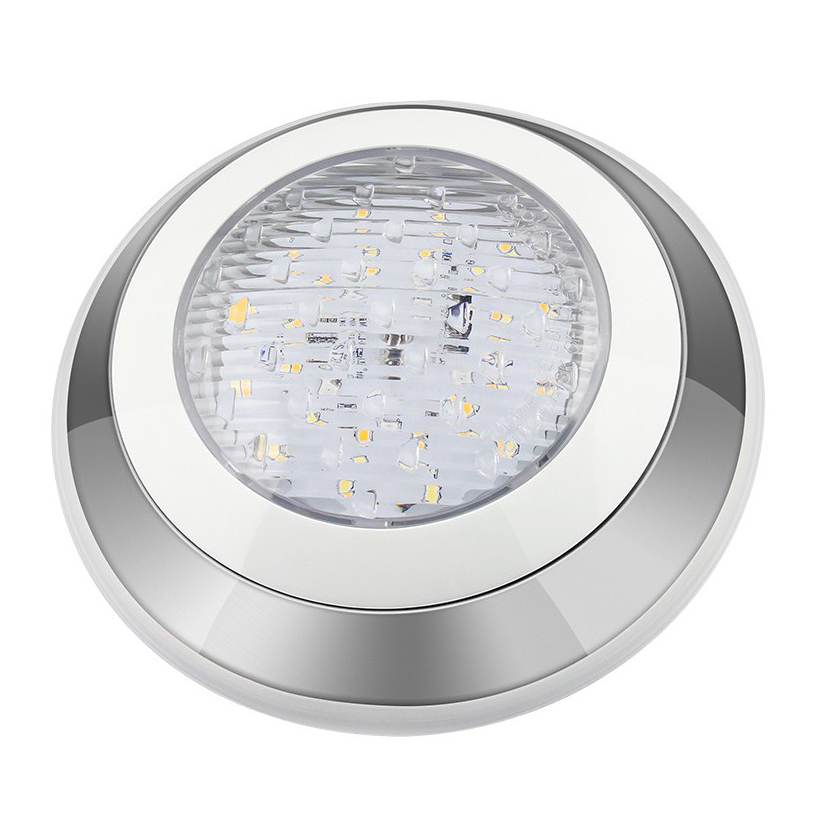
Ultra Thin Underwater DC 12V RGB LED Pool Light Wall Mounted
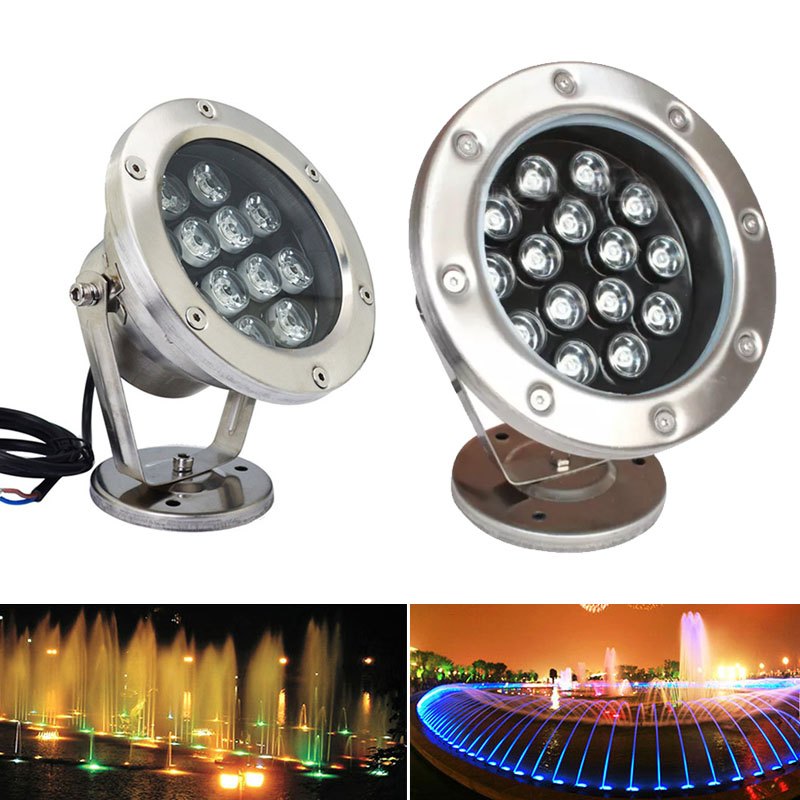
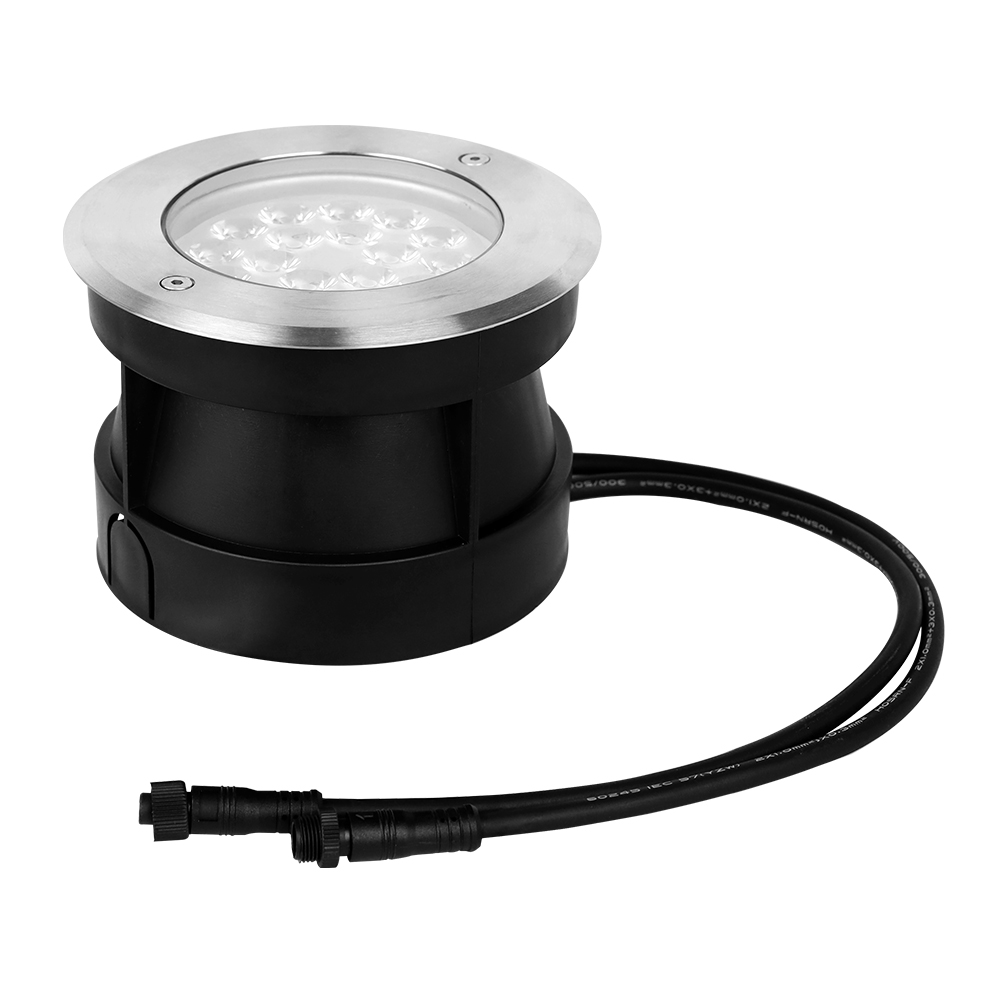
DMX512 LED Underwater Pool Light | 24V Addressable RGB
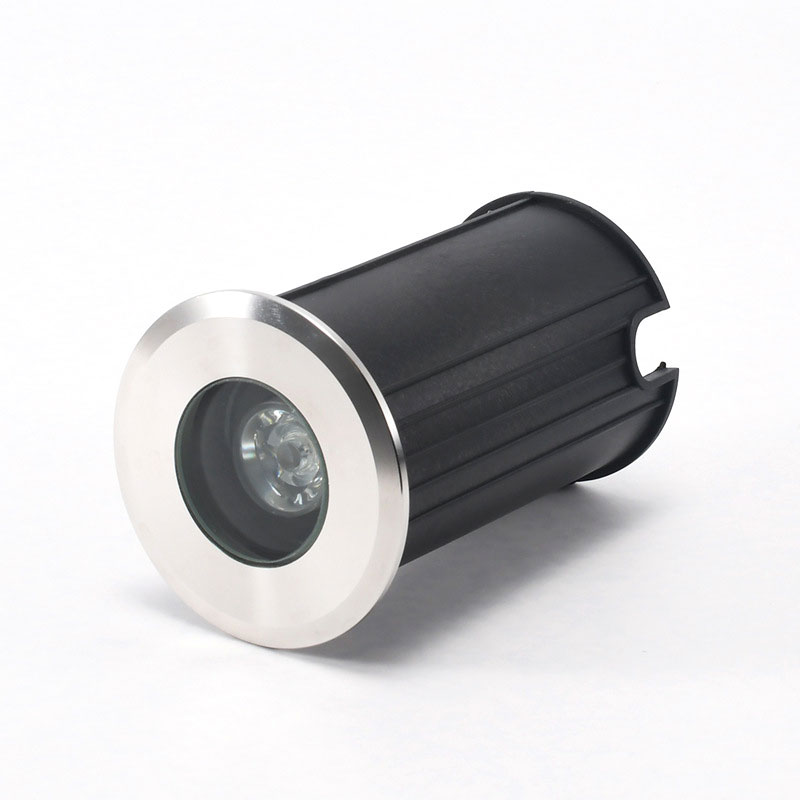
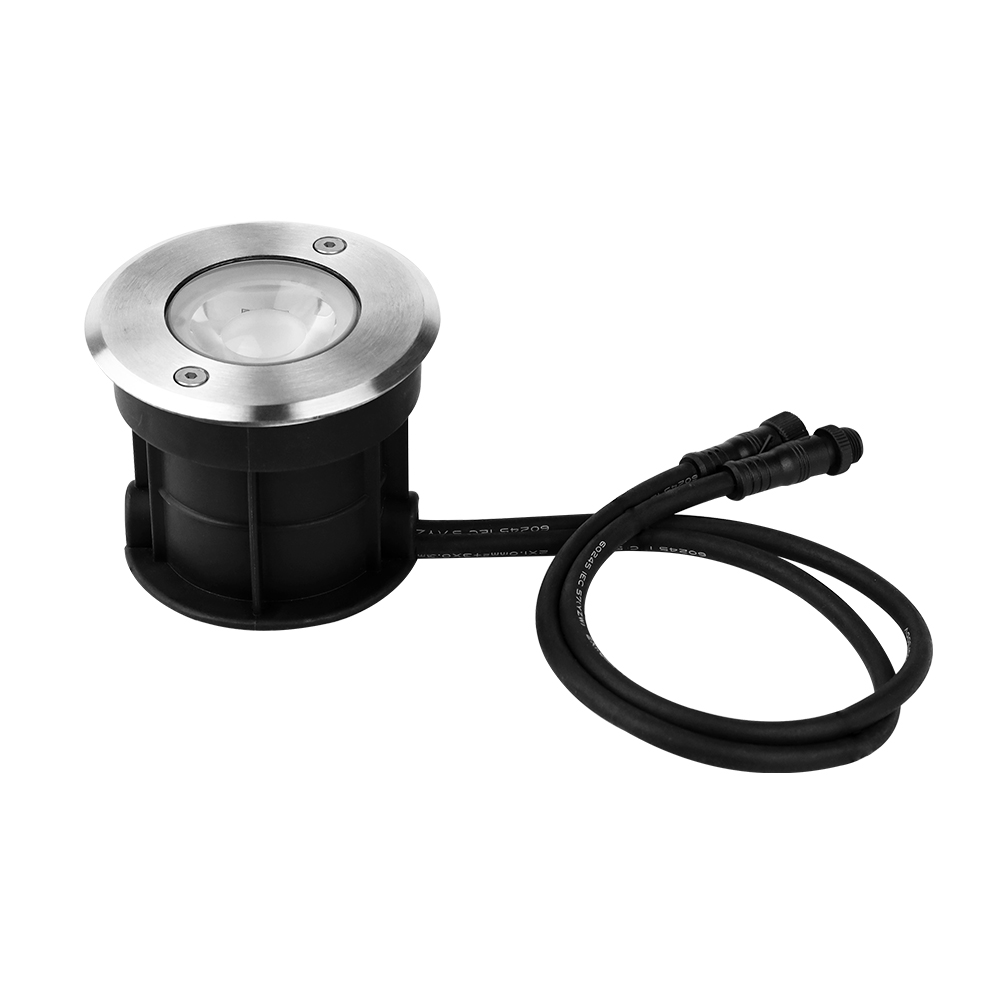
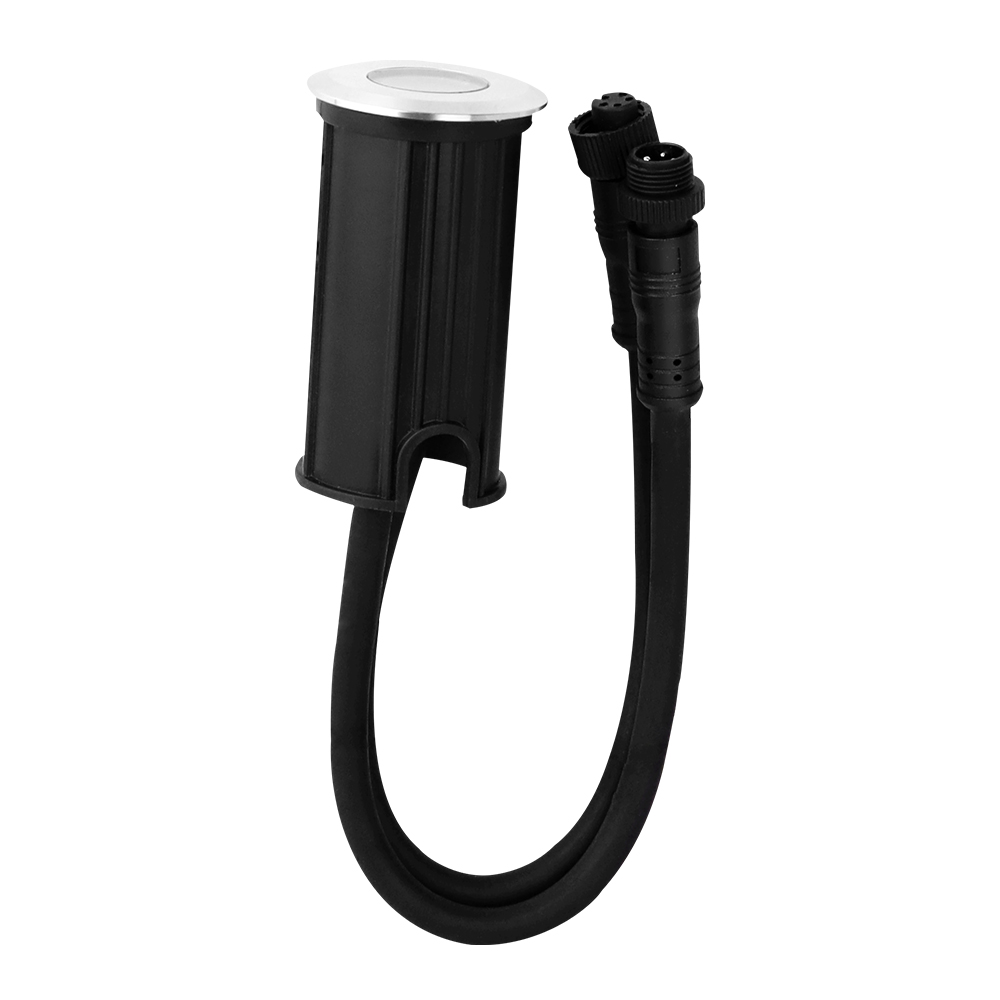
Recessed Mini LED Underground Light IP68 Small Underwater Light
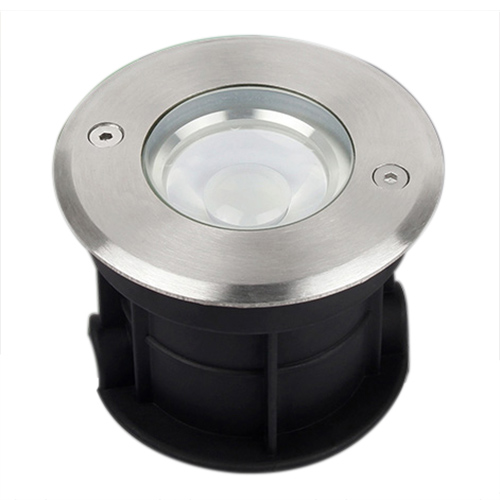
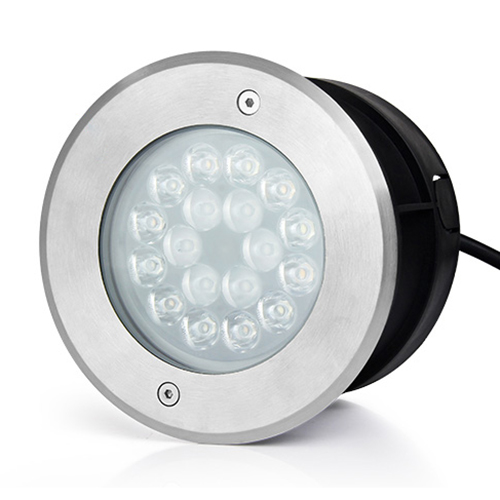
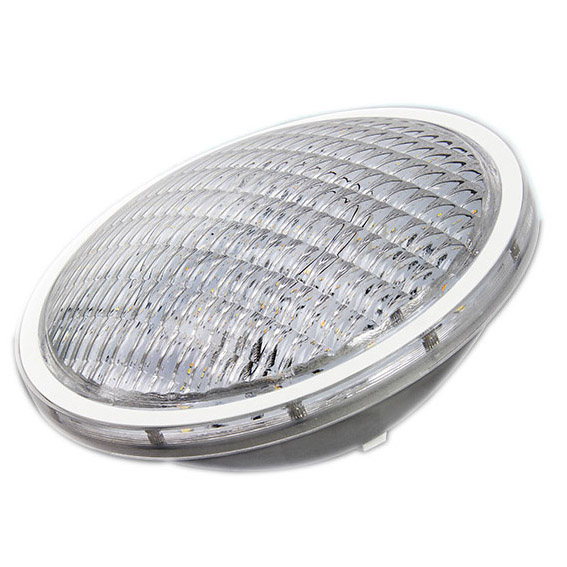
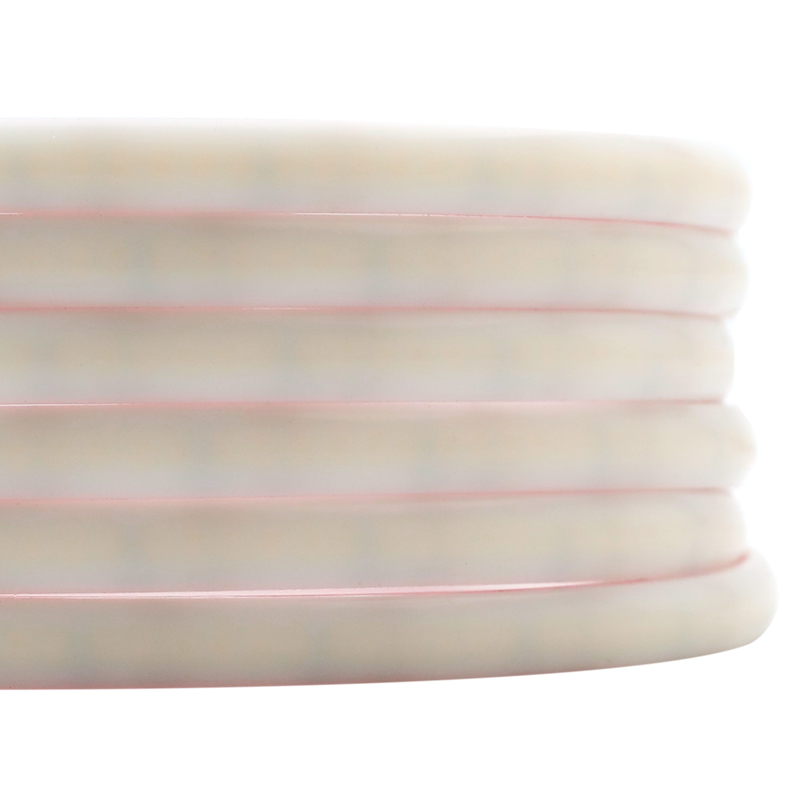
24V Underwater IP68 Long COB Neon LED Strip - Versatile Colors
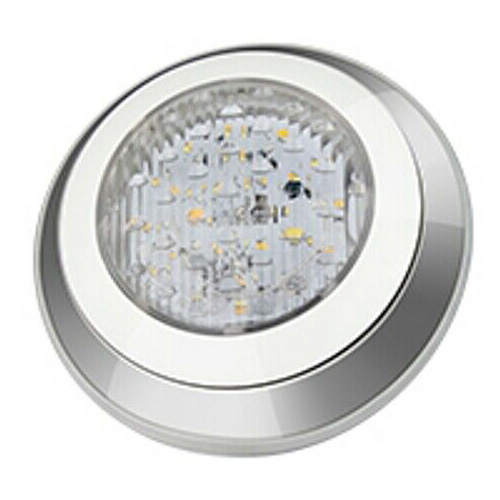
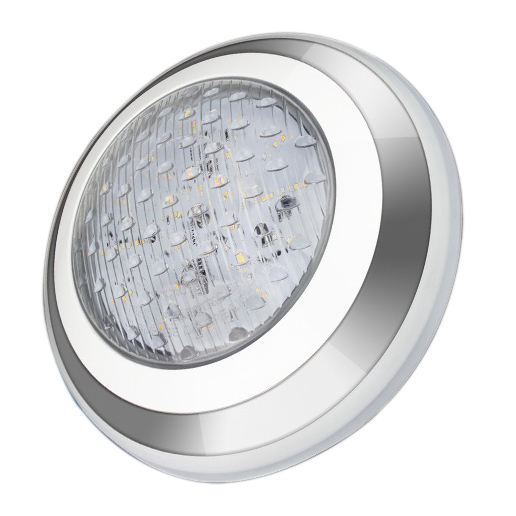
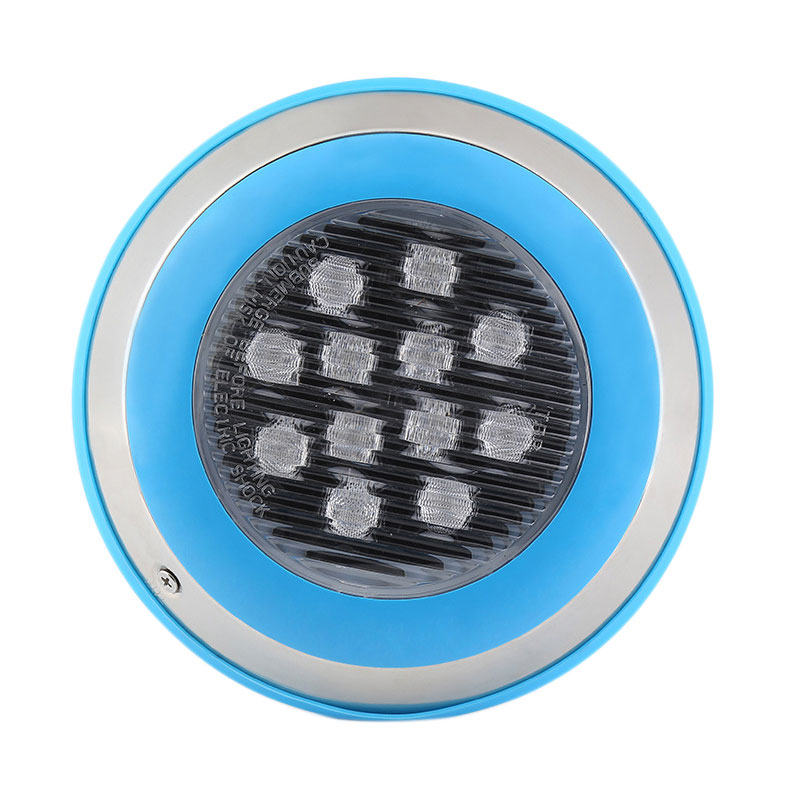
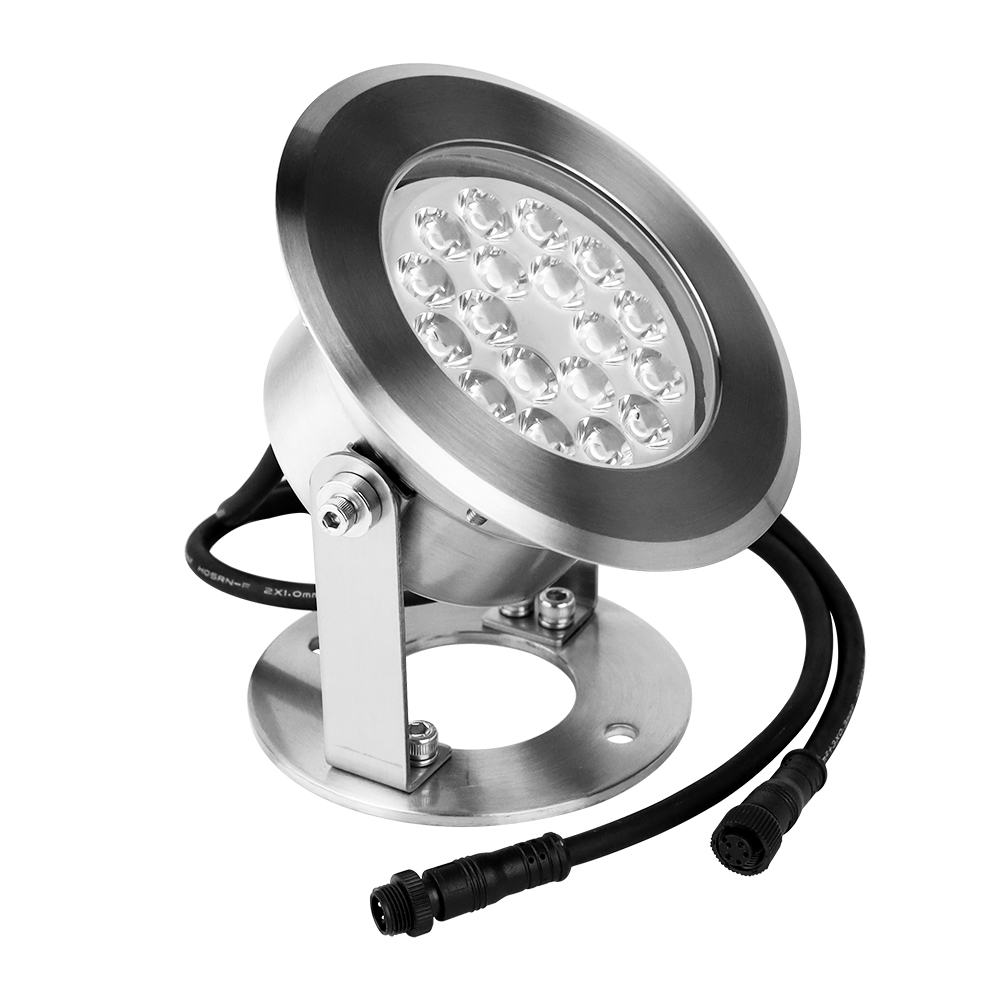
Surface Mount LED Underwater Pool Light With 30° Clear Lens
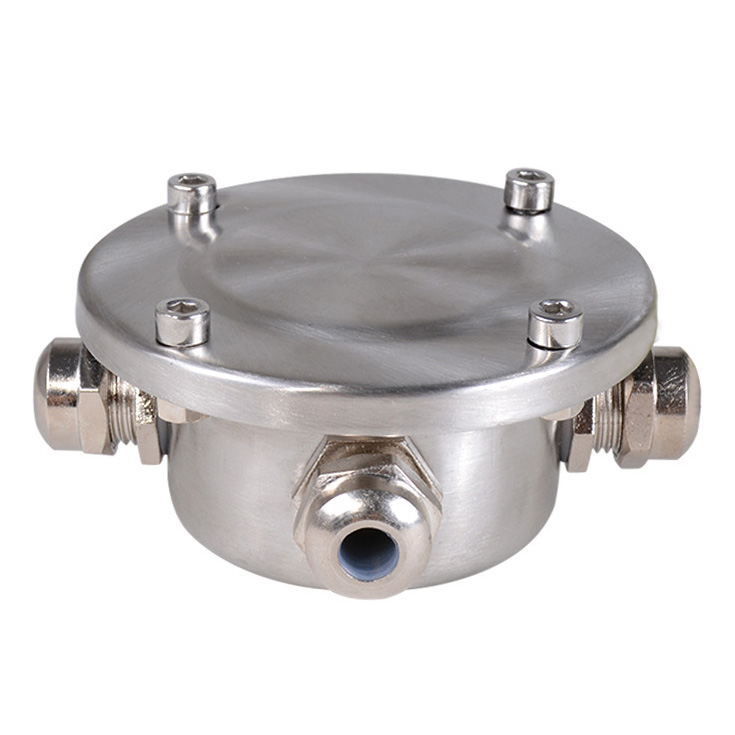
IP68 Stainless Steel LED Underwater Light Junction Box
Frequently Asked Questions About LED Underwater Lights
Your questions about selecting, installing, and maintaining submersible LED lights, answered by our engineers.
For most new swimming pool lighting, 24V is the better choice. It handles longer cable runs with less voltage drop, meaning all your lights will have consistent brightness. However, 12V is still very common, especially for replacing older systems or for smaller water features. We offer both 24V and 12V underwater LEDs to ensure you can match your existing transformer.
IP68 means the light is protected against continuous, long-term immersion in water. The '6' means it's totally dust-tight, and the '8' means it can go deeper than 1 meter. This is the only rating you should accept for any submersible LED light that will live in your pool full-time. A rating like IP65 or IP67 is fine for outdoor landscape lights that get rained on, but it's not enough for permanent submersion.
Water absorbs different wavelengths of light at different rates. Red light, which has the longest wavelength, gets absorbed first, often within the first 15-20 feet. Orange and yellow follow. Blue light penetrates the deepest, which is why pools and oceans look blue. This can make an RGB light appear more blue or green than you expect. Our RGB+CCT and RGBW lights help solve this by having dedicated white LEDs you can use to balance out the color and get a truer look.
For durability and heat dissipation, 316L stainless steel is the superior choice. It transfers heat to the water more effectively, which extends the life of the LED chips, and it stands up better to pool chemicals and salt, especially in saltwater pools. High-impact ABS plastic is a good, cost-effective option and won't corrode, but it doesn't manage heat as well as metal. Most of our high-performance lights use a 304 or 316 stainless steel lamp body for this reason.
Yes, but you must use a product specifically rated for it. A standard outdoor-rated IP65 or IP67 LED strip is not sufficient for constant submersion or exposure to pool chemicals. True submersible LED strip lights are fully encased in a UV-stable silicone or PU jacket that resists chlorine and salt. They are designed to prevent water from ever reaching the electronics. It's a great way to get a clean line of light around the edge of a pool or steps.
Yes, when installed correctly, they are very safe. The whole point of using 12V or 24V systems is to remove high voltage from the immediate pool area. A transformer, located a safe distance away, steps down the main 120V power. This low voltage is then sent to the IP68-rated, fully sealed light fixture. As long as you use a licensed electrician who follows local codes for grounding and bonding, it's the safest way to light a pool.
The light will overheat and shut down, and doing this repeatedly will shorten its life. Underwater lights are designed to be water-cooled; the metal body transfers the LED's heat directly into the pool water. Without that cooling, the internal temperature of the light can rise quickly, triggering a thermal protection circuit that cuts the power. If your pool has an auto-fill system, it's not a big concern. But if you drain your pool for winter, always make sure the lights are switched off at the breaker.
Yes, we do this all the time. A significant portion of the underwater lights we ship are modified for specific projects. The most common request is a custom cable length, from a few feet to over 50 feet, often with specific waterproof connectors already installed to make the jobsite work faster. Just send our engineering team a sketch or description. We'll send back a full plan and quote, usually the same business day.