
Waist Line Recessed Wall Lights Profile
12 products
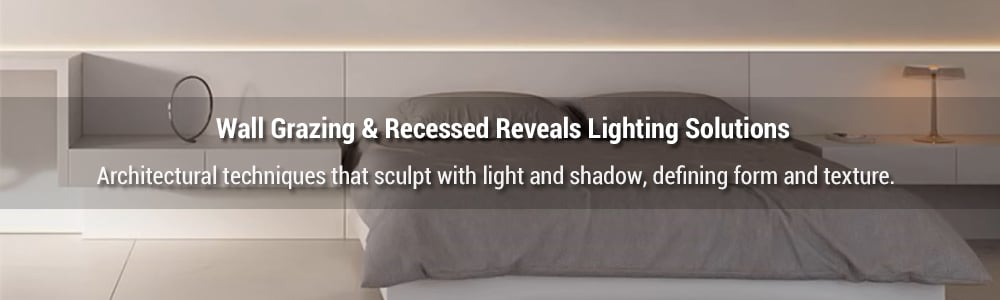
This collection under the Wall Series LED Aluminum Channels introduces specialized techniques that use light as a sculpting tool to define, layer, and elevate interior wall surfaces. Waistline wall lighting is a lighting technique where light is integrated into the wall at mid-height. Its purpose is to create visual anchors, define horizontal lines, and add ambient layers to transform flat walls into structured, atmospheric surfaces.
Here, we offer two primary wall lighting design directions to achieve this:
Wall Grazing Light at Wall Panel Edges |
Slot Recessed Linear Light in Plaster/Drywall Walls |
|
| Installing strip lights at the terminating edge of a surface cladding or panel (e.g., gypsum, wood, tile, stone, or decorative boards). | Creating a clean, recessed groove (a "reveal") within a seamless plaster or drywall surface via embedding the LED profile within it. | |
| The installation height is fully customizable based on the architectural design. | Typically installed at mid-wall height or at a lower, human-scale position. | |
| Ideal for creating dramatic layered wall structures, adding a sense of depth and separating material planes. | Integrates strip light as a sleek, minimalist band within the wall itself. | |
| Also applied to multiple levels of wall panels to build complex rhythms, enhance dimensionality, and emphasize key focal points on a wall. | With soft, ambient glow that can define zones, guide movement, or serve as subtle, indirect architectural lighting without any protruding fixtures. | |
| QSG-3612C, QSG-4013, QSG-4013LR, QSG-1616L, TILE-601, P4018B, QSG-4220, QSG-3030L | MS-9819, MS-13519, QSG-9214, QSG-5313 |
Based on your wall lighting design objectives, select the corresponding product series to view specific models and technical specifications.
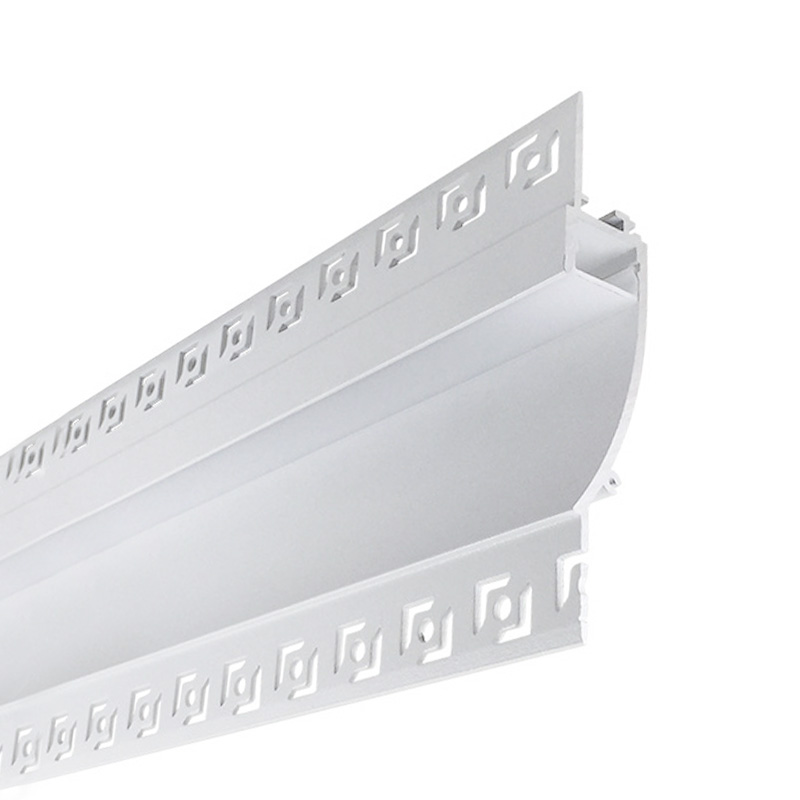
Waist Line Linear In Wall Stair Lighting Aluminum 12mm LED Profile White

Waist Line Wall Recessed Lighting Indirect Ceiling Cove LED Strip Profile White
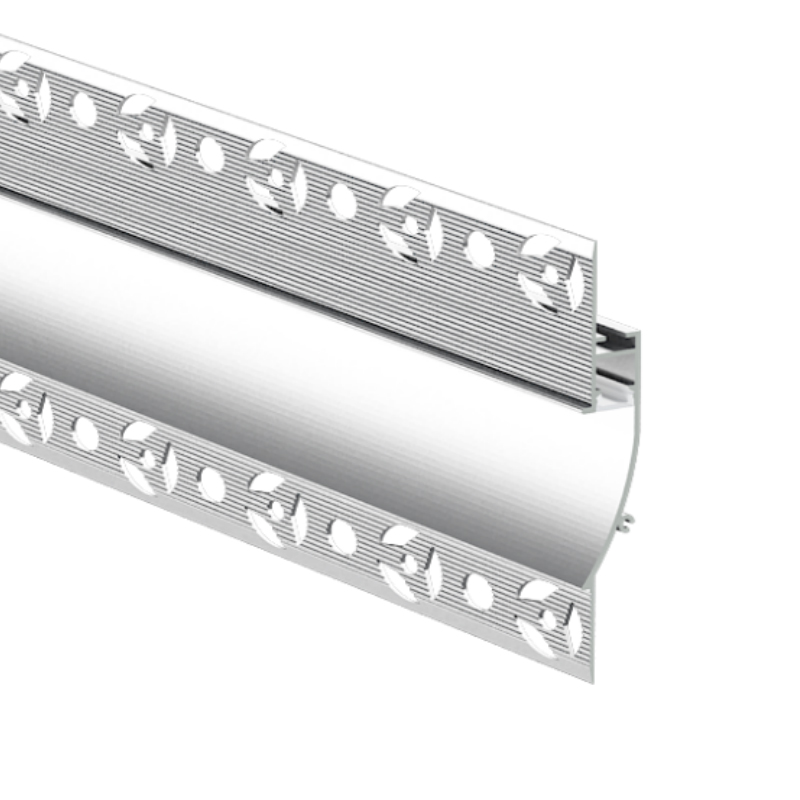
Plaster In Aluminium Drywall Waistline LED Channel
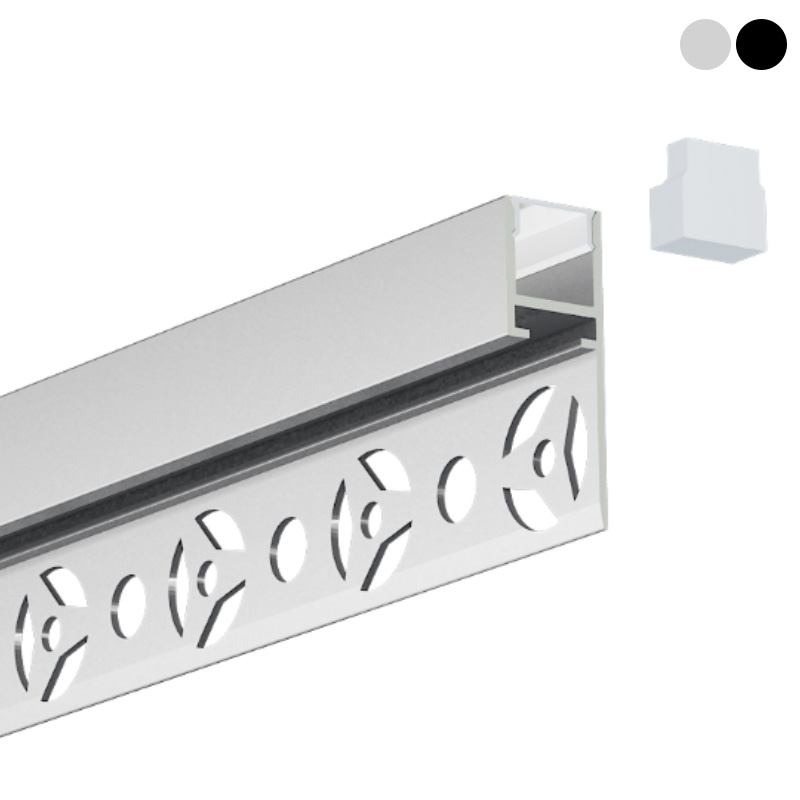
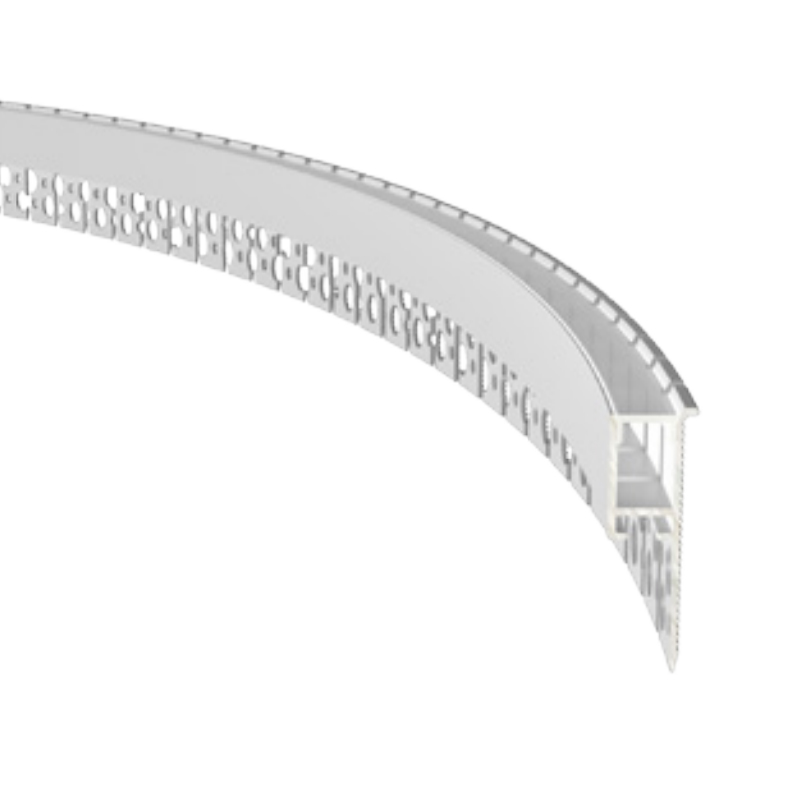
LED Curved Wall Waist Line Strip Light Channel
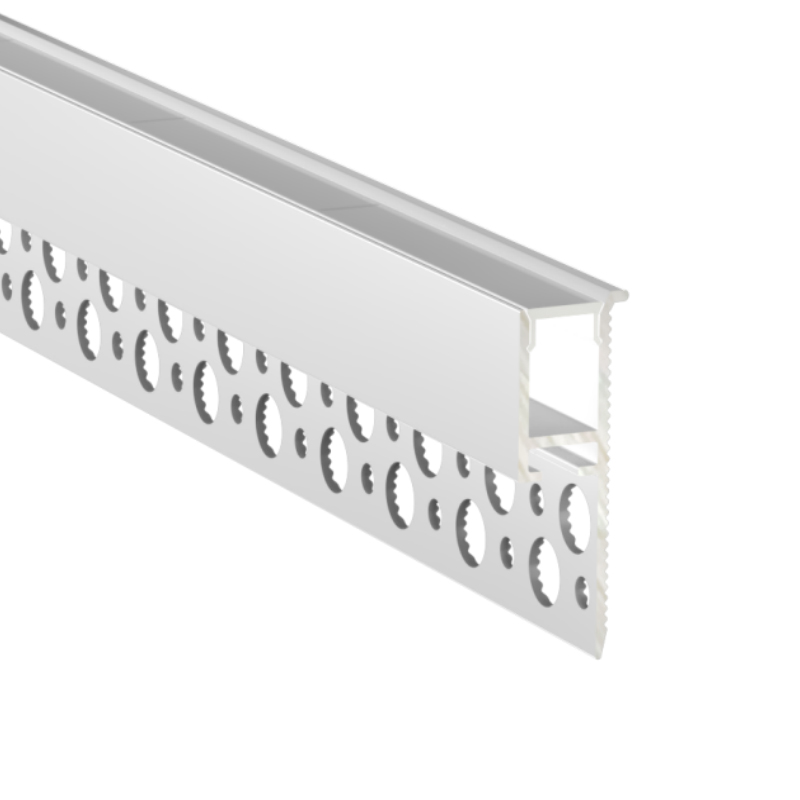
Waist Line Recessed Wall Wash LED Strip Profile
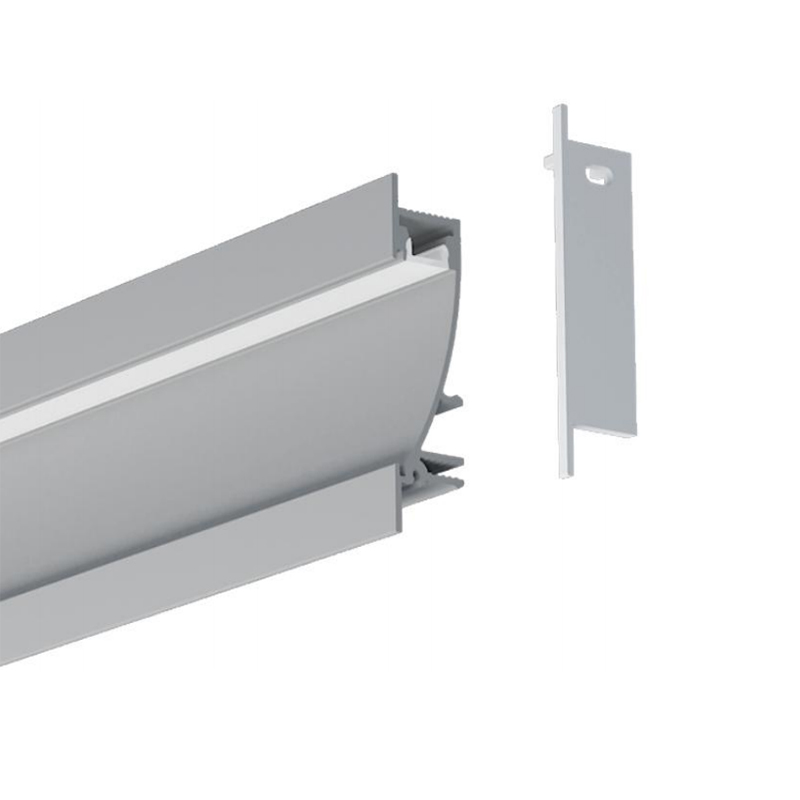
Recessed Drywall LED Strip Channel - superlightingled.com
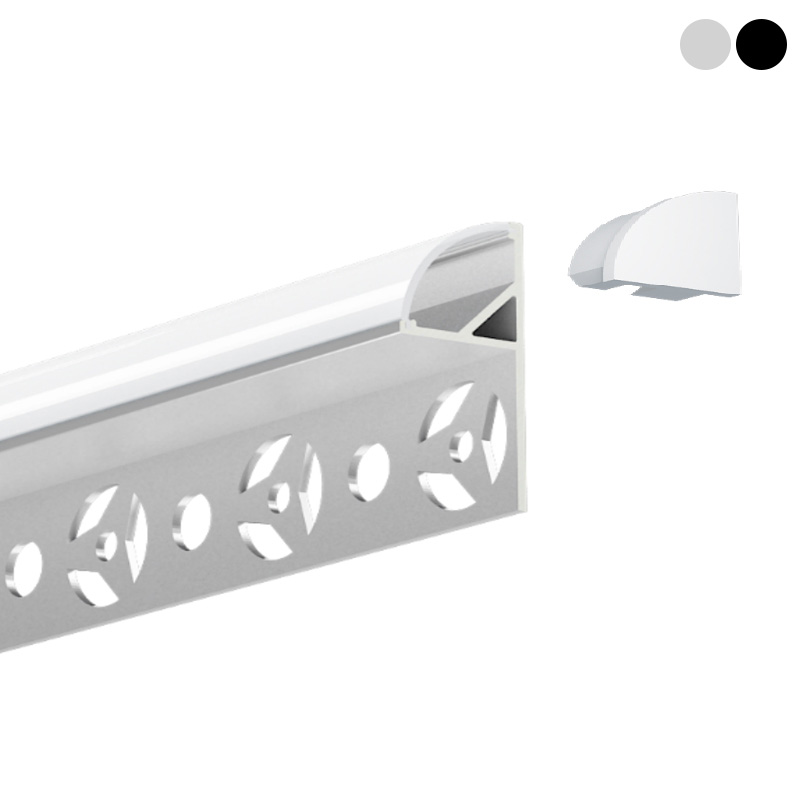
1616L LED Outside Corner Tile Trim Profile For 10mm Strip Lights
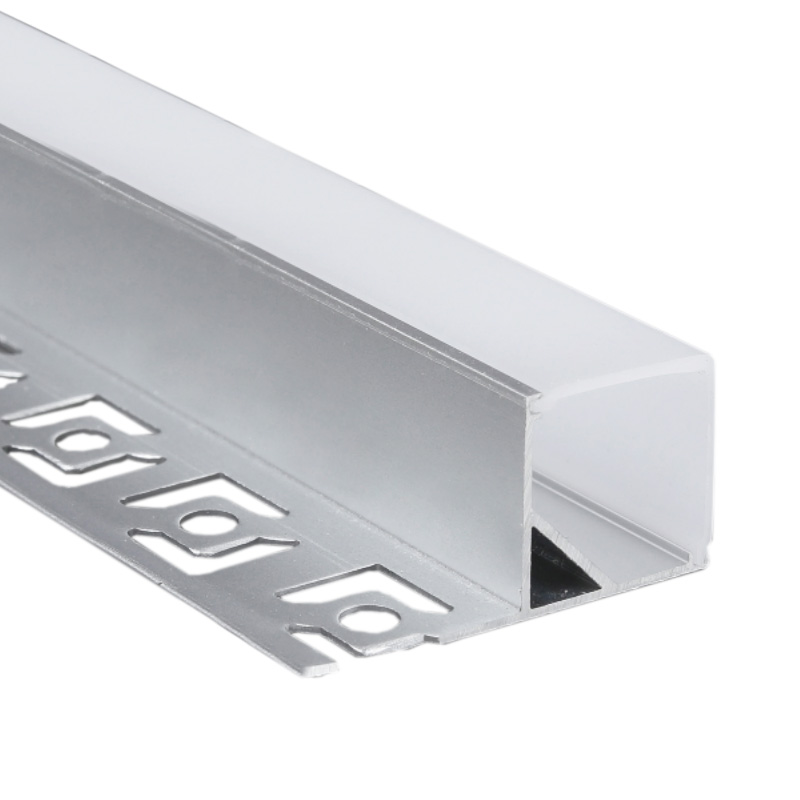
Tile Wall Lights Waist Line LED Tile Edge Square Profile For 10mm Strip Light
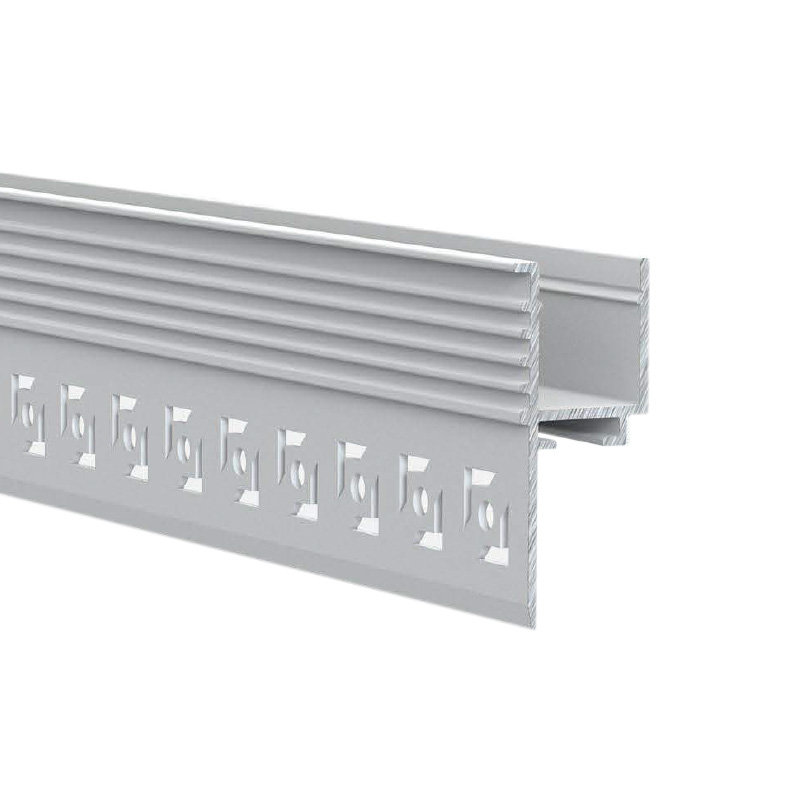
Plaster Board Uplight Wall LED Channel For Living Room Wall Lighting
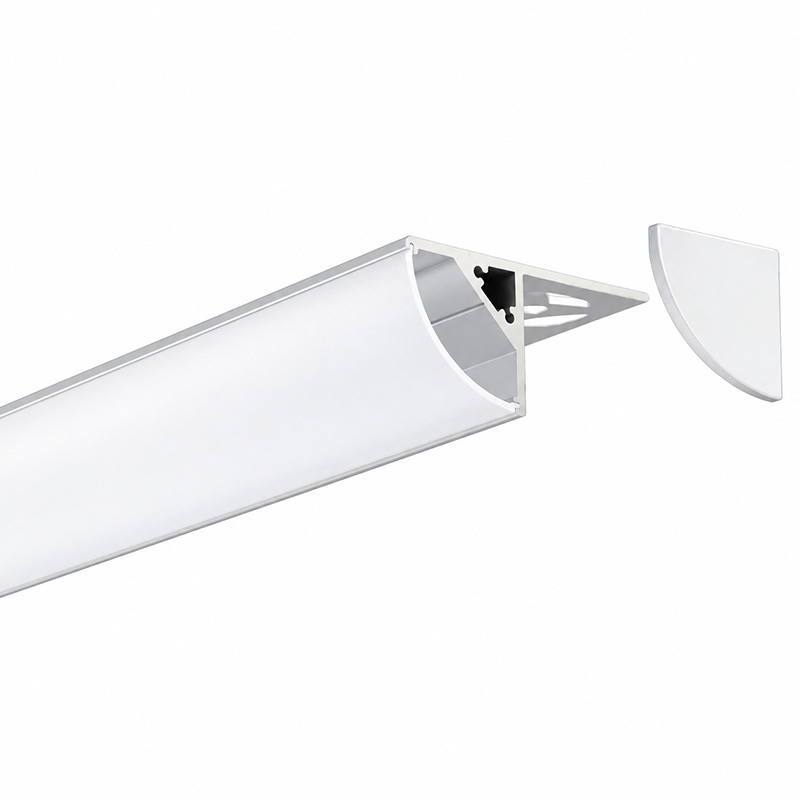
Recessed 45-Degree Corner Aluminum LED Profile For 15mm Bright Strip Lights
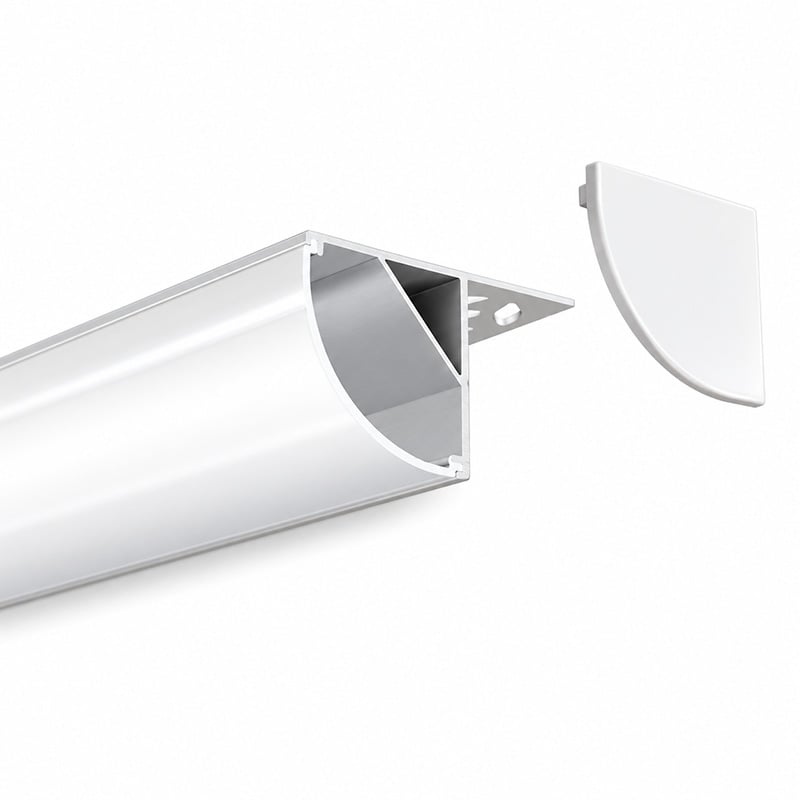
Recessed 1.18" Corner Mount LED Strip Channel For 20mm Bright Light
Designing Wall Reveal Lighting: Let the Recess Become Part of the Architecture
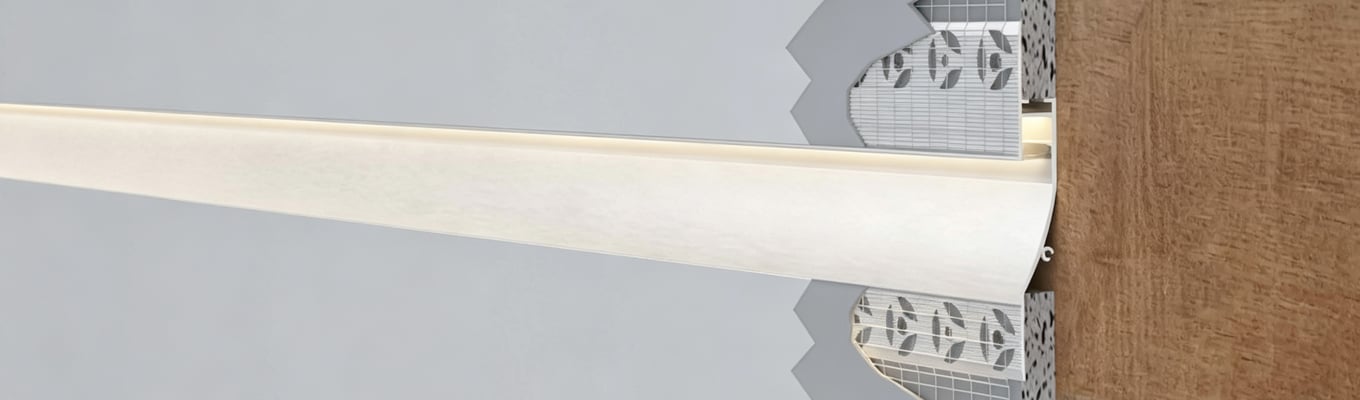
Wall reveal lighting is not simply about placing an LED strip inside a wall. The recessed line itself becomes part of the architectural composition, creating a controlled relationship between light, shadow, and surface depth.
For a plaster or drywall wall, a recessed LED strip aluminum channel (MS-9819, MS-13519, QSG-9214, QSG-5313) can form a precise linear reveal that remains visually defined even when the LED is turned off. Once illuminated, the same architectural recess becomes a controlled light source, producing a subtle transition between illuminated and non-illuminated areas. This makes wall reveal lighting especially effective when the objective is to add depth to a large flat wall without introducing conventional visible fixtures.
The key design consideration is not only the position of the light source, but also the width, depth, and geometry of the reveal. A narrower opening can create a refined architectural line, while a wider recessed section can produce a stronger visual statement. By choosing the appropriate profile structure, designers can control whether the result reads primarily as a shadow detail, a light slot, or a combination of both.
Illuminated Dado Rail: Rethinking the Traditional Wall Rail
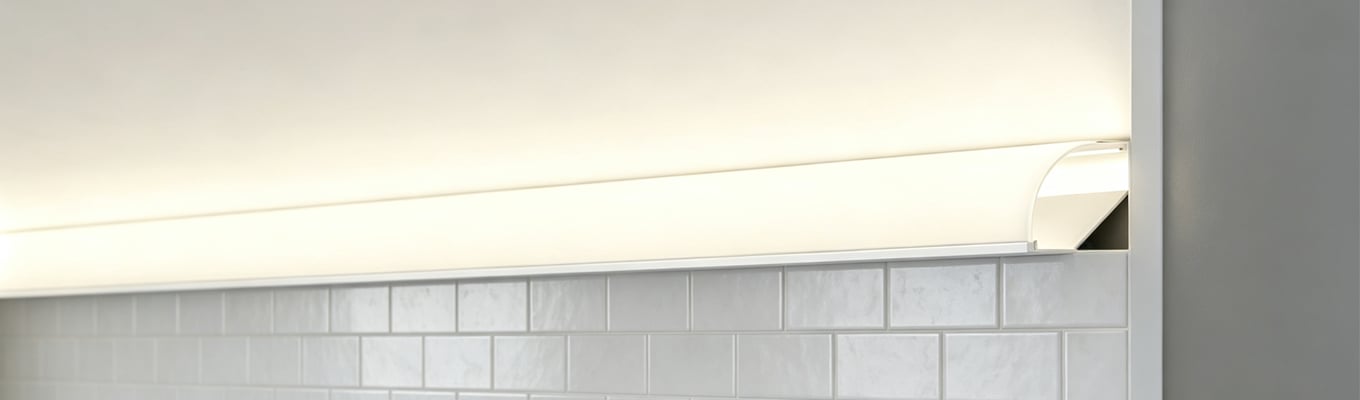
Traditional dado rails or chair rails are usually introduced to divide a wall horizontally or to add decorative structure. An Illuminated Dado Rail applies the same architectural principle while turning the horizontal transition into a functional lighting feature.
Instead of simply adding a decorative molding, the modern LED dado rail profile (QSG-3612C, QSG-4013/4013LR, QSG-1616L, TILE-601, MS4320A, QSG-4220, QSG-3030L) creates a continuous horizontal light band at a selected height. Because the installation height can be determined by the overall wall design, the light line does not have to follow a fixed “waist” dimension. It can be positioned lower for guidance and safety, around eye level for decorative emphasis, or higher to create a strong horizontal architectural line.
This makes an illuminated LED dado rail particularly useful in projects where designers want to coordinate lighting with wall panel proportions, furniture heights, artwork, or circulation paths.
Create the Wall as a Lighting Element, Not Just a Lighted Surface
The real design value of waistline wall lighting is that the wall itself becomes part of the lighting system.
A Wall Reveal can create depth and shadow. An Illuminated Dado Rail can establish a horizontal architectural rhythm. These techniques allow LED profiles to do more than provide illumination—they help define how the wall is perceived.
SuperLightingLED's waistline collection is therefore suitable for projects where lighting needs to be integrated with the architecture itself, from feature walls and decorative panels to stairways, corridors, hospitality interiors, and other spaces requiring a combination of linear illumination and architectural detailing.
Frequently Asked Questions About Waist Line Recessed Wall Lights
Got a question about creating that perfect horizontal light reveal? You're in the right place. Here are the questions we answer every day.
A waist line recessed wall light profile is an aluminum channel designed to be embedded into a wall at mid-height. Its job is to hold an LED strip, creating clean, horizontal lines of light that act as architectural details. Think of them as creating glowing 'reveals' or grooves that break up a flat wall, add depth, and provide soft, indirect ambient light.
For that 'disappearing' plaster-in finish, you need a profile with a perforated flange or 'wing'. You cut a channel in the drywall, screw the profile to the studs, and then mud over the wings, feathering the joint compound right up to the edge of the diffuser. It's all about the prep work. Once plastered and painted, the metal channel itself becomes completely invisible, leaving only a sharp line of light.
This is a crucial step to plan for. The driver needs to be in an accessible location for any future maintenance, not buried in the wall. Common spots are in a nearby closet, a utility room, the ceiling void, or inside a cabinet. You'll run low-voltage wire from the driver's location to the LED profile inside the wall before you close everything up.
Yes, absolutely. We have specific models designed for this. Some act as a tile edge trim, where the profile's mounting wing gets set in the thin-set mortar right along with the tile. Others are designed to sit at the edge of wood, gypsum, or decorative wall panels, creating a clean separation and a glowing edge. The install method just changes with the wall material.
You can, but you need a specific type of profile. Our 4013LR model is a bendable waist line strip light channel designed exactly for this. It's constructed to flex and follow the contour of a curved wall, allowing you to create those beautiful, sweeping lines of light that are impossible with a standard rigid aluminum profile.
Yes, this is a huge part of what we do. Many projects we ship are built to a customer's drawing. Just send us your required lengths. An engineer will map out the cuts, specify the right connectors and end caps, and send you a complete parts list and quote, usually within 12 hours.
These profiles *are* the tool for creating architectural light reveals. A 'reveal' is a gap or offset between two surfaces that creates a shadow line and adds visual interest. By filling that gap with a trimless lighting profile, you turn the shadow line into a line of light. This technique is used to separate materials, define planes, and make heavy structures feel like they're floating.
The LED strip itself should last 50,000 hours or more, which is years of typical use. The biggest factor in lifespan is heat management, and that's the main job of the aluminum profile. The metal acts as a heat sink, drawing heat away from the LEDs and protecting them from premature failure. As long as the strip is properly seated in the channel, it will last.