
CV DMX512 Dimmable Driver
29 productsLTECH Constant Voltage DMX512 Dimmable Drivers combine LED power conversion and professional DMX lighting control in one device. Instead of using a separate non-dimmable power supply together with an external constant voltage DMX decoder, these drivers accept AC input, provide regulated low-voltage DC output, and respond directly to DMX512 control commands.
They are designed for constant-voltage LED lighting such as single-color, tunable white, RGB, RGBW, and other low-voltage LED strips or fixtures, depending on the driver model and number of output channels.
SuperLightingLED offers LTECH CV DMX drivers in different output voltages, wattages, channel configurations, dimming functions, and certification options, allowing them to be used in residential, hospitality, retail, architectural, commercial, and other professionally controlled lighting projects.
These models support RDM, Push DIM, tunable-white control, multi-channel color control, advanced low-level dimming, and additional NFC programmable functions.
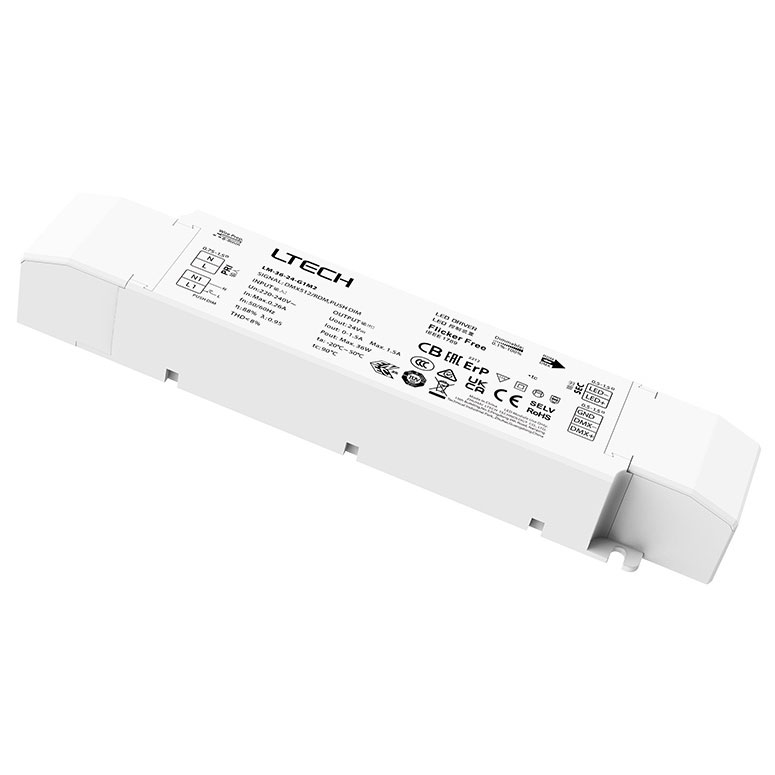
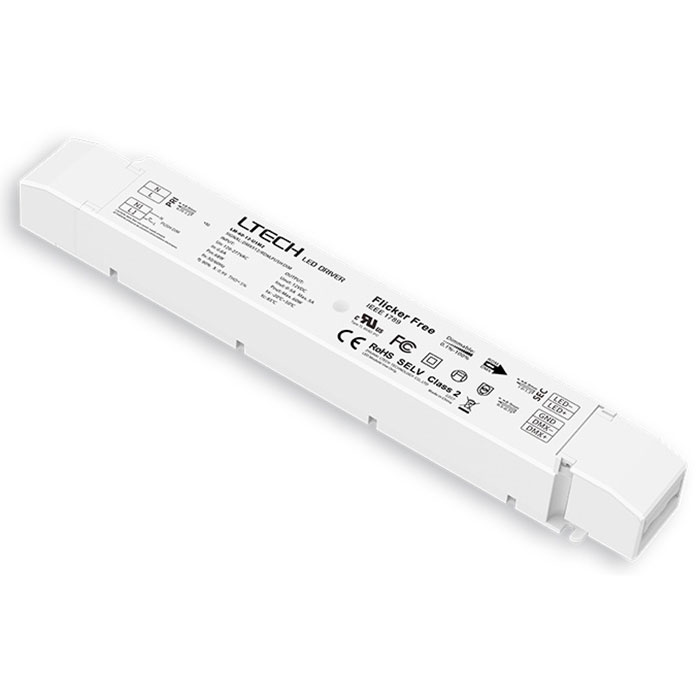
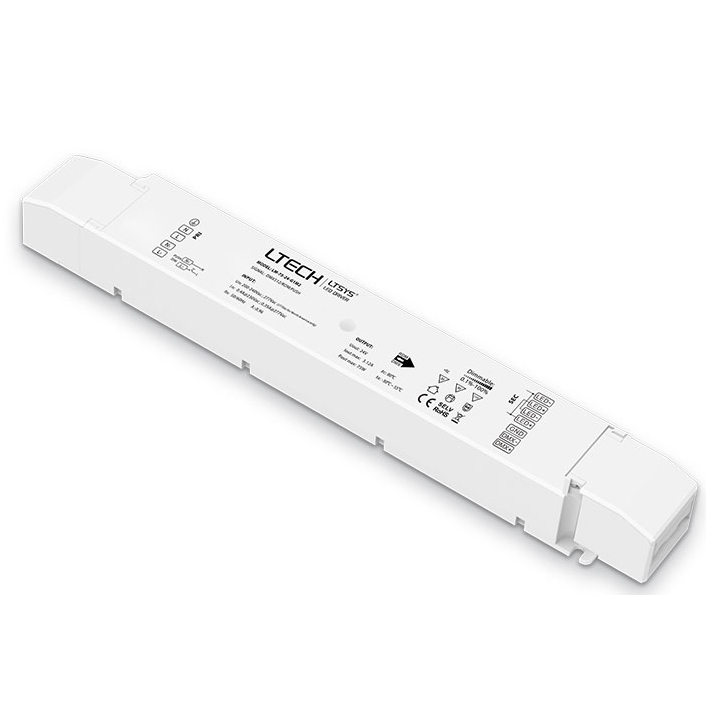
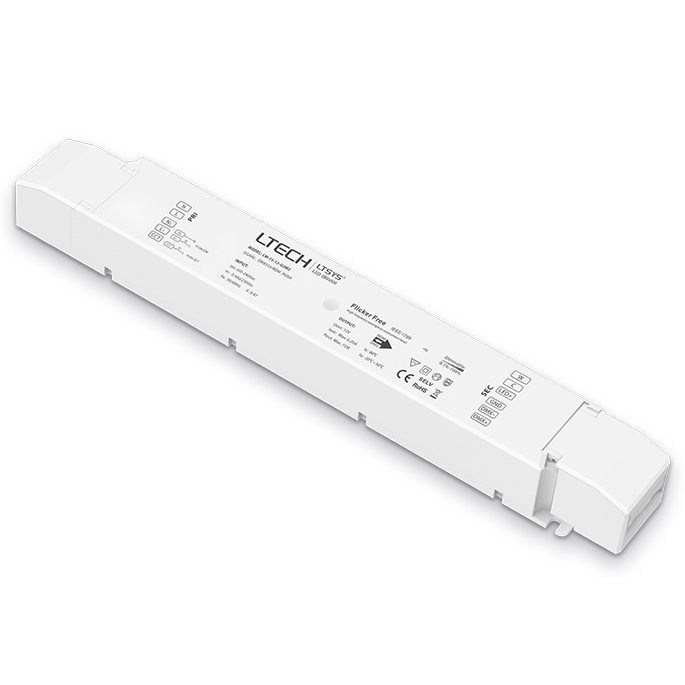
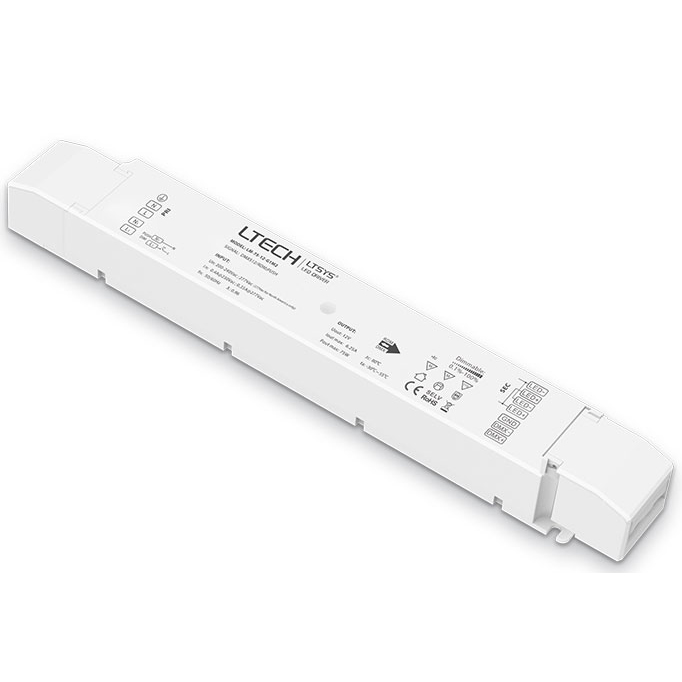
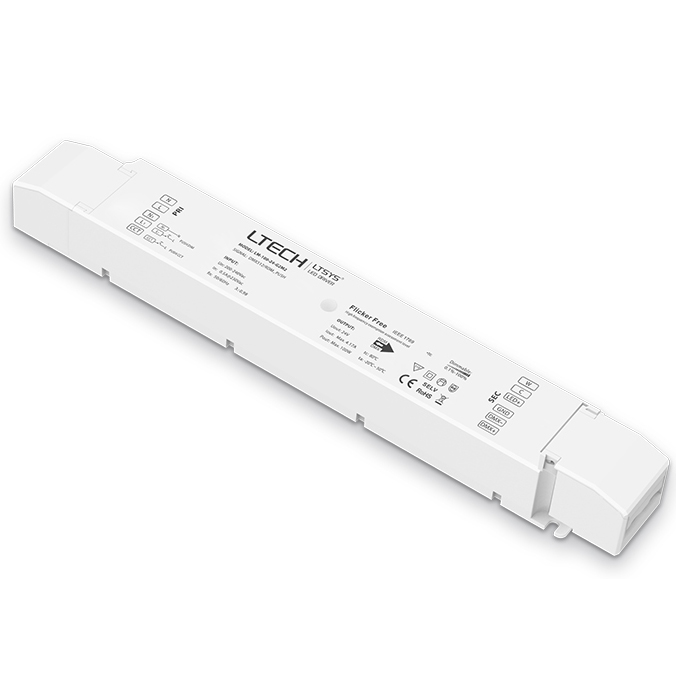
LM-100-24-G2M2 DMX DIM&CCT Dimmable LED Driver - superlightingled.com
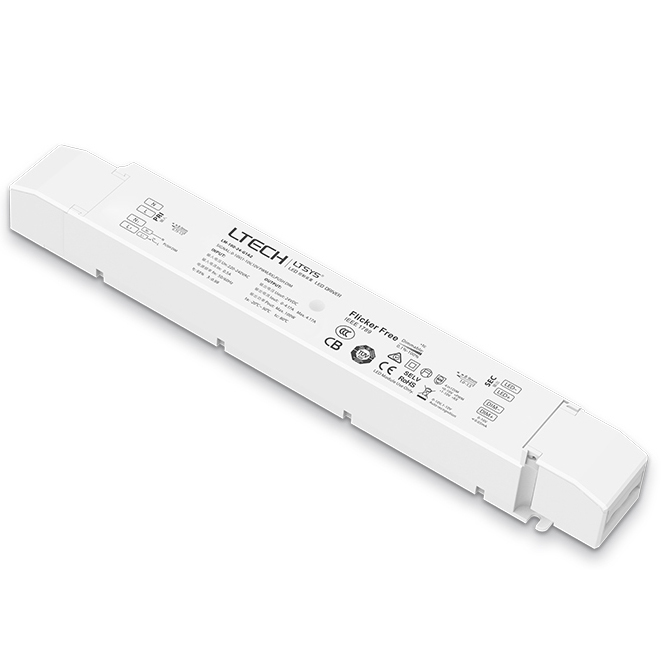
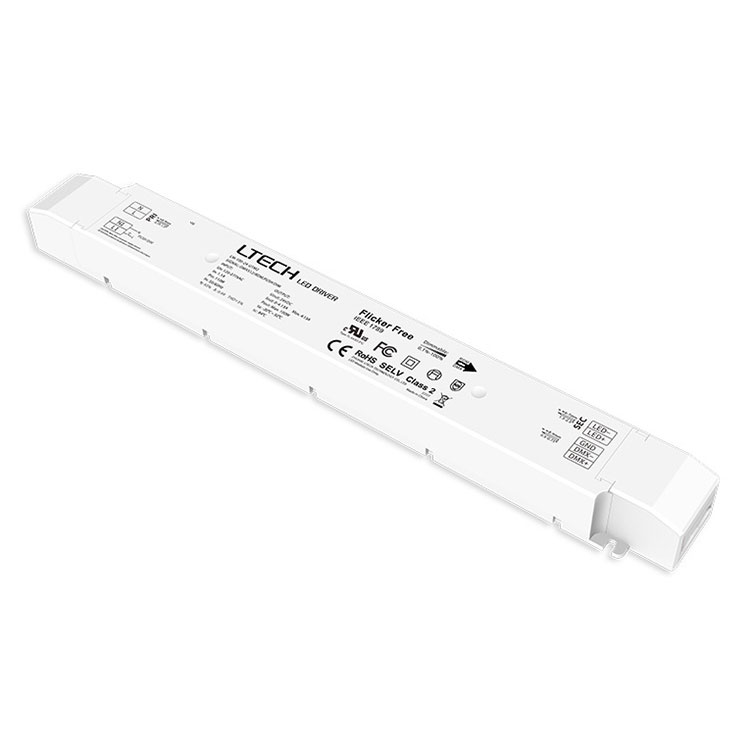
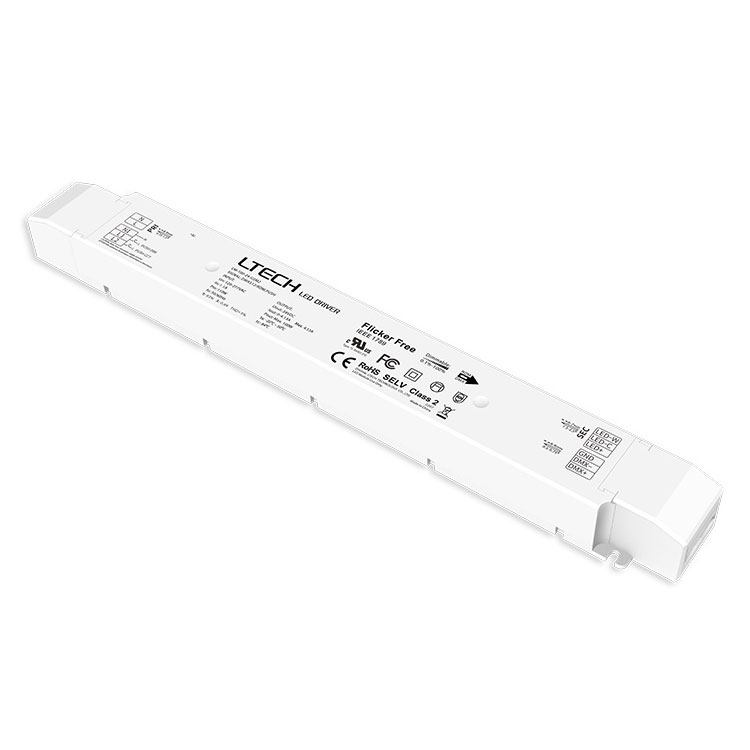
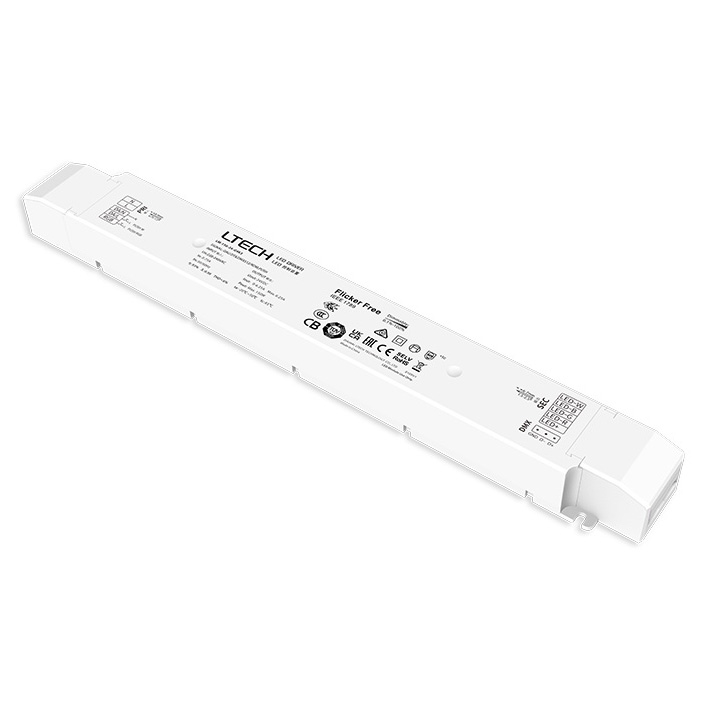
150W 24V CV DMX DALI-2 DT6/DT8 Full Color RGBW LED Driver LM-150-24-G4K3
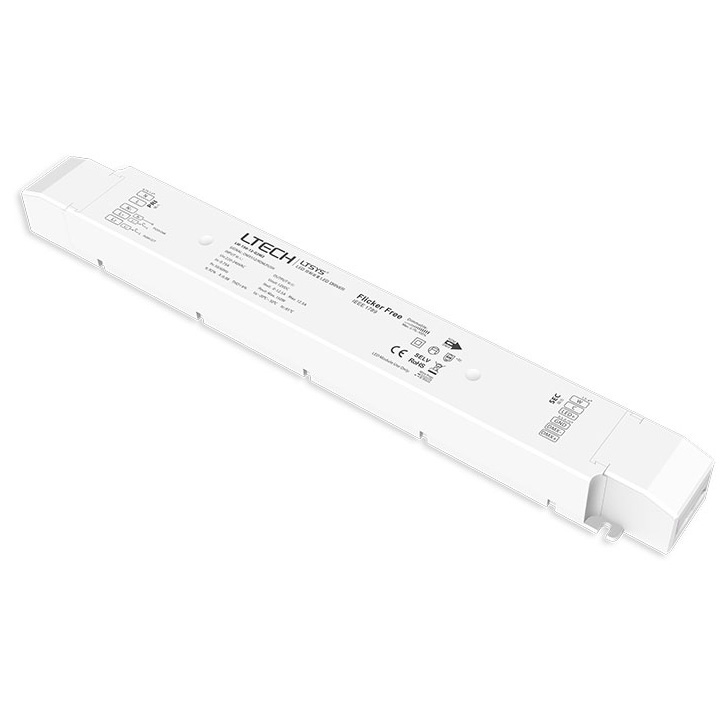
LM-150-12-G2M2 DMX DIM&CCT Driver For LED Light - superlightingled.com
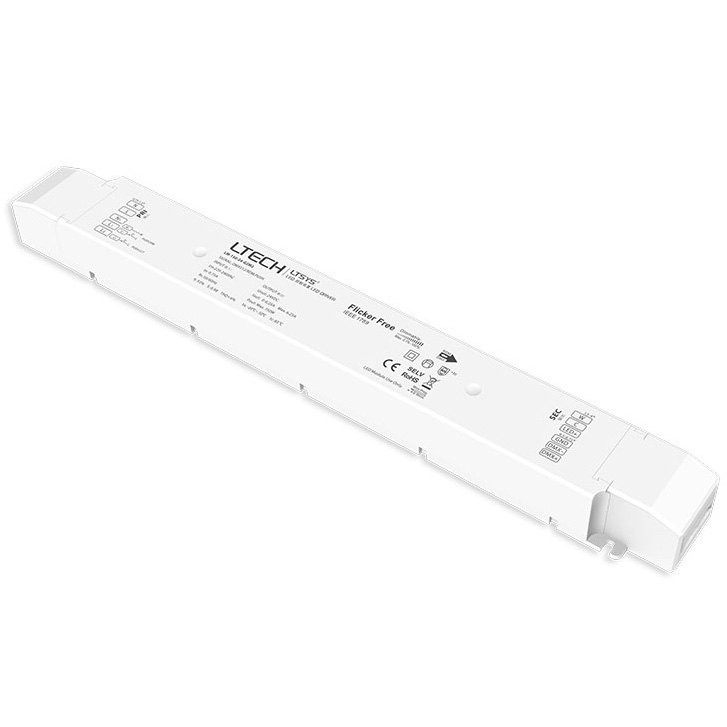
LM-150-24-G2M2 Dimmable DMX DIM&CT Driver For LED - superlightingled.com
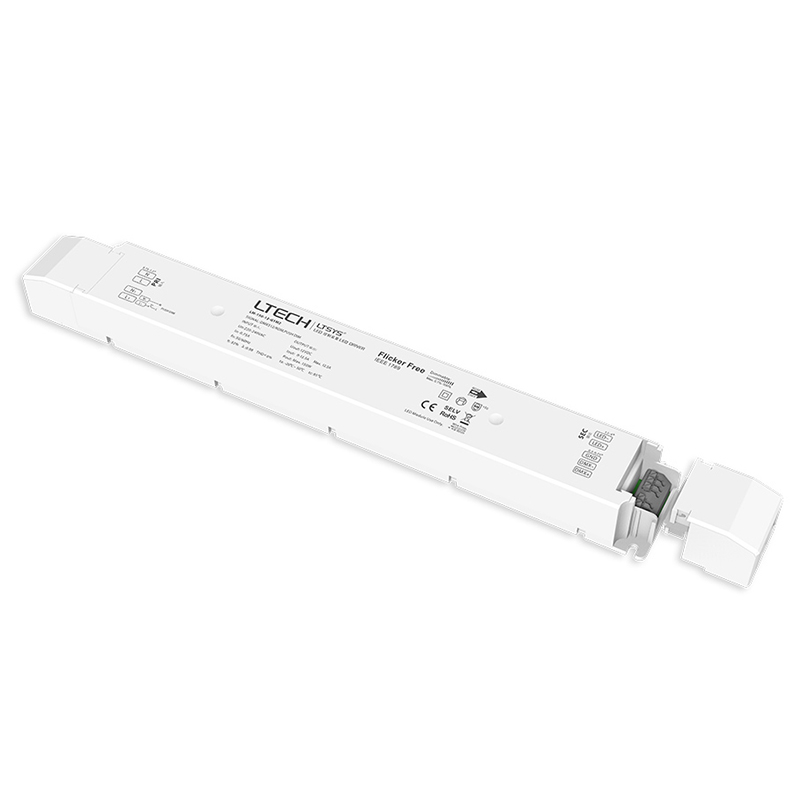
LM-150-12-G1M2 DC12V 150W Constant Voltage DMX LED Intelligent Driver
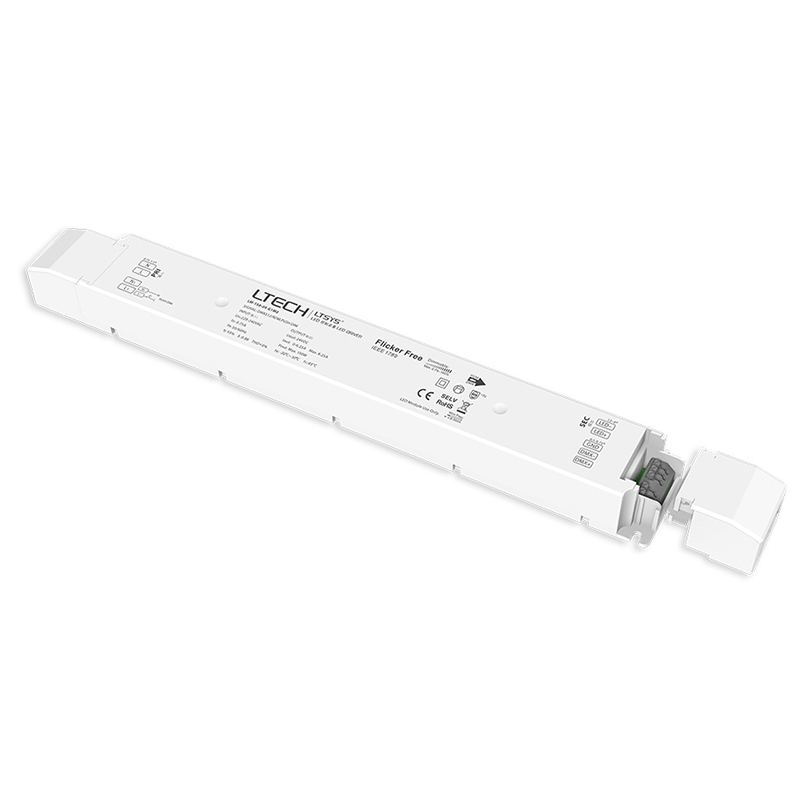
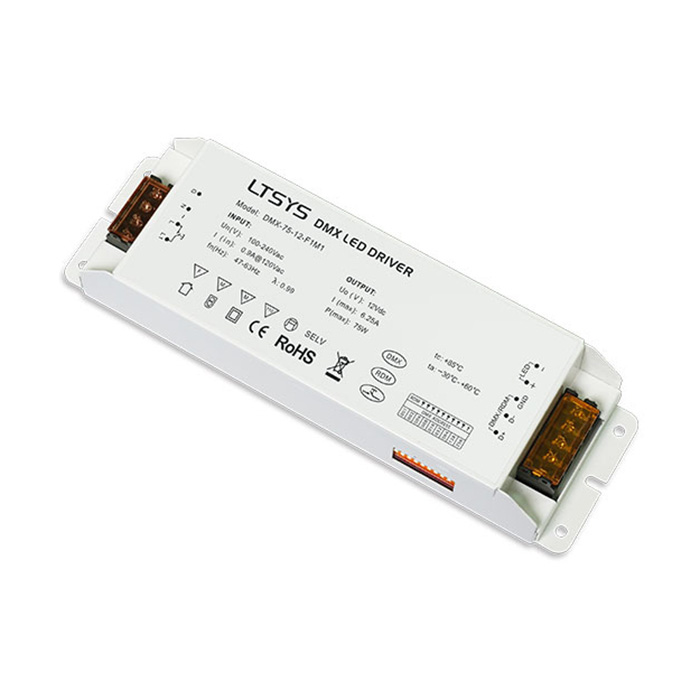
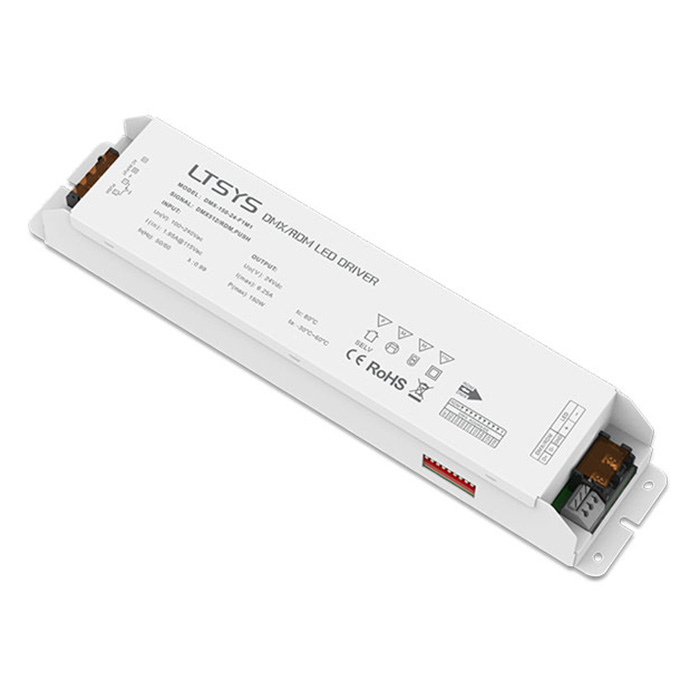
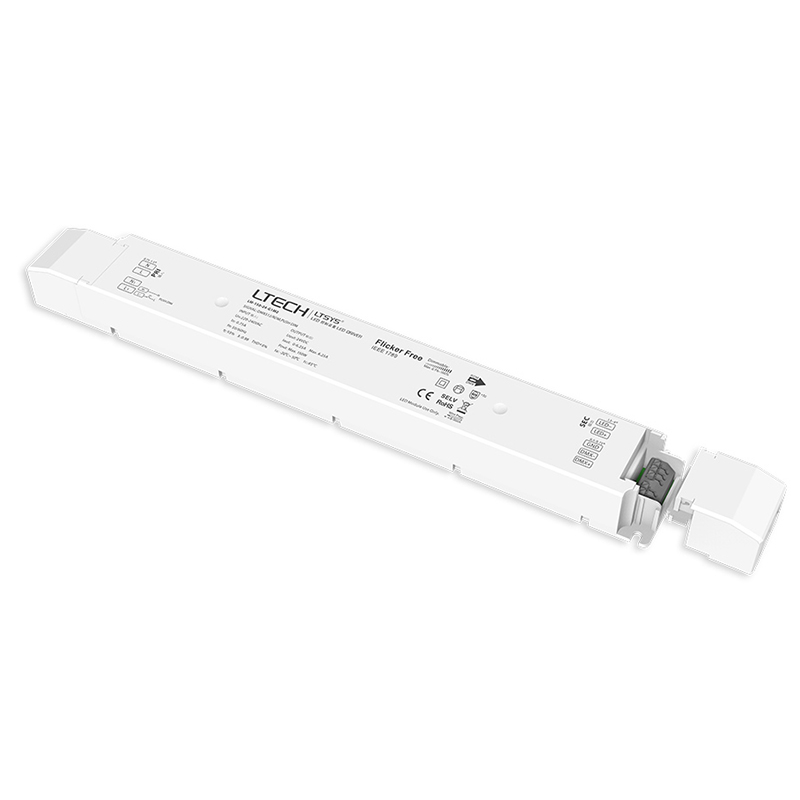
DMX-150-24-F3M1 DMX LED Dimming Driver - superlightingled.com
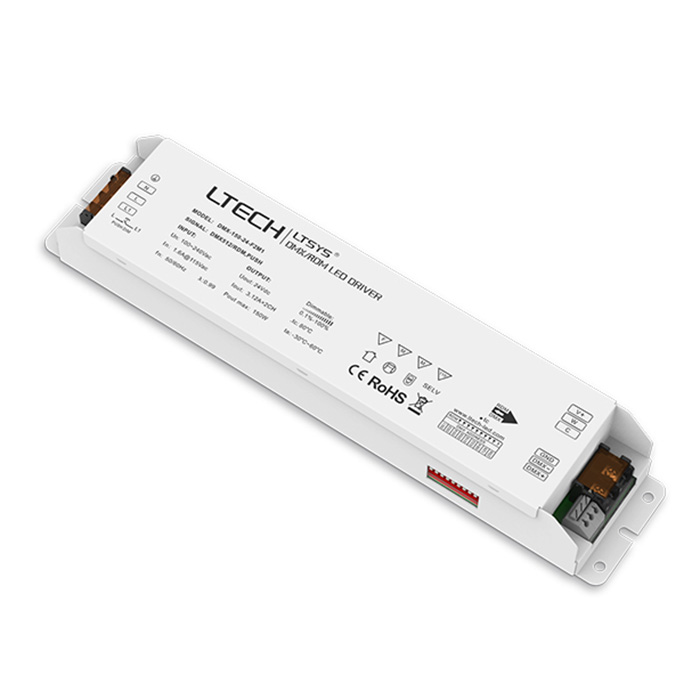
DMX-150-24-F4M1 150W 24VDC CV DMX LED Intelligent Dimming Driver
Integrated Power and DMX Control
A conventional LED strip installation often separates the power supply from the lighting controller. A CV DMX dimmable driver integrates these functions into a more compact system: DMX Master Controller → CV DMX Dimmable Driver → LED Strip
The driver receives the incoming DMX control signal while also converting mains AC power into the required low-voltage DC output for the LED lighting.
This reduces the number of separate components required between the DMX control system and the LED load, making wiring cleaner and helping simplify electrical cabinets, ceiling installations, coves, architectural lighting systems, and other projects where installation space is important.
Because power conversion and dimming are integrated into one device, the driver should be selected according to both the lighting load and the control requirements of the project.
Smooth Dimming for Architectural Lighting
A professional dimmable driver is not only about turning the LEDs on and off. Low-level dimming performance, smooth transitions, flicker performance, and consistency between multiple lighting zones are important for architectural environments such as hotels, restaurants, retail stores, residences, galleries, and commercial interiors.
LTECH DMX drivers provide deep and smooth dimming with advanced PWM control, allowing gradual transitions between lighting levels and scenes. Some models also offer additional parameters or control functions for projects where more precise dimming behavior is required.
For photography, video, display, or other applications where flicker performance is important, check the specifications of the individual driver and the operating requirements of the complete lighting system.
Designed for Constant Voltage LED Lighting
These CV DMX drivers are intended for LED products that operate from a specified constant DC voltage. Typical applications include:
- - single-color LED strip lighting
- - tunable white / CCT LED strips
- - RGB and RGBW LED lighting
- - linear architectural lighting
- - cove and ceiling lighting
- - cabinet and display lighting
- - hotel and hospitality lighting
- - retail and commercial interiors
- - custom constant-voltage LED fixtures
The output voltage of the driver must match the rated voltage of the LED lighting. For example, a 24V LED strip should be connected to a compatible 24V constant-voltage DMX driver, while a 12V LED strip requires a suitable 12V model. Always confirm the voltage shown on the LED product before selecting the driver.
Choose the Output Power for Your LED Load
After confirming the voltage, calculate the total wattage of the connected LED lighting. For LED strip projects: Total Load = LED Strip Wattage per Meter × Installed Length. The selected driver should have sufficient output capacity for the complete connected load.
For example, if a lighting run consumes 72W in total, the driver must be capable of supplying more than the actual operating load, such as 100W. Leaving reasonable capacity rather than continuously operating the driver at its absolute maximum can also help provide a more reliable installation.
SuperLightingLED offers LTECH CV DMX drivers in multiple power levels so the driver can be matched more closely to small lighting zones as well as larger architectural LED runs.
For projects with loads exceeding the capacity of one driver, divide the lighting into multiple circuits and assign appropriate DMX addresses or zones to each driver.
Planning a Multi-Zone DMX Lighting Project
One DMX network can control multiple drivers independently. For example, a restaurant may use separate drivers for:
- Zone 1 — Cove Lighting
- Zone 2 — Bar Lighting
- Zone 3 — Shelf Lighting
- Zone 4 — Feature Wall Lighting
Each driver or lighting group can be assigned its own DMX address and controlled from a compatible LTECH wall panel, programmable master, computer interface, building-control system, or other DMX master.
This makes CV DMX drivers particularly suitable for projects where the lighting installation needs both professional centralized control and independently managed low-voltage LED zones.
For larger systems, DMX signal amplifiers, Art-Net interfaces, or other signal-management devices can be added according to the size and topology of the project.
Frequently Asked Questions About CV DMX512 Dimmable Drivers
Got questions before you spec your DMX job? I've answered these thousands of times. Here are the things you need to know to get it right the first time.
Think of it this way: a DMX driver is your power supply and your DMX decoder built into one single, sealed unit. You connect AC mains power to one side and your low-voltage LED strip to the other. A CV DMX decoder, on the other hand, is just the 'brains.' It takes in the DMX signal but still needs a separate power supply to feed it, and in turn, the lights. Using a driver just simplifies the wiring and reduces the number of boxes you have to mount.
You need a constant voltage DMX LED driver for lights that are rated in Volts (V), which is almost every LED strip light on the market. If you have 12V or 24V LED tape, this is the category you need. Constant current drivers are for fixtures rated in Amps (A) or milliamps (mA), like specific downlights or spotlights where the LEDs are wired in series. Using the wrong type will destroy your lights, so always match the driver type to the light's specification.
For any run longer than about 5 meters (16 feet), go with 24V. It's just better physics. A 24V system handles longer distances with less voltage drop, meaning the light at the end of the strip will be just as bright as the beginning. You can use 12V for shorter runs, like small display cases or accent lighting, but 24V is the professional standard for architectural work.
That's a common question, and the answer is a hard no. A standard wall dimmer (like TRIAC or 0-10V) works by modifying the AC power going into the driver. A DMX driver needs clean, full AC power all the time. The dimming commands come through a separate data cable as a DMX signal. If you try to dim the AC input, the driver will flicker, buzz, or just fail. You need a dedicated DMX master controller or wall panel to control it.
Most of our DMX drivers have a small digital display and buttons right on the case. You just press the buttons to cycle through and set the starting DMX address you want for that driver. Some older models might use small DIP switches. The great thing about the newer models is that they support RDM, which lets you set the address remotely from an RDM-enabled controller. It's a huge time-saver on a big job.
It's simple math, but it's the most important step. First, find the watts per meter (or foot) for your LED strip. Multiply that by the total length of the strip you're connecting to the driver. Now, take that total wattage and multiply it by 1.2. This adds a 20% safety headroom, which is crucial for the driver's lifespan. Never load a driver to 100% of its rated capacity; it'll run hot and fail early. Always size it up.
It matters a great deal, especially for commercial projects in North America. A UL-Listed mark means the driver has been independently tested and certified to meet strict safety standards. For any installation that requires an electrical inspection, using UL-Listed components is often mandatory to pass. For a home DIY project it might be less critical, but for professional work, it's non-negotiable peace of mind.