
LED Spotlight Light
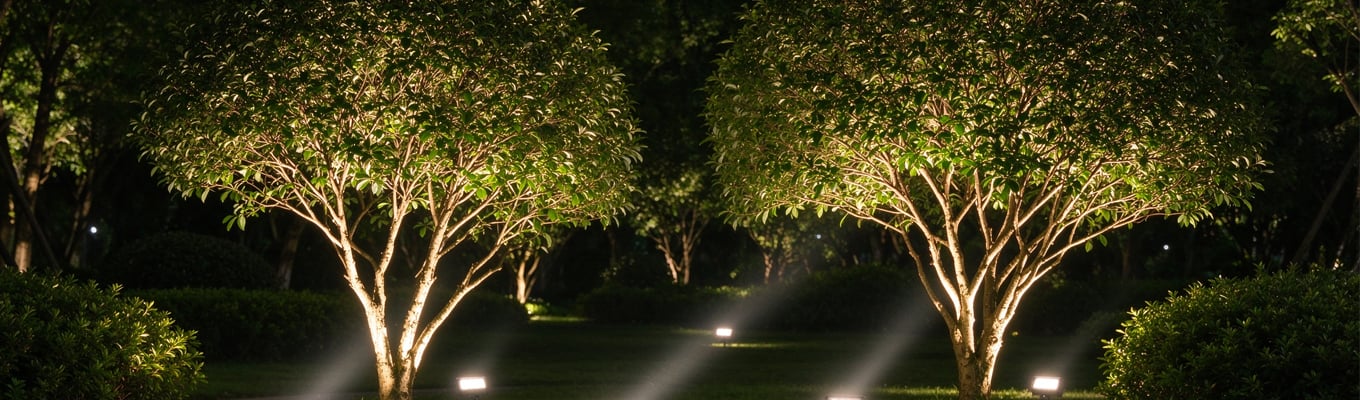
36 productsLED spot lights are usually used to create light and shadow effects, and their light emission angle is usually small, often between 15 degrees and 45 degrees, to focus the light and create a clear projection.
Through their small, concentrated light emitting angles, spot lights are able to project light in a targeted manner onto specific areas or objects to achieve precise and well-defined lighting effects. Spotlight VS Floodlight
This directional nature makes interior indoor spot lights ideal for emphasizing or highlighting specific spatial details such as artwork, decorative objects or other design focal points. Outdoor spot lights focus primarily on specific landscapes or trees, giving the entire scene a unique aesthetic at night. Looking for modern smart outdoor landscape spotlights for wireless control of home and commercial exterior projects? We also provide these products.
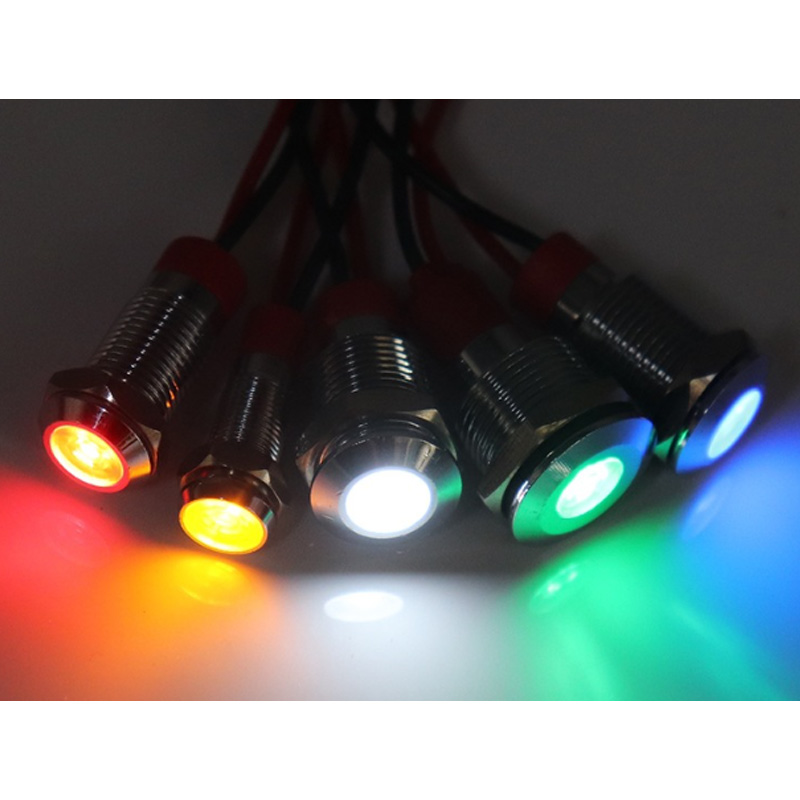
Mini Recessed LED Indicator Lights | Panel Mount 12mm
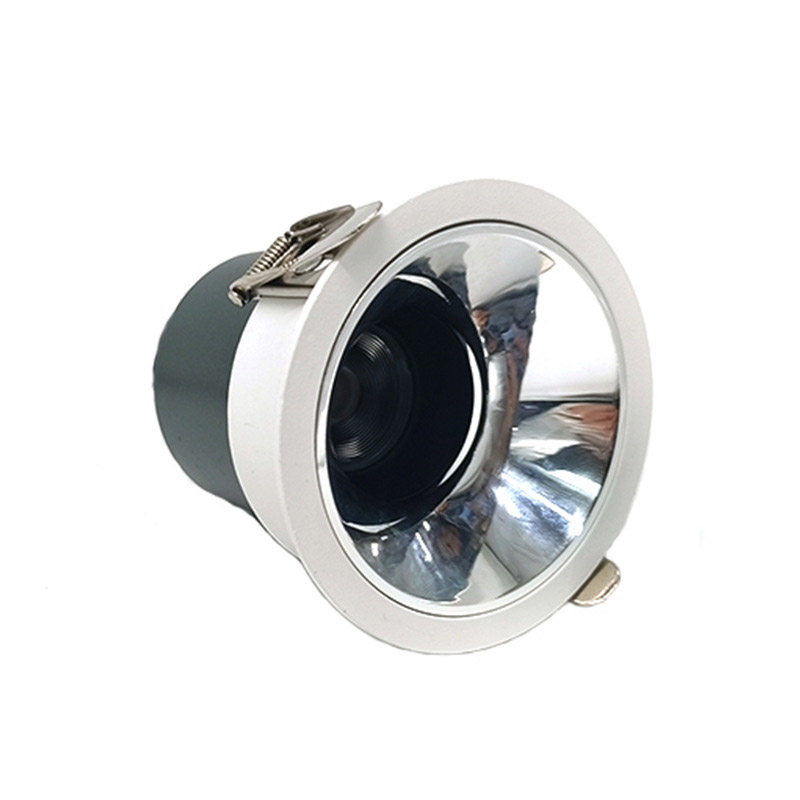
12W 3In Recessed Color Changing RGB RGBW DMX Led Can Lights
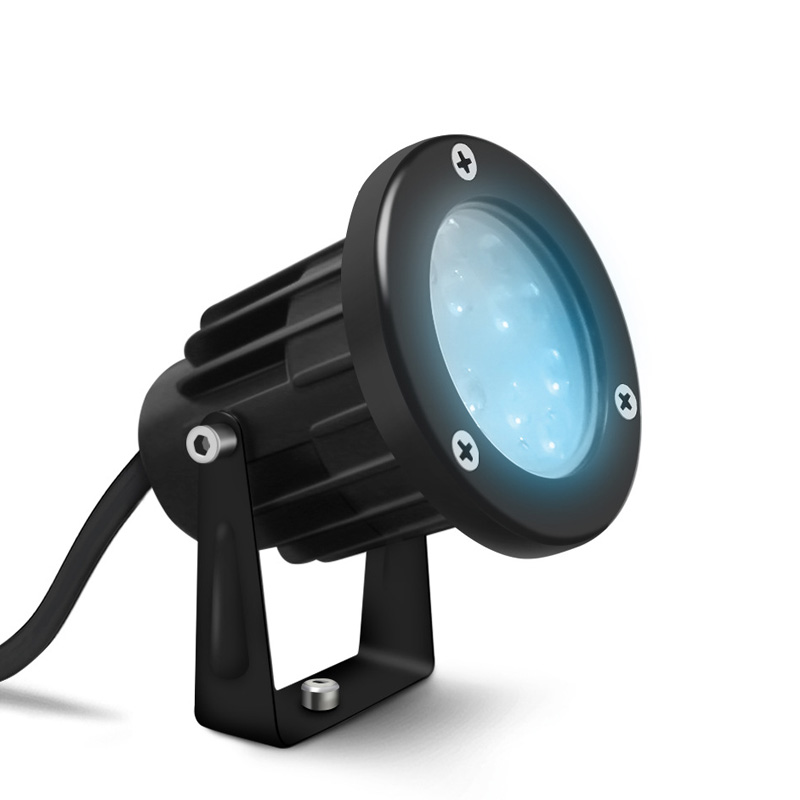
Gledopto Zigbee RGB+CCT 24V LED Landscape Spot Light - IP66
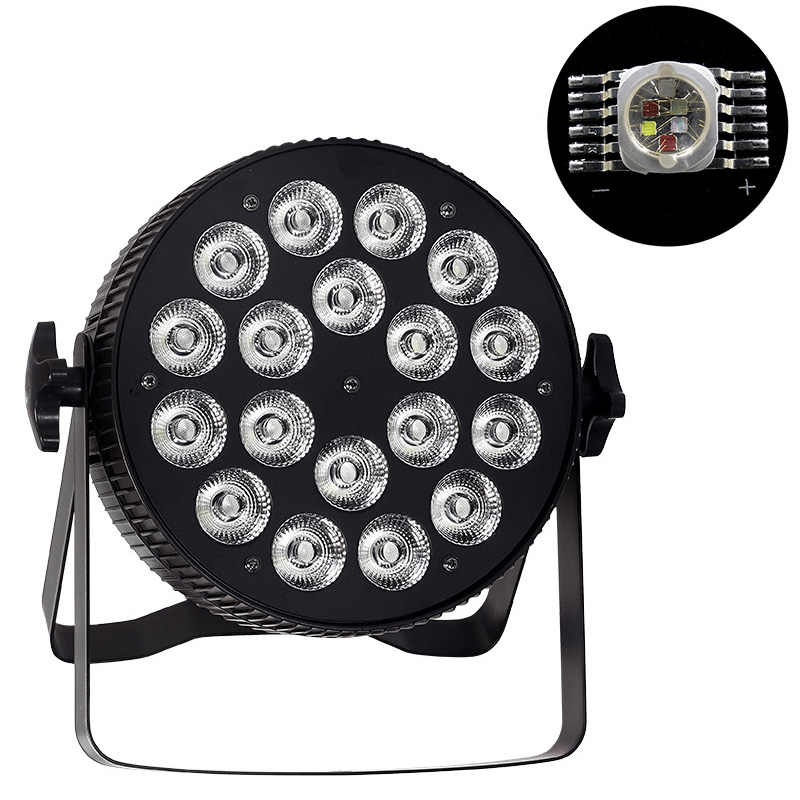
DMX 6-in-1 RGBW UV LED Par Light 18x18W
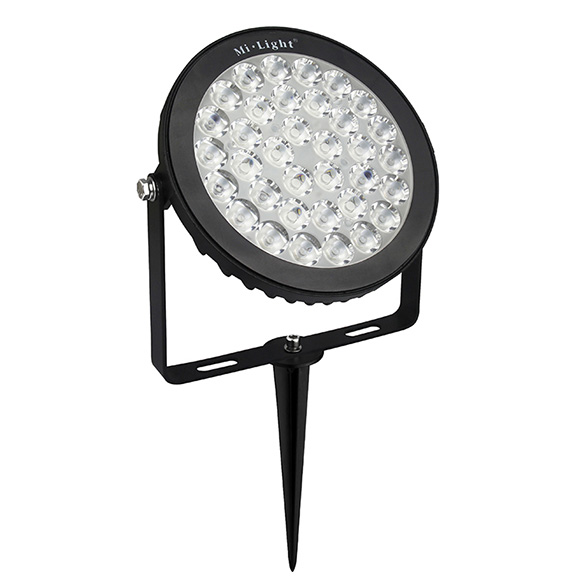
9W RGB+CCT LED Garden Lamp FUTC01 - IP65 Outdoor Landscape Lighting
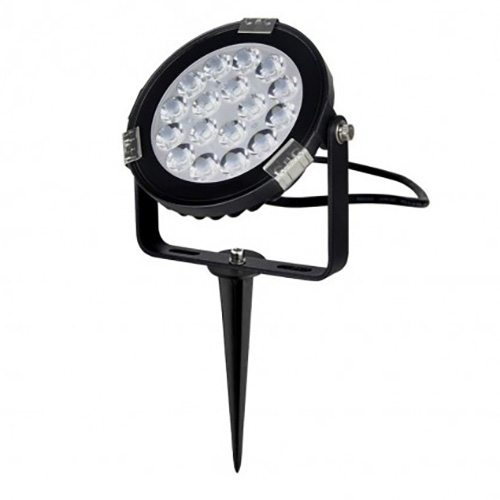
FUTC02 9W RGB+CCT LED Garden Lamp - IP65 Outdoor Smart Lighting
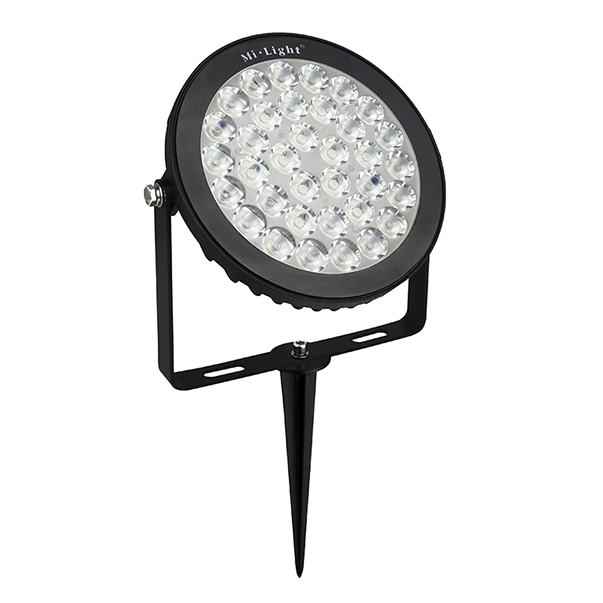
FUTC03 15W RGB+CCT LED Garden Lamp - IP65 Outdoor Smart Lighting
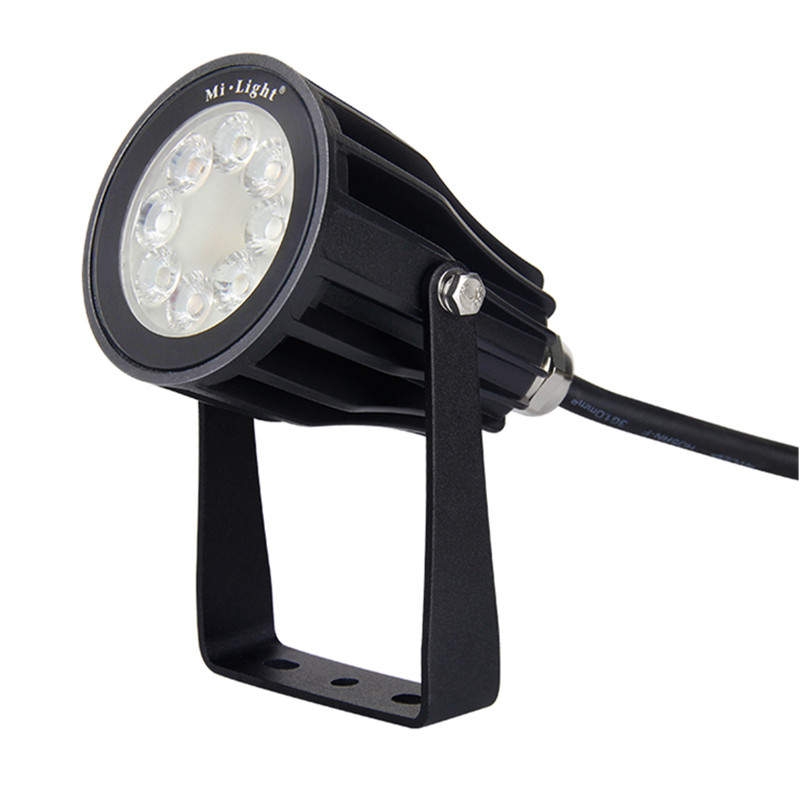
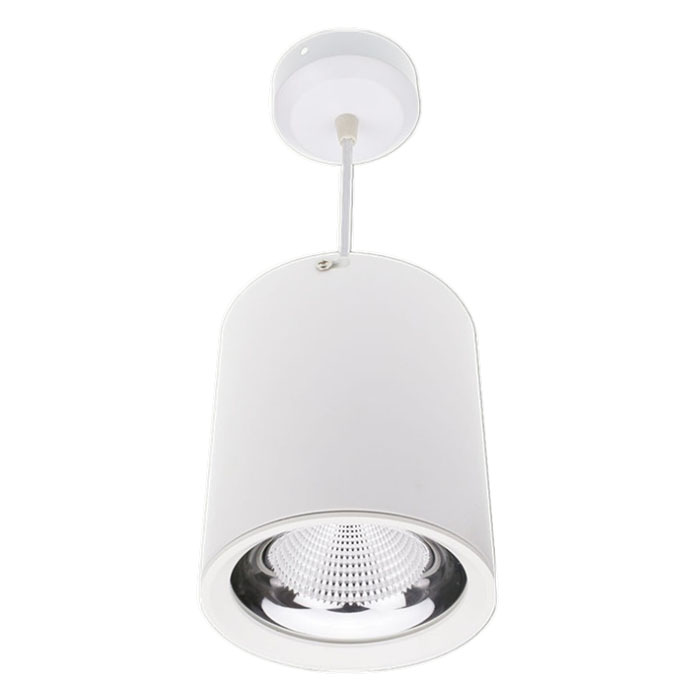
0-10V Dimmable LED Pendant Downlight UL Listed
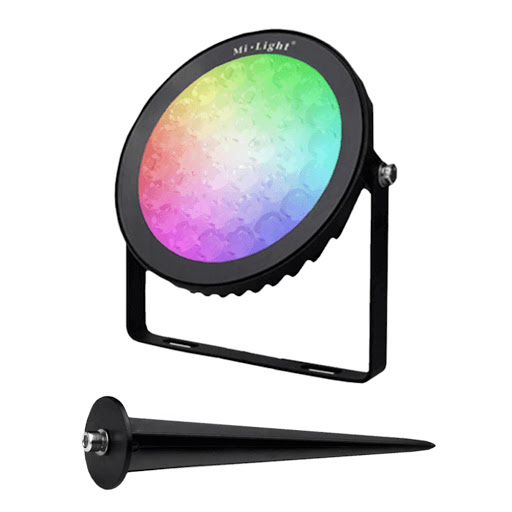
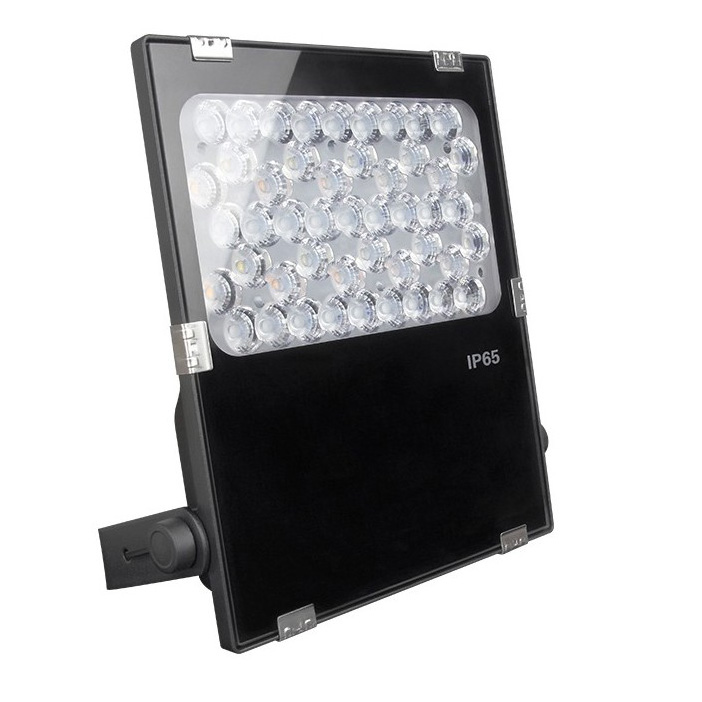
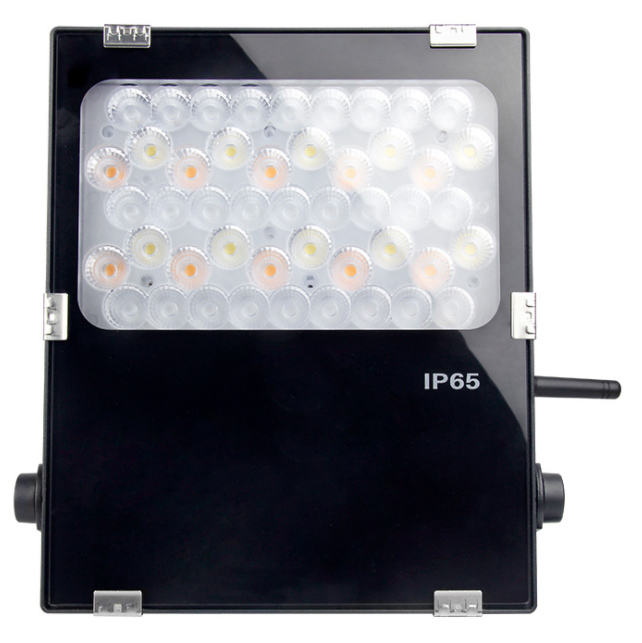
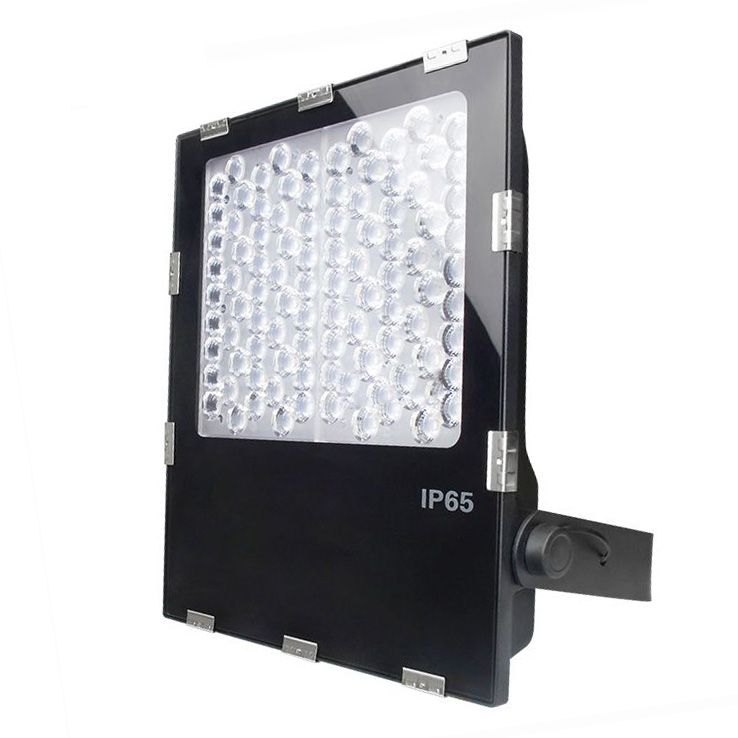
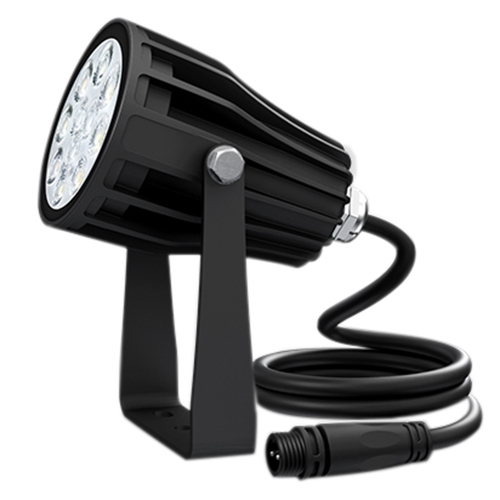
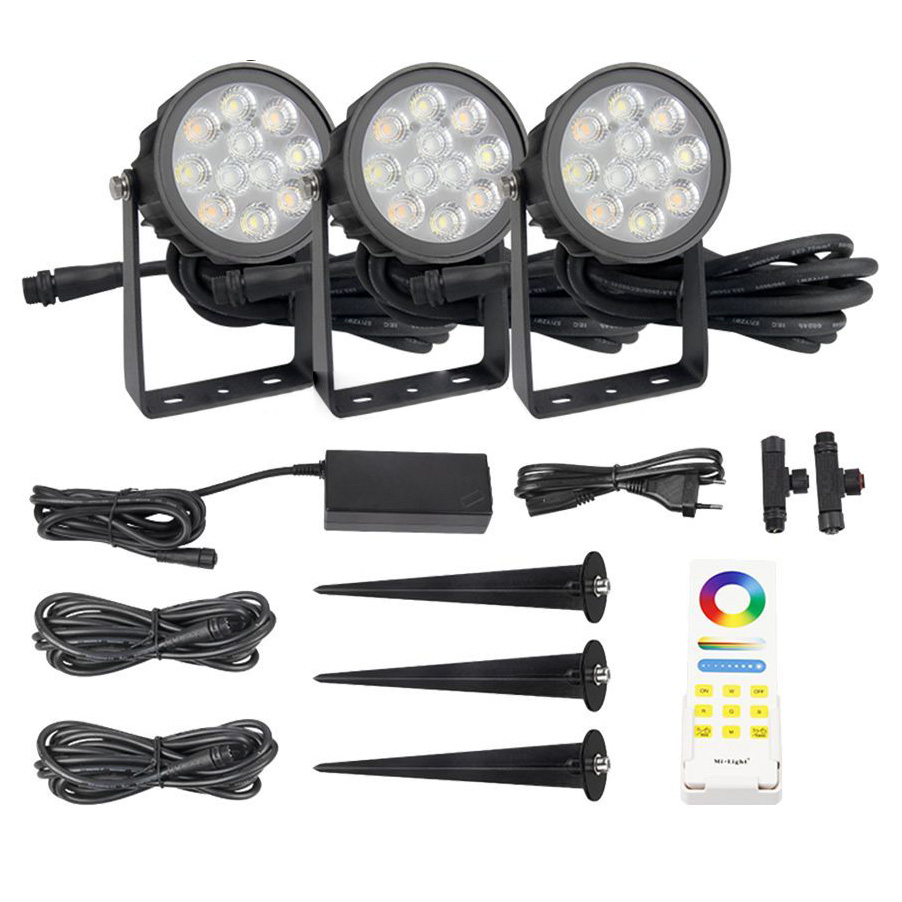
FUTC08A 6W RGB+CCT LED Garden Light Kit - Vibrant Outdoor Lighting
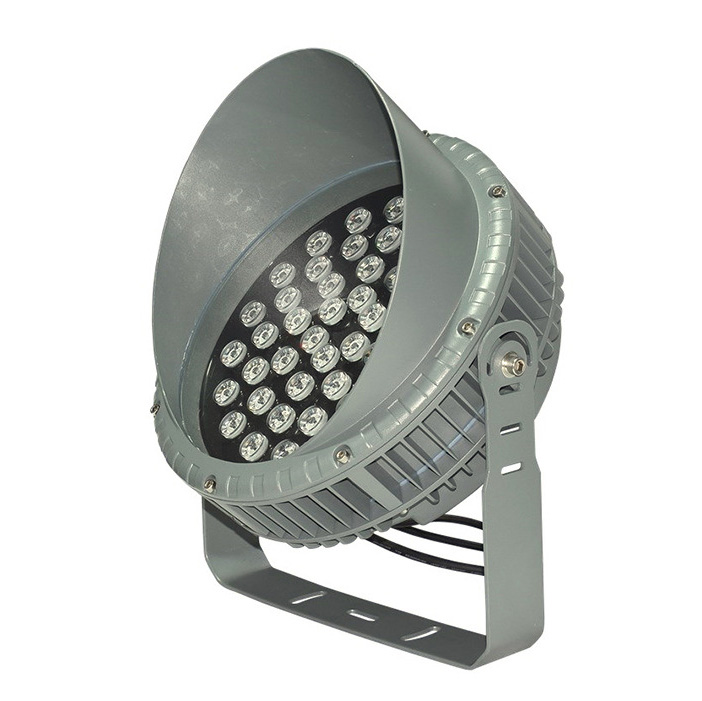
DC24V DMX512 RGB Waterproof Outdoor Led Spotlights
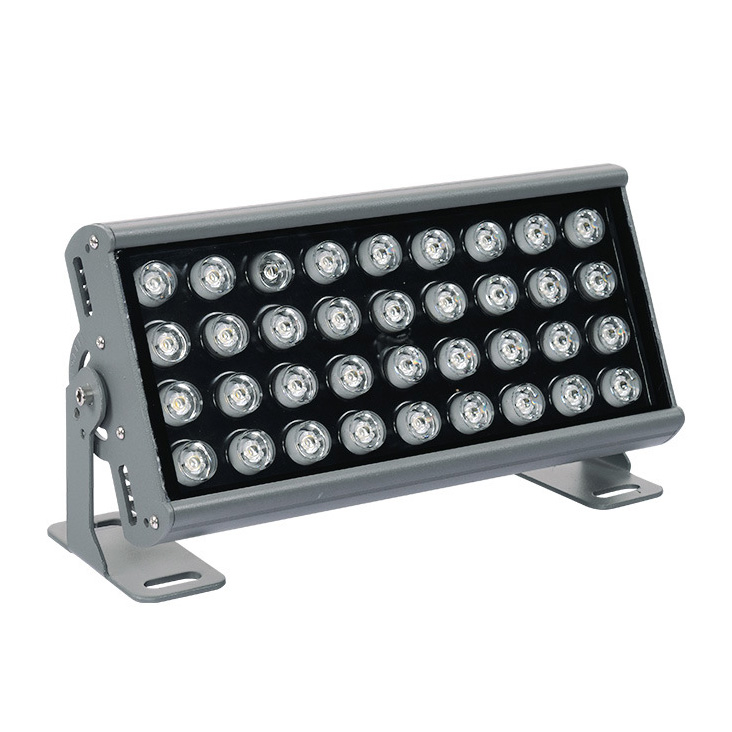
Outdoor Waterproof LED Spotlight - 24-96W Building Lighting
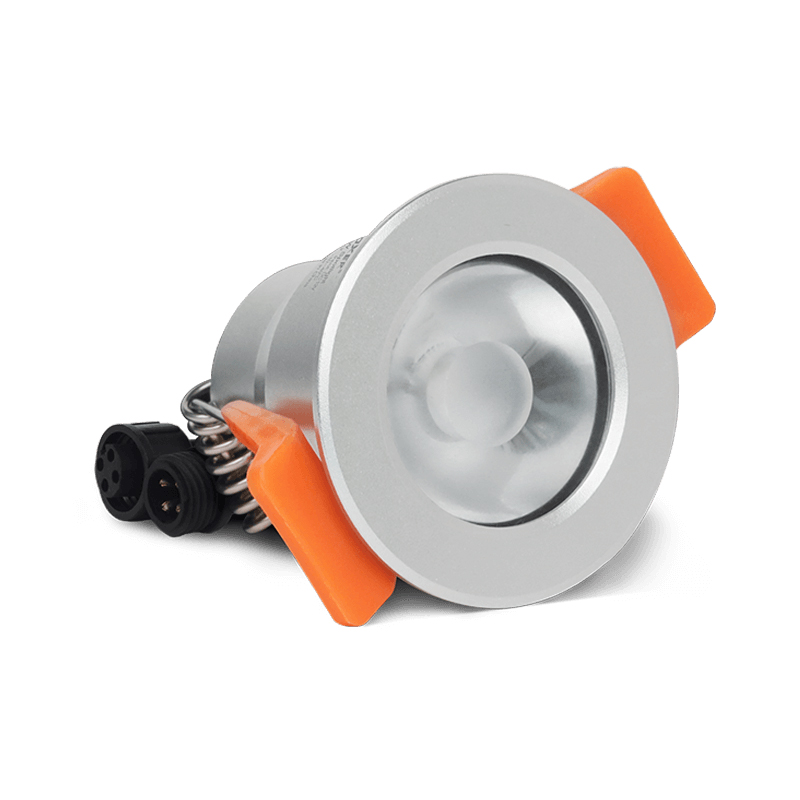
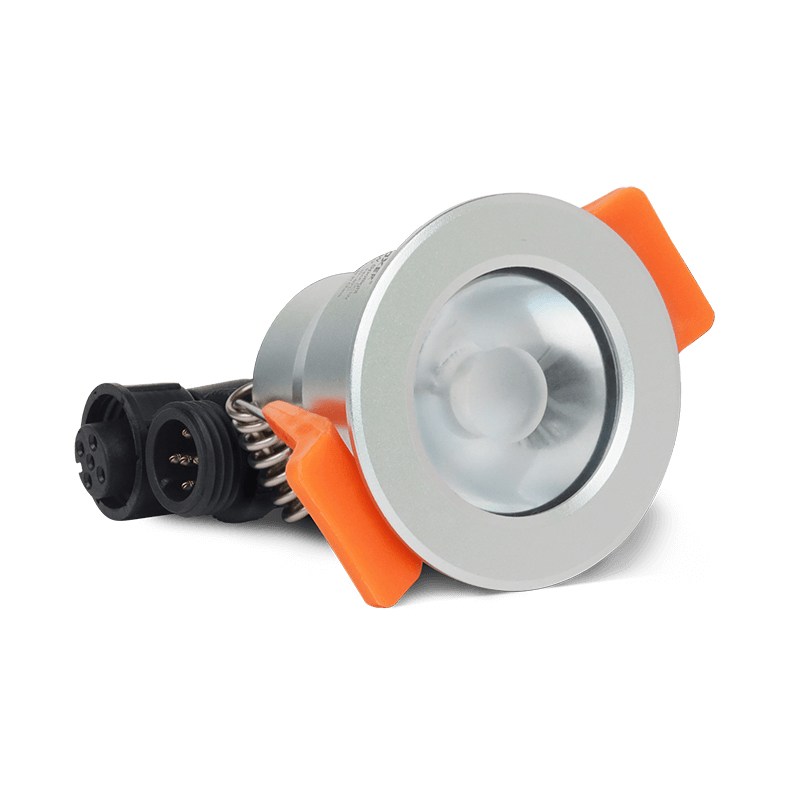
RGBW LED Spotlight SL4-12: Miboxer Compatible, Premium Aluminum
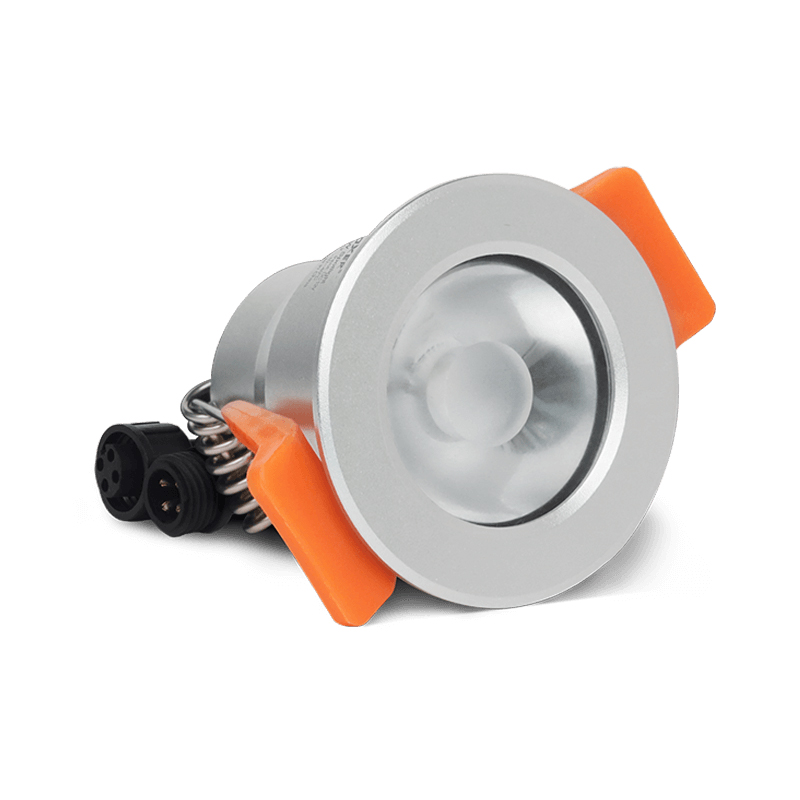
DC12V 3W Single Color LED Spotlight SL1-12 | Miboxer Comp.
Frequently Asked Questions About LED Spotlights
Your project's already wired in my head. Here are the questions I answer most often before a customer orders.
The 'best' color depends entirely on the mood you want. For a cozy, inviting feel in a living room, a warm white around 2700K is perfect. For outdoor landscape lighting, you might use a crisp 4000K to make greenery pop, or use full color to create drama.
Yes, but how you dim them depends on the spotlight's control type. Our DMX-controlled spotlights offer precise, flicker-free dimming right out of the box, which is standard for stage and architectural use. For our smart Zigbee landscape lights, you dim them through an app or a remote. If you're using a standard mains-voltage AC spotlight, you'll need to pair it with a compatible dimmable LED driver that works with your wall dimmer.
It's about how the light makes white. Standard RGB mixes Red, Green, and Blue to create a kind of purplish, low-quality white. RGBW adds a dedicated White LED chip, giving you a much cleaner, truer white. RGB+CCT is the top tier: you get full RGB color mixing, plus a separate pair of white chips that can be tuned from warm candlelight (2700K) to cool daylight (6500K). That's why it's our most common configuration; it gives you total control. Our guide to RGBW lighting explains more.
No, absolutely not. This is a common and expensive mistake. IP65 means the light is protected against dust and low-pressure water jets from any direction—think rain or a sprinkler system. It is not waterproof enough to be submerged. For a pond or fountain, you need a fixture with an IP68 rating, which is designed for continuous immersion in water. We list those separately in our LED underwater light category.
They're built for completely different jobs. DMX is a wired, rock-solid protocol used in theaters, concerts, and architectural lighting. It's built for instantaneous, perfectly synchronized control of hundreds of lights. Zigbee is a wireless mesh protocol for home and commercial automation. It's great for convenience—changing your garden lights from your phone—but isn't designed for the split-second timing required by professional stage shows.
UV spotlights are for specific tasks. The 395nm wavelength is the 'blacklight' you see at parties or for detecting pet stains; it makes fluorescent materials glow brightly. The 365nm wavelength is a more professional tool used for curing certain adhesives and resins, or for more serious forensic and inspection work. Don't buy a UV light for general illumination—it won't light up a room, just specific reactive materials.