
Lens Diffuser LED Strip Channel
26 products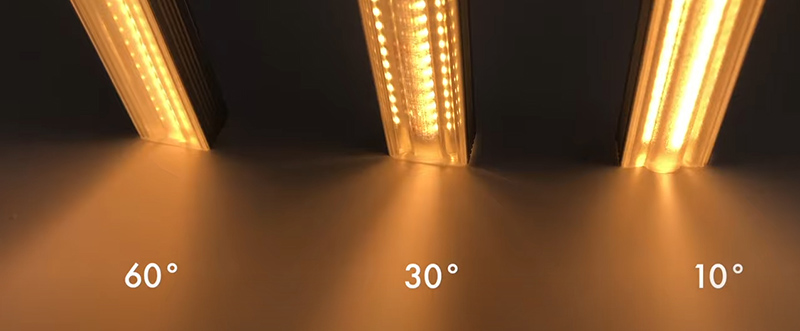
Lens LED Channel For LED Strip Lights concentrates LED light at a 10, 15, 20, 30, 45, 50 or 60 drgree narrow beam angle, perfect for accent lighting and wall grazing. Our led lense tape channel contains a variety of aluminum extrusion types, including surface mount, hanging, and recessed installations. The optional swivel bracket accessory makes it possible to find the perfect angle to hit your artwork or other key space for your ceiling or kitchen applications.
We offer both polycarbonate and acrylic lenses, available in clear, semi-clear (translucent), and milky white (opal) finishes to meet a variety of optical lens lighting needs. Transparent optical lens led cover provide clear light transmission and focused lighting effect. Semi-clear/translucent and opal/milky white light lens optical diffusers scatter LED light into an evenuniform pattern, also serve to shield internal fixtures and beautify strip light installations.
We also offer silver, white, and black aluminum led lens profiles to help create stylish LED strip lighting applications. Typically, these led lens diffuser light bar channels are 1m/2m long and come with light optical lenses, end caps, and mounting clips (no led strips). What LED Strip Widths Are Available?
Alu LED Bar Light Beam Angle Versus
| Beam Angle | 10 ~ 15 | 20 | 30 |
| Description | Very narrow beam angle | Moderately narrow beam angle | Medium beam angle |
| Occasion | Art museum, art objects exhibition, retail display, focus lighting | Window display, accent lighting | General lighting for homes, offices |
| Beam Angle | 45 | 50 | 60 |
| Description | Medium wide beam angle | Wider beam angle | Wide beam angle |
| Occasion | Hotel lobbies, office lighting | Kitchens, large office lighting | Soft lighting for living rooms, bedrooms |
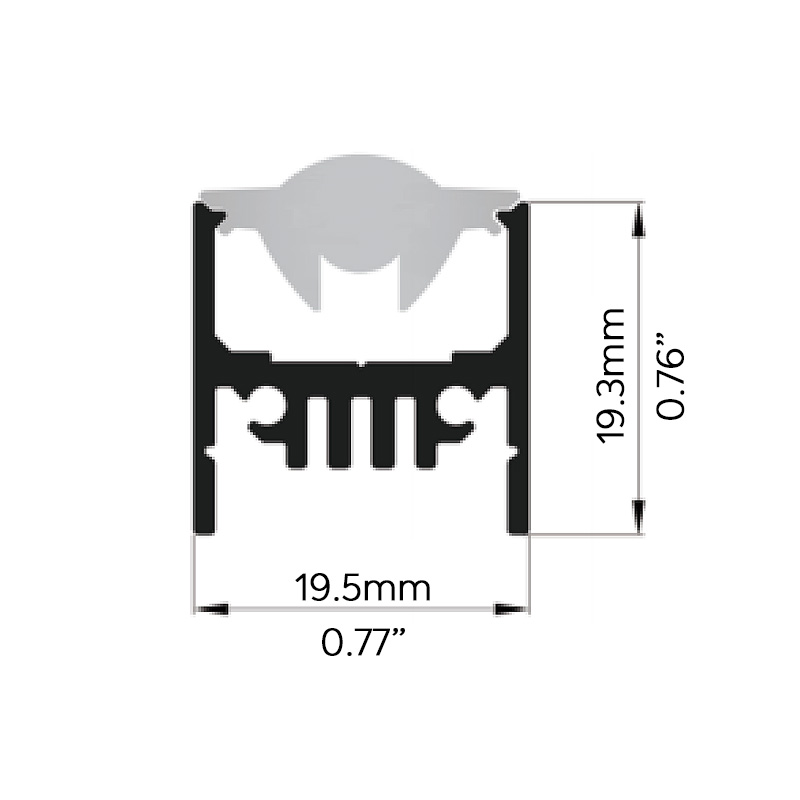
10 Degree Beam Angle LED Strip Light Clear Lense Aluminium Channel

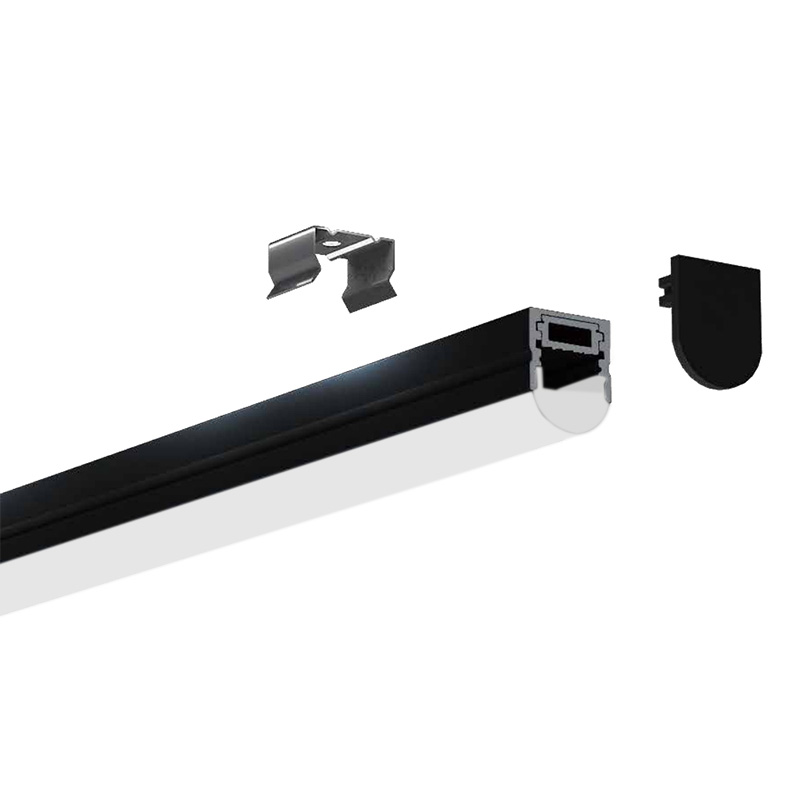
15°~60° Lens Black Aluminum Profile For LED Strip Lighting - 17*21mm
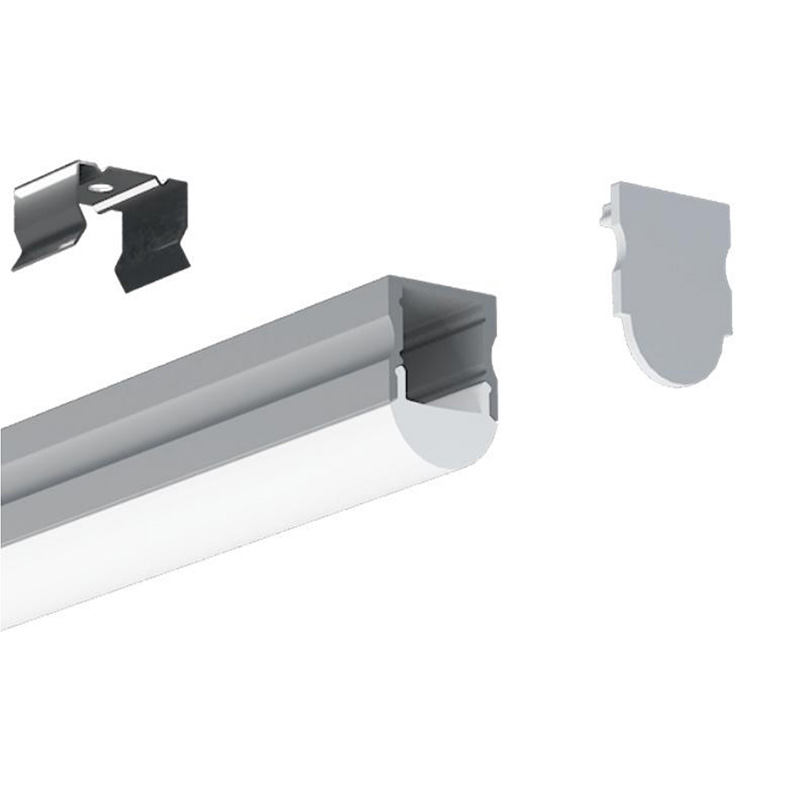
15° Lens LED Strip Light Aluminum Profile For 12mm Tape Light
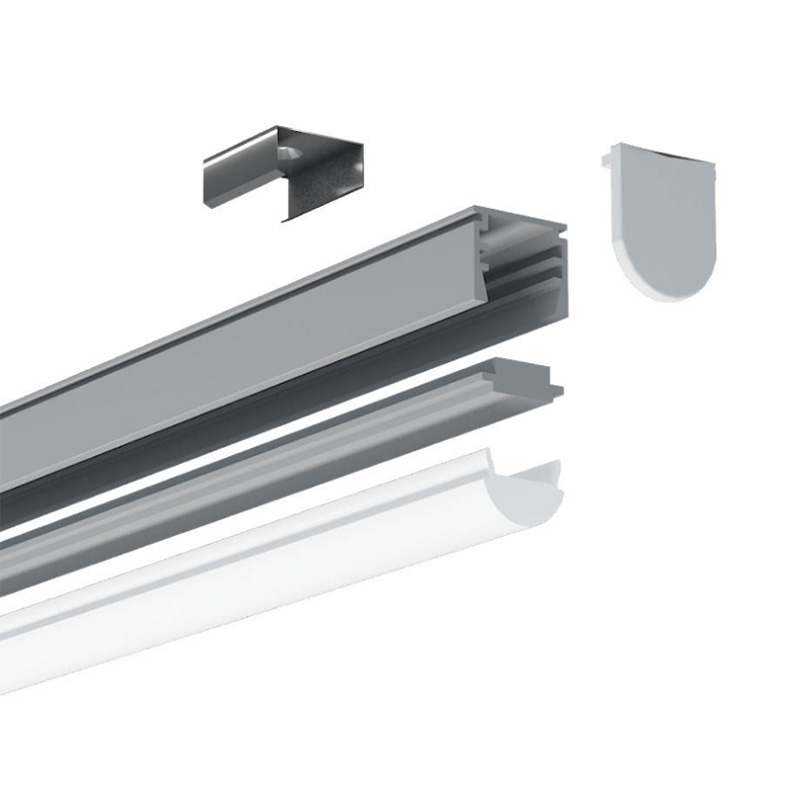
LED Strip Aluminum Channel with 20° Lens | Wall-Grazing Light
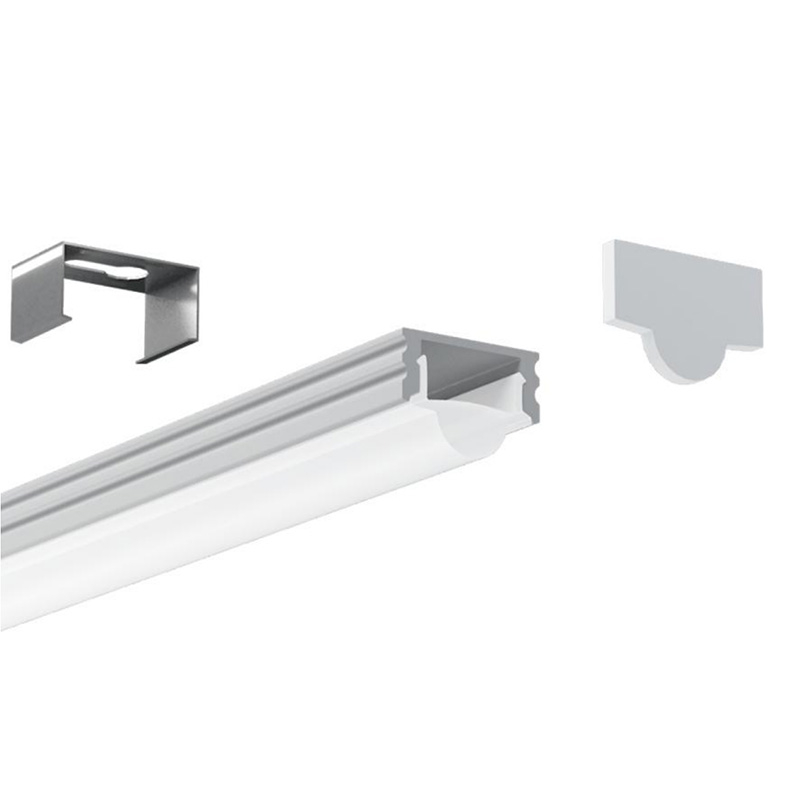
Aluminum LED Strip Diffuser Channel With 20° Lens | SuperLightingLED
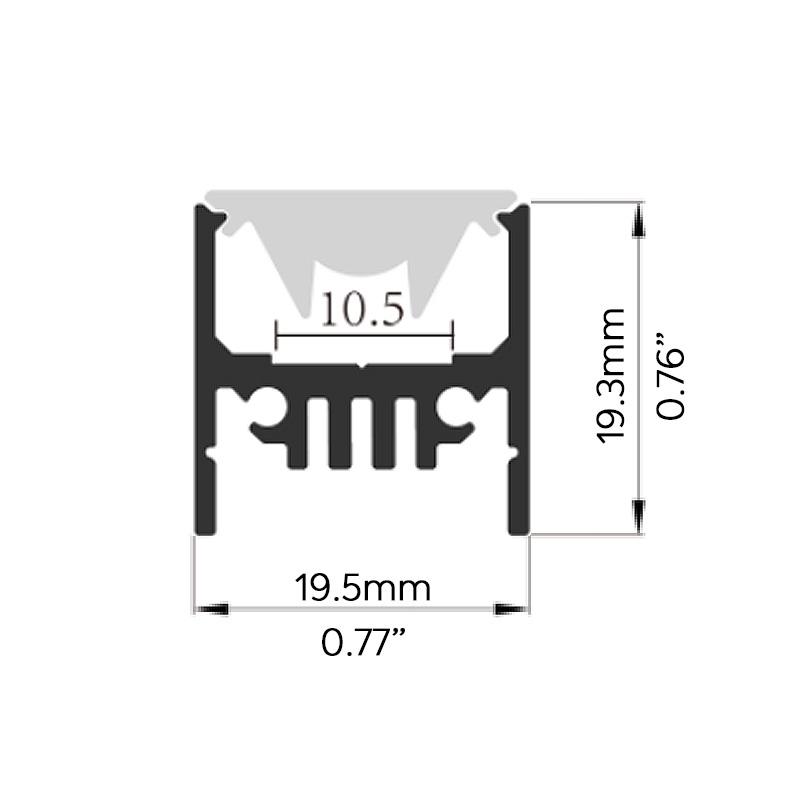
30 Degree LED Strip Light H-shape Aluminum Channel 19*19mm
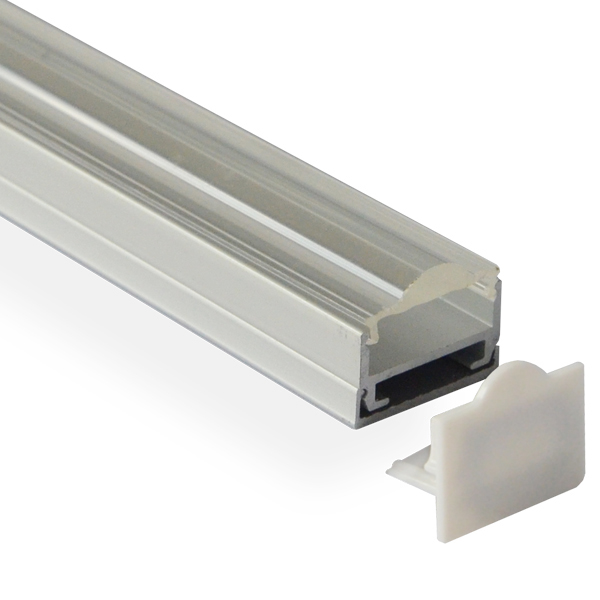
30° Lens Surface Mounted Aluminum LED Light Diffuser Channel
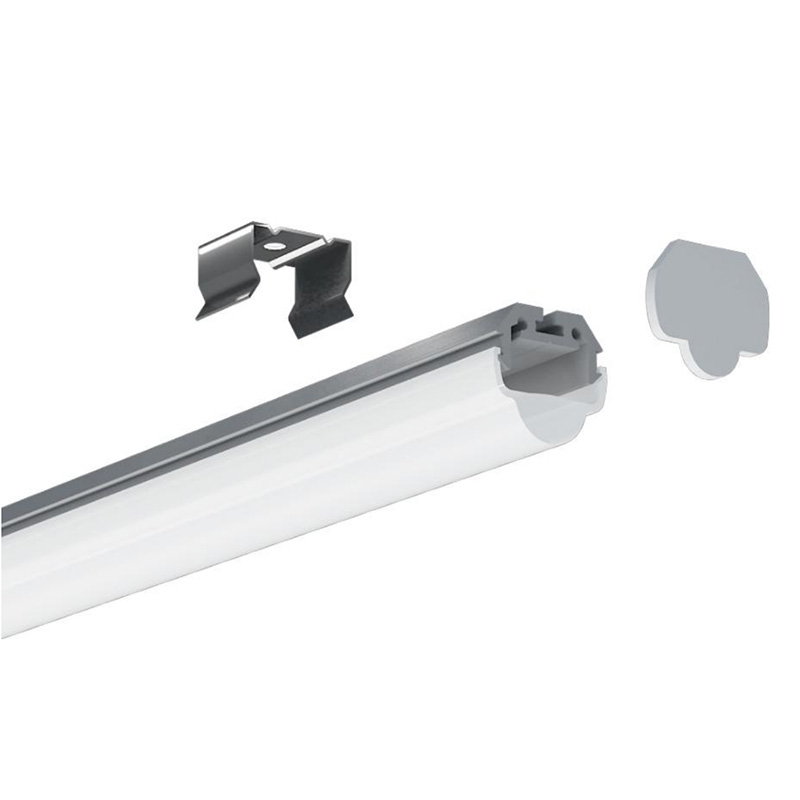
30° Lens LED Channel for 10mm Rope Lights - Wall Grazing
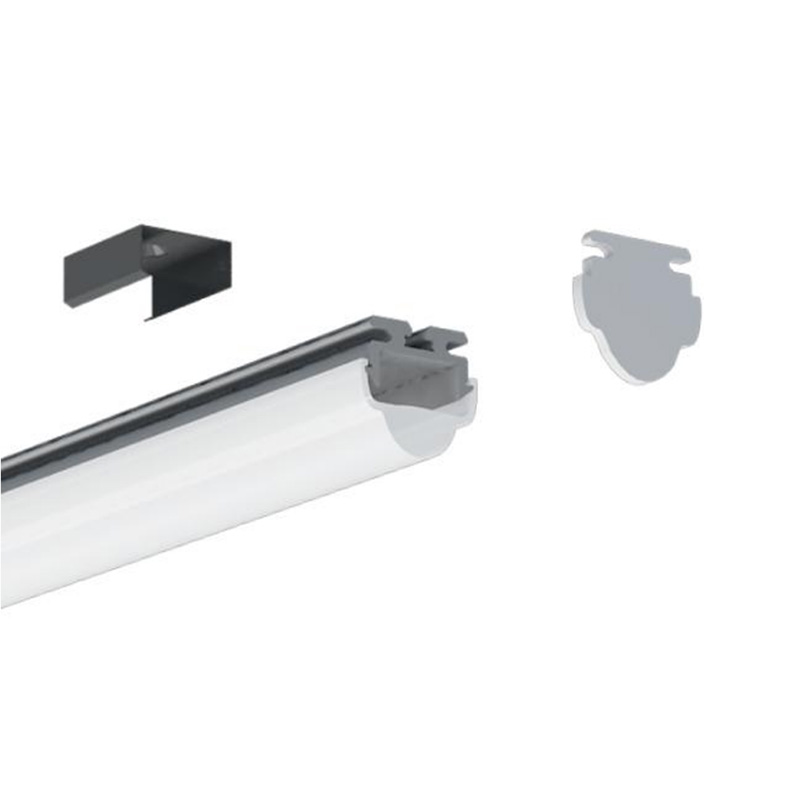
30° LED Light Strip Channel - Wall Grazing & Accent Lighting
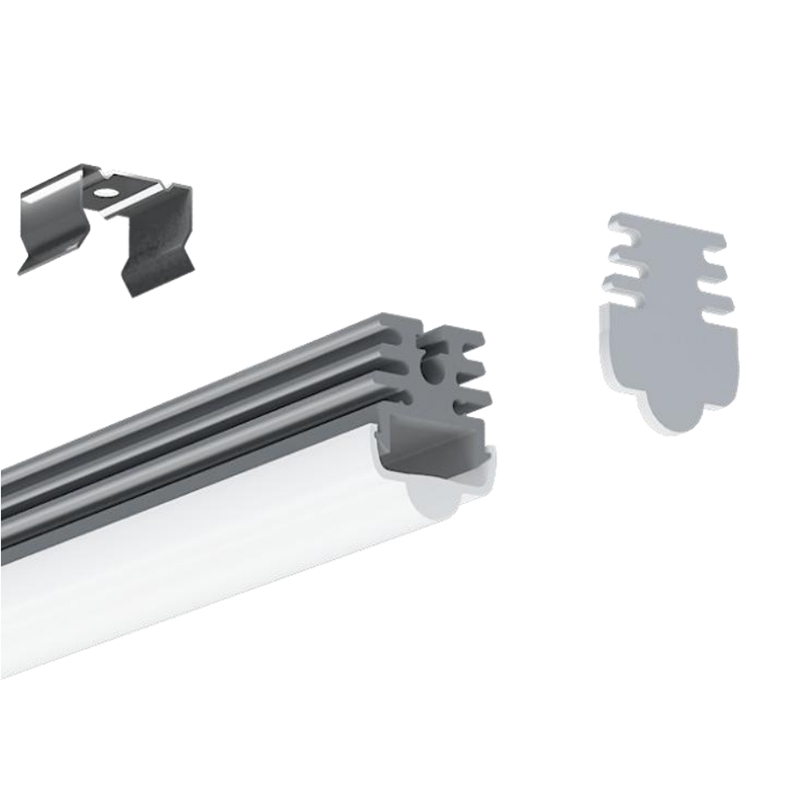
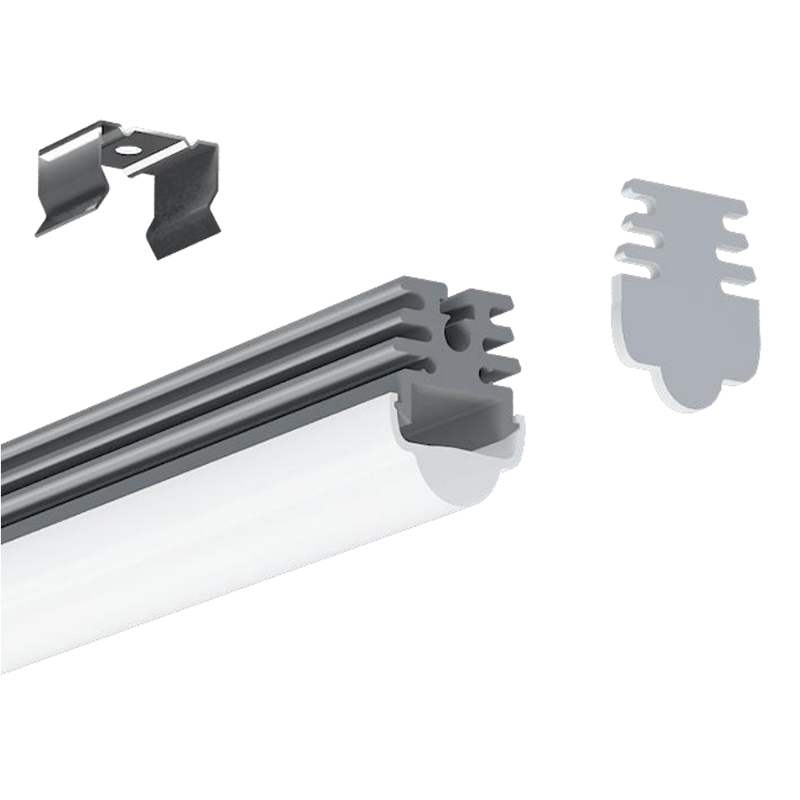
30° Lens Aluminum LED Strip Light Channel - 18*22.7mm
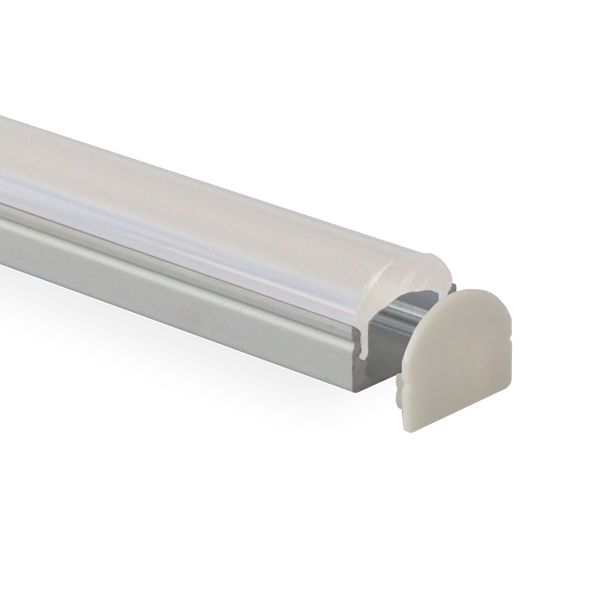
45° LED Diffuser Channel (12mm) - Recessed/Surface Mount Aluminum Profile
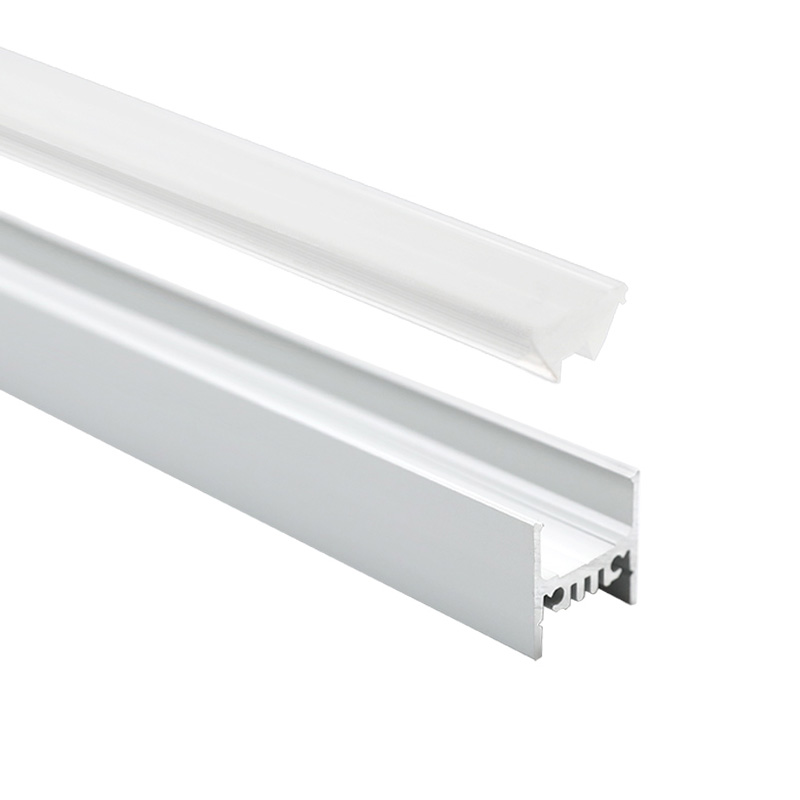
60 Degree Beam Angle LED Strip Aluminum Channel With Flat Clear Lens
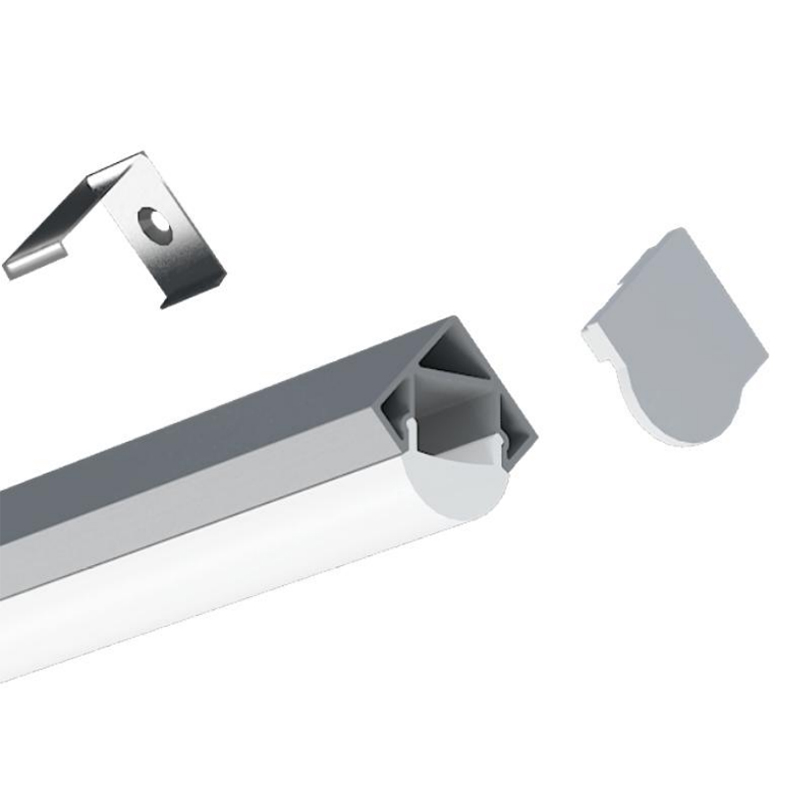
60° Lens Aluminum LED Corner Channel - 18*18mm
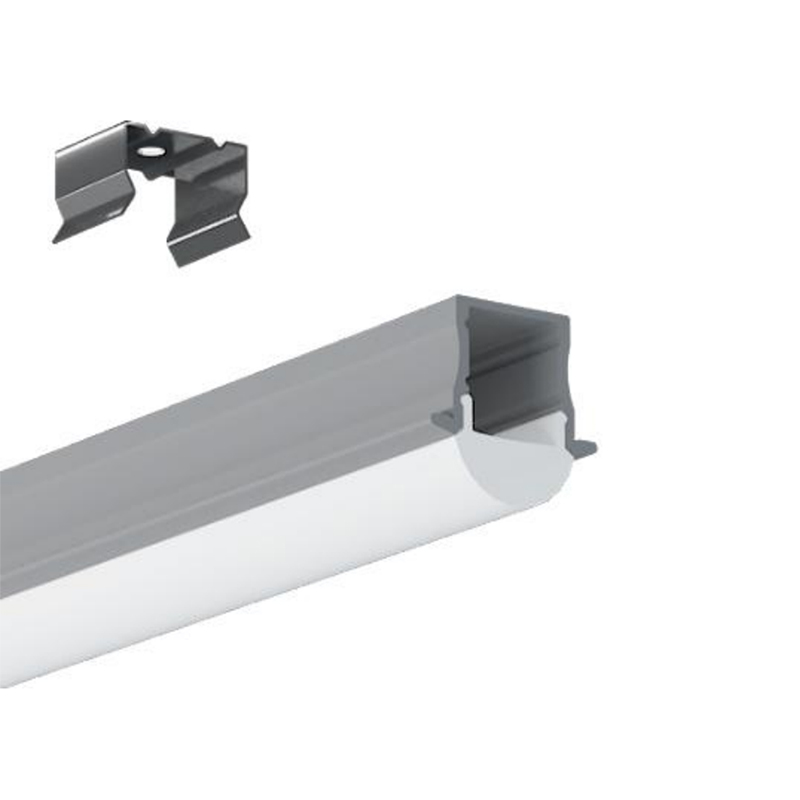
Recessed 60° Lens LED Channel for 12mm White Strip Lighting
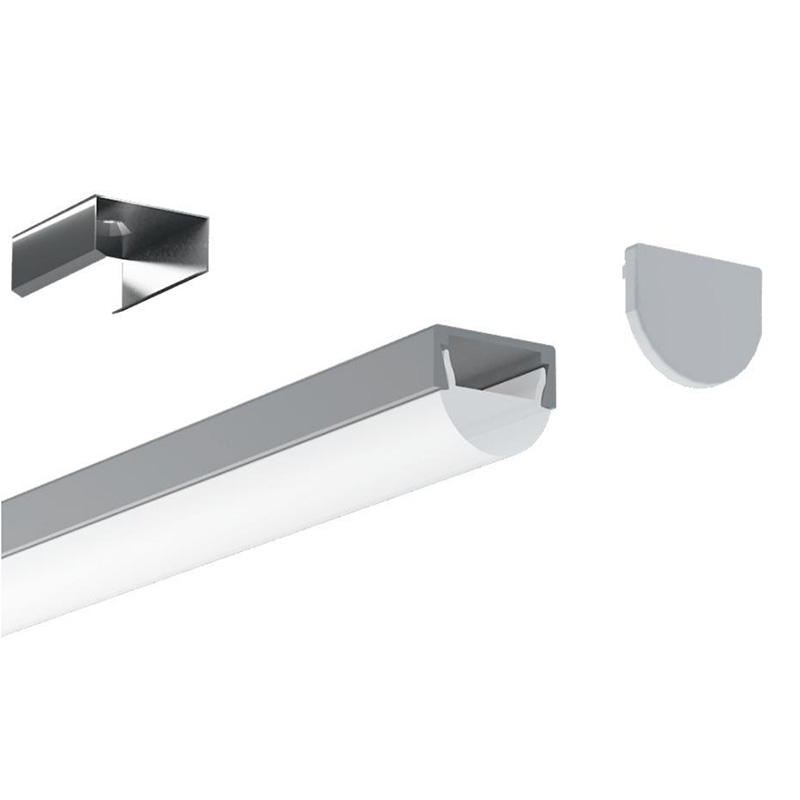
Led Channel Aluminum Channel - Premium Led Lighting Solution for Yo...
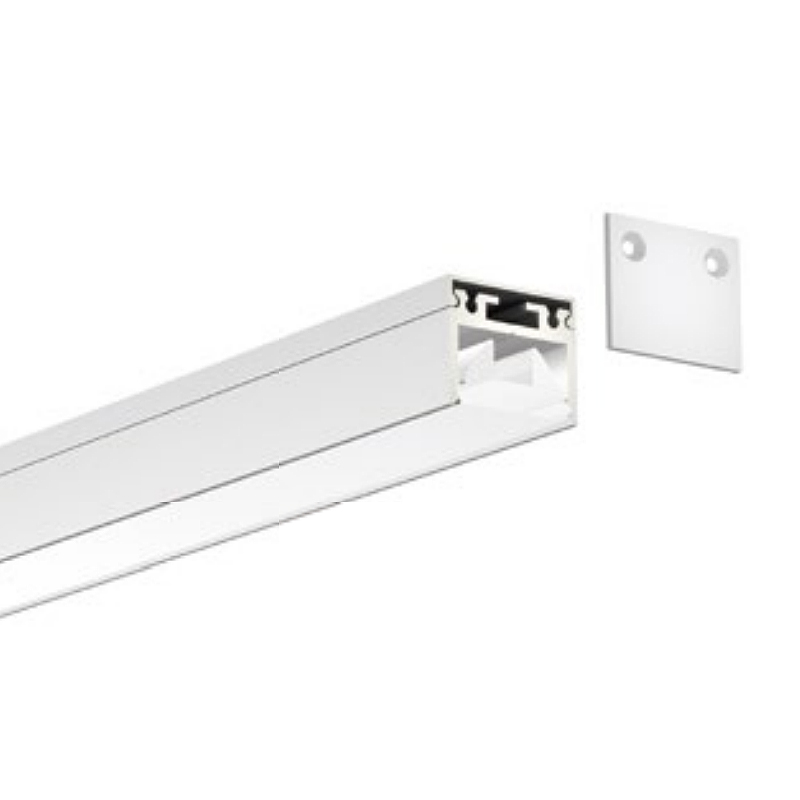
50 Degree Lens LED Light Diffuser - For 15mm Wide Strip
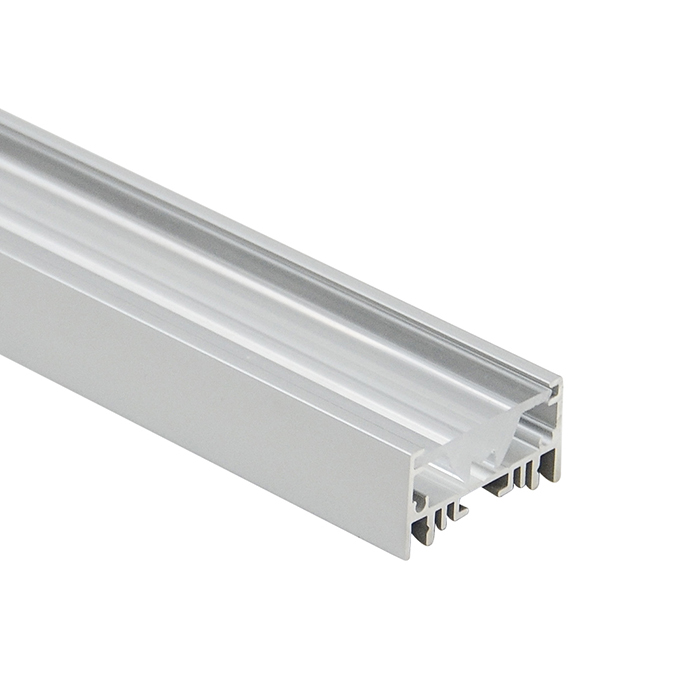
30 Degree 60 Degree PMMA Clear Lens LED Strip Profile
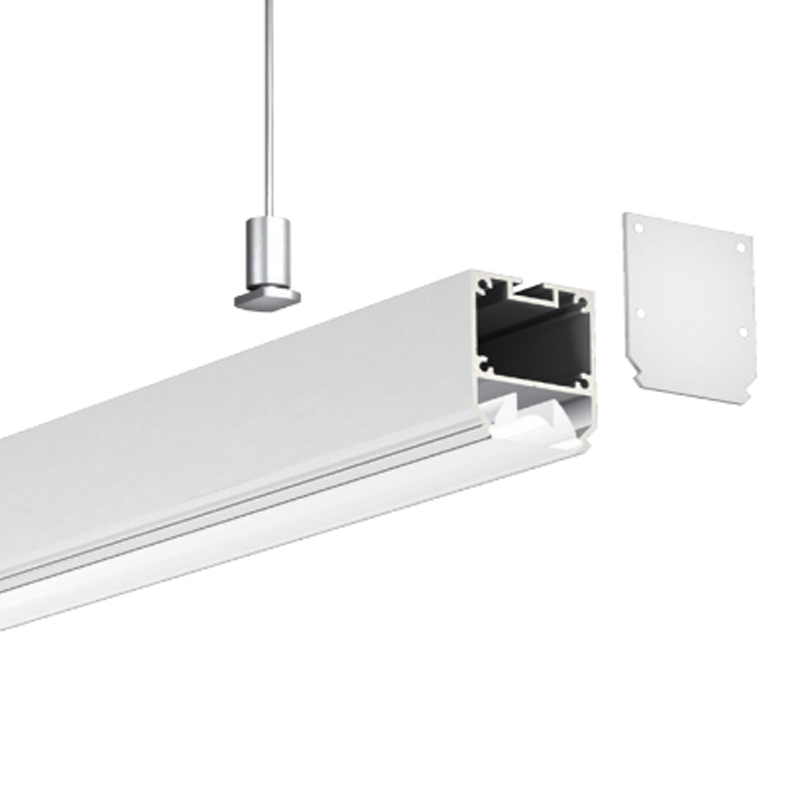
10 Degree LED Strip Suspended Ceiling Spotlight Lense Diffuser Profile
Turn Wide LED Strip Light into Focused Linear Lighting
Most standard LED strips naturally spread light across a relatively wide beam, typically around 120° or more. That's useful for general illumination, but not every project needs light to spread everywhere.
At SuperLightingLED, we use optical lens covers to reshape the output of LED strip lights into focused 10°–60° beams. Instead of allowing light to scatter across the surrounding area, our lens channels direct it toward the surface or object you want to illuminate.
This makes our lens LED channels particularly useful when light direction and visual emphasis matter more than wide-area illumination.
Ideal for: artwork, displays, architectural details, feature walls, shelves, retail products and other targeted lighting applications.
When you're lighting a product display, artwork, architectural detail or decorative object, uncontrolled light can wash over the surrounding area and reduce visual contrast. We designed our narrow-beam lens channels for exactly this situation.
Frequently Asked Questions About Lens Diffuser LED Strip Channels
Got questions before you buy? I've answered these thousands of times. Here are the common ones for lensed channels.
A regular milky diffuser just softens and spreads light, mostly to reduce hotspots. A lensed led light strip lighting channel uses an actual optical lens to grab that light and focus it into a specific, controlled beam—like 10, 30, or 60 degrees. You use it to create sharp lines of light, graze textured walls, or spotlight artwork, not for general room lighting.
The beam angle tells you how wide the cone of light is. For these channels, a narrow 10-degree beam is like a tight spotlight, perfect for hitting a small feature from a distance. A wider 60-degree beam is better for 'grazing' a textured surface like a stone wall, highlighting shadows and depth across a broader area. Start by deciding if you're trying to hit a specific spot or wash a whole surface.
Not really. The main job of a led channel with lens diffuser is to focus the light, not to hide the LEDs. A clear lens can actually make the dots look even sharper. If your goal is a completely dot-free *and* focused beam, you'll need to use a strip with a very high LED density, like a COB LED strip, inside the channel.
No, the lens itself sets the beam angle. The lens is a piece of solid optics that physically redirects the light rays. A 30-degree lens will produce a 30-degree beam whether you put a low-density or high-density strip inside. The *brightness* and *smoothness* of that beam will change a lot, but its angle won't.
Nine times out of ten, this means the LED strip isn't centered perfectly under the lens. These optical lenses are designed with the assumption that the light source is in a very specific position. Make sure the strip is stuck down flat and running straight down the middle of the channel's base.
Absolutely. Send us your sketch—a CAD file, a photo of a napkin drawing, anything works—and tell us the exact lengths and angles you need for your install. An engineer will send back a complete parts list and quote, usually the same business day.