
LED Human-Sensor Night Light
23 productsIntelligent Motion Sensor Night Light for Safer Living. Experience effortless illumination with our premium collection of LED motion sensor night lights. Designed with advanced PIR (Passive Infrared) technology, these night lights with motion sensors detect human activity within a wide range, instantly brightening your path during midnight trips to the kitchen or late-night arrivals. By automatically deactivating when no movement is detected or when ambient light is sufficient, these energy-efficient night LED light solutions eliminate the need for manual switches, providing a hands-free lighting experience that enhances home safety and reduces power consumption.
Versatile Power Solutions for Every Environment
Choosing the right power source is essential for maximizing the utility of your sensor light night lighting. Our collection offers three distinct configurations to suit your specific household needs:
• Plug-in Models: The ultimate "set and forget" LED sensor night light solution for hallways, bathrooms, and bedrooms with available outlets. They provide continuous, reliable power without the need for maintenance.
• Battery-Operated: Ideal for "dead zones" like dark closets, under-cabinets, or stairs where wiring is non-existent. These portable motion sensor indoor night light units offer maximum flexibility for indoor organization.
• Solar-Powered: Optimized for eco-friendly outdoor security. Perfect for porches, pathways, terraces, and garden fences, these night time sensor outdoor lights units harness daylight to provide high-intensity safety lighting throughout the night.
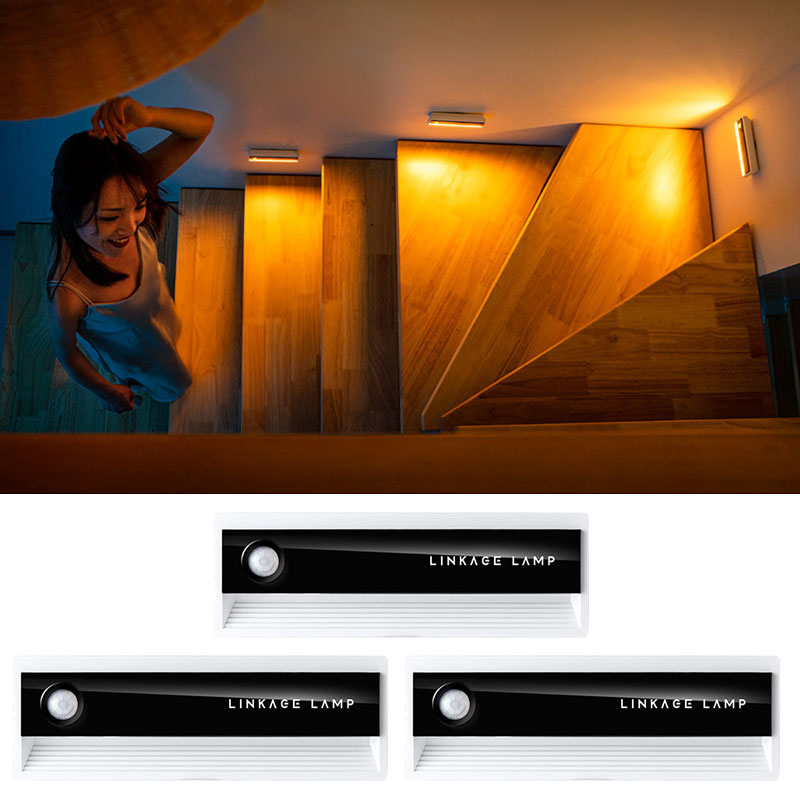
Linkage Motion Sensor Rechargeable Magnetic LED Stair Lights
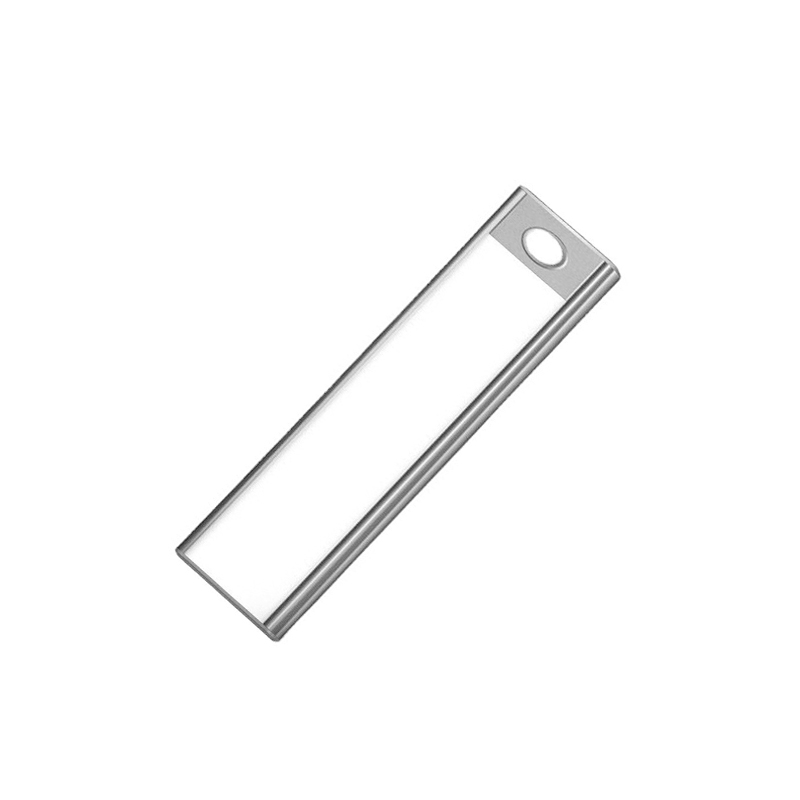
9 Inch Thin LED Motion Sensing Closet Light Bar Magnetic USB Rechargeable

Motion Sensor LED Night Light - Auto On/Off Human Body Induction Lamp
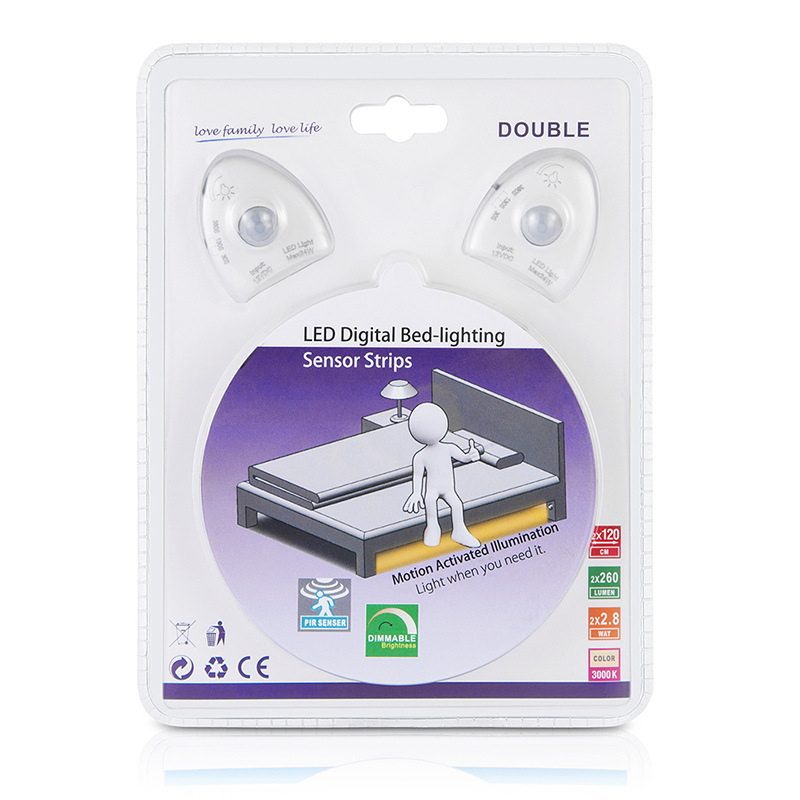
IP65 4ft Warm White Motion Sensor LED Strip Light Kit
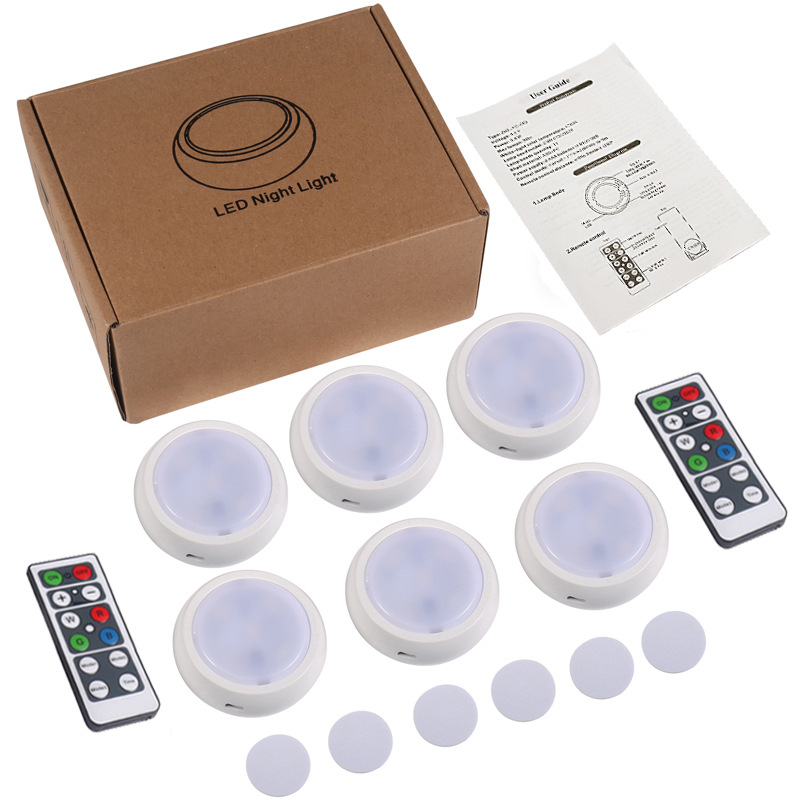
Rechargeable Batteries Homelife LED Lights Wardrobe Closet Lighting Emergency LED Night Light Cabinet Lighting DC5V RGBW
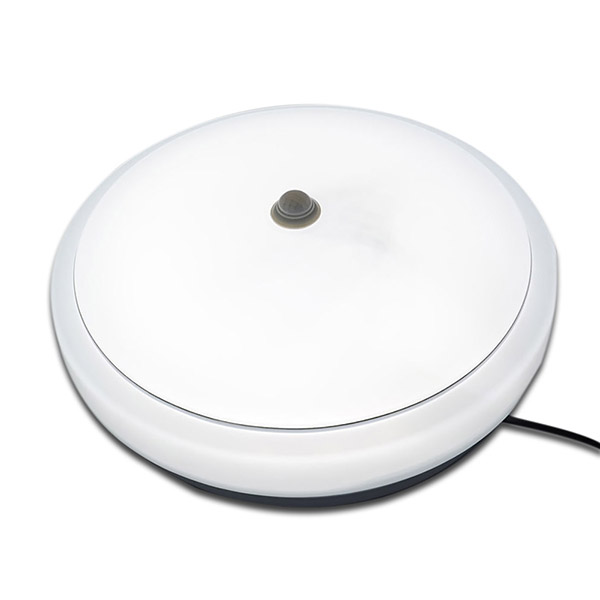
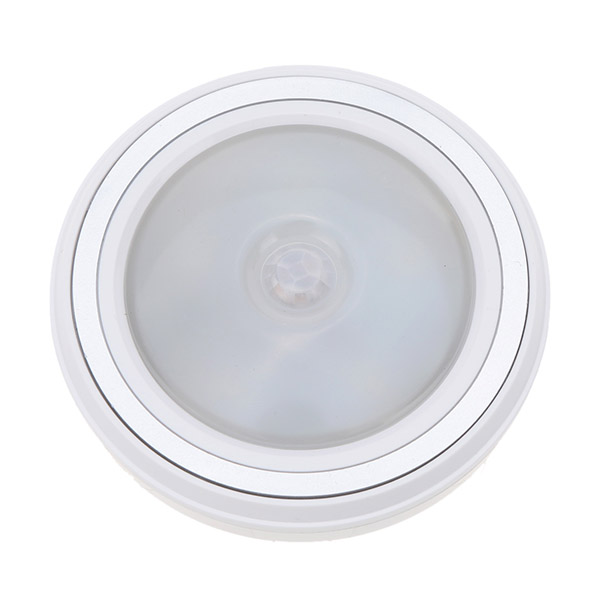
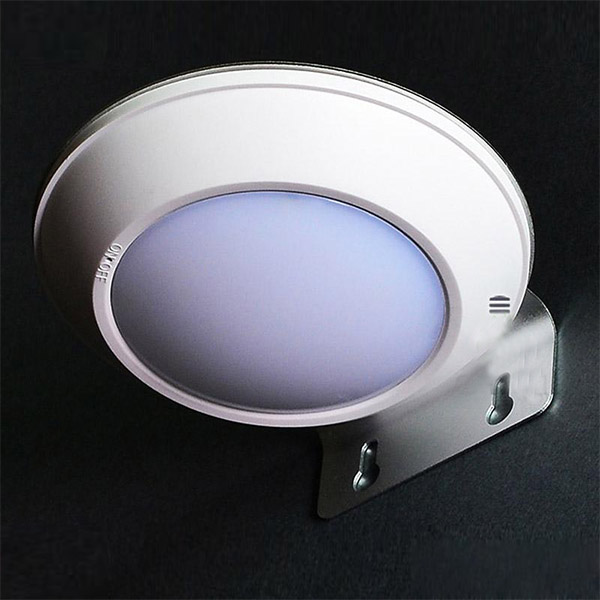
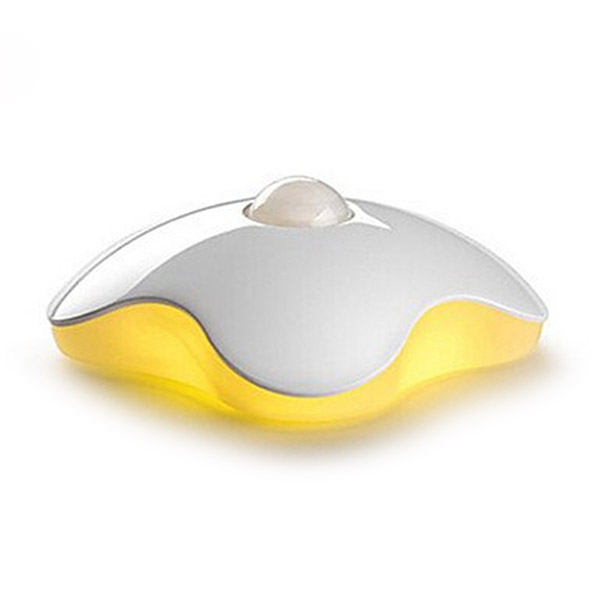
DS38 LED Motion Sensor Night Light - Battery PIR Emergency Lamp
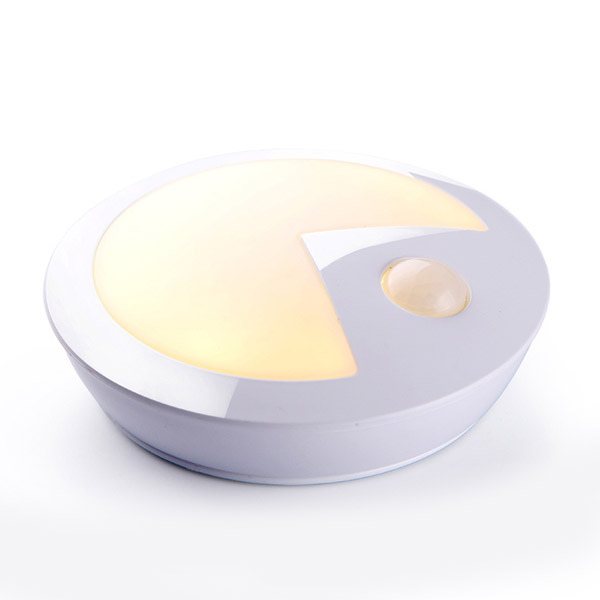
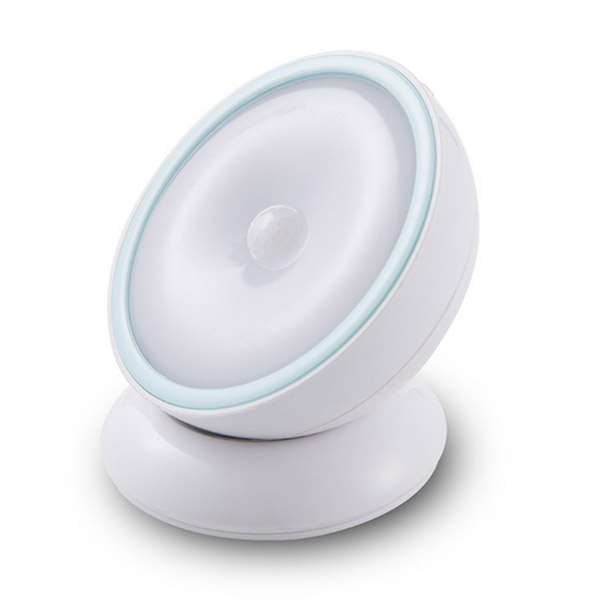
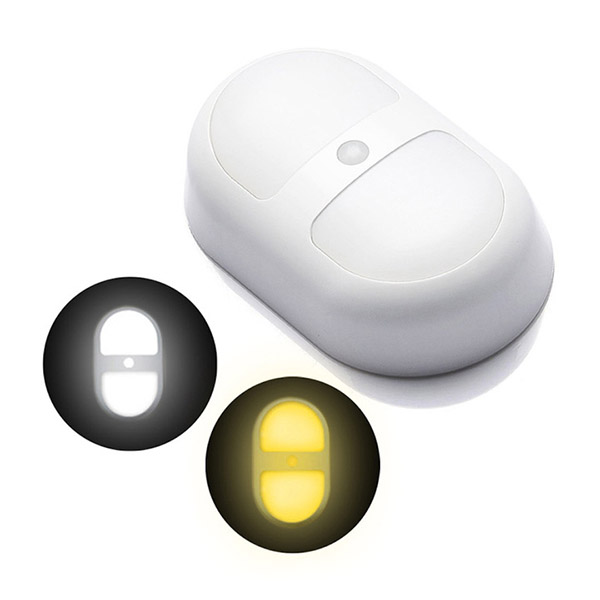
DS41 Motion Sensor LED Nightlight - Portable, AA Battery Powered | Warm/Cool White
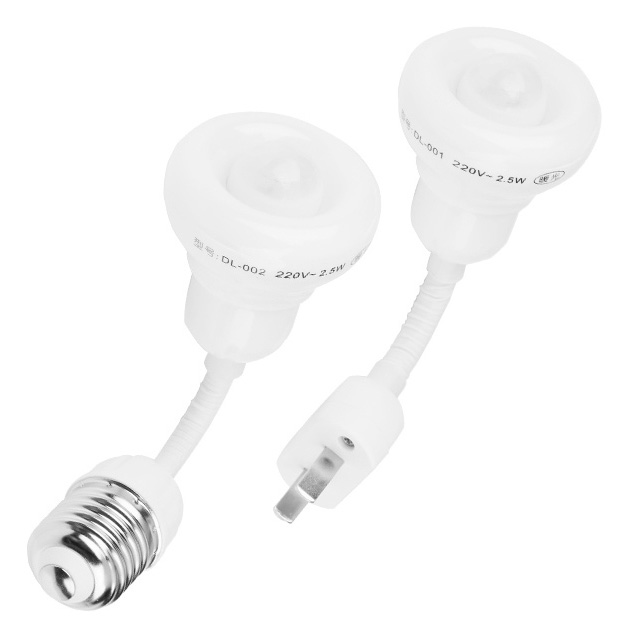
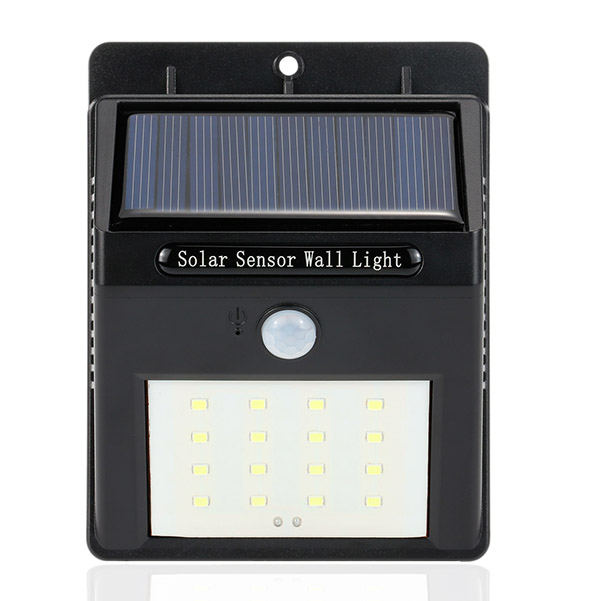
DS44 Solar LED Wall Light - PIR Motion Sensor, Waterproof IP64
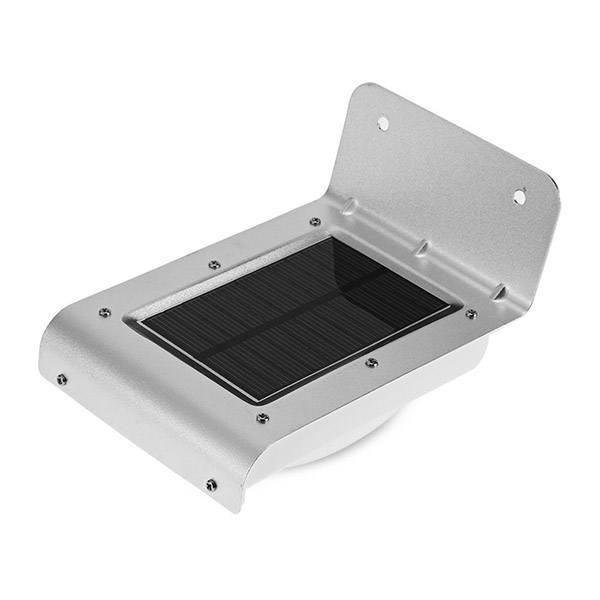
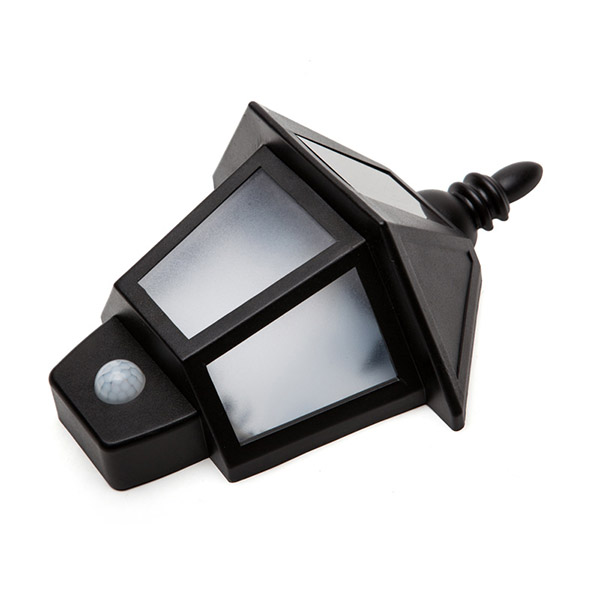
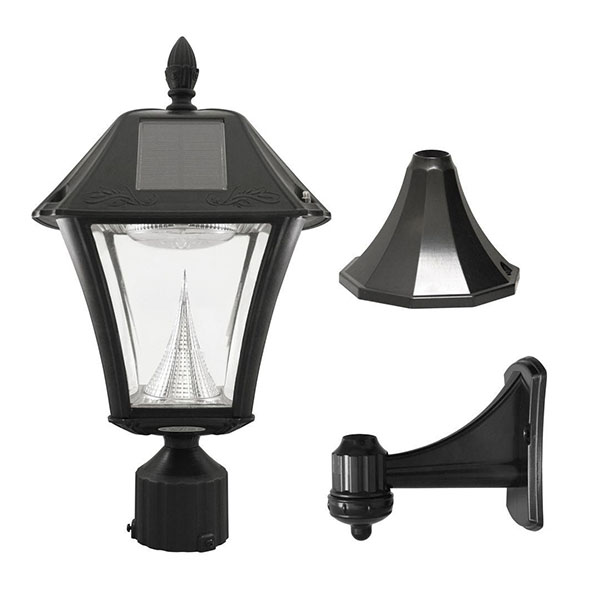

Wall Mount Line Voltage Recessed Motion Sensor For Lights
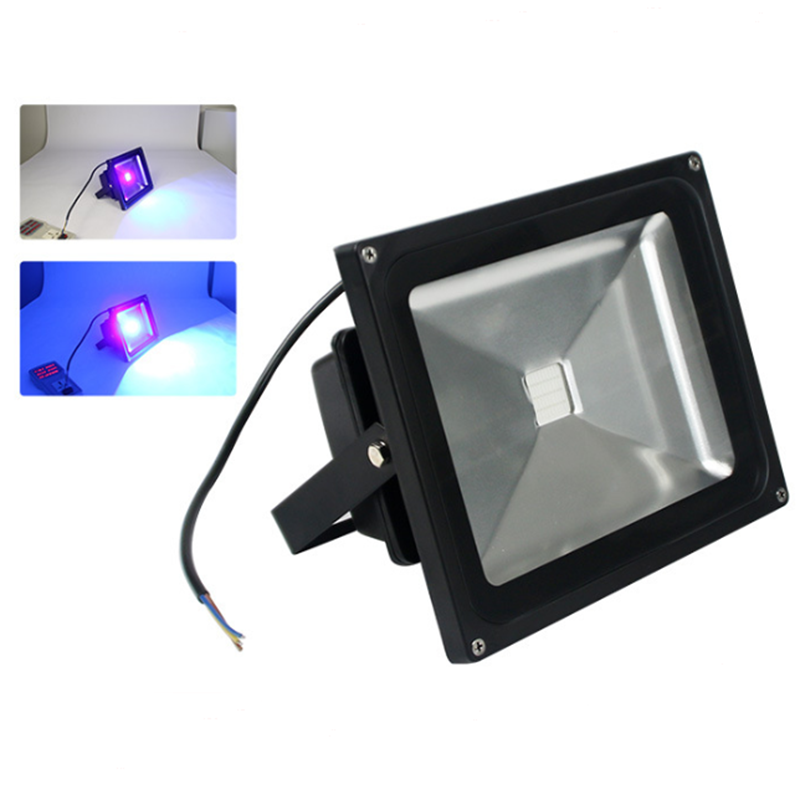
395nm-400nm LED Waterproof IP66 UV Purple Black Floodlight
Frequently Asked Questions About LED Human-Sensor Night Lights
Got a question about choosing or installing a motion sensor light? I've been answering them for 12 years here. Here are the most common ones.
PIR stands for Passive Infrared, and it's what most of our motion lights use. It works by detecting body heat, which is perfect for home use because it won't get triggered by a curtain moving in the breeze. Other types, like microwave sensors, are more sensitive and can sometimes 'see' through thin walls, but that also means they can cause false alarms. For a reliable night light, PIR is what you want.
It all comes down to location. For hallways, kitchens, or bathrooms with available outlets, a plug-in model is a simple 'set and forget' solution. For places without wiring like inside a dark closet, under a cabinet, or along a staircase, battery-operated is the way to go. Solar-powered lights are strictly for outdoors—think porches, garden walls, or pathways—where they can get enough direct sun to charge during the day.
That's a common one. A good sensor light has two parts: the motion (PIR) sensor and a light (photocell) sensor. That photocell is supposed to tell the light to stay off when the room is already bright. If yours is turning on during the day, it's probably in a corner or shadow that's too dark for the photocell to see the ambient light. Or, the model might not have a light sensor at all. Check the product specs for a 'dusk-to-dawn' or 'auto night sensor' feature.
Practically nothing. A modern LED sensor night light uses somewhere between 0.2 and 0.5 watts on standby and maybe 1 to 2 watts when it's actually lit. You're talking about just a few cents per year on your utility bill. The big energy saving isn't just from the low-power LED; it's the fact that the light is completely off more than 99% of the time, only activating when you actually need it.
For a closet, you want something battery-powered, easy to mount, and bright enough to see colors properly. Our thin LED motion sensing closet light bars are perfect for this. They come with a magnetic strip with adhesive on the back. You stick the strip to the underside of a shelf, and the light bar just clicks on. When it's time to recharge, you just pull the bar off, charge it with a USB cable, and pop it back on. No wires, no drilling.
It varies a bit by model, but a good rule of thumb is about 3 to 5 meters, which is around 10 to 16 feet. The detection angle is also key; it's usually about 120 degrees wide. For the most reliable trigger, try to place the sensor where you'll walk *across* its field of view, not directly *towards* it. Walking across the beam is much easier for a PIR sensor to detect quickly. The exact numbers are always on the product's spec sheet.
It uses a tiny, tiny amount of power to keep the sensor alert, but that's what it's designed for. The real battery drain happens when the LED itself lights up. So, does a night light save battery by staying in standby mode? Absolutely, that's the whole point. A good rechargeable light can easily last for weeks, or even months, on a single charge in a low-traffic area like a guest bathroom or hallway.
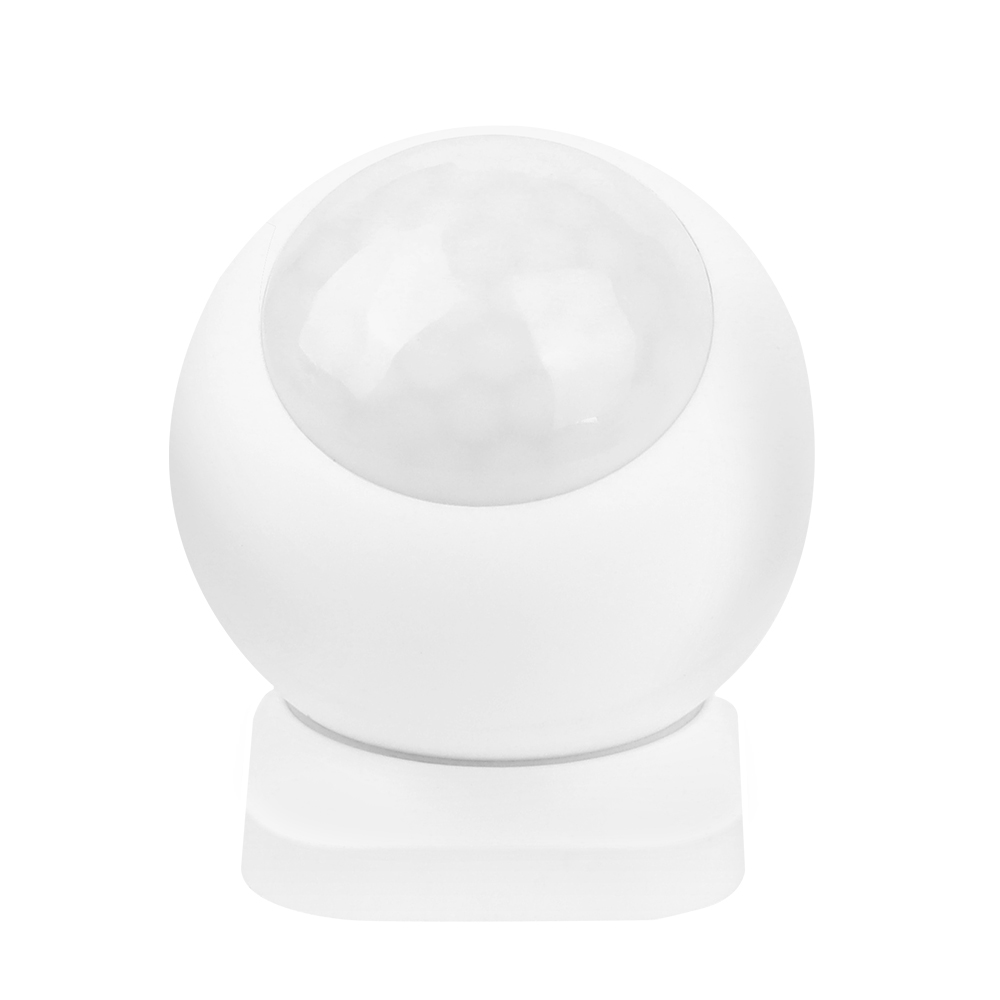
Yes, that's exactly what our PIR1-ZB Zigbee 3.0 sensor is designed for. It's a standard Zigbee 3.0 device, so it will pair with any compatible hub. The key thing to remember is that this sensor doesn't have a light built-in. You use it as a trigger within your smart home system—for example, to turn on your main smart downlights to a dim 10% when you walk into the kitchen for a late-night snack. It's for creating a truly connected system.
For stairs, you really need two sensors: one at the top and one at the bottom. The trick is to place them where they'll 'see' your foot as soon as it lands on the first step, but not so high that they get triggered by someone just walking past the staircase. This usually means mounting them low down, at about ankle or shin height, and aimed across the path of travel. Our guide on how to install stair lights has some great diagrams that show the ideal placements.