
Anti Glare Light Channels
35 products
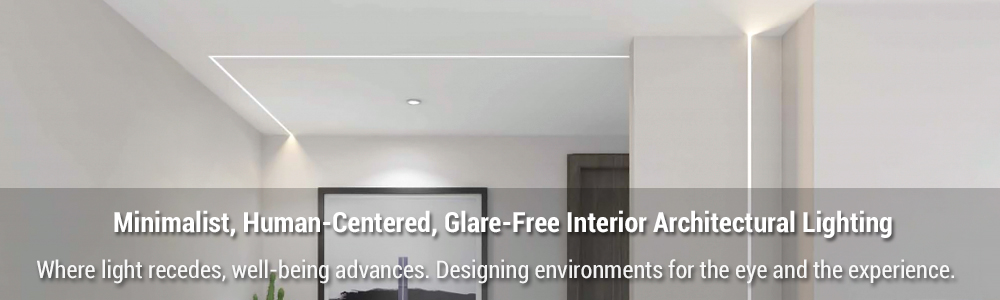
Glare is the visual discomfort caused by an overly bright light source shining directly into the eyes. Anti-glare LED channels mitigate this issue through refined optical design that minimizes direct exposure of LED strip and light, thereby enhancing visual comfort. The fundamental goal of glare-controlled lighting is to safeguard human visual wellbeing and spatial harmony.
By precisely managing light distribution and diffusion, glare-free LED profiles help create visually comfortable environments, improving clarity and reducing eye strain. They are widely applied in offices, study areas, public spaces, hospitality venues, and residential settings.
Our Human-Centric Wellbeing Lighting Solutions are designed specifically for spaces where people relax, focus, or spend extended time—such as living rooms, bedrooms, offices, and hotels—offering a tiered approach to visual wellbeing:
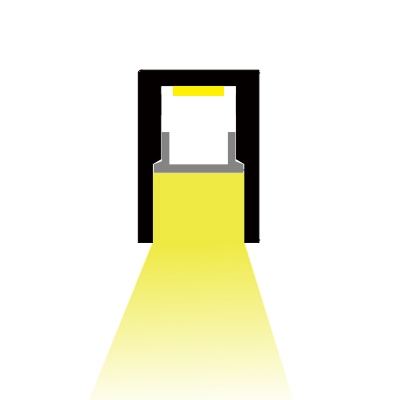
#1 Recessed Diffusion Anti-Glare | Foundational Visual Comfort
The LED diffuser is recessed within the profile, creating a natural physical light barrier that establishes a wide cut‑off angle.
The concave structure pre-blends light before emission, eliminating harsh direct glare, providing uniform comfortable illumination for everyday activities.
An accessible entry‑point into wellbeing‑focused lighting.
Typical Models: QSG-4812B, QSG-0828, HGD9035, QSG-5525, QSG-6020, QSG-5422, QSG-6616, QSG-6629, QSG-7235, QSG-3825, QSG-3820, HGD5060, P1722-1, MS-4533/4533A
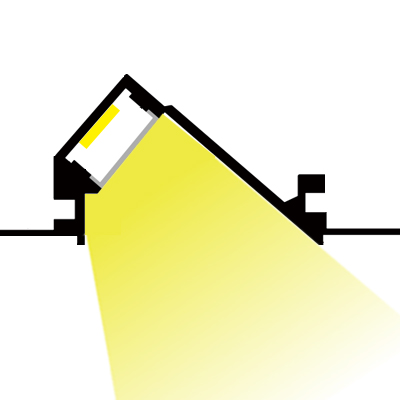 #2 Offset Projection Glare Control | Task‑Oriented Visual Clarity
The LED strip light source is precisely directed toward the intended surface. Directional lighting for accent walls.
Clear light pattern segmentation ensures a defined visual focus.
A professional choice balancing functionality and comfort.
Typical Models: HGD03, QSG-10037, HGD02, HGD01, HGD04A, QSG-8556, QSG-8556B
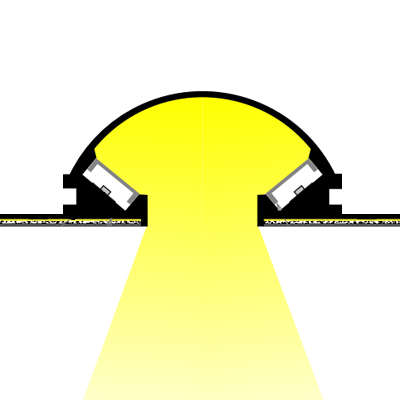 #3 Fully Concealed Reflective Anti-Glare | Immersive Ambient Wellbeing
The LED strip is completely hidden within the profile structure, with all light emitted indirectly through diffuse reflection off the cavity walls.
The human eye perceives only a uniformly diffused, thoroughly “softened” halo of light spilling from the gaps.
The ultimate solution for spaces demanding serene, artifact‑free human‑centric artistic illumination.
Typical Models: AL9570, AL8350, QSG-10048, QSG-11637, QSG-13313
To translate these wellbeing anti-glare lighting principles into your project, please refer to the above guidelines to review detailed optical parameters and installation drawings for specific aluminum profile models, and customize the visual comfort solution that best aligns with your spatial and human needs.
High-CRI, tunable white circadian LED strips also embody a human-centeric lighting philosophy, complementing glare-reducing profiles perfectly. The two can build a complete wellbeing lighting ecosystem that cares for both the eye and the body.

Soft Grazing Indirect Wall Wash LED Strip Mud-in Lighting Extrusion
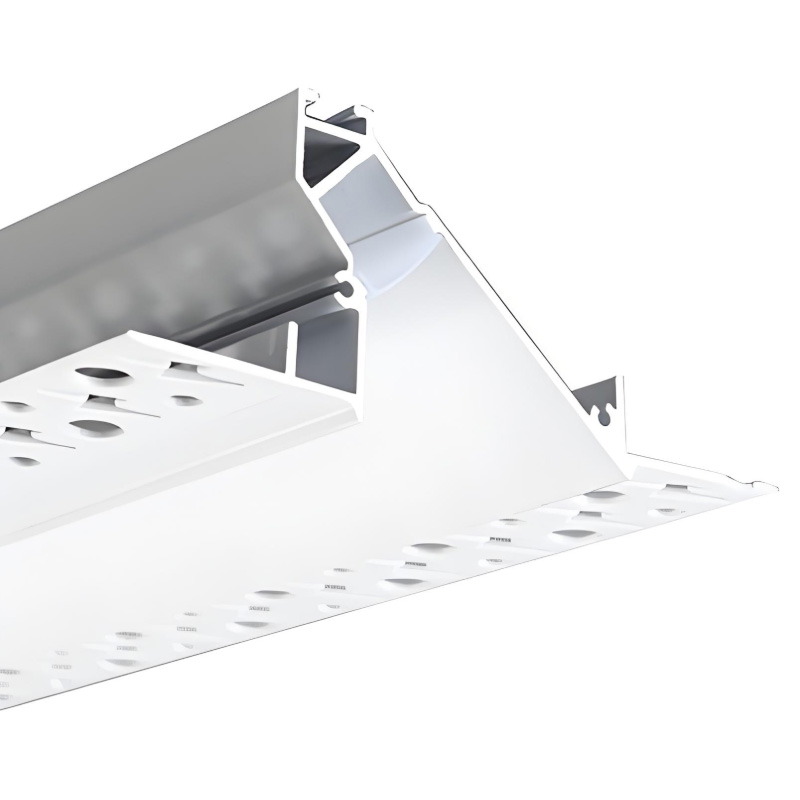
Drywall Recessed Cove Light Profile MS-HGD03 - Angled Wall Wash LED Trim
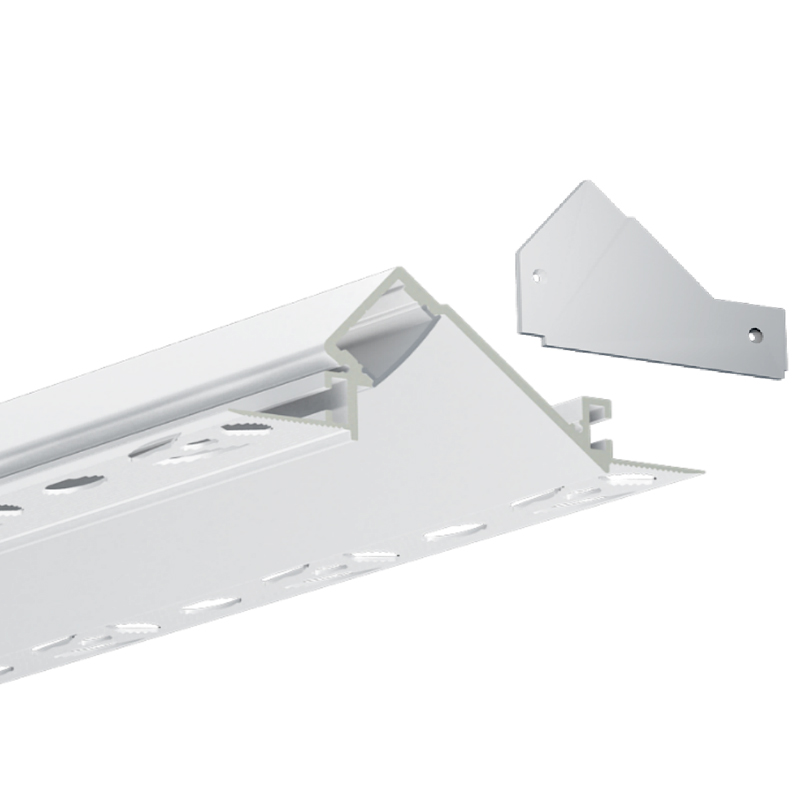
White Large 45 Degree LED Wall Wash Light Profile
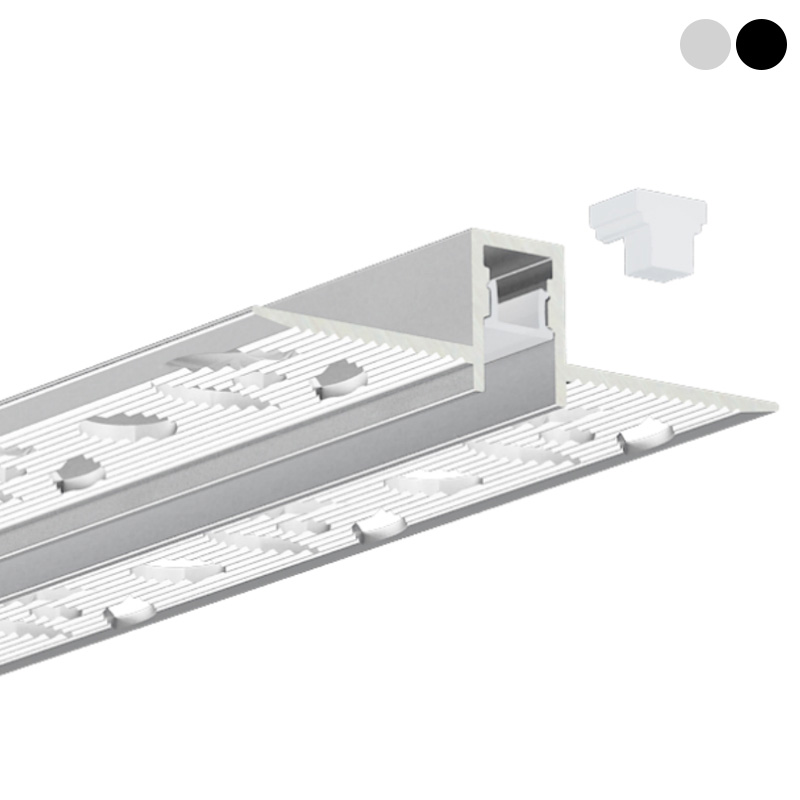
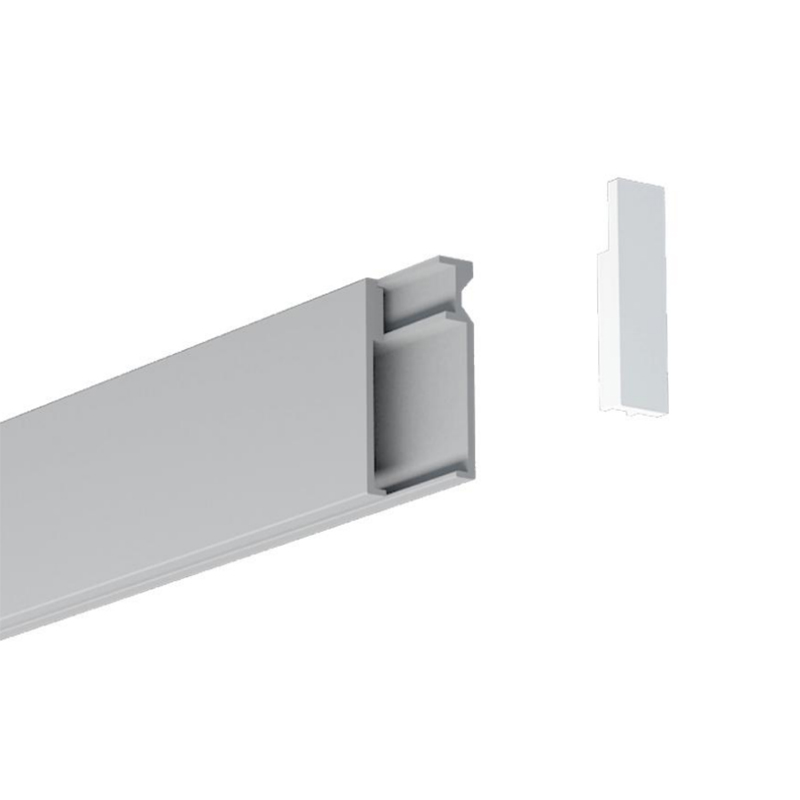
Super Slim Recessed LED Channel - superlightingled.com
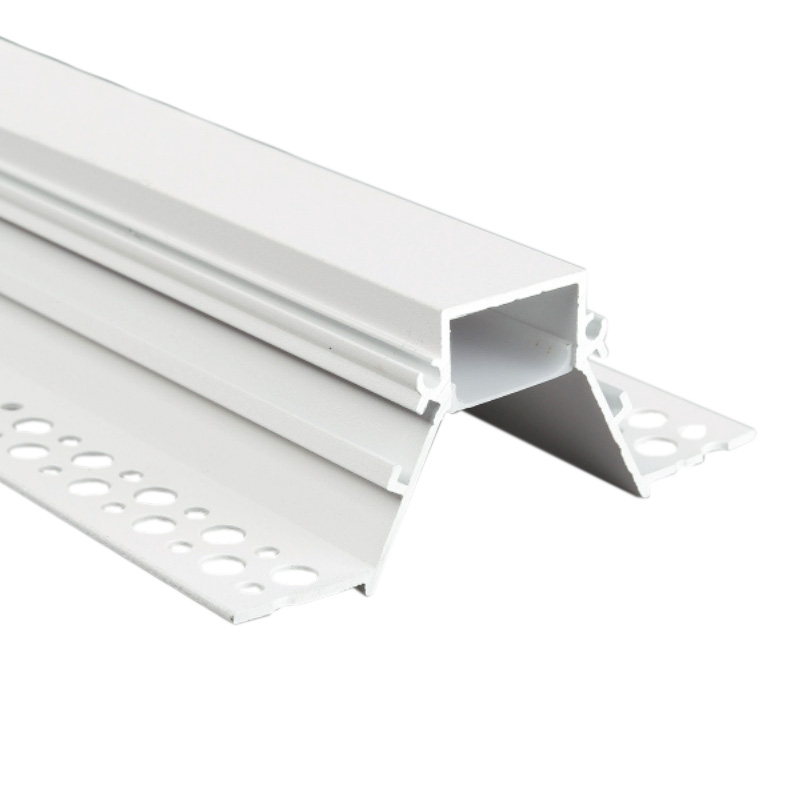
MS-HGD9035 Dual-Flange Recessed LED Cove Channel - Glare-Free Lighting
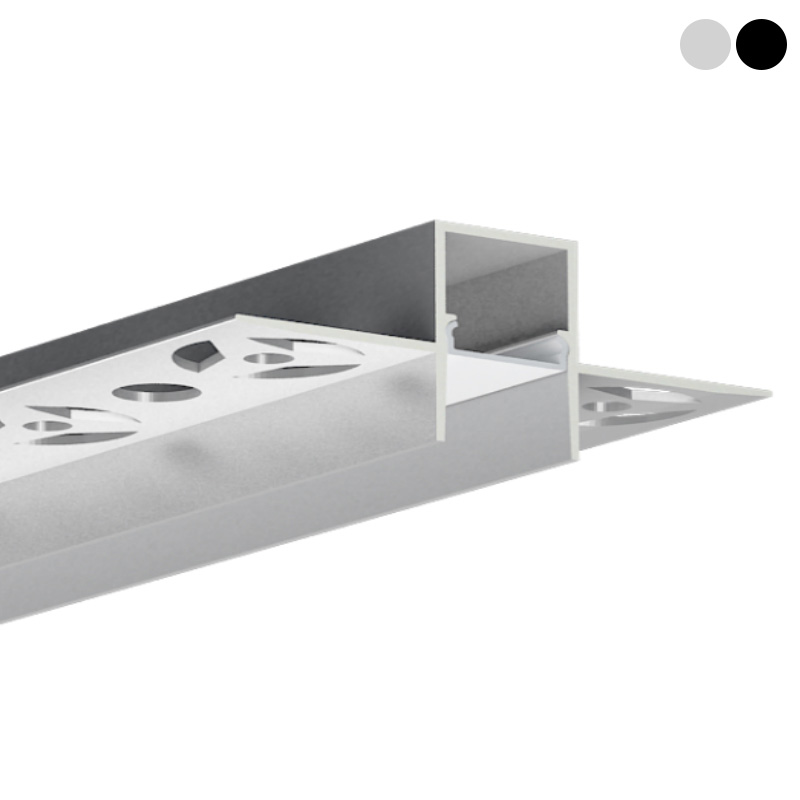
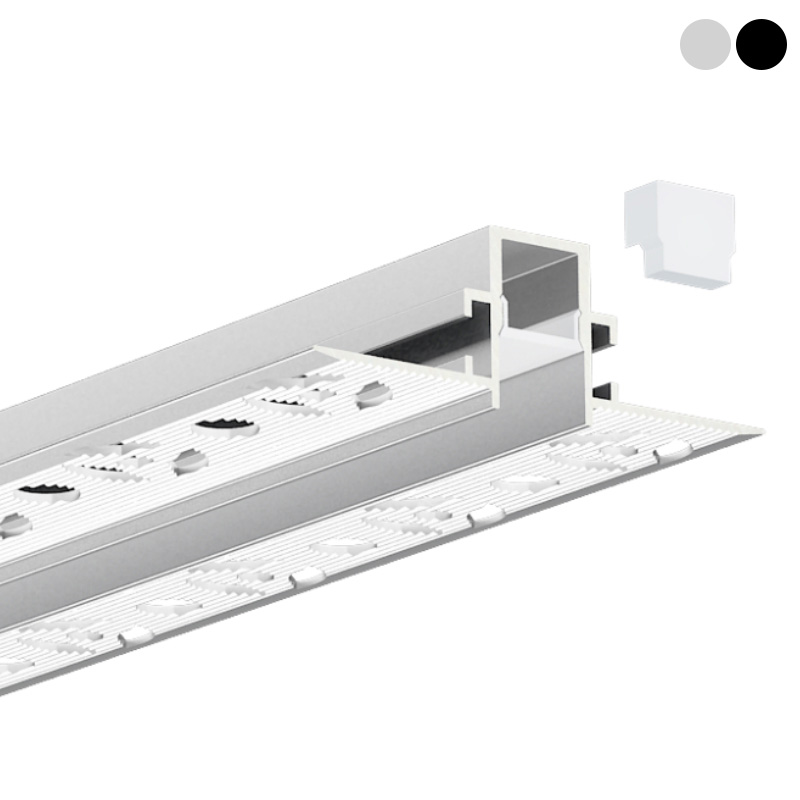
Concealed LED Wall Border Profile | Seamless Cove Lighting
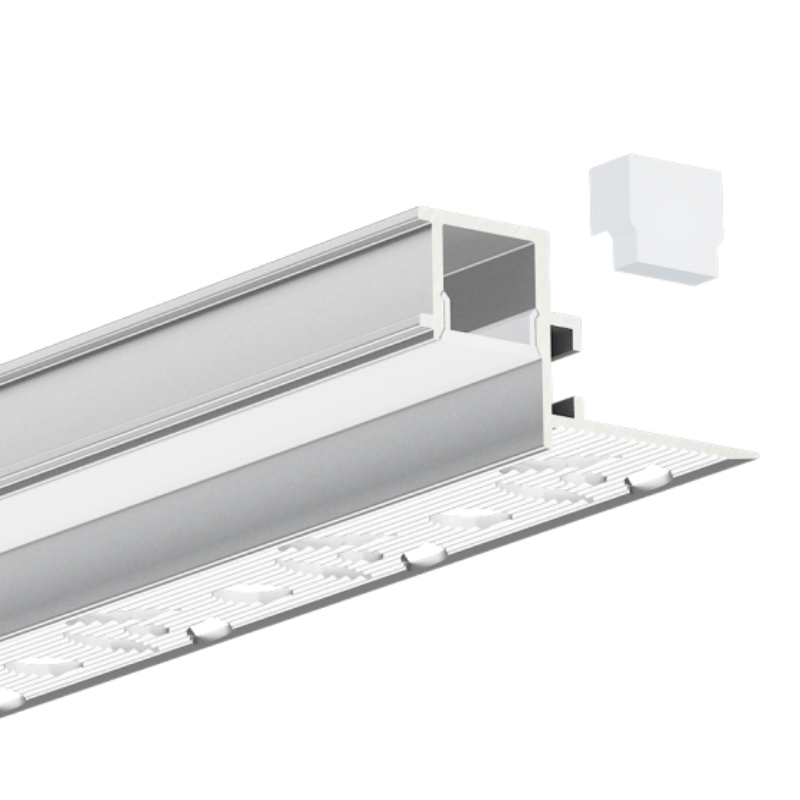
Anti Glare Plaster In Wall Washer LED Profile
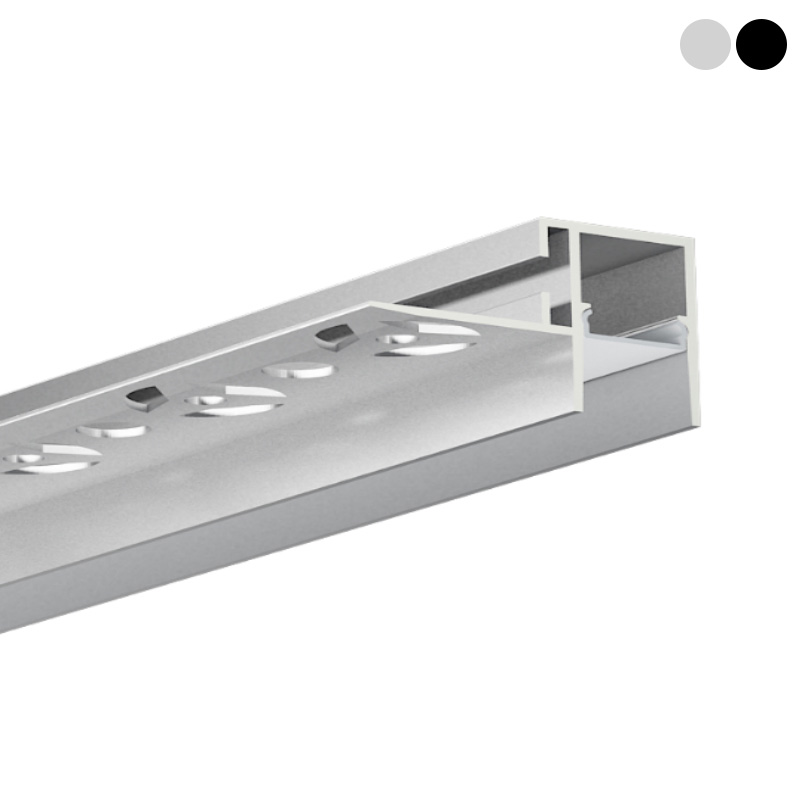
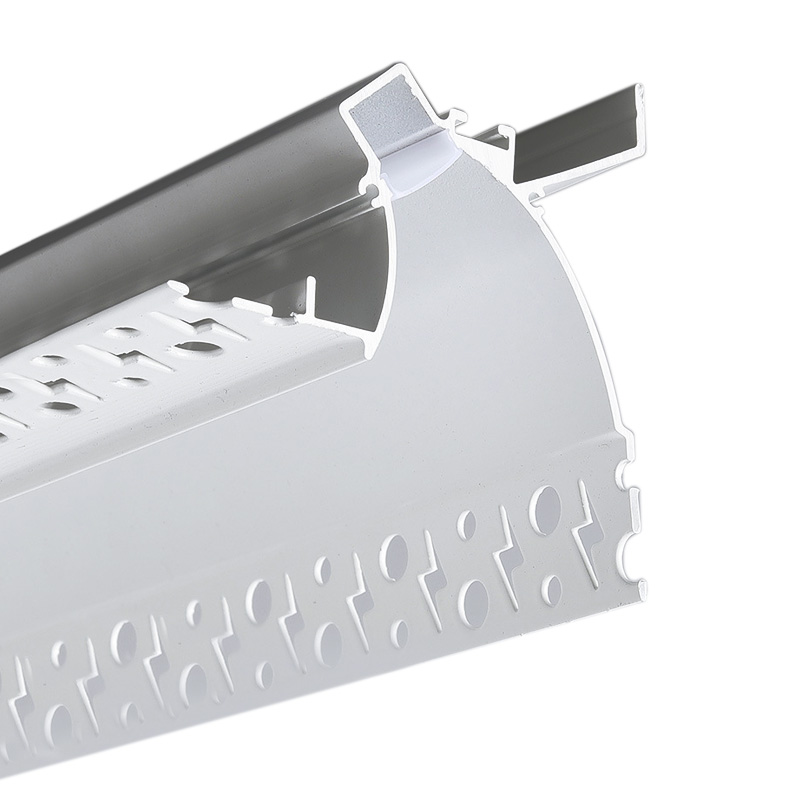
Plastered Ceiling Detailed LED Cove Moulding Oblique Lighting Wall Wash

No Glare Drop Ceiling Perimeter Indirect LED Cove Lighting Profile For 20mm LED Strip

Black Cove LED Moulding: Cozy Wall-to-Ceiling Ambient Lighting
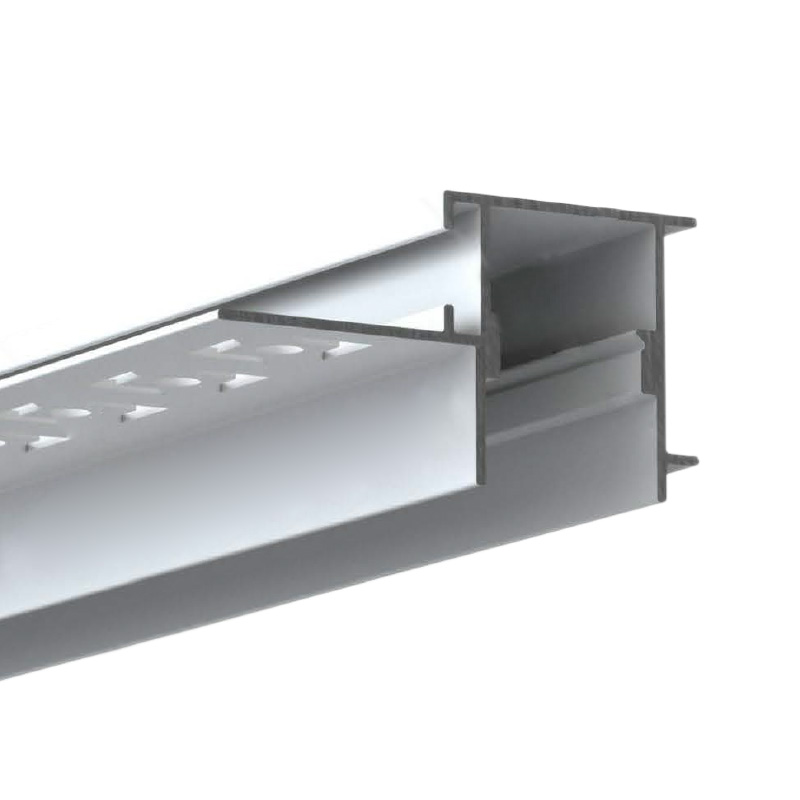
Anti Glare Drop Ceiling Perimeter LED Trim Profile Recessed
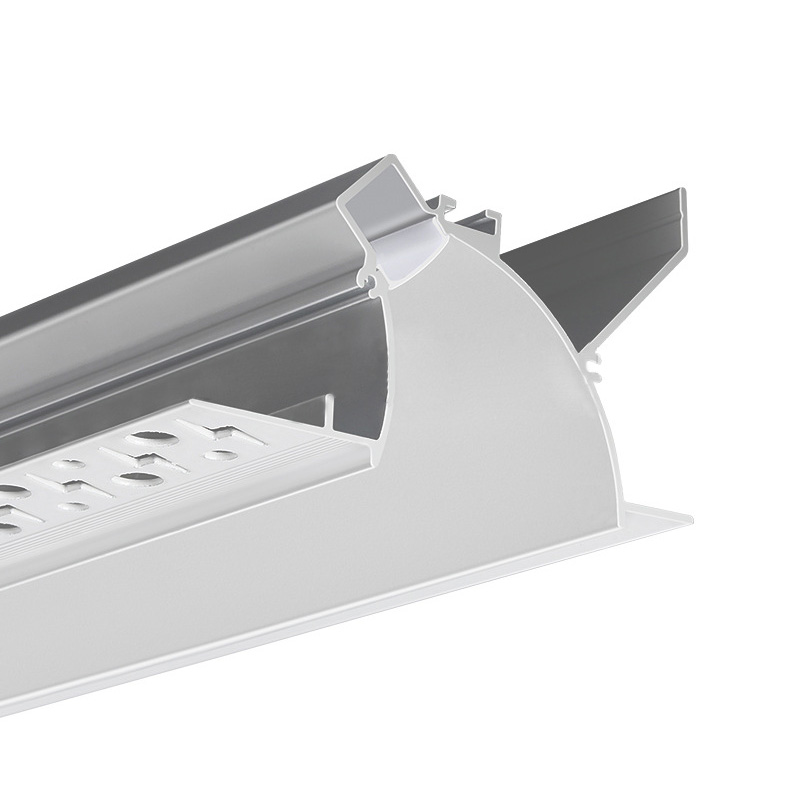
Flush Plastered Ceiling Cove Molding LED Strip Angled Washing Wall
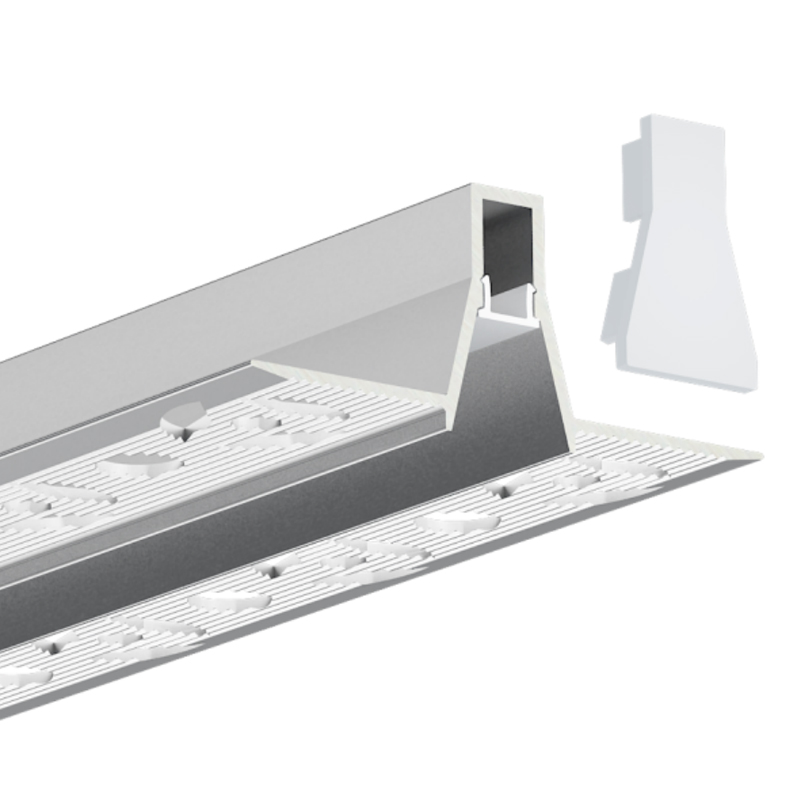
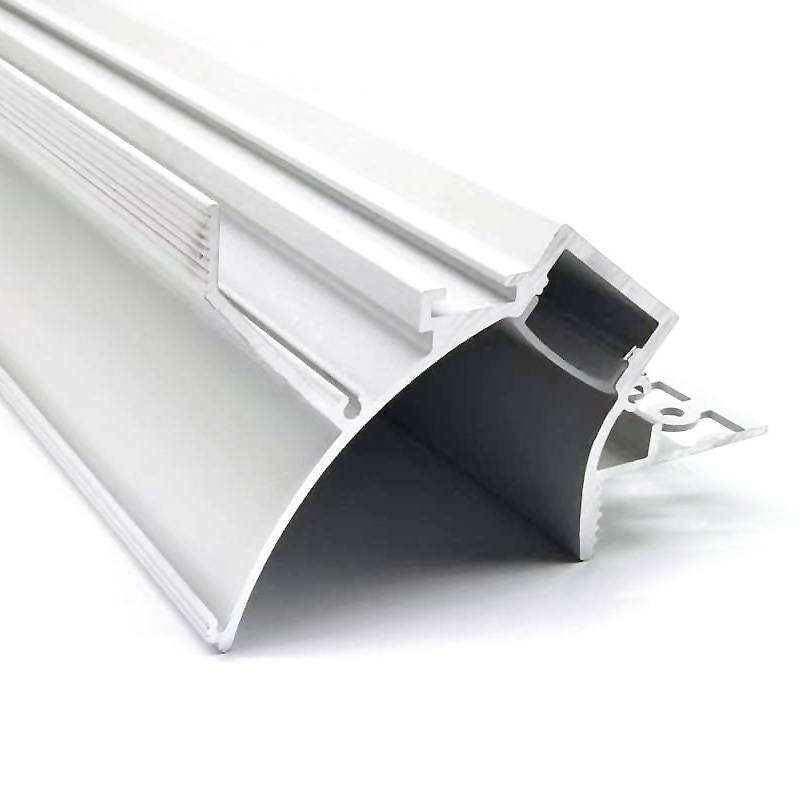
45 Deg LED Cove Crown Moulding Suspended Gypsum Board Ceiling Edge Trim
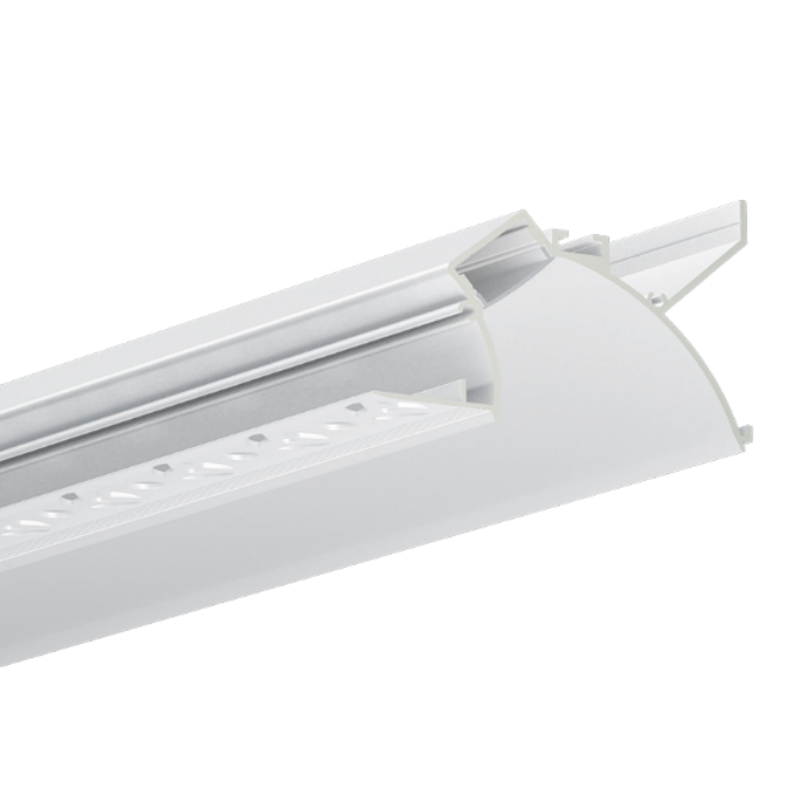
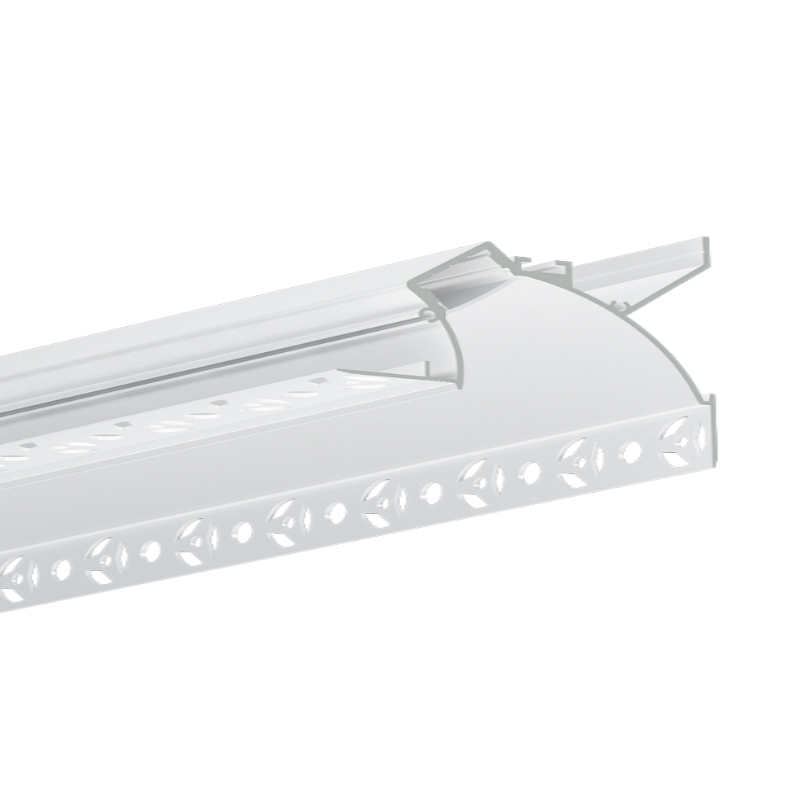
White Plaster In 45 Degree Wall Washer LED Aluminum Profile
Why Glare Control Matters in Architectural Interior Lighting
Good architectural lighting is not only about how much light a space receives, but also about how comfortably people experience that light. Glare occurs when a light source is excessively bright or directly exposed within the viewer's field of vision, creating visual discomfort and reducing the quality of the surrounding space. In interior environments where people work, read, relax, dine, or stay for extended periods, controlling glare becomes an important part of the lighting design rather than an optional finishing detail.
For LED strip lighting, the challenge can be more noticeable because the individual LEDs can have extremely high luminance when directly exposed. The position of the strip, the visible aperture, the diffuser, the surrounding surface brightness, and the observer's viewing angle all influence the perceived glare.
SuperLightingLED approaches anti-glare lighting through profile geometry and controlled light emission, allowing the LED source to be recessed, redirected, diffused, or completely concealed according to the lighting objective.
Design the Light You See, Not the LED You See
The ultimate goal of anti-glare architectural lighting is not simply to hide the LED strip. It is to control what the eye experiences.
A well-designed linear lighting system can make the ceiling appear softly illuminated, reveal the texture of a wall, define an architectural edge, or create an ambient halo without making the LED source the dominant visual element.
SuperLightingLED Anti-Glare Light Channels provide different profile geometries for these applications, helping designers control the relationship between light source, viewing angle, architectural surface, and visual comfort. The result is LED tape lighting that supports the architecture instead of competing with it.
Frequently Asked Questions About Anti-Glare Light Channels
Got a question about choosing or installing anti-glare profiles? I've answered thousands of them over the years. Here are the most common ones.
The key difference in an anti-glare light channel is the position of the LED strip. The strip sits deeper inside the profile, creating a natural shield. This design establishes a 'cut-off angle' that prevents the bright light source from shining directly into your eyes, which is what causes visual discomfort. It's a simple, effective way to get comfortable, glare-free illumination.
Not at all. The LED strip produces the same amount of light, but the channel directs it more carefully. Instead of harsh, direct glare, you get softer, more uniform light that's easier on the eyes. The total lumen output in the space is very similar; it's the visual comfort that's dramatically improved, which is perfect for living rooms, offices, and bedrooms.
This usually comes down to LED strip density. Even with an anti-glare design, a low-density strip (like 60 LEDs/meter) might still show faint spotting. For a perfectly smooth line of light with zero dots, you'll always want a high-density strip, ideally a COB (Chip-on-Board) style LED strip. The deeper recess of these channels helps a lot, but it can't defy physics.
Yes, they are slightly more effective. While the main anti-glare effect comes from the recessed design, a black interior finish absorbs more stray light and reflections within the channel itself. This results in a cleaner, sharper light cutoff and an even greater reduction in peripheral glare. It's a subtle but noticeable difference, especially in minimalist designs.
Yes, absolutely. A huge part of our business is building solutions to customer drawings. Just send us a sketch or a CAD file with the lengths you need for your anti-glare lighting setup. An engineer on my team will spec out the channels, strips, and drivers, and send you back a complete parts list and quote, usually within 12 hours.
UGR stands for Unified Glare Rating, a scale used by lighting designers to predict the level of discomfort glare from a lighting layout. While a specific UGR value depends on the entire room and fixture placement, these anti-glare channels are specifically designed to contribute to a low-UGR environment. By shielding the light source, they are fundamental to creating the kind of visually comfortable, human-centric lighting that achieves low UGR scores.