
LED Lens Diffuse Reflection Light
3 sub-categoriesThese optical lens LED diffused light solutions feature a fixed 170–175° ultra-wide beam angle and are available as flexible LED strips, rigid linear bars, and modular backlight LED systems — engineered to achieve soft, uniform, dot-free illumination across large surfaces and shallow cavities, even with low-density, low-wattage LED layouts.
Unlike traditional directional LED lighting, wide-beam-angle optical lens diffused LED spreads light evenly and reduces glare — making it ideal for backlighting, indirect architectural lighting, and display applications where visual comfort and uniformity matter most.
Choose the Right Diffused Lighting Type for Your Application
Each light type below is designed to deliver the same optical diffusion performance while addressing different installation and structural needs.
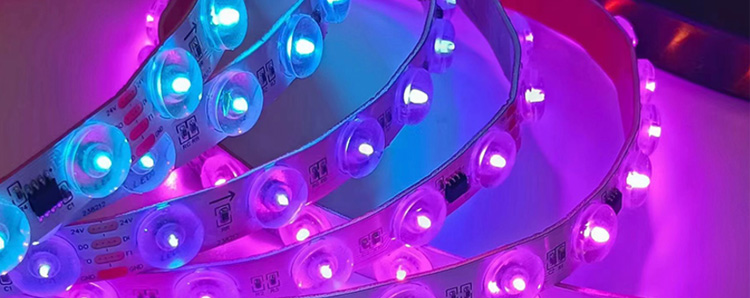
Lens Bendable LED Strip
These diffused LED strips are equipped with lenses on the LED chip to realize even light with a light emission angle of up to 175 degrees, which effectively reduces glare and is best for large-scale backlighting and wide channel lighting applications. We offer lens diffusion light strips in single color, CCT dual color, RGB, RGBW, RGBCCT, and addressable color options for you to choose from.
Why Choose Flexible Optical Diffusion LED Strips?
Flexible optical diffusion LED strips are designed for installations where rigid lighting solutions fall short. Their ability to bend, curve, and adapt to irregular surfaces makes them ideal for applications that require seamless light continuity rather than straight-line precision.
Select the flexible optical LED diffusion strip that best fits your installation depth, brightness needs, and project layout.
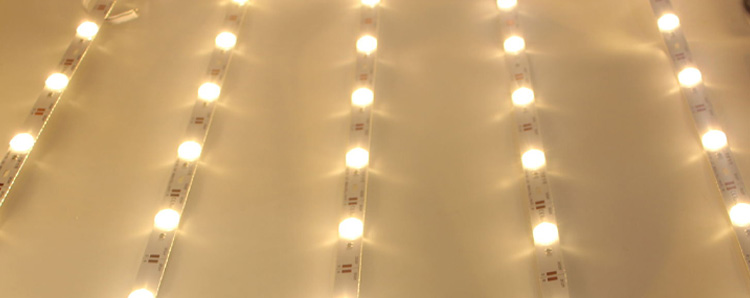
LED Backlighting Lens Rigid LED Bar
Our rigid PCB led strip lens diffused light bar uses aluminum substrate as base board, has good heat dissipation improving the service life of LED lights. These rigid led strip lights are equipped with PMMA or PC optical lens to cover high-power SMD3030 lamp beads, with 170 degrees wide-angle of illumination. Perfectly used for LED advertisement board or advertising LED light box to offer even and bright illumination.
Our diffuse rigid led strips include single color, bicolor, RGB, and addressable SPI models that provide bright, even illumination or colorful, dynamic lighting effects. SPI LED strips are controlled by addressable controllers for rich, dynamic lighting effects.
Due to its high rigidity, the diffuse reflection lens rigid LED light strip is usually applied to linear decorative illumination, such as indoor linear art installations or large exhibition projects. In addition, our other linear LED bar lights are also suitable for linear decorative lighting, but they are more suitable for outdoor use with a high waterproof rating.
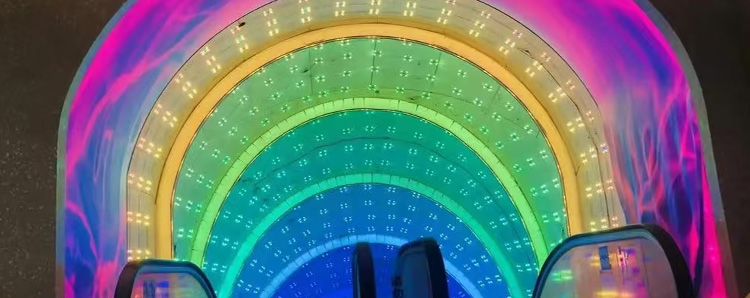
Sign Lighting Lens LED Light Module
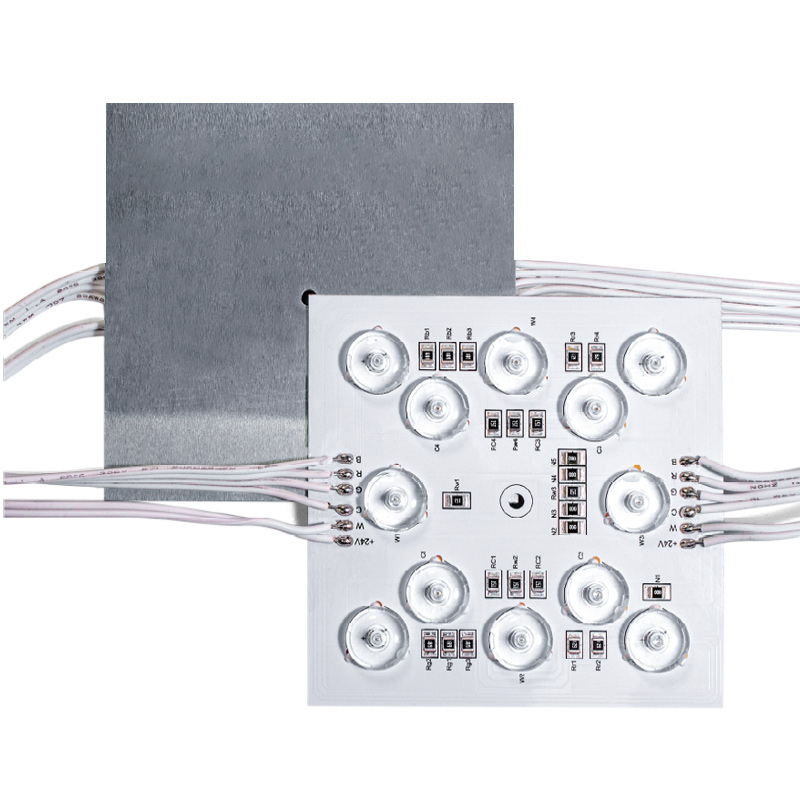
LED module light with lens connects multiple modules through wires, which is easy to install and maintain. This flexible design makes it very suitable for DIY-ing advertising signs, lightbox and so on. Compared with flexible LED sheet lights, the diffuse reflection modular LED light features high-brightness LED beads and wide-angle lenses, which can disperse the light evenly in all directions to form soft and even illumination. The even illumination can effectively eliminate light spots and shadows. Therefore, the modular LED lights with lens are widely used in letters design, advertising signs, light boxes, landscape layout, stage decoration, wall decorative lighting and so on.
The LED light modules with lens adopts LED chip as the light source, which has the advantages of energy saving and long service life. The lens LED strip module is available in a variety of colors, including single color, dual color, RGB, RGBW, RGBIC, etc., which can create colorful effects. SPI LED lens modules light can create dynamic lighting effects via pixel LED controllers. We also have addressable LED strips that are more flexible to adapt to irregular spaces.
Best-selling LED Lens Diffuse Reflection Light
1–20 of 50 products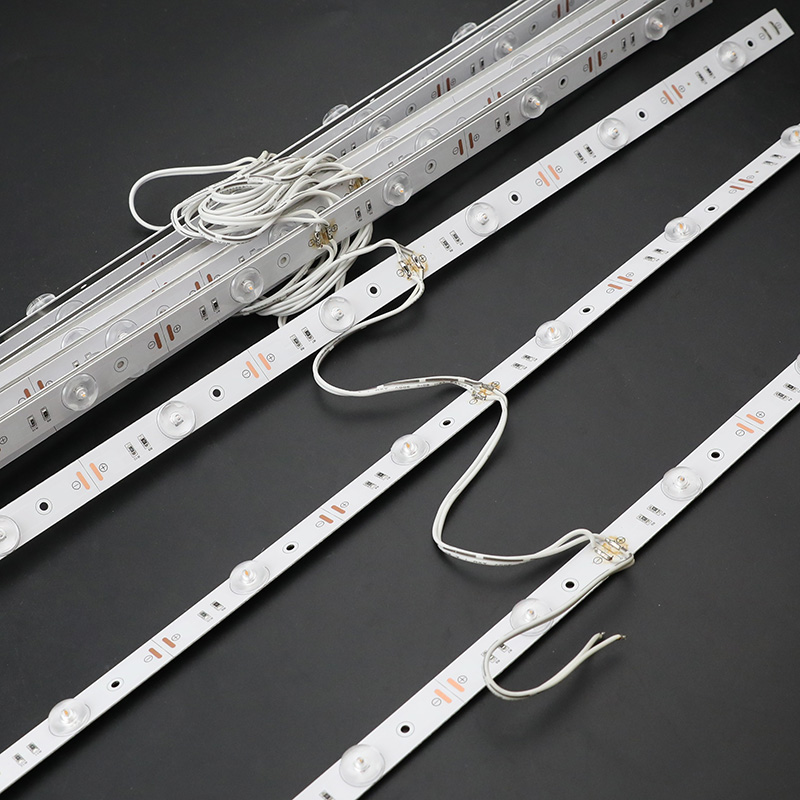
DC24V White 3030 LED Lens Diffused Rigid LED Light Strip Backlit
 (1)
(1)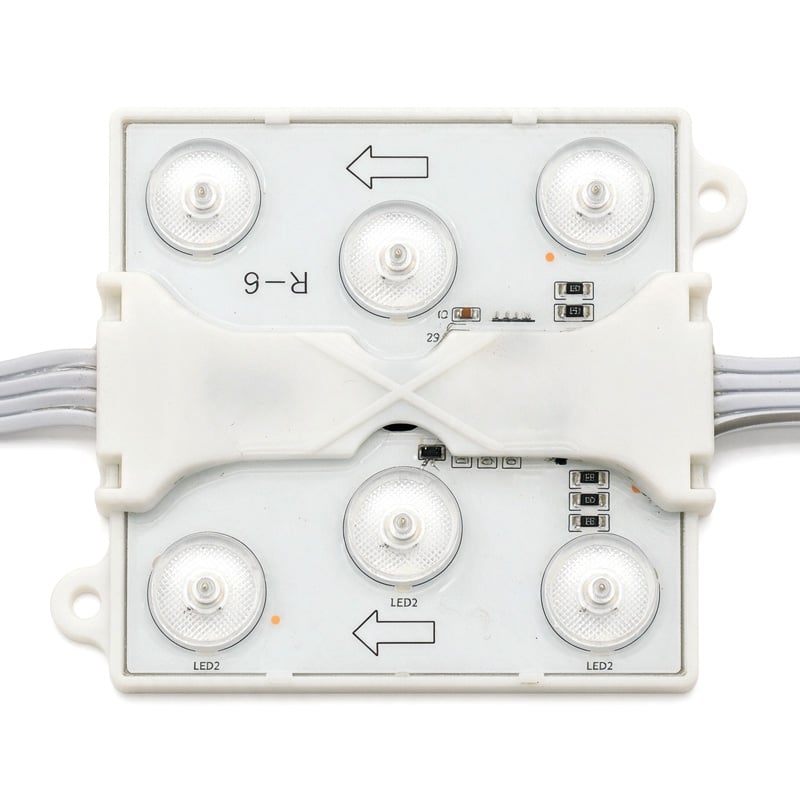
24V Addressable Dual-Data Digital LED Module RGB Waterproof Lights
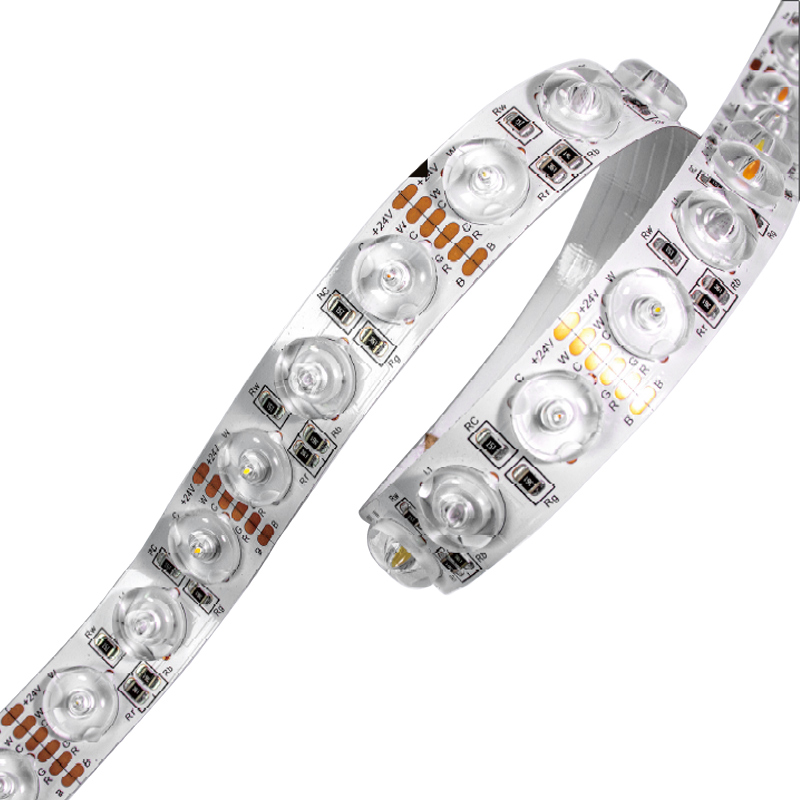
DC24V 3030 20mm Wide RGB CCT Diffused LED Strip Lighting Lens

30mm Super Wide RGBWC Optical Lens LED Diffused Strip Light (24V)
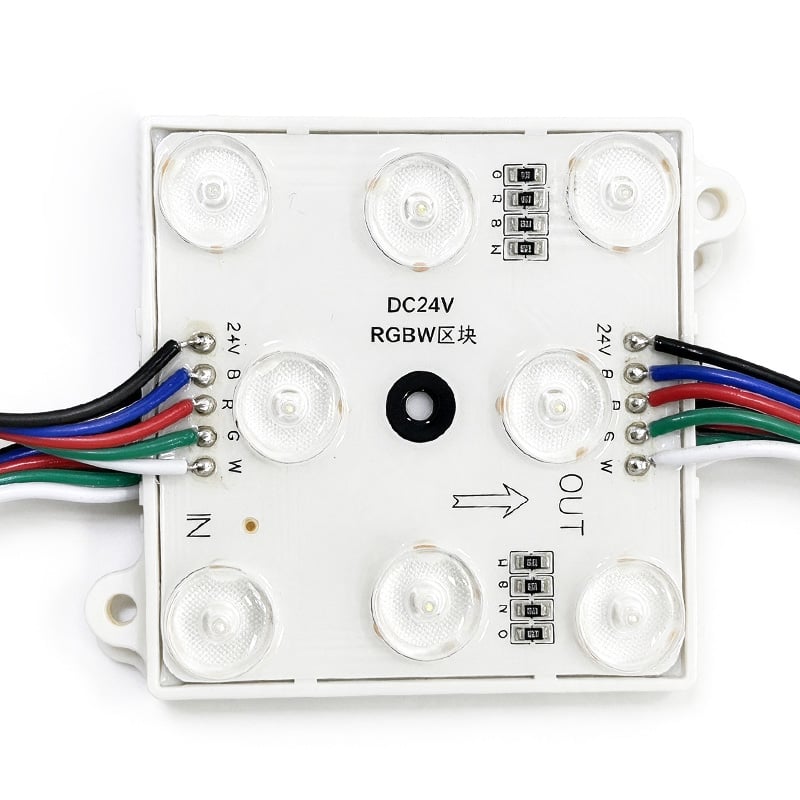
24V Outdoor Waterproof RGBW LED Backlighting Module Matrix Lights
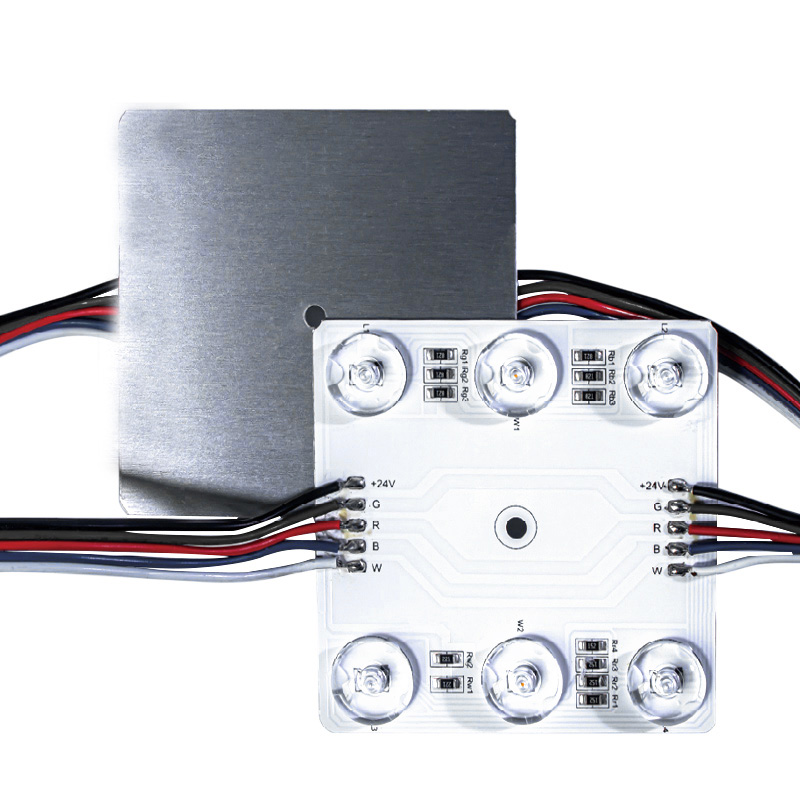
DC24V RGBW LED Module Light Diffuse Reflection Lens for Lightbox
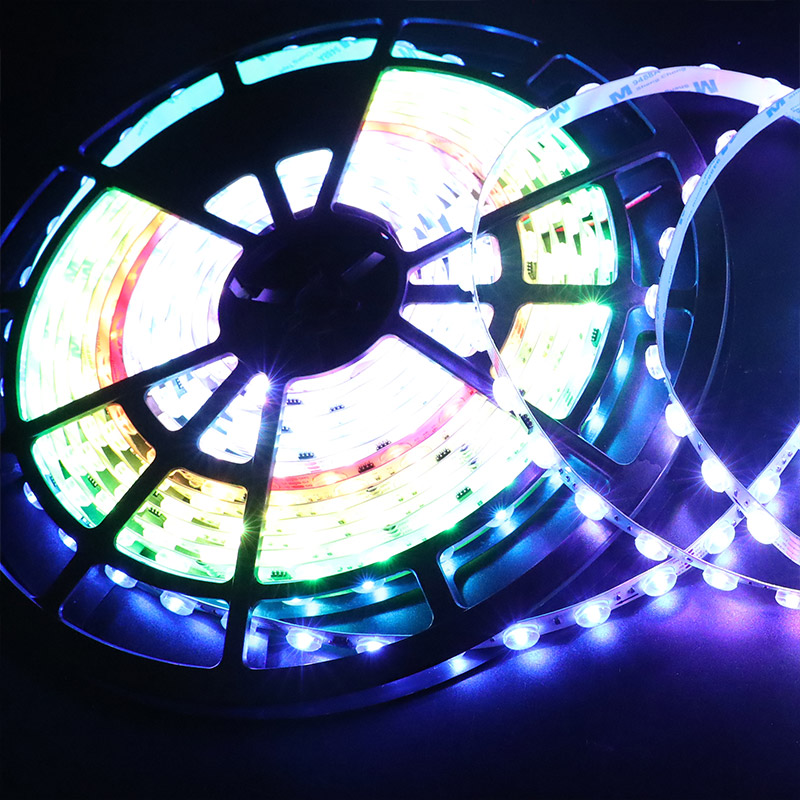
DC24V Diffuse Reflections Lens Addressable RGB LED Strip TM1934

DC12V Diffused Lens Addressable RGB Solid LED Light Strip TM1934
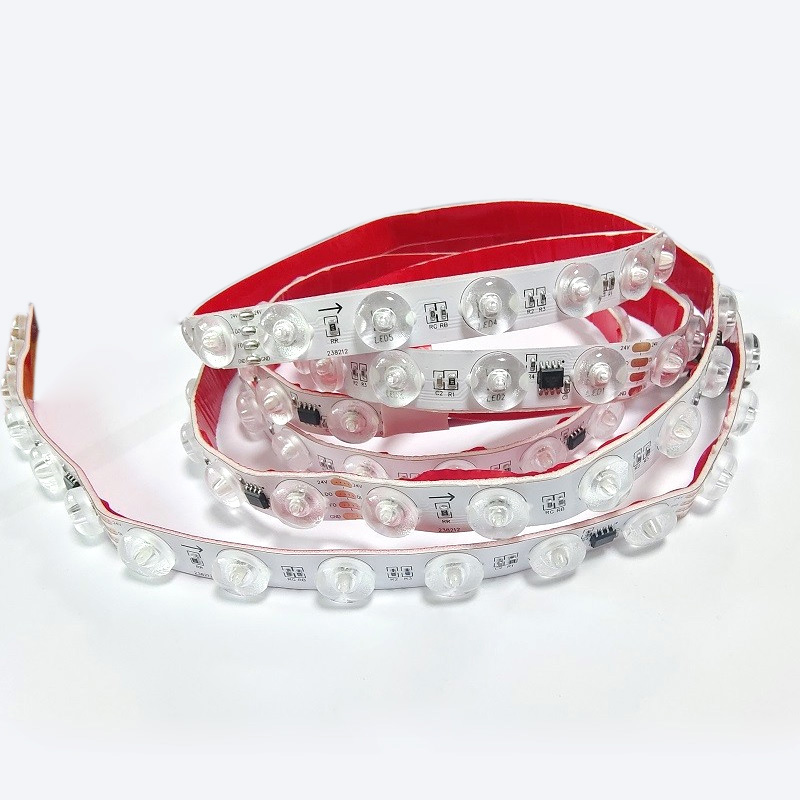
Diffuse Reflection Optical Lens Programmable RGB LED Strip TM1934
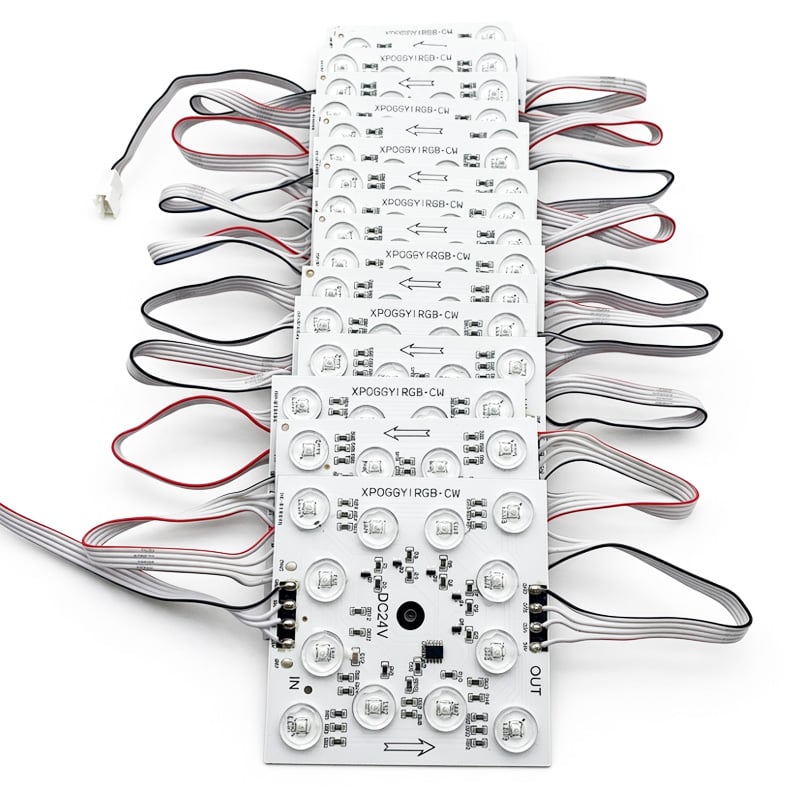
24V Addressable RGB Warm White Cool White LED Backlight Module Pixel Lights
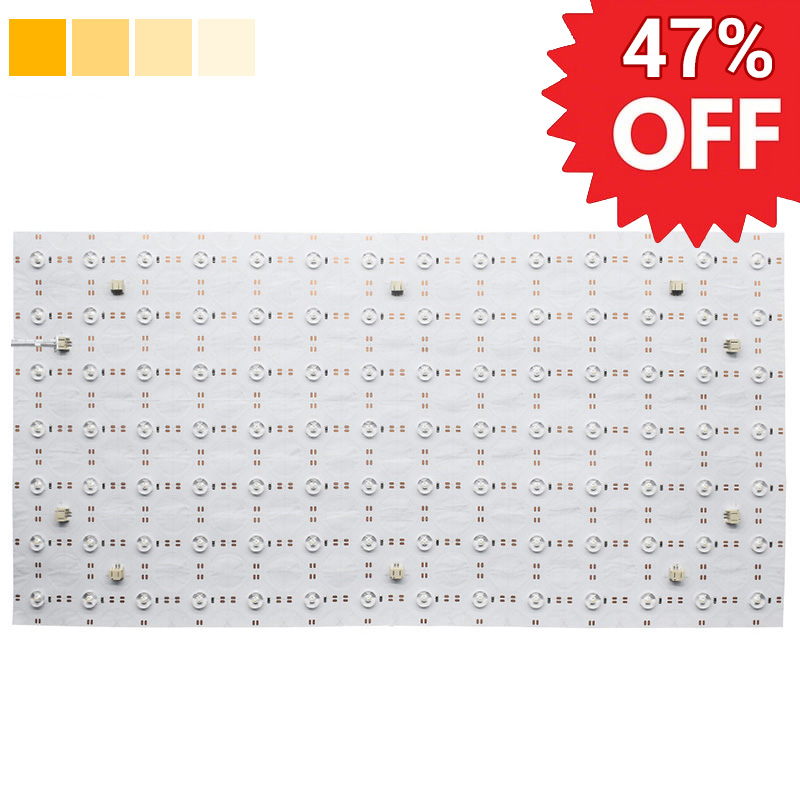
24V 2835 White Flexible LED Panel Sheet With Optical Lens 50x25
(1)
DC24V 3030 Diffuse Reflection Lens RGB CCT LED Module Light Signs
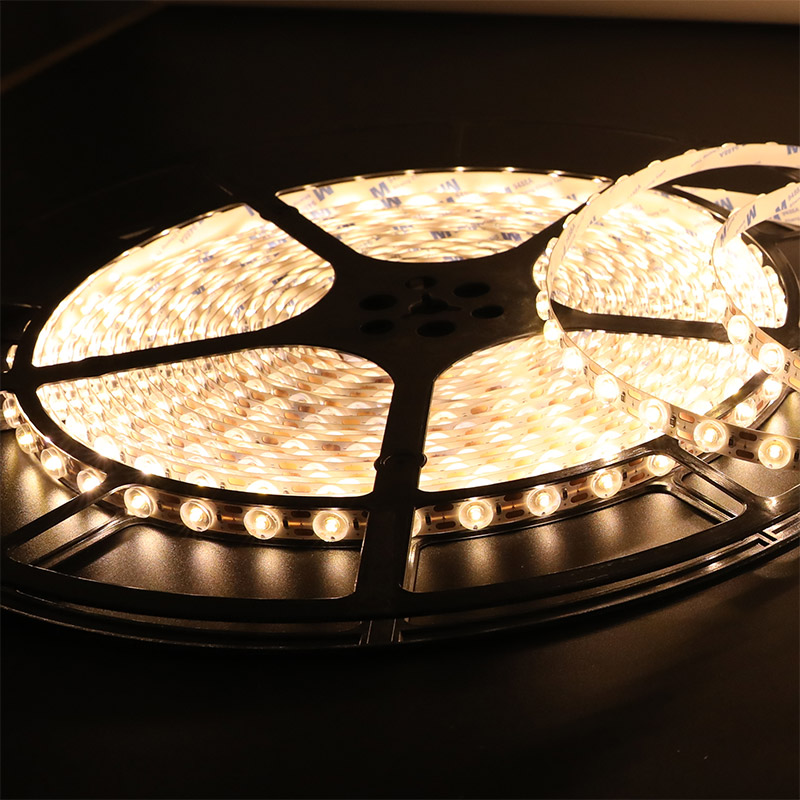
DC24V 3000K Diffuse Reflection Bendable LED Strip Lights Lens
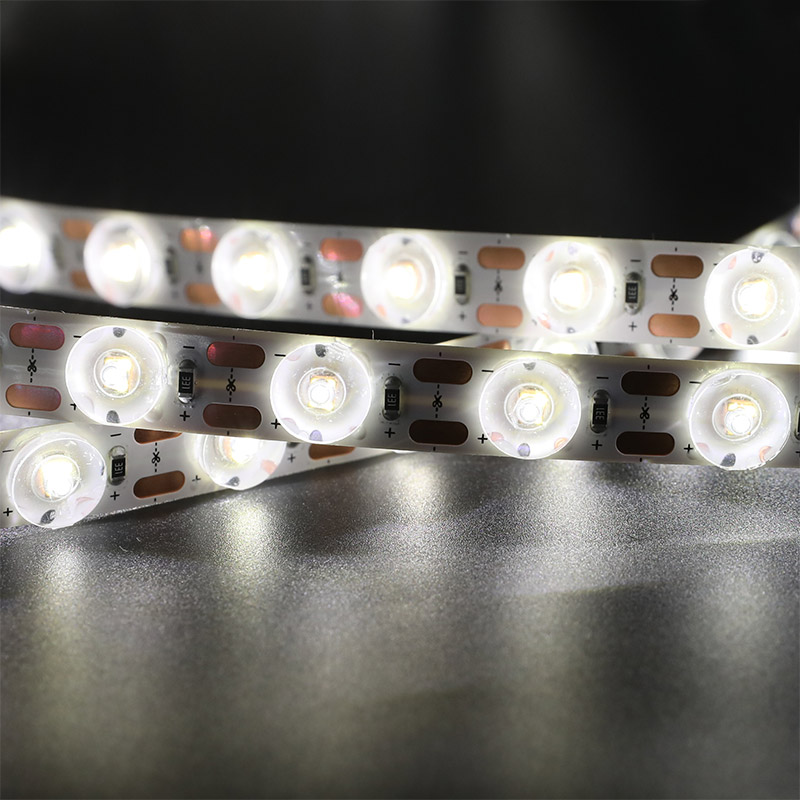
DC24V Diffuse 170 Degrees Lens 5000K LED Tape Light Neutral White
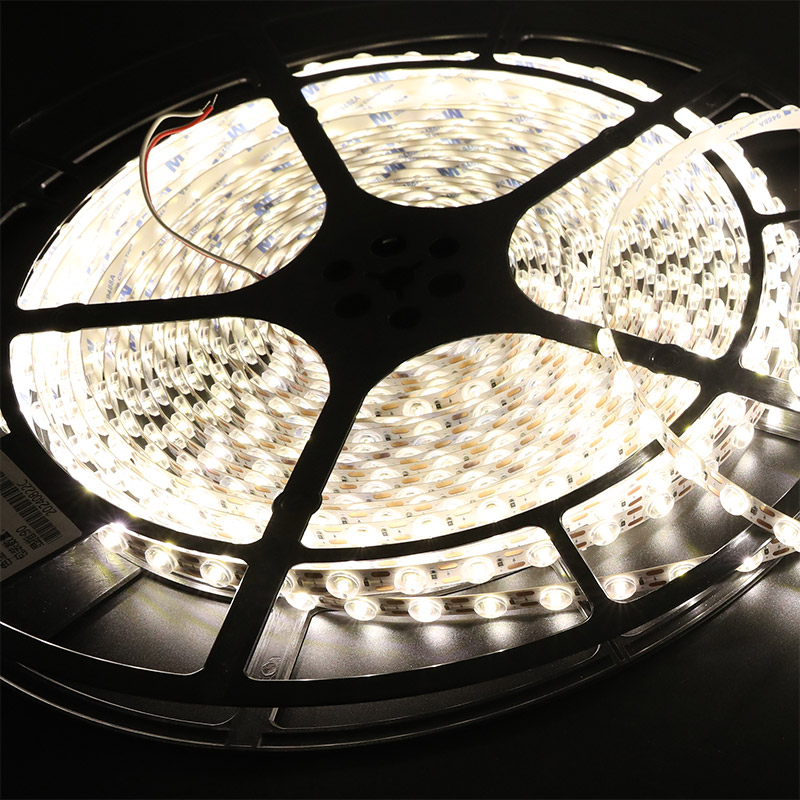
DC24V Diffused Light Lens Flexible Natural White 4000K LED Strip Light

DC24V Lens Diffuse Reflection Flexible Daylight 6500k LED Light Strip
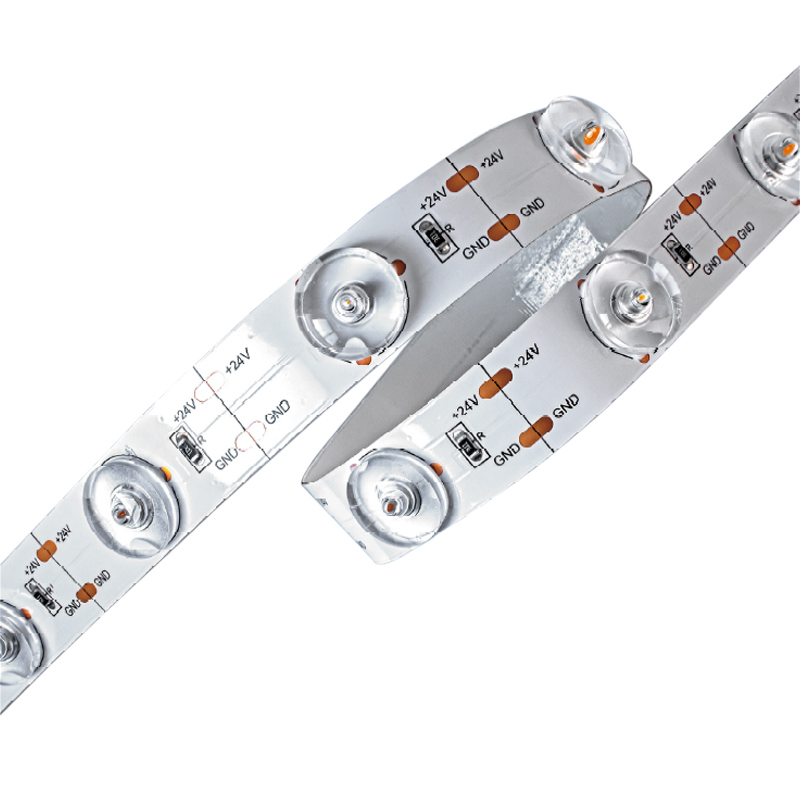
DC24V 3030 Bright Diffuse Reflection LED Strip White 15mm Wide

DC24V 20mm Wide Single White LED Diffused Light Strip Lens 3030
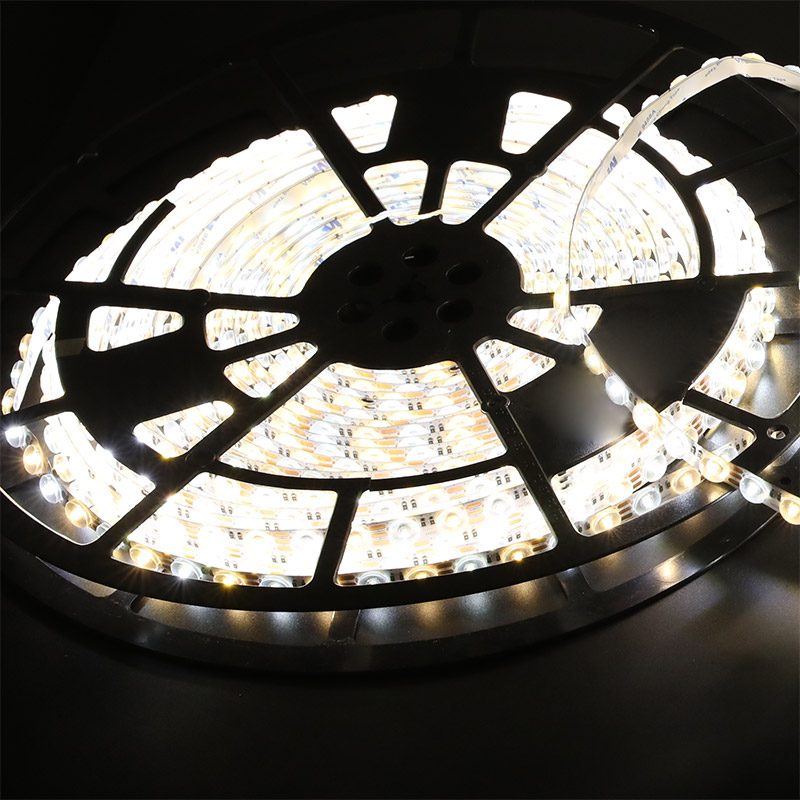
DC24V 170 Degrees Lens Diffuse Reflections Bright LED CCT Strip
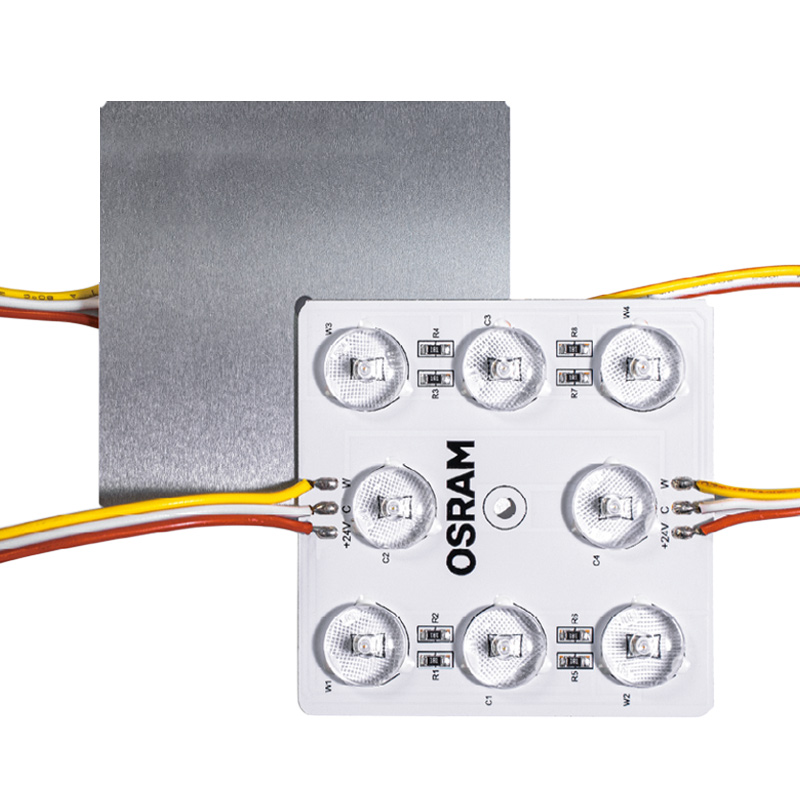
DC24V Diffused Lens Dual White CCT Bright LED Modules for Signs
What Is Diffused LED Light? Understanding LED Lens Diffuse Reflection Lighting
LED diffused light refers to an illumination method that uses specific materials or physical means to scatter the intense, concentrated “point light source” emitted by LEDs, transforming it into a uniform, soft, glare-free “surface light source.”
These diffused LED lights we provided typically use SMD LEDs as the light source, with each LED paired with an optical diffusion lens designed to spread light evenly across a wide area.
Beyond SMD-based optical LED light diffusion, other common soft diffused lighting technologies include COB LEDs, LED neon flex housing, and aluminum profile with diffusers systems.
While each approach achieves light diffusion differently, optical lens–based LED lighting diffusion stands out for its ability of fewer LEDs to achieve unifrom illumination.
Diffused vs. Non-Diffused LED Lighting
|
Feature
|
Diffused LED Lighting
|
Non-Diffused LED Lighting
|
|
Light Appearance
|
Soft, uniform, seamless
|
Bright, defined light points
|
|
Hot Spot Visibility
|
Minimal to none
|
Clearly visible
|
|
Glare Level
|
Low-glare, comfortable
|
Higher glare, direct emission
|
|
Required Mounting Depth
|
Shallow depth friendly
|
Requires more depth to hide dots
|
|
LED Density Needed
|
Lower density sufficient
|
Higher density often required
|
|
Beam Control
|
Ultra-wide light spread
|
Directional or semi-directional
|
|
Typical Applications
|
Backlighting, cove lighting, indirect lighting, signage
|
Task lighting, accent lighting, spot illumination
|
Why Choose a 170–175° Ultra-Wide Beam Angle?
A 170–175° ultra-wide LED beam angle is designed not for directional lighting, but for surface-expanding illumination. Instead of concentrating light forward, this beam angle spreads light laterally, allowing it to blend naturally across surfaces and cavities.
When combined with optical diffusion lenses, these LED diffused lights make it possible to achieve smooth, dot-free illumination effects even with low-density LED layouts. This reduces the number of LEDs required, lowers heat concentration, and improves overall lighting uniformity.
For applications such as backlit panels, shallow cove lighting, and architectural reveals, a 170–175° beam angle delivers superior visual consistency compared to traditional 120° or 140° LED lighting solutions.
Optic Lens LED Light vs. Wall Wash LED Light
Both lens diffused LED strip lighting and wall wash lights can be used for decorative lighting by using a lens to control the distribution of light. But they are also different from each other.
Diffused lens LED strips give an even brightness throughout the illuminated area by scattering the light. Wall wash lights, on the other hand, have a more concentrated light and are used to create visual focal points.
Generally speaking, diffuse reflector light bars have a larger angle of illumination, while wall washer lights have a relatively small angle of illumination.
Diffuse reflective LED strip is suitable for scenes that require even illumination, such as advertising light boxes or LED wall decorations. Whereas wall washer lights are mainly used for outdoor architecture, outlining the outline of the building with concentrated light to create a visual focal point.
Diffuse Reflection LED Lens Lights FAQ
No. A wider beam angle does not reduce total light output — it redistributes light across a larger area. Wide optical diffusion of light spreads brightness more evenly, which can make the light appear softer while still delivering sufficient illumination for backlighting and indirect lighting applications.
Yes. Optical diffusion lenses soften light transitions and reduce direct point brightness, resulting in lower glare and improved visual comfort — particularly in applications where the light source surface is visible.
In many surface-lighting and backlighting applications, yes. Thanks to the 170–175° beam spread and optical diffusion, fewer LEDs can often achieve the same level of visual uniformity compared to tightly spaced, non-diffused LEDs.
While the beam angle itself does not increase efficiency, the ability to achieve uniform illumination with fewer LEDs and lower power density can result in more efficient system-level designs with reduced heat buildup.
Yes. Our optical diffusion LED strips, bars, and modules are fully compatible with standard dimming systems, provided the driver and control method are correctly matched. Dimming performance depends on the LED driver & control rather than the diffusion optics.
No. Optical diffusion changes how light is distributed, not the spectral quality of the LED. Color temperature, CRI, and color consistency are determined by the LED itself, not by the diffusion lens.
Flexible diffused LED strips and rigid diffused LED bars can usually be cut at designated cut points. Backlight diffused LED modules are typically available in fixed lengths or modular formats, making them easy to configure for custom layouts without compromising uniformity.