
Programmable LED Controller
30 productsA programmable LED controller is designed for users who need more than preset colors and built-in lighting effects for addressable LED strips and digital LED fixtures. Its main advantage is the ability to create, edit, save, and run custom lighting programs, giving you greater control over pixel animations, color sequences, effect speed, timing, brightness, patterns, transitions, and playback order.
Compared with standard smart pixel controllers, which mainly focus on convenient control through a mobile app, WiFi, Bluetooth, or RF remote, programmable pixel LED controllers place more emphasis on custom effect creation and independent program playback. They are ideal for projects where the lighting effect needs to be designed specifically for an installation rather than selected from a fixed list of preset effects.
Many programmable controllers include built-in buttons, an LCD or digital display, and an SD card or memory storage, allowing programs created with compatible PC software to be downloaded to the controller and played offline without keeping a computer or smartphone connected. Depending on the model, users can adjust playback speed, brightness, program sequence, repeat mode, timing, and other parameters directly from the controller.
For users who prefer a more flexible and open control platform, selected WLED-compatible controllers provide another way to create advanced addressable LED lighting systems.

Programmable LED Controller For SPI & DMX Lights
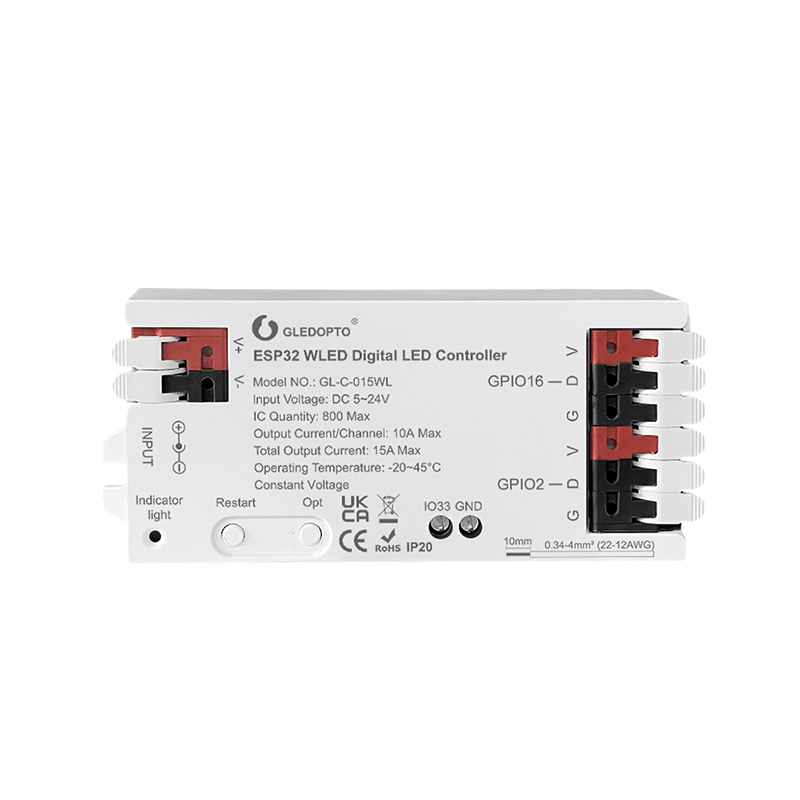
WIFI ESP32 WLED Controller to Control RGB and RGBW Pixel LED Tape
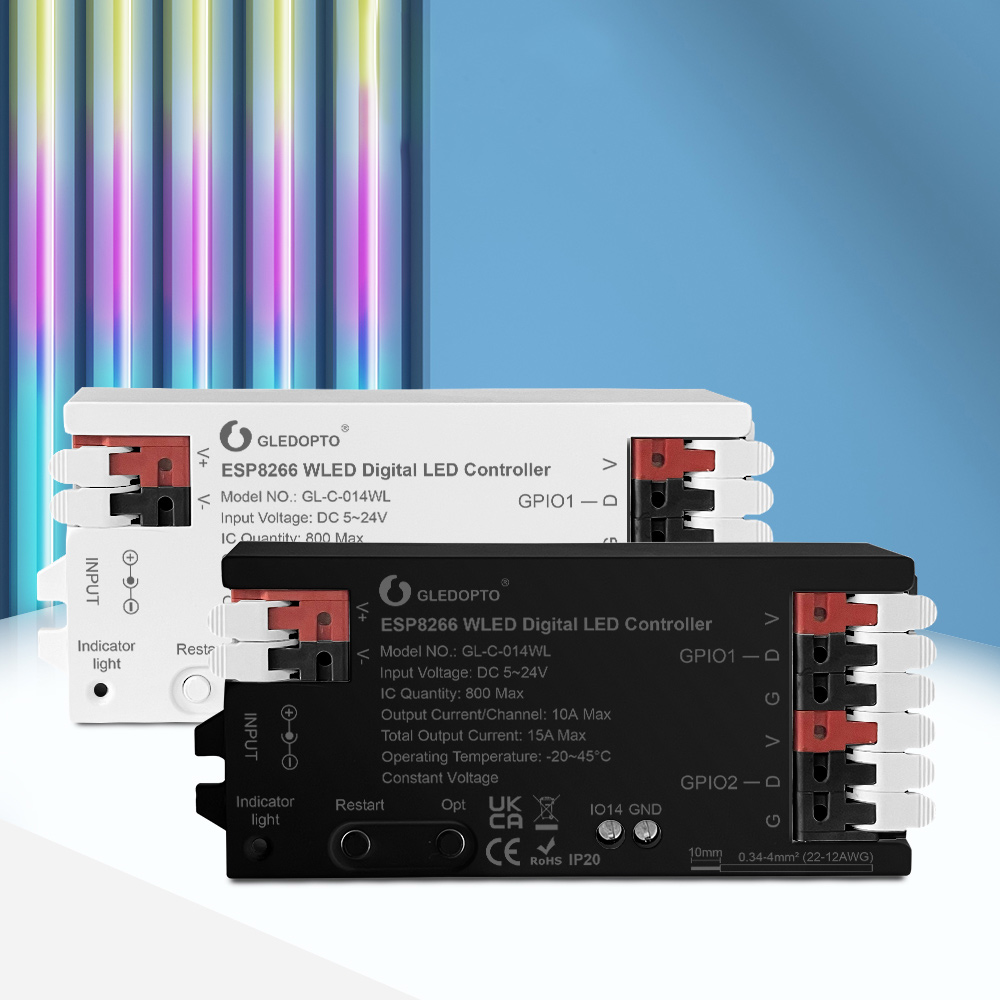
WIFI ESP8266 WLED Controller for RGB and RGBW Digital LED Strips
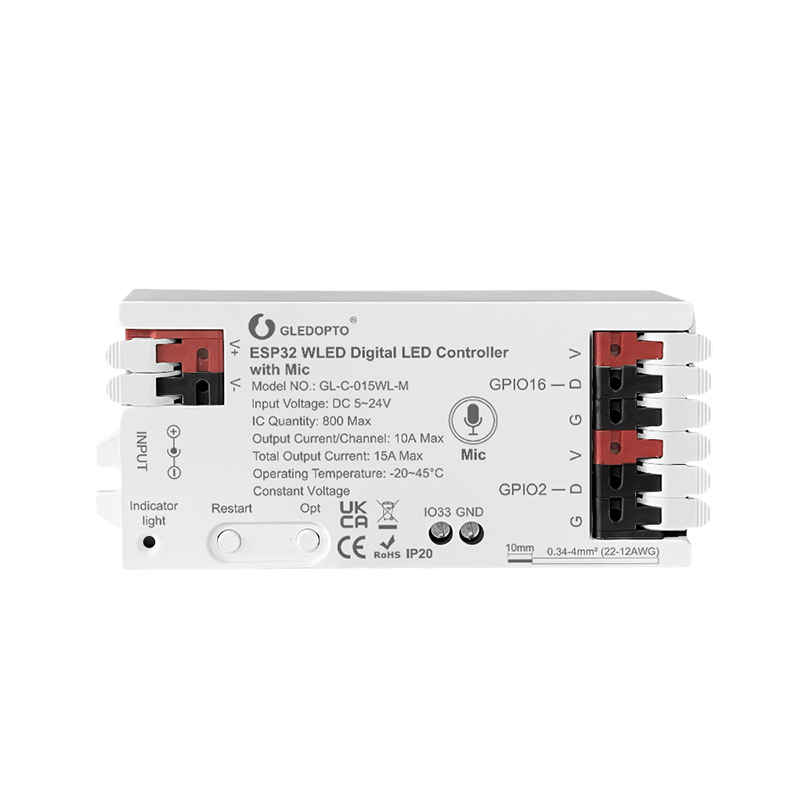
WLED ESP32 Addressable Wifi Music Controller with Microphone inside
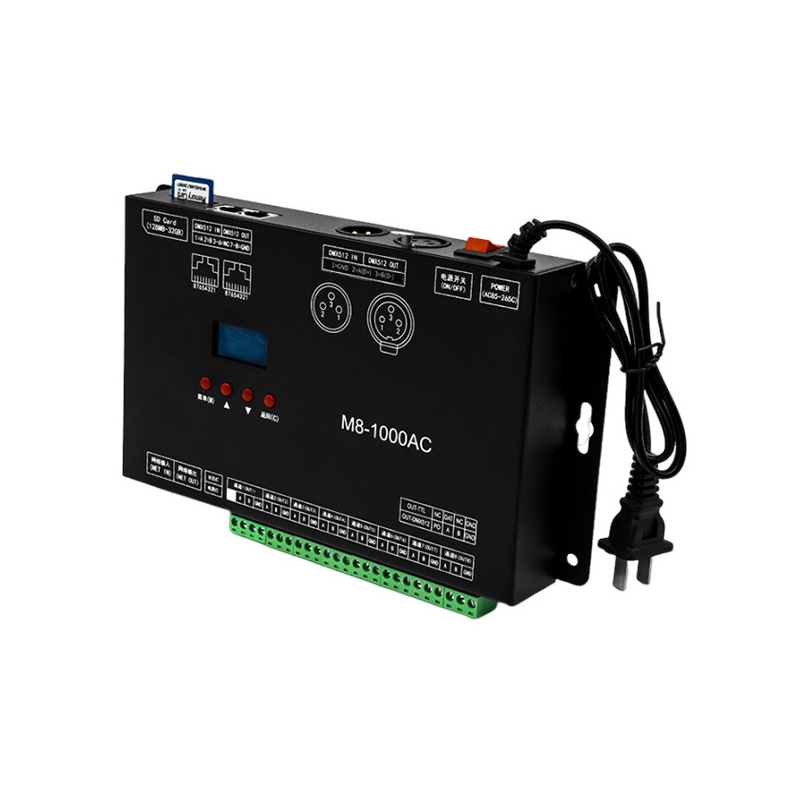
8-Port LED Pixel Controller: TTL & DMX512 for Dynamic Lighting
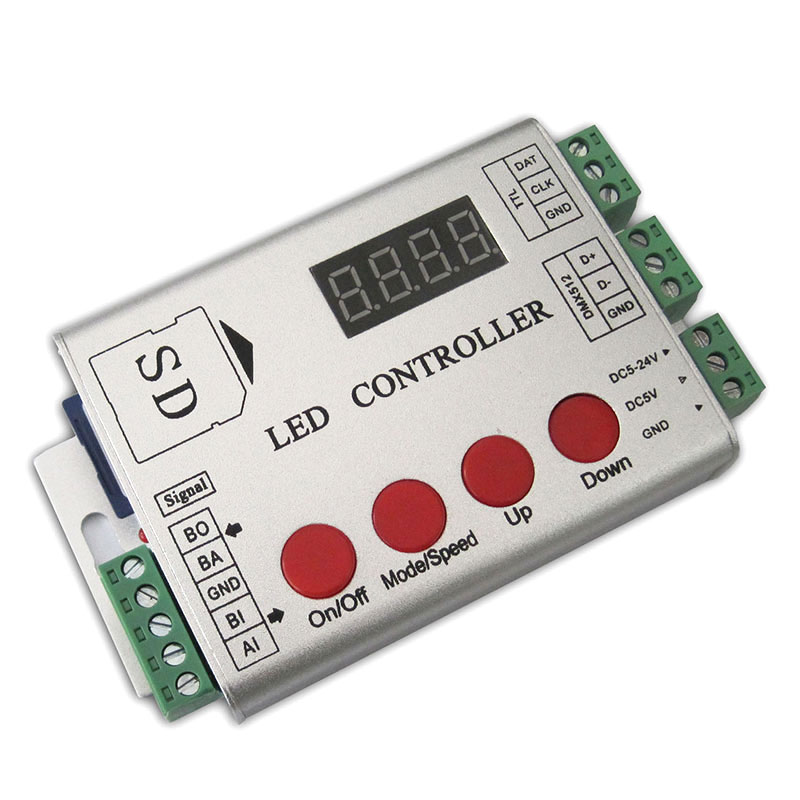
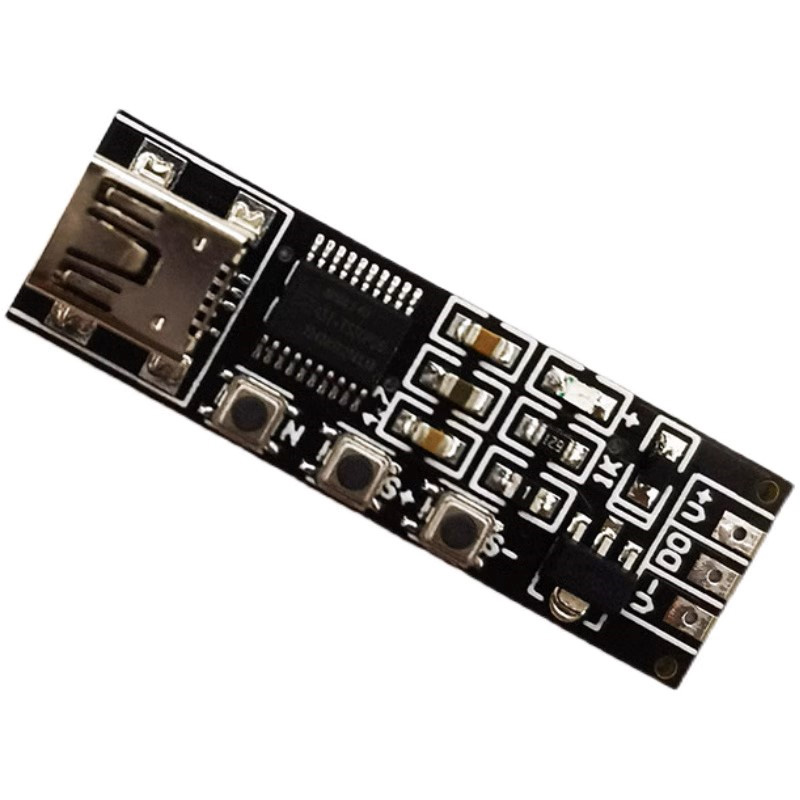
SDEdit LEDeasy TF Card Mini Programmable RGB RGBW LED Lighting Control Board
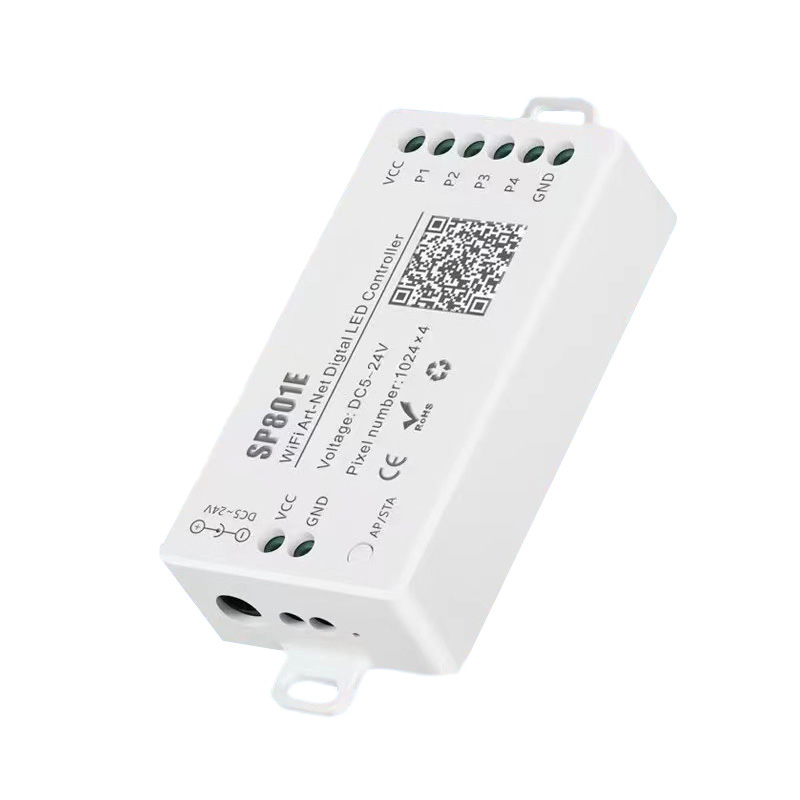
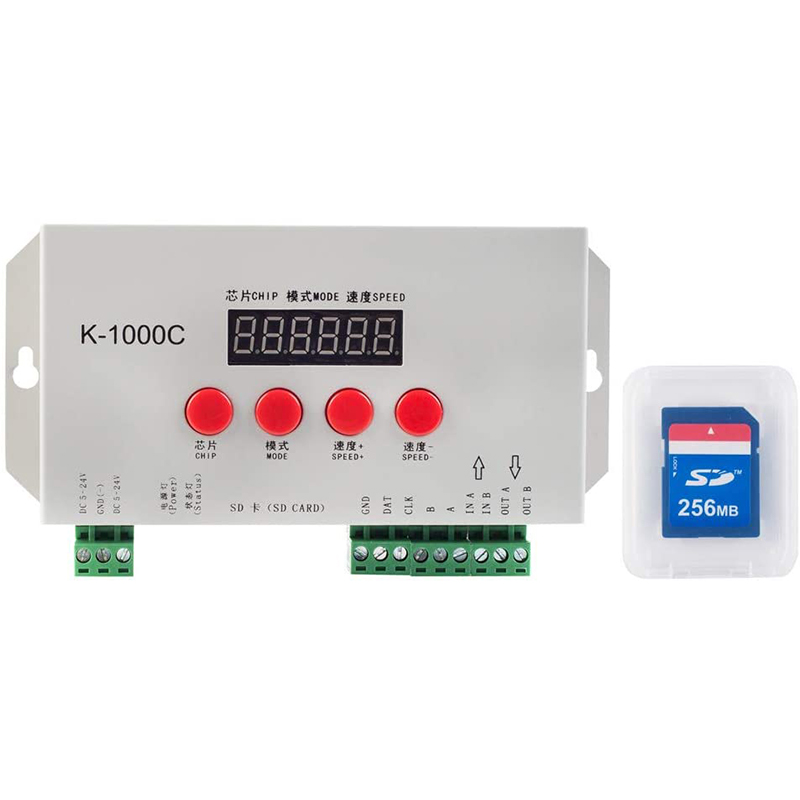
K-1000C Programmable LED Controller - WS2812B APA102C SK6812 | 2048 Pixels
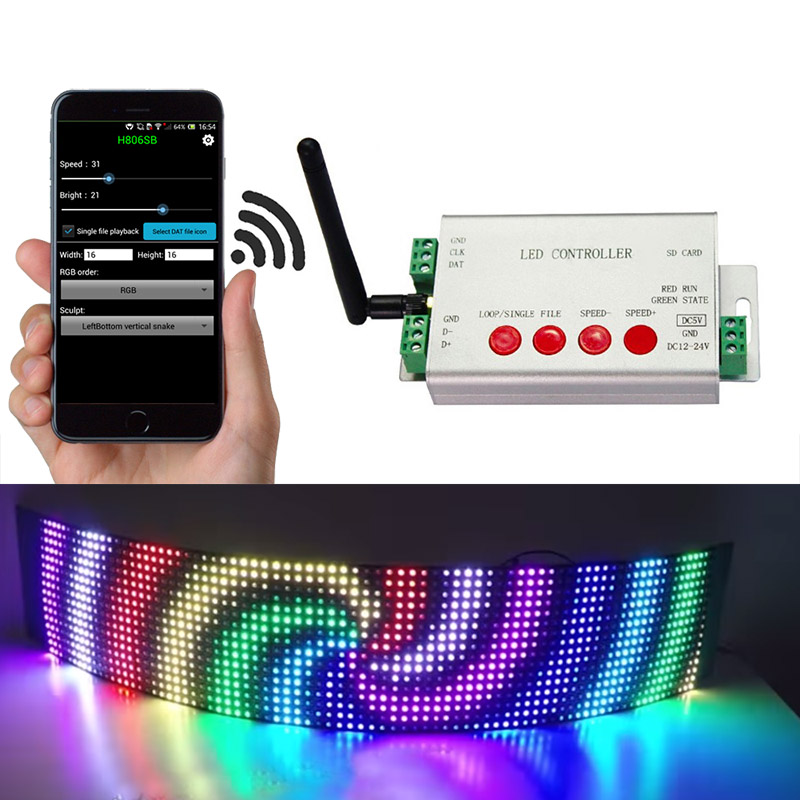
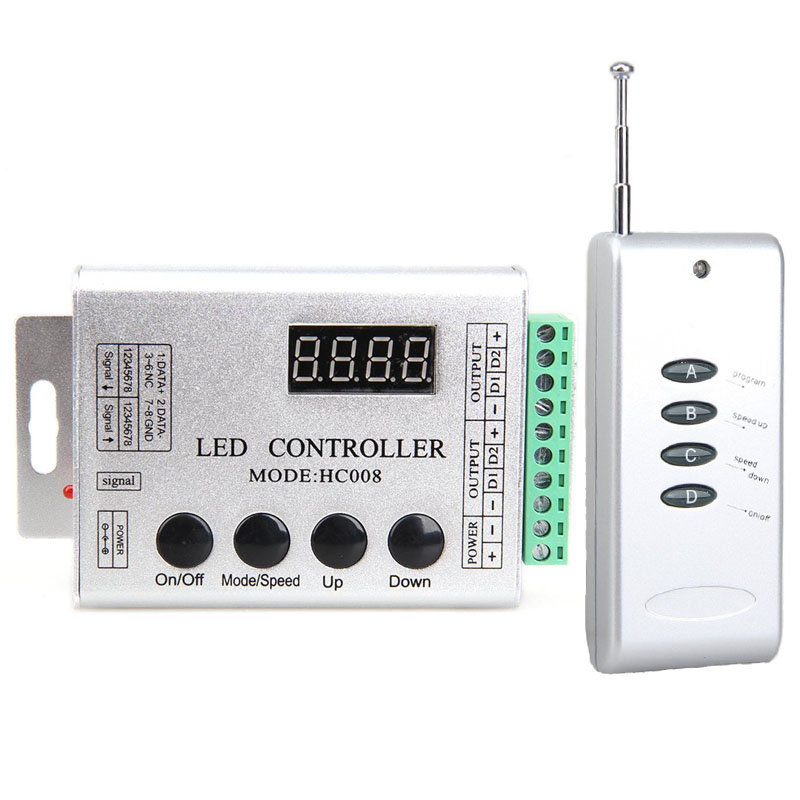
HC008 12V Programmable Music LED Pixel Light Controller
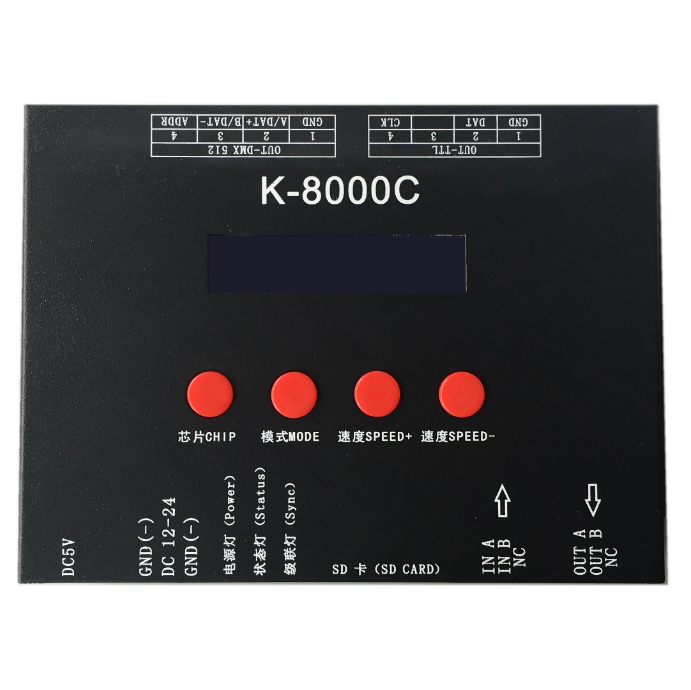
Offline 8 Ports K-8000C Programmable RGB LED Controller SD Card LED Pixel Controller for SPI/DMX
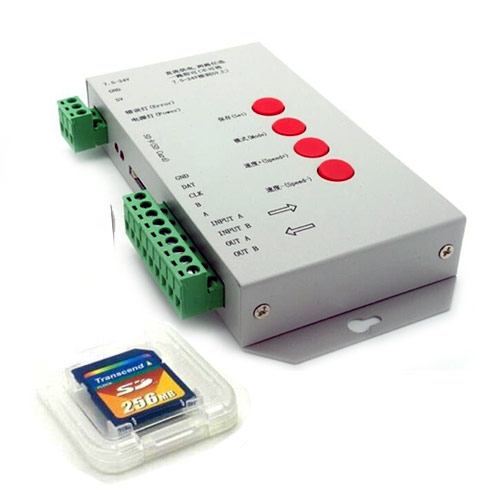
T-1000S 2048 Pixels Programmable LED Controller with SD Card
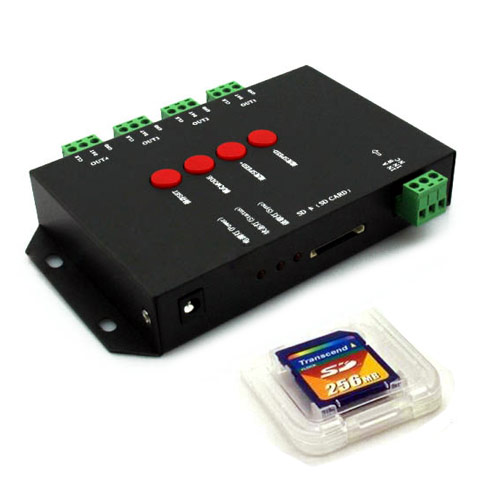
T-4000 Pixel LED Controller DMX512 - 4096 Pixels, SD Card | RITA
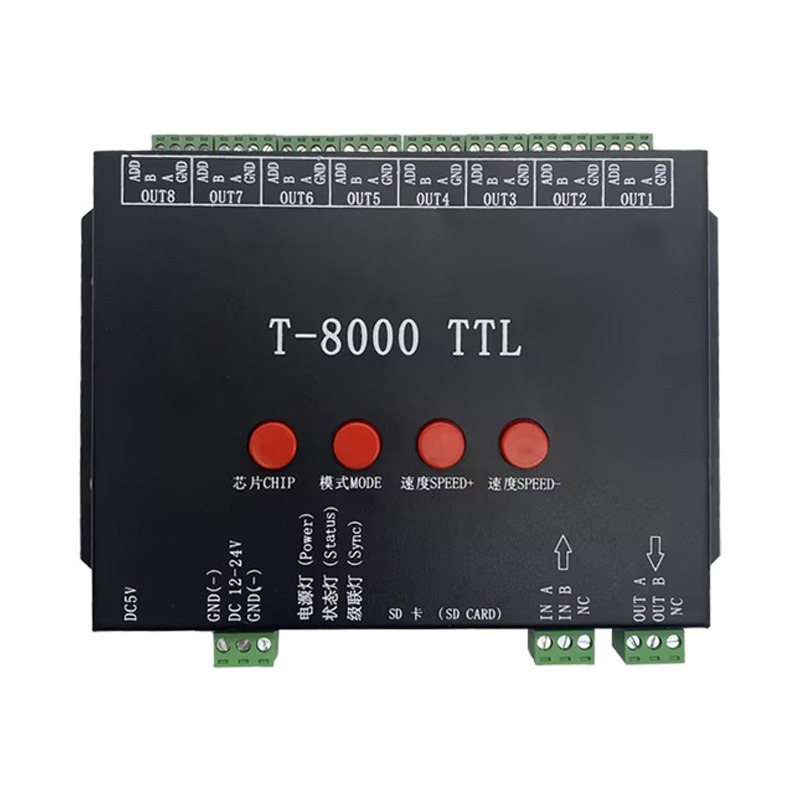
T-8000 Pixel Controller - 8192 Pixels, SD Card Prog. IC LED | 5-24V
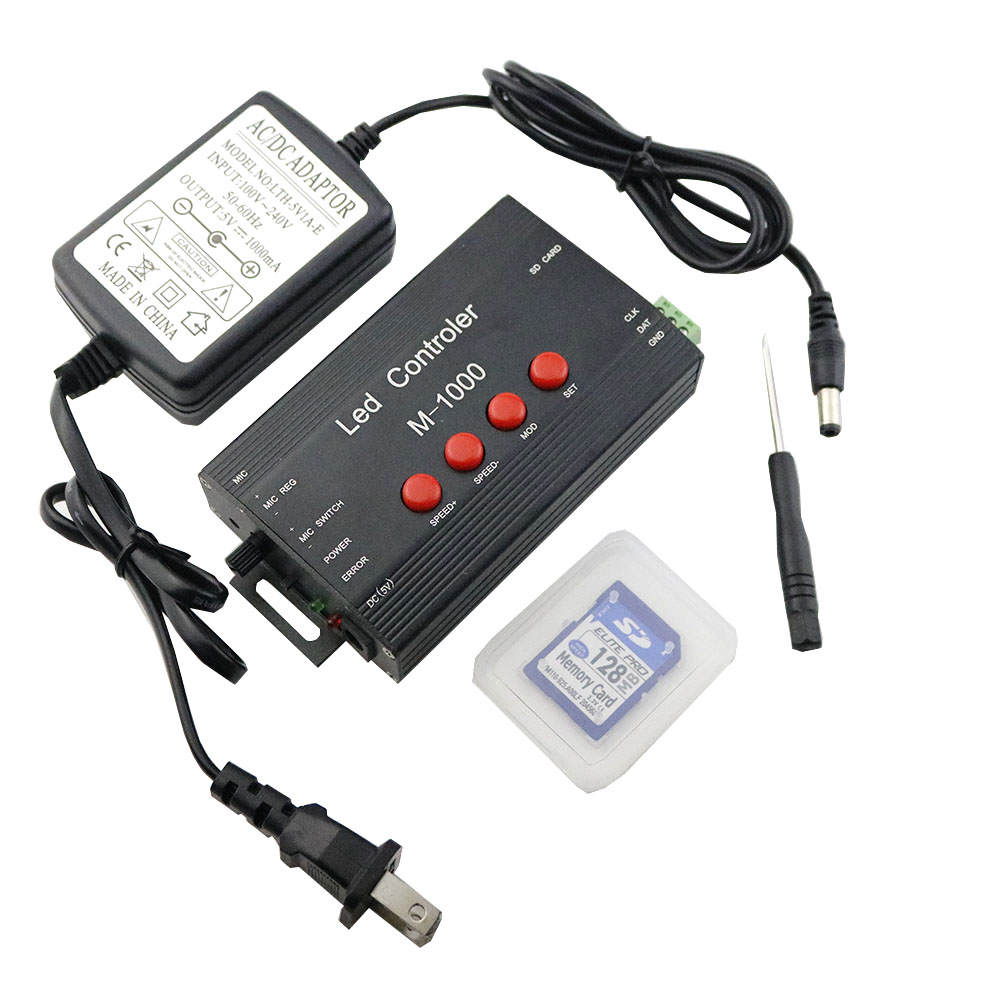
M-1000 Pixel LED Music Controller - Voice Control, 2048 Pixels, DC5V
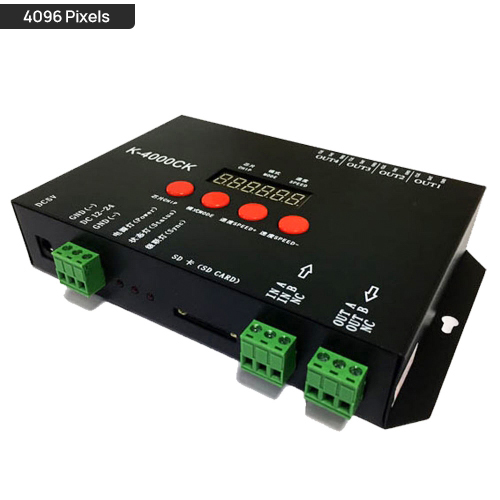
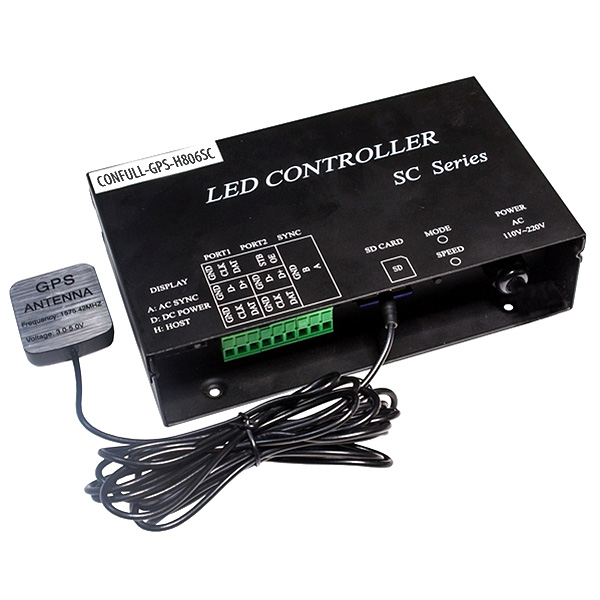
GPS Programmable LED Controller - 2x4096 Pixels | H806SC
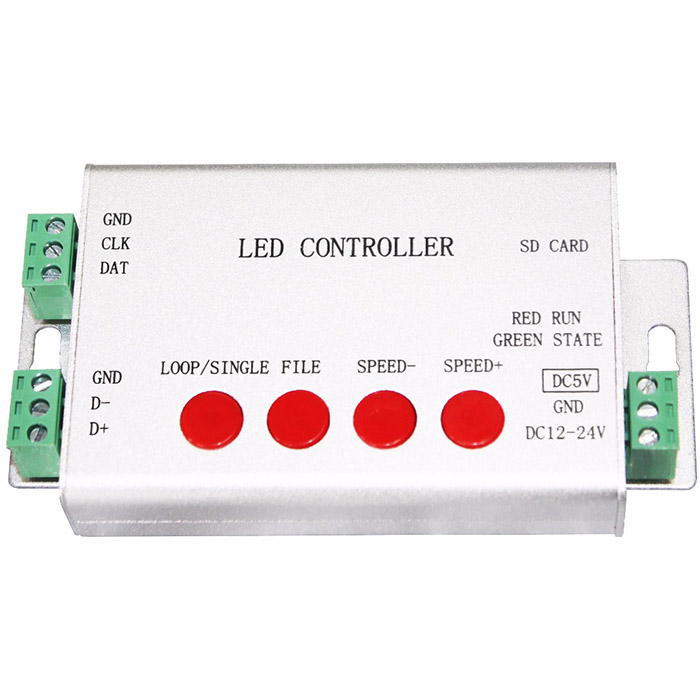
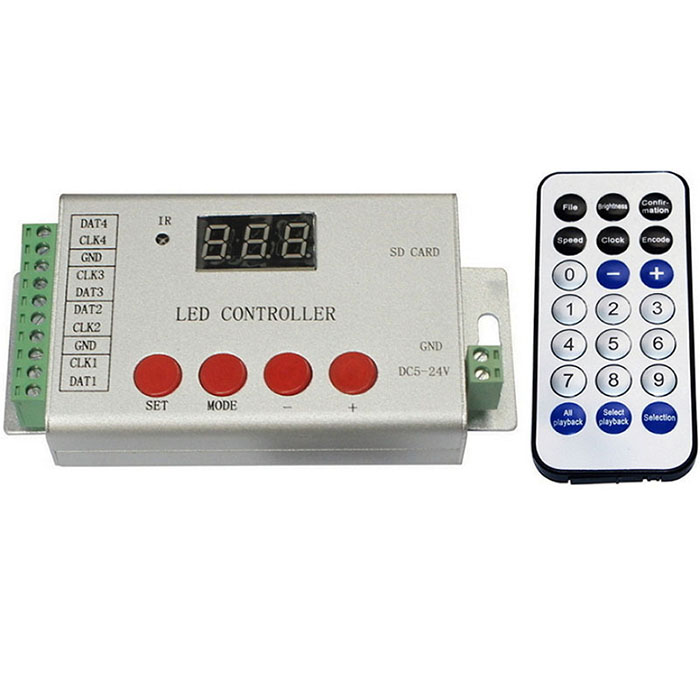
Programmable LED Controller FAQs
Got questions before you spec your next pixel project? After 12 years on the desk, I've heard them all. Here are the answers you need.
It depends entirely on the controller. Many of our popular models like the K-1000C use LEDEdit software to create effect files you save to an SD card. Others, especially our WiFi models based on ESP32 chips, come pre-flashed with WLED, which you control through a web browser on your phone. Always check the product description for the specific software it needs—they are not interchangeable.
The maximum number of pixel LEDs a programmable controller can handle is a hard limit listed in its specifications. A basic controller might handle 1024 or 2048 pixels. More advanced multi-port units like the K-8000C can handle 8,192 pixels or more. Pushing past that limit will cause flickering, slow animations, or parts of the strip simply won't light up.
Absolutely. Many of our advanced programmable controllers are designed for exactly this. They use a master/slave setup where one 'master' controller sends synchronization signals to multiple 'slave' units over RF or a wired link. This ensures every section of a large facade or stage show plays the effects at the exact same time. Look for 'synchronous' or 'cascade' features in the product specs.
For 'set and forget' installations like architectural lighting or retail displays, an SD card controller is incredibly reliable. You program it once, plug it in, and it runs your effects forever. For interactive projects or home use where you want to change things often, an app-based WiFi or Bluetooth controller is much more convenient. You get real-time control from your phone without needing to pull an SD card and go back to a computer.
SPI (Serial Peripheral Interface) is the signal protocol used by most addressable LED pixel strips like the WS2812B. It's a digital signal sent down a data wire. DMX (DMX512) is the industry standard for professional stage lighting and architectural control. Some of our versatile programmable controllers can output both SPI and DMX signals, letting you control pixel light tape and professional DMX fixtures from a single unit.