
LED RGB+CCT Garden Light
32 productsMiBoxer / Mi-Light outdoor wireless smart RGB+CCT color changing led landscape lighting series. These color changing landscape lights with AC 110V/120V/220V high voltage (line voltage) LED or DC 24V low voltage LED power input, adapt 2.4GHz RF or Zigbee 3.0 wireless technology, intelligent control of one or more landscape flood lights and landscape spot lights.
The RGB+CCT colored landscape lights accommodate a wide variety of landscape lighting uses, adding ambiance or just illuminating the trees and paths/driveways in your garden. Wireless transmission between multiple landscape lights makes it suitable for a variety of commercial and home landscapes.
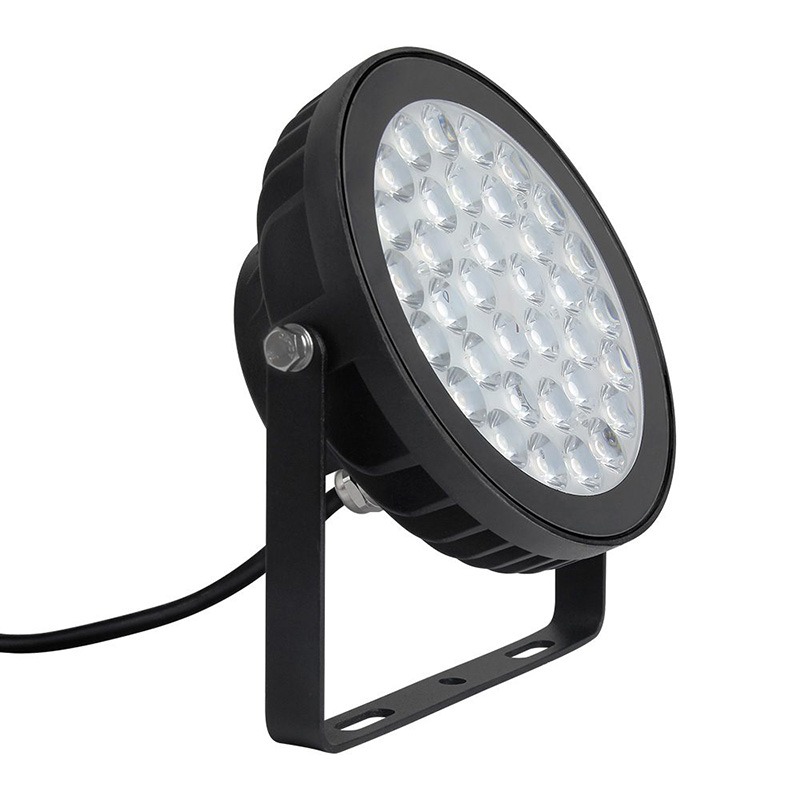

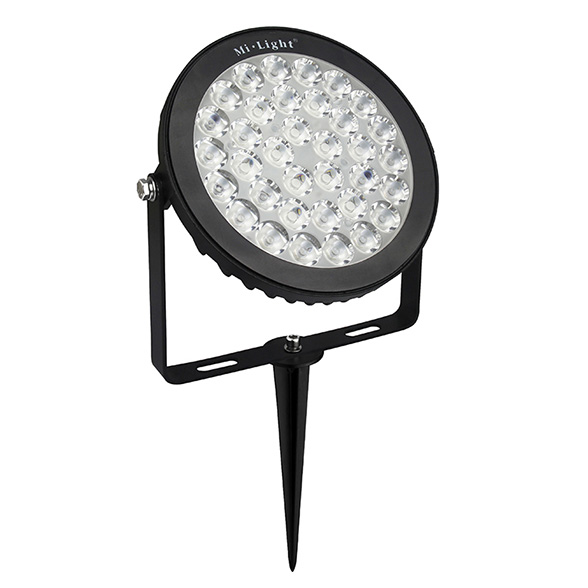
9W RGB+CCT LED Garden Lamp FUTC01 - IP65 Outdoor Landscape Lighting
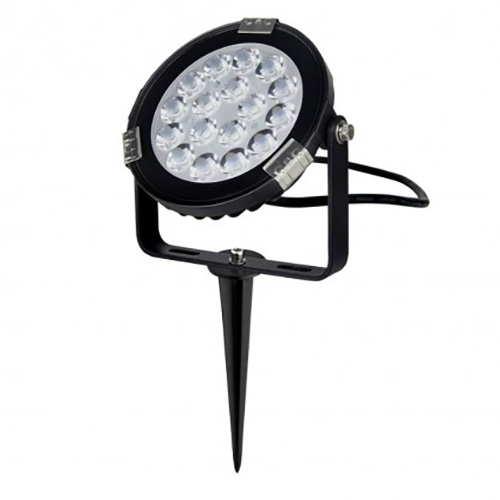
FUTC02 9W RGB+CCT LED Garden Lamp - IP65 Outdoor Smart Lighting

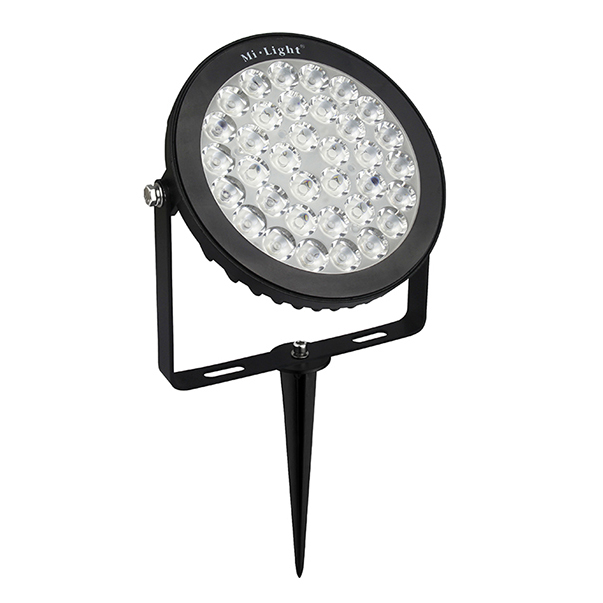
FUTC03 15W RGB+CCT LED Garden Lamp - IP65 Outdoor Smart Lighting
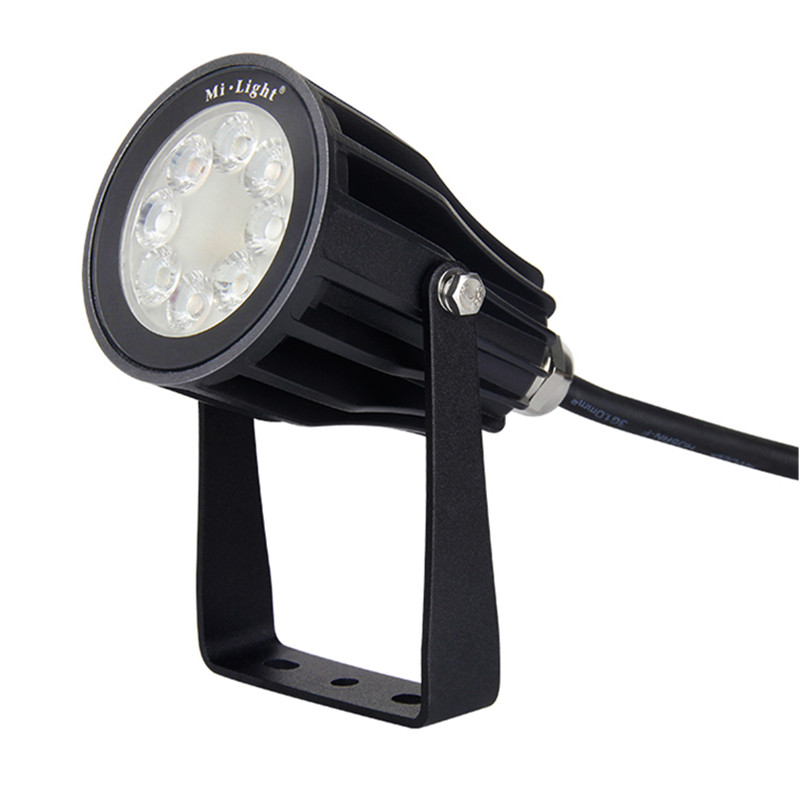

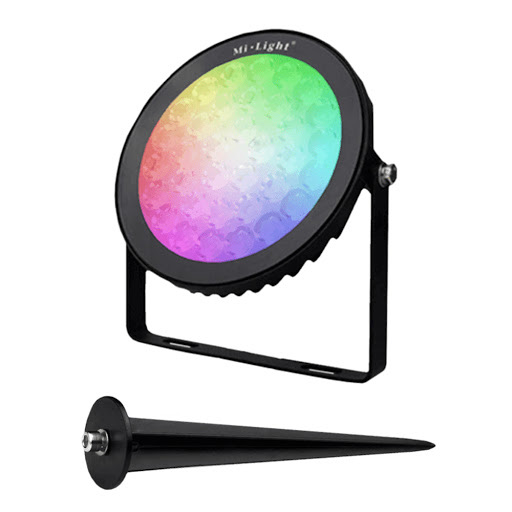
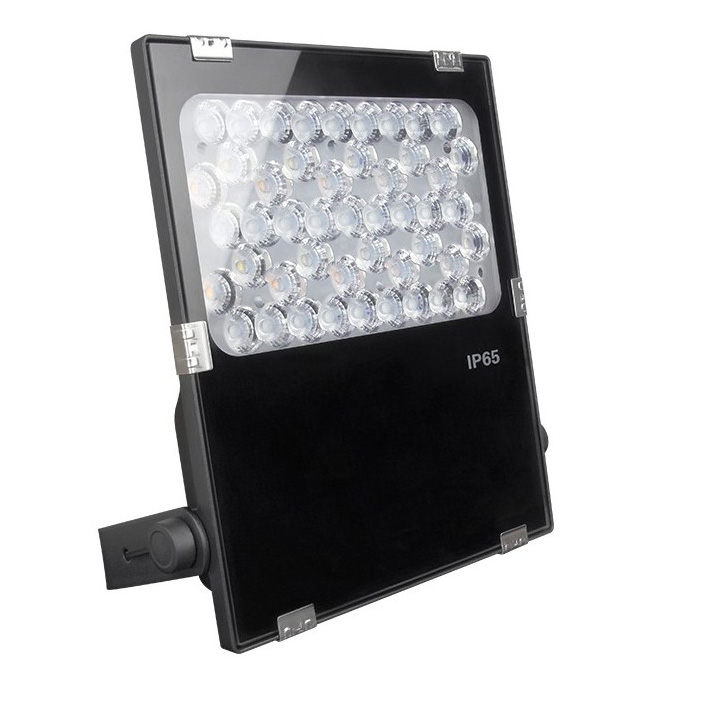
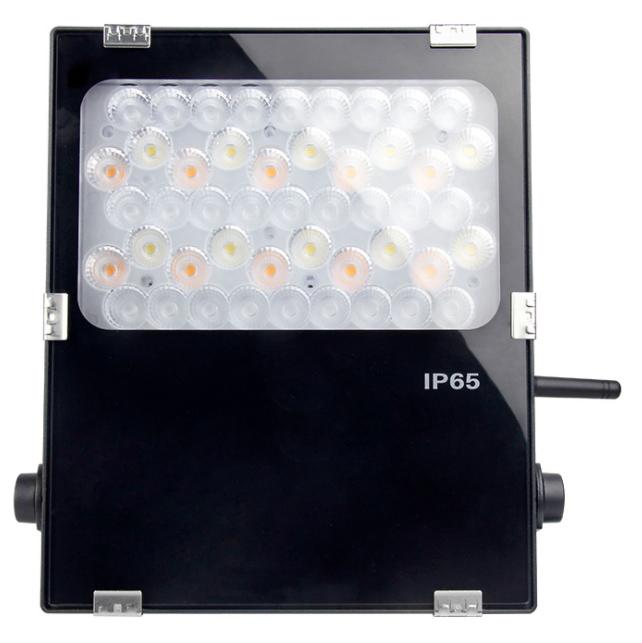
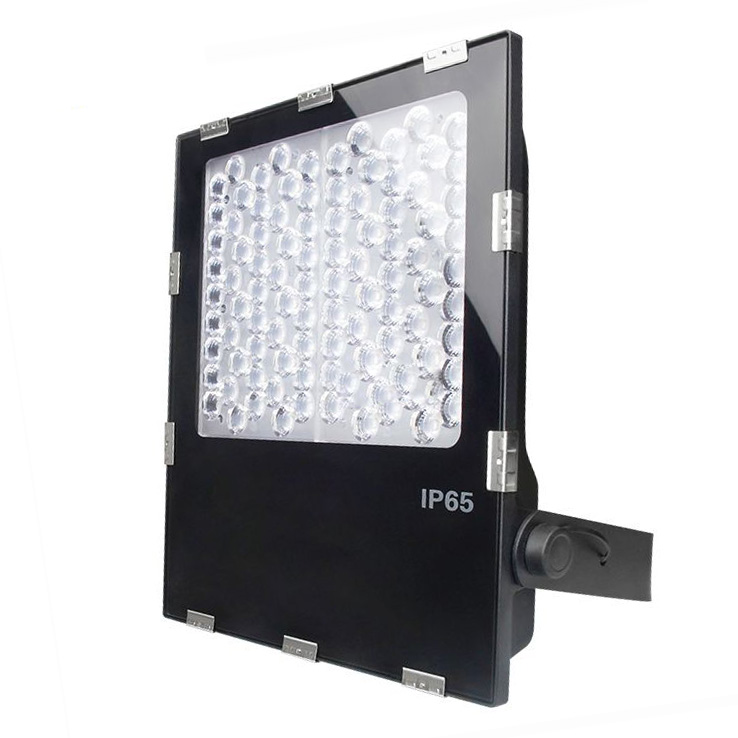
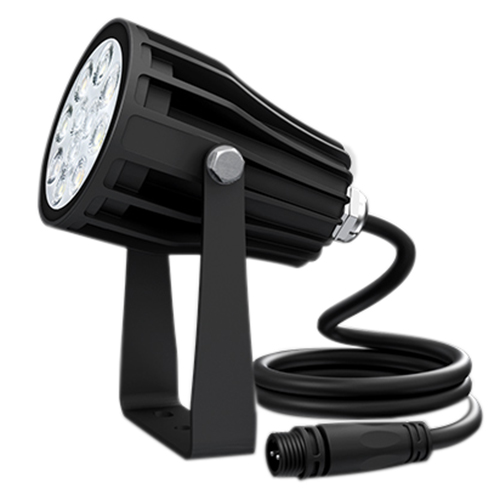
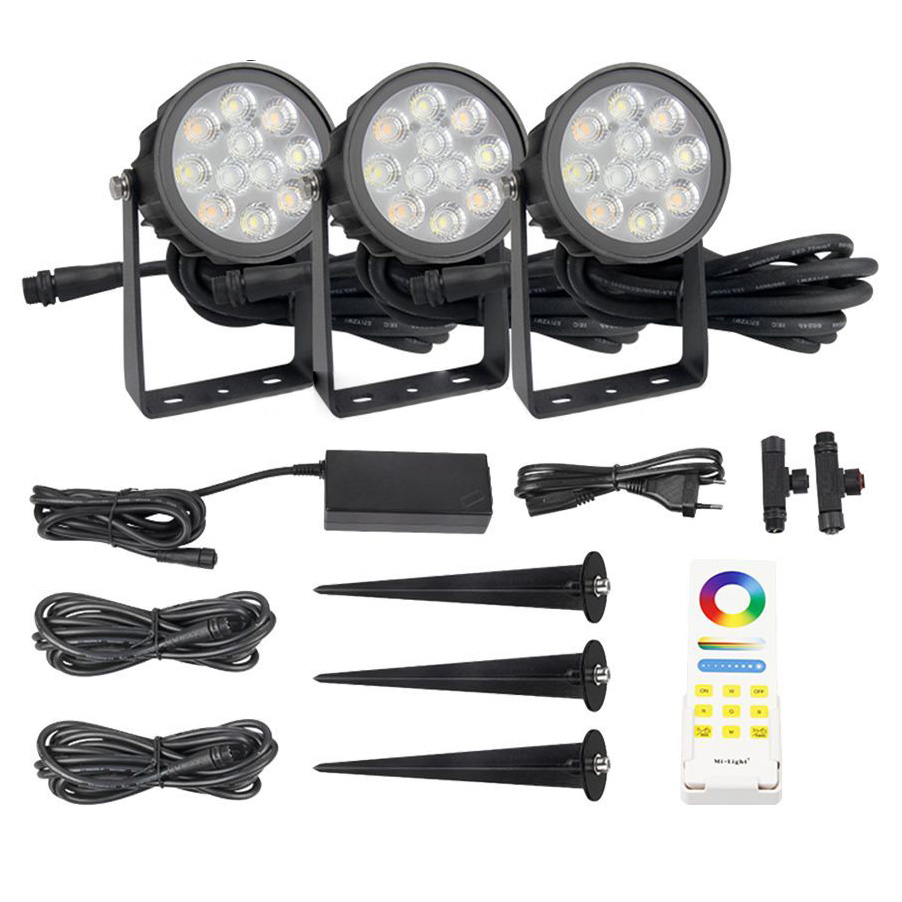
FUTC08A 6W RGB+CCT LED Garden Light Kit - Vibrant Outdoor Lighting


15W RGB+CCT LED Garden Light FUTC03ZR - Zigbee 3.0 Outdoor IP66

IP67 2.4G RF Repeater RP1 - Outdoor MiBoxer Signal Extender | 30m Range

Smart RGB+CCT 6W Zigbee Garden Light | AC100-240V Outdoor LED
FAQ About LED RGB+CCT Garden Lights
Direct engineering answers on power selection, wireless sync, optical beam spread, and weatherproofing for our outdoor garden spotlight range.
RGB+CCT tunable LED garden lights come in both low-voltage 24V DC and line-voltage 100V-240V AC, and your trenching depth determines the right pick. Line-voltage fixtures like the 9W FUTC02ZR connect straight to your mains breaker box, but US electrical code requires buried conduit 18 inches down. Low-voltage 24V DC models like the LA5-09R-RF run on direct-burial cable tucked 6 inches under turf without rigid pipe. For runs under 50 meters with multiple fixtures grouped around plantings, 24V DC is faster and safer to trench. If you are illuminating perimeter trees 80 meters away from the house, choose AC mains to bypass voltage drop entirely.
Miboxer landscape LED garden fixtures use automatic signal relaying, allowing you to link an unlimited number of fixtures as long as each light sits within 30 meters of another. When you issue a color change or dynamic chase from a handheld remote, the closest fixture receives the 2.4GHz RF command and repeats it down the line within milliseconds. We regularly see commercial courtyards with 40 to 60 heads running synchronized color fades across 150 meters without lag. Just keep open line-of-sight between fixtures; burying a receiver behind dense stone retaining walls drops that 30-meter hop distance down to roughly 10 meters.
Outdoor LED RGB+CCT garden lights require narrow beam optics when shooting into high foliage, otherwise the lumen output spills across the lawn instead of reaching the canopy. For palms, birch, or columnar trees over 6 meters tall, pick a 15-degree spotlight like the 9W FUTC02ZR to punch light straight up the trunk. For wide-canopy maples or perimeter shrubs, step up to a 25-degree optic like the 6W FUTC04ZR or a 60-degree head like the 12W FUTC11ZR. If you need broad, uniform wall washing across a building facade rather than accent spotting, swap from garden spikes to outdoor RGB+CCT floodlights.
Wireless RGB+CCT garden lights lose remote communication outdoors when dense physical obstacles or wet soil absorb the 2.4GHz radio signal. High-frequency RF travels well through open air, but wet shrubs, masonry retaining walls, and metal patio furniture attenuate the packet strength quickly. If your furthest garden spotlight fails to respond while closer heads work normally, the distance between hops has exceeded reliable range. You do not need to replace your fixtures; placing an outdoor RF signal repeater midway along the run restores clean transmission and extends the control network another 30 meters.
Low-voltage 24V garden spot lights require calculated cable sizing to keep the final head on the run from losing brightness or shifting color. Calculate your total fixture wattage, add a 20% safety margin to size your 24V power supply, and use 14 AWG or 12 AWG direct-burial landscape wire instead of thin 18 AWG bell wire. Rather than daisy-chaining ten lights in a single long run, split your garden into a T-tap or hub layout with the power supply in the center.
Spike-mounted garden lights are built for directional elevation and seasonal adjustments, whereas flush well fixtures are designed for zero-trip-hazard ground paths. With a garden stake fixture, you loosen the thumb screw to tilt the optical head up into an autumn maple canopy, or lift the stake completely as flower beds grow taller in spring. By contrast, flush-mount RGB+CCT underground lights sit permanently flush with concrete walkways, driveways, or manicured turf where lawn mowers and foot traffic cannot hit a raised housing.
Dedicated white chips inside RGB+CCT tunable LED garden lights produce genuine, high-CRI white light without the unnatural purple or blue fringe seen on basic RGB fixtures. Our 5-in-1 garden optical clusters incorporate independent warm white (2700K) and cool white (6500K) LED chips with CRI>80. You can dial in a crisp 6500K daylight white to accentuate blue spruce needles, or slide down to 2700K candlelight to illuminate stone masonry.
Zigbee-enabled garden models like the FUTC04ZR and FUTC05ZR pair directly to standard Zigbee 3.0 gateways, including Tuya Zigbee hubs, Home Assistant (via Zigbee2MQTT or ZHA), and Philips Hue bridges. Once paired, you get complete color wheel control, CCT temperature adjustment, and scheduled automation inside your existing smart home dashboard. Remember that outdoor garden lights cannot bridge to an indoor Zigbee hub if your home has foil-faced exterior insulation or thick stone walls. Ensure at least one mains-powered indoor Zigbee router device sits on an exterior-facing wall within 10 meters of the first outdoor light.
Every LED RGB+CCT garden light fixture includes an aluminum ground spike for soft soil, but you can remove that spike to expose a flat mounting bracket for solid surfaces. For patio pavers, limestone borders, or concrete retaining caps, detach the ground stake and fasten the bracket directly into your masonry using two 316 stainless steel Tapcon anchors. When mounting onto concrete footings, ensure the cable lead exits downward into an IP68 junction box with waterproof cable glands so moisture cannot wick back along the wire jacket over years of exposure.
Across our 32 live garden light models, wattage dictates both throw distance and illuminated surface area. For low ground cover, ornamental grasses, and 1-meter flower beds, 6W fixtures like the FUTC04ZR provide balanced accent illumination without overpowering the yard. For mid-sized ornamental trees, privacy hedges, and fence pillars up to 4 meters tall, 9W to 15W fixtures (such as the FUTC02ZR or FUTC03ZR) deliver sufficient punch. For mature 6- to 9-meter shade trees or wide building facades, deploy 25W heads like the FUTC05ZR to keep the canopy evenly saturated.