
Adjustable LED Can Lights
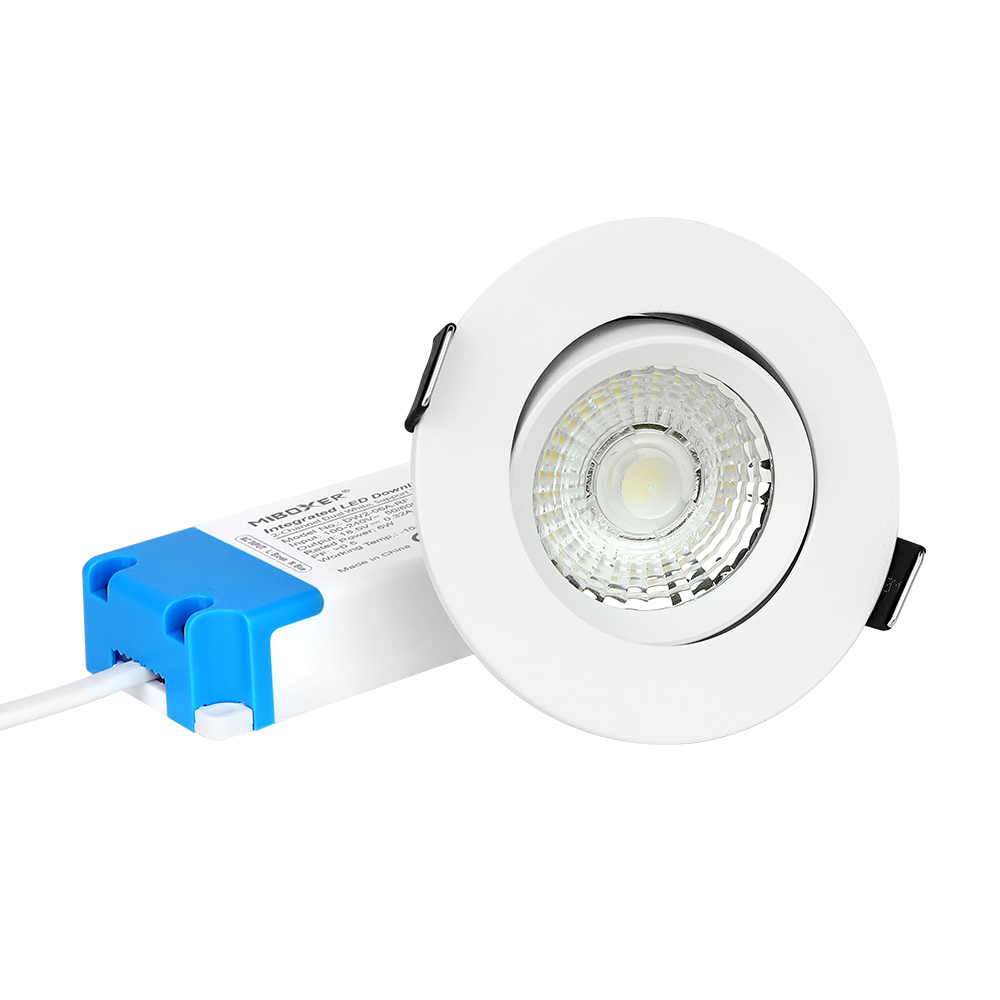
16 productsAdjustable led downlights (also known as adjustable can lights) are able to project light precisely to specific areas as needed, highlighting wall decorations or artwork, focusing light on bookshelves, display shelves, kitchen worktops, bathroom mirrors or shower areas. Directional downlight optimizes the functionality of household and commercial areas, substantially boosting their practical utility. Create a personalized ceiling lighting solution according to the functional needs of your space with our multiple types of angled led ceiling downlights.
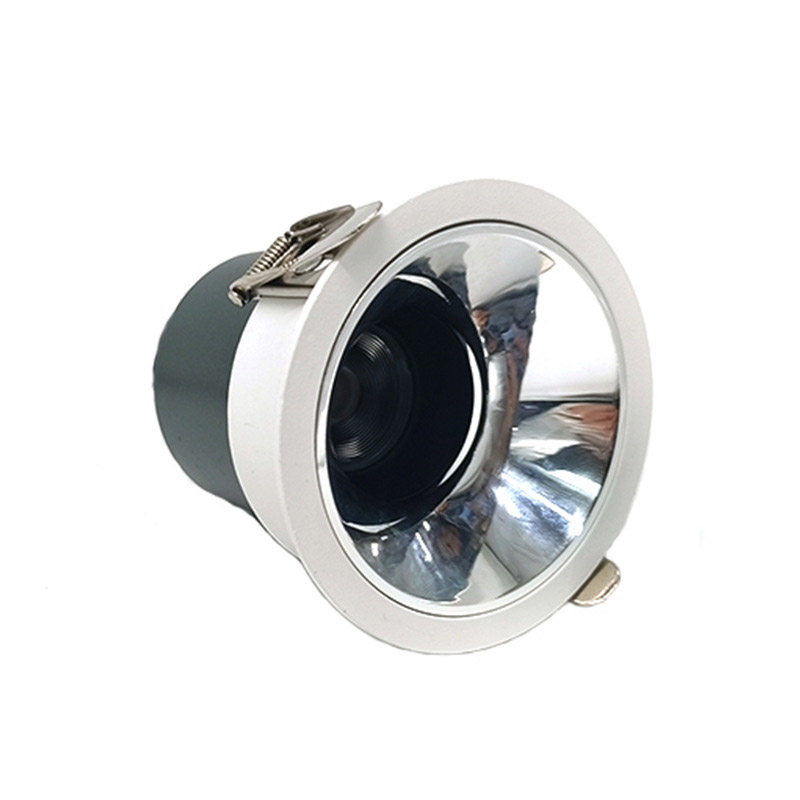
12W 3In Recessed Color Changing RGB RGBW DMX Led Can Lights
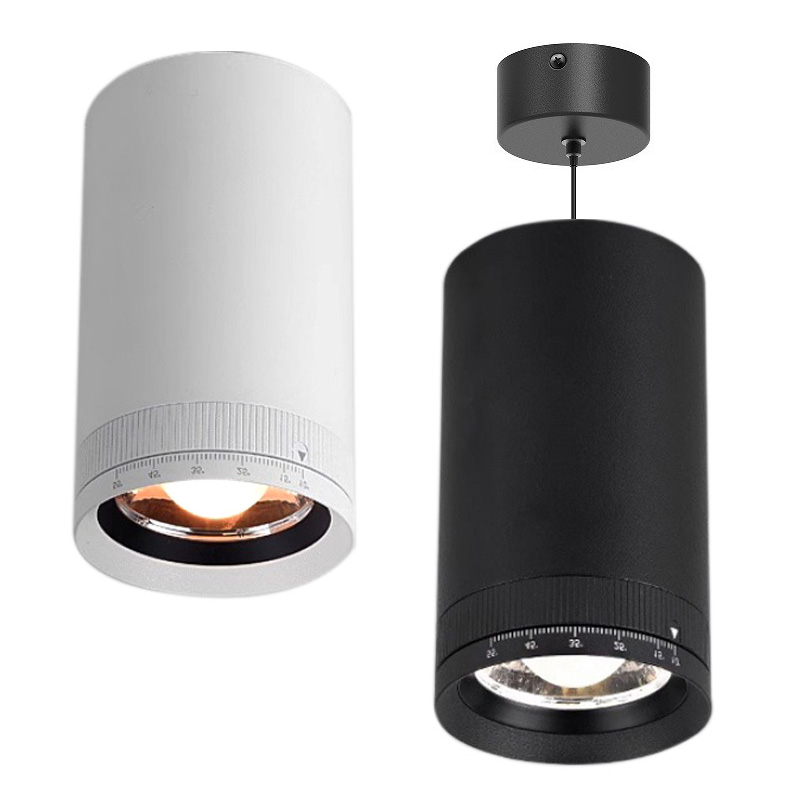
Surface Mount Slim Zoomable LED Adjustable Focus Spotlight
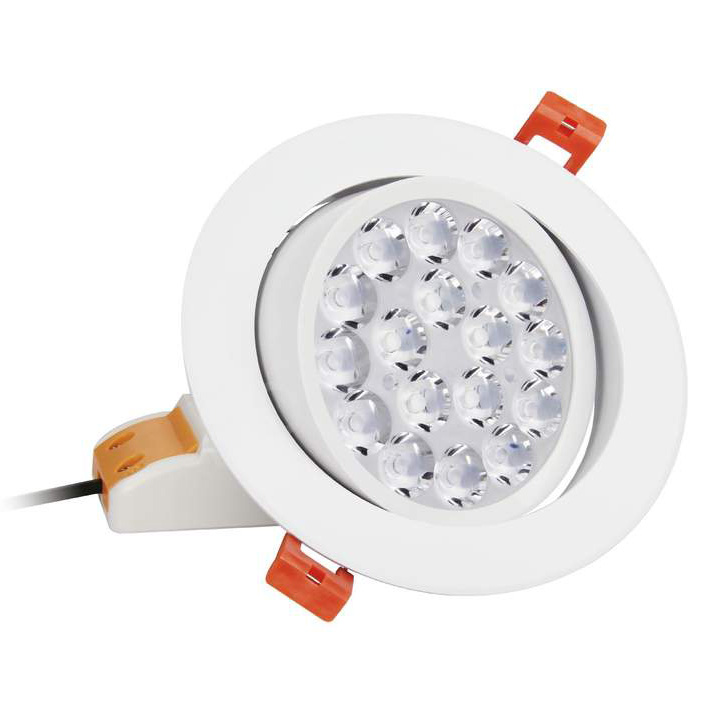
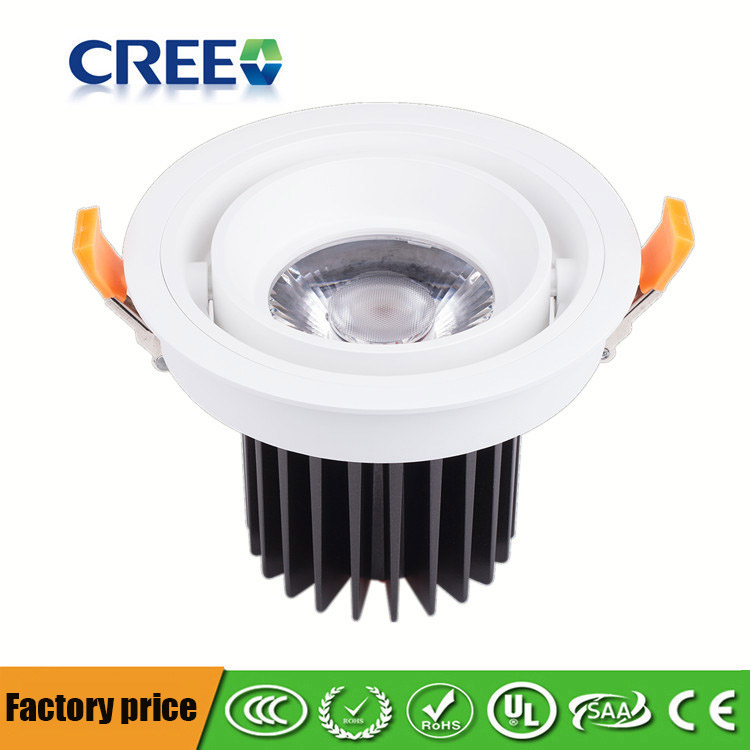
360° Rotation Flush Mount COB Ceiling LED Spotlight - 120W Equivalent
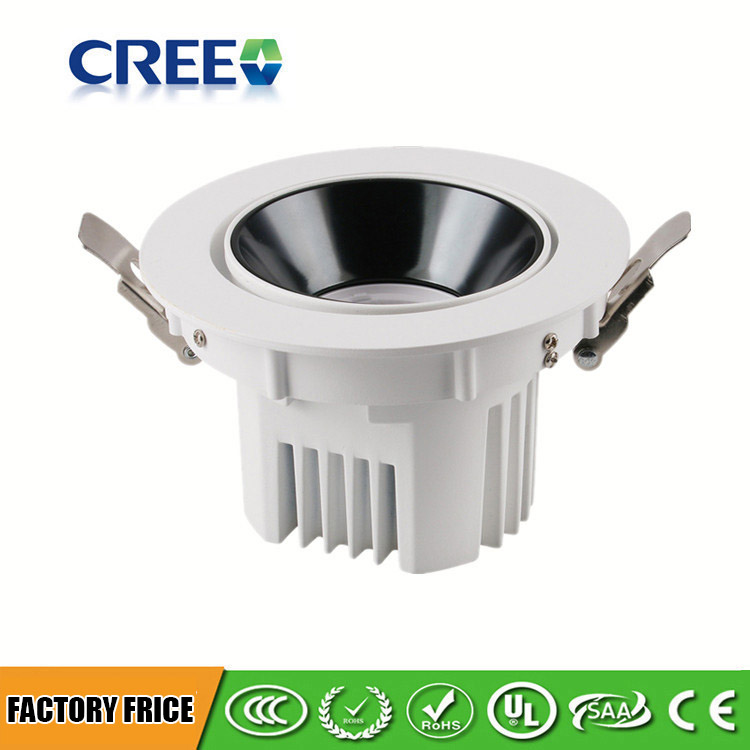
4.9in/5.9in COB LED Downlight - Triac Dimmable, Anti-Glare | 1600 Lumens
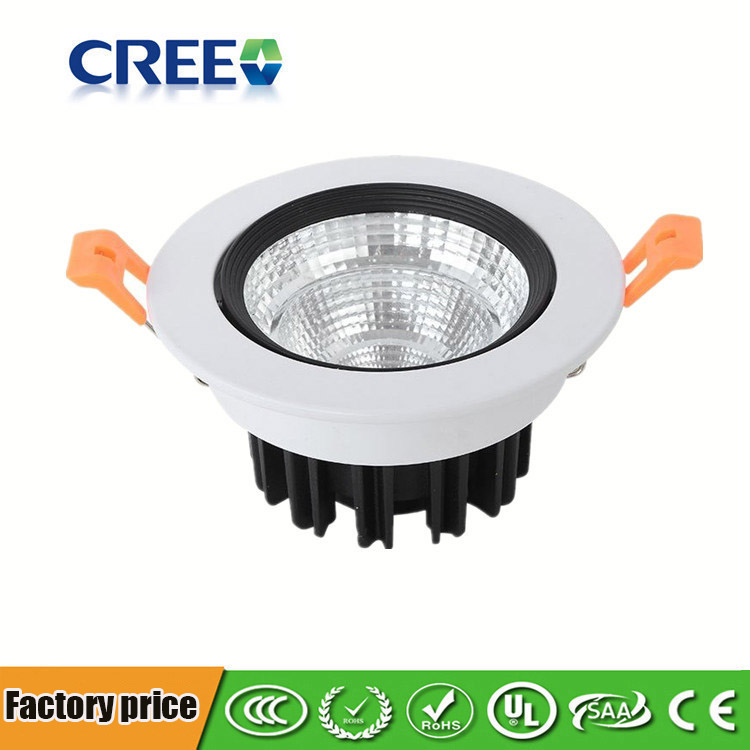
Dimmable COB LED Downlight 5-30W - Adjustable Flush Mount | 3-Year Warranty
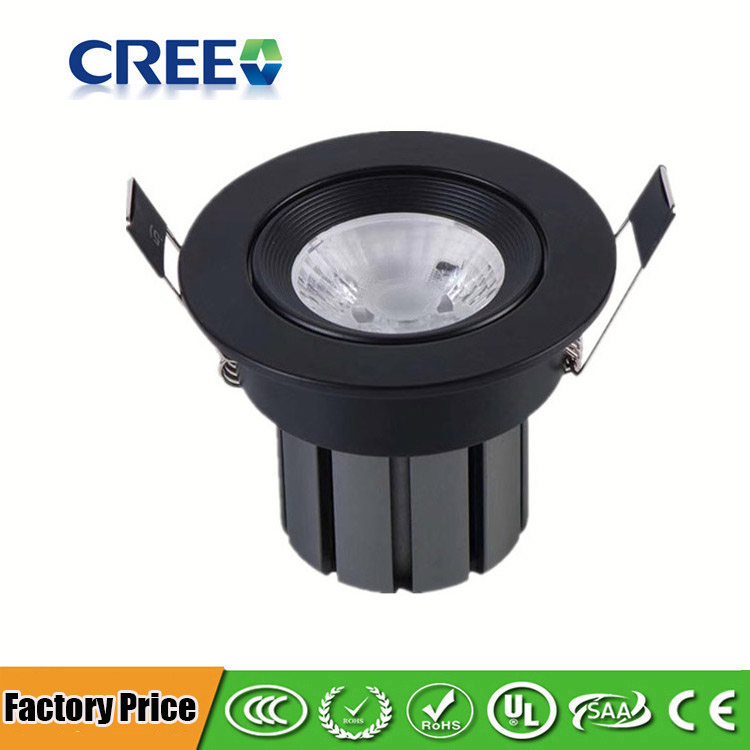
White Light COB LED Downlight Flush Mount Ceiling Light 10/23/36°
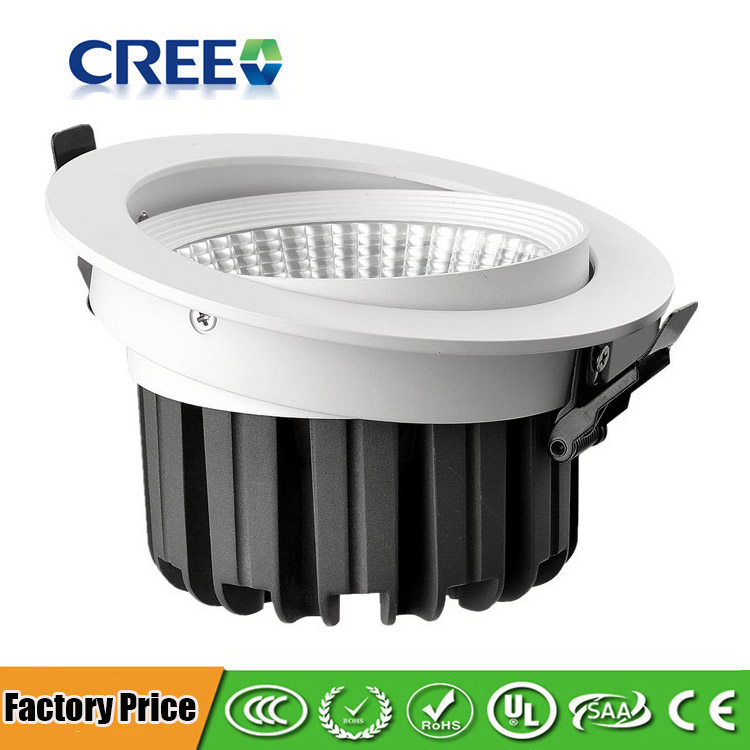
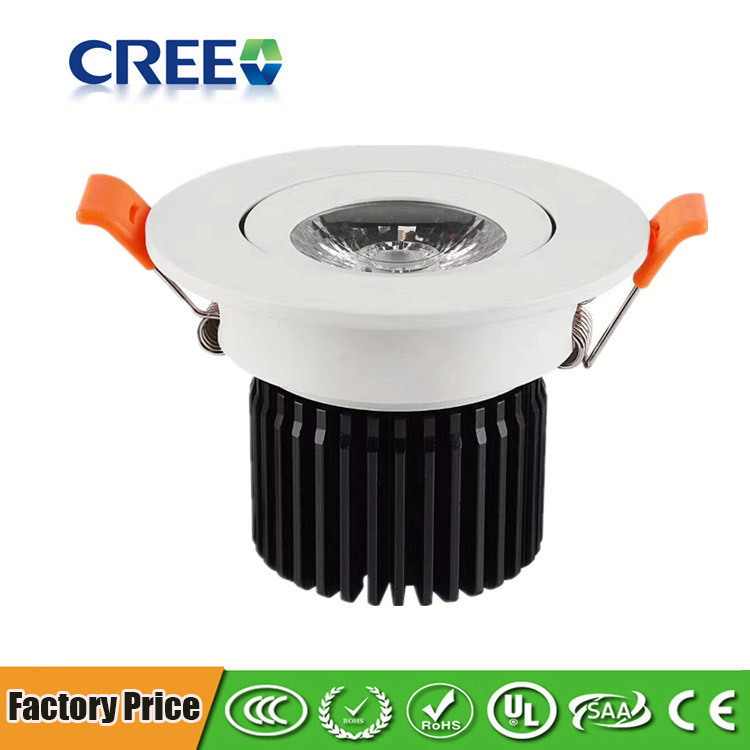
Flush Mount Downlight COB LED Ceiling Light - Triac Dimmable
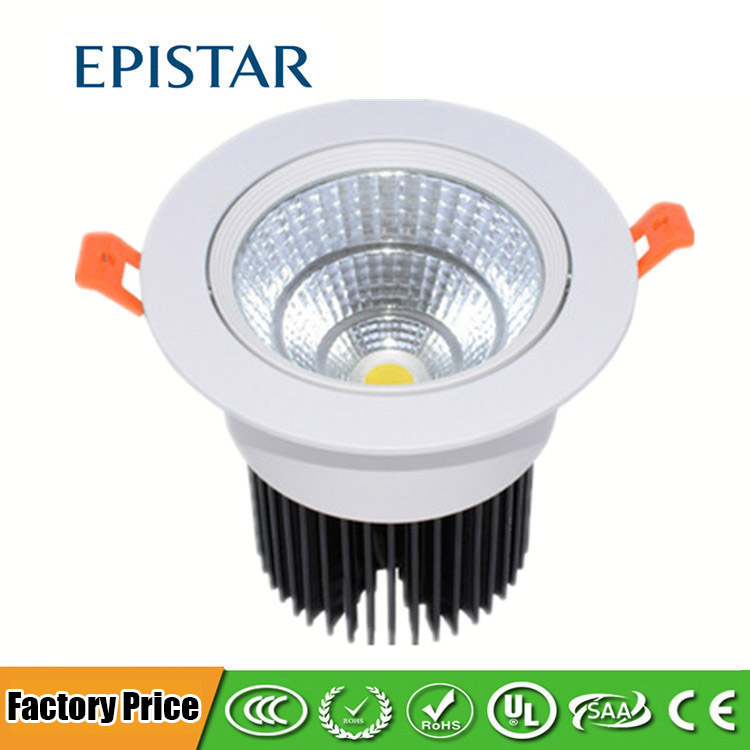
24° COB LED Spotlight Flush Mount Ceiling Downlights
.jpg)
24° Spotlight 1600LM Flush Mount LED Ceiling Downlight
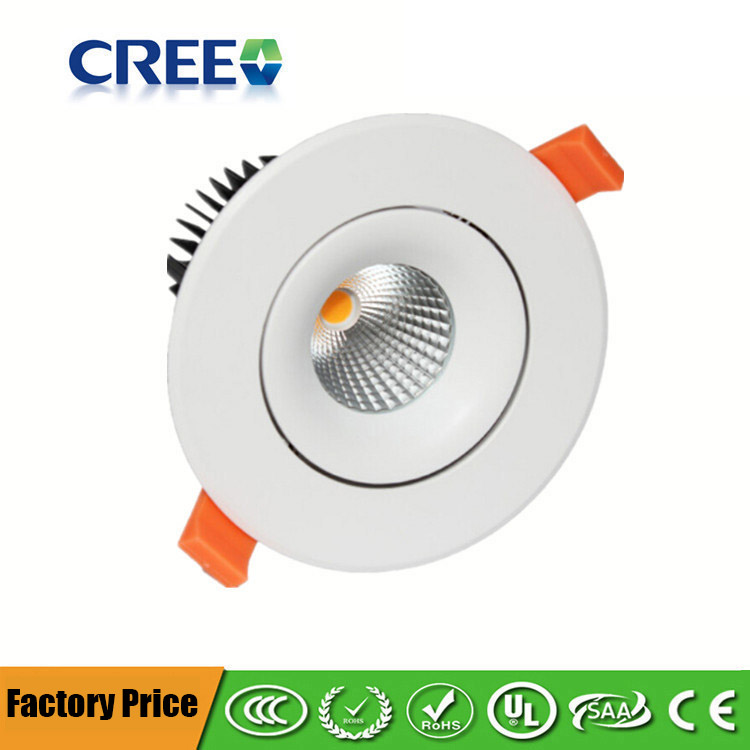
3.54" 20W COB LED Downlight - Dimmable Flush Mount | 24/60° Beam
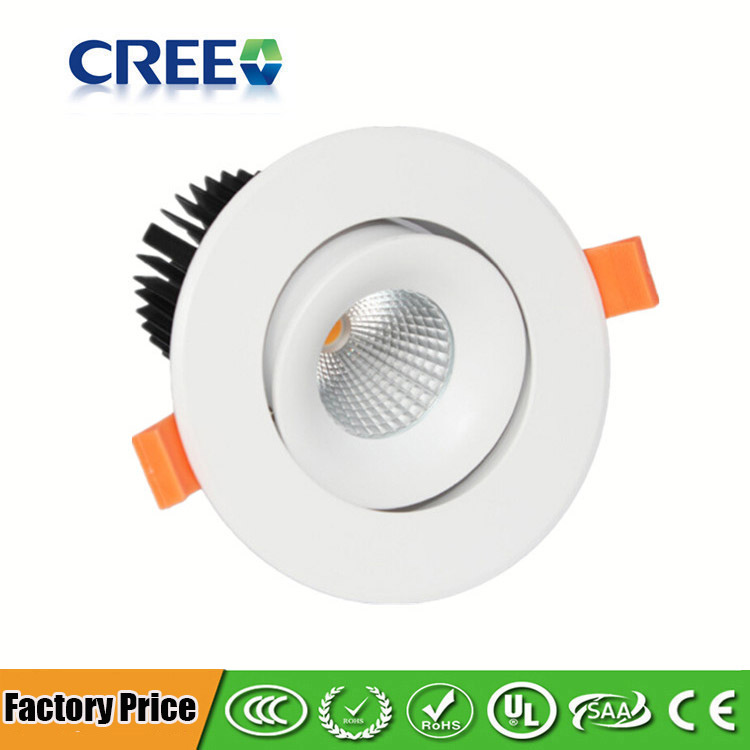
2.76" Flush Mount LED Downlight - Dimmable 1600LM COB Ceiling Light
Frequently Asked Questions About Adjustable LED Can Lights
Got questions before you spec your project? I've answered these thousands of times. Here are the essentials for getting adjustable lighting right.
The head. An adjustable LED can light, also called a gimbal or directional downlight, has an internal housing that tilts and often rotates. This lets you aim the light precisely at artwork, a sloped ceiling, or a countertop. A fixed downlight just points straight down.
For wall washing with adjustable LED can lights, the key is placement and beam angle. A good starting point is to place the lights about 2-3 feet from the wall and space them the same distance apart. Aim them toward the wall with a tilt of about 30 degrees. For the light beam itself, choose a wider angle, like 40° or 60°, to create a soft, even wash of light. A narrow 24° beam is better for creating a dramatic scallop effect or highlighting a specific object.
The lumens you need from an adjustable downlight depend entirely on the task. For general ambient lighting in an 8-foot ceiling, 400-600 lumens per fixture is plenty. But for task lighting over a kitchen island or highlighting art from a 12-foot ceiling, you'll want more punch, maybe 1000 lumens or more.
Some are, but you have to pick the right ones. Our adjustable LED can light models for TRIAC dimming are the most common type used in North American homes. If the product page says 'Triac Dimmable', you're good to go with a compatible wall dimmer. For others, they are non-dimmable or use different systems like DMX or 2.4G RF.
The beam angle tells you how wide the cone of light is. A narrow angle like 24° is a 'spotlight'—it creates a tight, intense circle of light, perfect for highlighting a small object or for use in rooms with very high ceilings. A wider angle like 60° is a 'floodlight'—it spreads the light out over a much larger area. Use a flood for general lighting or washing a broad wall surface. 40° is a nice middle ground, useful for many common applications.
It's all about how it attaches to the ceiling. A recessed adjustable can light sits up inside a hole, so the front face is flush with the ceiling surface. A surface mount adjustable light attaches to the surface of the ceiling. You'd use a surface mount can light when you can't or don't want to cut large holes, like on a concrete ceiling or a decorative wood beam. We offer both types here.
A zoomable or focusable spotlight is a special type of adjustable light where you can manually change the beam angle. Our surface-mount zoomable spotlight has a head that you can twist or slide to adjust the beam from a very narrow, sharp spot to a wider flood. It's incredibly useful in galleries, retail displays, or museums where the objects on display might change, and you need the flexibility to re-aim and re-focus the lighting without changing the fixture.