
2216 SMD Flexible LED Strip Lights
21 products
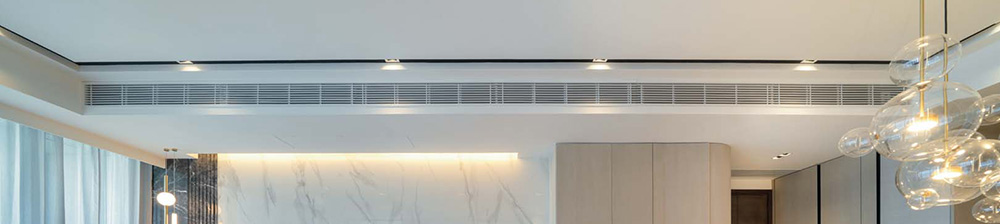
2216 LED means surface mounted device 2.2*1.6mm size light emitting diode. It emits white color with 2700K/3000K/4000K/6000-6500K and adjustable color temperature.

When you need a perfectly smooth, continuous line of light with no visible dots or hotspots, a 2216 SMD LED strip is what you're looking for. The secret is the tiny size of the SMD 2216 LED chip itself — just 2.2mm by 1.6mm. This small footprint lets us pack them incredibly close together, creating high-density LED strips that produce a flawless, uniform glow, even in very shallow aluminum profiles. It's the go-to choice for architects and lighting designers working on high-end residential and commercial projects.
Beyond just being dotless, 2216 LED strips are known for their exceptional color quality. Most of our models have a Color Rendering Index (CRI) of 90 or even 95+, meaning they render colors accurately and vividly. This makes them ideal for task lighting, retail displays, art studios, and under-cabinet lighting where seeing true color is critical. Whether you're building a custom fixture or retrofitting an existing one, these strips provide a professional, high-quality light.
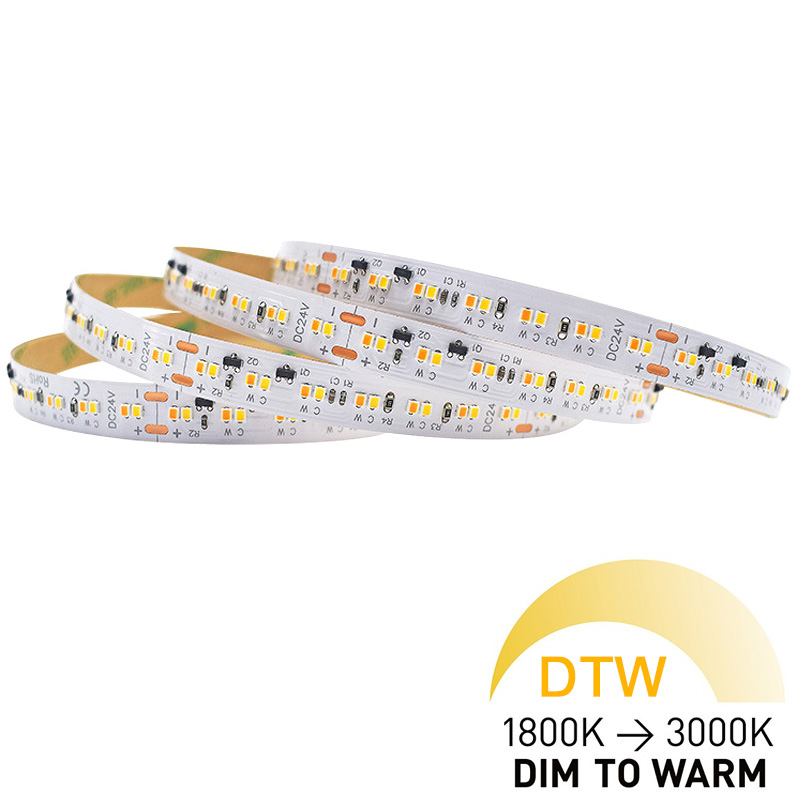
24V 2216 Dim to Warm LED Flexible Strip Light 1800K to 3000K
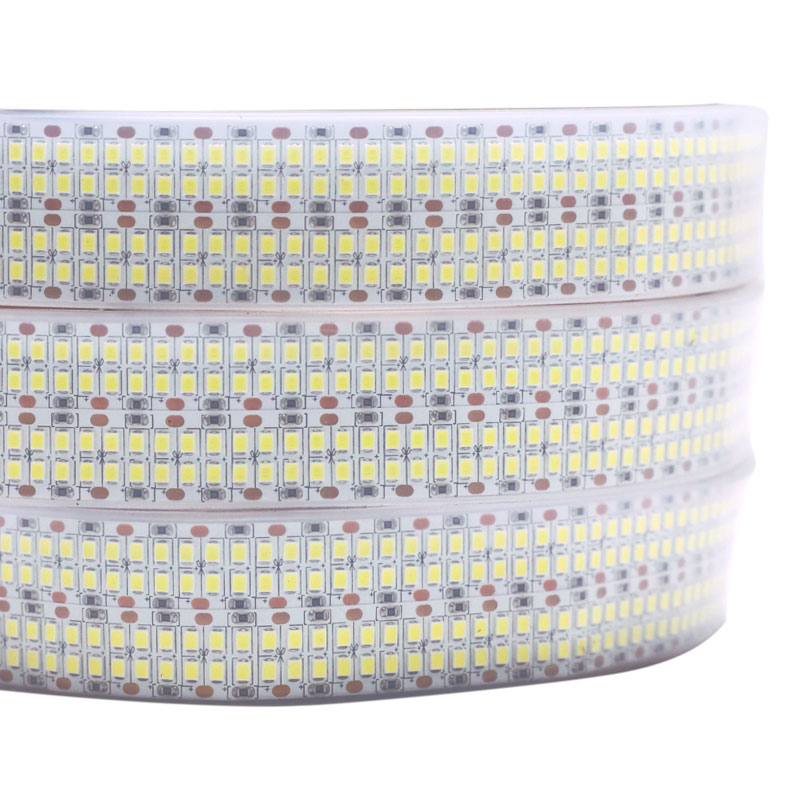
6000K/3000K Quad Row 12V Super Bright LED Strip Lights IP67 Waterproof
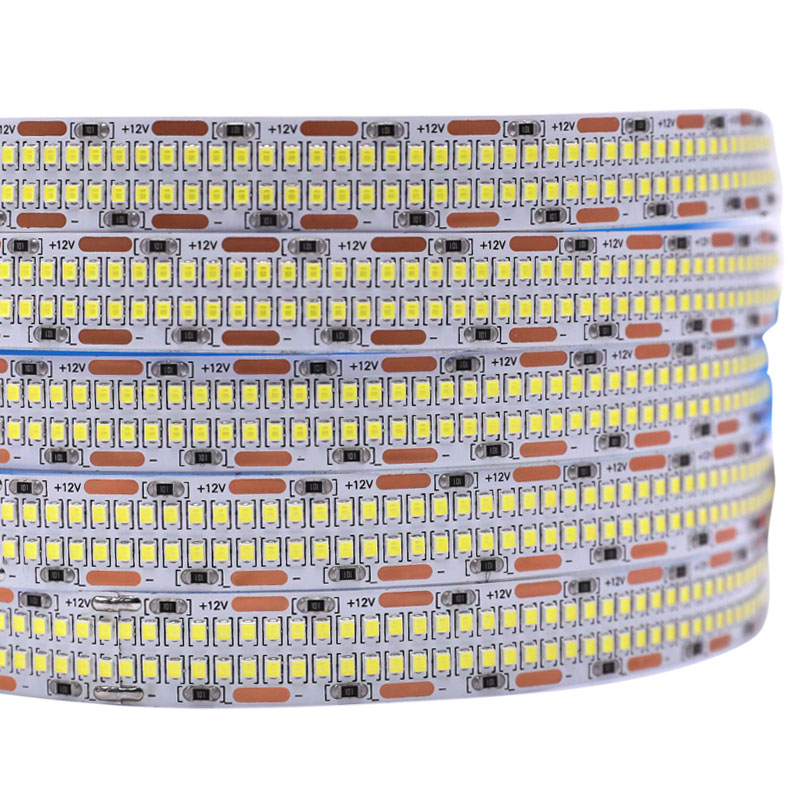
DC12V Double Row High Density 624LEDs/m White LED Light Strips
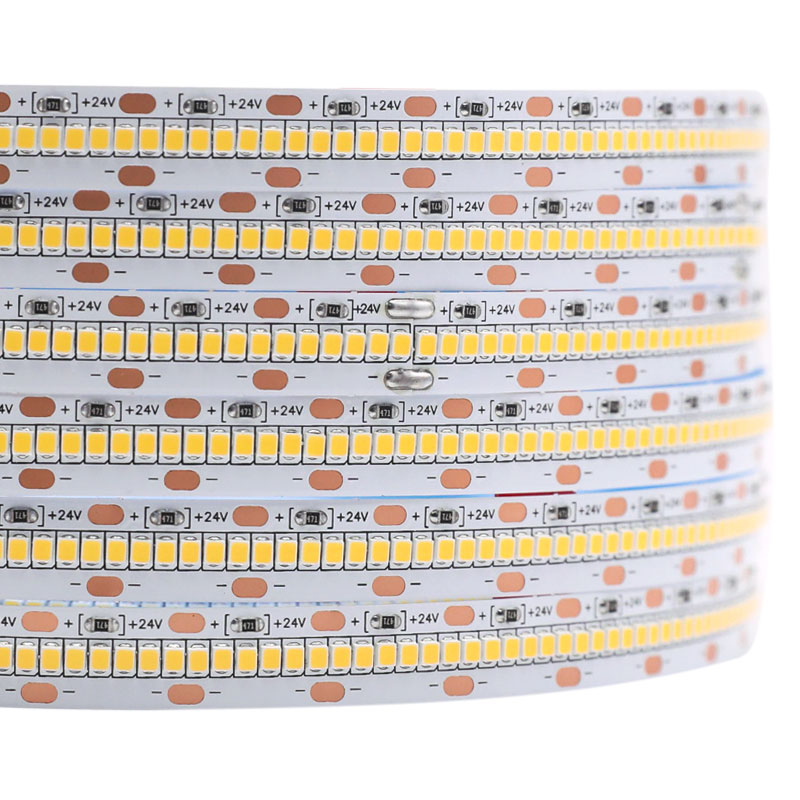
24V White Extra Bright LED Strip Lights 420LEDs/m 10mm
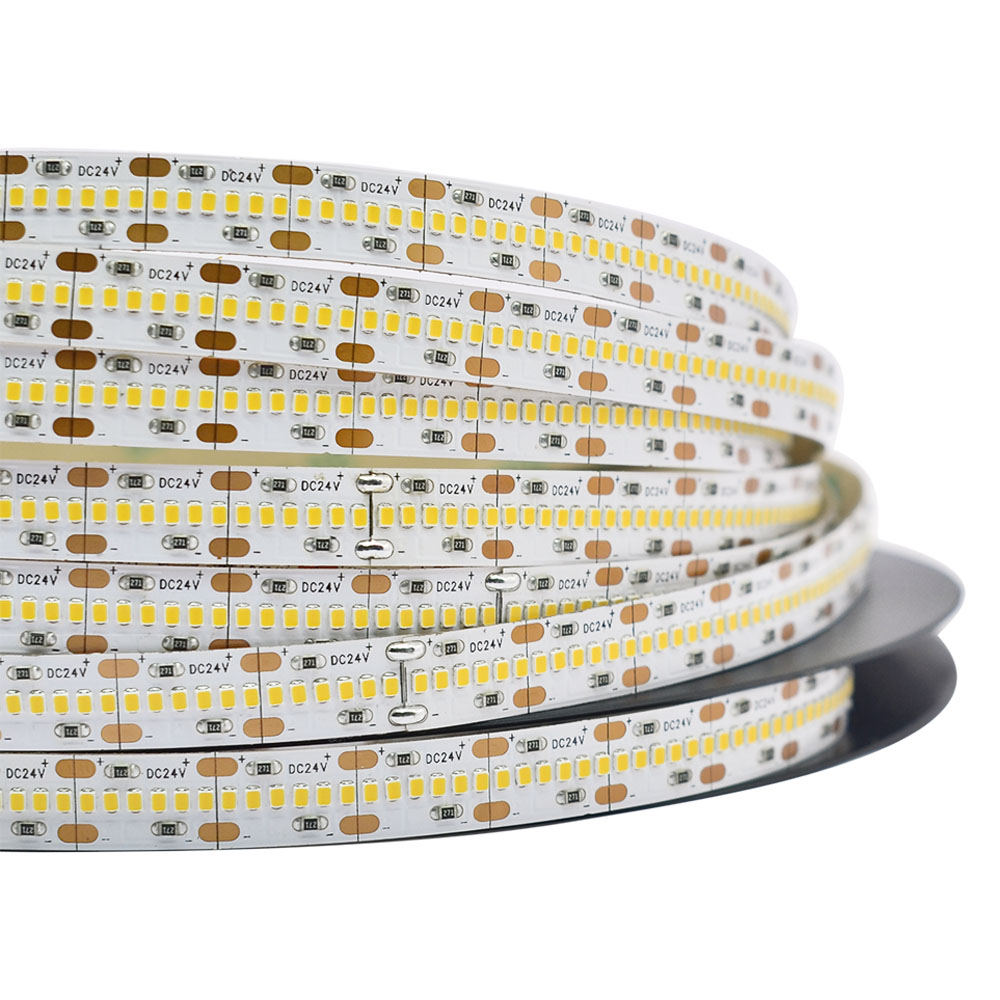
DC24V High Density 420LEDs/m 2216 White LED Strip
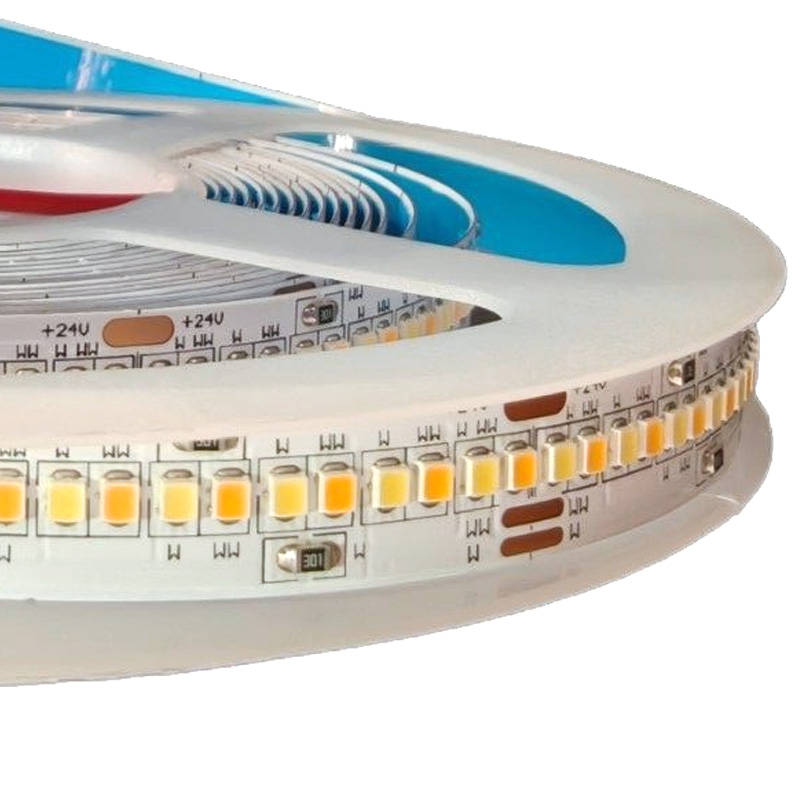
Ultra Uniform LED 2700K And 6500K White Switchable Light Strip
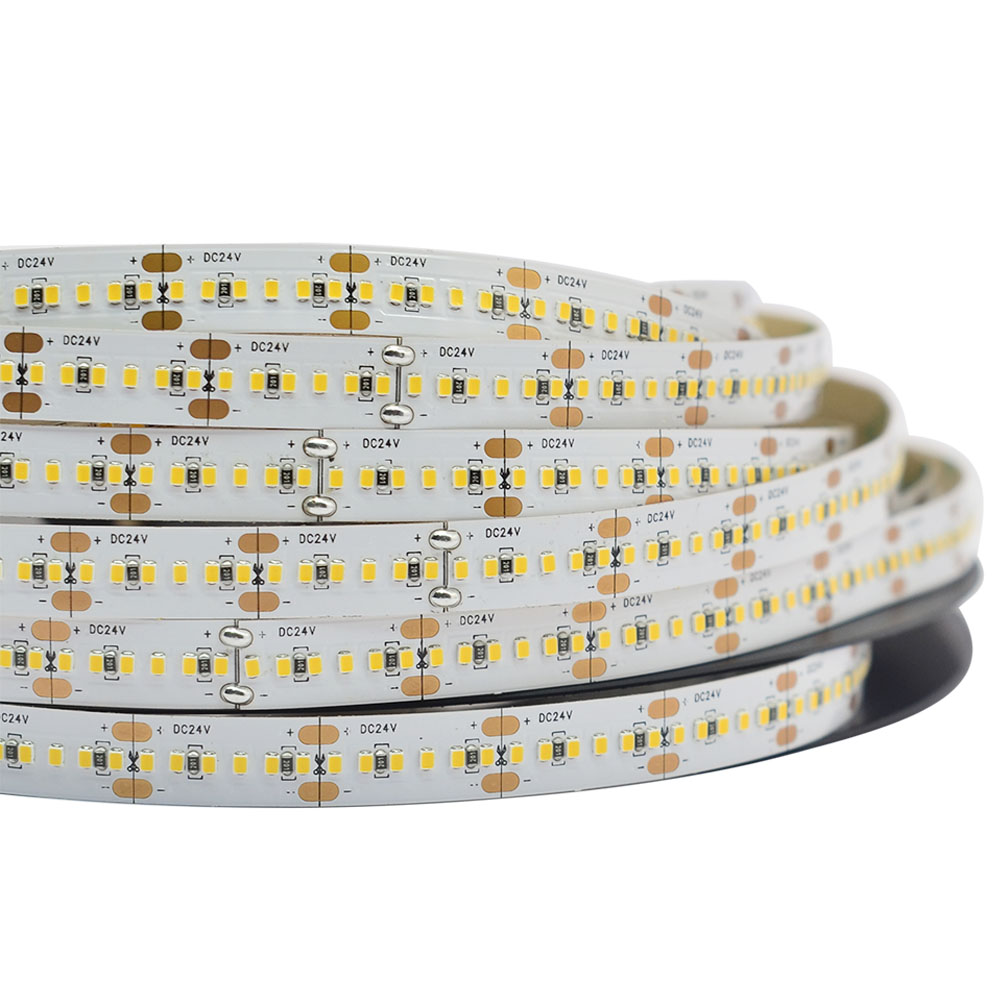
DC24V SMD 2216 High Bright 300LEDs/m White LED Tape Lights
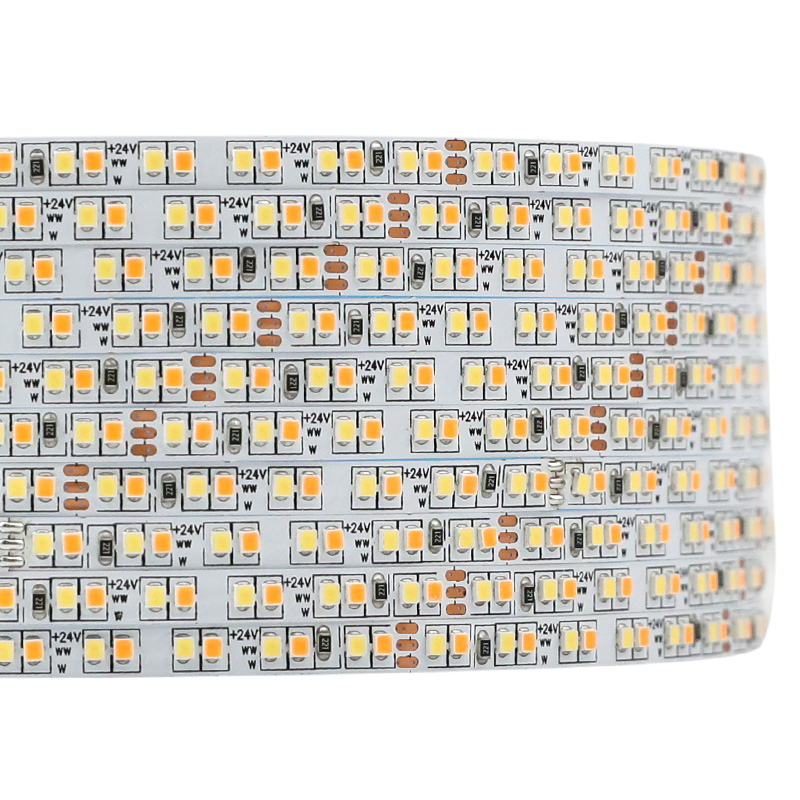
24V 2216 5mm Narrow CCT Dimmable LED Strip Lights
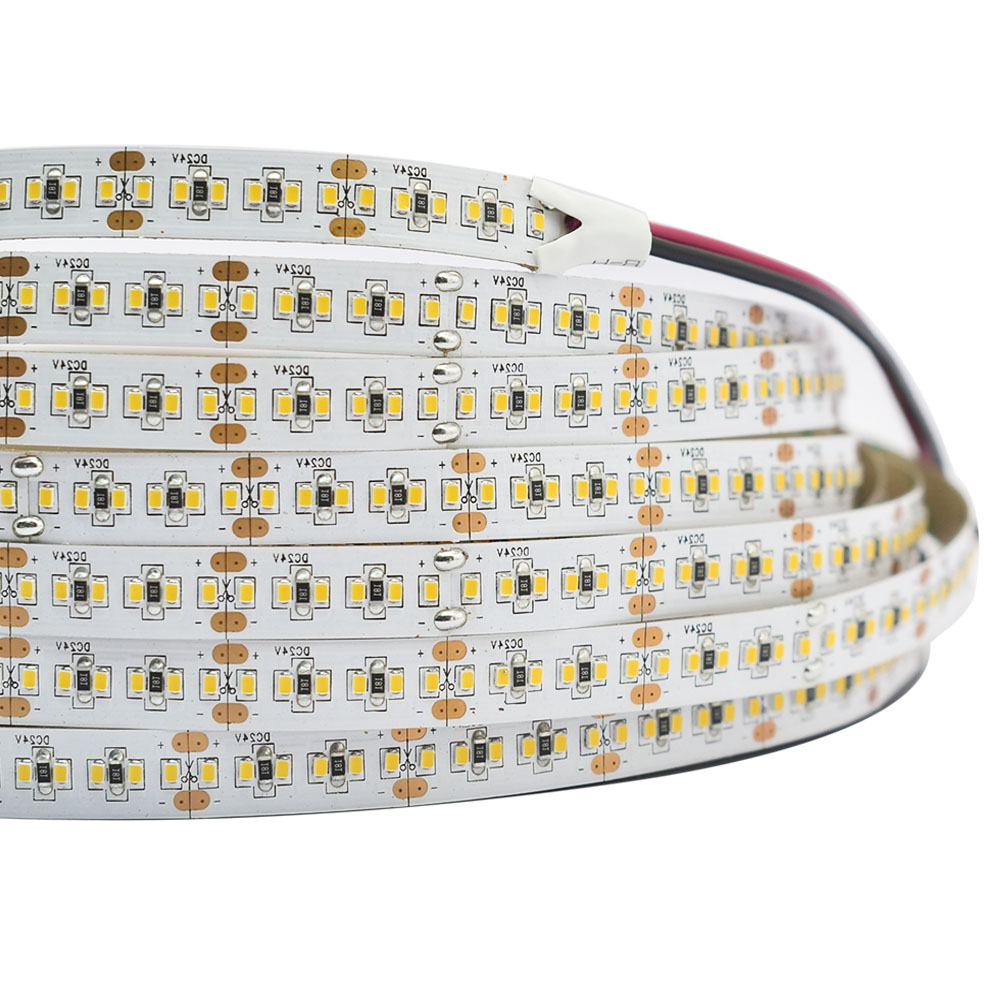
DC12/24V High CRI 95 240LEDs/m White 2116 LED Strip Light
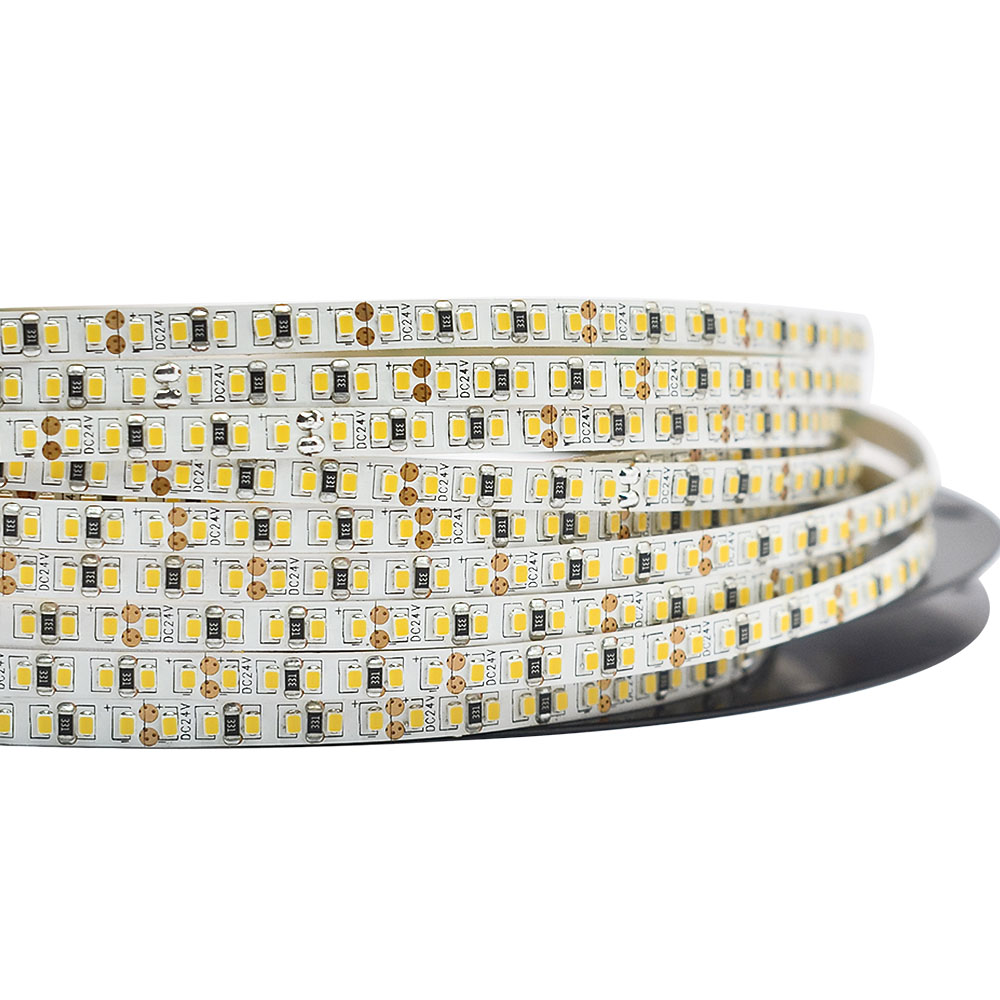
24V Super Narrow 5mm 4mm 2216 240LEDs/m White LED Strip Lights
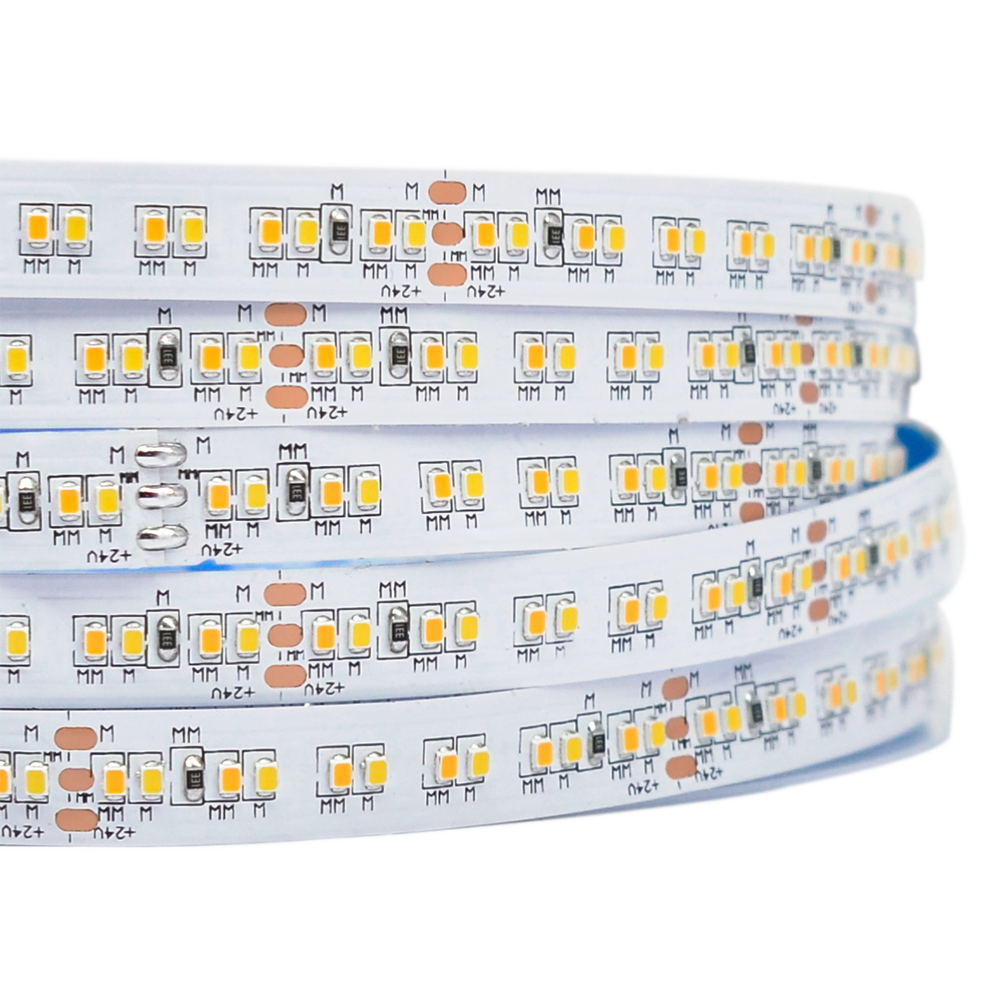
SMD2216 24V CCT White Dimmable LED Strip Lights 240LEDs/m
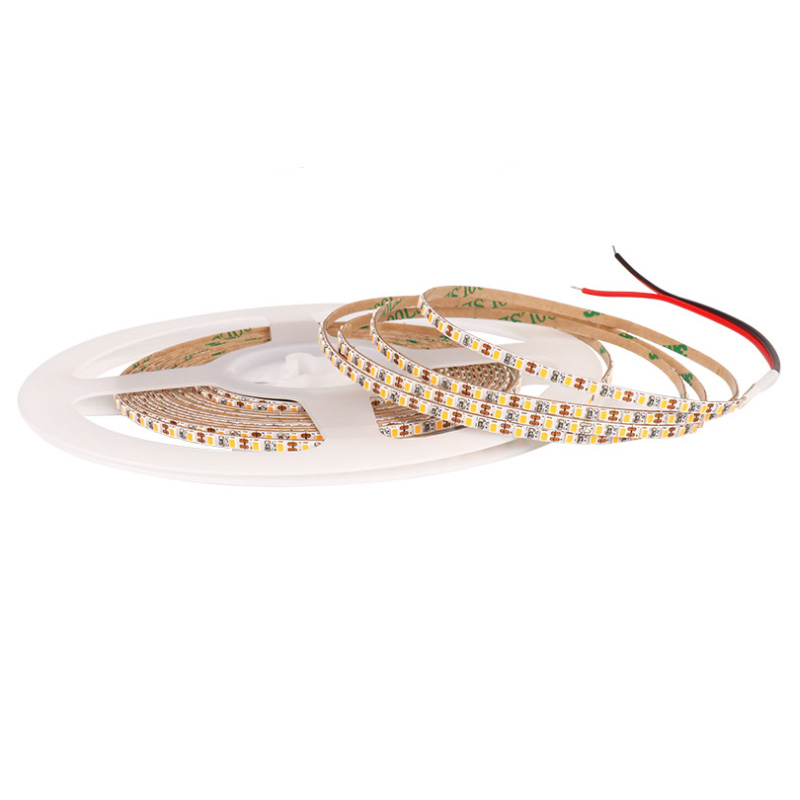
5V White Ultra Slim Under Cabinet LED Lighting Strip 200 LEDs / m
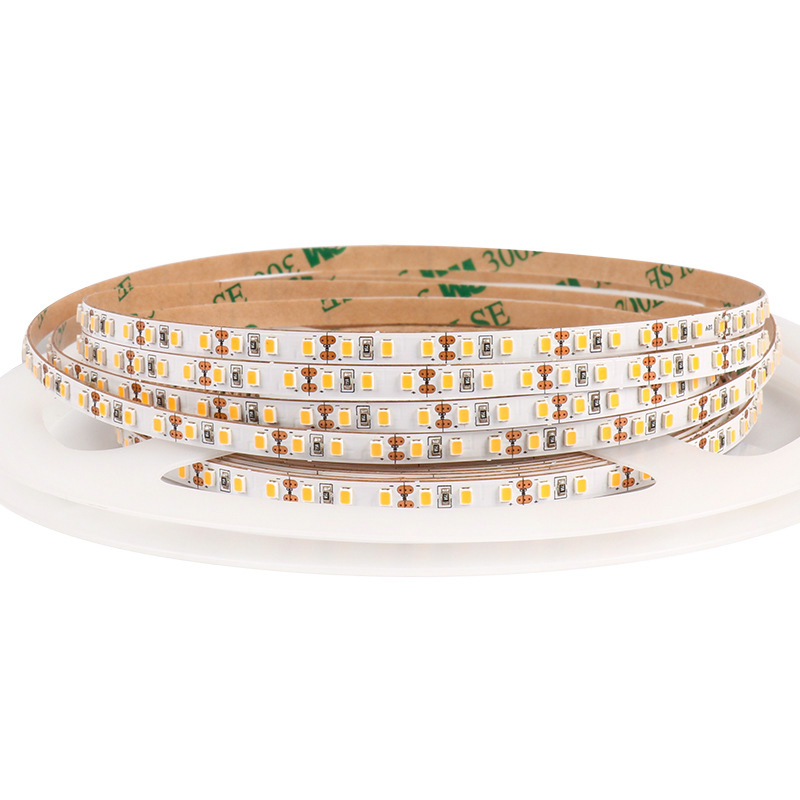
SMD2016 White Temperature Light 4mm Width LED Strip
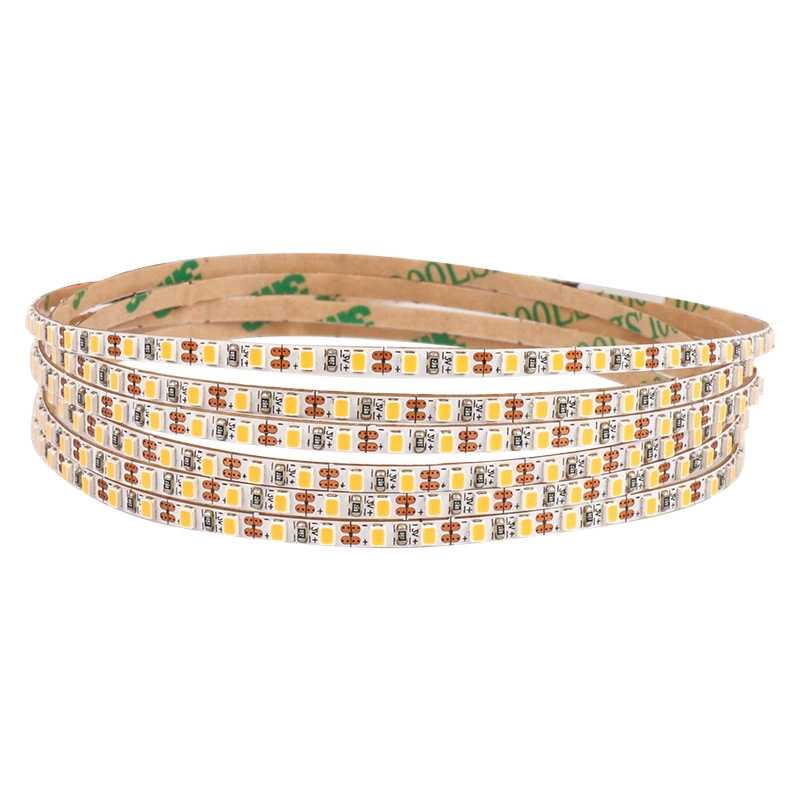
Narrowest White LED 3V Battery Powered Strip 200LEDs Per Meter
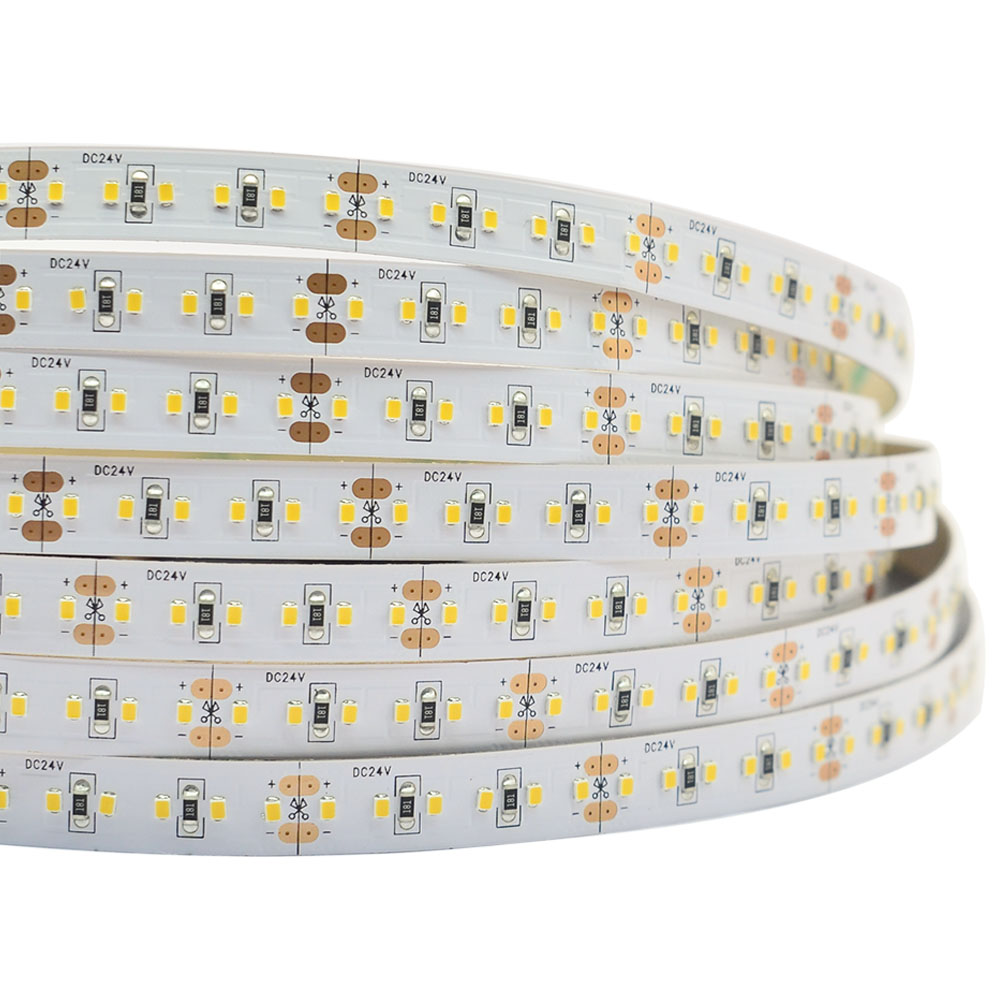
DC24V SMD 2216 180LEDs/m White LED Strip Light
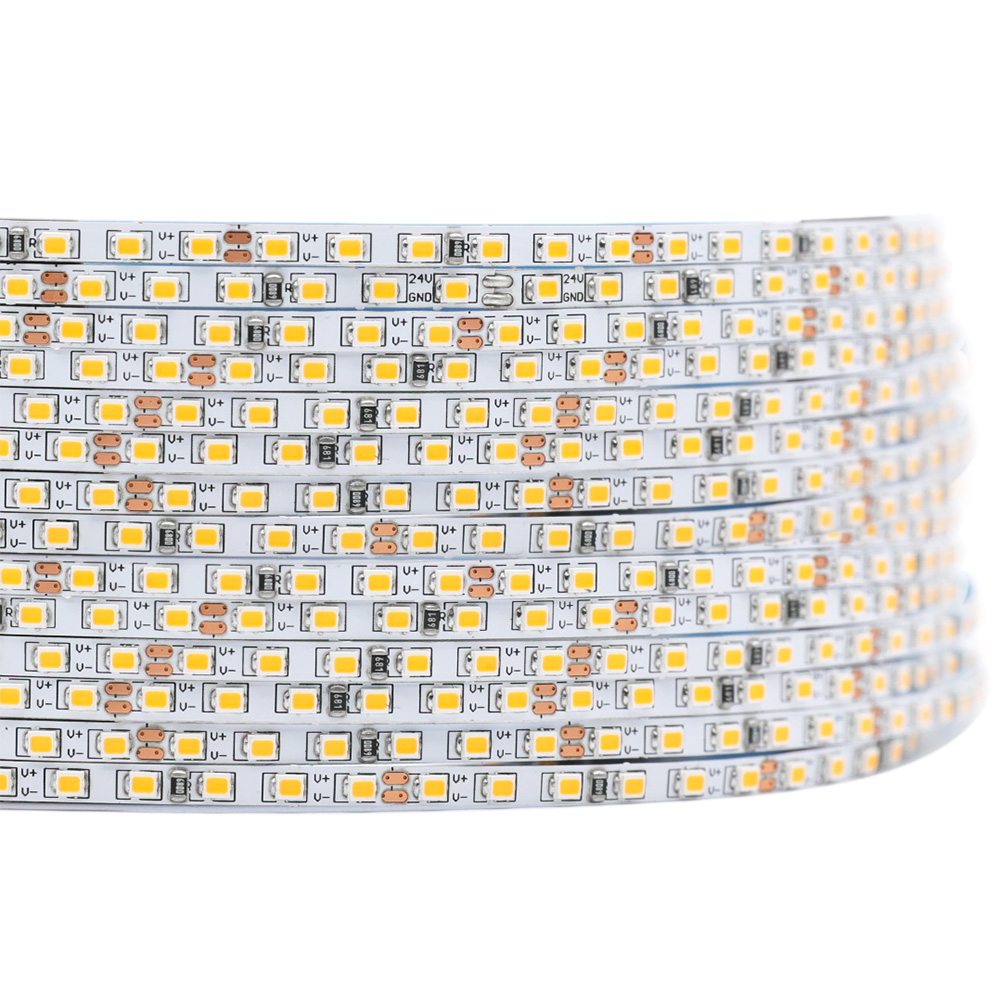
DC24V 3MM Super Narrow 180LEDs/m 90 High CRI 2216 LED Strip
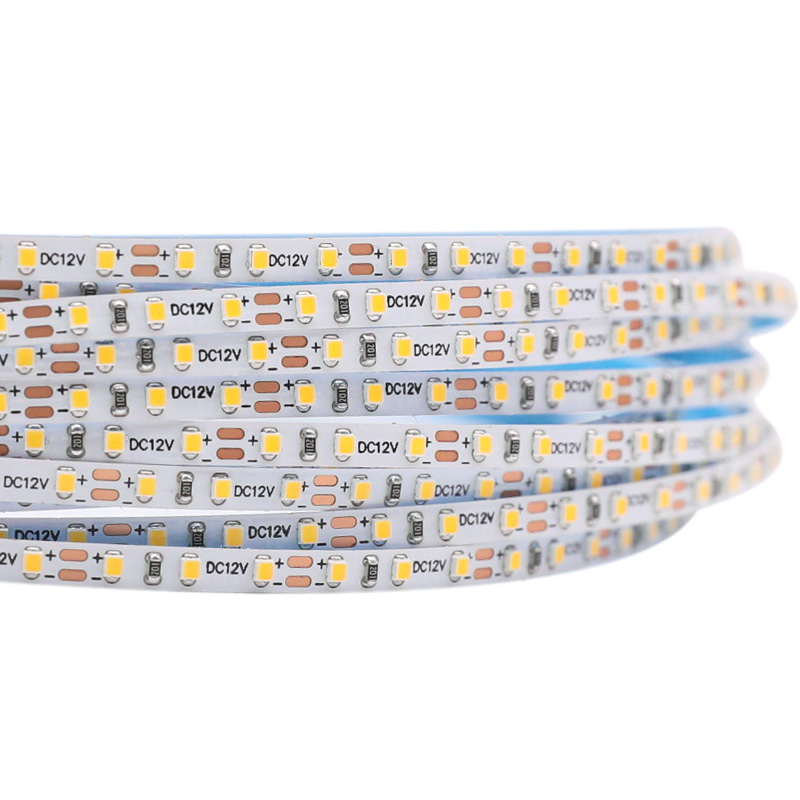
Mini 3mm 2216 12V Bright White LED Light Strip 180LEDs/m
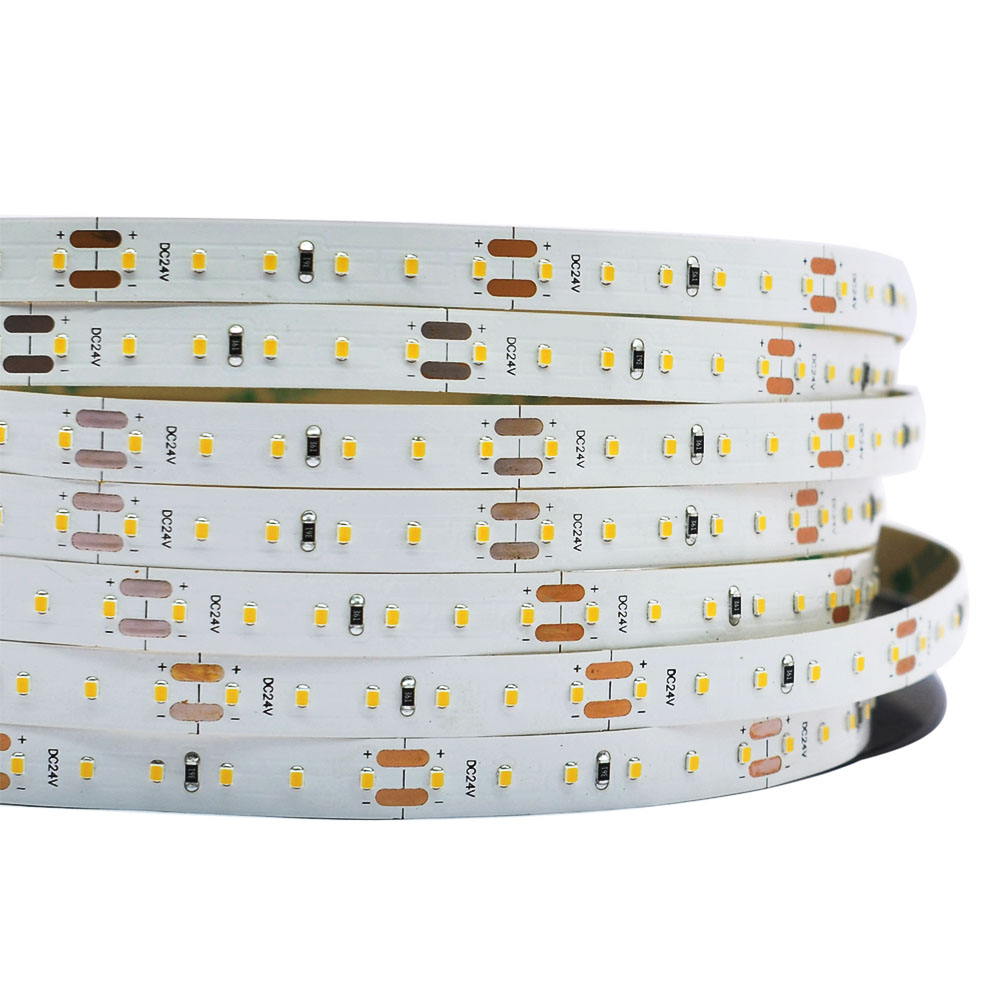
95 High CRI 2216SMD 3000K 4000K 6000K White LED Strip Lights
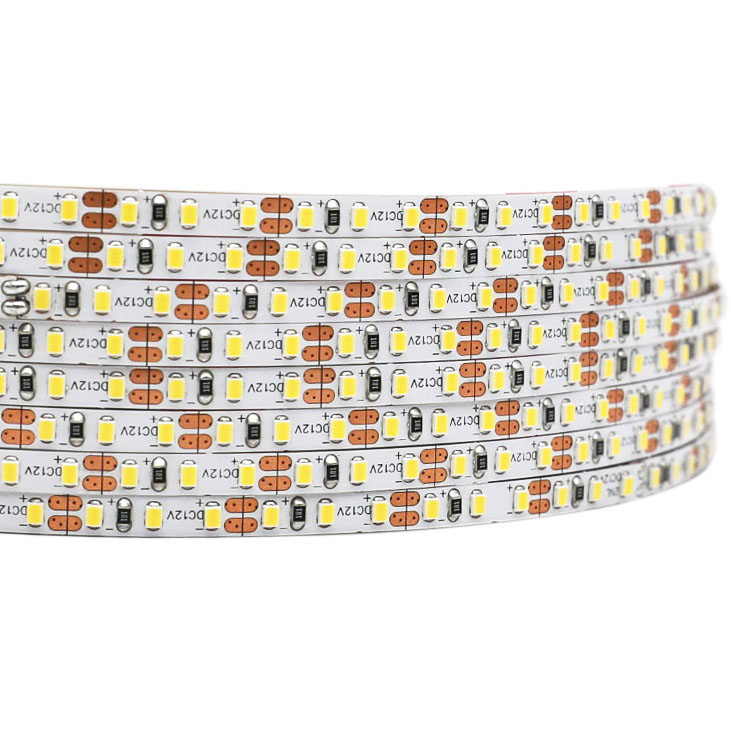
DC12V 2216SMD 900LEDs Ultra Narrow 4mm LED Tape Lights
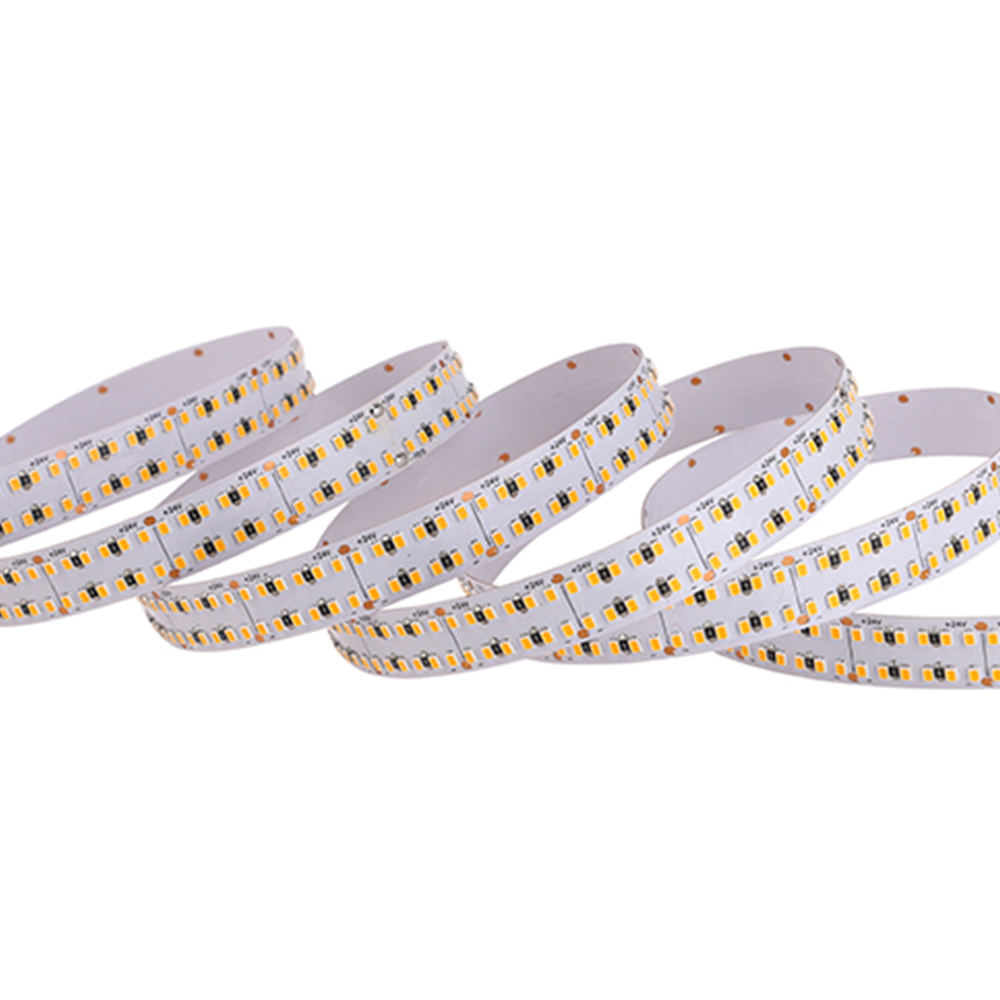
DC24V Double Row High CRI 95 SMD2216 120LEDs/m White LED Strip
How to Choose Your 2216 LED Strip
While all 2216 strips offer great light quality, they come in different configurations for specific jobs. We've grouped them here to make it easier to find the right one for your project.
- Ultra-Narrow 2216 LED Strips for Tight Spaces
- High-Density & High-CRI 2216 Strips for Flawless Light
- Tunable White & Dim-to-Warm 2216 Strips for Ambiance Control
For top-tier color, you might also look at our full spectrum LED light strips.
If you're new to the tech, you can learn more about what an SMD LED strip is in our guide.
Frequently Asked Questions About 2216 SMD LED Strip Lights
Your project questions, answered by an engineer. Here's what people usually ask before buying.
It comes down to your primary goal. The 2216 LED chip is physically smaller than a 2835, which means we can pack them much closer together on the circuit board. This is the key to reducing or eliminating the visible dots, or 'hotspots,' that you see with less dense strips.
If you need maximum, dot-free uniformity in a tight space, choose a high-density 2216 LED strip. If you need the absolute highest brightness and don't mind a larger strip or deeper channel to diffuse it, 2835 SMD strips might be the right call.
A high-density smd 2216 led strip is your best bet for avoiding dots in shallow channels. With densities of 240, 300, or even 420 LEDs per meter, the light source is so tight that it blends together beautifully behind a frosted diffuser. For a completely flawless, neon-like line with absolutely zero spotting, even in a very shallow profile, your ultimate solution is a COB LED strip. But for nearly all under-cabinet, cove, and accent lighting, a dense 2216 strip will give you the clean look you're after.
That's a classic case of voltage drop, and it happens to every low-voltage LED strip. A 24V smd 2216 led strip will typically let you run about 5 to 10 meters before the dimming becomes noticeable, while a 12V strip shows it sooner. It's not a fault with the strip itself; it's just physics. To fix it, you need to inject power from the power supply to both ends of the strip, or even in the middle for very long runs. Our guide to voltage drop explains exactly how to wire it right.
The most common 2216 led strip voltage is DC 24V, because it fights voltage drop better over longer distances than 12V. We also stock 5V and even 3V 2016 LEDs for special applications like battery-powered projects. As for density, that's where the smd2216 led really shines. It starts around 120 LEDs/meter and goes way up to 420/m and even higher. The higher the density, the smoother the light and the fewer hotspots you'll see in your channel.
The SMD 2216 LED chip is a fantastic middle ground, offering great density and efficiency. The main difference is physical size and performance generation. The 3014 SMD strips use an older, slightly larger chip. The 2110 SMD strips use a newer, even smaller chip, allowing for ridiculously high densities and super-narrow PCBs.
Not necessarily. A buzzing sound usually indicates a power overload or dimming signal incompatibility between the dimmer and the LED power supply, rather than a defective unit.
Yes, absolutely. A huge part of our business is building custom-length led strips for specific jobs. You tell us the exact length you need—down to the cut mark—the wire length for the leads, and what kind of connector you want on the end, and we build it. Just send us a sketch or a description of what you need. One of our engineers will send back a full wiring diagram and a quote, usually the same day. There's no fee for this service, and no obligation to order. It's how most pros get their lighting perfect.
For a single 2216 led color, you can get a wide range of whites. We stock everything from a very warm 2700K that mimics incandescent bulbs, to a popular 3000K warm white, a 4000K neutral white for offices, and a cool 6000K daylight white. Beyond static white, we have tunable white (CCT) versions that let you adjust from warm to cool on the same strip, and 'Dim to Warm' strips that get warmer in tone as you dim them down, just like old-school halogen lights.
Yes, you absolutely need a heat sink, which in this case means an aluminum channel. While the individual 2216 LED chip is very efficient, packing 300 or 420 of them into a single meter creates a lot of heat in a small space. Sticking a high-density strip directly onto a wood cabinet is a recipe for failure; the LEDs will overheat, their color will shift, and their lifespan will be cut dramatically. The channel isn't just for looks—it's a critical part of the thermal management. Don't skip it.