
Single Color LED Bulb Lights
9 productsCompared with conventional incandescent lamps, LED light bulbs' lighting efficiency enhances 5 times and saves 90% energy. LED bulbs are economical and environment-friendly. Replace the energy-saving light and incandescent lamp with LED bulbs. The operating costs will be greatly reduced. PC cover light transmittance is above 90%. No messy installation required.
A single light LED bulb is the most direct replacement for a traditional incandescent bulb, designed for straightforward on/off operation without the complexity of apps or remotes. When choosing one, the first step is matching the voltage and base type to your existing fixture.
Most of our single color LED bulbs run on standard household voltage, with models compatible with AC 100-130V (common in North America) or wider ranges like AC 85-265V for global use. These bulbs use the screw-in bases you're familiar with, making retrofits simple. We offer bulbs with the standard E26 base, E27, and the smaller E14 base often found in chandeliers and decorative lamps. This includes direct replacements for incandescent bulbs from 15W all the way up to 150W equivalents.
For automotive, RV, marine, or landscape lighting, you need a bulb that runs on a 12V DC system. Our miniature wedge bulbs, like the 194/921/168 models, are designed specifically for these low-voltage applications. They use 9 or 13 SMD 5050 LEDs to produce up to 200 lumens while drawing as little as 1.8W, replacing 10-20W halogen bulbs without needing a voltage converter.

E14 Ball LED Bulb 3W 5W - Energy Saving, 50,000hr Lifespan | HQ-LBSC-3
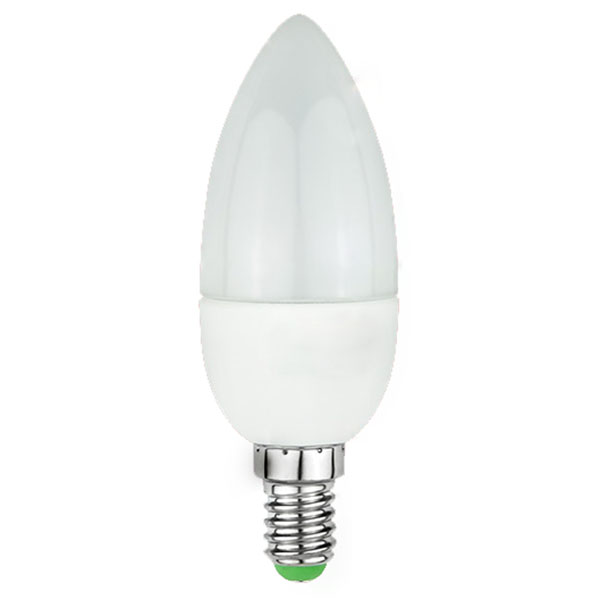
E14 LED Candle Bulb 3W/5W - Energy Saving Warm/Daylight White
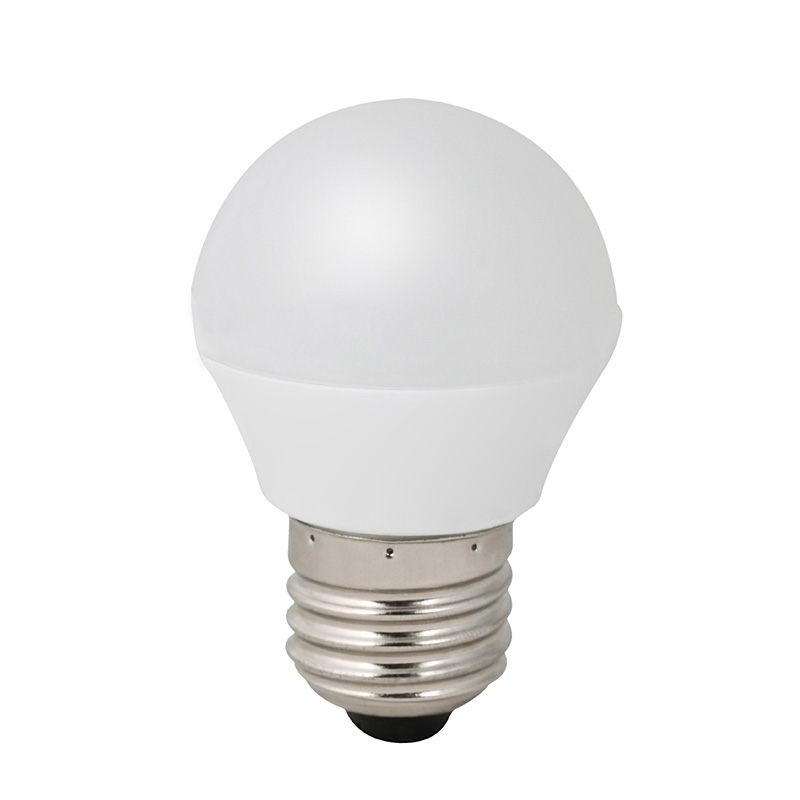
E27 LED Bulb HQ-LBSC-1 - 320° View, 90% Energy Saving | AC 110V/220V
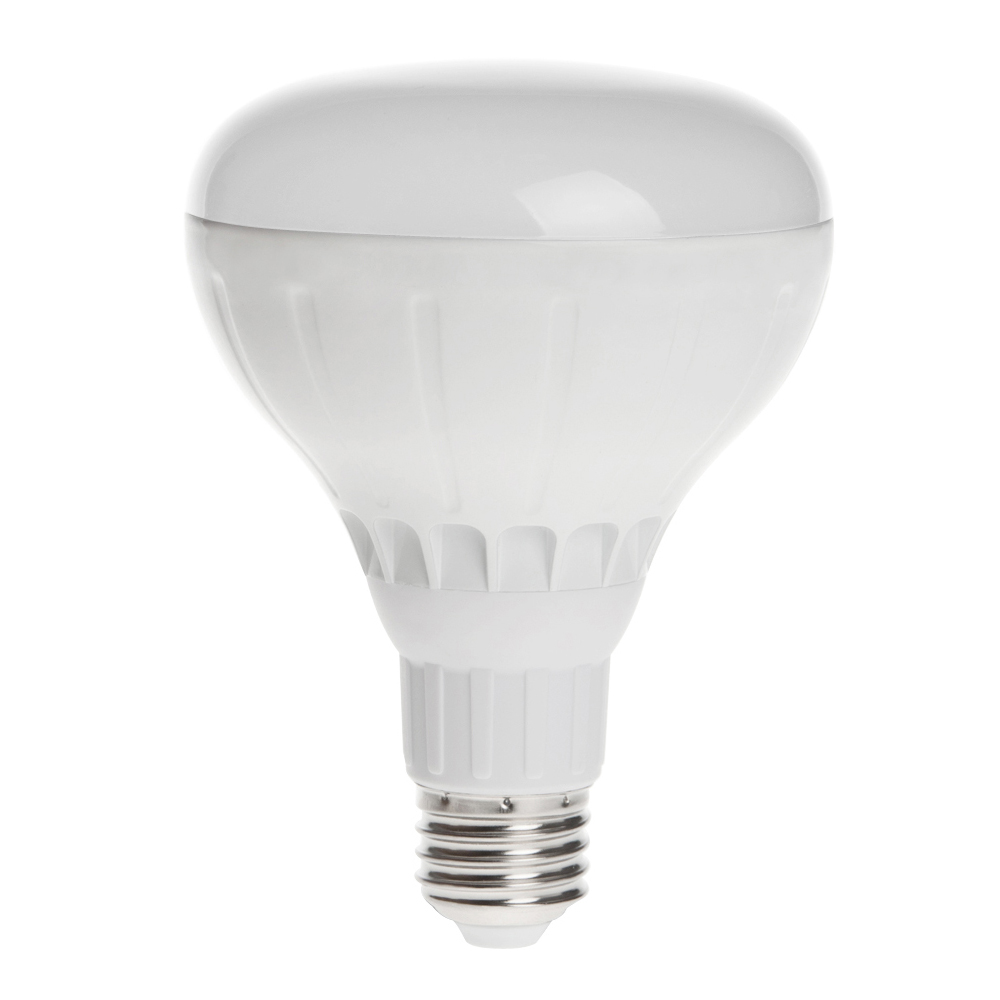
Dimmable BR30 E26 LED Bulb 11W (75W Eq.) - Warm White 2700K, 90 CRI
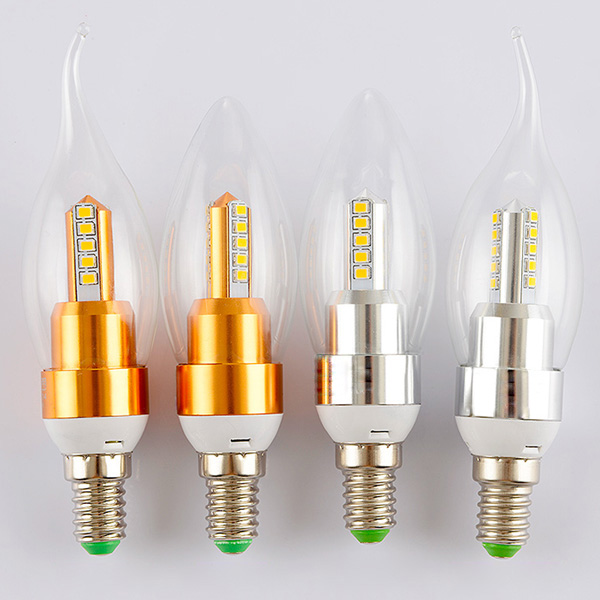
E27 Candle LED Bulb 3W - Energy Saving, 50,000hr Lifespan | Metal Case
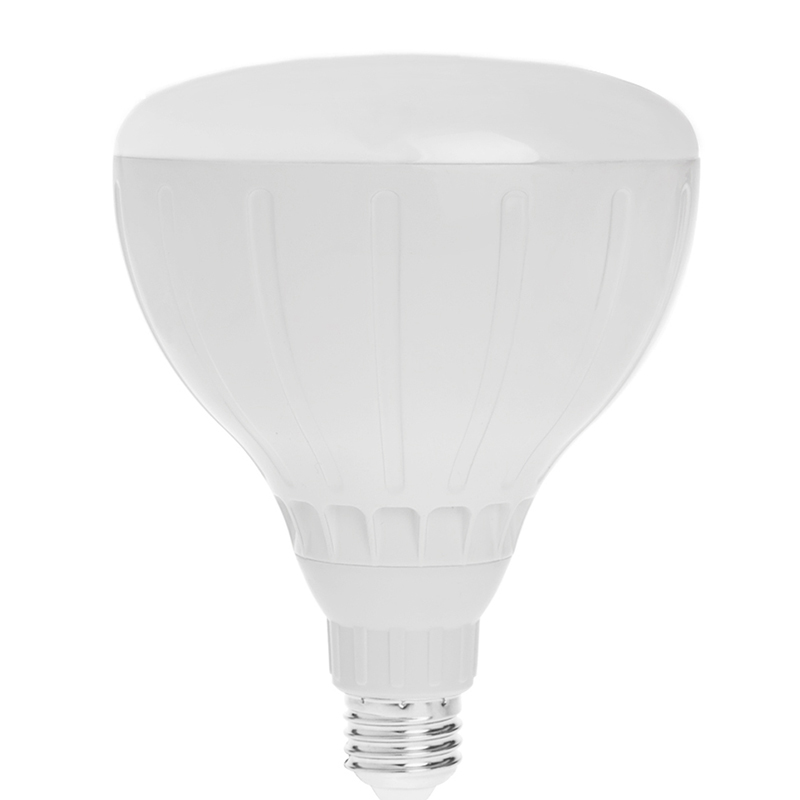
Dimmable BR40 E26 LED Bulb, 20W (150W Equiv.) - Warm White Flood Light
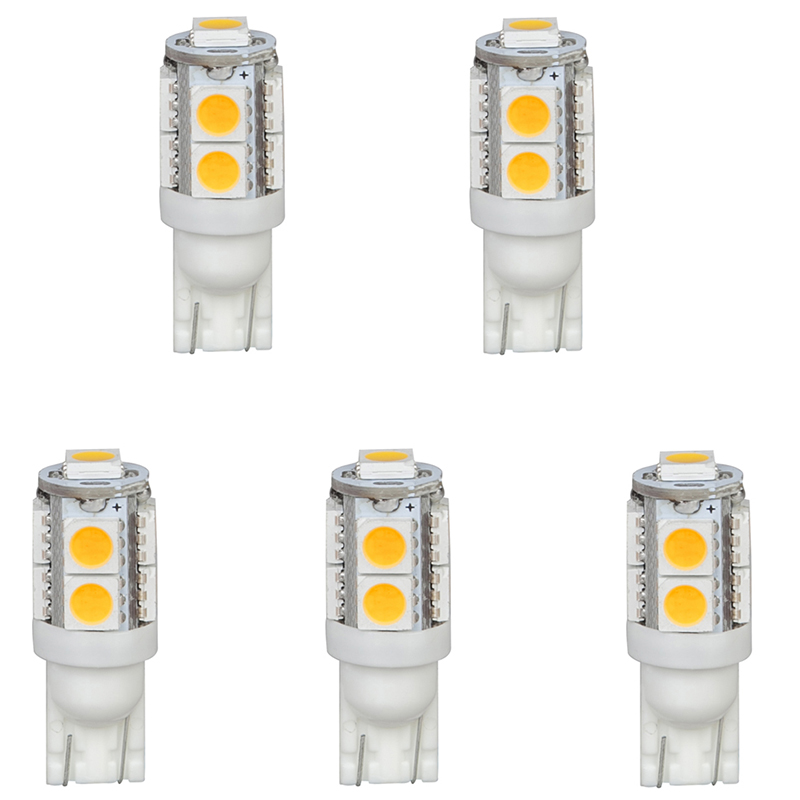
Miniature Wedge 194 921 168 LED Bulb - 12V DC, 9 SMD 5050 LEDs, 5-Pack
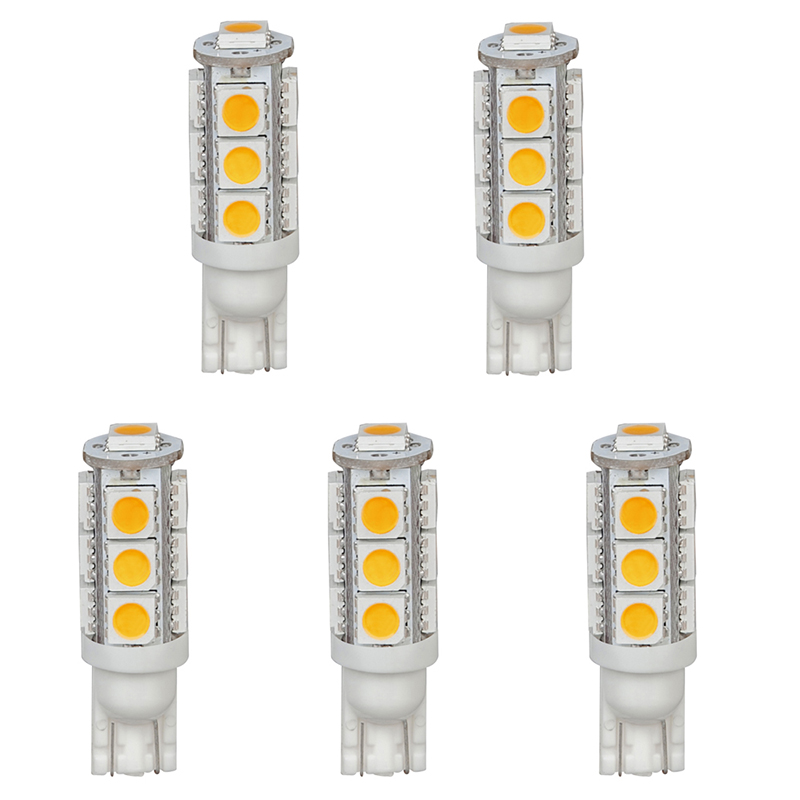
194 921 168 LED Bulb 5-Pack - 12V 2.6W RV & Boat Lighting | 3000K/6000K
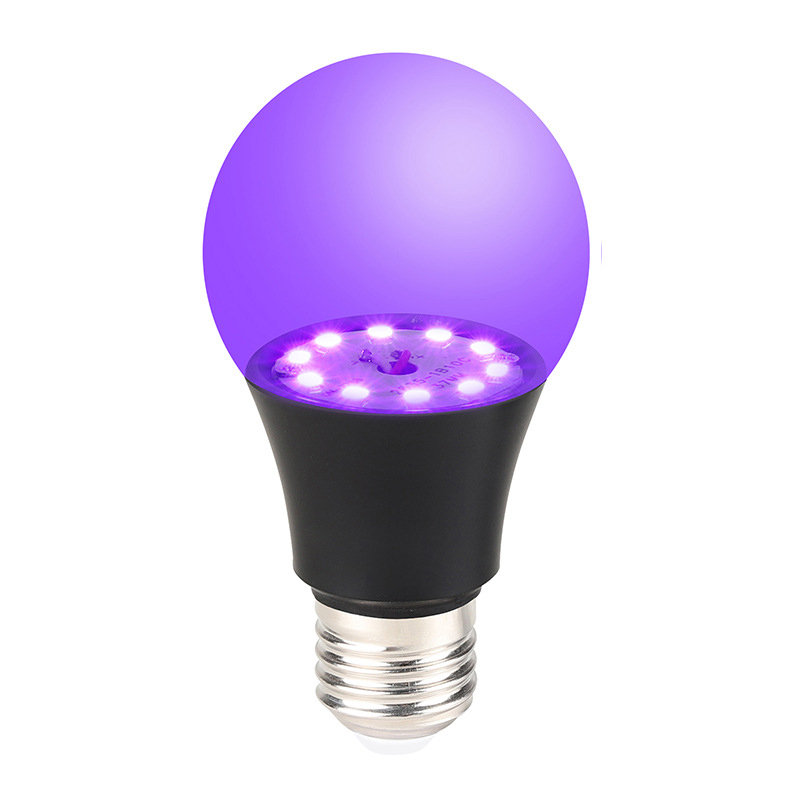
AC85-265V 8W/12W E27 High Power 395-400nm LED UV A Bulb
LED Lights vs Incandescent Light Bulbs: The Real Numbers
The primary reason to switch from an incandescent light bulb to an LED is efficiency and lifespan. An incandescent bulb wastes most of its energy as heat, while an LED converts nearly all of it to light. This difference is substantial.
For example, our 11W BR30 E26 LED bulb produces the same brightness as a 75W incandescent, and our 20W BR40 model replaces a 150W incandescent bulb. This isn't just a small saving; it's a reduction in power consumption of over 85% for the same amount of light. While the upfront cost is higher, an LED bulb's lifespan of thousands of hours means you avoid the cost and hassle of frequent replacements.
| Feature | LED Bulb (Typical) | Incandescent Bulb (Typical) |
| Energy Use (75W Equivalent) | ~11W | 75W |
| Energy Use (150W Equivalent) | ~20W | 150W |
| Heat Output | Minimal | High (up to 90% of energy) |
| Lifespan | 15,000 - 50,000 hours | ~1,200 hours |
| Durability | Solid-state, shock-resistant | Fragile filament |
Dimmable vs. Non-Dimmable Bulbs
Not all LED bulbs are dimmable. Standard, non-dimmable bulbs are designed for full brightness and can flicker or fail prematurely if used with a dimmer switch. If you need to control brightness, you must use a bulb specifically marked as dimmable. These are engineered to work with modern dimmer switches, providing smooth light reduction without compatibility issues. For applications where dimming isn't needed, a non-dimmable bulb is a more cost-effective choice.
Frequently Asked Questions About Single Color LED Bulb Lights
Got a question about swapping out your old bulbs? I've answered thousands of them over the years. Here are the most common ones I hear.
The biggest difference between LED and incandescent bulbs is how they make light. Incandescent bulbs heat a tiny wire until it glows, which wastes about 90% of the energy as heat. An LED bulb uses a semiconductor to make light, so it's five times more efficient and lasts up to 25 times longer. You get the same brightness for a fraction of the power cost, and the bulb itself runs much cooler, which is a big safety win.
You choose the color temperature based on the mood you want for the room, measured on the light bulb kelvin scale. For a cozy, yellowish glow like old incandescent bulbs, look for a 2700K or 3000K light bulb. For a clean, neutral white that's good for kitchens and workspaces, pick 4000K. For crisp, blue-ish daylight, you'd want 5000K or higher. Most of our residential bulbs are in that warm 2700K to 3000K range because that's what people are used to at home. Our guide explains more about what different light colors mean.
E26 and E27 refer to the screw-in base of the bulb. The 'E' stands for Edison Screw, and the number is the diameter in millimeters. E26 is the standard for 120V mains power in North America, while E27 is the standard for 220-240V in Europe and other regions. They're mechanically almost identical and often interchangeable, but you must match the bulb's voltage rating to your country's power grid.
Yes, you absolutely can. A dimmable LED light bulb will work perfectly fine in a non-dimmable socket; it will just operate at 100% brightness. It doesn't hurt the bulb at all. The reverse is not true, though. Never put a non-dimmable bulb on a circuit with a dimmer switch—that's a common cause of buzzing, flickering, and early failure.
No, they don't. These are straightforward, direct-replacement LED bulbs. You just screw them in like any traditional bulb. There's no app, no WiFi pairing, no remote control. If you're looking for that kind of smart control, we have a whole range of WiFi smart voice LED bulbs that work with Alexa and Google Assistant.
CRI stands for Color Rendering Index, and it's a measure of how accurately a light source shows colors compared to natural sunlight. A high CRI LED bulb, typically with a CRI of 90 or more, makes colors look vibrant and true. Standard LEDs are usually around 80 CRI. You'd want high CRI for places where color accuracy matters, like in a kitchen, a retail display, or over a makeup vanity. For general lighting in a hallway, 80+ CRI is perfectly fine.
Both, actually. The miniature wedge bulbs in this category, like the 194/921/168 models, run on 12V DC. That makes them a great LED retrofit for RVs, boats, and landscape lighting systems that use a 12V transformer. They give off a lot less heat and use a fraction of the power of the old halogen bulbs, which is great for batteries and power supplies.
Those names describe the shape and size of the bulb, which affects how it directs light. A19 is the classic, pear-shaped bulb you see everywhere. BR30 (Bulged Reflector) is a floodlight bulb, common in recessed ceiling cans, that casts a wide beam. Candle-shaped bulbs, like our E12 or E14 models, are decorative and used in chandeliers or sconces. Choosing the right shape ensures the light goes where you need it.
No, you definitely shouldn't use it for regular room lighting. Our AC85-265V UVA bulb is a specialty tool that emits ultraviolet light at a 395-400nm wavelength. This is 'black light' territory. It's designed for tasks like curing UV glues and resins, detecting fluorescent materials in minerals or currency, or for special effects in entertainment venues. It produces very little visible light.