
LED Grow Lights
29 products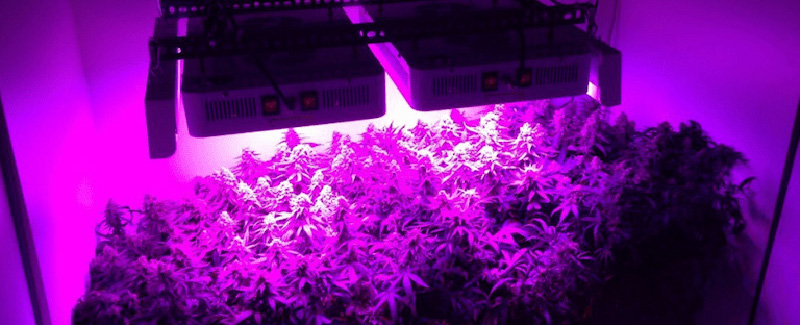
All green plants need to absorb light energy and release oxygen as they grow. LED grow lights provide full-spectrum lighting and produce visible and invisible waves (red, blue, white, infrared, ultraviolet), which positively impact the growth of indoor plants.
Our LED grow light adopts full spectrum light or red bule light or pink purple light. Red (630nm-660nm) and Blue(440nm-460nm) grow lights will promote extreme growth in seeding vegetation and flowering cycles resulting in HUGE yields with less heat. This is suitable for greenhouses or gardens that are aided by sunlight.
Full spectrum LED grow lights appear white and contain a wide range of spectrums that natural sunlight can provide, which can be optimized for all stages of indoor plant growth and create a great houseplant working environment for you.
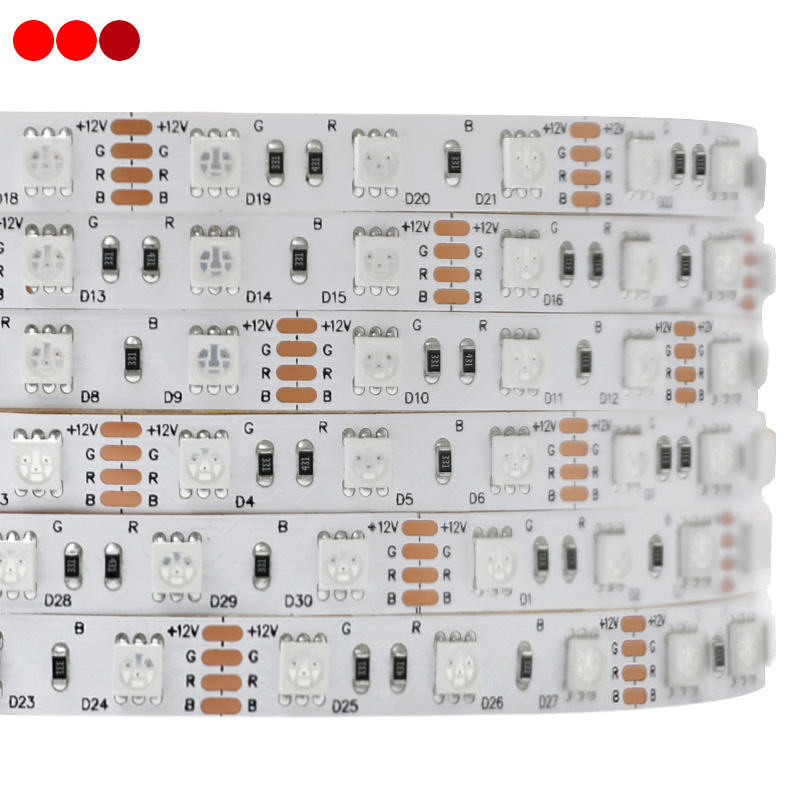
Dual Red 660nm NIR 850nm 3-in-1 LED Tri-band Strip Light
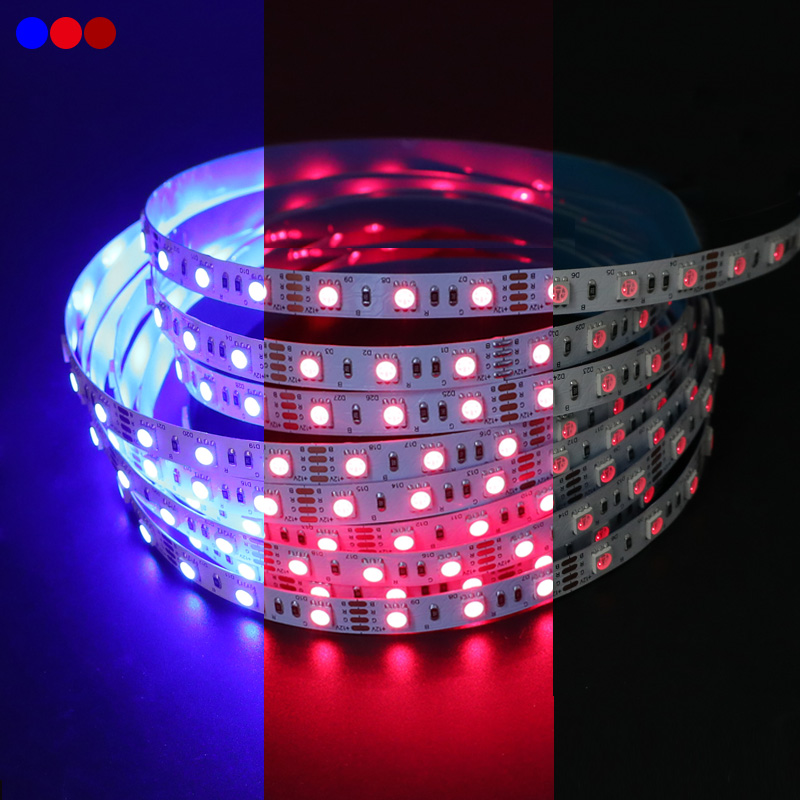
450nm+660nm+730nm Tri-Spectrum Tunable Red Blue LED Grow Light Strip

Ultra Bright 3-in-1 Infrared Red Blue Light Therapy LED Strip
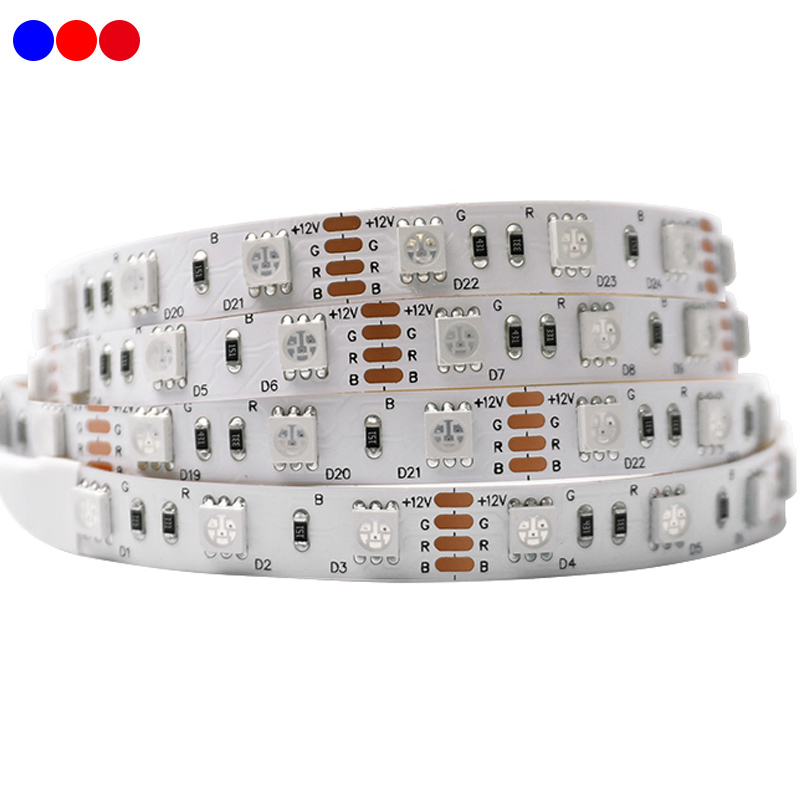
660nm Red + 810nm IR + 450nm Blue 3-in-1 Multi Wavelength LED Strip
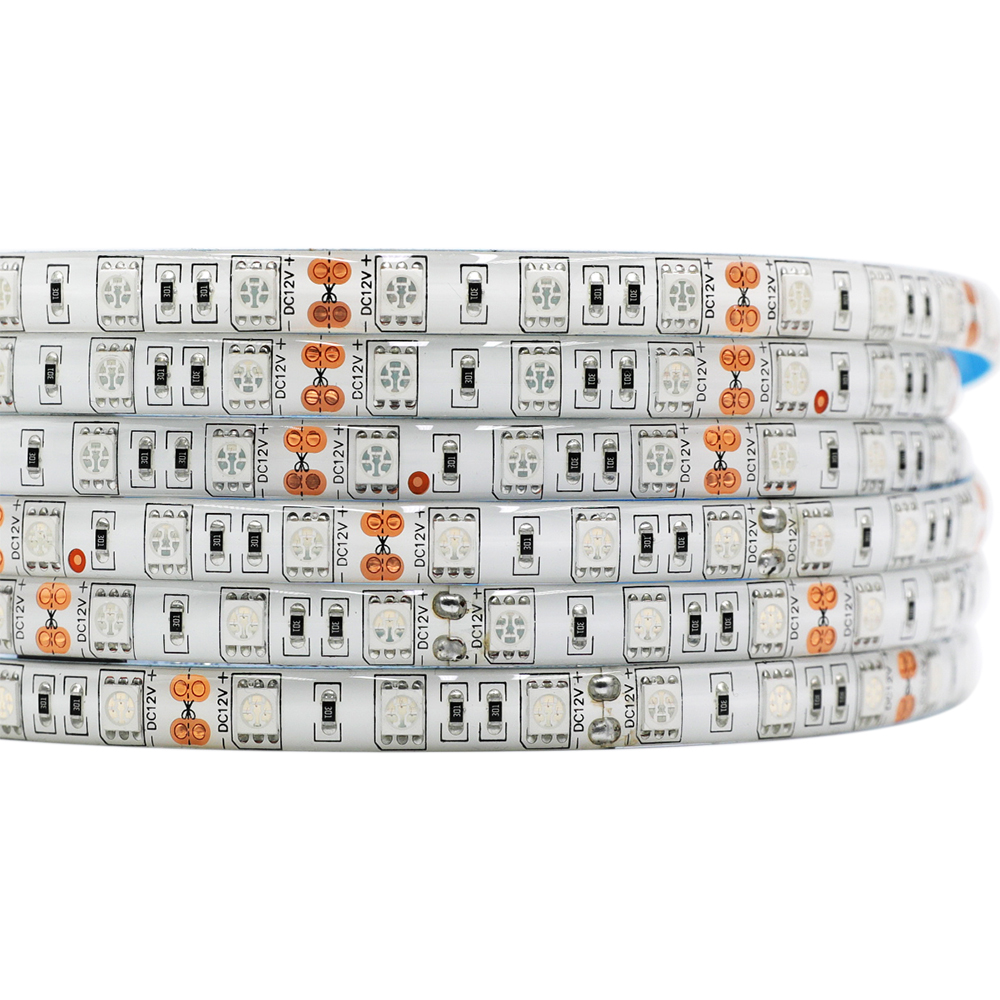
660nm Red + 460nm Blue LED Grow Light Strips | 12V
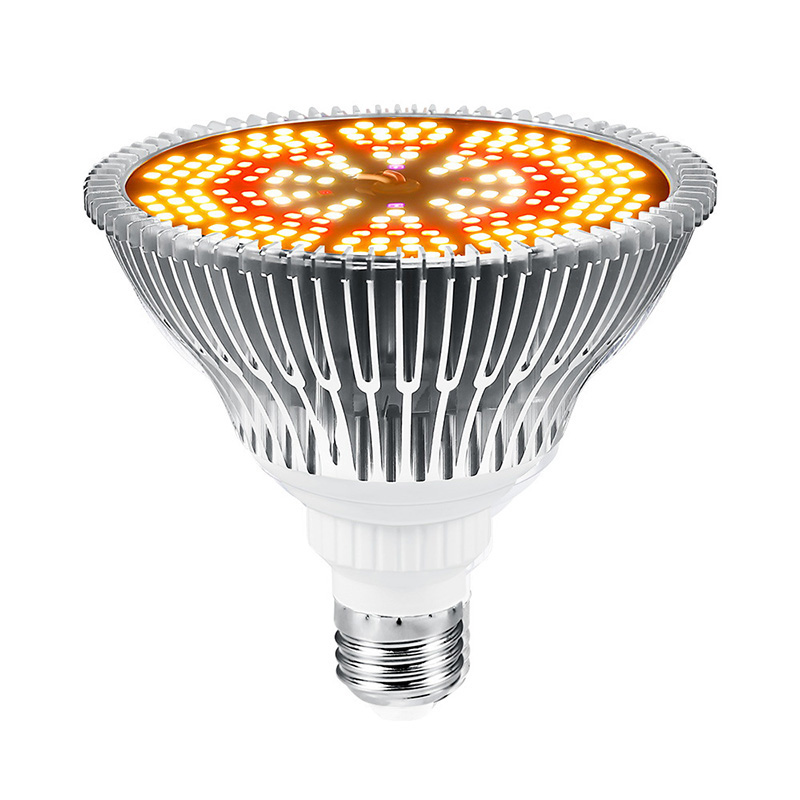
150 Watt Full Spectrum White LED Grow Light Bulb E27 Base
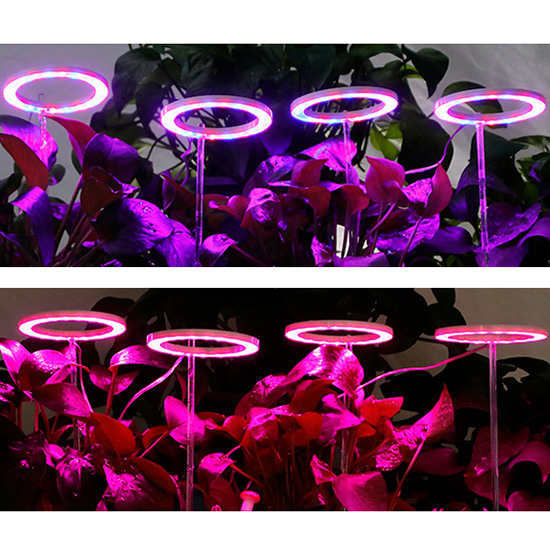
Adjustable Red Blue Or Pink Purple Angel Ring USB LED Grow Light
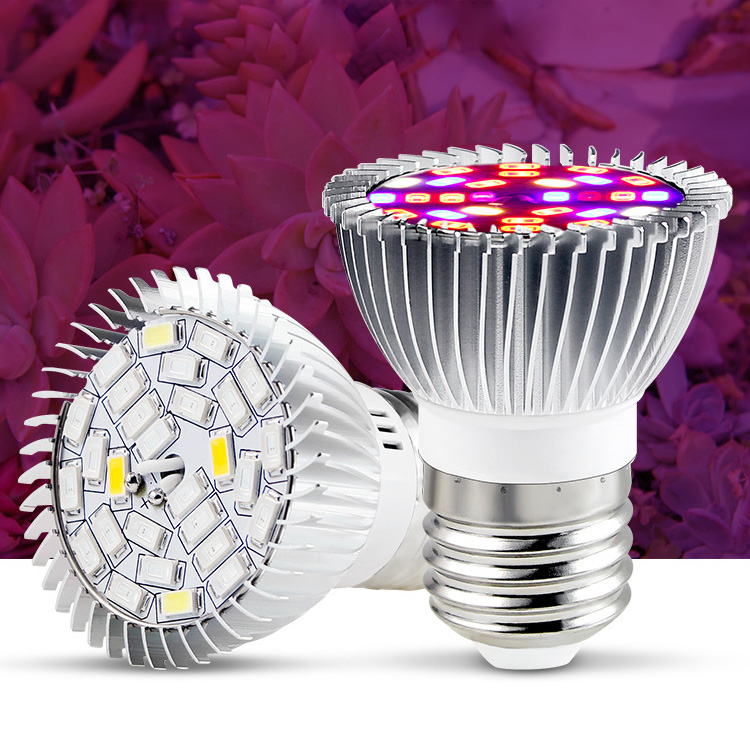
E27 18W 28W 30W 50W 80W 100W LED Full Spectrum Grow Light Bulb
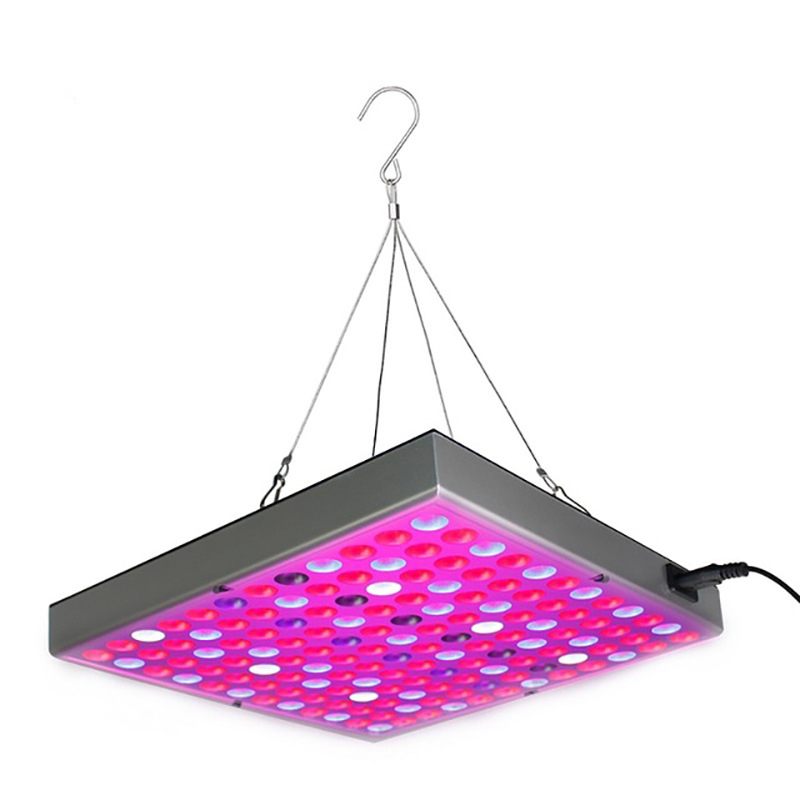
Full Spectrum 25 Watt / 45 Watt LED Grow Light Panel Hanging
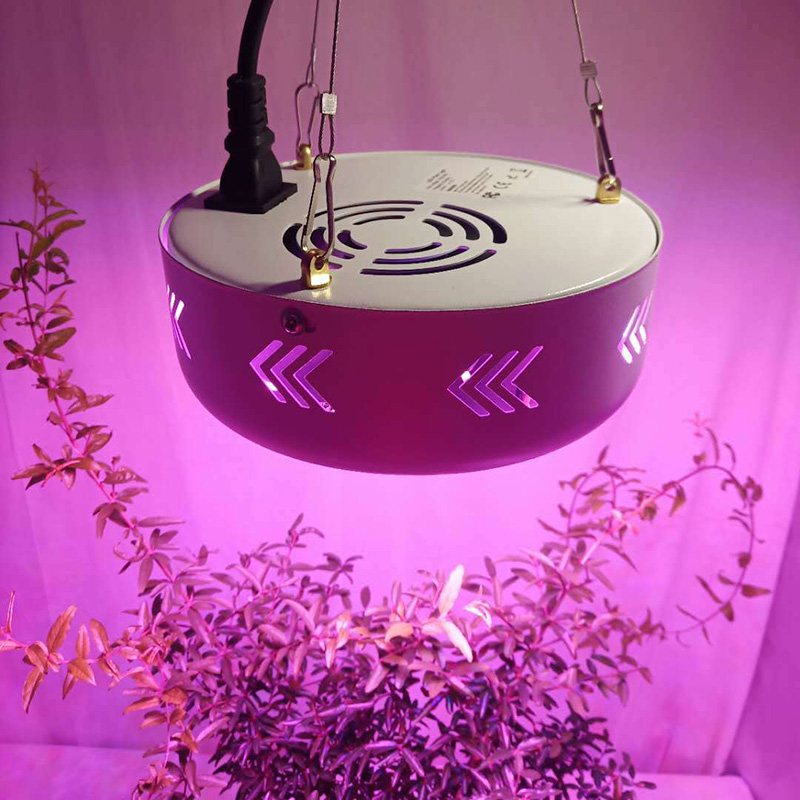
Hanging Full Spectrum 150 Watt UFO LED Grow Light
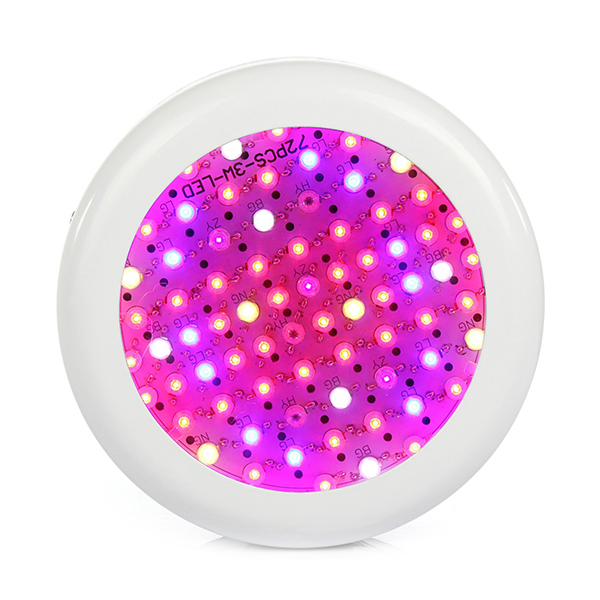
216W UFO Full Spectrum LED Grow Lights 110V/220V
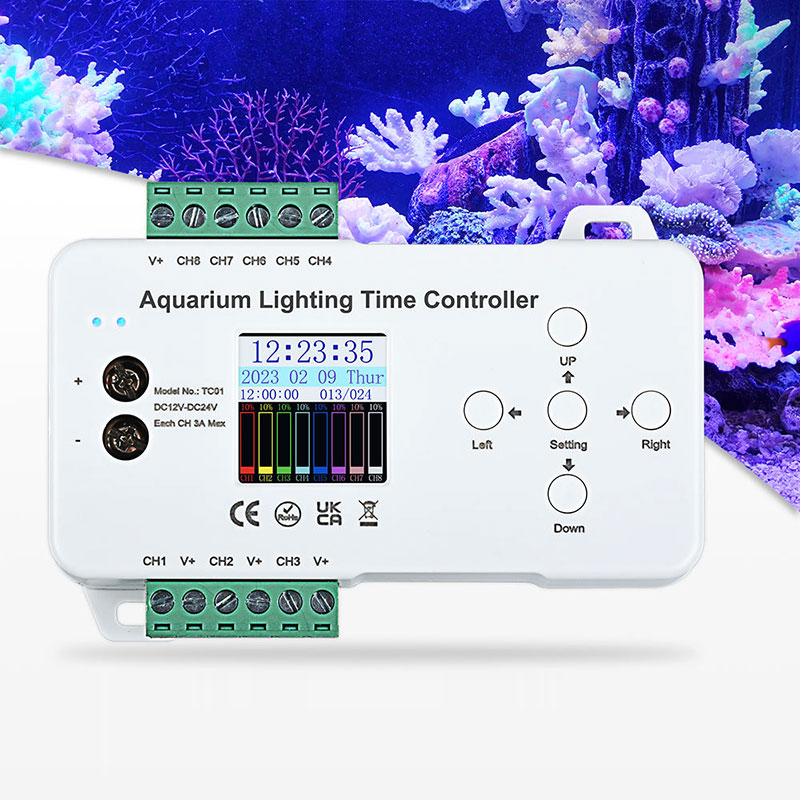
Computer Programmable 8CH Aquarium Light Timer Controller
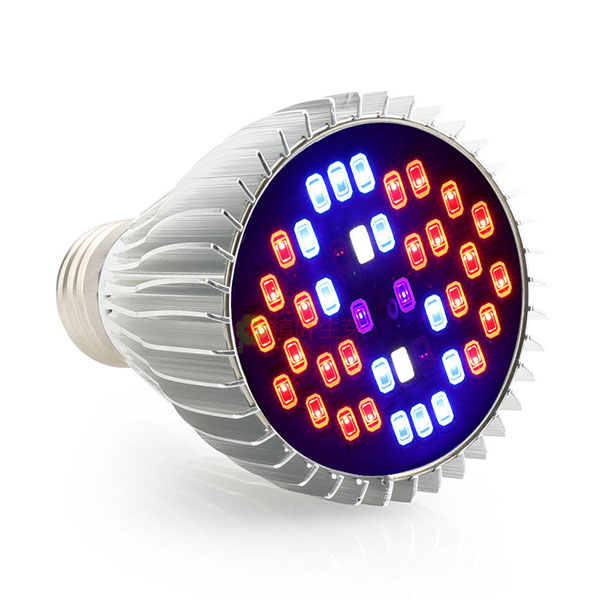
30/50/80W Full Spectrum LED Grow Light E27 LED Bulb 110V/220V
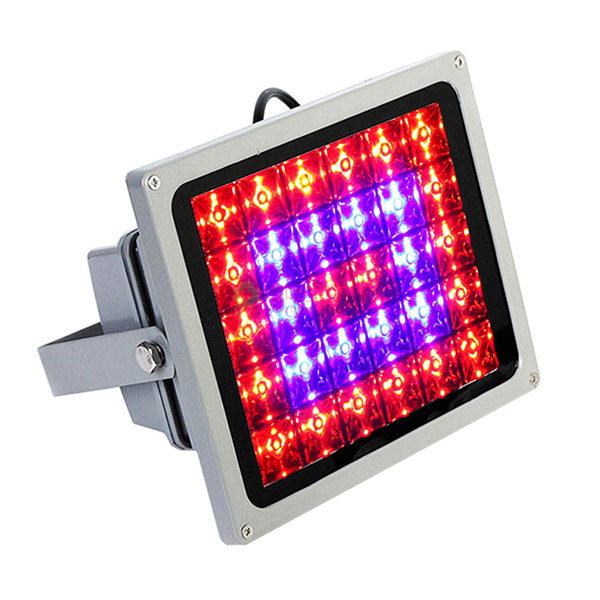
18/60/90/100W Full Spectrum LED Grow Light Spotlight 110V/220V
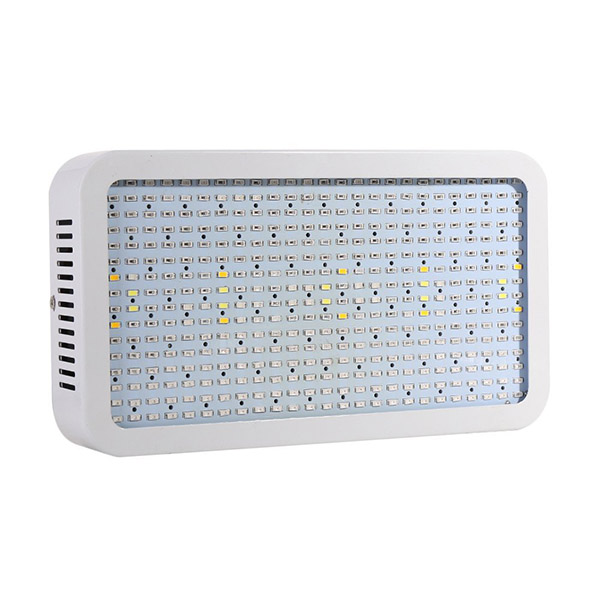
400/800/1200/1600W Full Spectrum Growing LED Light


600/800W Ultra Bright Full Spectrum LED Grow Lights 110V/220V
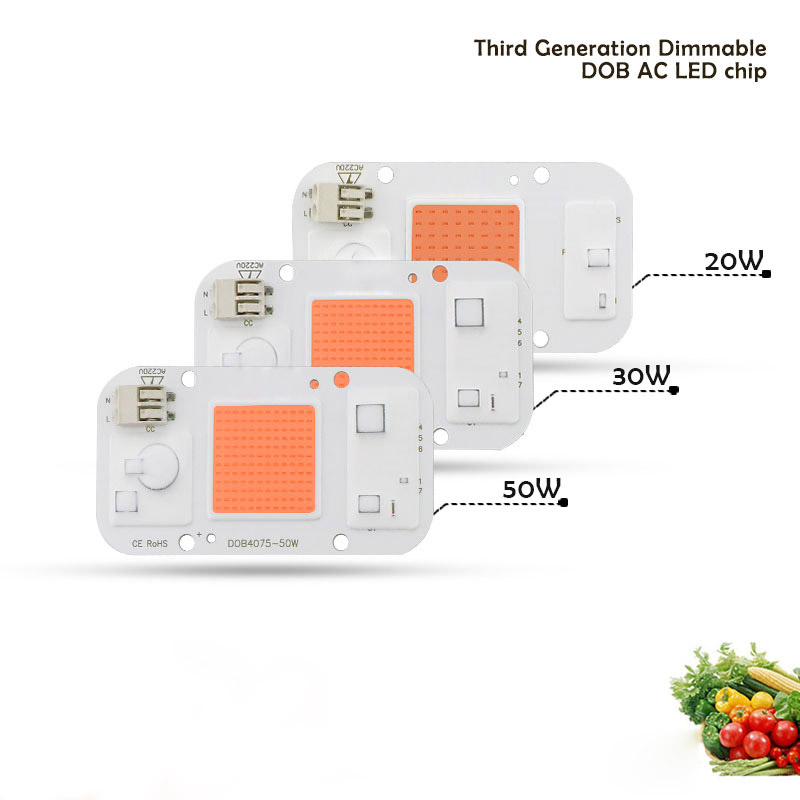
AC220V 20W/30W/50W 1 Pcs COB LED Chip For Indoor Plants
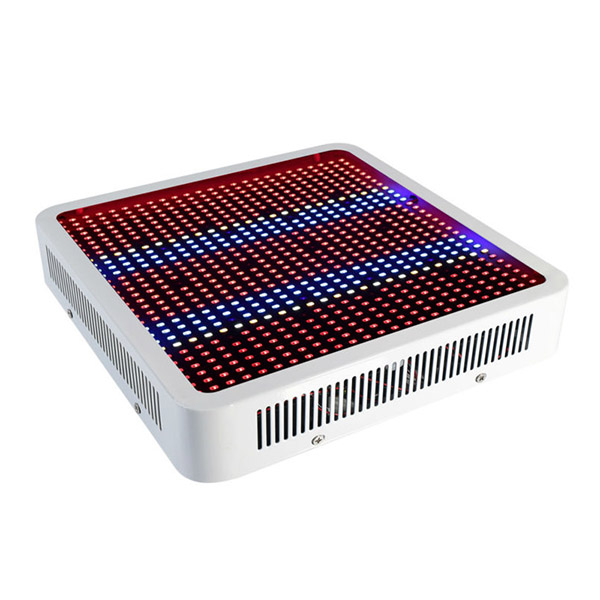
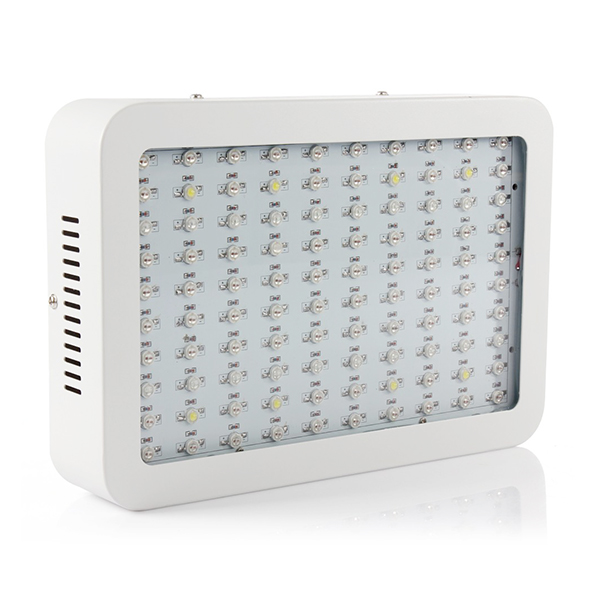
1000W LED Grow Light Full Spectrum 410-730nm For Indoor Plants
More Knowledge about LED Growing Lights
1.Spectrum. Natural sunlight has all the colors on the electromagnetic spectrum. Some LED plant grow lights can only reproduce specific color frequencies like red and blue, while LED full spectrum grow lights produce all the tones required at each stage of the plant growth process.
Blue light helps plants grow in the early stages. This is the first color that plants can absorb in their vegetative state; Violet light is also used in the vegetative state; however, it is not as effective for photosynthesis as blue light. Red light contributes to the later stages of growth and is essential for the flowering of flower buds; White light contains all the colors of the spectrum, it is effective at every stage of plant development.
2. Power. PPFD (or photosynthetic photon flux density) is the most standard measure of quality. Due to the complexity of the calculation, recommend choose the power of LED growing light is 32W/square foot, and low-power growing lights can be used for ordinary green plants.
3. Distance. Grow LED lights have less heat output than ordinary LED lights, and LED plant growing lights can be closer to the plant for different growth functions.
4. Illumination time. The daily light time required for the normal growth of plants is 8-16 hours. If plants are often placed indoors, they need more artificial light, you can increase the growing lighting time to 16 hours.
Frequently Asked Questions About LED Grow Lights
Got a question about setting up your grow lights? I've answered thousands of them over the years. Here are the most common ones I hear.
There's no single magic number, it depends entirely on the light's power and the plant's stage. For seedlings, start with lower-power lights about 24-36 inches away. For vegetative growth, you can move them closer, maybe 12-24 inches. During flowering, powerful lights like a 100W LED grow light might need to be 18-24 inches away to avoid burning the tops. The best way to know for sure is to watch your plants. If leaves start to look bleached or brown at the tips, the light is too close. Start high and lower it a little each day until you find the sweet spot.
Red and blue lights target the two most critical wavelengths for photosynthesis, which is super efficient for plant growth and flowering. It's great for commercial setups where you're maximizing yield. A full spectrum LED grow light mimics natural sunlight, appearing white to our eyes. This makes it much easier to actually see your plants, check for pests, and enjoy their natural color. For houseplants and general indoor gardening, most people prefer full spectrum. We offer both, including LED panels, LED bulbs, and LED strips.
For hydroponics, you absolutely need lights rated for high humidity or direct splashes. The key is water resistance. We have a couple of IP65 waterproof grow LED lights that are perfect for this. They're sealed against moisture, so you don't have to worry about condensation or spray causing a short.
Absolutely. A lot of our customers are serious DIYers. We sell the individual LED components for people building their own panels from scratch. A simpler DIY grow light project is using our horticulture light strips. You can cut them to length and stick them under shelves or build a custom frame. It gives you total control over the shape and size of your lighting.
Generally, no. One of the biggest advantages of LEDs over older HPS or metal halide bulbs is how little heat they put out. Our larger UFO and panel grow lights have built-in fans or substantial heat sinks to manage their own temperature. For LED grow light strips, as long as you have decent air circulation in the room, they don't require dedicated cooling.
Your plants will tell you. Look at the leaves closest to the light. If the edges start to curl up, or if you see yellowing or white bleaching on the top leaves while the lower leaves look fine, that's a classic sign of light burn. It's different from a nutrient deficiency, which often shows up on older, lower leaves first. If you see signs of stress, just raise the light by 6-8 inches and watch the plant for a few days.
This depends on the plant and its growth stage. For vegetative growth—when the plant is focused on growing leaves and stems—16 to 18 hours of light per day is the standard. For flowering or fruiting plants like tomatoes or cannabis, you'll typically switch to a 12-hours-on, 12-hours-off cycle. That dark period is critical to trigger flowering. Seedlings and clones do well with 18-24 hours of light. Using a simple wall timer is the easiest way to keep this consistent.
LED grow light strips are the best choice for lighting long or unusually shaped areas. Think multi-level shelving for seedlings, vertical gardens, or lining the inside of a grow tent. You can get even coverage over a large surface area where a single bulb would create a bright spot in the middle and dim edges. Bulbs are simpler for a single houseplant on a table or a small cluster of pots.
That's because the light is emitting very specific, narrow bands of red and blue light. Plants primarily use these two colors for photosynthesis, so it's a very efficient way to grow them. The light looks purple or pink to our eyes because we're not seeing the other colors of the spectrum. While it's great for the plants, it makes it hard to judge their health. That's why many people now prefer the best full spectrum grow lights, which appear white and let you see your plants' true colors.