
LED Pin Light Bulb
44 productsLED pin light bulbs are the modern, energy-efficient replacement for hot, short-lived halogen bulbs found in compact fixtures. If you have track lighting, under-cabinet puck lights, desk lamps, or landscape fixtures with small bi-pin bulbs, these are the direct LED upgrade. They produce the same amount of light for about 80% less energy and generate significantly less heat, which prevents damage to fixtures and surrounding surfaces. A 4.8W LED pin bulb can replace a 50W halogen, saving power and reducing replacement frequency with a lifespan of up to 40,000 hours.
SuperLightingLED provides a complete system of pin-base LED bulbs designed for these specific retrofits. We offer models that run on low-voltage 12V AC/DC systems and others that wire directly to line voltage AC 100-130V, ensuring you can find a direct replacement for nearly any existing pin-base incandescent light bulb.
What is a 2-pin LED light bulb?
A 2-pin LED light bulb, often called a bi-pin bulb, is a lamp that uses two metal pins for its electrical connection instead of a traditional screw-in base. These pins plug directly into the socket of a compatible fixture. This design is common in smaller lights where a bulky screw base won't fit. Our LED versions are engineered to match the exact dimensions and pin spacing of the old halogen bulbs they replace, making for a simple plug-and-play installation.
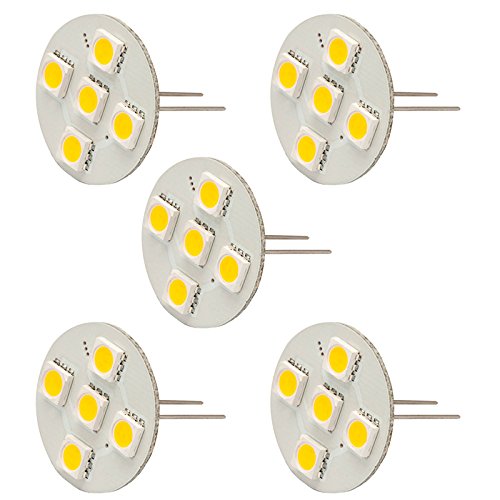
12V AC/DC 1W Extended Back-Pin T3 JC G4 LED Bulb, 10W Equivalent
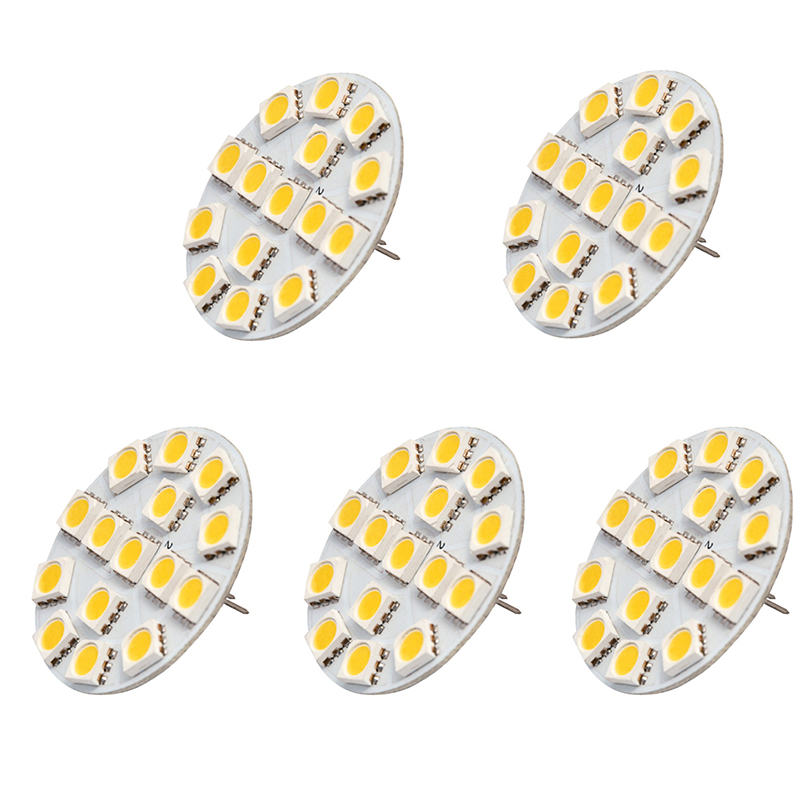
G4 T3 JC LED Bulb 3W (30W Equiv) - AC/DC 10-30V 5-Pack | 300 Lumen
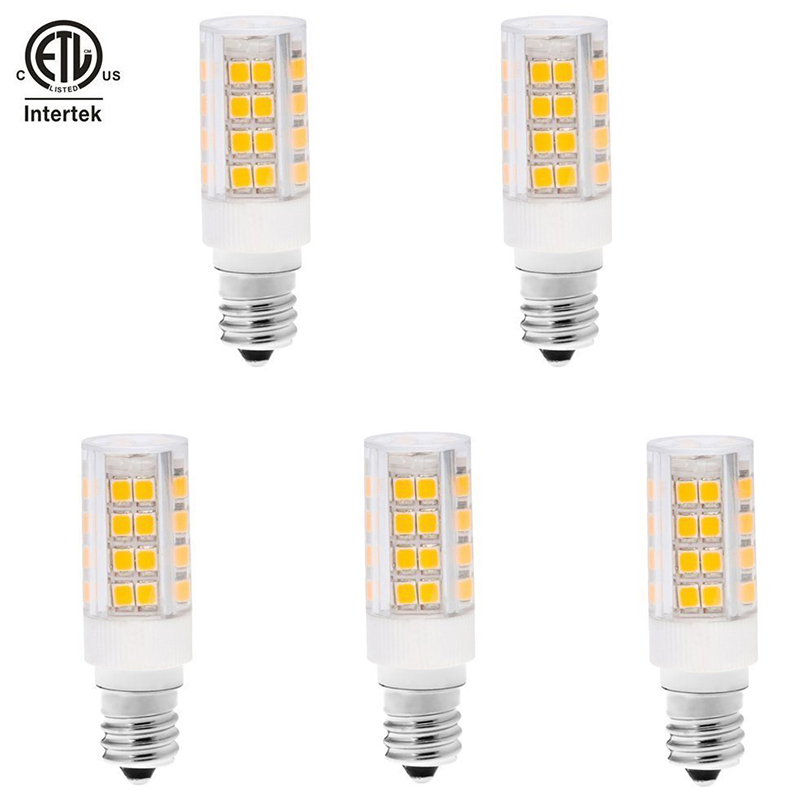
Dimmable T3 E12 LED Bulb - 3.5W (35W Eq) Candelabra 5-Pack | ETL-Listed
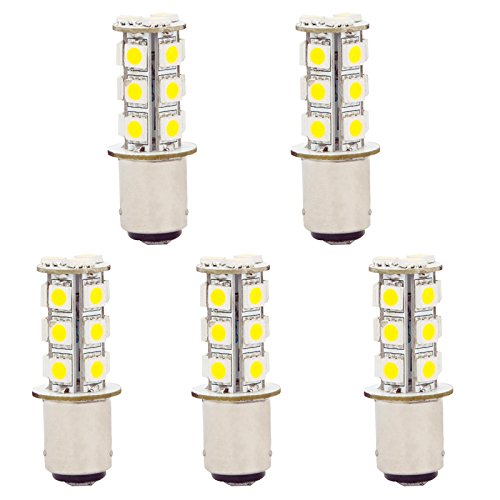
BA15D DC LED Bulb 5-Pack - 10-30V, 35W Equivalent Boat/RV
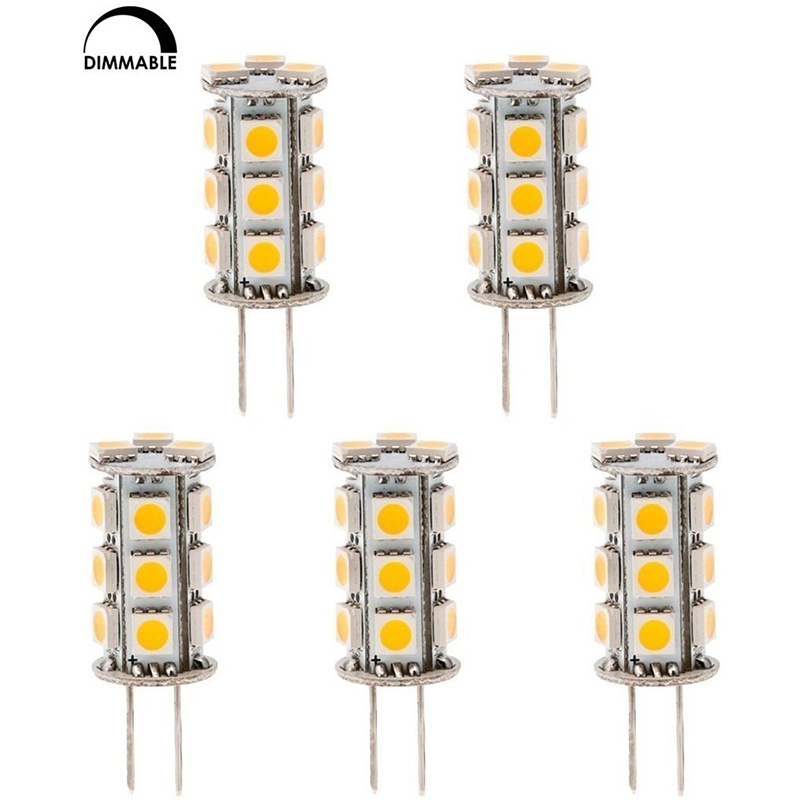
Dimmable T4 GY6.35 12V LED Bulb 2.5W (5-Pack) - 25W Halogen Equivalent
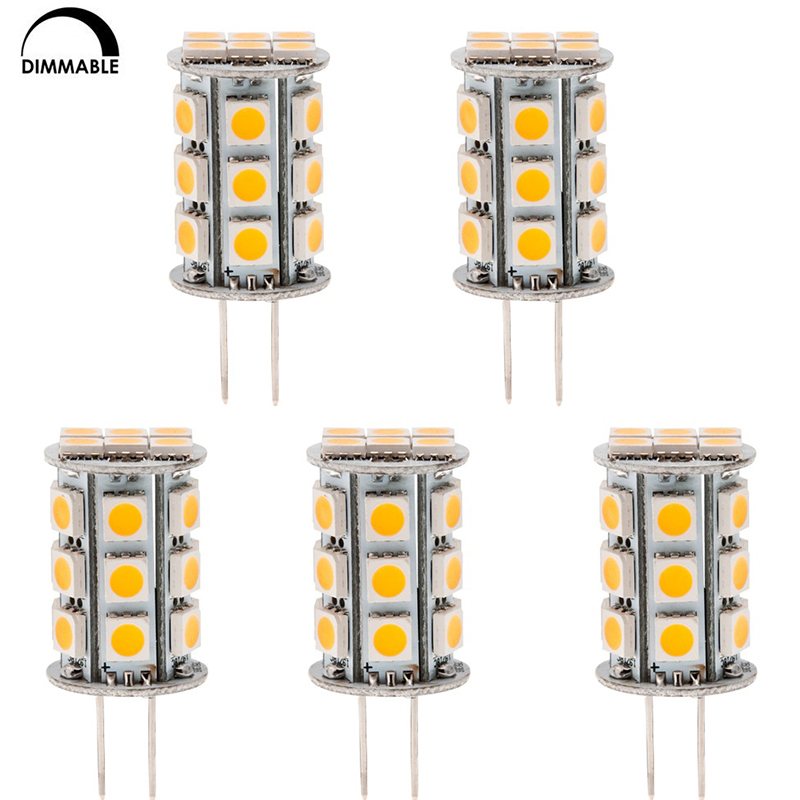
Dimmable T4 GY6.35 12V LED Bulb 4.8W (35W Eq.) - 5-Pack | 360° Light
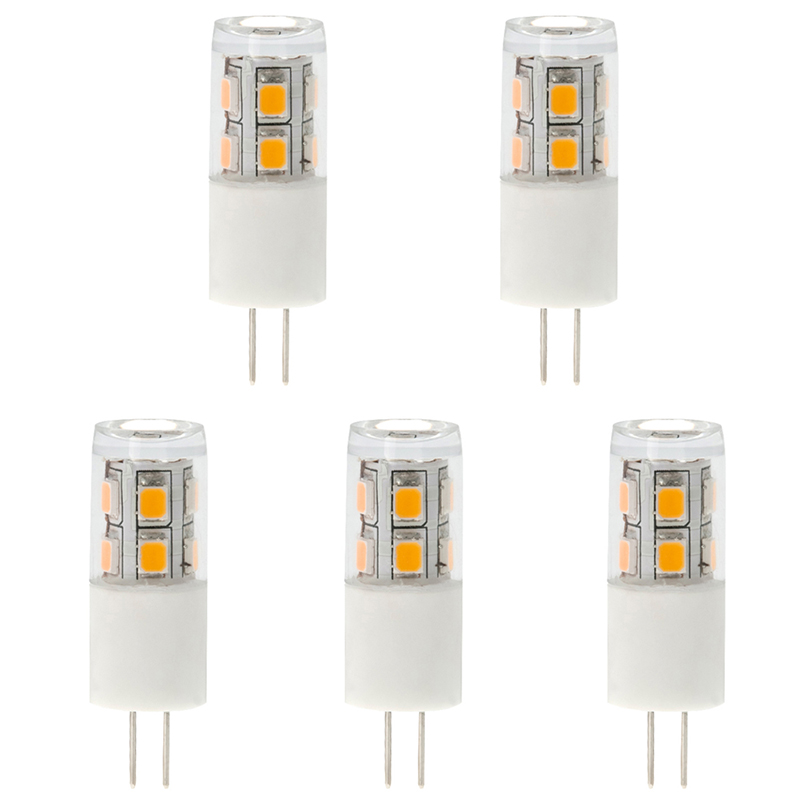
12V AC/DC Back-Pin Tower T3 JC G4 LED Bulb 1.5W 15W Equivalent
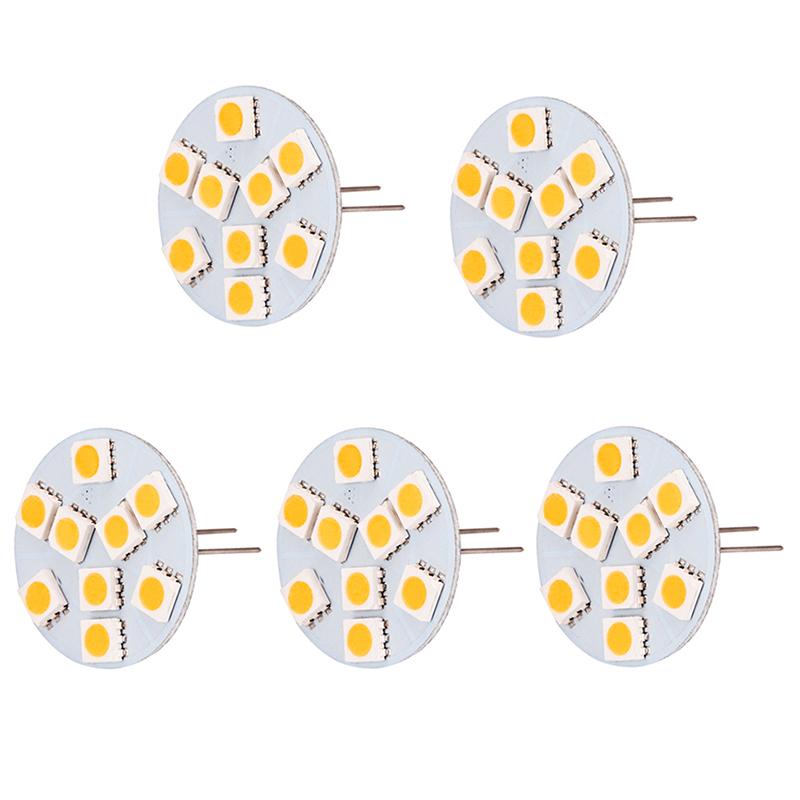
G4 T3 JC LED Bulb 1.8W (20W Eq) - AC10-18V/DC10-30V 5-Pack | Indoor
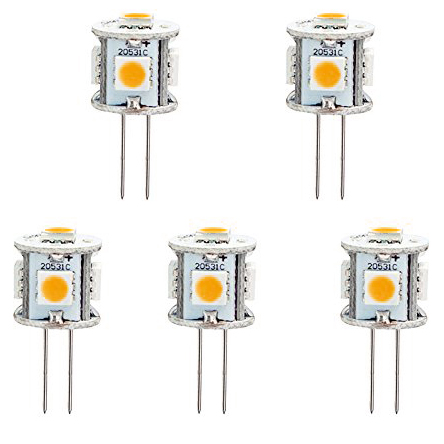
G4 JC T3 12V LED Bulb 5-Pack - 1W, 100 Lumen, 360° Beam
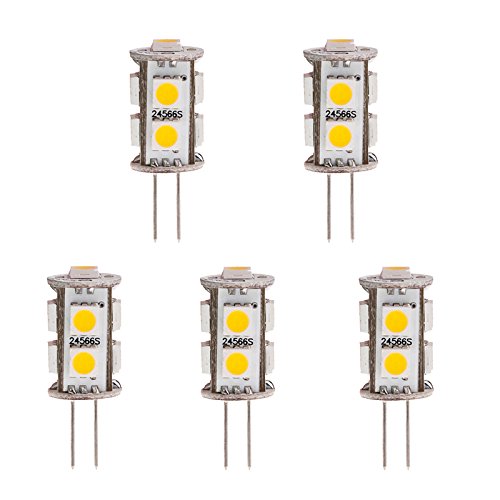
G4 T3 JC LED Bulb 1.8W (10-15W Eq) - AC10-18V/DC10-30V 5-Pack
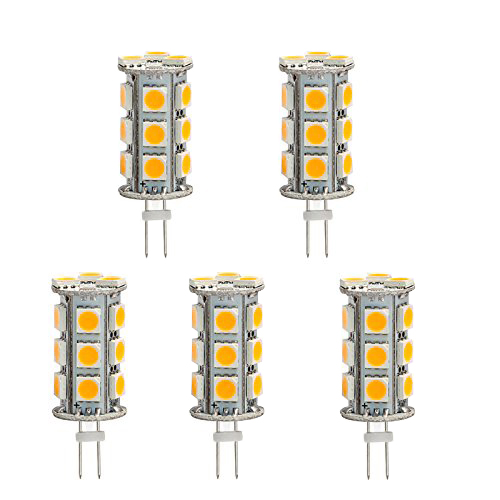
G4 T3 JC LED Bulb 5-Pack - AC/DC 3.6W, 25W Equivalent 360° Light
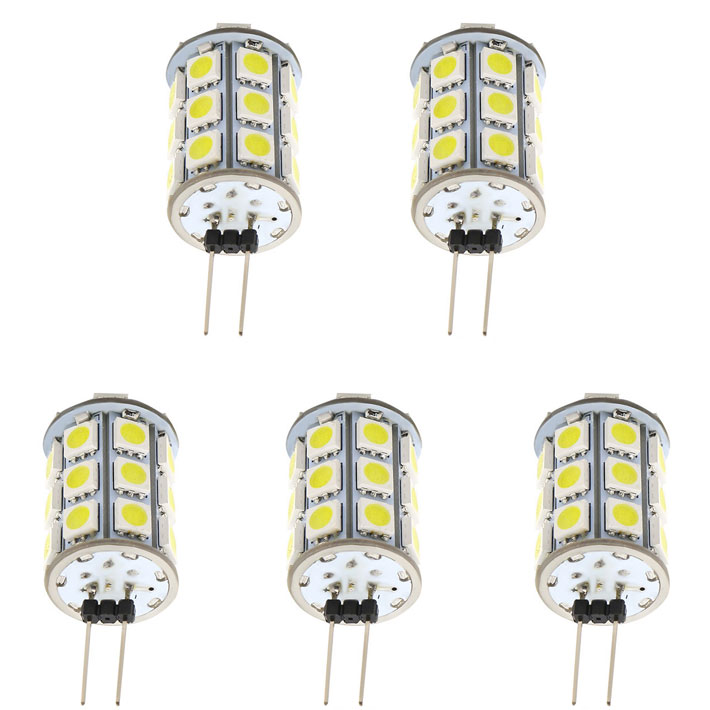
G4 T3 JC LED Bulb 5-Pack AC10-18V/DC10-30V, 35W Equivalent 360° Light
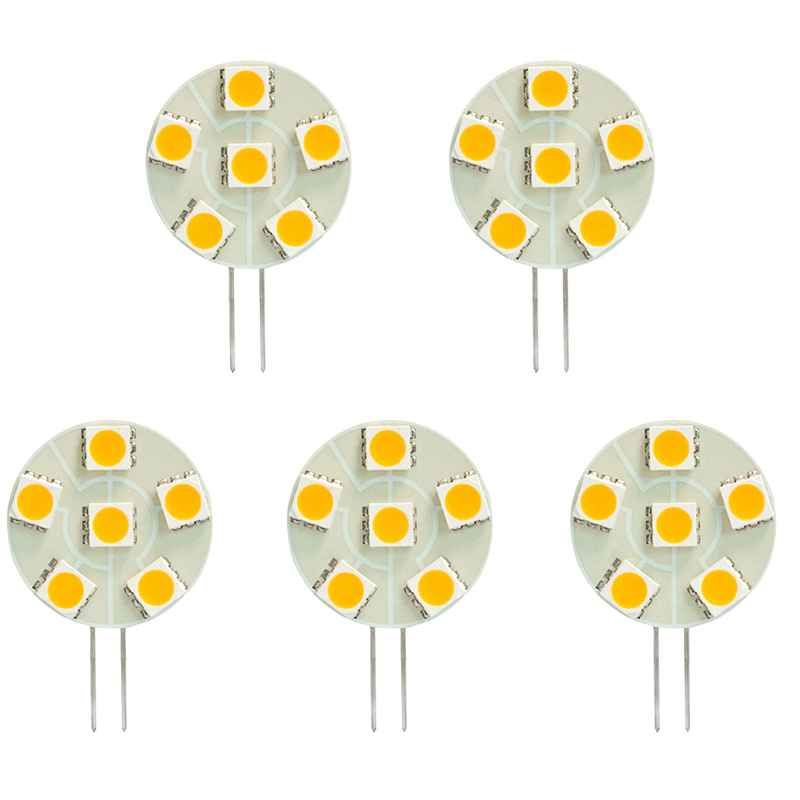
G4 T3 JC LED Bulb 5-Pack - AC/DC 10-30V, 10W Eq. 5050 SMD
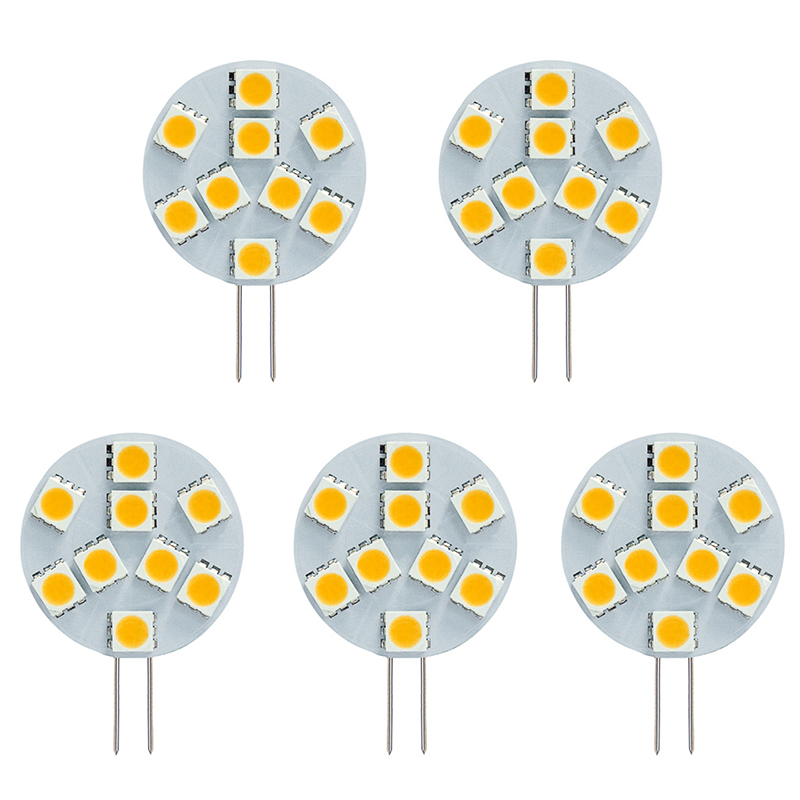
G4 LED Bulb 1.8W (15W Eq.) AC/DC 10-30V T3 JC 5-Pack - 120° Flood
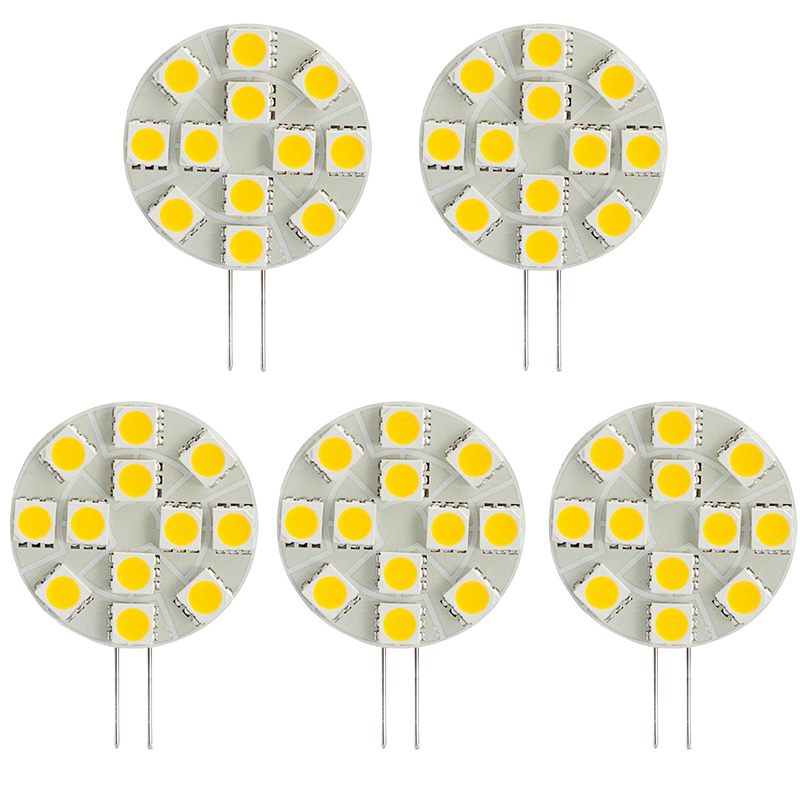
G4 JC LED Bulb 5-Pack - 2.4W (20W Eq.), AC/DC 10-30V, 120° Beam
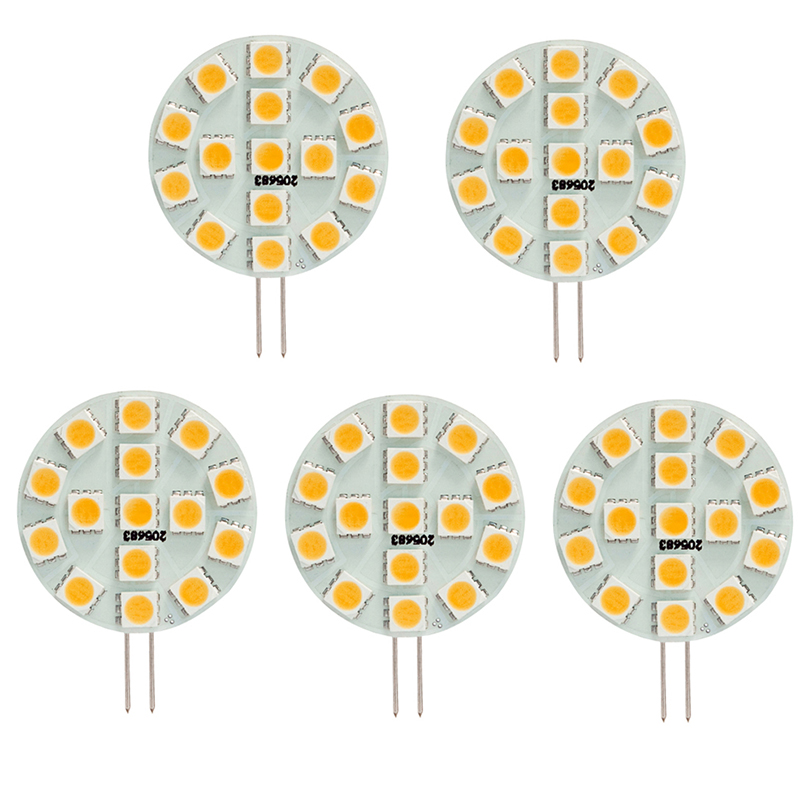
G4 LED Bulb 3W AC/DC10-30V - 25-30W Halogen Equivalent, 5-Pack
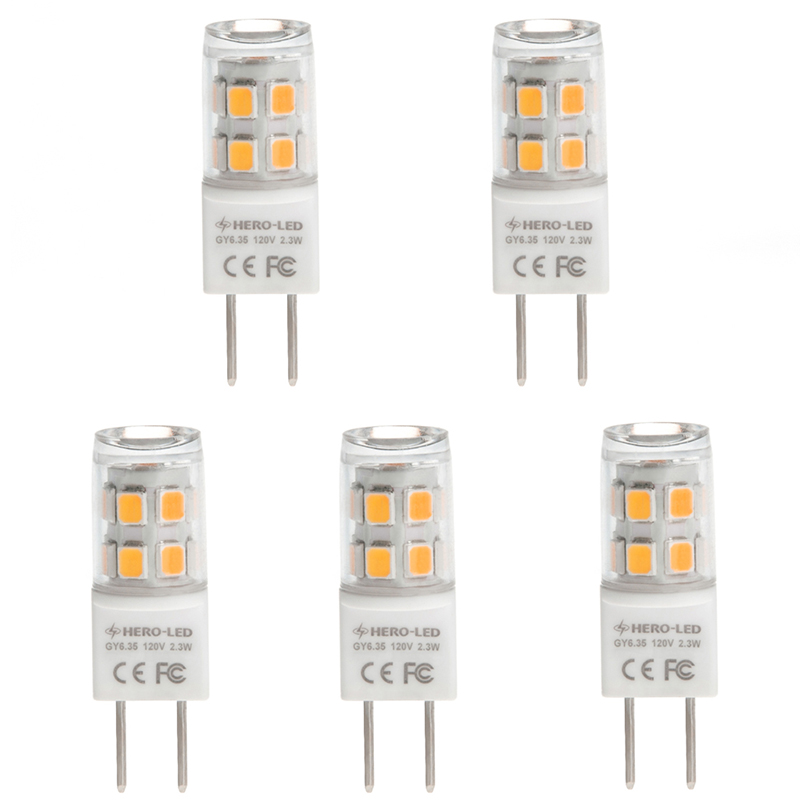
T4 GY6.35 120V LED Bulb 2.3W (20W Equiv) - 5-Pack, 360° Light
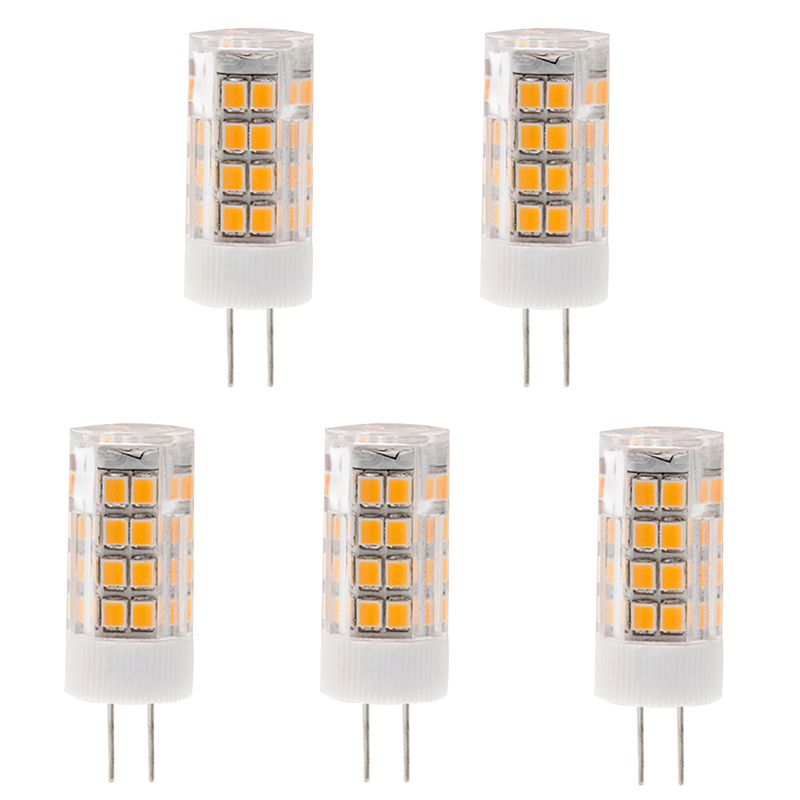
T4 GY6.35 120V LED Bulb 3.5W (35W Eq.) - 5-Pack, 360° Beam
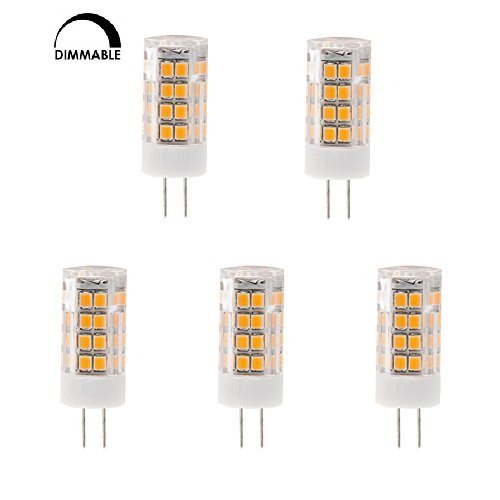
Dimmable T4 GY6.35 LED Bulb 3.5W (35W Eq.) - 5-Pack 120V Warm/Daylight White
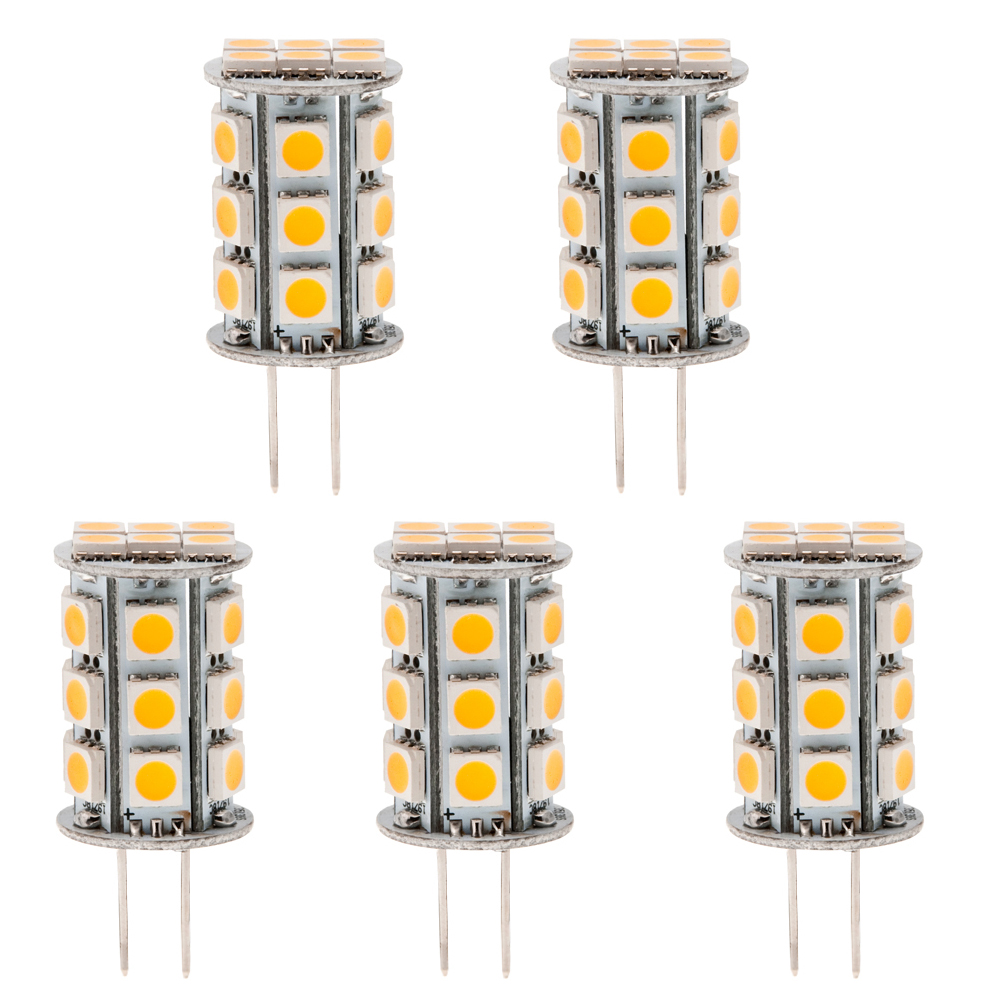
GY6.35 T4 LED Bulb 12V AC/DC - 3.5W (35W Eq.) 5-Pack | 360° Indoor
Common Pin Base Types Explained
Identifying your existing bulb's base is the key to finding the right replacement. Here are the most common types in our range:
- G4, G5.3, GY6.35 (Bi-Pin): These have two straight pins spaced 4mm, 5.3mm, or 6.35mm apart. They're widely used in under-cabinet puck lights, desk lamps, RVs, and landscape lighting.
- G9 (Looped Pin): Features two looped wire pins instead of straight pins. You'll find these in chandeliers, wall sconces, and other decorative fixtures.
- MR11 (GU4) & MR16 (GU5.3): These are multifaceted reflector bulbs with 2 pins, common in track lighting and recessed spotlights where a focused beam is needed.
We've been supplying specialty lighting components like these since 2011. With different pin light bulb models, we cover nearly every replacement scenario. If you're unsure which base you have, just send our engineers a photo and we'll identify it for you.
Frequently Asked Questions About LED Pin Light Bulbs
Got a question about swapping your old halogen bulbs? I've probably answered it a few hundred times. Here are the common ones.
It's all about the pins and how they lock in. A GU10 has two thick pins with little 'feet' that you push in and twist to lock. A GU5.3 has two straight, skinny pins you just push in. A G4 has even thinner pins that are closer together. They are not interchangeable at all. Pull your old bulb out and look at the base — that's the only way to be sure you're ordering the right replacement.
No, you have to choose one that's specifically sold as dimmable. If the product title or description doesn't say 'dimmable', it isn't. Trying to dim a non-dimmable LED bulb with a wall dimmer will just make it flicker, buzz, or fail completely.
Look for 2700K or 3000K. Halogen bulbs give off a very warm, yellowish light, which on the light bulb Kelvin scale is around 2700K. If you want that same cozy feel, 2700K is your target. For a slightly cleaner, less yellow warm white, 3000K is a great choice. 4000K and up will look much cooler and more neutral by comparison.
It comes down to efficiency. A halogen bulb wastes about 90% of its energy as heat. An LED converts almost all its energy directly into light. That's why we talk about lumens now instead of watts. A 50W halogen and one of our 4.8W LED bulbs both produce around 475-480 lumens. The LED just does it without generating all that waste heat.
Yes, most of our pin-base bulbs are designed for exactly these kinds of applications. LEDs run much cooler than halogens, but they still produce some heat that needs to dissipate to ensure a long life. As long as the fixture isn't 100% airtight and has a little room for air to move, you'll be fine. It's a massive improvement over the fire-hazard heat from the old halogens.
Three things: voltage, base, and shape. MR16 bulbs are almost always low voltage (12V) and use a bi-pin base like a GU5.3. PAR16 bulbs are typically line voltage (120V) and use a standard E26 screw-in base. The shape is also different, which affects the beam. You can't swap one for the other; you have to match what your fixture requires.
Yes, and don't skip this. To run 12V LED bulbs, you need a 12V DC constant voltage power supply, also called an LED driver. You cannot connect them directly to a 120V wall outlet. And as I mentioned, the old transformer from your halogen setup probably won't work either. Using the right power source is the most important part of the installation. We have a whole range of UL-listed power supplies for this.
In the US, the 'standard' light bulb base for lamps and ceiling fixtures is the E26 screw base. But these pin-style bulbs are for specialty lighting — track lights, pendants, desk lamps, RVs — where fixtures are compact. Each base (G4, G8, GU5.3, etc.) is a different standard for a different application. You have to match your old bulb exactly.
It's the type of electrical current. AC (Alternating Current) is often found in older landscape lighting systems that use magnetic transformers. DC (Direct Current) is the standard for modern LED systems. Some of our bulbs are built to handle both, with a wide input range like '10-18V AC / 10-30V DC', to make retrofits easy. But if a bulb is marked '12V DC only', it must be powered by a DC driver. If you're looking for bulbs for general home use, you might be interested in our LED filament bulbs instead.