
LED Floodlight
31 productsOur indoor flood lights and waterproof outdoor flood lights are designed to provide overall uniform illumination for indoor home spaces and outdoor landscapes. Flood lights have a greater light-emitting angle and illumination range than spot lights, allowing areas to be clearly visible. Spotlight VS Floodlight
Indoor LED flood light bulbs can replace traditional incandescent lights, they are smart and can be controlled via Bluetooth, WiFi or RF remote to produce different colors and brightness. Now, modern outdoor landscape floodlighting is also moving towards the Zigbee+RF dual mode trend.
UV flood lights are a special type of indoor flood light application that uses ultraviolet (UV) LEDs as a light source, typically in the 405nm/395nm/365nm UV-A bands, to excite fluorescent substances to produce visible light.
Outdoor LED flood lights are commonly used in parks, plazas, gardens, and other outdoor landscaping locations to illuminate trees, statues, and other landscape elements to create a beautiful nighttime scene. Addressable RGB/RGBW, colorful RGB+CCT, and constant single color are available.
LED floodlights with mounting brackets can be securely fixed, adjusting the angle and irradiation range of the lamps as needed to ensure the desired lighting effect is achieved.
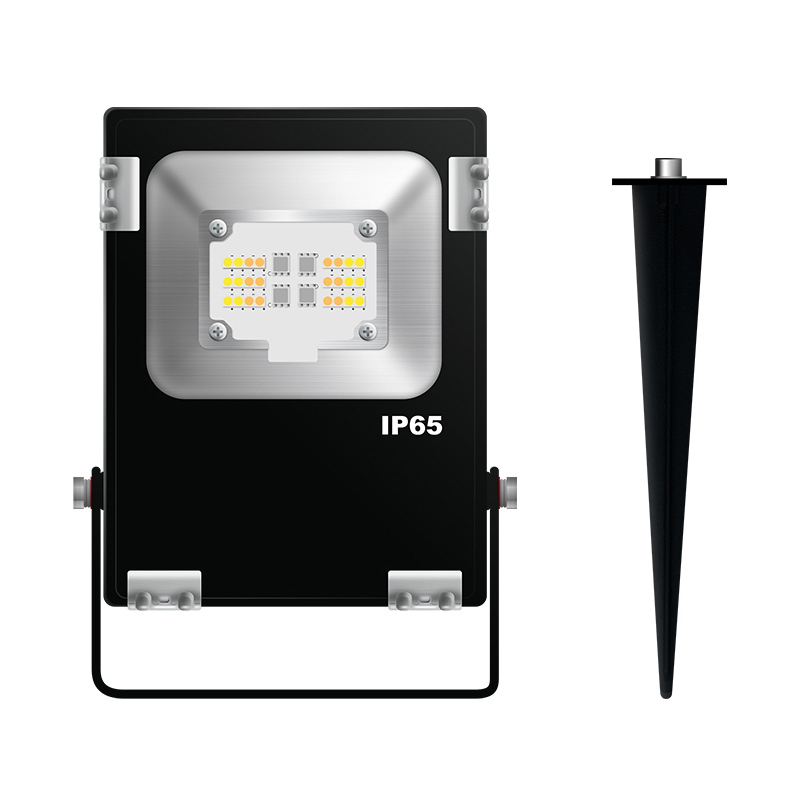
Gledopto Zigbee RGB+CCT 12V LED Landscape Flood Light 10W
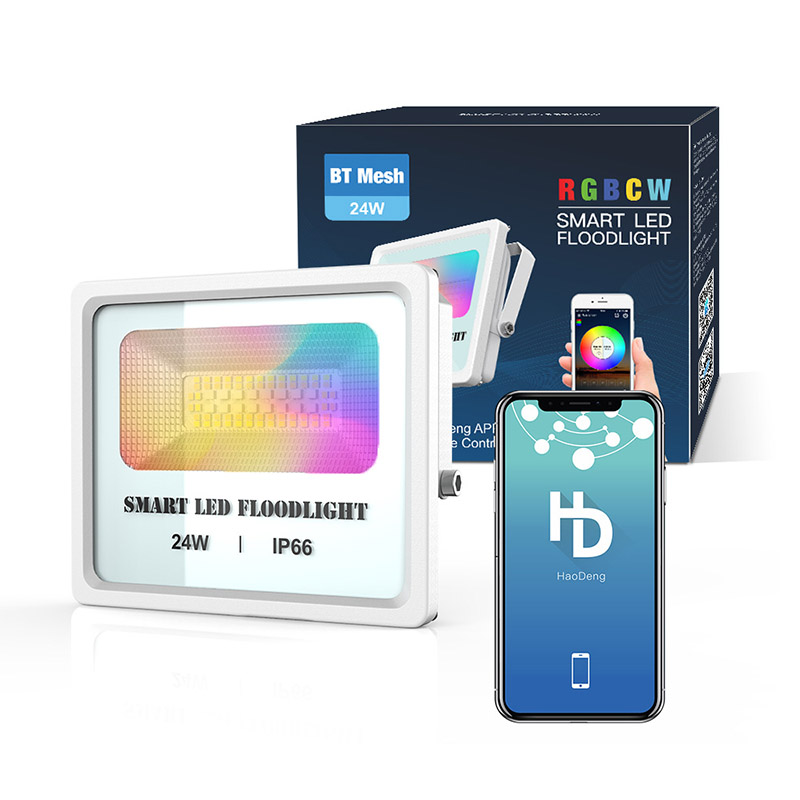
Smart Bluetooth RGBCW Color Changing LED Floodlight For Outdoor Landscape
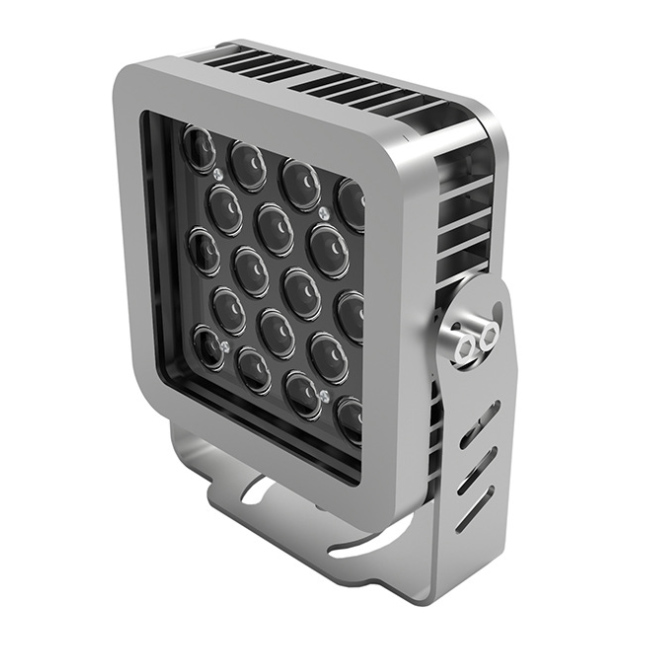
DMX512 RGBW Outdoor Floodlight - DC24V 18W Waterproof LED
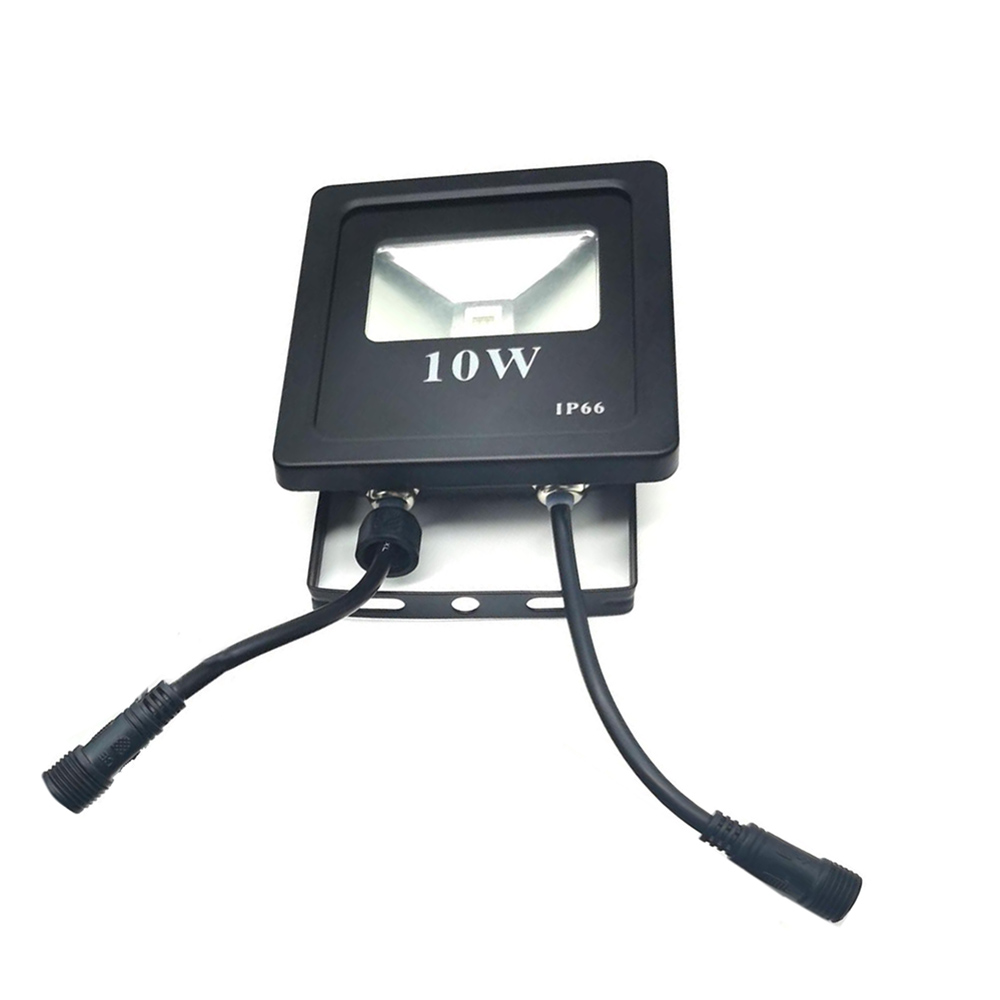
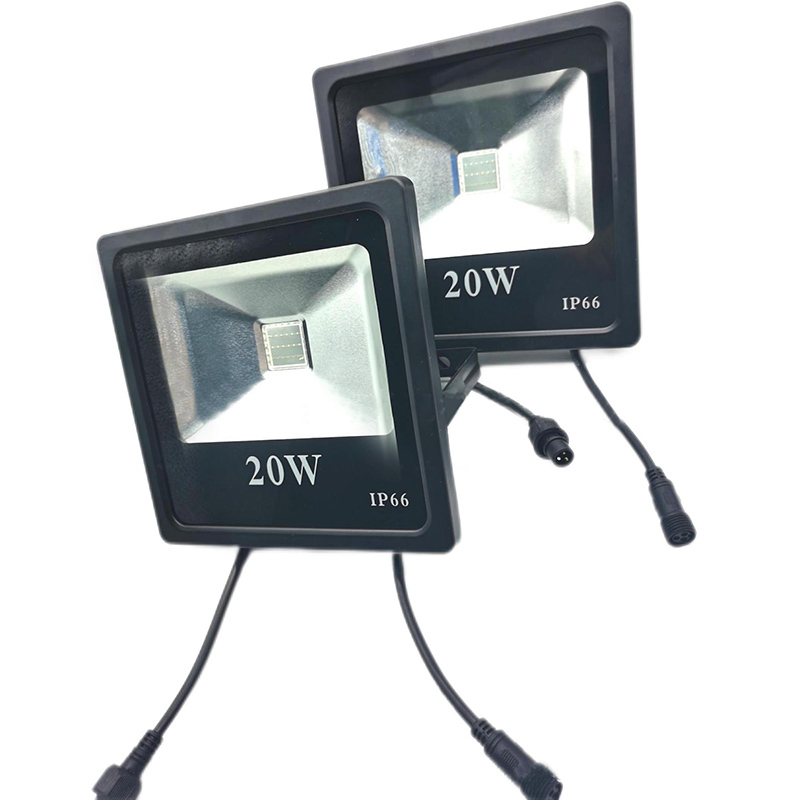
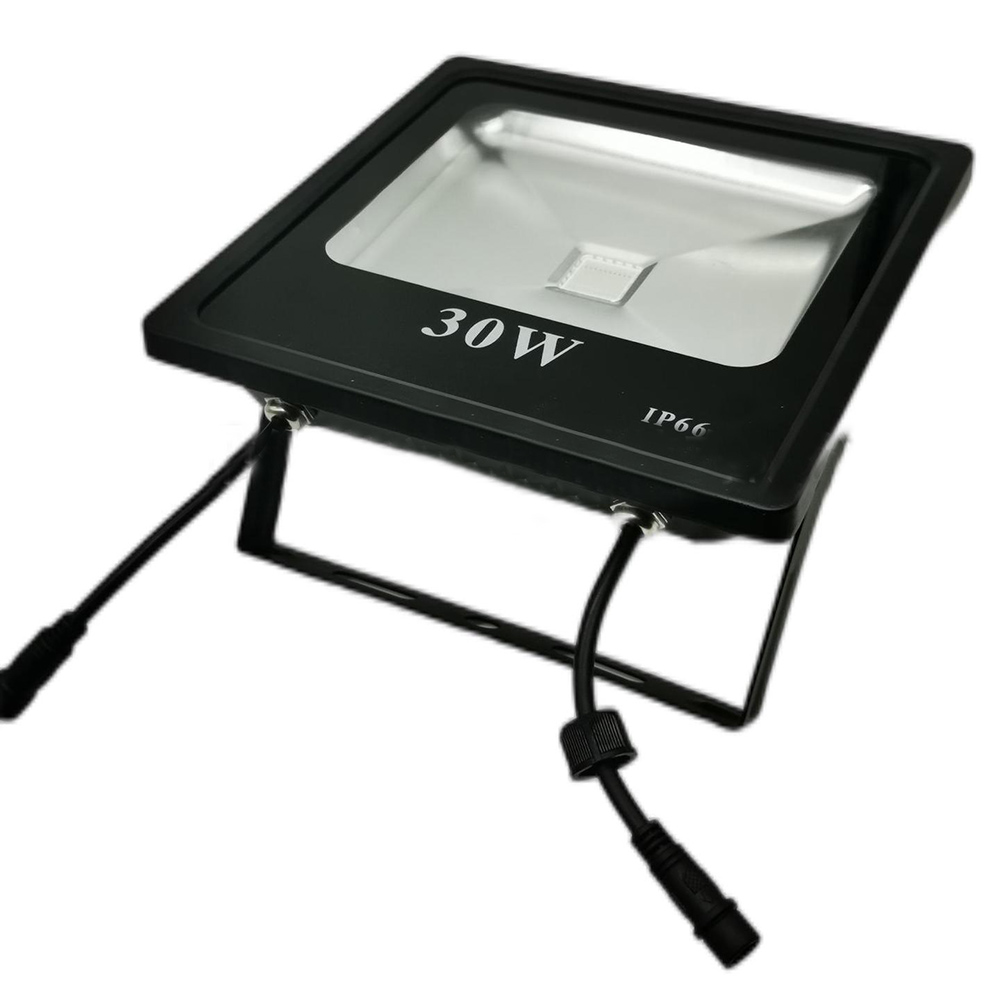
DC12V 30W RGB WS2811 LED Floodlight Outdoor - IP66 Waterproof
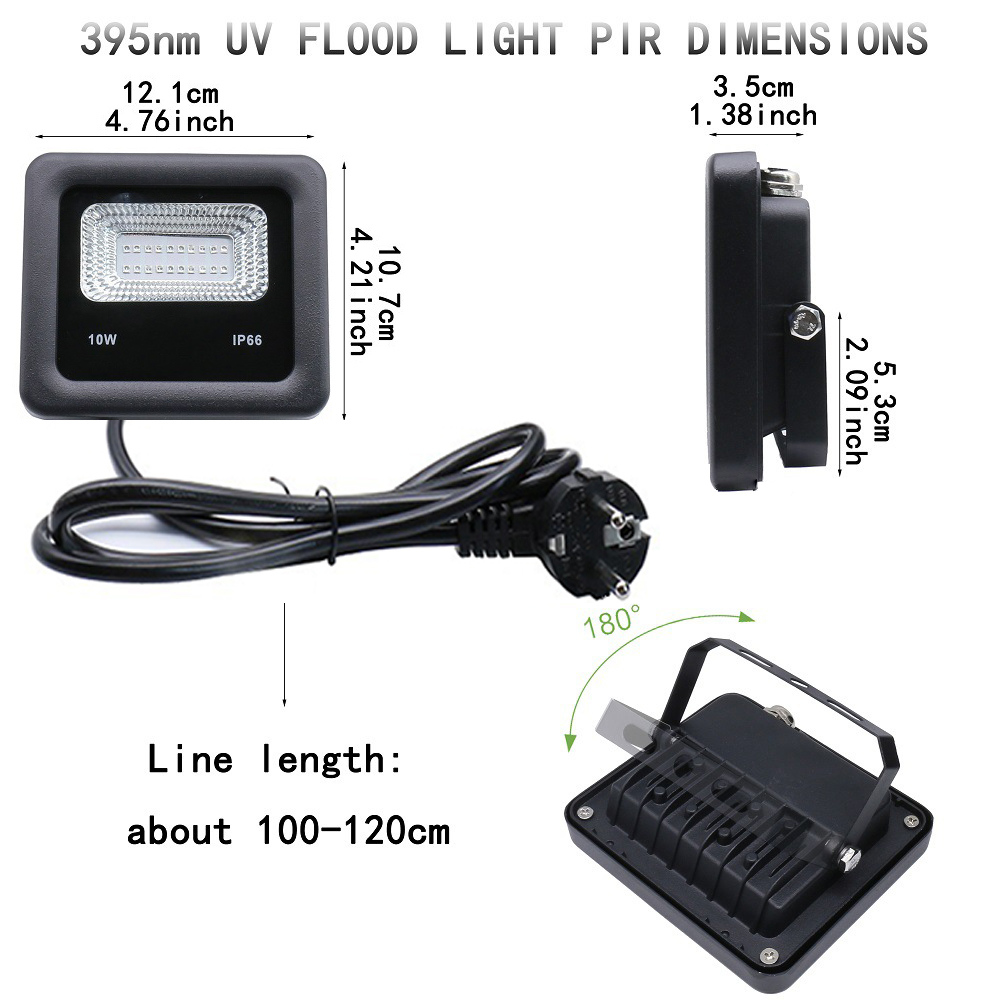
AC85-265V 10W/20W/30W/50W/100W UV Shadowless Adhesive Curing Waterproof IP66 LED Floodlight
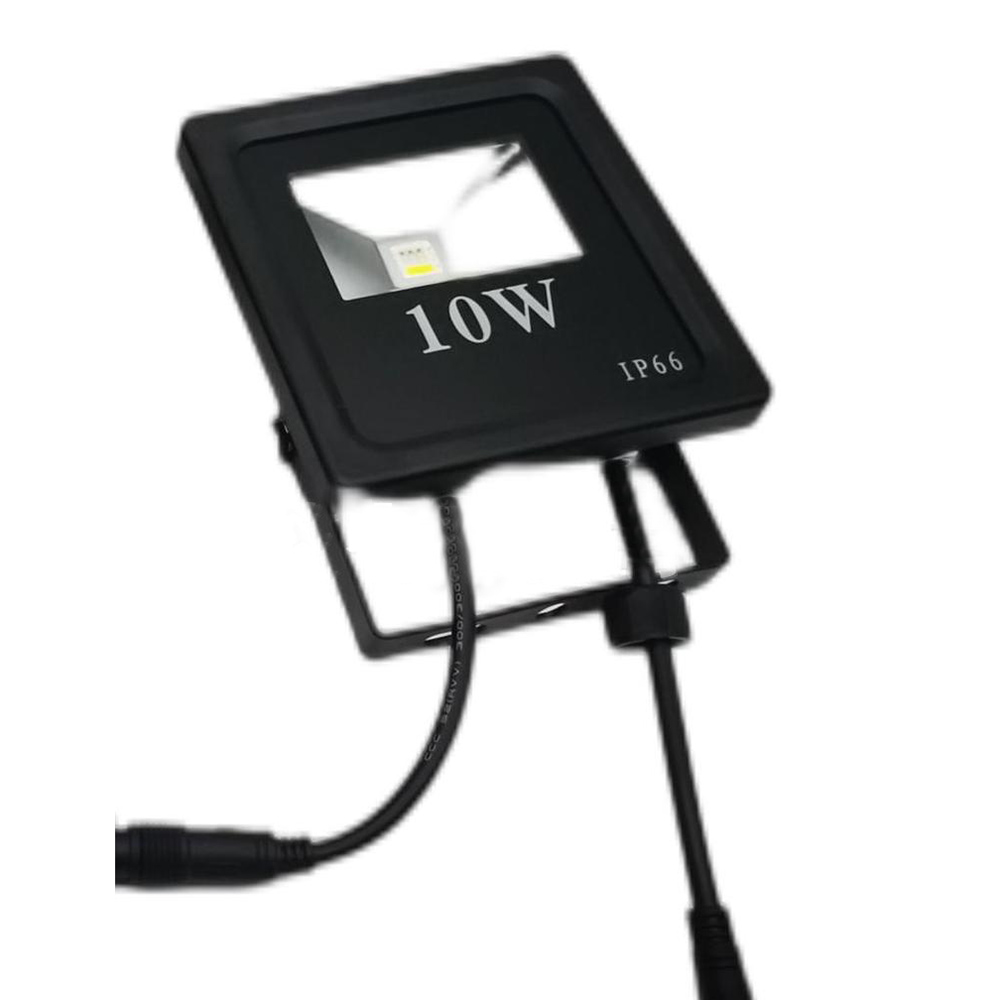
DC12V 10W RGBW LED Outdoor Flood Light with UCS2904 Control

GU10 WiFi Smart LED Bulb Lights RGBW Color Changing
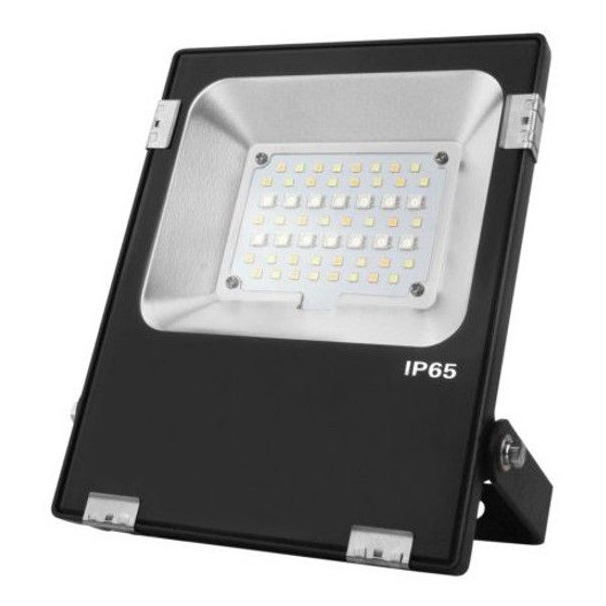
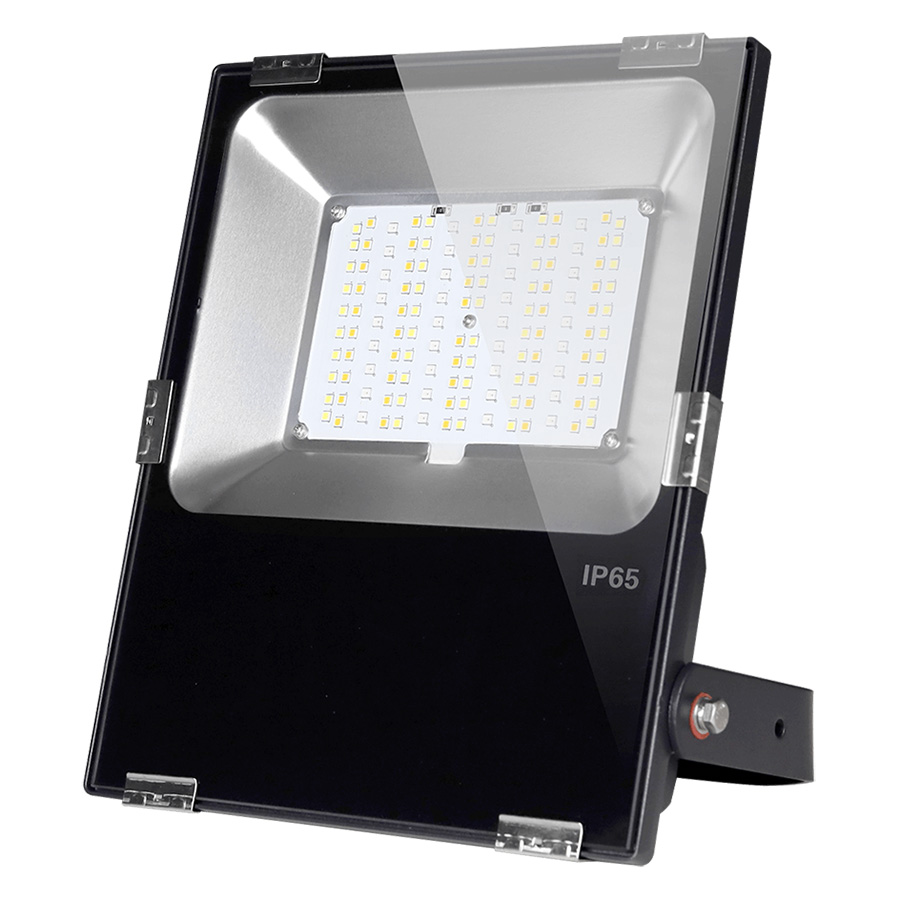
FUTT04 20W RGB+CCT LED Floodlight - Dimmable 2700-6500K | IP65
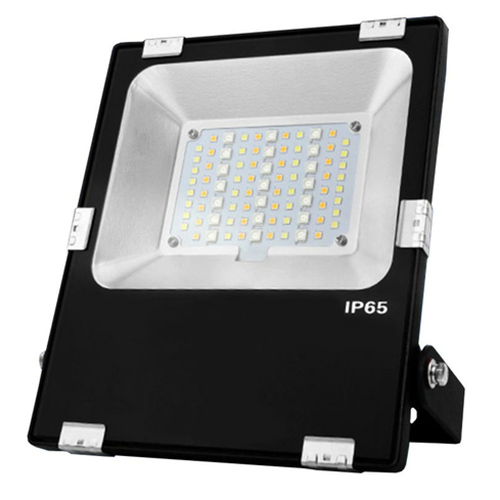
FUTT03 30W RGB+CCT LED Floodlight - Dimmable AC86-265V IP65 Outdoor
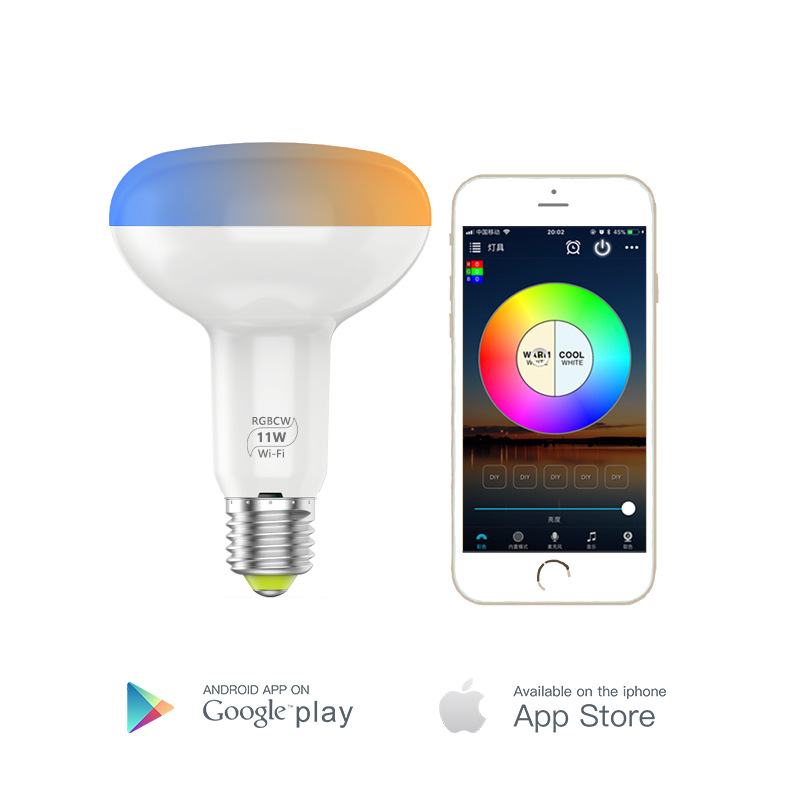
E27 WiFi Smart Mushroom LED Bulb BR30, Color Change And Dimmable

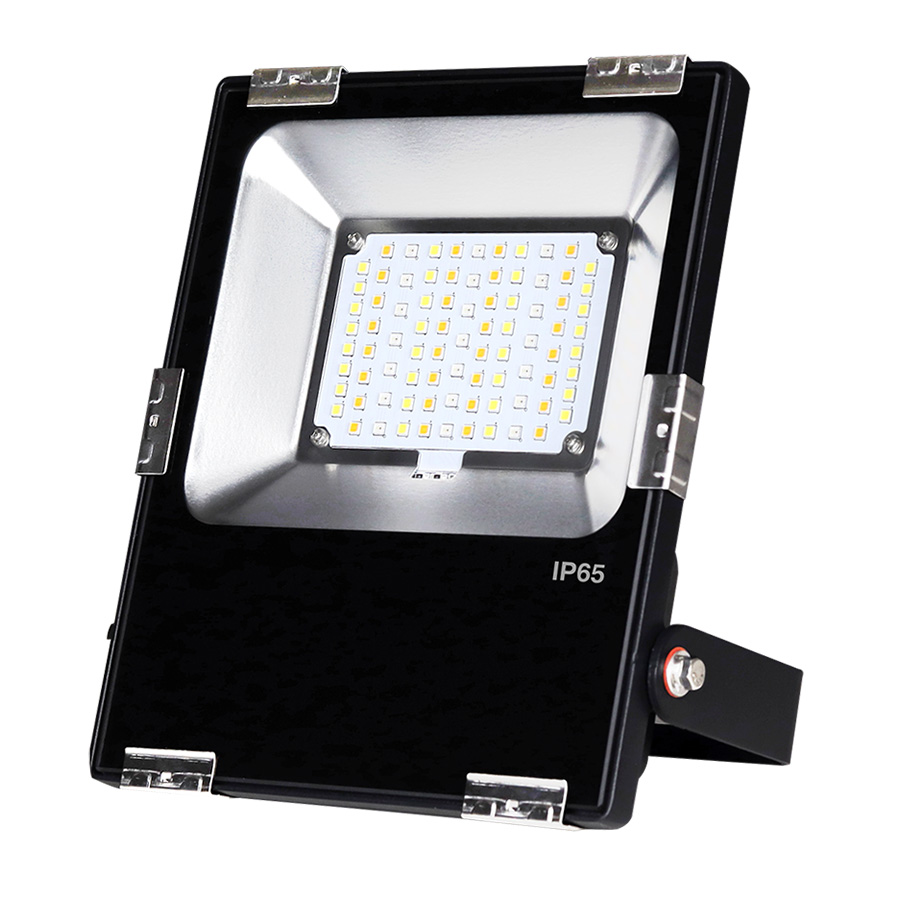
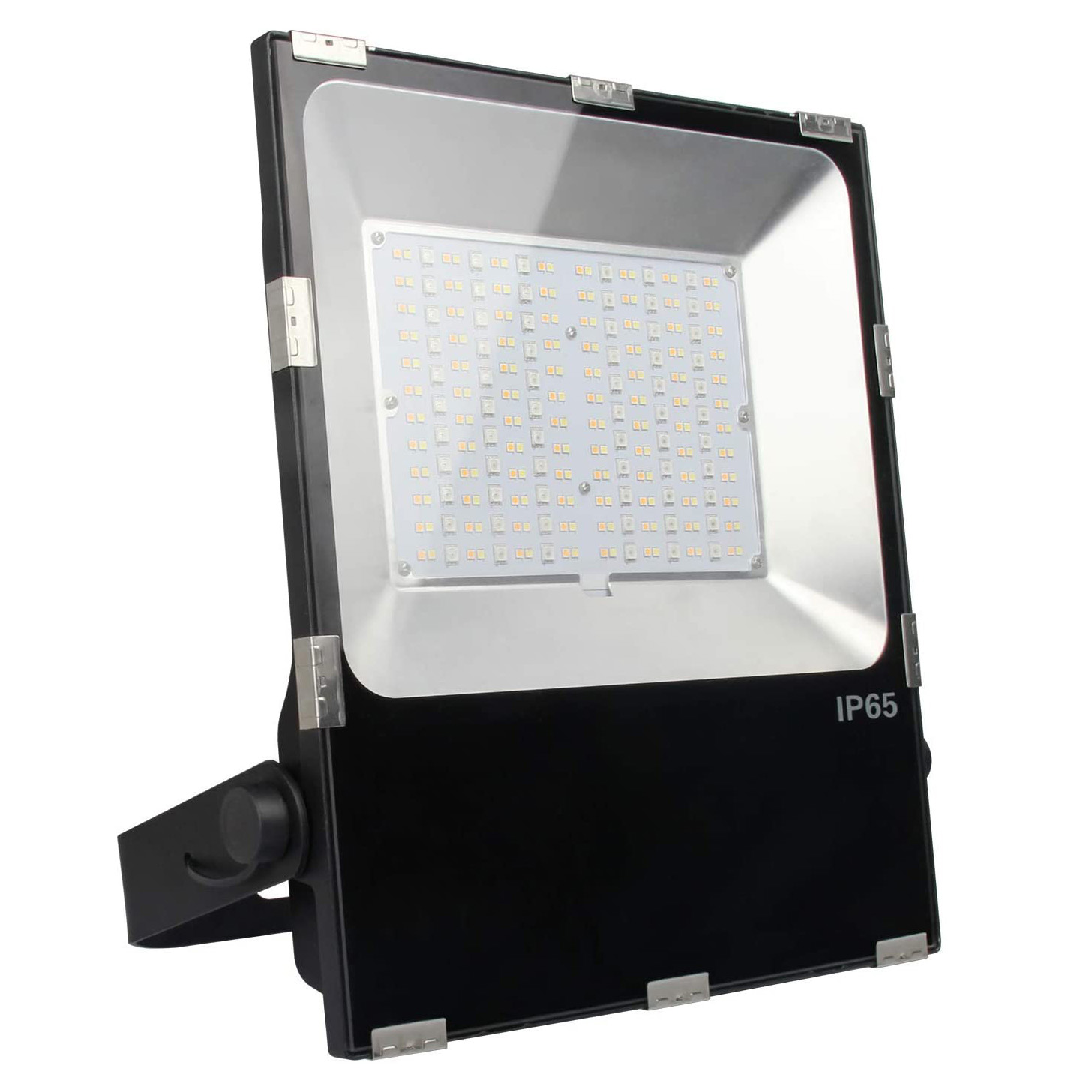
FUTT02 50W RGB+CCT LED Floodlight - Dimmable Outdoor Smart Lighting
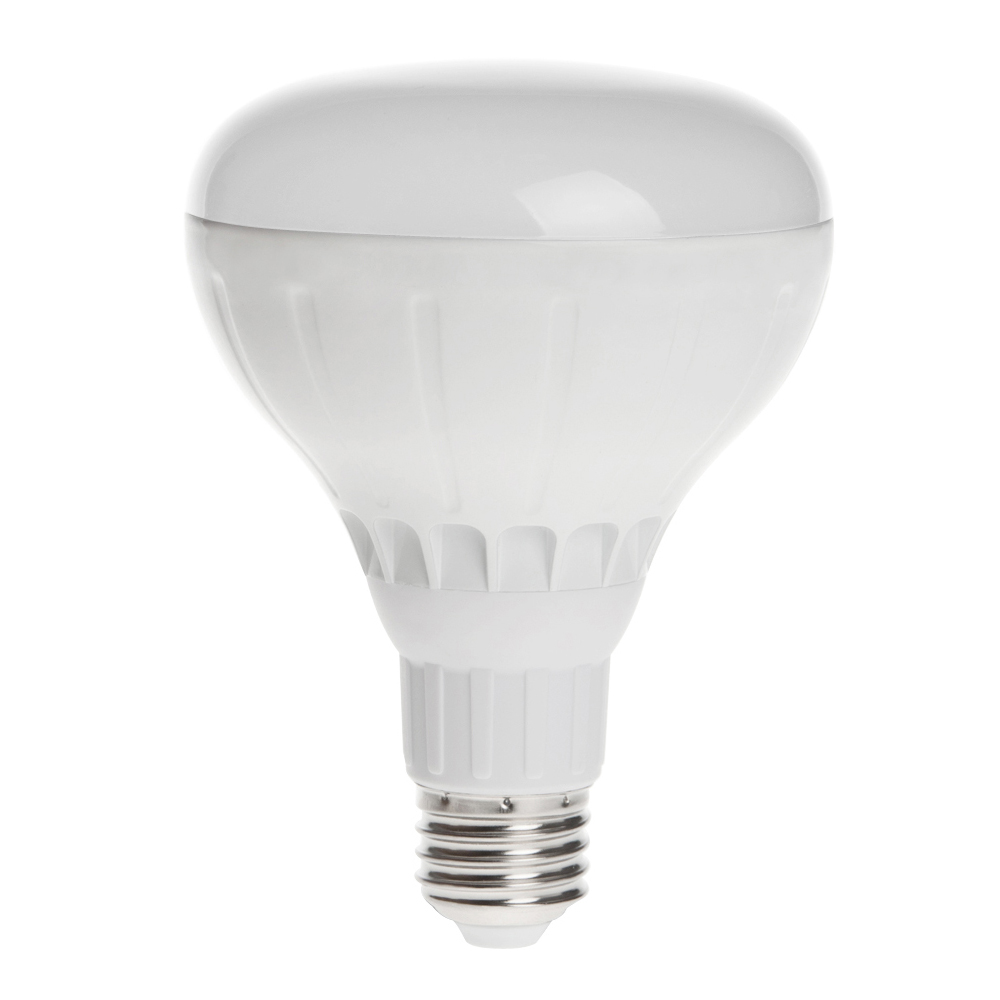
Dimmable BR30 E26 LED Bulb 11W (75W Eq.) - Warm White 2700K, 90 CRI
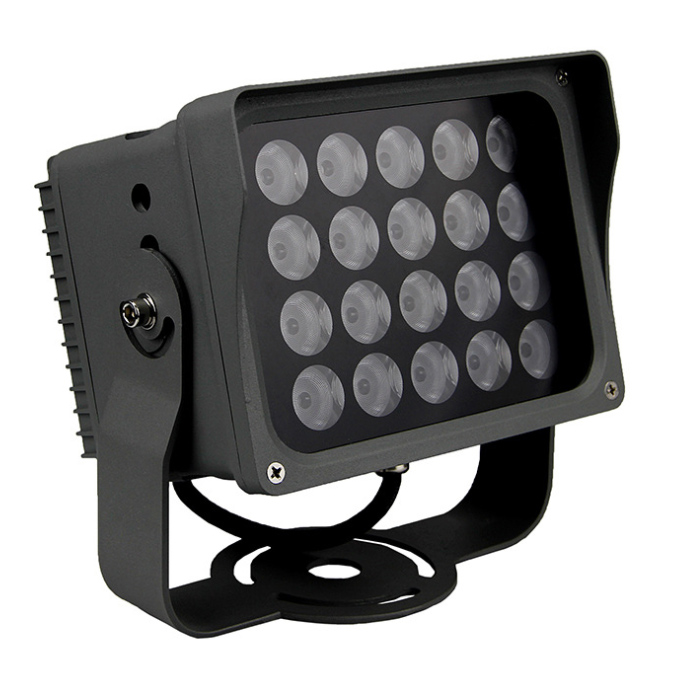
DC24V RGBW DMX512 Floodlight | Bright 6500K LED Lighting
Frequently Asked Questions About LED Floodlights
Got questions about picking the right floodlight? You're in the right place. Here are the answers to the questions we hear every day.
It all comes down to your power source. For new landscape lighting, low voltage (12V or 24V) is the way to go. It's safer to work with and the wiring is more forgiving. You'll need a transformer to step down your home's main power. If you're just replacing an existing fixture on a wall or pole that's already wired to a switch, a 120V AC mains-powered floodlight is a direct swap.
Don't get hung up on watts—look at lumens (lm). With LEDs, wattage tells you power consumption, not brightness. A well-designed 50W LED floodlight can be brighter than a poorly designed 70W one. For example, our 50W RGB+CCT floodlight puts out up to 4,000 lumens, while our 100W model hits 8,500 lumens. For context, a typical 100W incandescent bulb is only about 1,600 lumens. Always check the lumen rating on the spec sheet to compare true brightness.
It's all about the quality of the white light. An RGB floodlight makes white by mixing Red, Green, and Blue. It works, but it often has a bluish or pinkish tint. An RGBW light adds a dedicated white chip, giving you a much purer, higher-quality white light. RGB+CCT is the next step up: it has separate warm white and cool white chips, so you can mix any color you want *and* tune the white light from a warm 2700K to a cool 6500K.
You've got options depending on the model. We have Zigbee models that pair with hubs like Philips Hue, SmartThings, or Amazon Echo Plus for app and voice control. Others use WiFi or Bluetooth and a smartphone app. For more complex projects, we have addressable WS2811 floodlights and DMX512-controlled units. DMX is the standard for professional stage and architectural lighting, giving you rock-solid, centralized control over large installations. Your choice depends on whether you need simple remote control or a synchronized light show.