
Magnetic Track Light Components
25 productsThe Magnetic Track Lighting System is a modern indoor lighting solution that offers a high degree of lighting flexibility and ease of installation through the combination of magnetic track and magnetic luminaires.
Both the power delivery and installation of the magnetic linear strips, spotlights, pendant lights fixtures are accomplished through the magnetic track. The magnetic electrical track can be fixed directly to the ceiling surface, seamlessly embedded in the ceiling, or suspended from the ceiling. Track connectors are used to connect multiple tracks for longer lighting layouts or more complex lighting designs.
Magnetic power supplies are mounted on the track to power all lights on the track. This design allows for more centralized and efficient power management. When designing a lighting scheme, please carefully calculate the total power of the fixtures and select a power supply of appropriate watts. If more power is required, multiple power supplies can be used and connected to the track via power connectors.
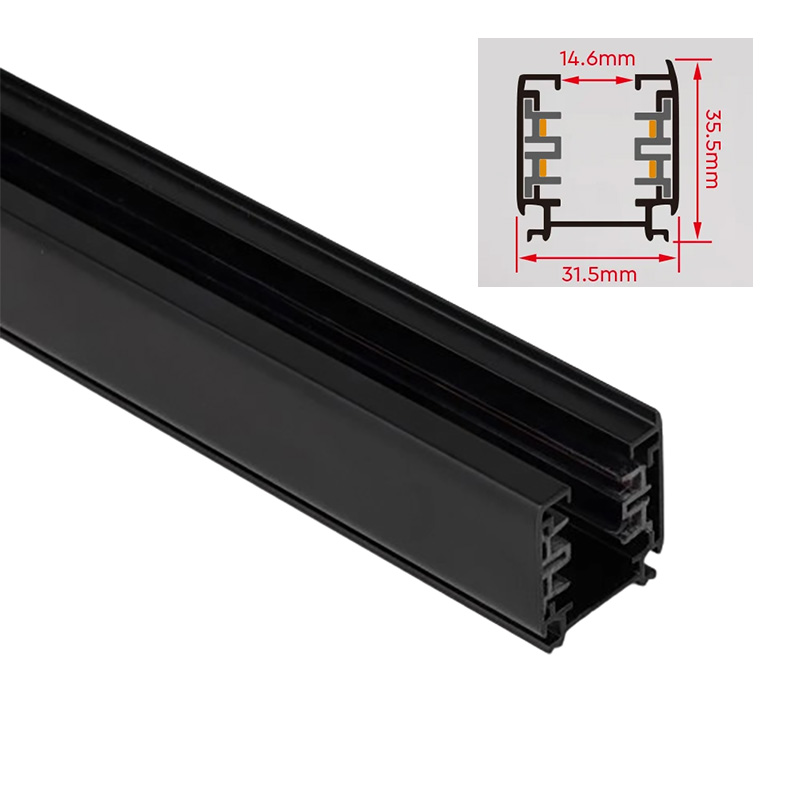
AM-RA-4WS01B 4 Wire Three Way Control Circuit Track Lighting Rail
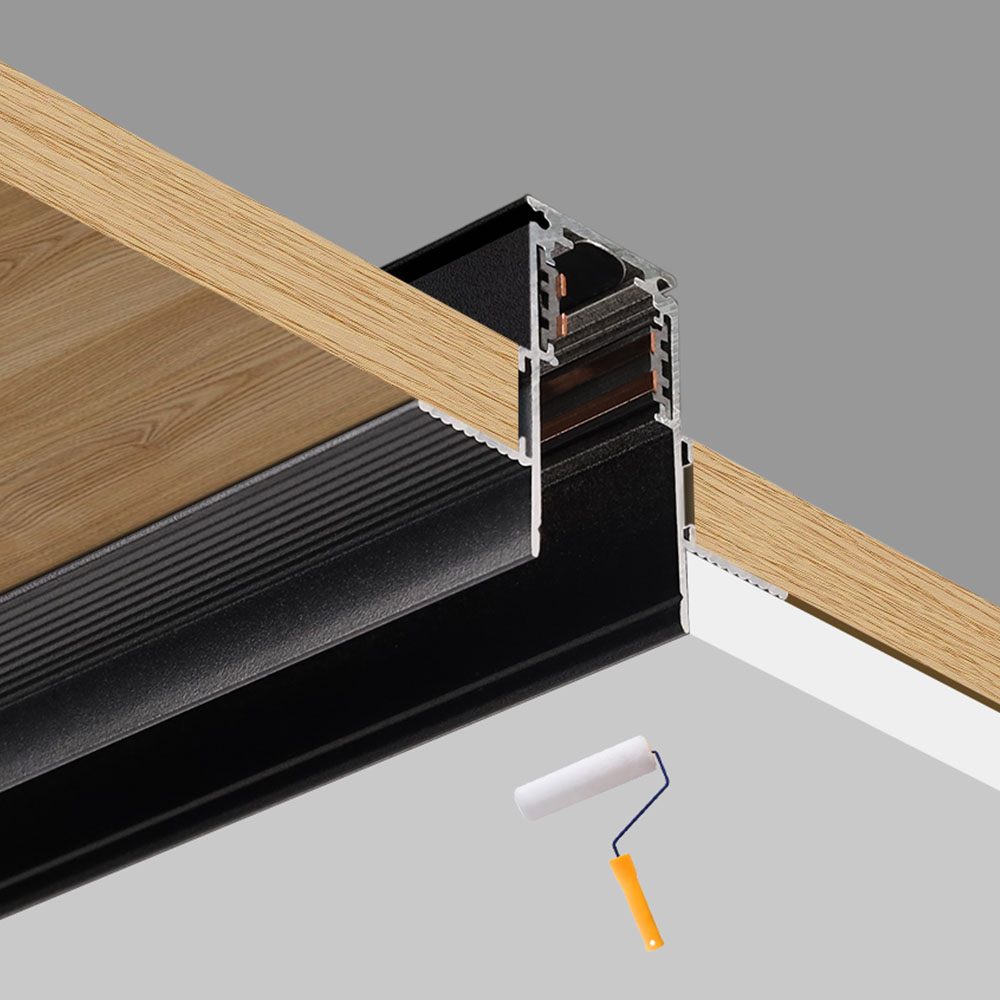
3.28ft Flush Mounted LED Aluminum Track Rail AM-MR-20F15B
6.56ft Flush Mounted LED Track Lighting Rails AM-MR-20F15C
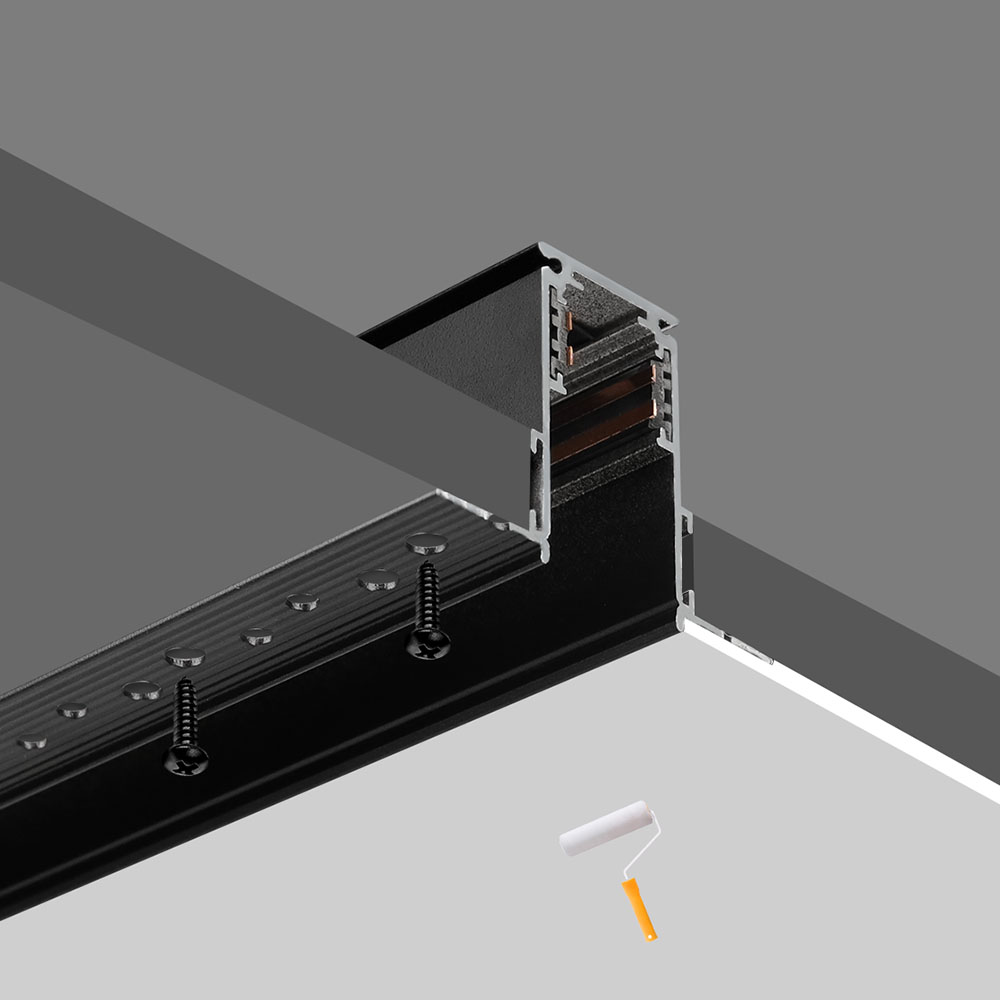
3.28ft Plaster-in Linear LED Magnetic Track AM-MR-20P15B
6.56ft Plastering Ceiling LED Magnetic Track AM-MR-20P15C
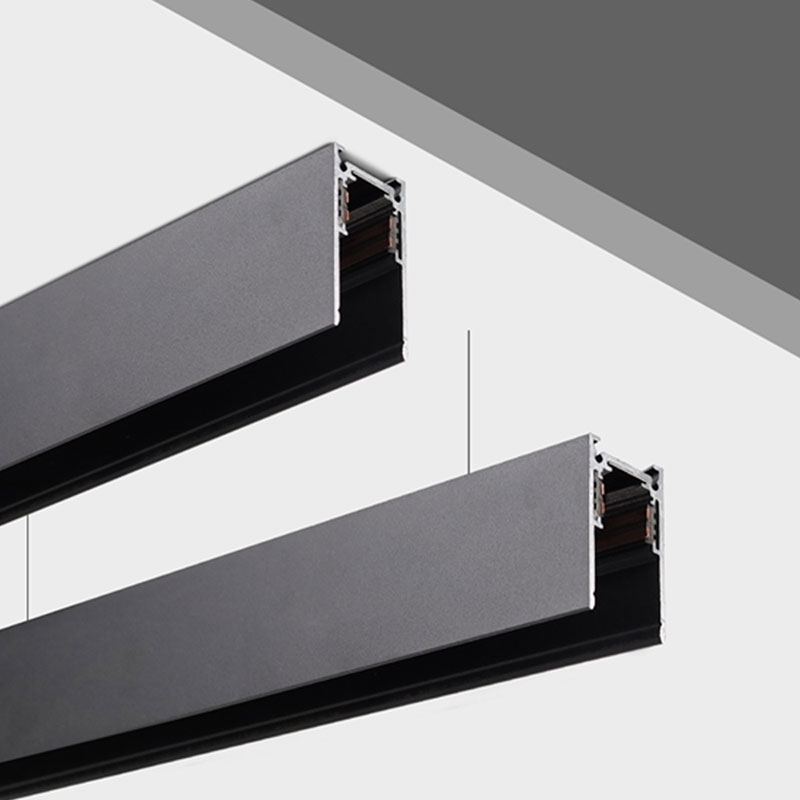
AM-MR-20S15B 1m/3.28ft 20 Style Surface Mounted Magnetic Rail
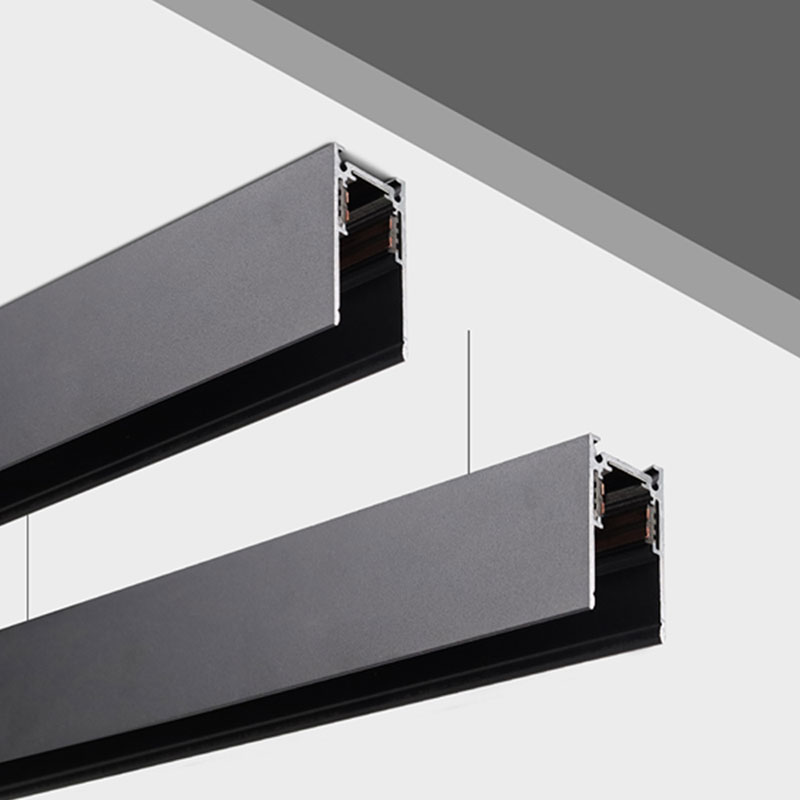
AM-MR-20S15C 2m/6.56ft 20 Style Surface Mounted Magnetic Rail
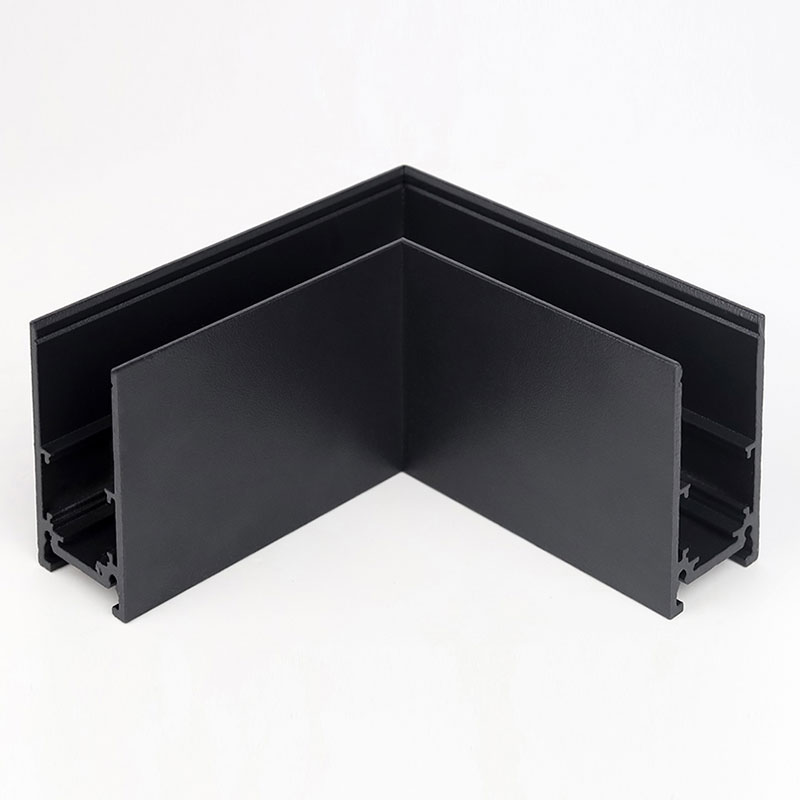
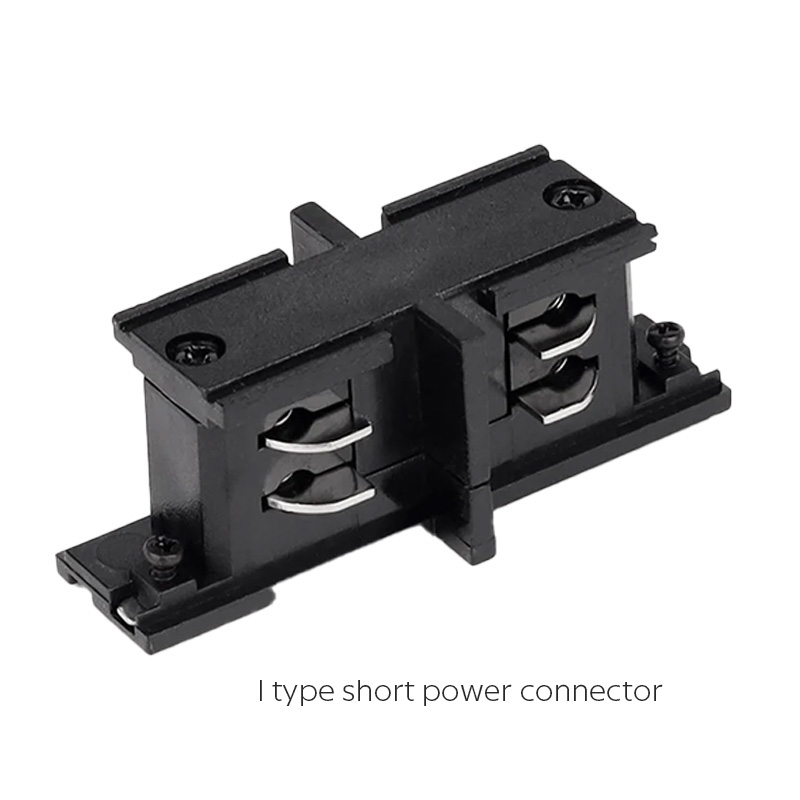
Mi-4WS-Accessories 4 Wire Track Lighting Rail Accessories

FAQ About Magnetic Track Light Components
Direct technical answers on rails, mechanical joiners, electrical feeds, and 48V drivers from our pre-sales engineering desk.
No, a magnetic track light 220v AC mains feed must never connect directly to the copper busbars inside the track. Doing so will instantly destroy your low-voltage fixtures and create an immediate electrical hazard. Magnetic track lighting systems operate on DC 48V. You must run your 220V or 120V mains supply into an AC-to-DC 48V driver first, such as our 100W or 200W track power supplies, which then delivers safe DC 48V power to the track rail.
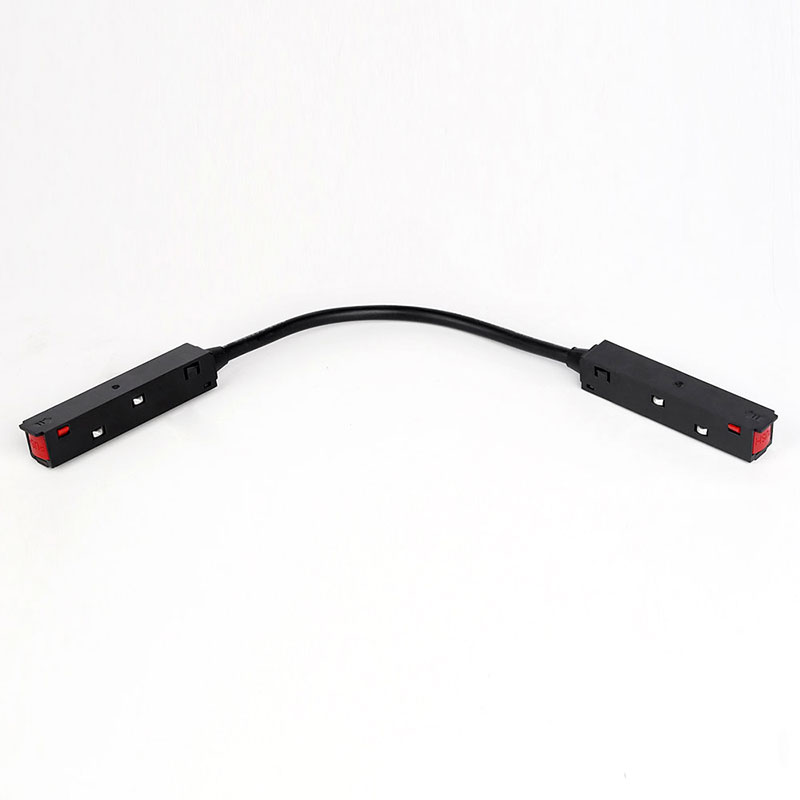
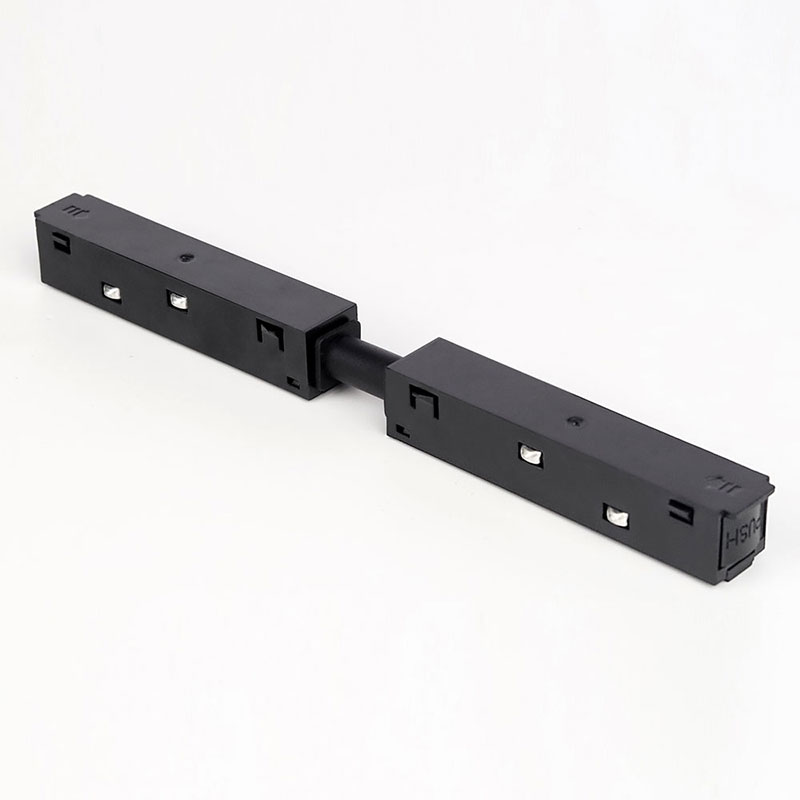
You need two separate components to join an led track run: a mechanical splice and an electrical conductive module. A mechanical splice (such as the AM-MR-SH20CP) slides into the outer structural slots of the aluminum extrusion to keep both rails straight and aligned. Inside the track channel, you press in an AM-MR-I20CMB straight conductive connector or AM-MR-C20CMB flexible connector to bridge the positive and negative 48V copper busbars across the seam. Omitting either component causes sagging rails or dead sections downstream.
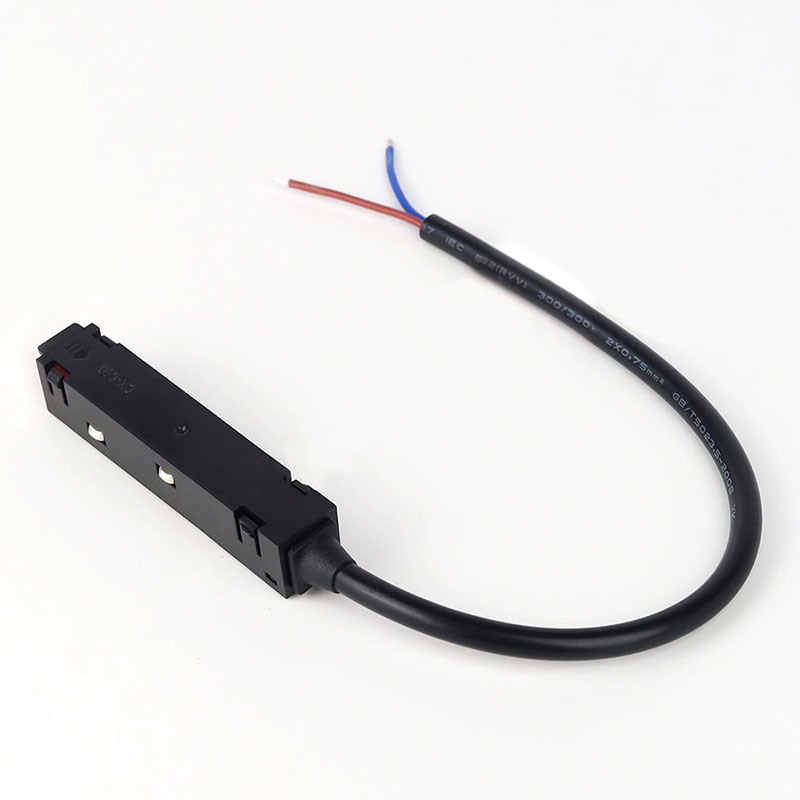
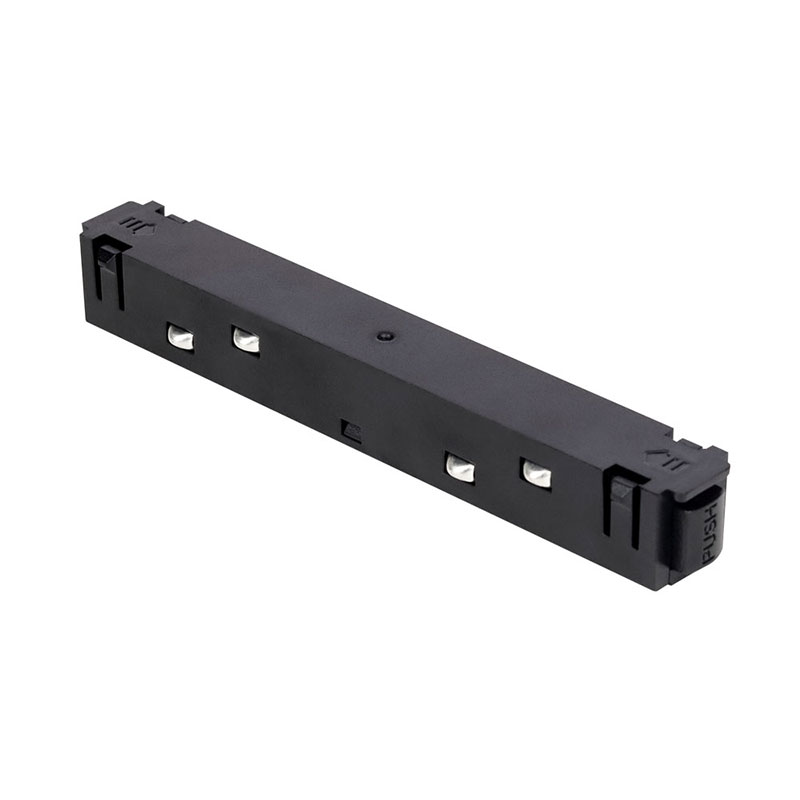
To assemble a functioning magnetic track lighting system, you need five core led components: the magnetic track rail extrusions, end caps to seal exposed rail edges, mechanical track splices and conductive joiners for multi-track layouts, an AC-to-DC 48V driver sized to your total fixture wattage, and a power input feed module to bridge the driver to the internal copper busbars. Once the powered rail structure is mounted, your magnetic spotlights, linear diffusers, or pendants snap directly into the channel without tools.
Yes, you can route an led track layout from a horizontal ceiling plane straight down a vertical drywall wall using our vertical L-corner connectors. We stock dedicated inside-corner and outside-corner joiners that maintain mechanical rigidity across the 90-degree plane shift. Electrically, you bridge the copper tracks through the corner using a flexible conductive module. Make sure to anchor the vertical rail sections directly into wall studs or heavy-duty drywall anchors, as the combined weight of track and fixtures pulls outward from the wall.
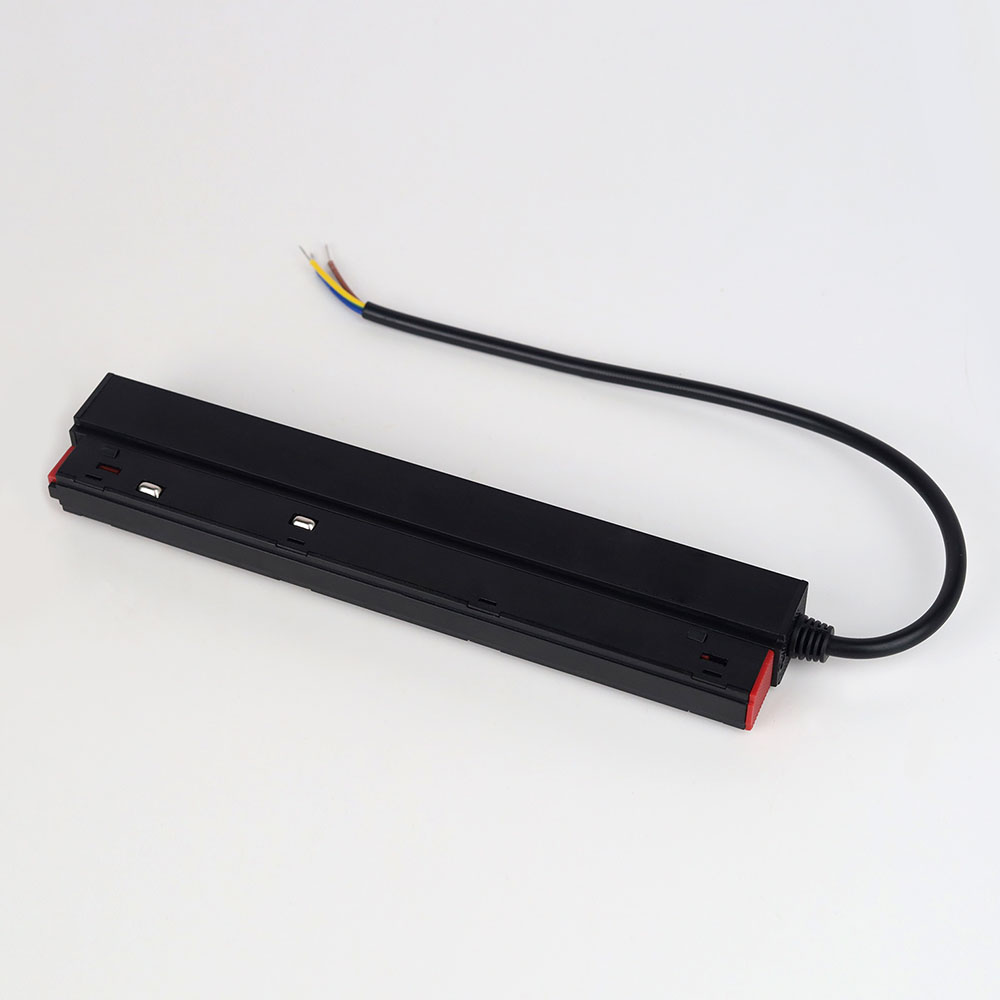
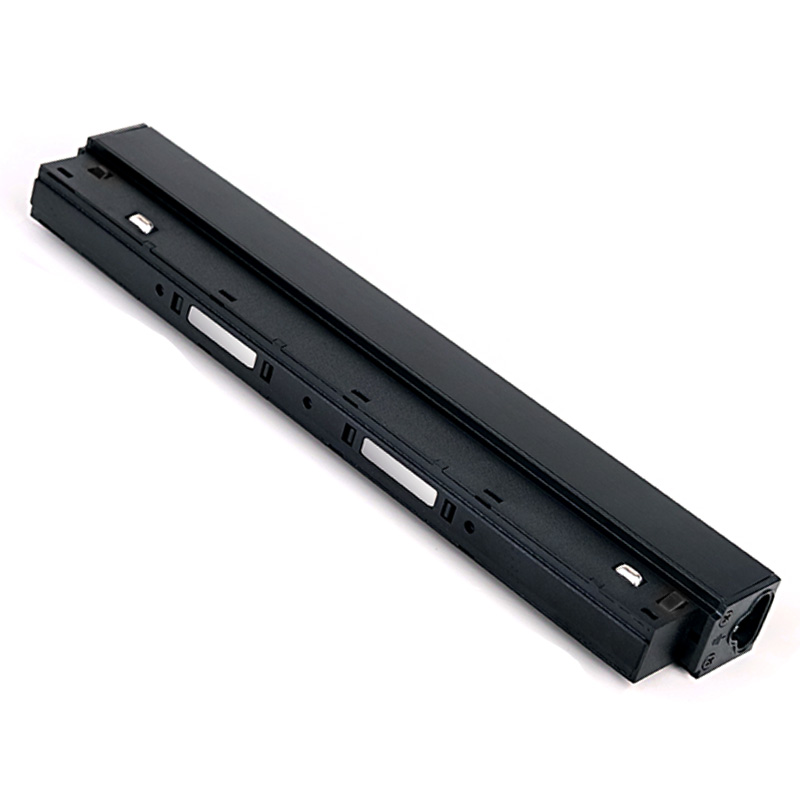
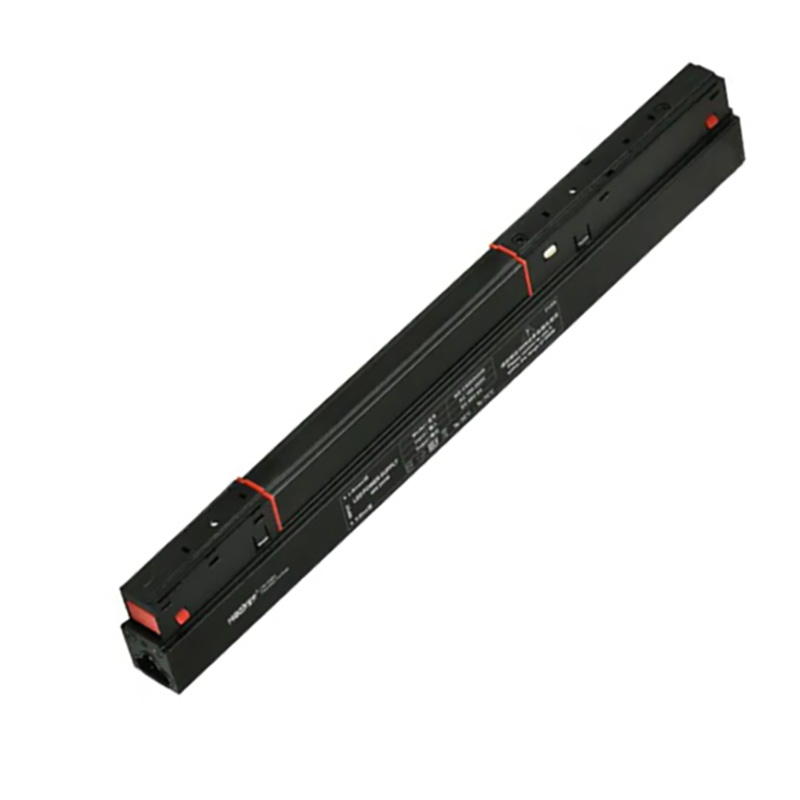
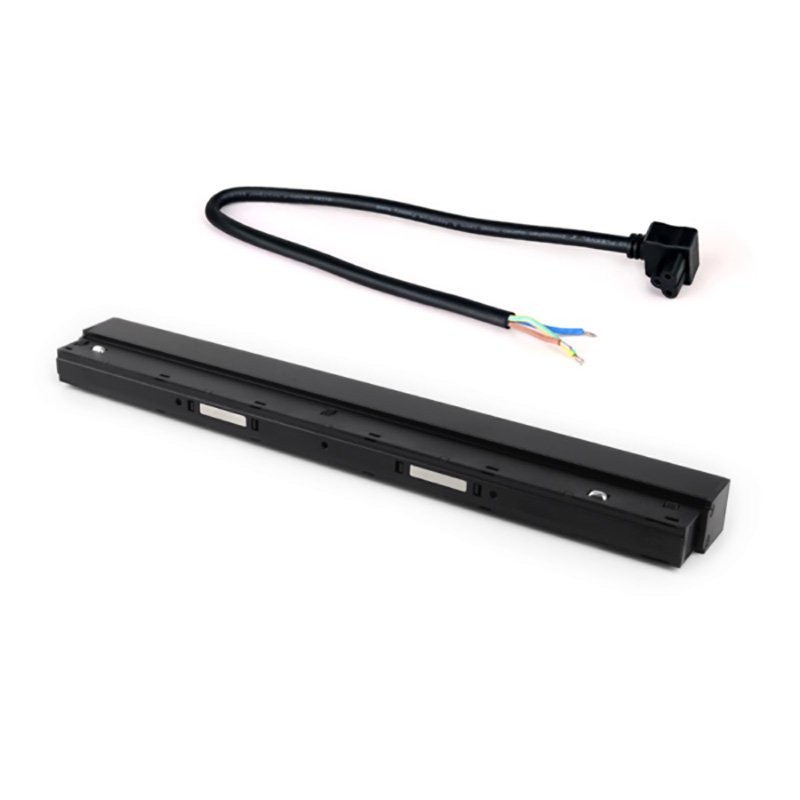
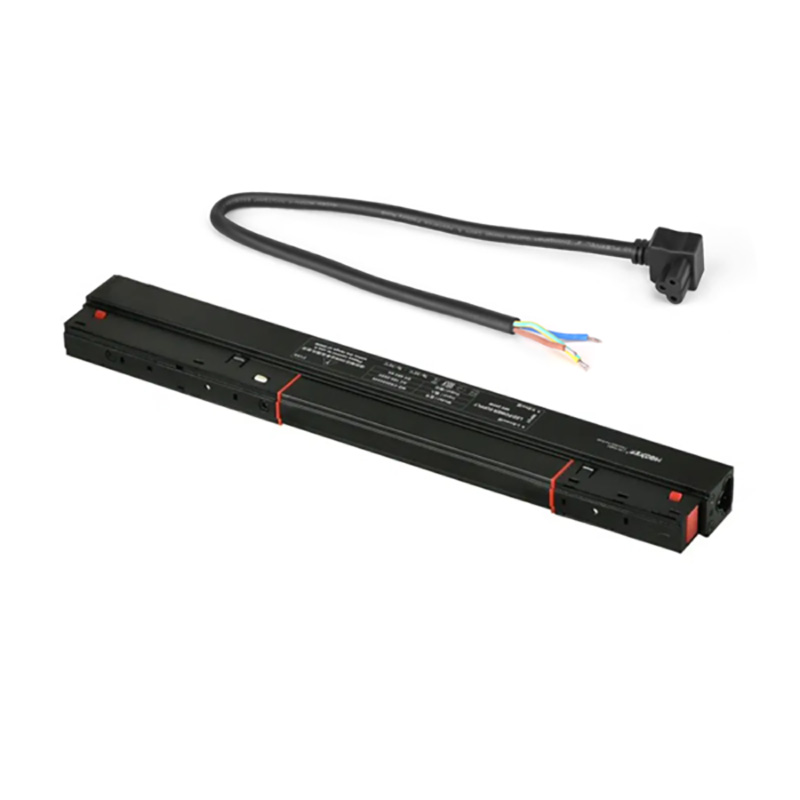
You have two choices: mount an in-track low-profile driver directly inside the rail channel, or place a remote driver in an accessible utility enclosure. Our in-track drivers (like the 100W AM-MR-20A48D or 200W AM-MR-20A48E) snap directly into the rail, occupying 220 mm to 310 mm of track space.
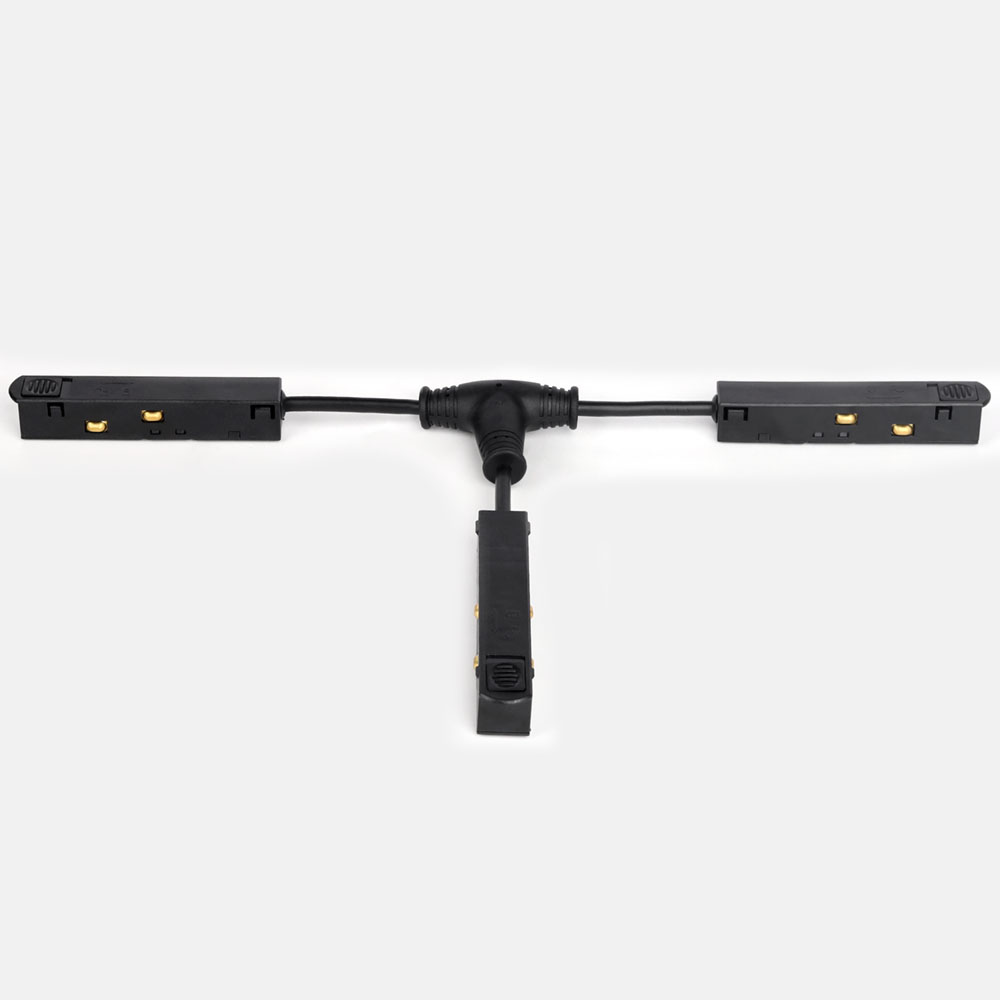
Voltage drop occurs when the electrical resistance along the internal copper busbars causes the DC 48V line to drop below 44V at the far end of the run. While 48V systems tolerate substantially longer runs than 12V or 24V tracks, a single power feed pushing more than 150W beyond 15 meters will show measurable line loss. To keep full output across runs up to 30 meters, inject DC 48V power at the center of the run using a T-connector or feed both ends simultaneously from the driver.
The maximum continuous capacity on a standard 20-style magnetic rail power input module is 10A at 48V DC, representing 480W total load. Under standard electrical safety guidelines, you should observe the 80% continuous-load rule and limit any single power feed to 384W of luminaires. We list 25 live models of magnetic track light components across surface, recessed, and trimless styles, giving you the hardware flexibility to split larger installations across multiple isolated feeds powered by separate 100W or 200W drivers.
Yes, surface-style magnetic track rails require adjustable aircraft cable kits (like the AM-MR-HL20N2) when hung from open timber, concrete, or sloped deck ceilings. We recommend placing suspension hangers every 1.0 to 1.5 meters along the run, plus an extra hanger within 200 mm of every corner or splice joint to prevent sag. For sloped ceilings, our swivel-base cable hangers permit full 90-degree pivoting, allowing the cable to drop perfectly plumb while the mounting plate sits flush against angled rafters.
Only if you specify a phase-cut (TRIAC/ELV) dimmable 48V driver; a standard magnetic track light 220v switching driver will buzz, strobe, or shut down if connected to a wall dimmer. If your building uses traditional 220V wall dimmers, select a driver rated for trailing-edge phase dimming. For systems using wireless 2.4GHz or Zigbee magnetic fixtures, feed the track driver with constant unswitched line voltage, and adjust brightness digitally through smart app controls or wireless wall panels.