
LED Stair Nosing Profiles
22 products
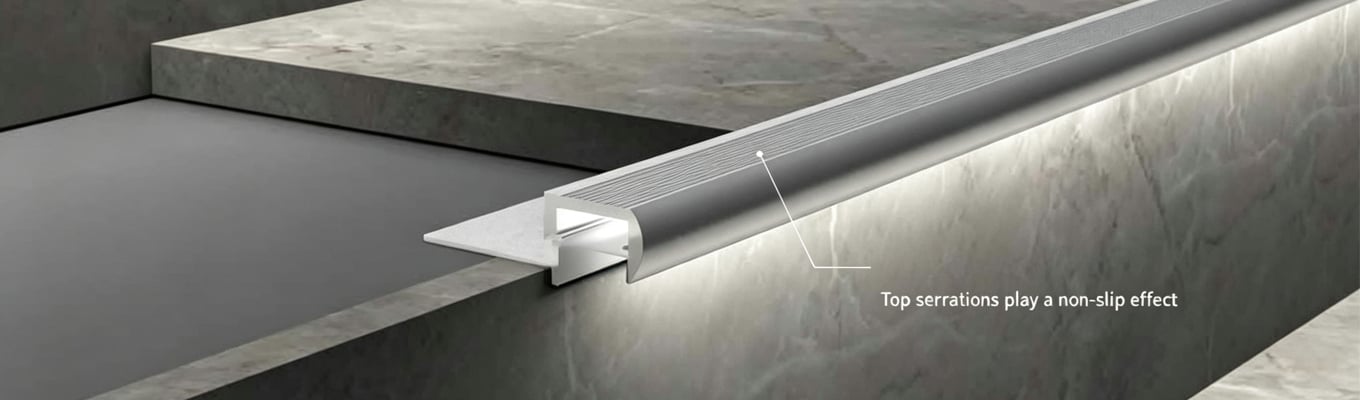
LED stair nosing profiles, also known as LED stair tread profiles, are specialized stair step lighting components designed to provide safety, protection, and aesthetics to the edges of stairs.
Our led illuminated stair step nosing strips are made of aluminum for durability. Using stair nosing led profile with LED strip light can take staircase lighting to a higher level, not only providing lighting functionality, but also accentuating and decorating stair steps to make them more visually appealing.
The many types of led step nosing profile we provide make it suitable for different types of stair surface materials and lighting design needs, such as wood stairs, tile stairs, concrete stairs, etc.
Lighted stair nosing profile is usually screwed to the stair step, with a non-slip aluminum strip surface or covered with stair tiles or wood planks for a more consistent look. This stair nosing installation method ensures stability and allows it to withstand the pressure of stair traffic and treads.
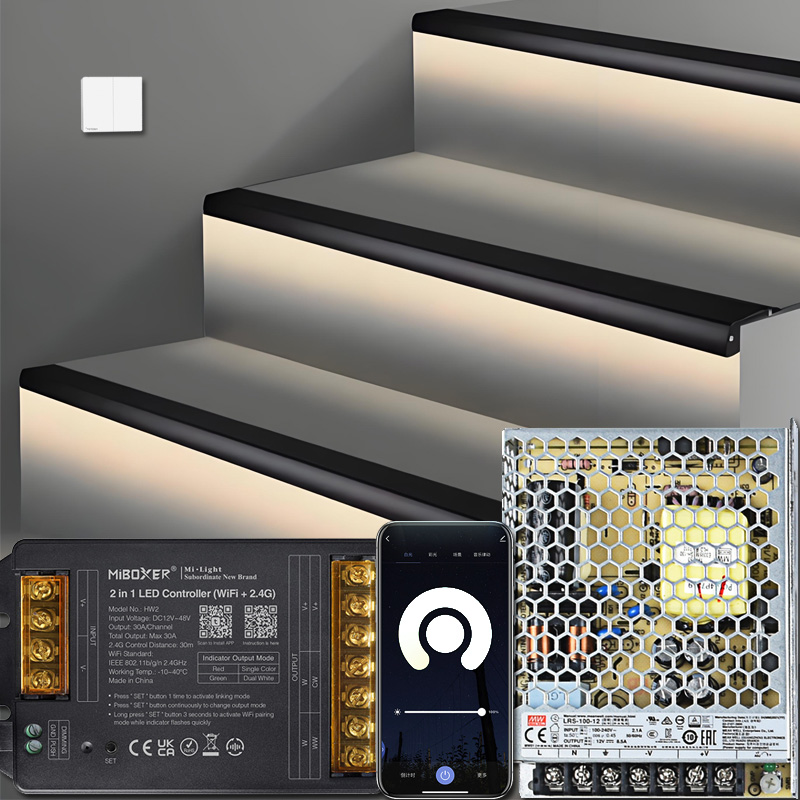
Anti-Slip Lighted Step Nosing LED Stair Path Lights Dimmable Kit
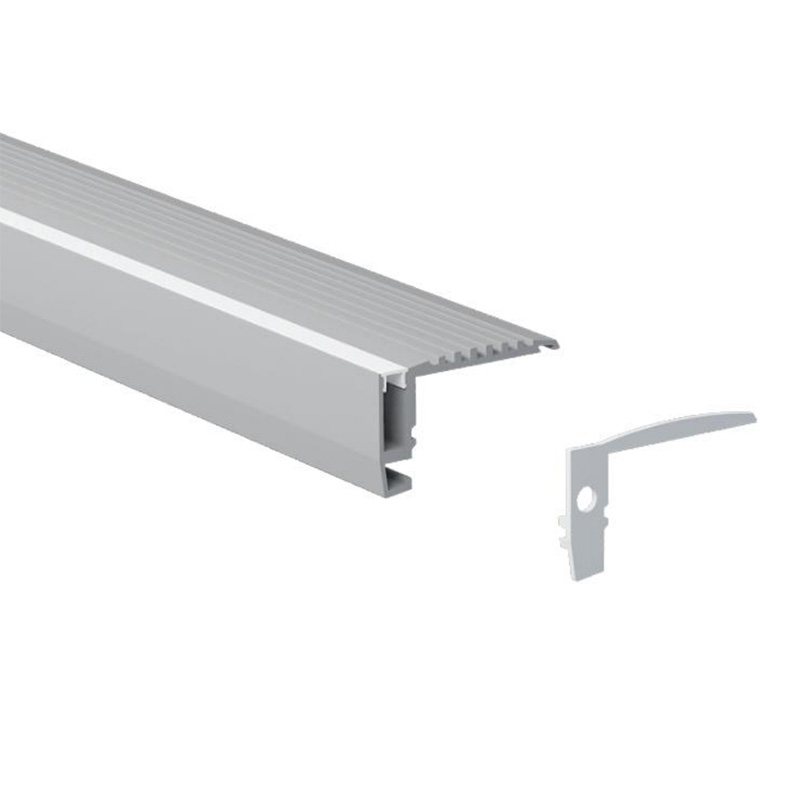
5mm Long Narrow Up Light Anti Slip Aluminum Stair Nosing Strip

Anti-Skid LED Illuminated Stair Nosing Floor Tile Step Edge Trim
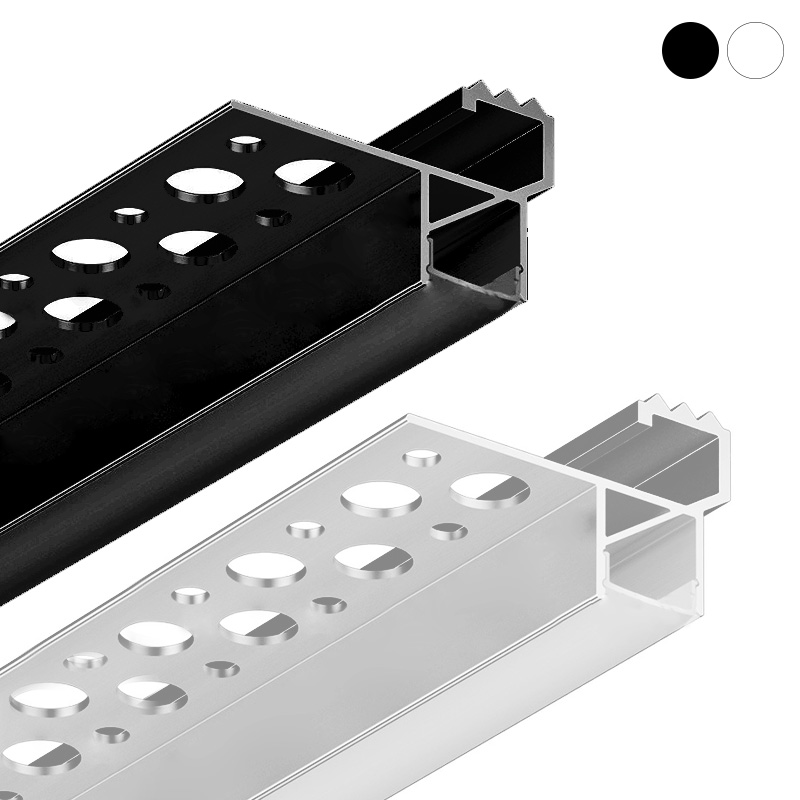
Very Thin Anti-Slip Tiled Stair Nosing LED Channel - White & Black
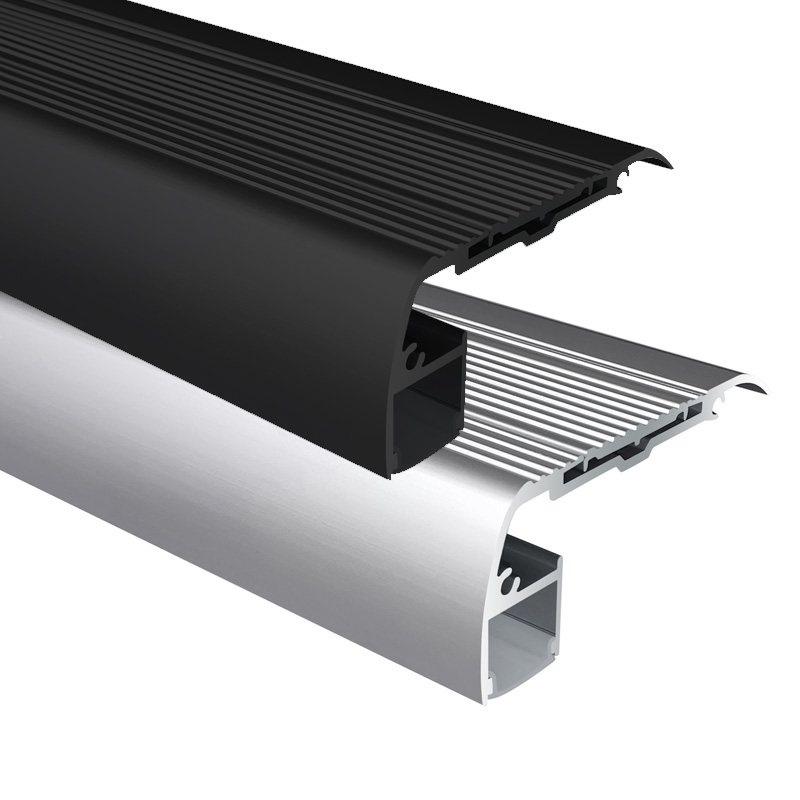
Aluminum LED Stair Tread Lighting Profile For 12mm Light Strips
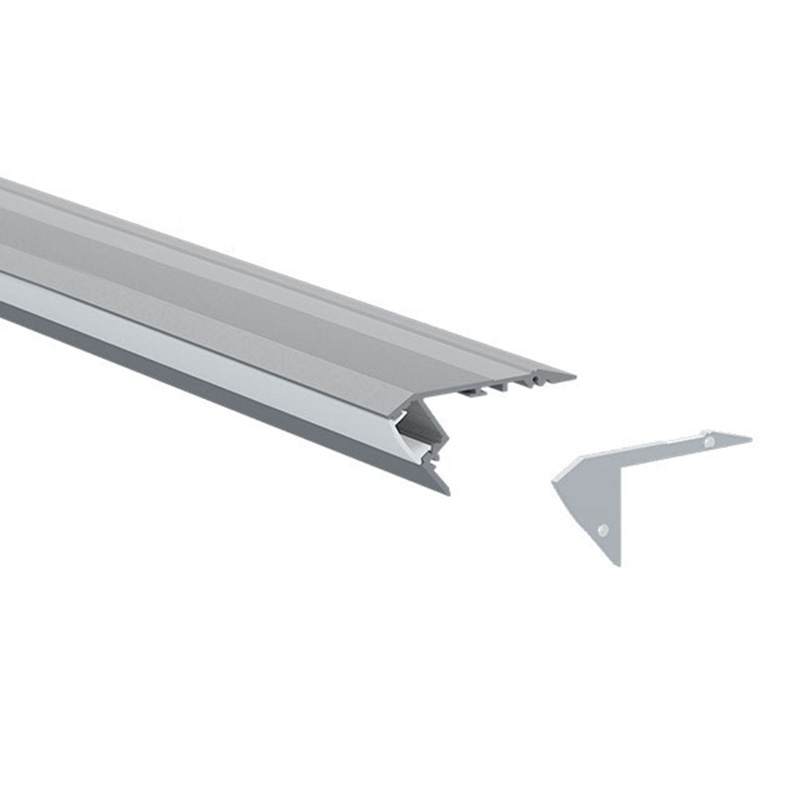
Slanted Downlighting LED Illuminated Stair Nosing Profile
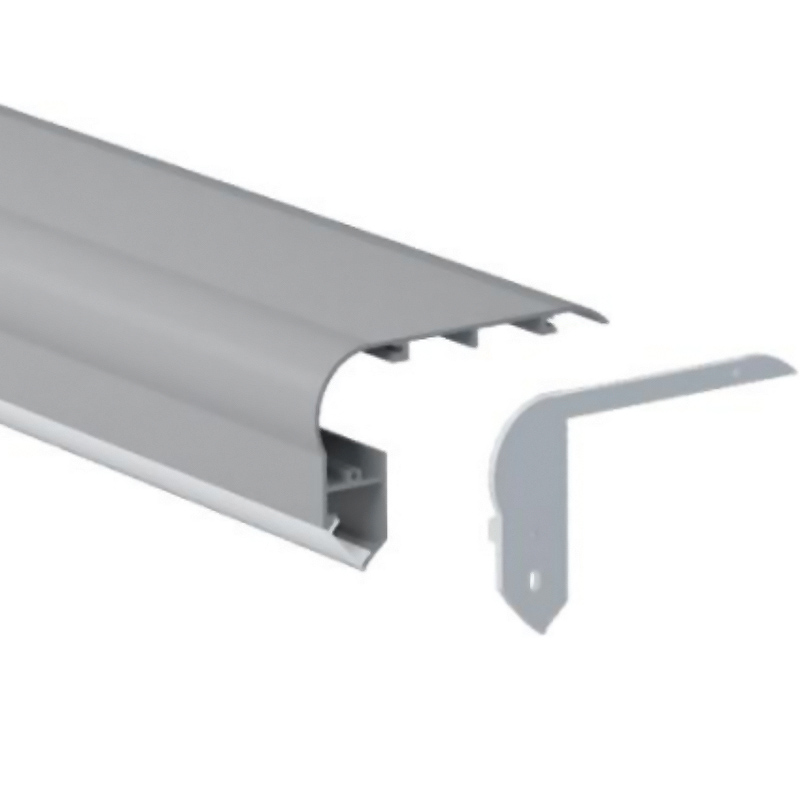
Nosing LED Stair Profile 80mm - Indoor/Outdoor Non-Slip Lighting | HL-BAPL047
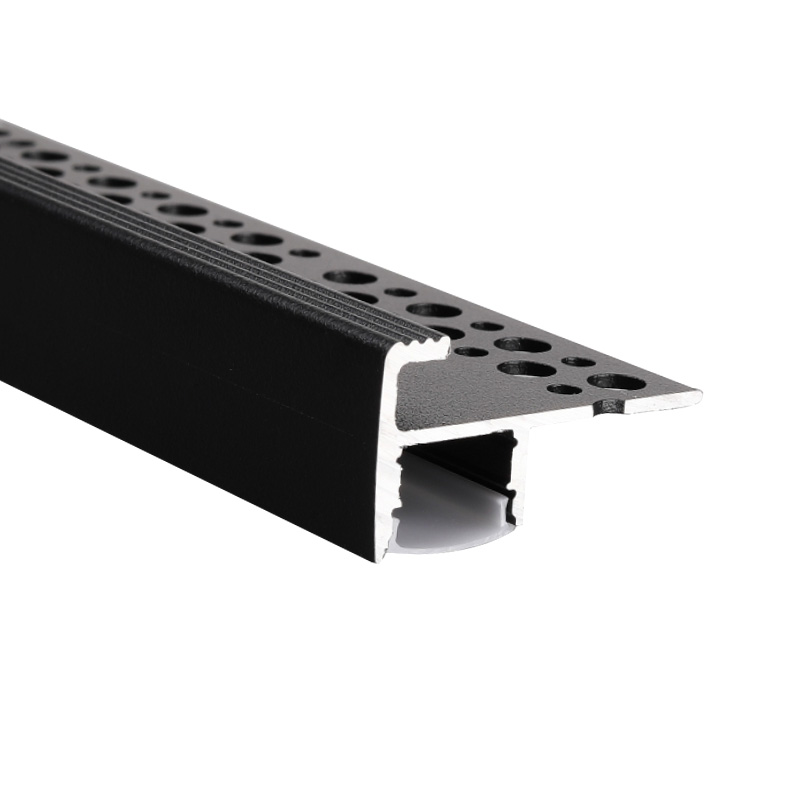
Quarter Inch Tile Or Wood Black Aluminum LED Stair Nosing
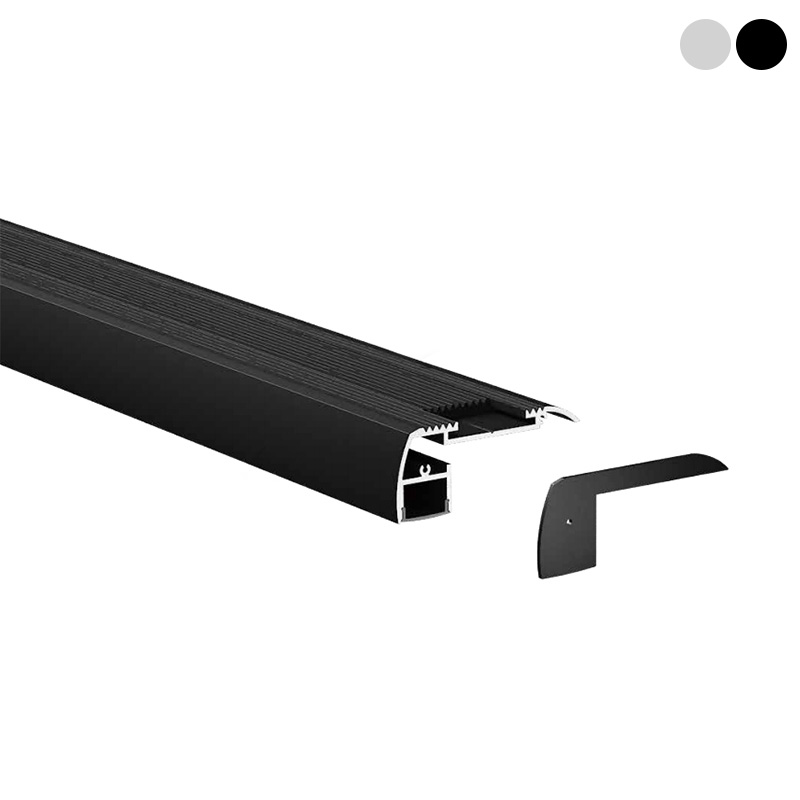
Black LED Aluminum Channel for 15mm Double Row Stair Lights
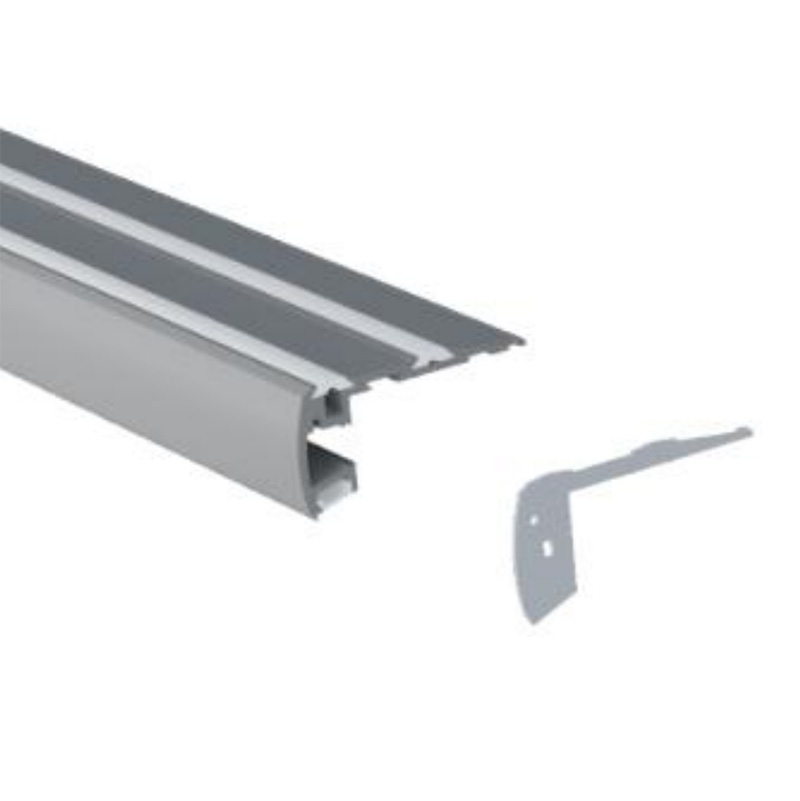
Up And Down Light LED Stair Nosing Strip Edging
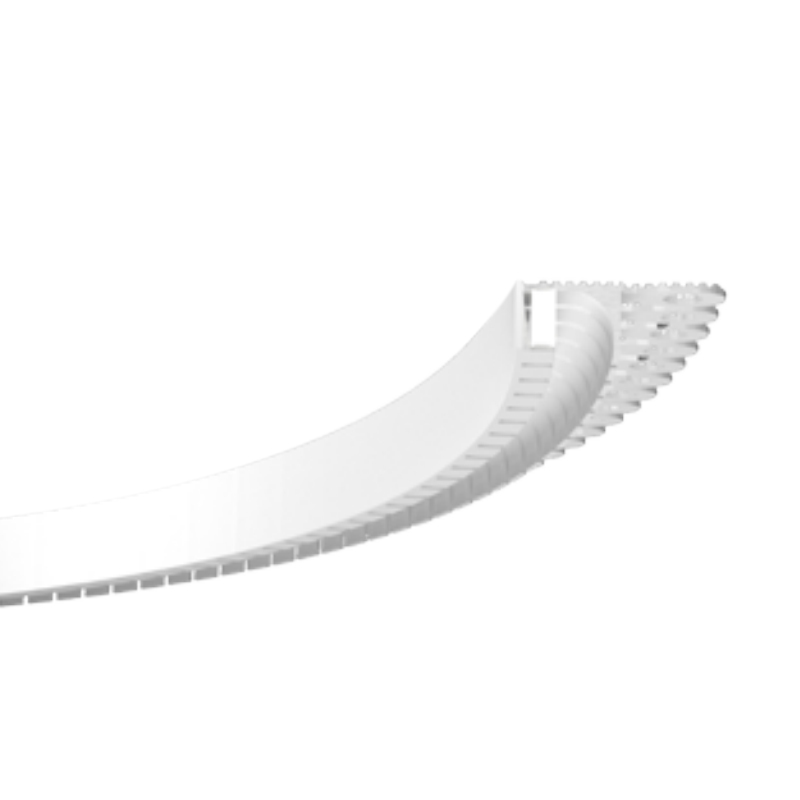
LR Series Curved Tile/Wood Stair Nosing LED Strip Profile
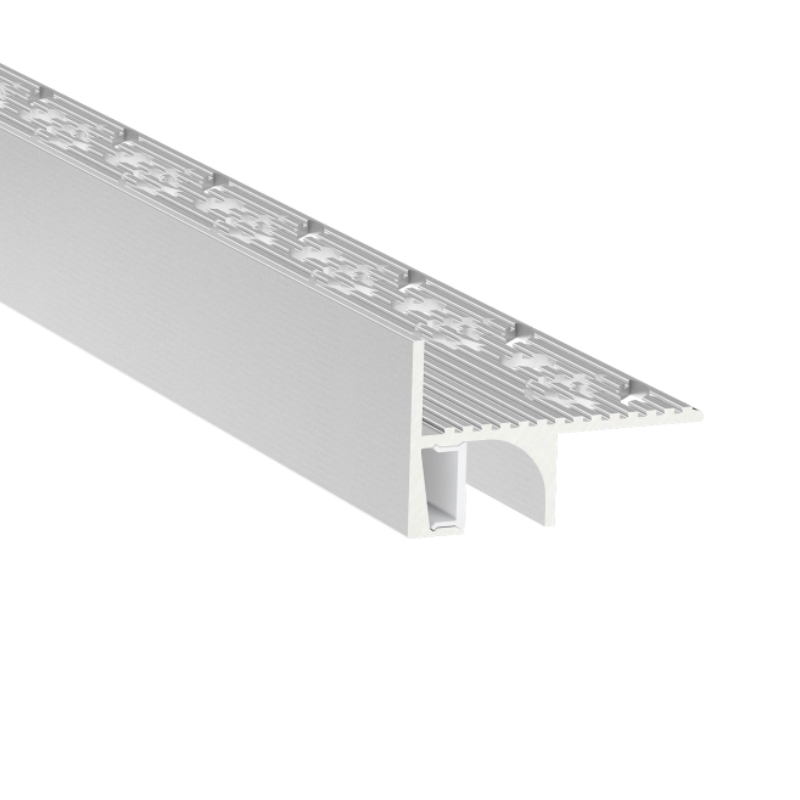
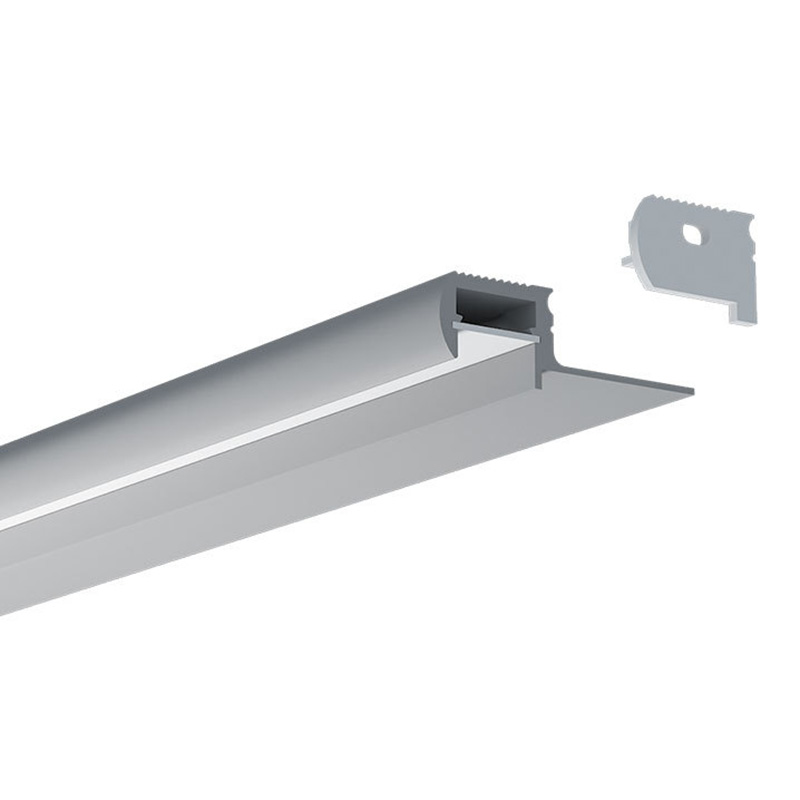
Tiled Stair Nosing LED Aluminum Profile - 14mm Inner Width
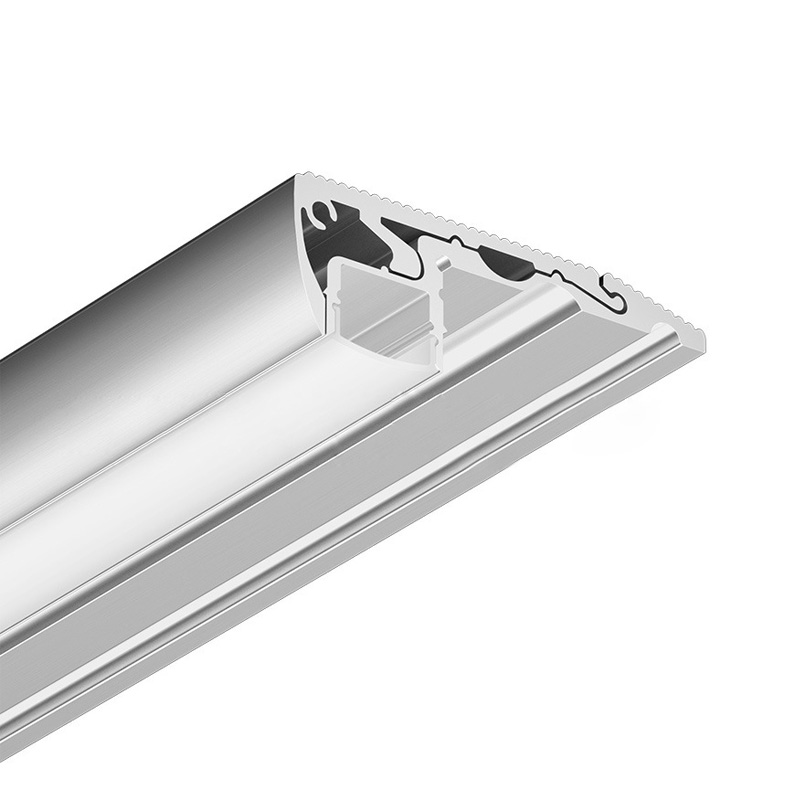
2-in-1 Skid-Proof LED Aluminium Stair Nosing Extrusion For Lighting
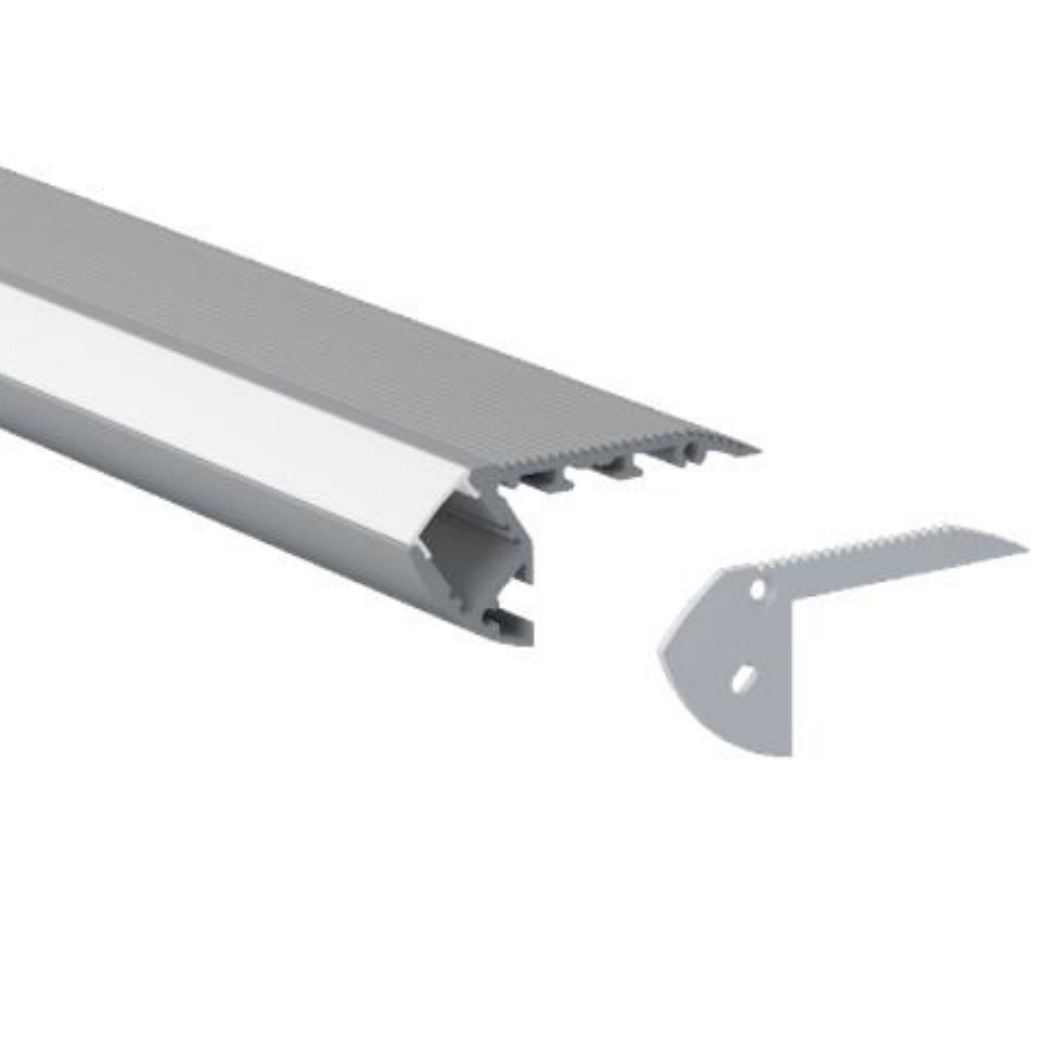
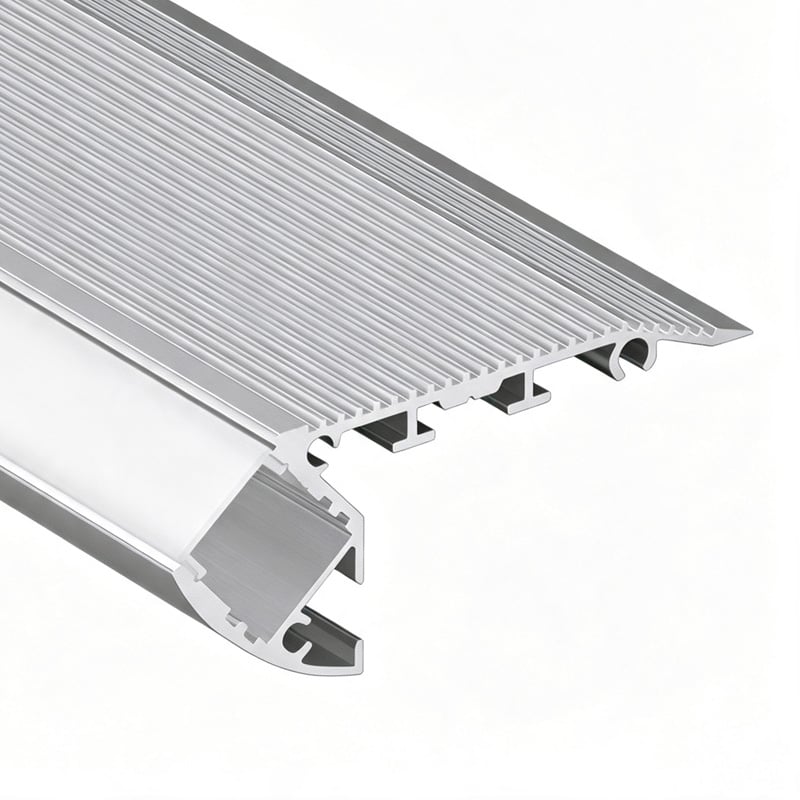
Uplight LED Stair Edge Lighting Profile For 12mm Strip
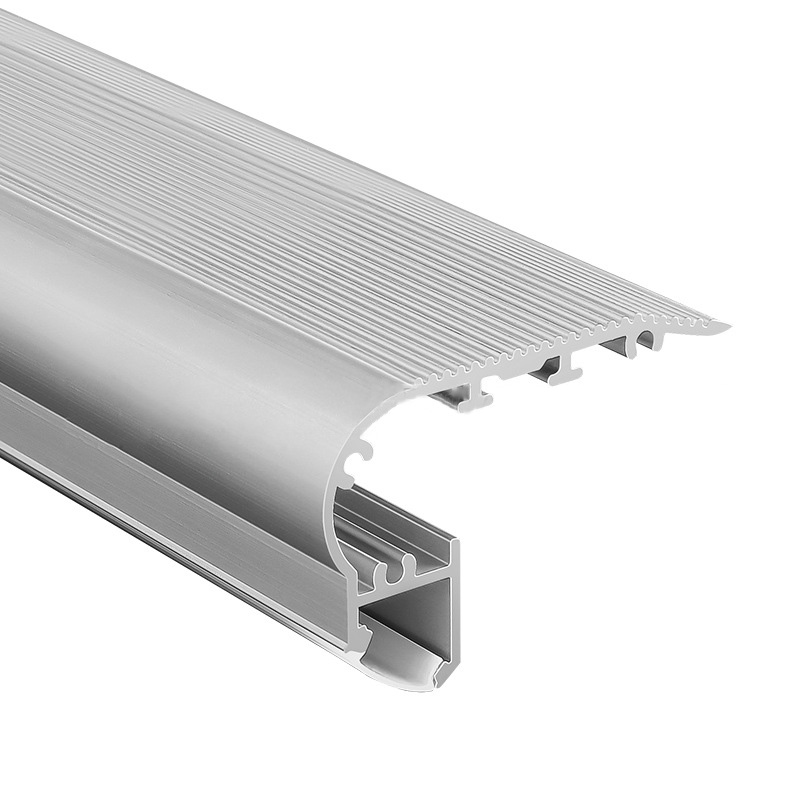
Surface Mount Slip-Proof Stair Nosing With Slanted LED Light
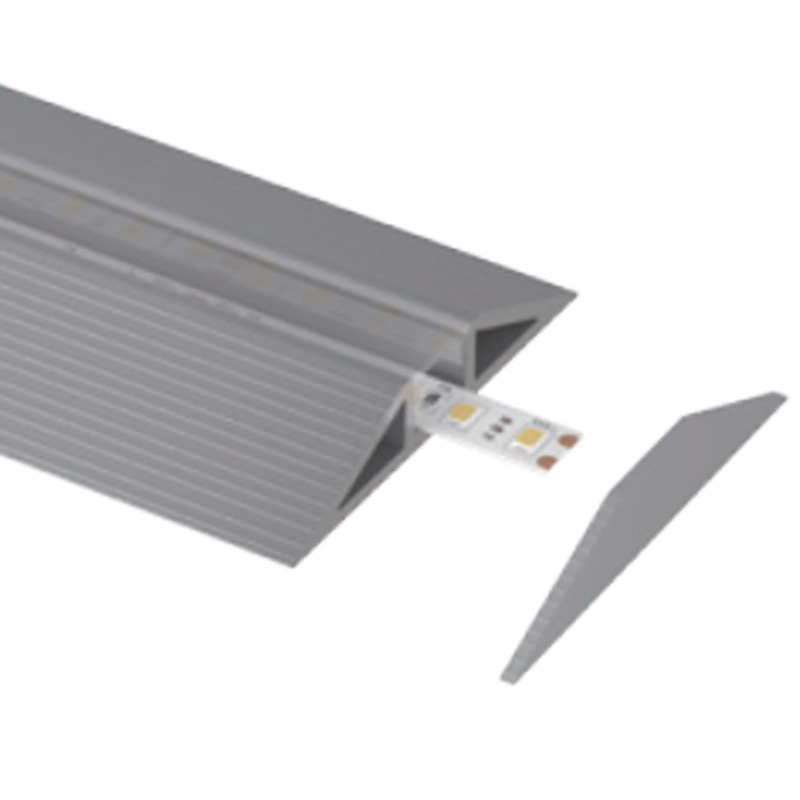
Versatile Tactile LED Floor & Ground Light Guidance Profile
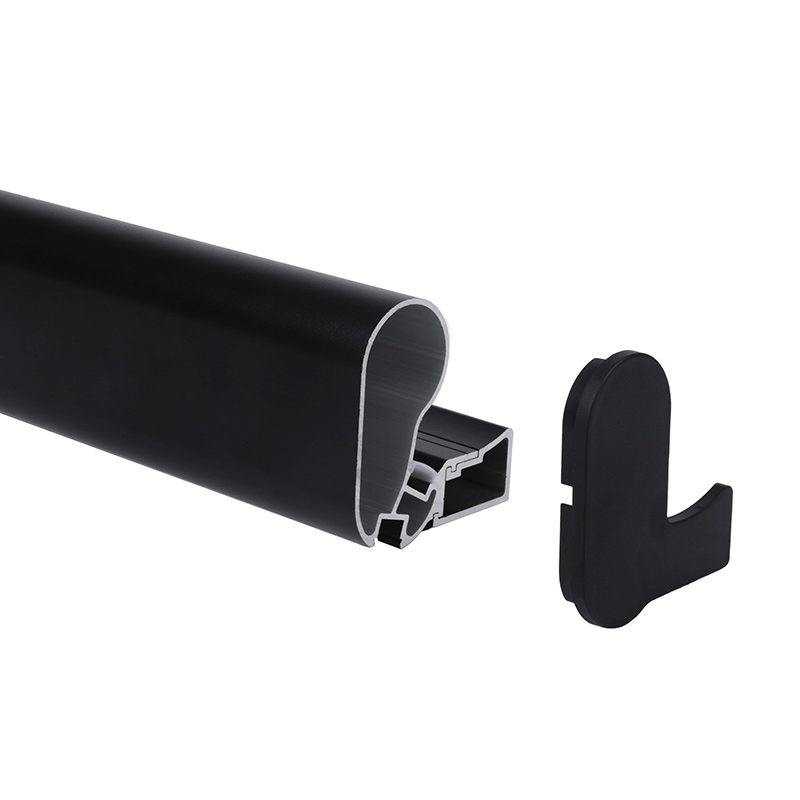
Lighted Wall Mounted Aluminum Black Stair Handrail LED Profile
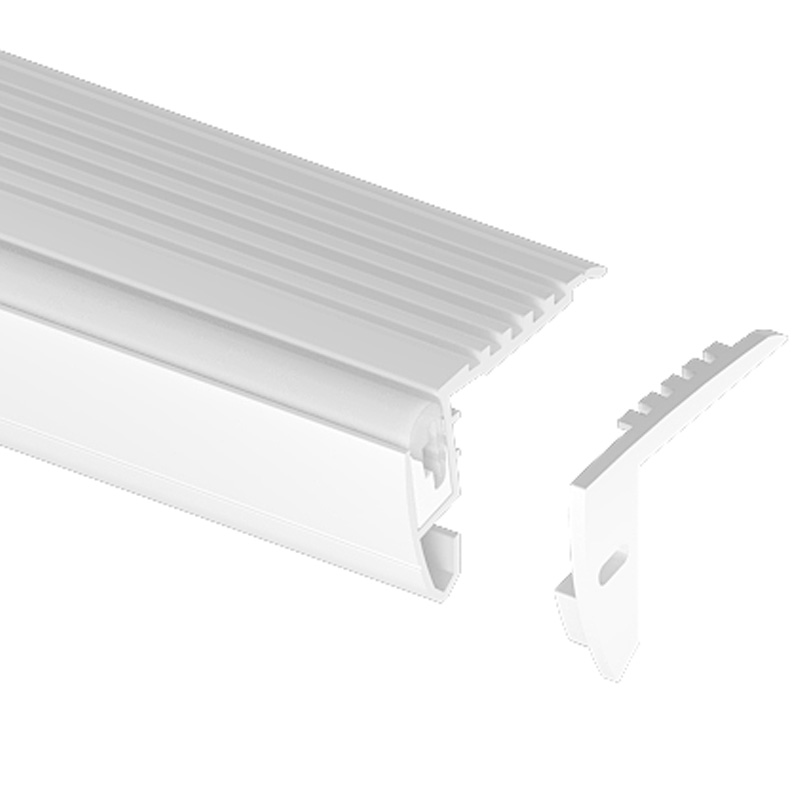
Slim Non-Slip Outdoor Stair Nosing Uplight Profile
Choose the Stair Nosing Light Direction for the Desired Effect
LED stair nosing profiles do more than add a light source to the edge of a step. The geometry of the aluminum extrusion profile determines where the light travels and how the staircase is visually perceived.
Depending on the project, the LED strip can illuminate upward toward the riser, downward across the tread, project at an angle, or remain concealed while using surrounding surfaces to create reflected light. Choosing the right light direction allows the same stair nosing concept to serve different purposes, from step-edge visibility and pathway guidance to ambient architectural lighting. SuperLightingLED offers multiple stair nosing structures designed around these different lighting requirements.
Upward Stair Nosing Lighting With Visible Linear Light
Upward stair nosing lighting places the LED aluminum profile directly along the front edge of each stair tread, with the diffuser and illuminated surface intentionally visible from the staircase. Instead of concealing the light source, this design turns the stair edge itself into a continuous linear lighting element.
The LED profile directs light upward toward the riser and the area above the step, creating a clear illuminated edge that visually defines each individual stair. The visible diffuser helps produce a smooth, continuous light line while the aluminum profile provides a clean and durable finish along the step edge.
Downward Stair Nosing Lighting for Tread Illumination
Downward stair nosing lighting directs illumination onto the tread immediately below or in front of the profile. This makes the horizontal walking surface the primary illuminated area and provides a direct visual indication of each step.
This approach is useful when the main purpose of the lighting is to make the tread clearly visible, particularly in staircases where ambient illumination is limited.
This approach is well suited to modern residential staircases, hotels, commercial interiors, and other projects where the lighting itself is intended to become part of the staircase design. It combines step-edge definition, architectural decoration, and functional illumination in one integrated profile.
Angled Stair Nosing Lighting for Controlled Step Illumination
An angled LED stair nosing profile can provide a middle ground between conventional uplighting and downlighting. By changing the orientation of the LED channel, the light can be directed diagonally upward toward the riser or diagonally downward toward the tread.
This gives designers more control over the distribution of light and the visual relationship between adjacent steps.
For projects where glare control is important, the profile geometry can also shield the LED strip from direct view. SuperLightingLED's product range includes both oblique uplighting and slanted downlighting stair nosing designs.
Indirect Reflective Stair Nosing Lighting for a Softer Visual Effect
Not every staircase needs a clearly visible beam of light. In some architectural interiors, the preferred effect is for the light source to remain as discreet as possible while the stair surfaces themselves appear illuminated.
With an indirect reflective approach, the LED strip is positioned or shielded within the stair nosing (QSG-4014, QSG-4014LR) so that the light reaches the tread or riser through controlled reflection rather than direct exposure.
This can create a softer transition between illuminated and non-illuminated areas while reducing the visual dominance of the LED source. Profile geometry plays an important role here by blocking direct views of the LEDs and guiding the light toward the intended surface.
A Stair Nosing Profile Can Be Both a Step Edge and a Lighting System
A stair nosing has traditionally been used to protect and define the edge of a tread. When an LED channel is integrated into that structure, the same component can also control how light interacts with the stair.
The aluminum profile provides the structural edge, helps protect the LED strip, and can incorporate an anti-slip surface, while its internal geometry determines whether light travels upward, downward, diagonally, or through reflected illumination. SuperLightingLED's current stair nosing range is designed for wood, tile, concrete, and other stair surfaces, with surface-mounted installation commonly secured by screws and profile structures designed for stair traffic.
This makes stair nosing lighting more than decorative illumination—it is a way to combine step definition, visual guidance, architectural detail, and LED protection in one profile.
Frequently Asked Questions About LED Stair Nosing Profiles
Got questions before you buy? I've answered thousands of these on the tech desk. Here are the most common ones for stair lighting.
The process is similar for both. Our LED stair nosing profiles are typically screwed directly onto the sub-floor at the edge of the step. For wood stairs, you just screw it down. For concrete or tile stairs, you'll use anchors and screws. The final flooring material—your tile or wood plank—then butts up against or covers the profile's base, hiding the fixings for a clean finish.
This is the most common installation question we get. The driver is almost always located remotely: in a nearby closet, under the staircase, or in the basement ceiling just below. For the wires, the cleanest method is to route a small channel into the side of the staircase stringer, lay the wires in, and then cover it. Our guide on stair lighting ideas covers a few options.
No. The LED stair nosing profiles and the LED strips are sold separately. This gives you total control over the light itself—you can choose the exact brightness, color temperature (from warm to cool), or even go for full RGB color-changing to match your project's needs. We stock hundreds of strips that fit these channels.
That's a critical safety question. Many of our stair nosing light profiles are designed specifically with grip in mind. They feature a serrated or ribbed top surface that provides excellent anti-slip properties, meeting safety requirements for both commercial and residential spaces. They provide much more grip than a simple painted stair edge.
Yes, the aluminum profiles themselves are anodized and hold up perfectly fine outdoors. The critical part is the LED strip inside. You absolutely must use a strip with a waterproof rating of IP67 or IP68, and you have to seal the end caps properly with silicone. Water getting inside is the number one killer of outdoor LED installations, so choosing the right waterproof connectors and strips is essential.