
Low Voltage LED Landscape Lights
10 productsLow voltage outdoor landscape lighting generally uses 12V and 24V DC or AC as the operating voltage, which offers significant safety advantages when using landscaping led lights in complex outdoor environments and in places where people are easily accessible.
When installing low-voltage LED landscape lights outdoors, you need to choose the right led transformer to convert the line voltage to DC/AC low voltage, and pay attention to details such as wiring, waterproofing, dustproofing and grounding to ensure stable operation and long-term use of the outdoor landscape low voltage lighting system.
Our modern low-volt landscape lighting fixtures come with an smart control module inside, which allows the fixtures to be adjusted directly via RF remote control and cell phone APP, without the need for an additional controller unit (gateway maybe needed for phone control), and the fixtures are directly connected to the low-voltage power supply, which greatly simplifies the installation and operation process.
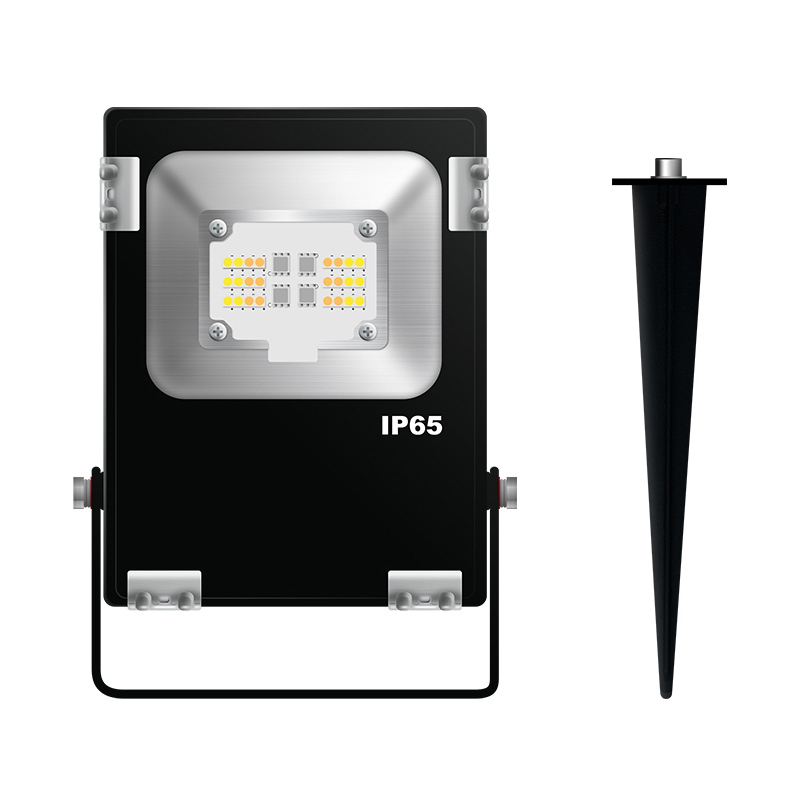
Gledopto Zigbee RGB+CCT 12V LED Landscape Flood Light 10W
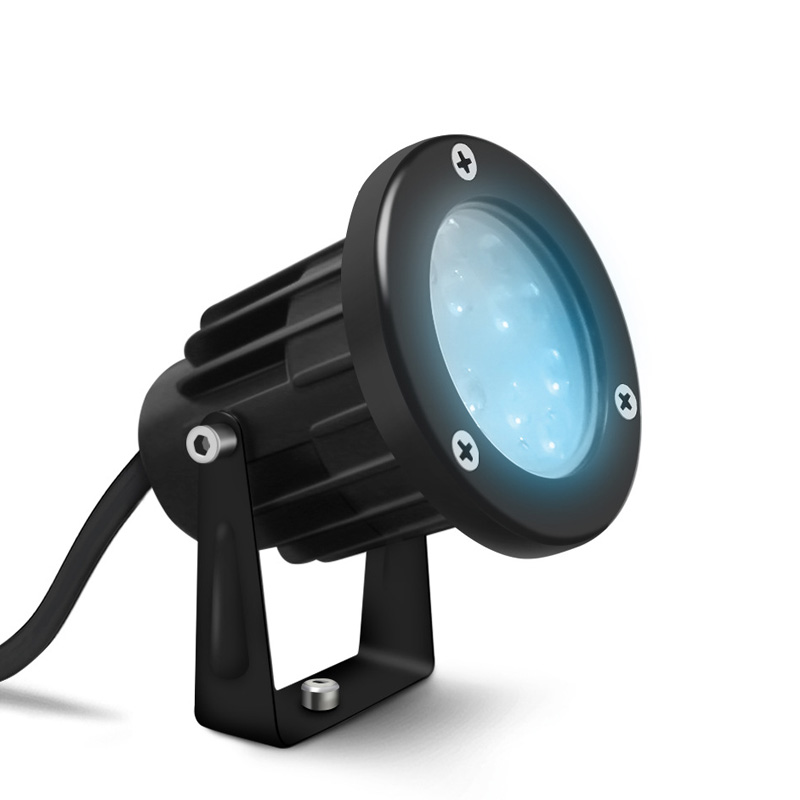
Gledopto Zigbee RGB+CCT 24V LED Landscape Spot Light - IP66
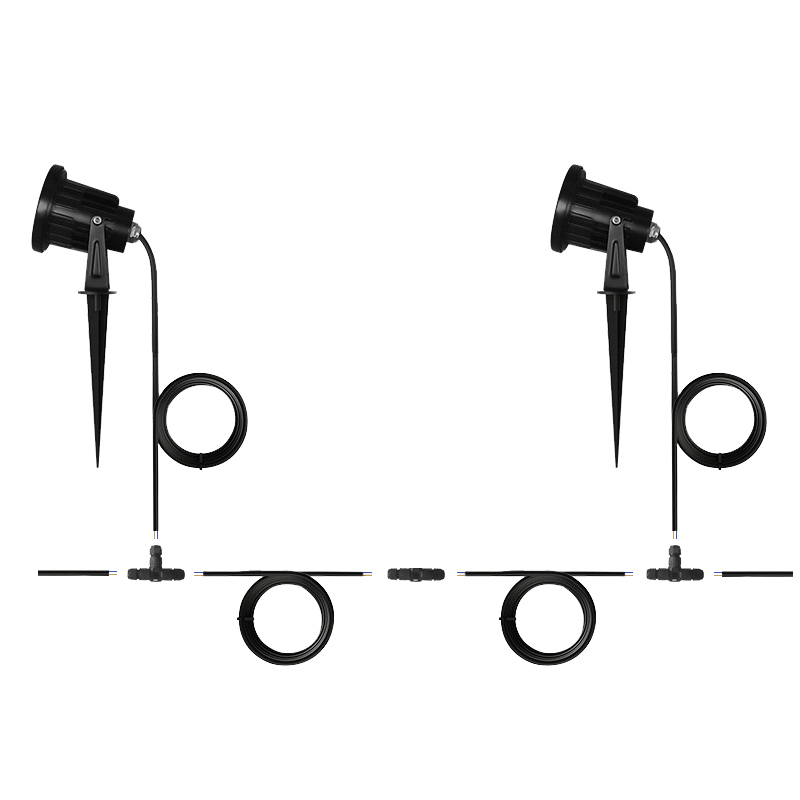
Waterproof Landscape Lighting Cable & Connectors for GL-G-003P
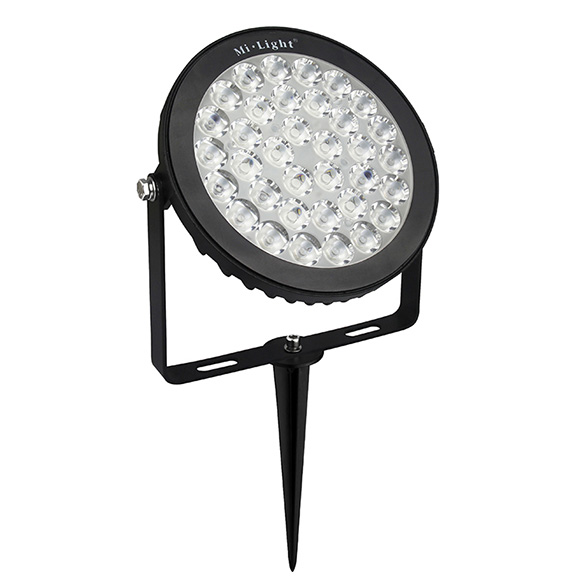
9W RGB+CCT LED Garden Lamp FUTC01 - IP65 Outdoor Landscape Lighting
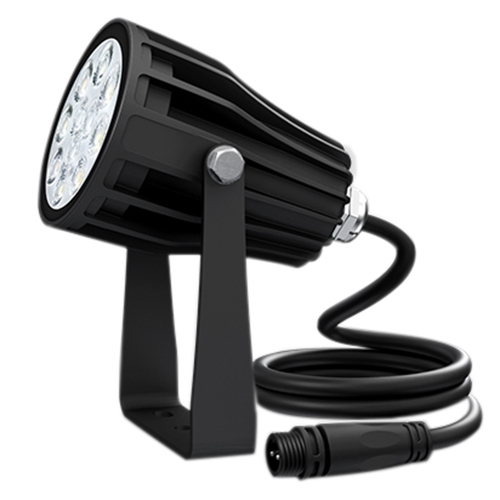
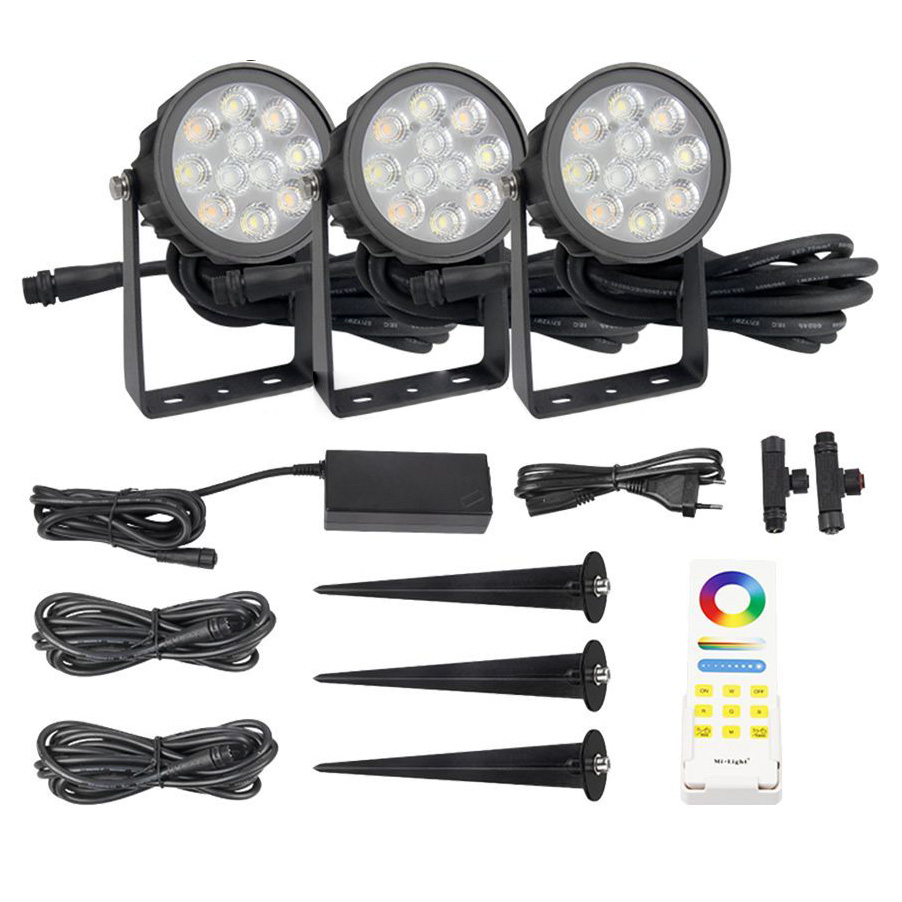
FUTC08A 6W RGB+CCT LED Garden Light Kit - Vibrant Outdoor Lighting
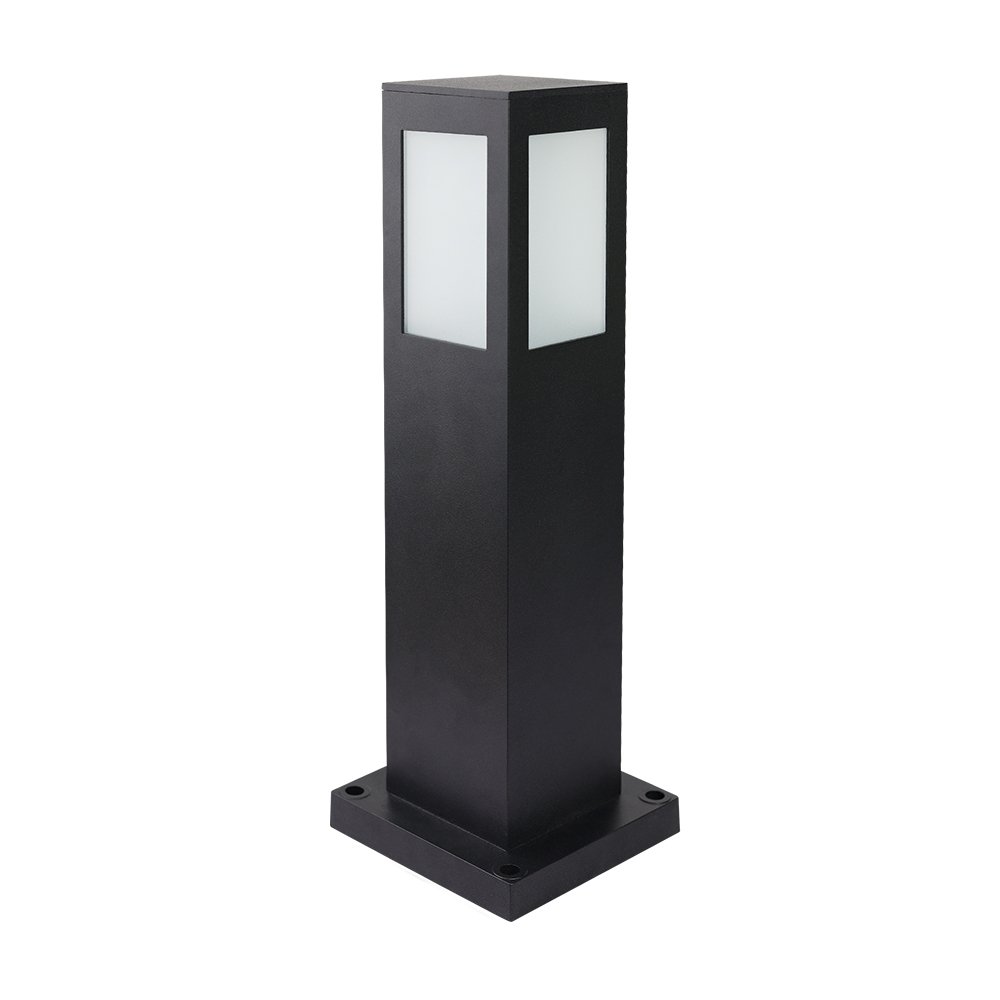
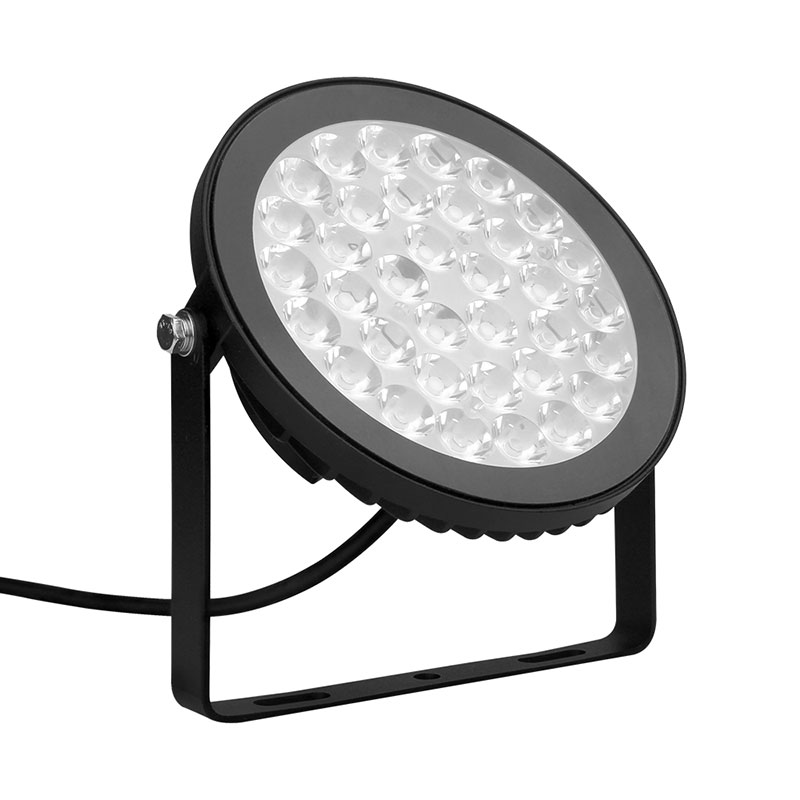
Zigbee 3.0 High Bright RGBWW LED Garden Light DC24V 15W FUTC10Z

GS01Z Zigbee RGB CCT Round LED Color Changing Spot Light 6W
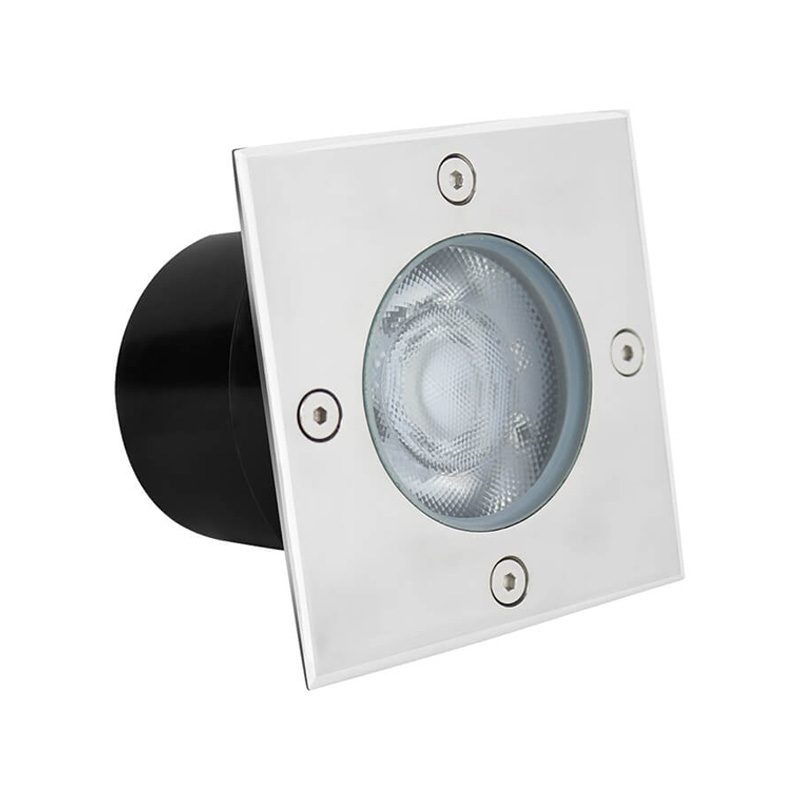
GS02Z 6W Zigbee RGB CCT LED Landscape Spot Light Square
FAQ About Low Voltage LED Landscape Lights
Your questions about selecting, installing, and running low voltage landscape lights, answered by our engineers.
Generally, anything operating at 30 volts or less is considered low voltage, but for outdoor landscape lighting, it's almost always 12V or 24V. The main reason to use it is safety. A 12V or 24V system is much less of a shock hazard than 120V line voltage, which makes it safer for DIY installation and safer in gardens where kids, pets, and wet conditions are common. You also don't need to bury the cable in a deep conduit.
They both provide the same quality of light, but 24V is much better for longer wiring runs. On a 12V system, you might see the lights at the far end of a long cable run start to look dimmer due to voltage drop. Because 24V pushes power more efficiently, you can run longer cables with more lights before that happens.
No. You need a transformer, or what we call an LED driver, that specifically converts your home's line voltage (e.g., 120V AC) to the low voltage your lights require (e.g., 12V or 24V DC). It must also be rated to handle the total wattage of all the lights you connect to it.
For most residential projects, low voltage is the way to go. It's significantly safer, the installation is much easier for a homeowner to tackle, and the fixtures are often smaller and more discreet. Line voltage landscape lights deliver more power for very large commercial applications or for lighting massive trees, but they require a licensed electrician, buried conduit, and GFCI protection. The risk and cost are much higher.
Our landscape lights are typically rated IP66. The '6' means they are completely sealed against dust, and the second '6' means they can withstand powerful jets of water from any direction. So, they are perfectly fine in heavy rain, sprinklers, and snow. However, IP66 is not rated for continuous submersion in water. For in-pond or fountain use, you would need a fixture with an IP68 rating.