
LED Flashlights & Flashlight Bulbs
16 productsFlashlights are a common utility lighting tool, which is a handheld lighting device that uses LEDs as a light source. These LED flashlights have a very long shooting distance, providing high brightness light over hundreds of meters or more.
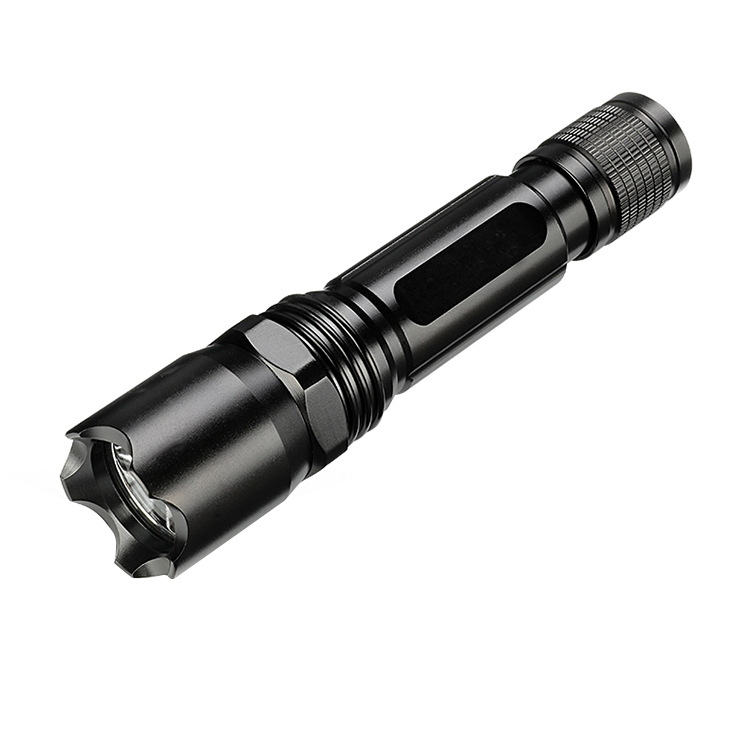
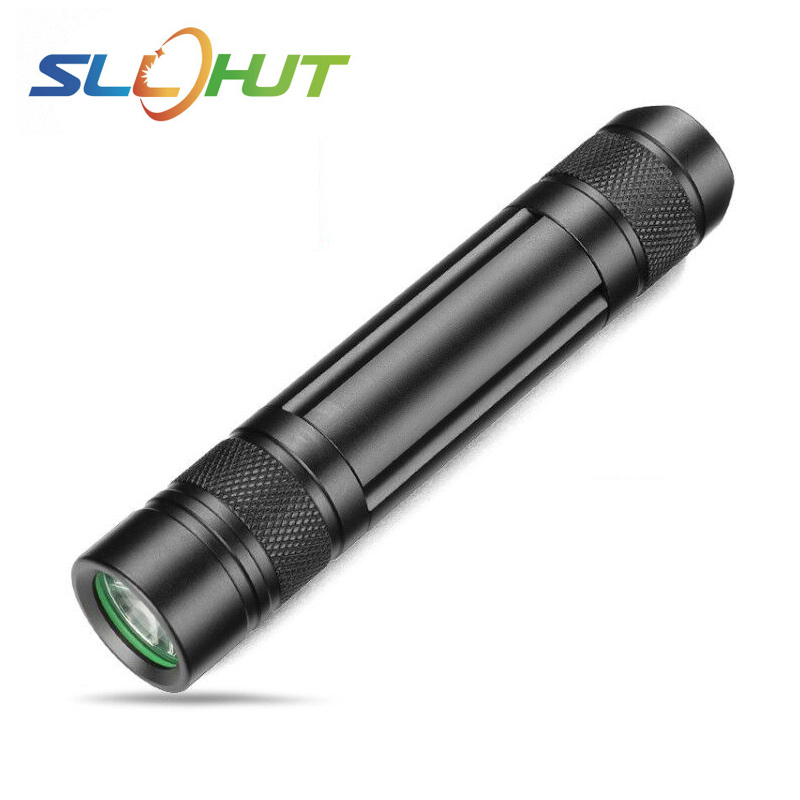
SLLHUT 3W Mini LED Flashlight - 3-Color Strong Light, Waterproof | Long-Distance

3W 150m LED Flashlight - Waterproof Aluminum Alloy Searchlight

3W LED Strong Light Flashlight - Waterproof, 316m Range | Outdoor Riding

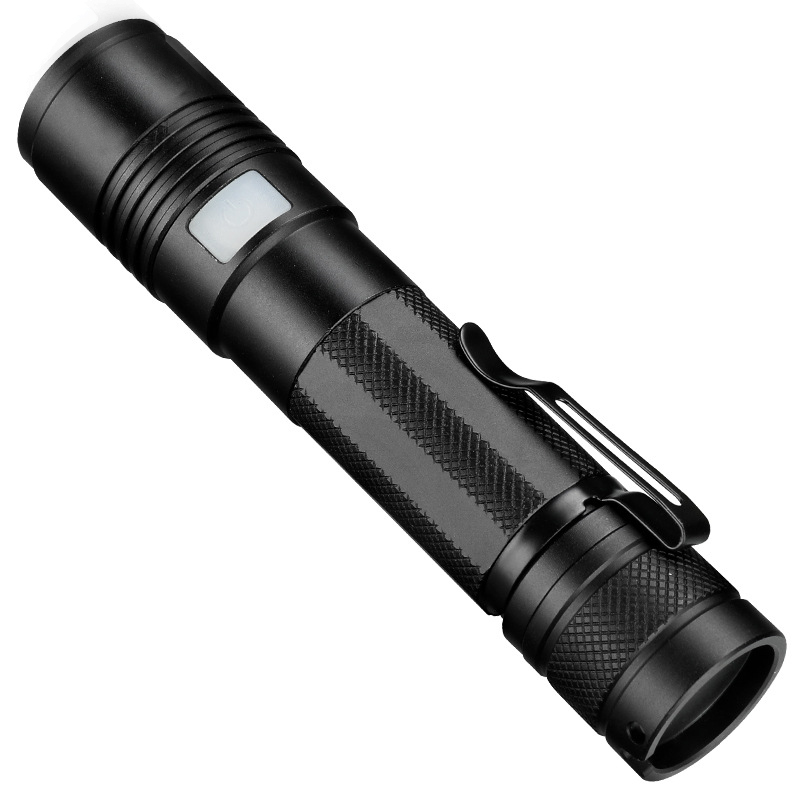

Rechargeable Flashlight - Telescopic Focusing Long-range


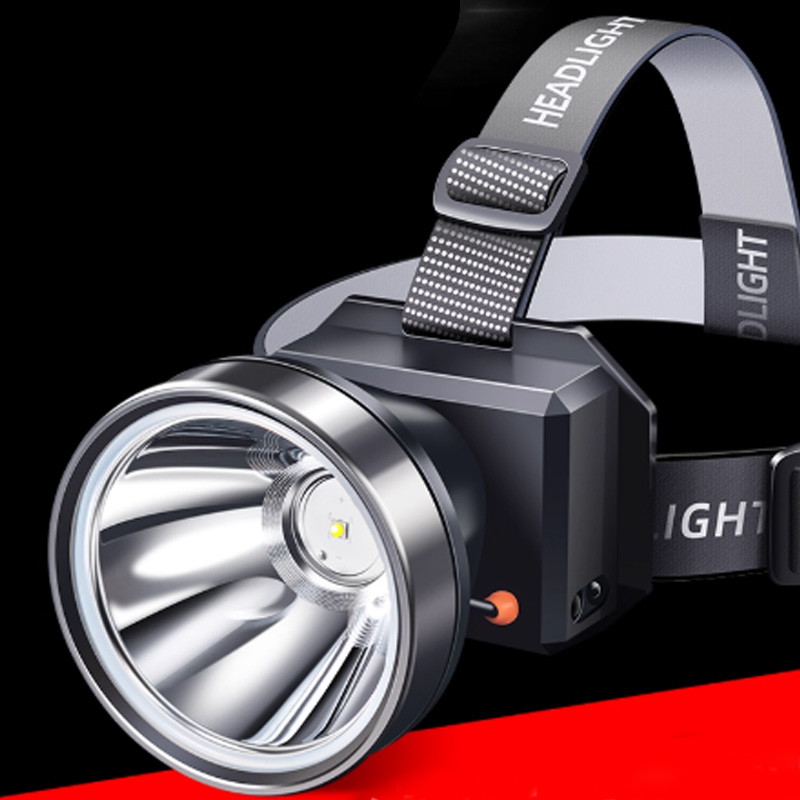
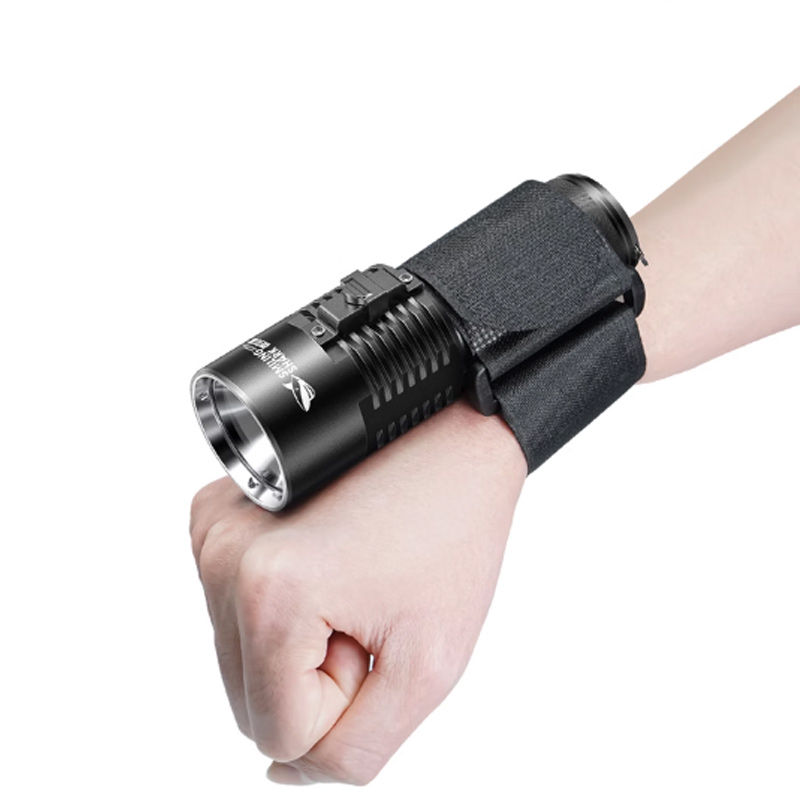
SLLHUT Super Bright Waterproof Rechargeable Flashlight for Safe Night Diving

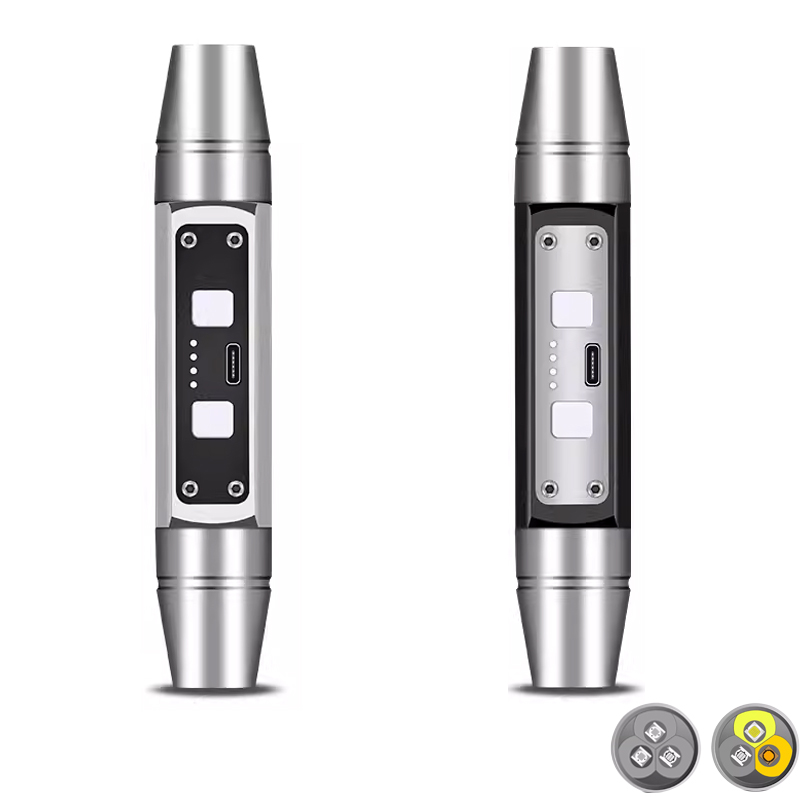
6 in 1 Multifunctional 365nm 395nm UV Torch Light for Gemstone Hunting

Professional Super Bright High Power UV Flashlight 365nm Wavelength

Rechargeable Inspection 365nm UV Flashlight

Frequently Asked Questions About LED Flashlights & Flashlight Bulbs
Direct answers to technical questions about driver step-downs, battery cell sizing, UV wavelengths, and ingress protection across our handheld illumination line.
An LED flashlight measures total light volume in lumens and optical focus distance in meters or candela. Lumens tell you how much raw light the emitter pushes out, while candela reflects how tightly the reflector or collimator lens gathers that light into a hotspot. For example, our 3W long-range model outputs 300 lm but projects a beam 395 meters because it uses a deep parabolic reflector. Meanwhile, a wide-angle 1100 lm flood torch might only illuminate out to 191 meters. If you need wide situational awareness, buy for lumens; if you need to spot markers down a tree line, look at beam distance.
A 365nm UV LED flashlight produces narrow-band ultraviolet with minimal visible purple light, whereas a 395nm LED flashlight emits noticeable violet glare. That violet glare washes out subtle fluorescence. For mineral hunting, cured adhesive inspection, and HVAC leak detection, 365nm excites fluorescent dyes far more efficiently while keeping background glare near zero. We build 365nm models with internal Wood's glass filters to absorb stray visible light, reaching up to 60W or 180W array power. We reserve 395nm for currency checking, scorpion spotting, and surface resin curing where raw output matters more than high optical contrast.
You can run an 18650 cell in a 26650 LED flashlight only if you use a cylindrical battery sleeve spacer. Both lithium-ion cells operate at a nominal 3.7V (4.2V fully charged), but an 18650 measures 18 mm in diameter compared to 26 mm for a 26650. Without a plastic sleeve, the narrower cell rattles against the aluminum barrel, causing intermittent battery contact, driver flickering, and crushed internal springs under impact. Keep in mind that a 26650 typically provides 5000 mAh of capacity versus 2600 to 3500 mAh for an 18650, so your runtime will drop by roughly 35% to 50%.
A standard rainproof LED flashlight cannot handle water pressure past 1 or 2 meters without suffering seal failure. Rainproof torches rely on friction-fit O-rings and push-button silicone boots designed for zero head pressure. For open water descents, you need our submersible dive torch, which uses dual compression O-rings, thick tempered glass, and a mechanical rotary switch rated down past 30 meters. Water pressure at 30 meters reaches roughly 4 bar (58 psi); that pressure will crush standard clicky switches and force water straight past single seals into the driver board within seconds.
An infrared LED flashlight operating at 850nm or 940nm produces light invisible to the naked human eye. At 850nm, looking straight at the emitter will reveal a faint dull red glow on the LED die, but the projected beam against a wall or trail is completely undetectable without night vision optics. At 940nm, even that faint emitter glow vanishes. We pair our 10W zoomable infrared torches with active night vision scopes, digital monoculars, and IR surveillance sensors. The beam acts like a 200-meter spotlight on screen while leaving your operating position in total dark.
You can upgrade most incandescent torches with an LED flashlight bulb if the operating voltage and base match. The critical spec is matching cell count to driver voltage: a 2-cell PR2 flange base needs a 3V LED drop-in, while a 3-cell to 6-cell torch requires a wide-input 4.5V to 9V module. If you feed 9V into a 3V drop-in, the emitter burns out instantly. LED drop-in replacements drop battery draw by up to 75% while boosting output from a muddy 15 lumens to over 150 lumens with crisp 6000K daylight color.
Maintaining a waterproof LED flashlight requires cleaning the barrel threads and lubricating silicone O-rings every six months. Unscrew the head and tailcap, wipe away grit and old grease with a lint-free cloth, and inspect the O-ring for flat spots, tears, or pinching. Apply a tiny dab of pure silicone grease directly to the ring and the aluminum threads. Never use petroleum jelly or automotive bearing grease; petroleum distillates cause silicone and nitrile rubbers to swell, soften, and break down within months. Tighten components finger-tight so the ring seats evenly without bulging outside the seal channel.
When an inspection requires wide, fixed benchtop exposure instead of a handheld beam, moving from a torch to ultraviolet flexible strip lights gives you continuous power without battery recharging cycles. A handheld UV torch works well for spot checks, mobile crack inspections, and field prospecting. However, trying to illuminate an entire curing table or assembly bench with a flashlight leads to hot-spotting, rapid battery depletion, and thermal step-downs. Permanent UV tape mounted inside an aluminum profile delivers even, flicker-free irradiance powered by a dedicated 12V or 24V industrial power supply.