
Bluetooth 5.0 Driver
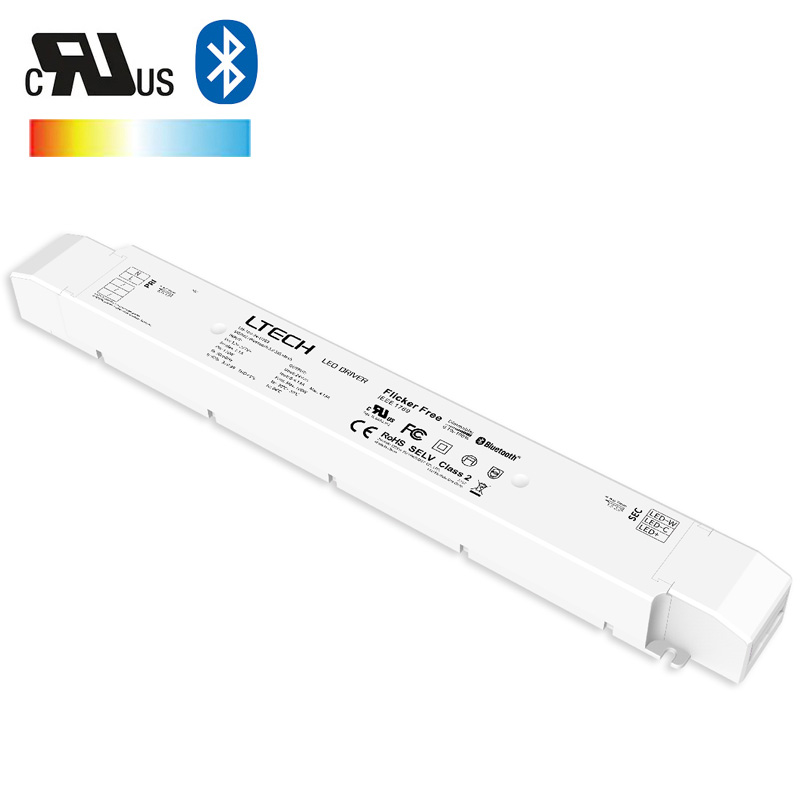
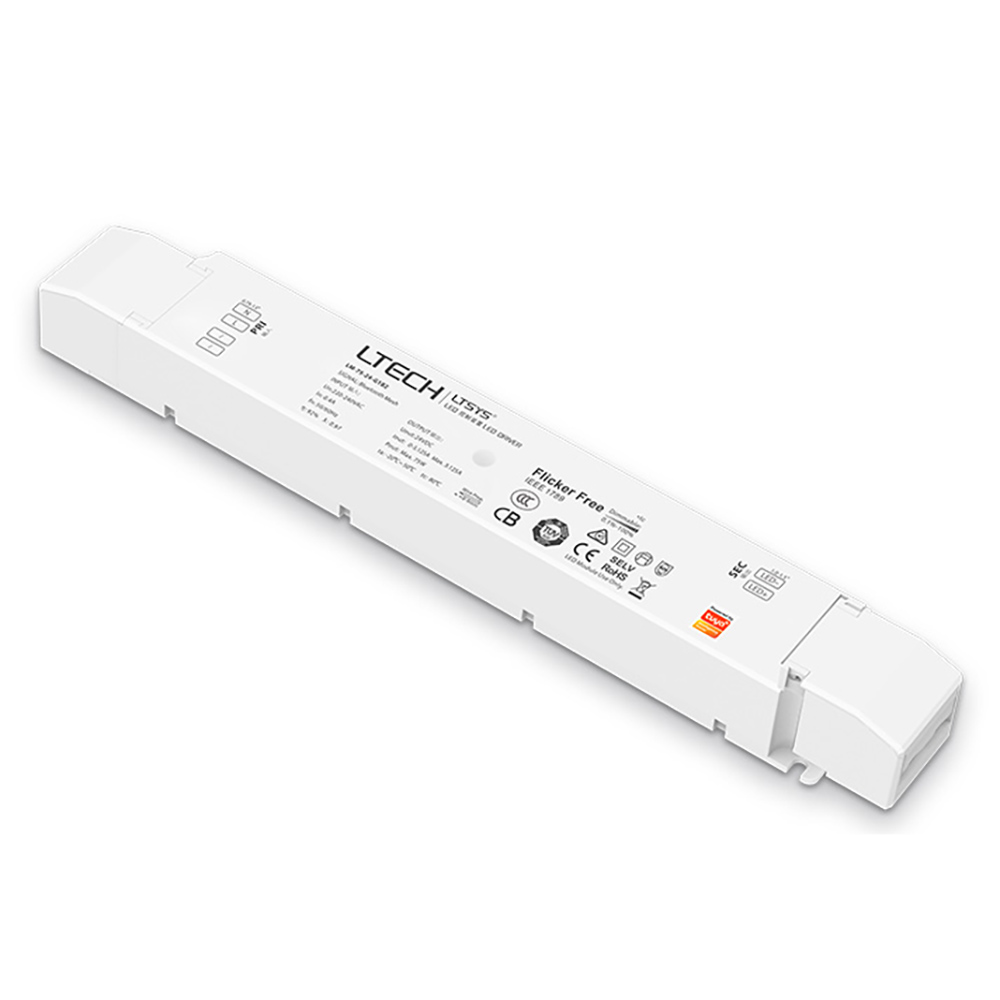
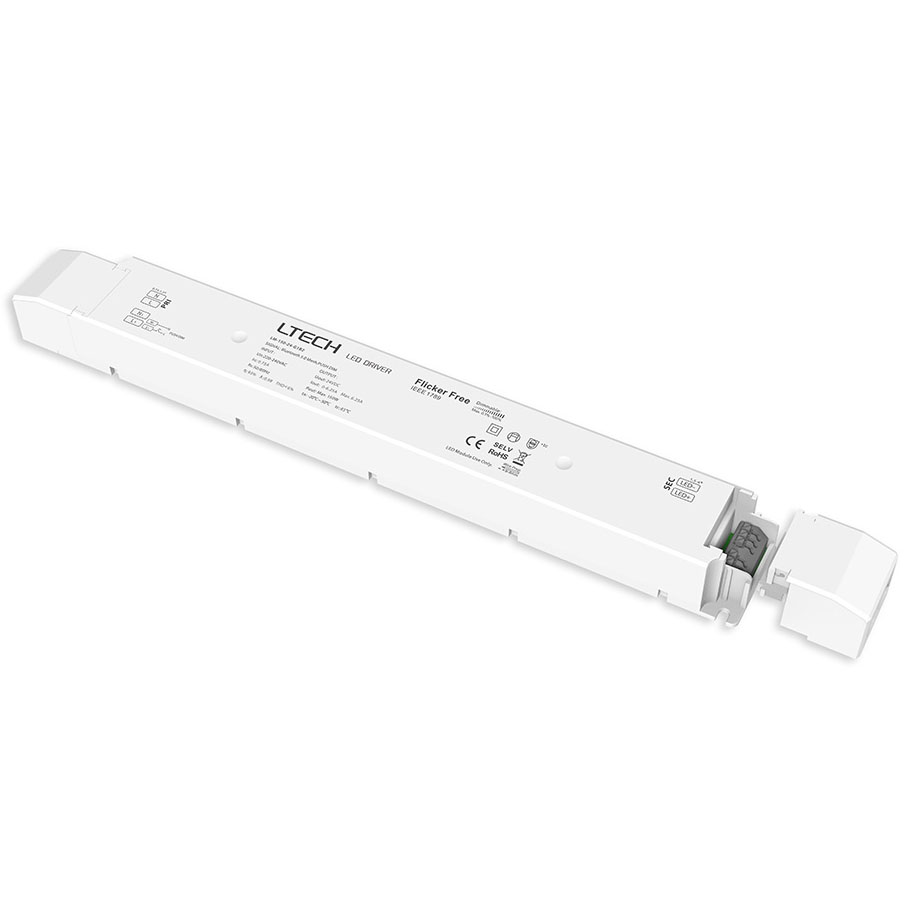
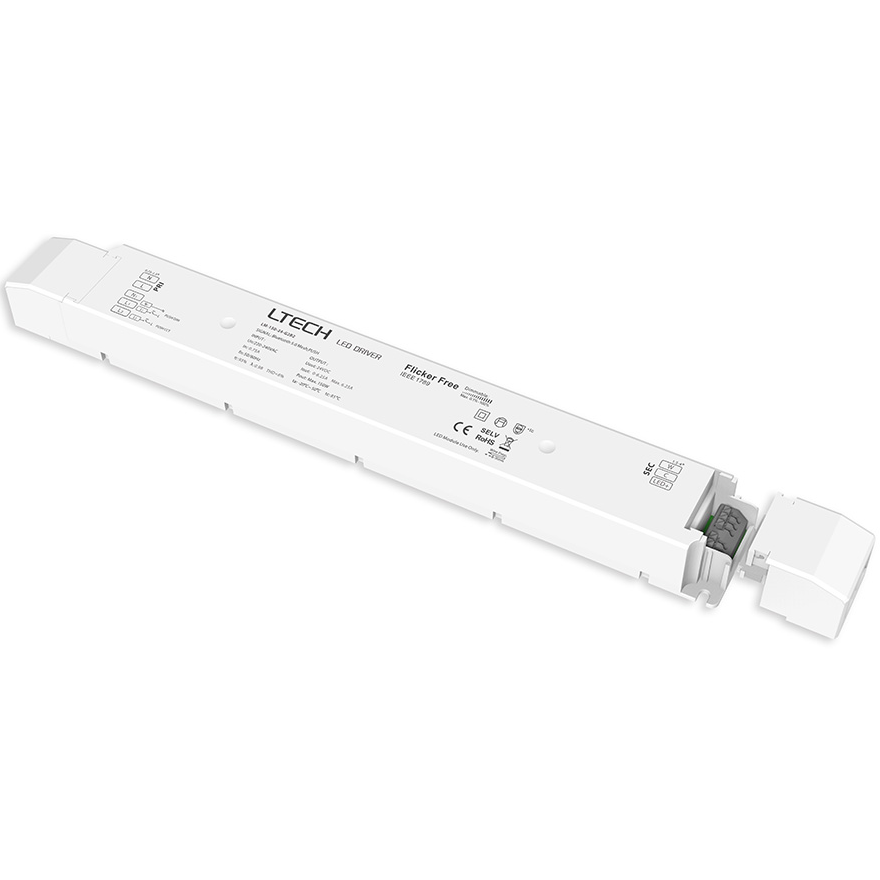
10 productsLTECH Bluetooth 5.0 SIG Mesh drivers are designed for wireless lighting systems built around Bluetooth Mesh networking. Compatible devices can form a mesh network, enabling coordinated lighting control across multiple fixtures and zones.
Depending on the model and system configuration, supported control options may include the L-Home app, compatible Bluetooth panels, and wireless remotes. Selected drivers also support advanced dimming features, such as deep dimming, smooth fade-in, and high-frequency flicker-reduced operation.
This technology is a practical choice for users who want dedicated wireless lighting control, coordinated multi-device operation, and flexible scene management without building the entire system around a conventional wired lighting bus.





FAQ About Bluetooth 5.0 Drivers
Direct answers to common questions about Bluetooth 5.0 SIG Mesh LED drivers, wiring, dimming specs, and control setups.
A Bluetooth 5.0 driver mesh network can support up to 600 nodes in an L-Home installation without bogging down. Because each Bluetooth 5.0 driver acts as an active relay node, commands jump from driver to driver across an ad-hoc topology instead of crowding a single Wi-Fi router. In field tests across retail floors and multi-room residences, keeping driver-to-driver spacing under 15 m indoors delivers latency under 20 ms. If you run more than 50 drivers on one floor, group them by room in the app so status broadcasts don't congest local packet traffic.
A Bluetooth 5.0 SIG Mesh led strip driver can link to Apple HomeKit, Amazon Alexa, and Google Home, but it requires a dedicated hardware bridge like the S80 or CG-KIT gateway. While your phone can talk to the driver directly over local Bluetooth for everyday dimming, Apple HomeKit automations and out-of-home control need an always-on IP bridge. Once the gateway translates HomeKit commands onto the local Bluetooth mesh, you get instant voice and scene control across your entire LED strip installation.
A Bluetooth 5.0 driver lags during group commands when a command message must traverse more than four mesh relay hops, or when an intermediate relay driver has lost line power. In a SIG Mesh network, packets bounce node to node; if someone kills power to a hall driver via a manual wall switch, the network must re-route signals around the dead node. Keep constant line voltage feeding every driver, and use app-paired Bluetooth wireless switches or Push DIM inputs for local switching instead of cutting mains power.
A Bluetooth 5.0 driver prevents visible flicker by combining microprocessor-governed T-PWM dimming with high-frequency modulation running at 3600Hz. Traditional PWM dimmers drop frequency as brightness decreases, which introduces visible stroboscopic banding on smartphone cameras and induces eye fatigue. By holding high frequency all the way down to 0.1% depth, our units meet the IEEE 1789 high-frequency exemption standard. That makes them clean for broadcast studios, commercial video calls, and low-glare residential bedroom coves.