
Linear Up Down Wall Light Channels
22 products
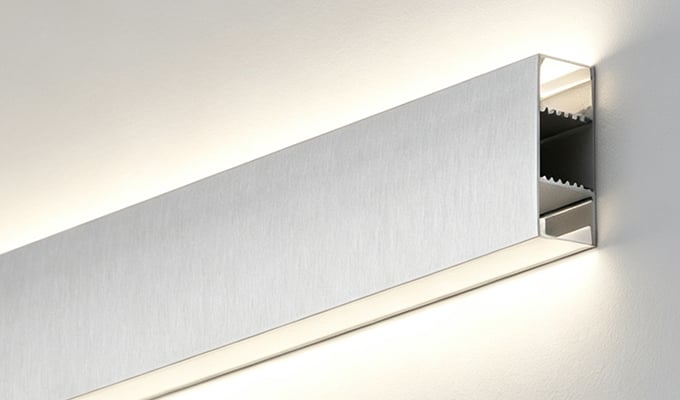
SuperLightingLED Strip Light Profile Wall Sconce Series - Up And Down Aluminum LED Profiles
These high-quality anodized aluminum led strip light moldings with durable corrosion and weather resistance are designed with up and down lighting for both indoor and outside use, mounted to the wall surface with clips. Available in black, silver, and white finishes, our 1m/2m long strip led wall sconce complements contemporary wall lighting decor with minimalist look. The wall light sconces fixtures' face widths of varying heights (15mm to 90mm, 0.6in to 3.54in) shade or just align the strip light emitting surfaces to provide ambient illumination in the form of indirect or direct lighting. Stick out 10mm to 42mm (0.4in to 1.65in) from the wall to accommodate different space and functional needs.
The dual up/down lighting configuration in led strip wall sconce delivers significant advantages over single-direction wall mount led strip channel designs. When the wall mounted molding with strip lighting is installed at mid-wall height, this upward and downward bidirectional lighting approach provides balanced visual comfort with aesthetic appeal and functional performance particularly in corridors, hallways, living rooms, bedrooms, bathrooms and building facades.
Our aluminum wall sconces lighting system is compatible with 5mm very thin to 32mm wide led strip lights (sold separately), providing flexibility in color, light temperature and control options such as wireless, wired, intelligent sensor.
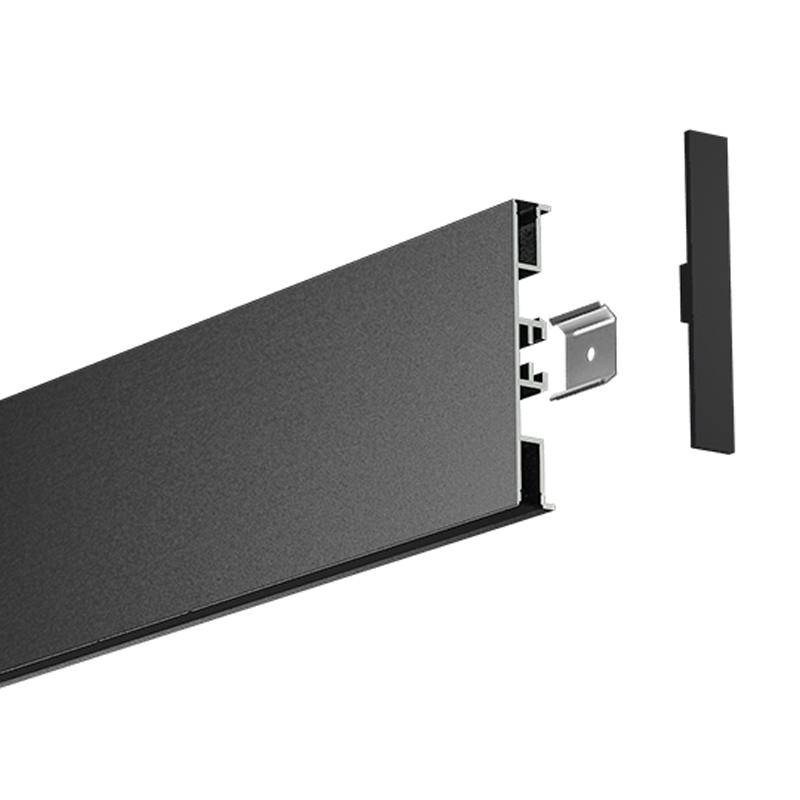
Ultra-Thin Wall Sconce Up Down LED Strip Profile, Face 70mm/2.76in High
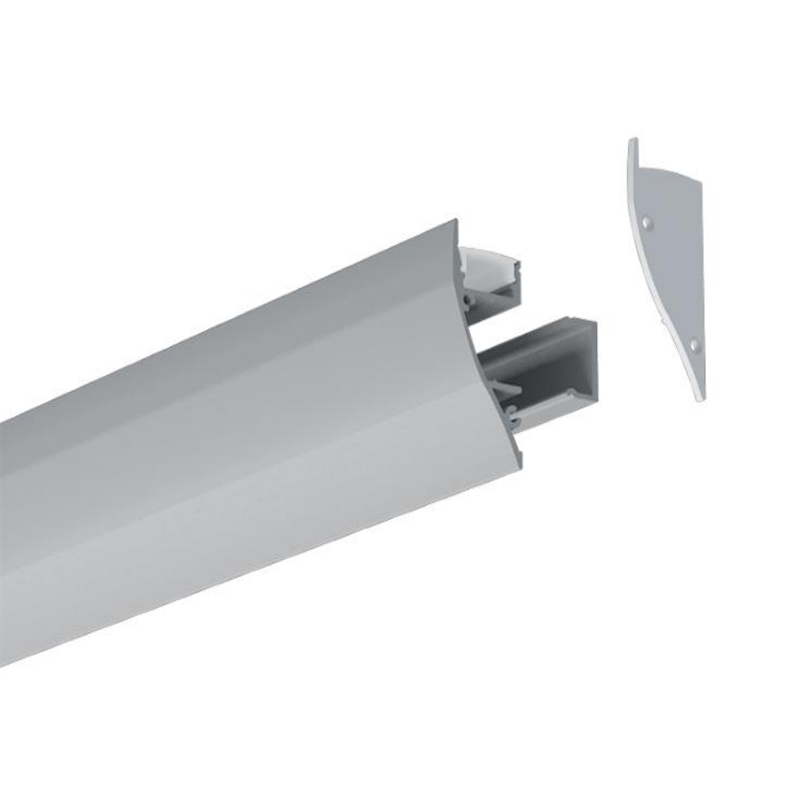
Drywall LED Profile Aluminum Channel for 12mm LED Tape Lights - Shop Now!
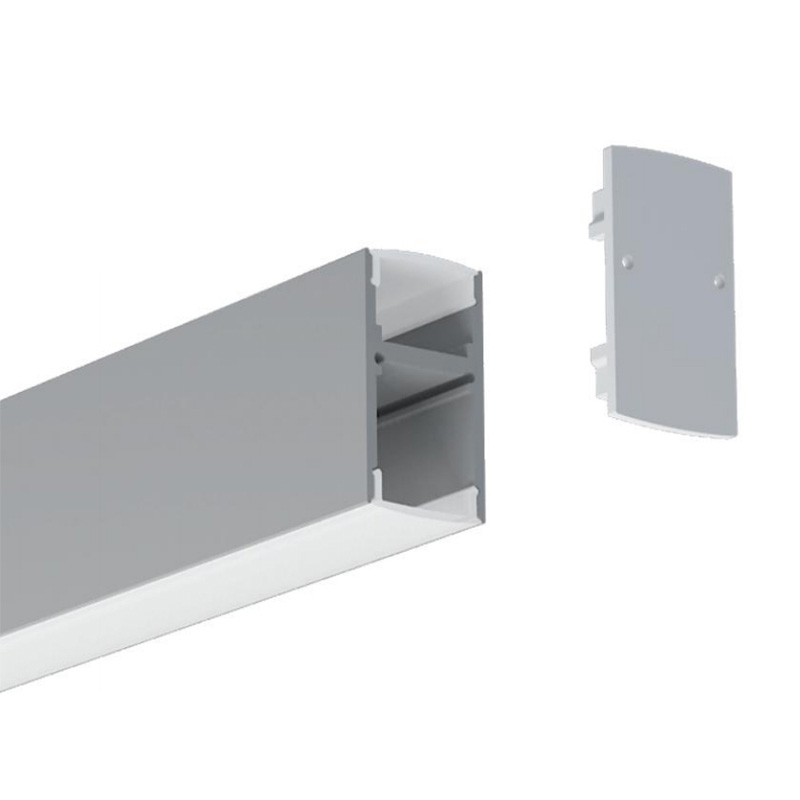
Drywall LED Strip Light Diffuser Channel for 12mm 2110 LED Lighting
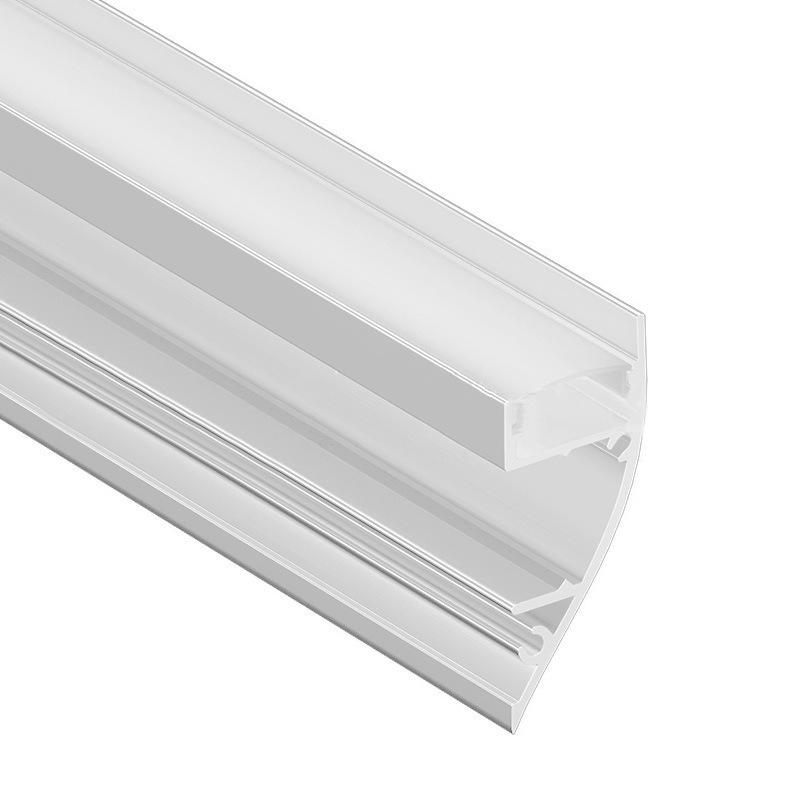
White Contemporary Small Up Light Crown Wall Sconce Molding For LED Strip
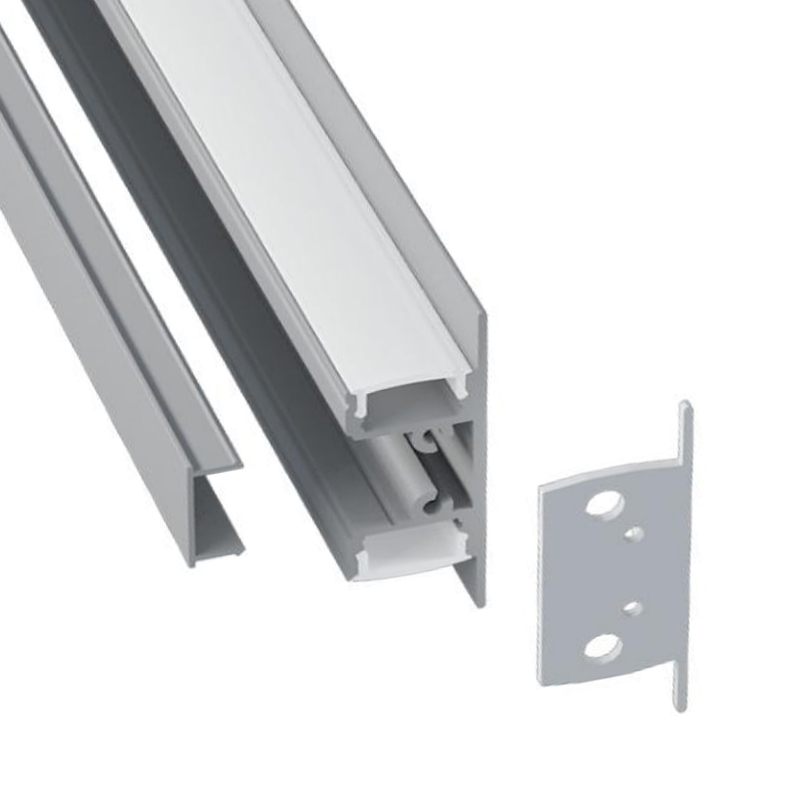
QSG-1848 LED Wall Channel - Two-Sided Indirect Lighting for 10mm Strips
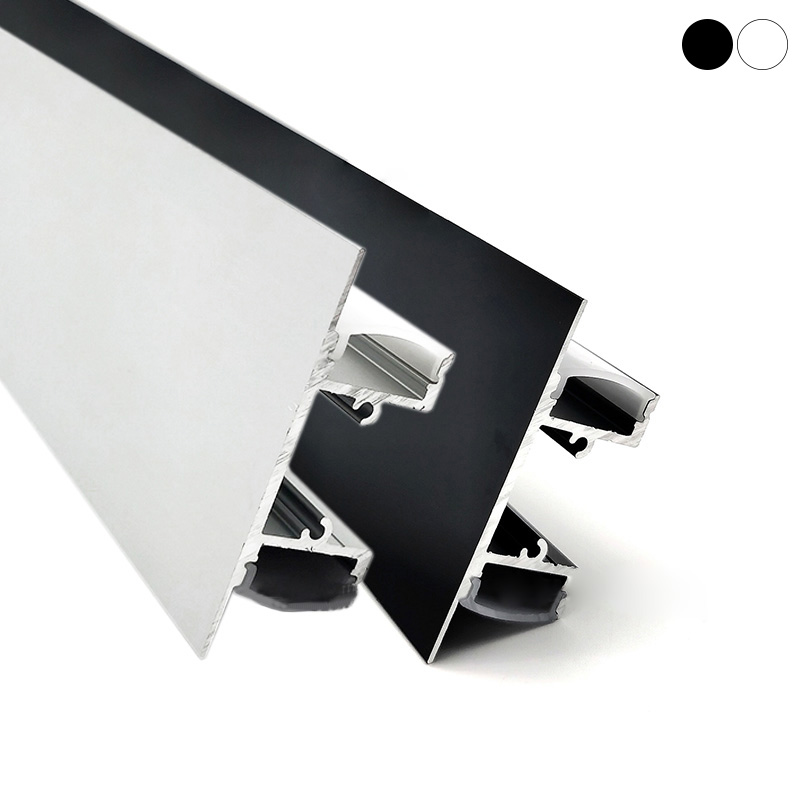
White / Black Up Down Sconce Wall Mounted Strip Light Channel
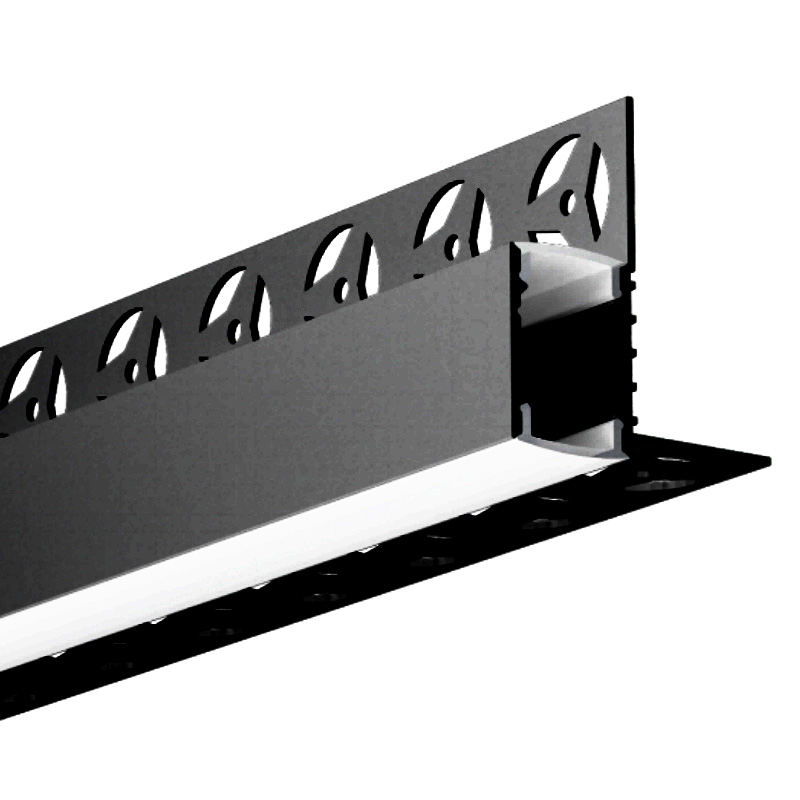
Plaster In Up Down Tray Ceiling Lighting LED Channel
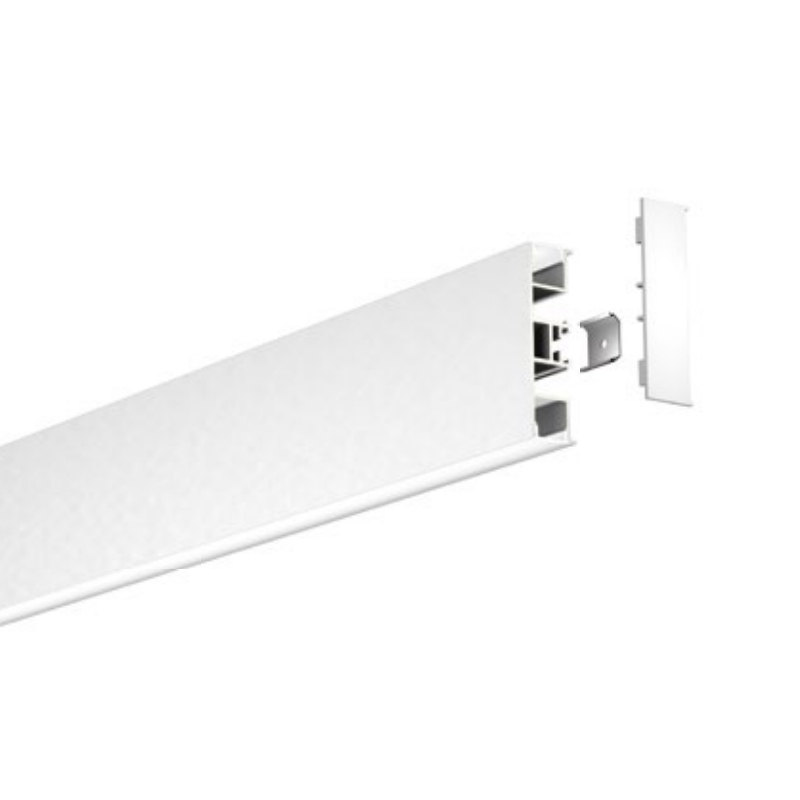
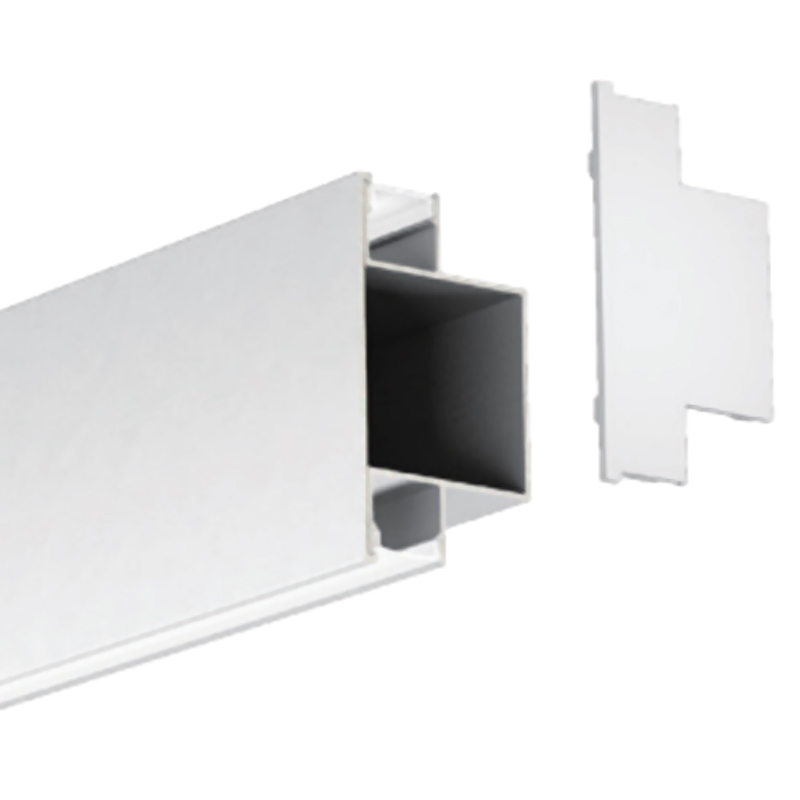
Plasterboard Wall Recessed Up Down Lighting Sconce 3-Inch Large
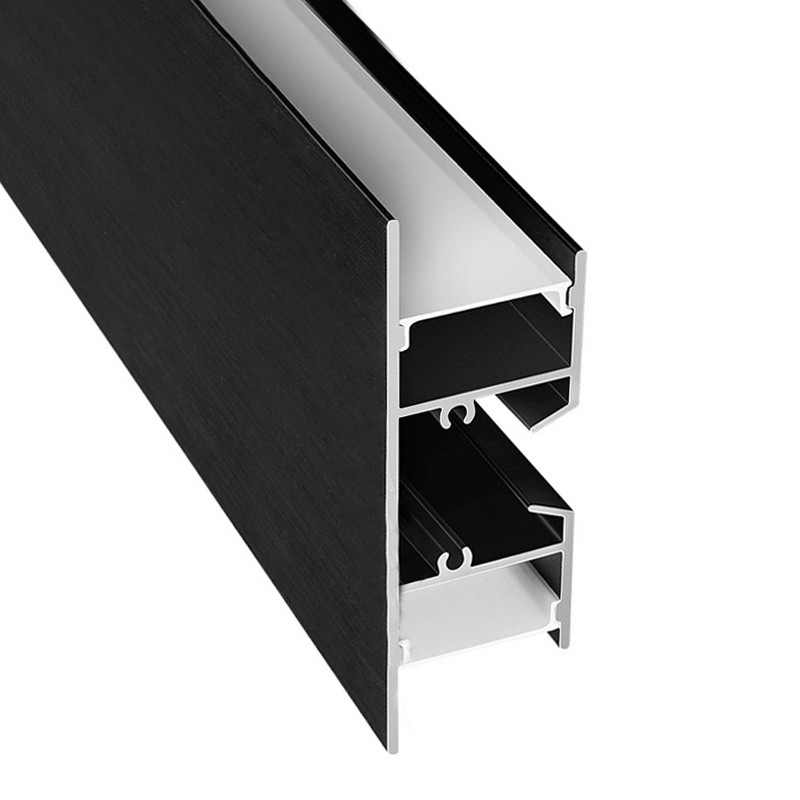
Modern Black Up Down Wall Sconce LED Strip, 3 Inch Face Height
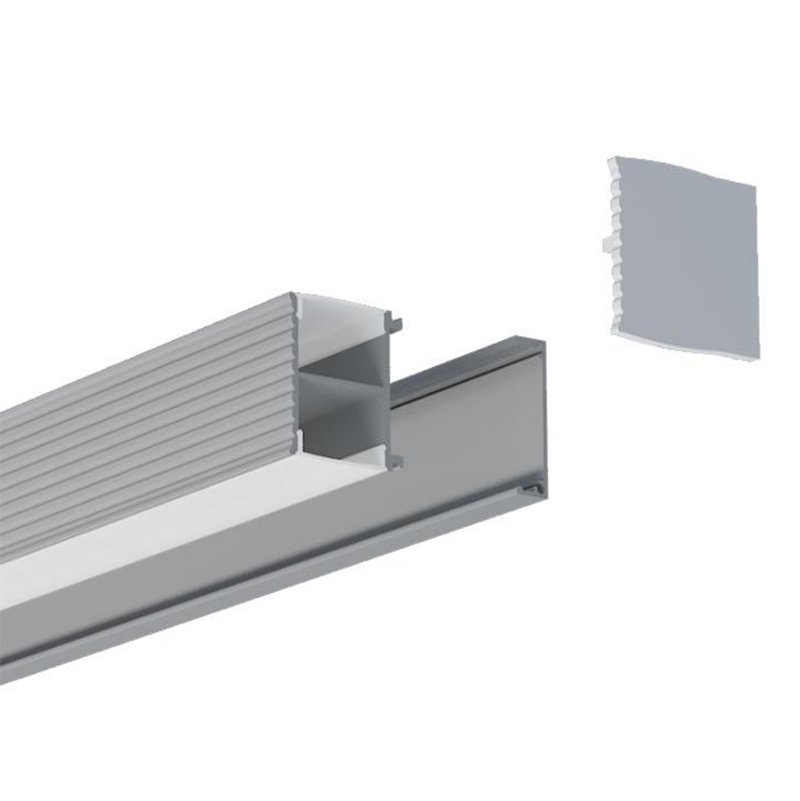
Drywall LED Channel for Double Row LED Strip Lights - 19.2mm
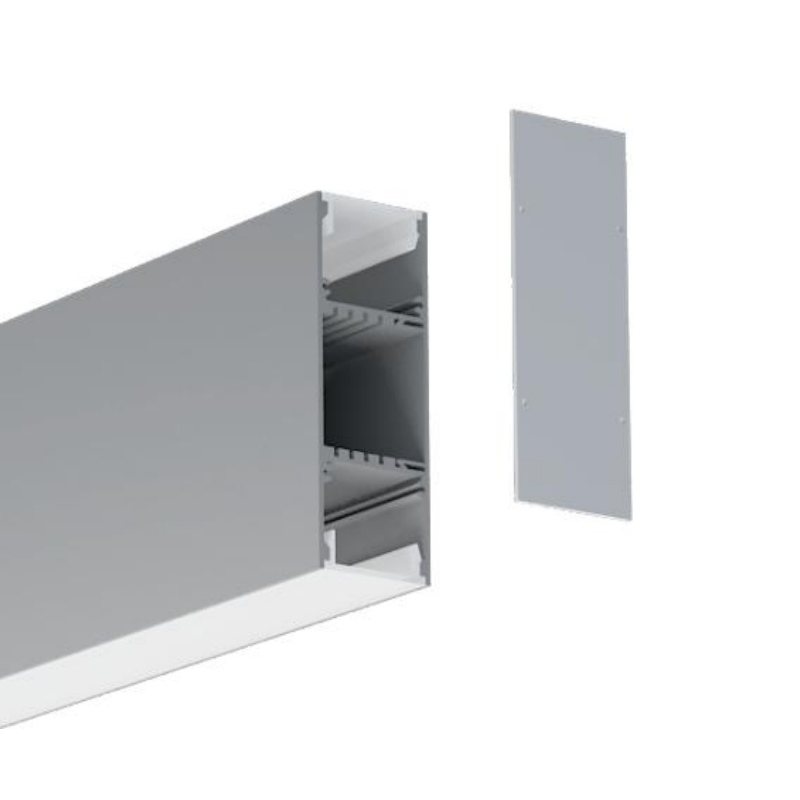
Wall Sconce LED Strip Channel for 20mm Multi-Row Strips | Up & Down Light
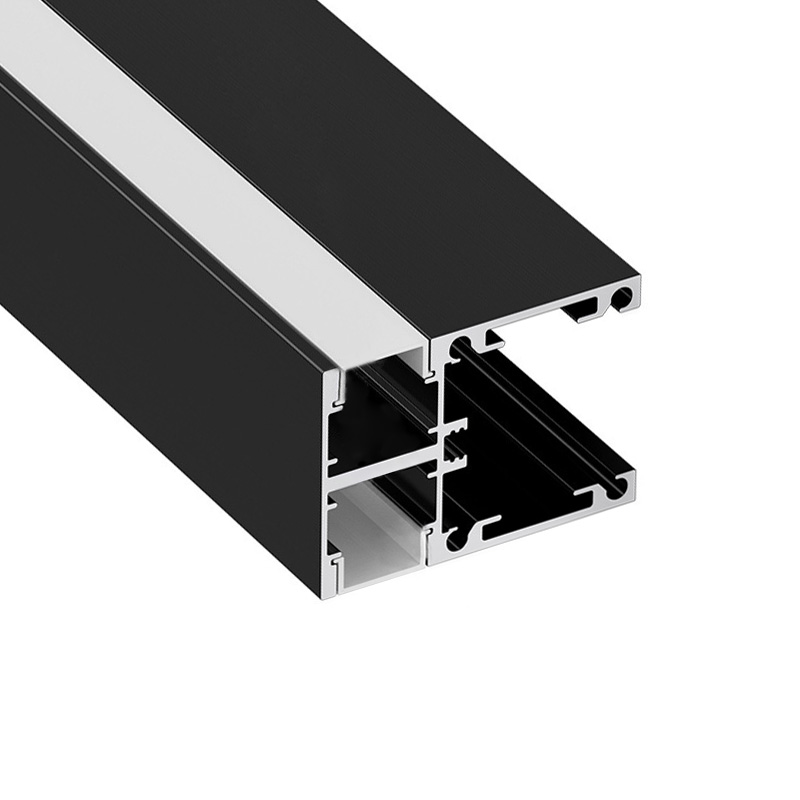
Black Linear Wall Sconce Minimalist 1 Inch Wall Accent Lighting
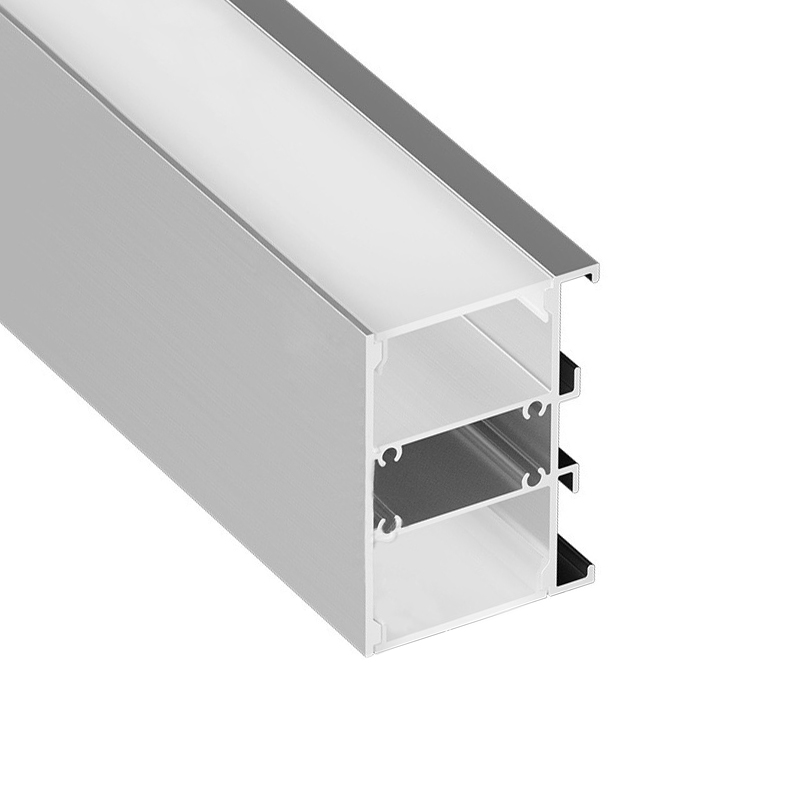
Silver Commercial Wall Sconce | Up/Down LED Light - 60mm
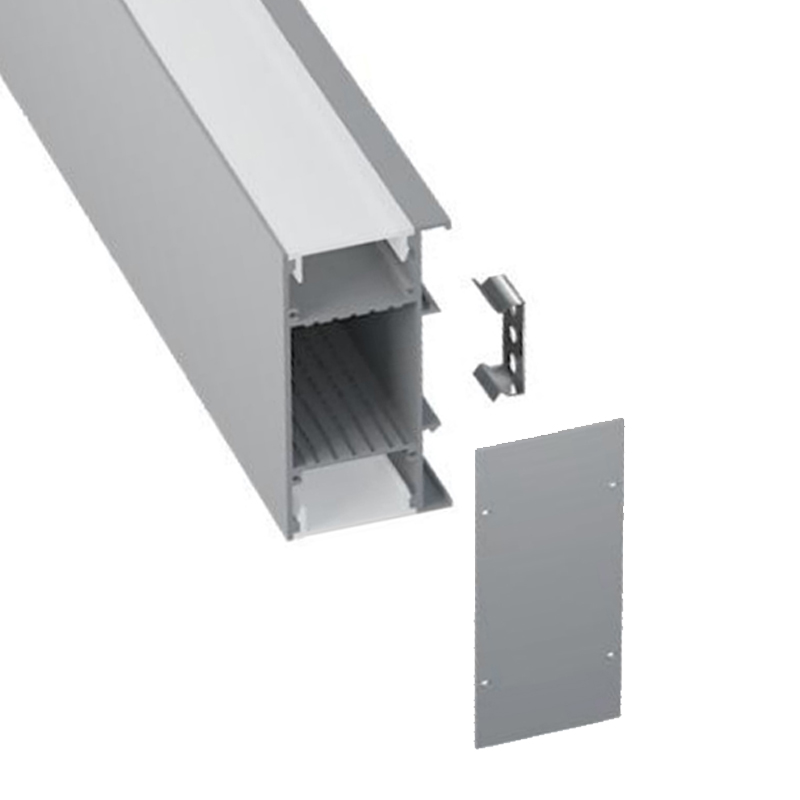
Wall Mount LED Channel for Double Row Strip | 20mm Aluminum Profile
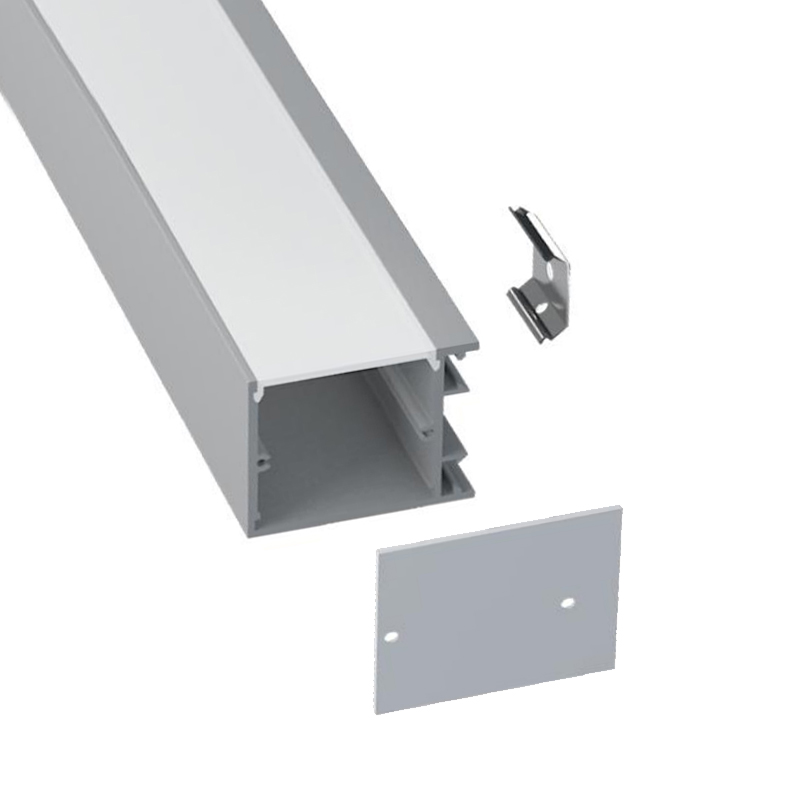
Drywall LED Channel for 32mm Triple Row Rope Light - Seamless Look
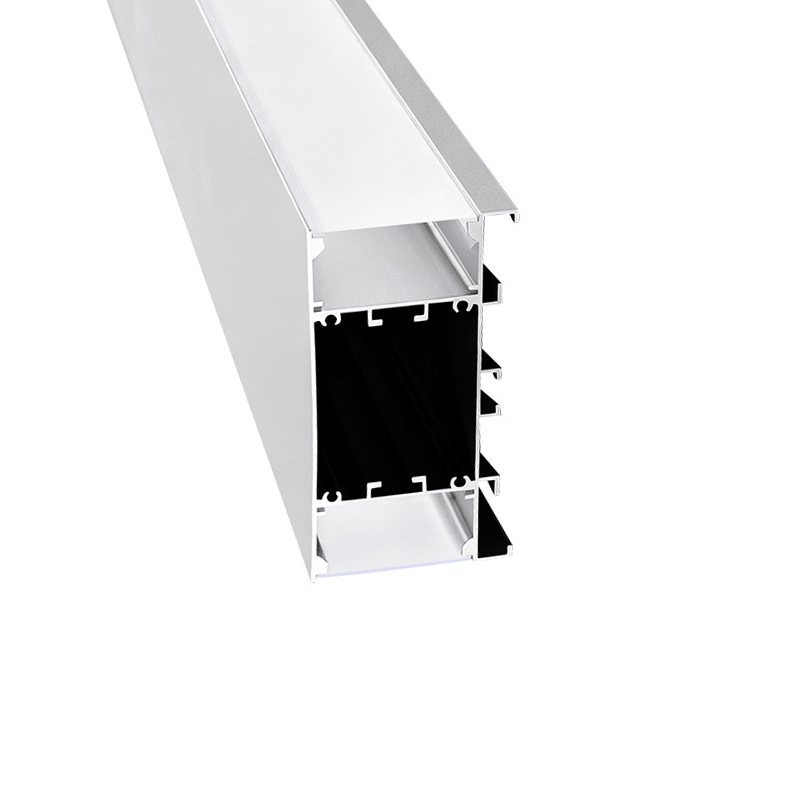
Linear Silver LED Wall Sconce Up Down Lighting Profile
Why Choose LED Aluminum Wall Light Channels Instead of Traditional Wall Sconces?
Traditional wall sconces are usually complete fixtures with a fixed housing, fixed light source, and predefined light distribution. LED aluminum wall light channels offer a different approach by separating the profile structure from the LED light source, allowing designers to select the LED strip, light color, output, and control system according to the project.
For architects and interior designers, this creates more freedom when the wall lighting needs to follow the proportions of the interior rather than the dimensions of a standard wall fixture. SuperLightingLED's linear up/down wall light profiles are available in different face heights and projection depths, with 1m, 2m, and 2.44m profile lengths and compatibility with LED strips from approximately 5mm to 32mm wide.
This makes the aluminum profile particularly attractive for projects requiring continuous linear wall lighting, customized fixture proportions, or coordinated lighting across multiple spaces.
From Wall Sconce to Architectural Linear Lighting
A linear LED aluminum wall channel can instead become part of the wall's architectural composition. It can define a horizontal line, divide a wall into visual layers, wash the wall or ceiling, provide directional illumination, and coordinate with other linear lighting systems throughout the building.
This makes LED aluminum wall light channels particularly attractive to projects that want a consistent architectural lighting language across corridors, bedrooms, public areas, hospitality spaces, and exterior architectural applications. Our wall sconce LED channel range also includes finishes such as black, silver, and white to support different interior design approaches.
Frequently Asked Questions About Linear Up Down Wall Light Channels
Your project's already on our shelf. Here are the questions we get asked the most before an order gets placed.
It creates a much more balanced and comfortable light. A standard downlight can create harsh shadows on the floor, but when you have light going both up and down, it bounces off the ceiling and floor to fill the space more evenly. This is why you see up down LED wall sconces so often in long hallways, corridors, and living rooms — they make the space feel bigger and more welcoming.
It depends on the model. Most are surface-mounted: you screw the included mounting clips to the wall, and the aluminum channel just snaps into them. The product page for each channel always shows its mounting type.
You absolutely can, but it requires a different wiring setup. Instead of wiring both strips in parallel to one controller channel, you'll need to run separate feeds for the top and bottom strips. Then you connect them to a multi-zone controller. This lets you dim them independently or even have different colors if you're using RGBW LED strips.
Think about scale. A huge, double-height lobby wall needs a profile with a tall face to look substantial, like our 90mm models. A small residential hallway or bathroom would be overwhelmed by that; a sleeker profile with a 15mm or 25mm face height is a better fit. Our range covers face heights from 15mm to 90mm to match the visual weight your design needs.
They do. You simply wire the positive and negative leads from both the top and bottom LED strips in parallel back to a single LED driver. The important part is sizing the driver correctly. Add up the total wattage of *both* strips, then choose a driver with a capacity at least 20% higher than that total. Don't max it out.
It's not just for looks — it's the heat sink. Heat is the number one killer of LEDs. An LED strip stuck directly to drywall will overheat and its lifespan will drop dramatically. The aluminum channel pulls heat away from the LEDs, which is critical for them to last their rated lifespan.
Absolutely. Send us your required lengths. An engineer here will spec out the parts, create a wiring diagram, and send you a quote, usually the same business day and always within 12 hours. We can customize length, finish, and even pre-install and solder the strips for you.
It's pretty straightforward. First, mount the aluminum channel to the wall. Second, clean the inside of the channel and stick your LED tape light inside. Third, run your low-voltage cable from the channel back to where your driver is hidden. Fourth, connect the strip to that cable. Finally, snap on the plastic diffuser cover. That's the basic install.