
Wall Wash LED Channels
45 products
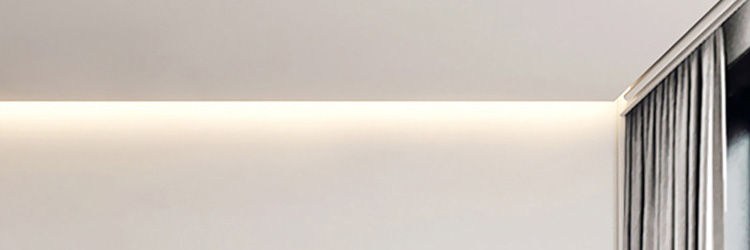
Modern Architectural Wall Wash Lighting for Interior Spaces
Wall wash lighting is widely used in modern interior architecture to make walls appear brighter, taller, and more visually expansive. Traditional wall washing often relies on separate, rigid wall-washer LED fixtures that are relatively large and visually noticeable, which can make it difficult to integrate lighting cleanly into minimalist interior designs.
Aluminum LED strip light channels provide a more integrated approach. By positioning the LED strip at the ceiling, ceiling edge, wall junction, or another architectural surface, the profile can control the direction of the light while keeping the light source visually discreet. This makes it possible to create continuous wall illumination without relying on bulky standalone fixtures.
With different aluminum profile structures and mounting positions, SuperLightingLED provides wall wash solutions for both direct and indirect architectural lighting, allowing the lighting effect to be coordinated with flat ceilings, suspended ceilings, drywall, and other interior structures.

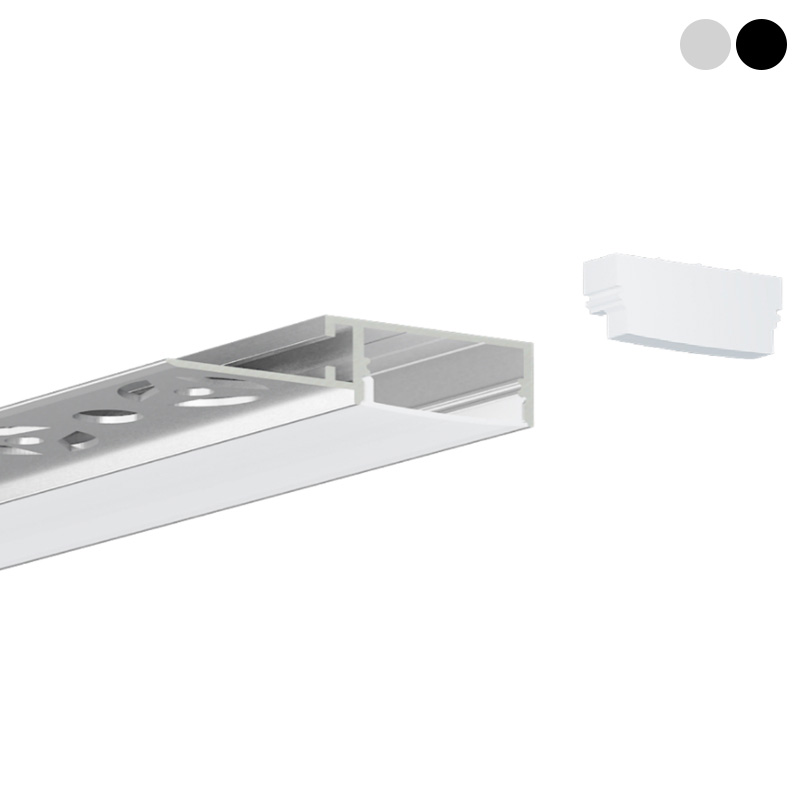
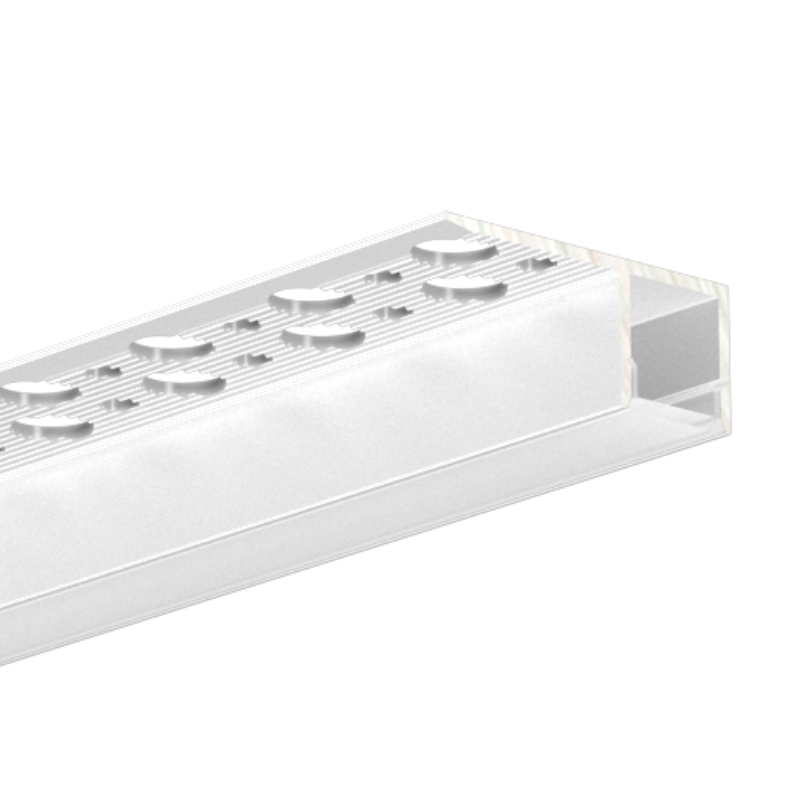
Soft Grazing Indirect Wall Wash LED Strip Mud-in Lighting Extrusion
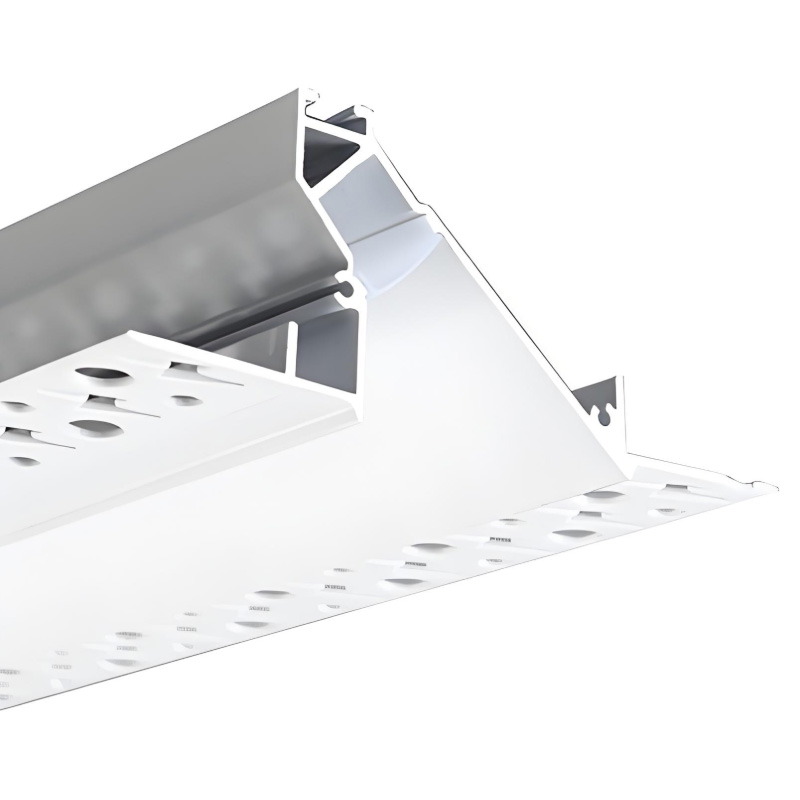
Drywall Recessed Cove Light Profile MS-HGD03 - Angled Wall Wash LED Trim
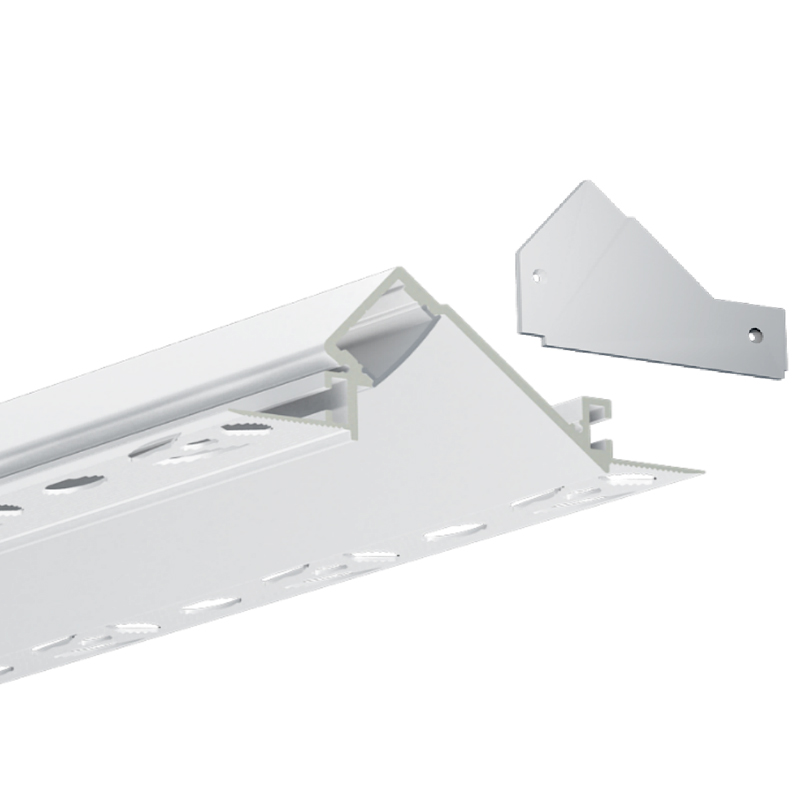
White Large 45 Degree LED Wall Wash Light Profile
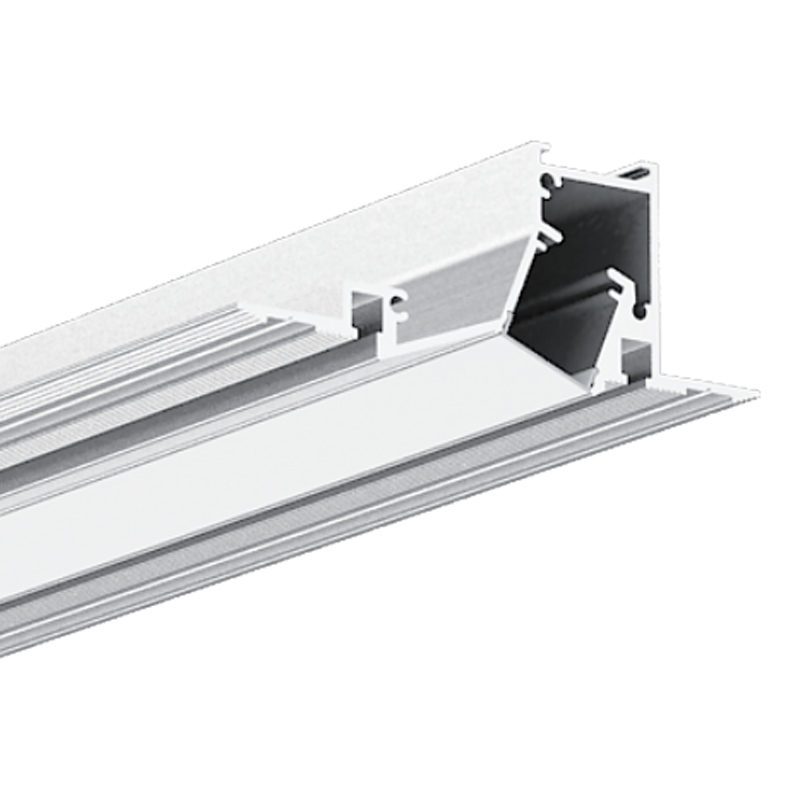
Ceiling Recessed 45° Slanted LED Interior Wall Wash Lighting Profile
LED Curved Wall Waist Line Strip Light Channel
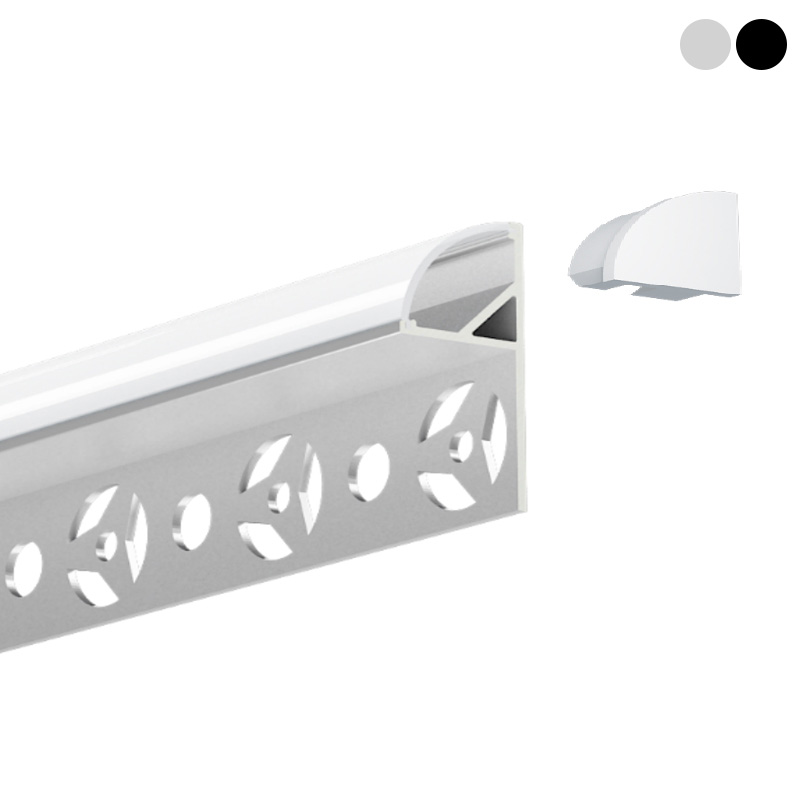
1616L LED Outside Corner Tile Trim Profile For 10mm Strip Lights
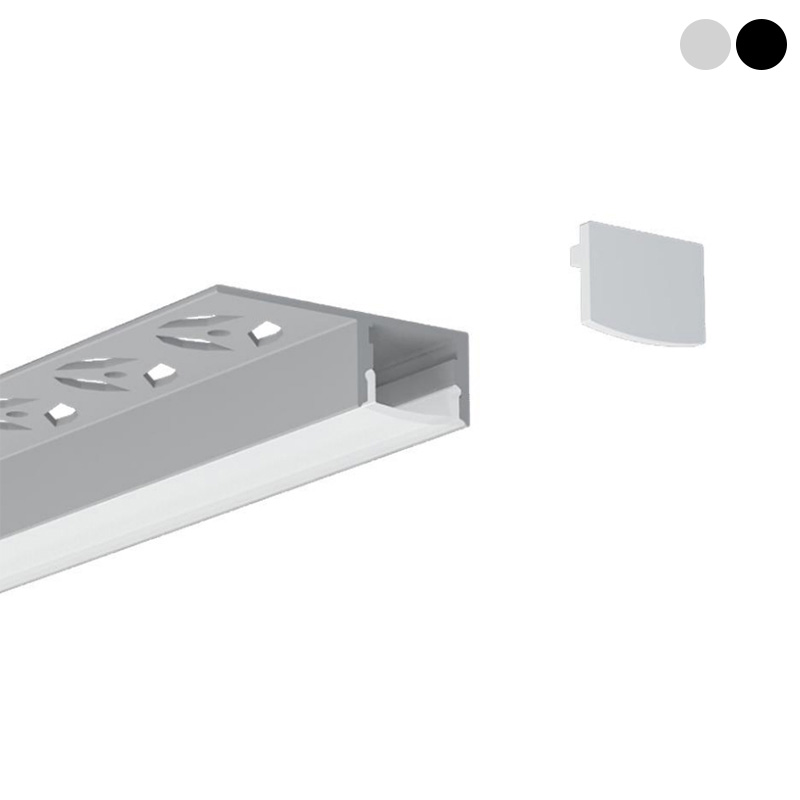
Plaster In LED Channel Light Diffuser for 12mm LED Strip - Shop Now!
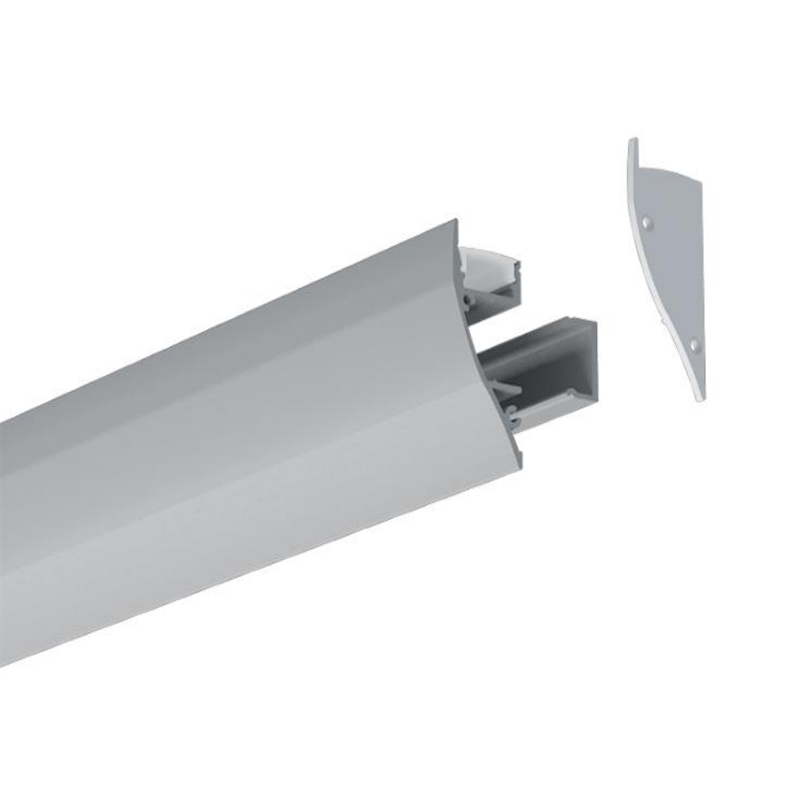
Drywall LED Profile Aluminum Channel for 12mm LED Tape Lights - Shop Now!
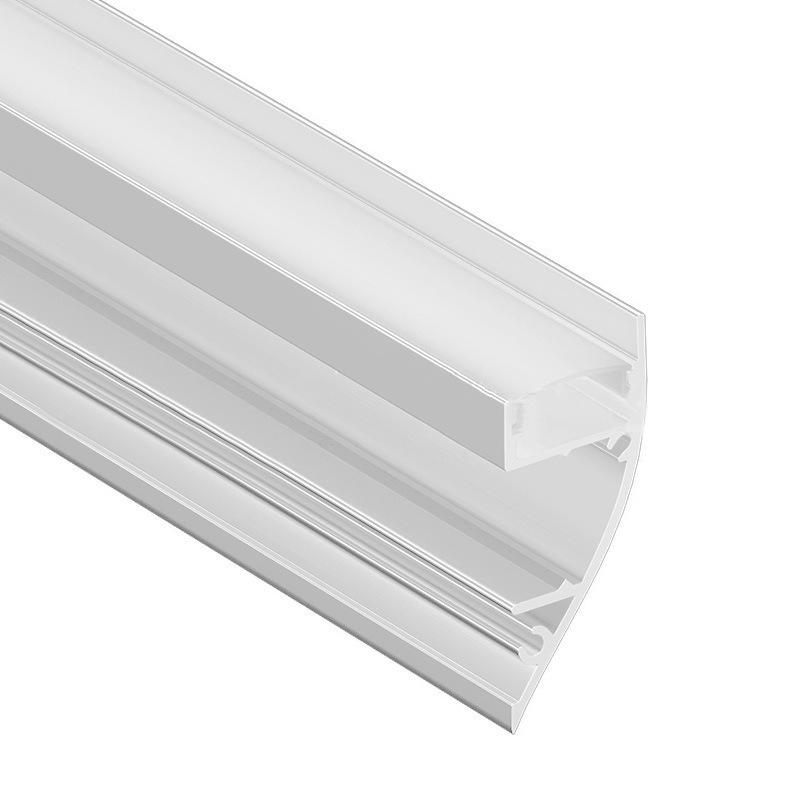
White Contemporary Small Up Light Crown Wall Sconce Molding For LED Strip
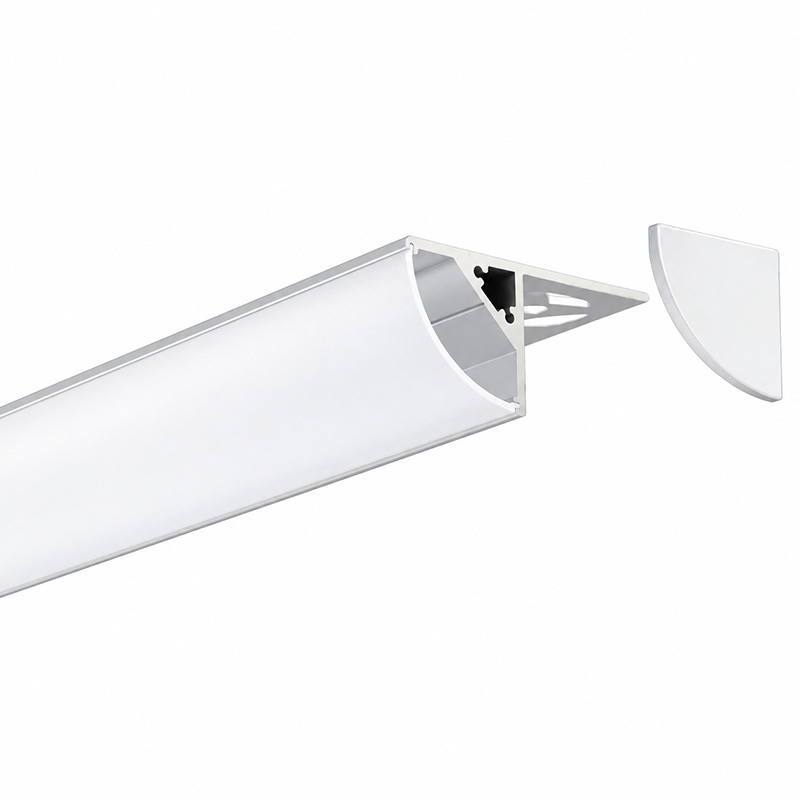
Recessed 45-Degree Corner Aluminum LED Profile For 15mm Bright Strip Lights
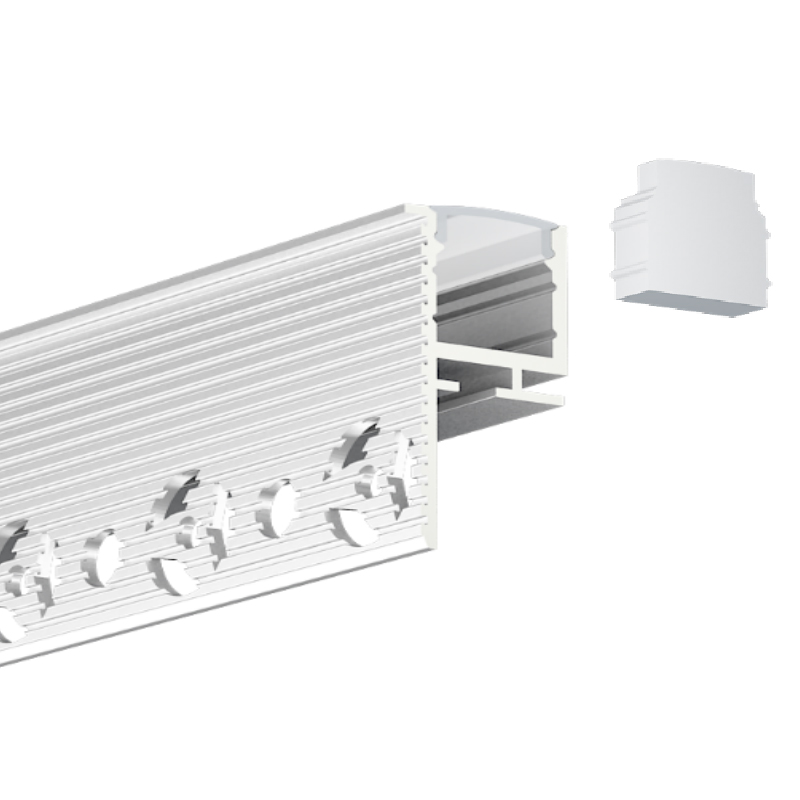
Recessed Linear Wall Washer LED Strip Profile
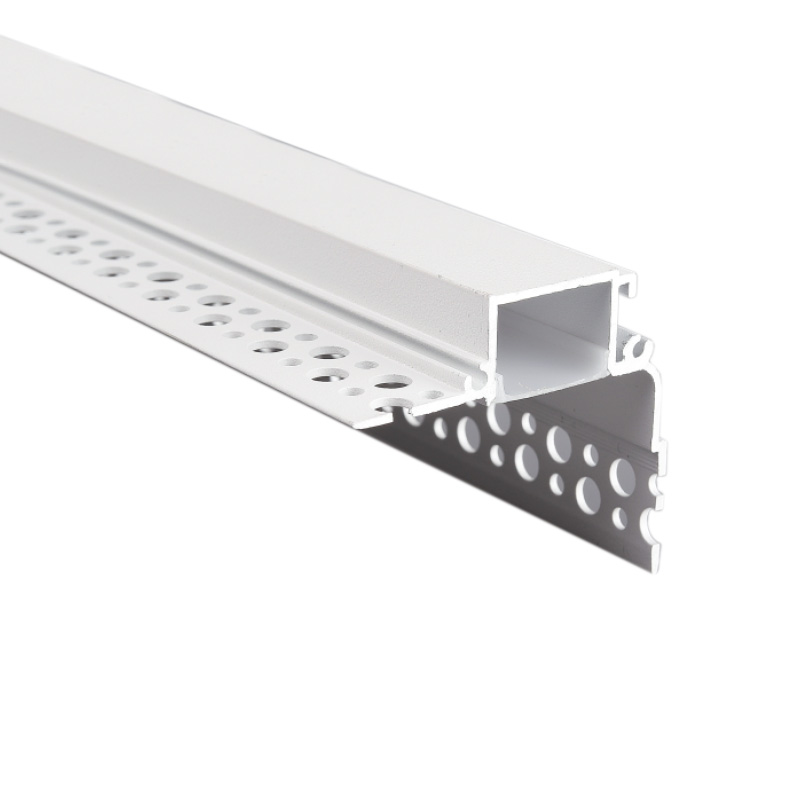
Plaster Ceiling Frontier Direct Down Lighting Cornice LED Strip Molding
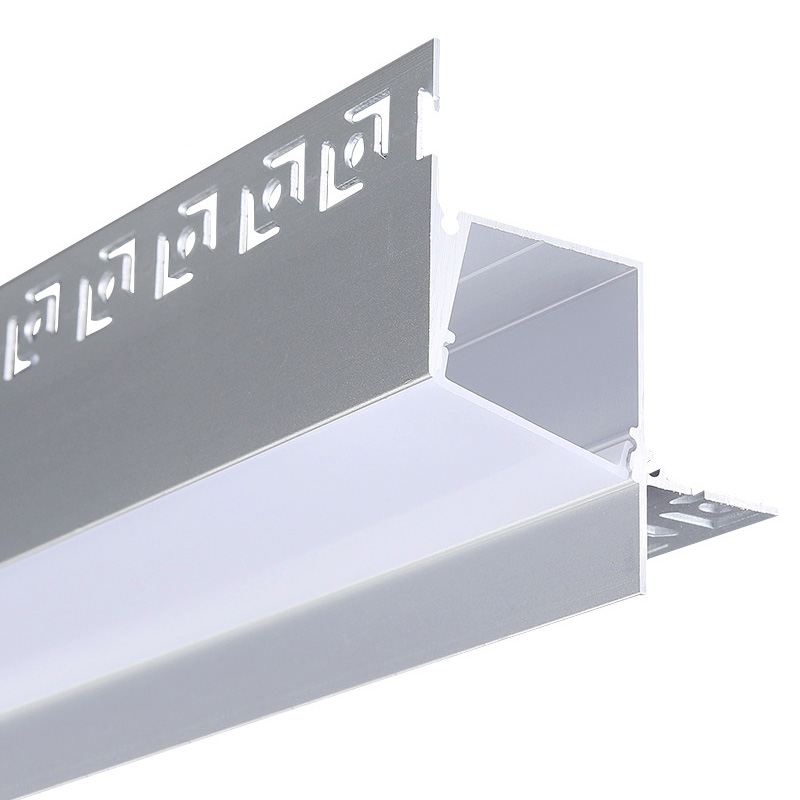
Concealed LED Wall Border Profile | Seamless Cove Lighting
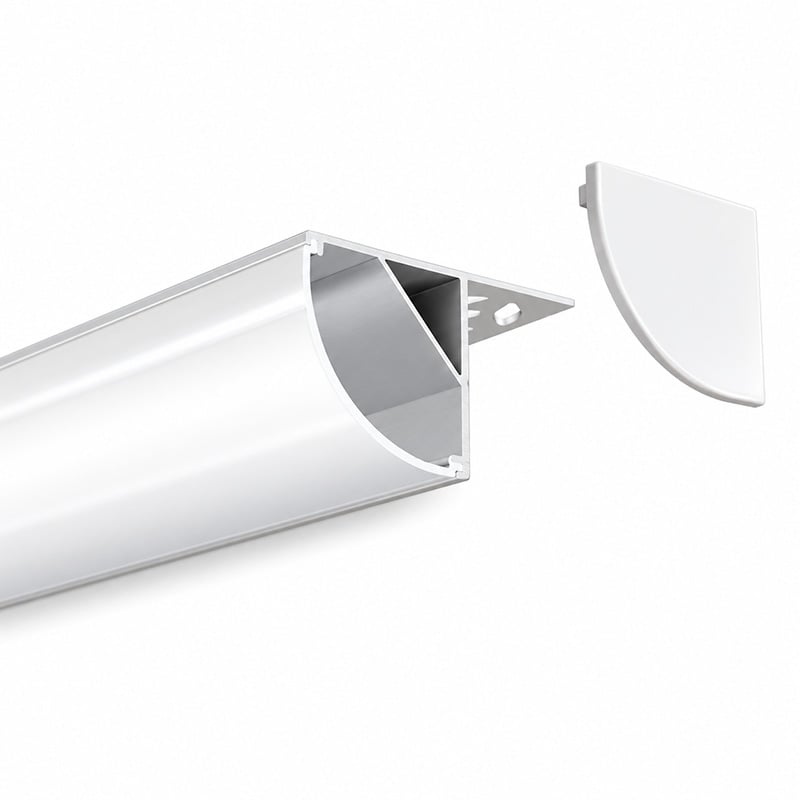
Recessed 1.18" Corner Mount LED Strip Channel For 20mm Bright Light
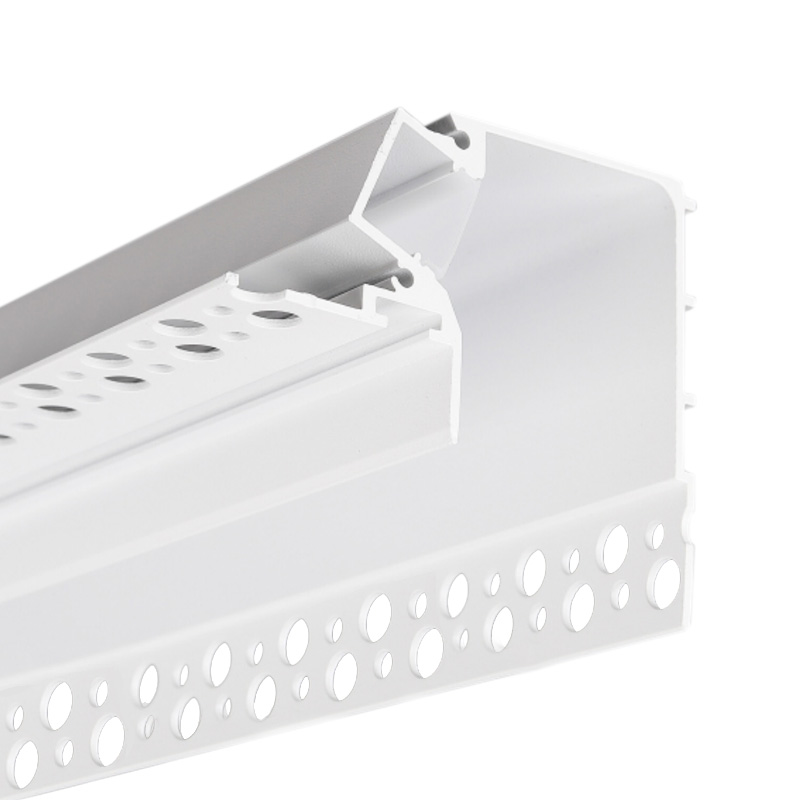
Plaster Wall LED Ceiling Perimeter Indirect Lighting Cove Molding
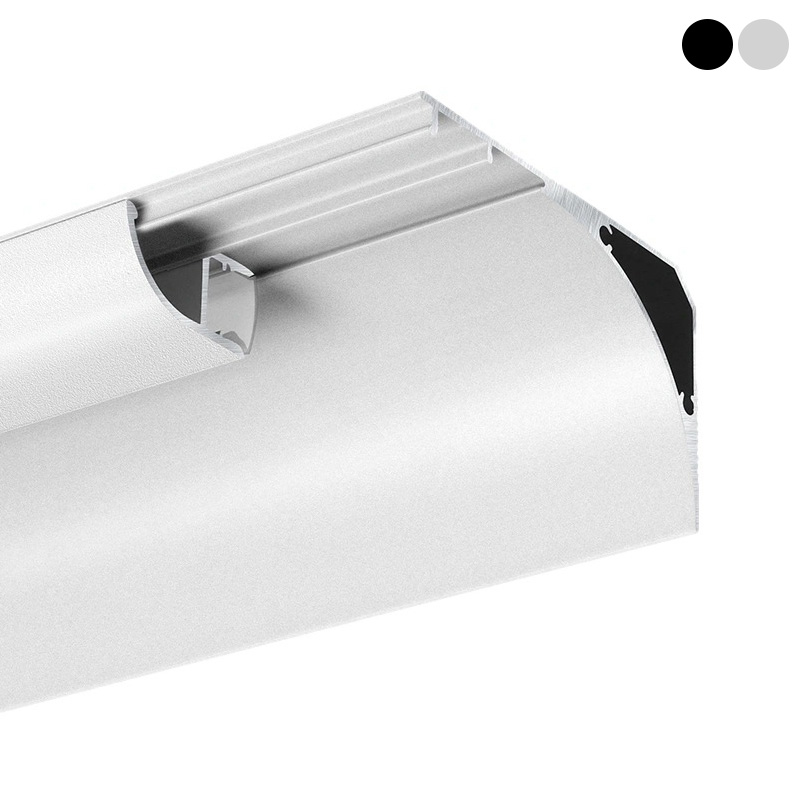
Versatile Aluminum LED Cornice Moulding
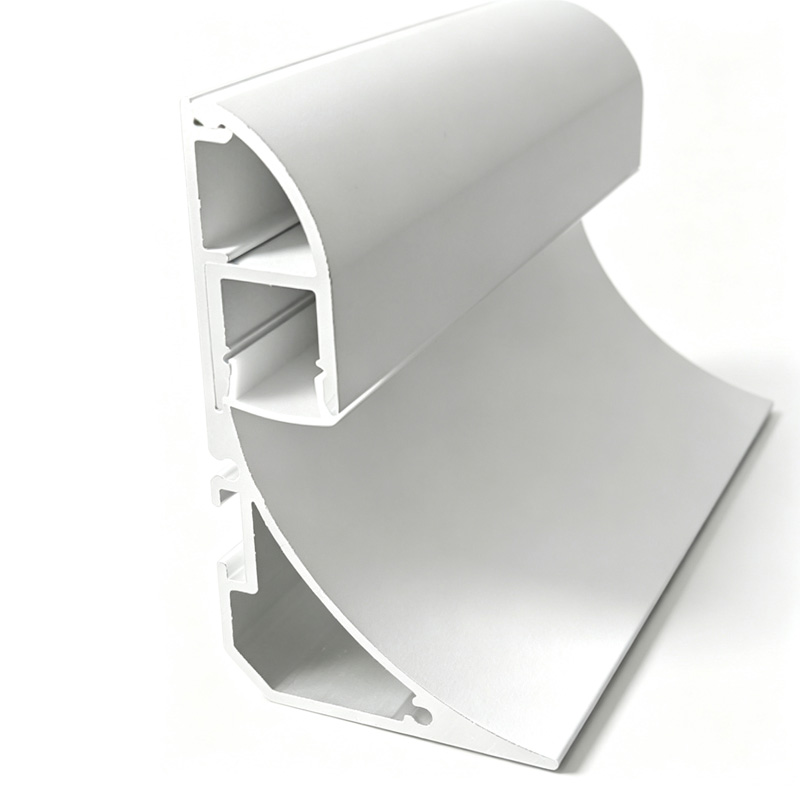
Sleek Indirect LED Modern Ceiling Cornice Moulding For 8mm Tape Lighting
Four Ways to Create Indoor Wall Wash Lighting
The final wall wash effect depends largely on where the LED channel is installed and where the light is directed. For interior projects, the profile can be integrated into the ceiling-wall junction, recessed into the architectural structure, or mounted close to the ceiling and aimed toward the wall.
Each position produces a different relationship between the light source, wall surface, and surrounding architecture.
1. Ceiling-to-Wall Junction Wall Wash Lighting
Hidden LED Channels for Soft, Even Wall Illumination
One of the most seamless wall wash solutions is to install the direct-light or indirect-light LED aluminum channel (QSG-4712, QSG-3213/3213LR, QSG-3811, QSG-3612/3612LR/3612UD, QSG-3712, MS-HGD5024, HGD5060, HGD02, HGD01, HGD04A, MS7564, HG6, XT482, QSG-3820, QSG-3825, QSG-6058, AL9570, MS7962, 4533/4533A, KE101, QSG-5235, QSG-8556/8556B, QSG-4538) at the junction between the ceiling and wall, keeping the profile visually integrated with the architectural structure.
The LED strip directs light downward across the wall surface, creating a soft and continuous wash from the upper wall toward the lower area. Because the light source is concealed at the ceiling perimeter, the wall appears to glow without a prominent lighting fixture interrupting the interior design.
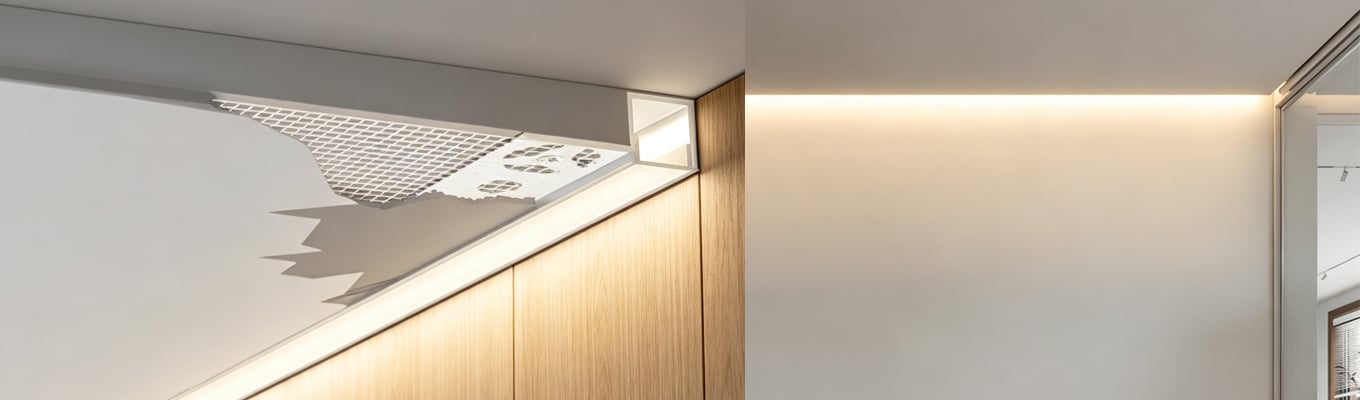
This approach is particularly suitable for:
- Residential interiors
- Hotel rooms and corridors
- Living rooms and bedrooms
- Reception areas
- Minimalist architectural spaces
It can also visually raise the ceiling and extend the perceived boundaries of the wall, helping the space feel more open and three-dimensional.
2. Recessed Ceiling-Mounted Angled Wall Wash Lighting
Another practical interior wall wash lighting solution is to install the aluminum channel (MS-9537, MS-HGD03, QSG-10037, QSG-8936) directly on the ceiling close to the wall, with the LED strip angled toward the wall surface.
Instead of placing the profile exactly at the wall-ceiling junction, this configuration creates a controlled setback between the light source and the wall. The angled output allows light to spread across the wall surface while keeping the LED source away from the main viewing direction.
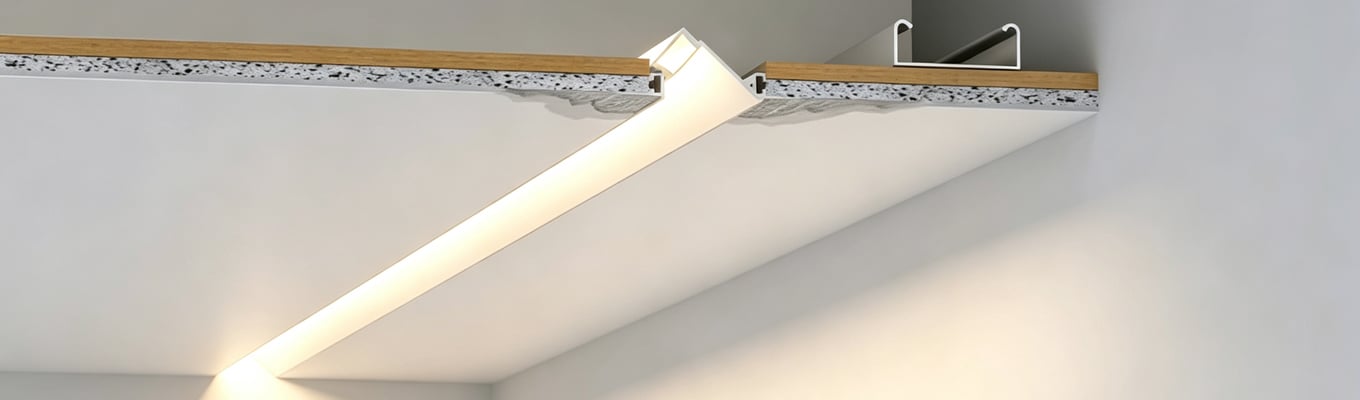
This solution is particularly suitable for new construction, drywall ceilings, and architectural projects where the lighting system can be coordinated with the ceiling structure from the beginning.
The recessed angled position provides several design possibilities:
- Broader wall illumination when the channel is positioned farther from the wall
- More concentrated wall washing when the channel is positioned closer to the wall
- Reduced visibility of the LED source through recessed installation
- A clean ceiling finish with minimal visible hardware
It is an especially useful solution when designers want the wall to remain visually dominant while the LED channel itself stays integrated into the ceiling architecture.
3. Surface-Mounted Linear Wall Wash Lighting
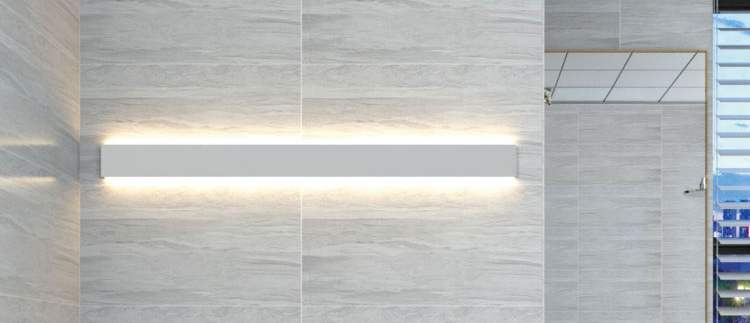
Surface-mounted linear wall wash LED strip channels (QSG-1844, WALL-4318, QSG-4235) provide a straightforward solution when the wall surface or ceiling structure cannot be modified for recessed installation. The aluminum profile is fixed directly onto the wall surface and uses the integrated LED strip to produce a linear lighting effect.
This approach is particularly useful for renovation projects, finished interiors, and applications where convenient installation and accessibility are important. It can also function as a visible architectural light element rather than a completely concealed lighting source.
For projects that specifically require a linear wall sconce or up-and-down wall lighting effect, SuperLightingLED offers a dedicated Linear Up Down Wall Light Channels collection. These profiles are designed specifically for wall-mounted linear lighting applications and provide more dedicated solutions for decorative wall illumination.
4. Dado-Level Wall Wash Lighting for Layered Wall Designs
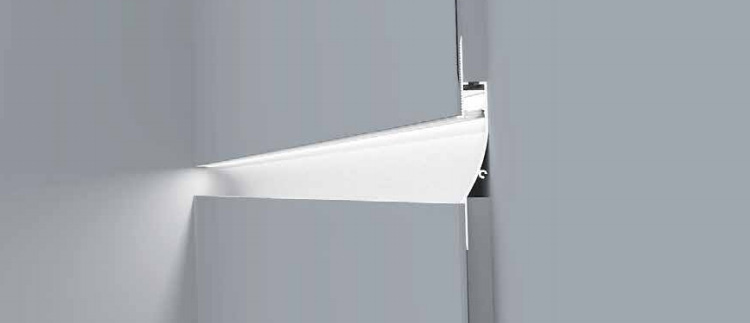
Wall wash lighting does not always have to begin at the ceiling. For layered wall architecture, the LED profile (QSG-4013LR, QSG-4320, QSG-1616L, QSG-4220, QSG-3030L, TILE-601) can be installed at a selected dado or waistline level, using the relationship between the aluminum channel and wall panels to create a continuous horizontal lighting feature.
Instead of simply attaching a light fixture to the wall, the profile becomes part of the wall construction. The surrounding panel, plaster, wood, tile, or other decorative surface can be arranged above and below the channel to establish different wall levels, proportions, and material transitions.
The LED strip can then be directed along the adjacent wall surface to create a controlled linear wall grazing or wall wash effect at dado level.
This approach is useful for: Feature walls, Hotel interiors, Corridors and circulation areas, Stair walls, Wood and decorative wall panels, Commercial and hospitality spaces.
The installation height can be coordinated with furniture, wall-panel dimensions, artwork, architectural divisions, or circulation requirements. This gives designers greater freedom to create a horizontal lighting line at the most appropriate level rather than being limited to ceiling-height lighting.
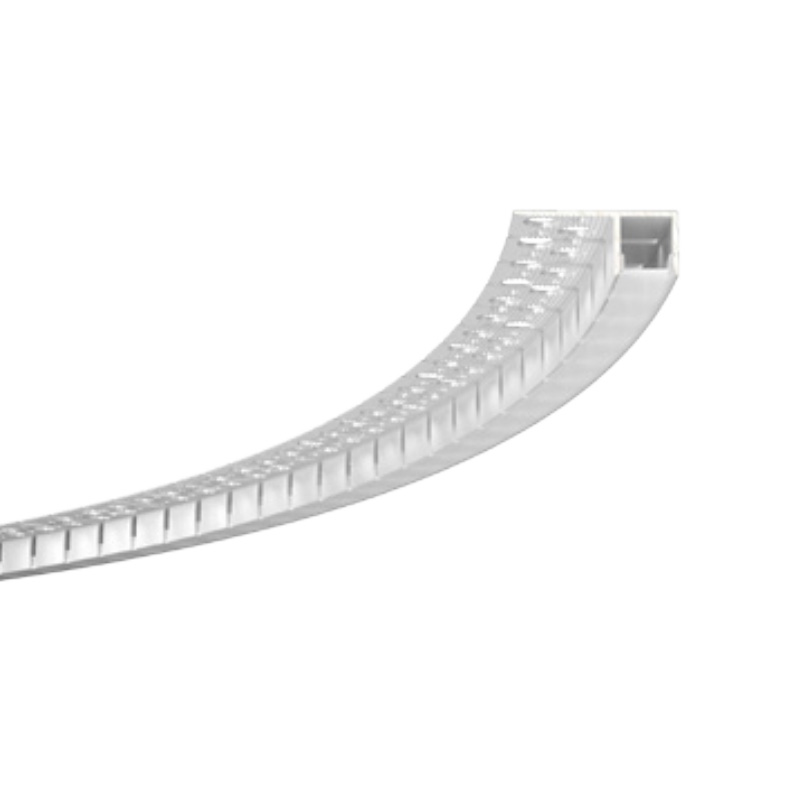
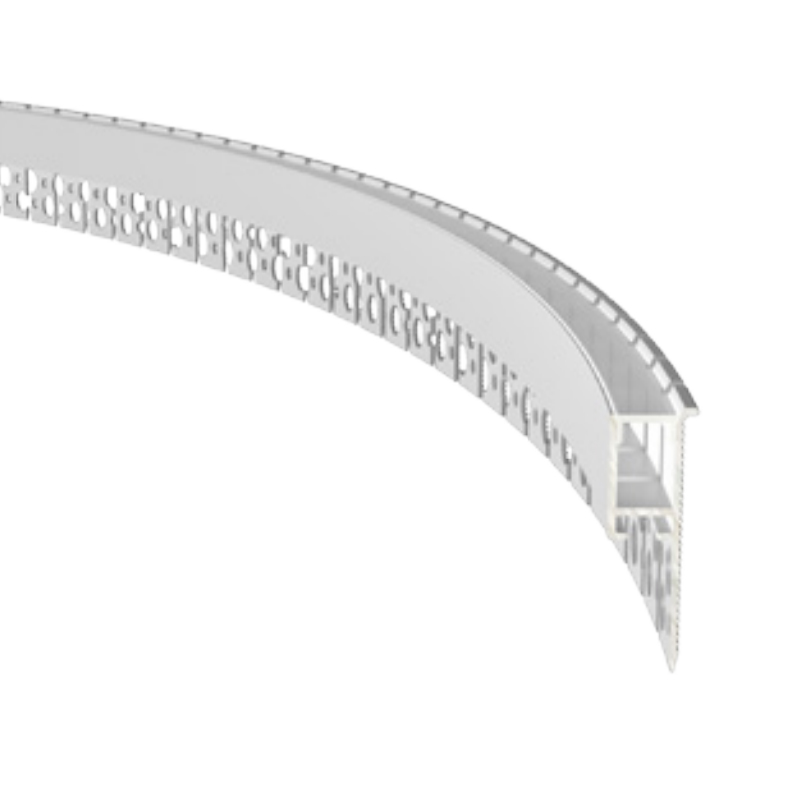
SuperLightingLED's Aluminum LED Channel range includes dedicated waistline wall-lighting profiles, including curved options, which can also be incorporated into more customized wall-panel designs.
Wall Wash vs. Wall Grazing: Position Changes the Effect
Wall washing and wall grazing are often discussed together, but they are not the same lighting effect.
Wall washing generally uses greater distance and broader light distribution to create a smoother, more even illumination across the wall. It can make a room feel brighter and more spacious.
Wall grazing positions the light source much closer to the wall so that texture produces stronger highlights and shadows. It is especially useful for stone, brick, textured plaster, and other three-dimensional surfaces.
For this reason, selecting a wall-wash channel should start with the intended surface effect, not simply the profile appearance.
Create the Wall Wash Effect With the Profile, Not a Bulky Fixture
The purpose of an architectural wall wash channel is not simply to replace a traditional wall-washer fixture with an LED strip. The aluminum profile becomes part of the lighting design by determining the LED position, viewing angle, and direction of light.
This allows the lighting system to be integrated with ceilings, drywall, wall edges, and architectural details while maintaining a continuous linear appearance.
SuperLightingLED Wall Wash LED Channels are designed around these different installation conditions, helping designers create anything from soft ceiling-perimeter illumination to directional wall washing and closer-proximity wall grazing.
Frequently Asked Questions About Wall Wash LED Channels
Your questions about creating perfect wall wash and grazing effects, answered by an engineer.
For a classic, even wall wash, a good rule of thumb is a setback-to-height ratio of 1:3 or 1:4. So for an 8-foot wall, you'd place the channel about 2 to 3 feet away from it. For a dramatic grazing effect, you'd move it much closer, maybe just a few inches. The profile’s beam angle matters a lot here, so if you can, always test a small section on-site first. Our guide on wall washing has some helpful diagrams for this.
COB (Chip-on-Board) LED strips are your best bet. They produce a completely solid line of light with no visible hot spots, which is exactly what you want for a clean, uniform wall wash. A high-density SMD strip with a good diffuser can also work, but COB is the simplest way to guarantee a perfectly dot-free finish from the start.
Creating shadow gap lighting is one of the most popular uses for these. You'll use one of our specialized plaster-in wall wash channels, installing it right at the junction of the wall and ceiling. The profile itself is designed to form a clean, recessed gap, while the internal angle directs the light down the wall. This gives your ceiling a clean, modern 'floating' appearance.
Yes, absolutely, but it creates a different effect called 'wall grazing'. Instead of a smooth wash that hides imperfections, the light will catch all the texture and create dramatic highlights and shadows. This is fantastic for emphasizing the character of brick, stone, or textured plaster. The closer you mount the channel to the wall, the more dramatic the grazing effect will be.
The purpose of a ceiling light that washs wall surfaces is to enhance the sense of space and add visual drama. By evenly illuminating a wall from top to bottom, you make the ceiling feel higher and the room feel larger and more open. It’s also an effective way to highlight artwork, architectural details, or specific finishes, turning a plain wall into a deliberate design feature.