
Silicone Diffuser For Aluminum Channel
59 products
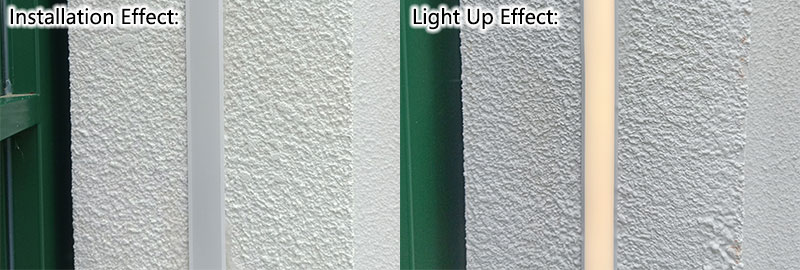
Covers for LED strip lights made of durable silicone material with good flexibility and bendability, designed for indoor and outdoor recessed lighting, can easily fit a variety of shapes and contours of lighting designs. Unlike fully enclosed led neon tubes, these neon silicone diffuser light covers have an open bottom to directly cover LED strips placed in grooves, hiding the led tape within furniture, walls, ceilings, etc. for a clean, seamless lighting effect and smooth installation. Threading LED Strips into Neon Sleeves: DIY Tips & What Not to Do
The silicone led lights cover is a great choice for LED strip projects that require creative or customized lighting solutions. Using these flexible LED strip light covers not only serves to hide the fixture, it also allows for white or black trim to decorate the LED light lines, or all-black light lines for a great visual accent and to echo modern décor. For outdoor exterior use, please choose waterproof led light strips.
Why do strip lights have diffuser covers?
Silicone LED Diffuser Light Cover can evenly distribute the spot light of LED strips, bringing you a spotless linear light line. Neon-style led tape diffuser is commonly used for interior and exterior recessed lighting. And you can use it to create any lighting shapes due to the flexibility of soft silicone material.
Silicone LED Light Housing has a neat look that hides the strip light fixture, enhancing the aesthetics and design of your lighting application. We offer a wide range of sizes, types, and colors of Silicone LED Strip Diffuser Covers. Choose a suitable one for your recessed lighting project. If your project requires a long uncut roll of the silicone led strip light cover, welcome to contact us for customization. PDFNewest Silicone LED Strip Diffuser8.1 MB
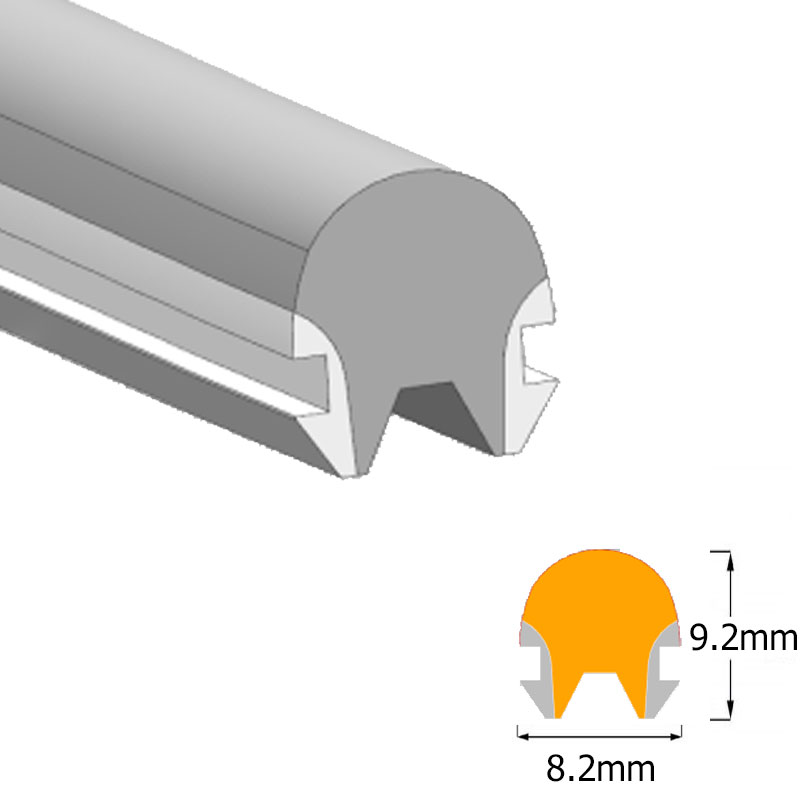
Flexible Silicone LED Strip Diffuser DIY Neon Letter Signs
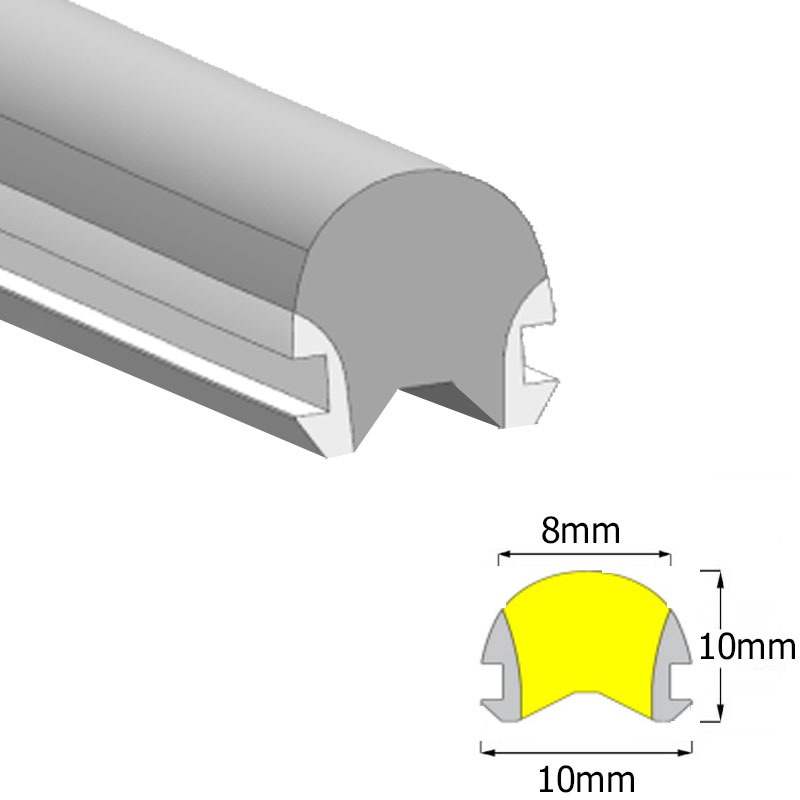
DIY LED Diffuser Bendable Silicone Neon Signage Light Cover
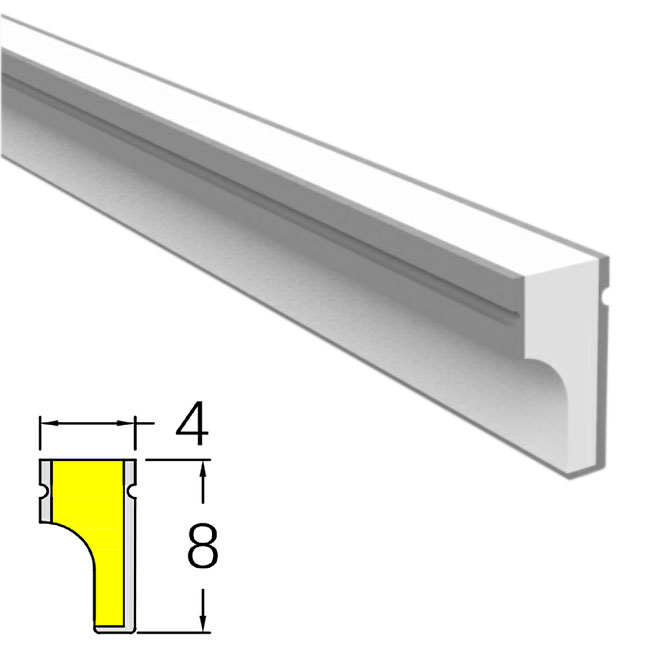
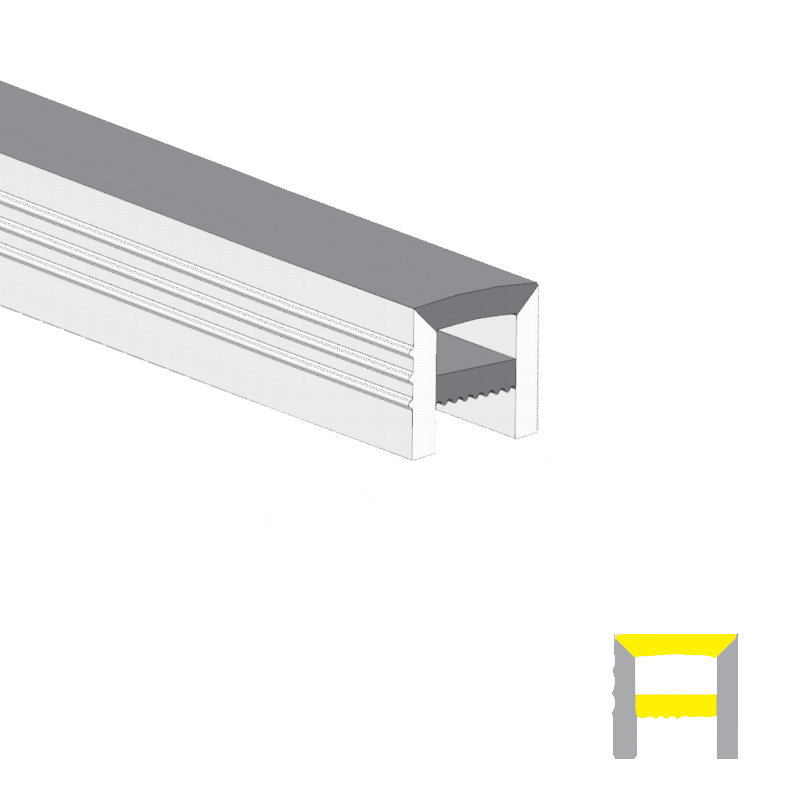
10*10mm Without Bottom LED Neon Tube - 120° With Edge Side Emitting - For 8mm LED Strip
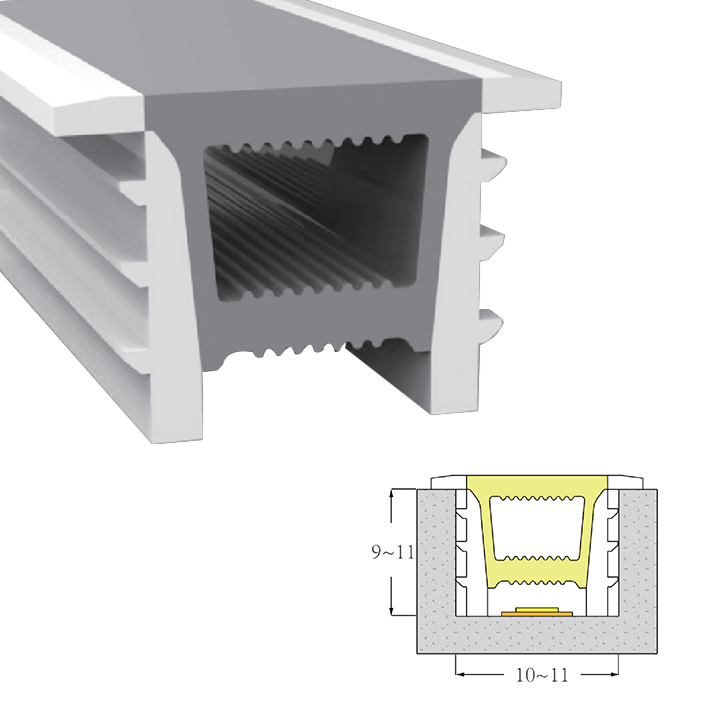
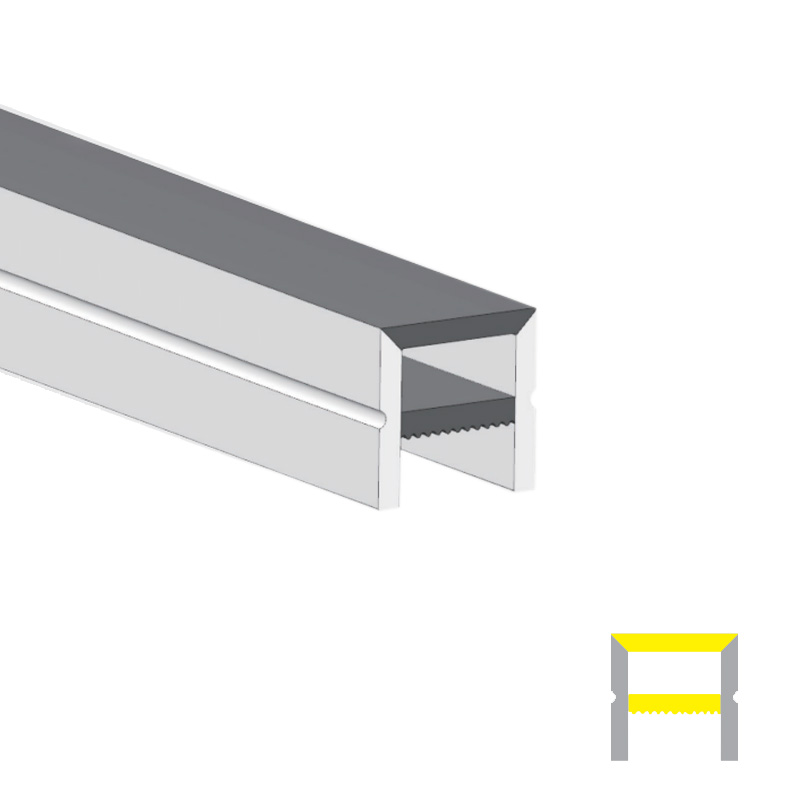
10*10mm Flexible LED Neon Tube - No Bottom With White Edge - For 5mm LED Tape Lights
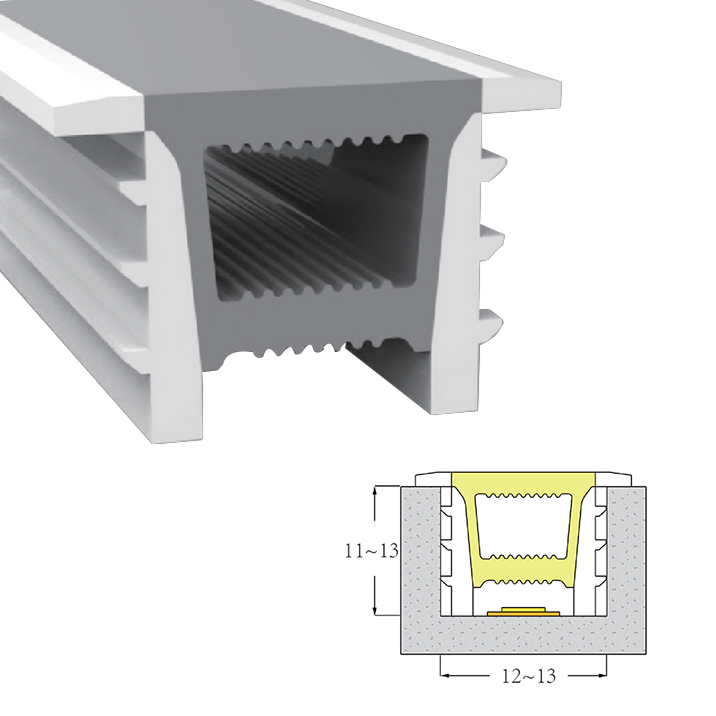
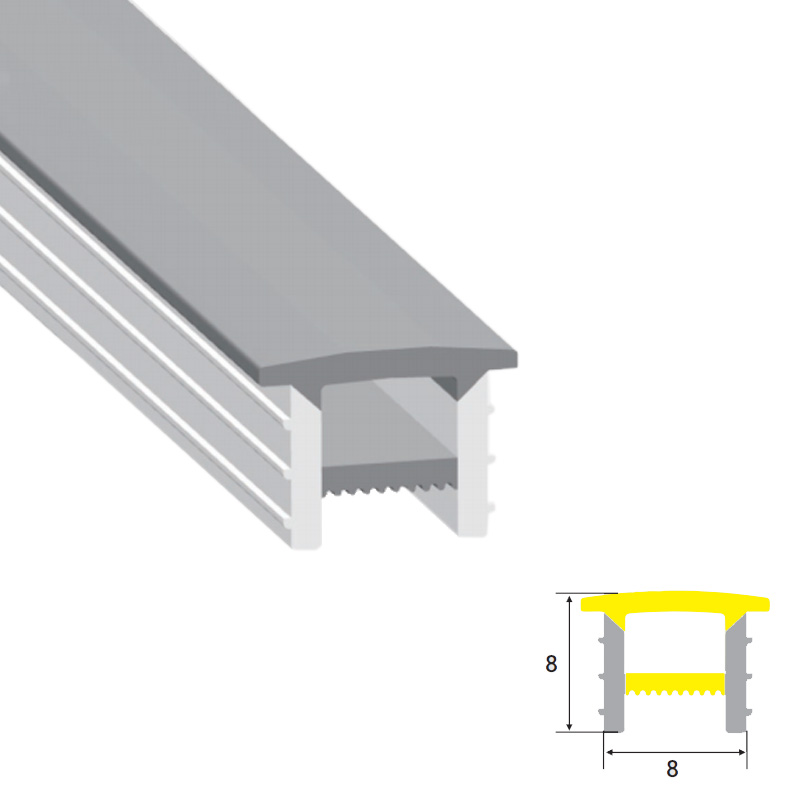
12*12mm Flexible LED Neon Tube - No Bottom With White Edge - For 5/6mm LED Light Strips
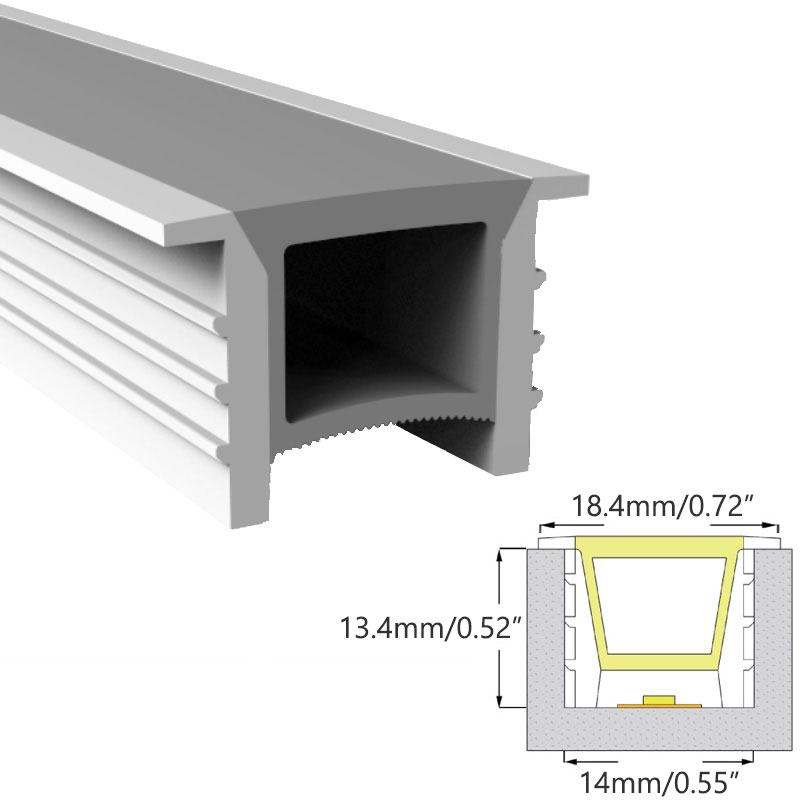
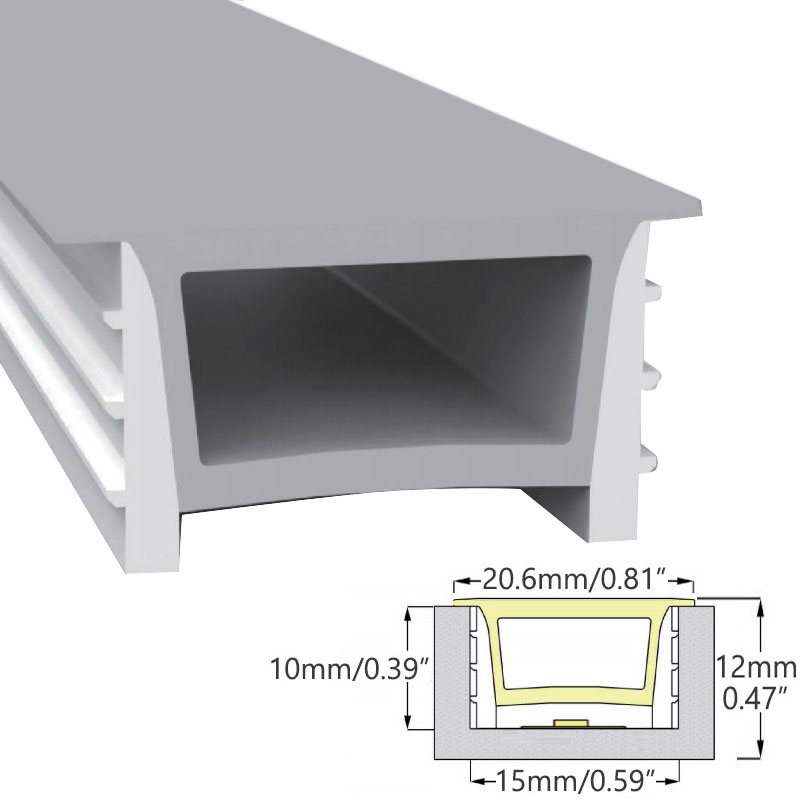
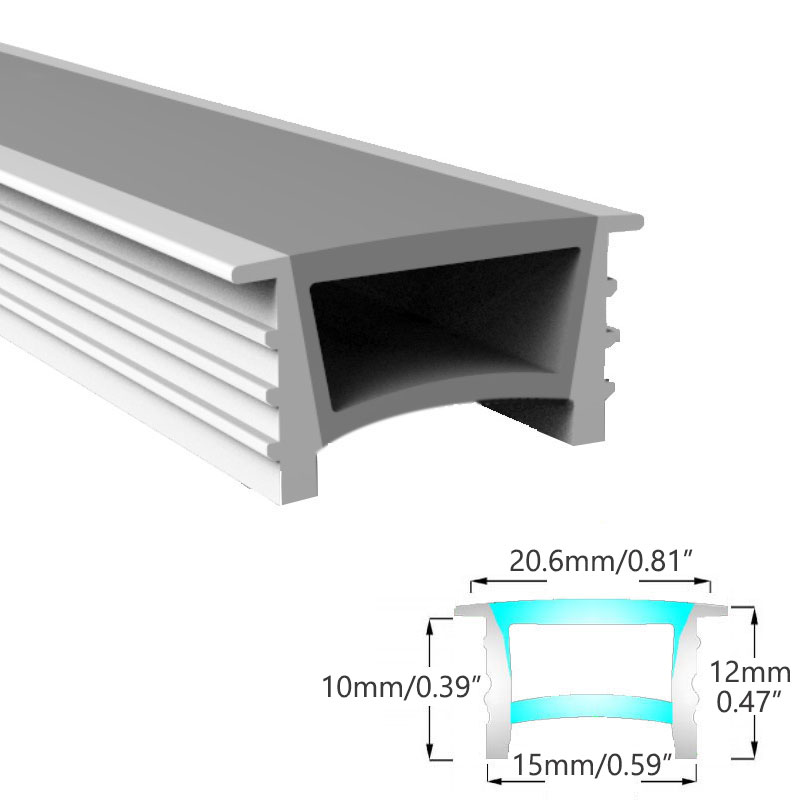
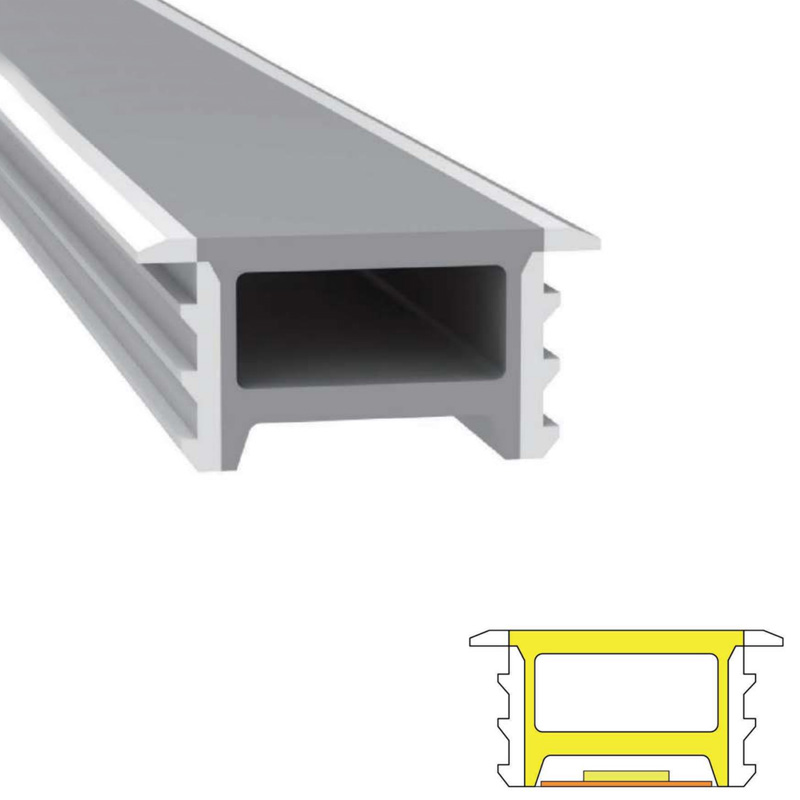
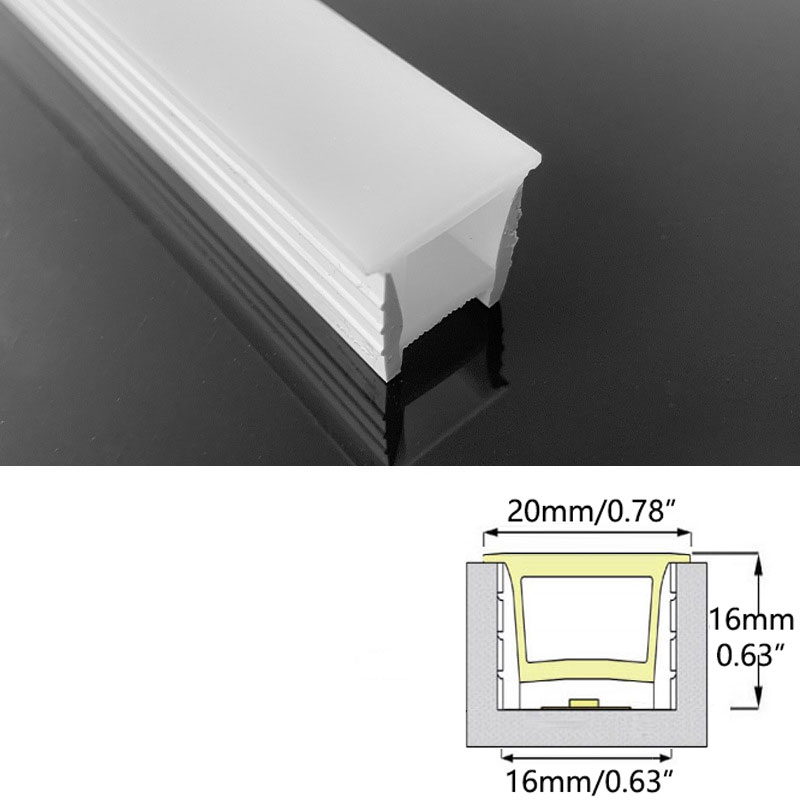
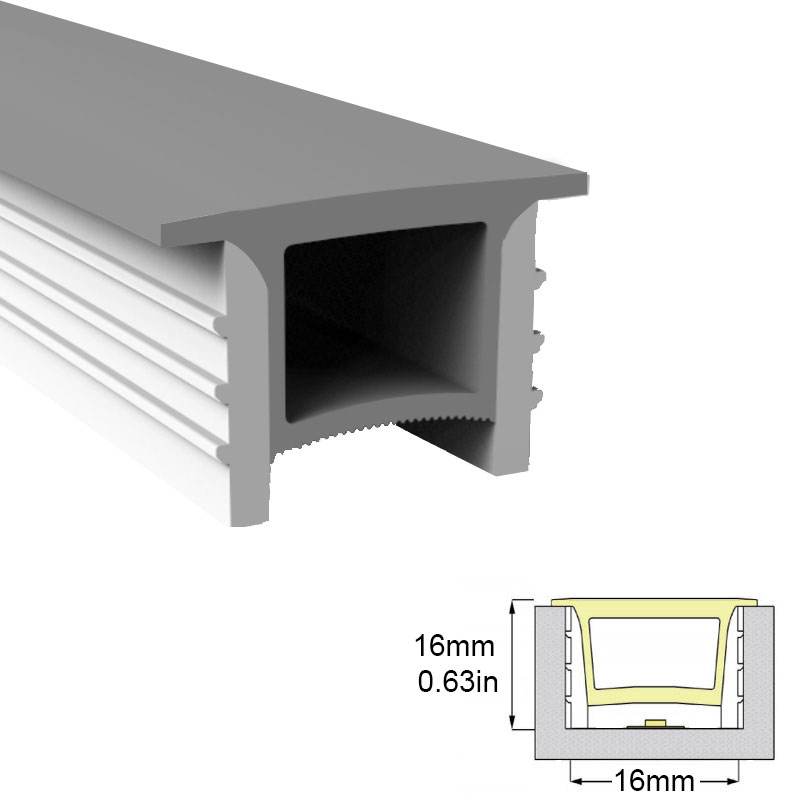
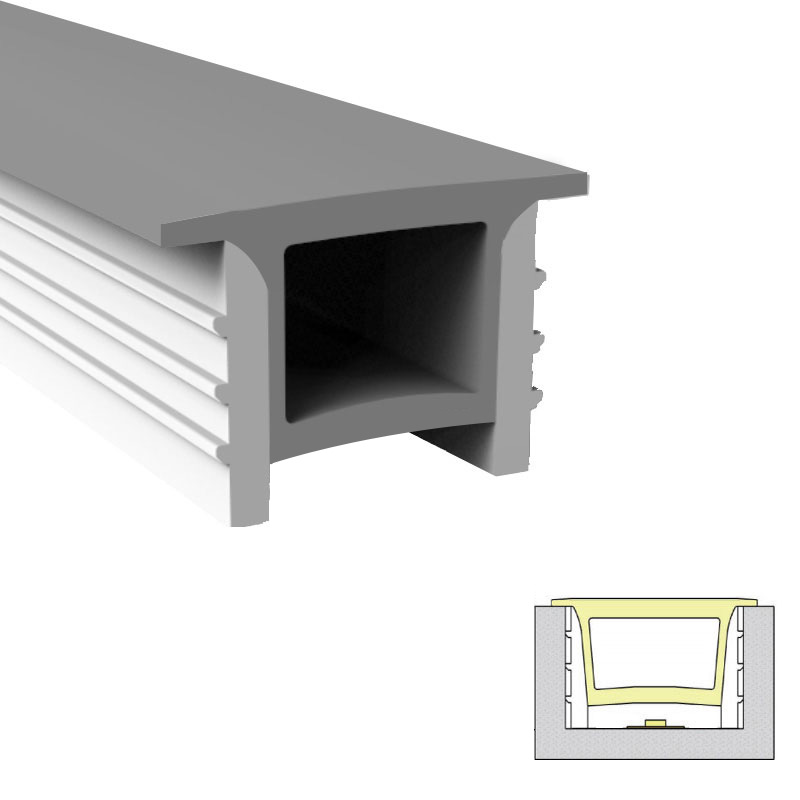
Bendable 1616L Silicone LED Light Strip Cover | Dotless Glow for 10mm Tape
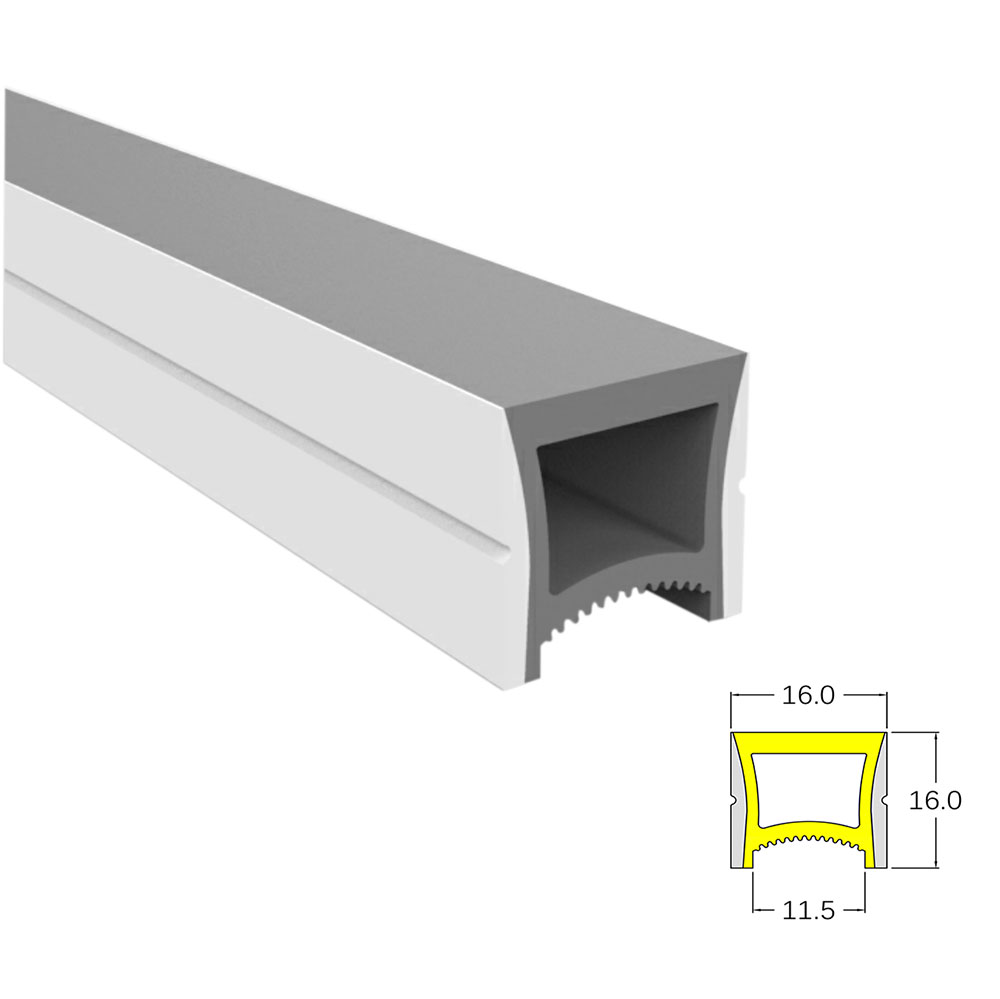
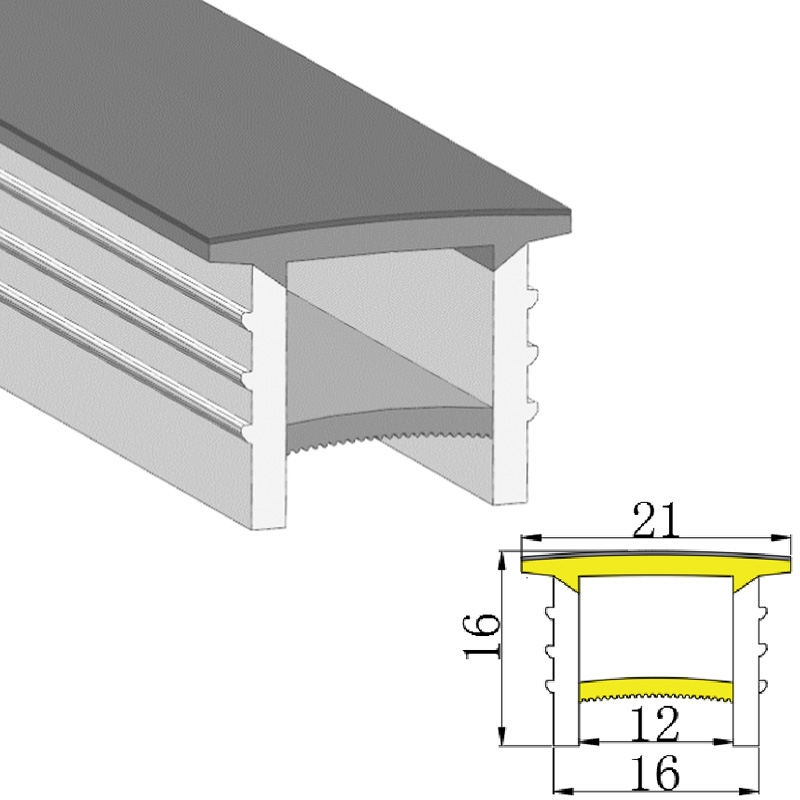
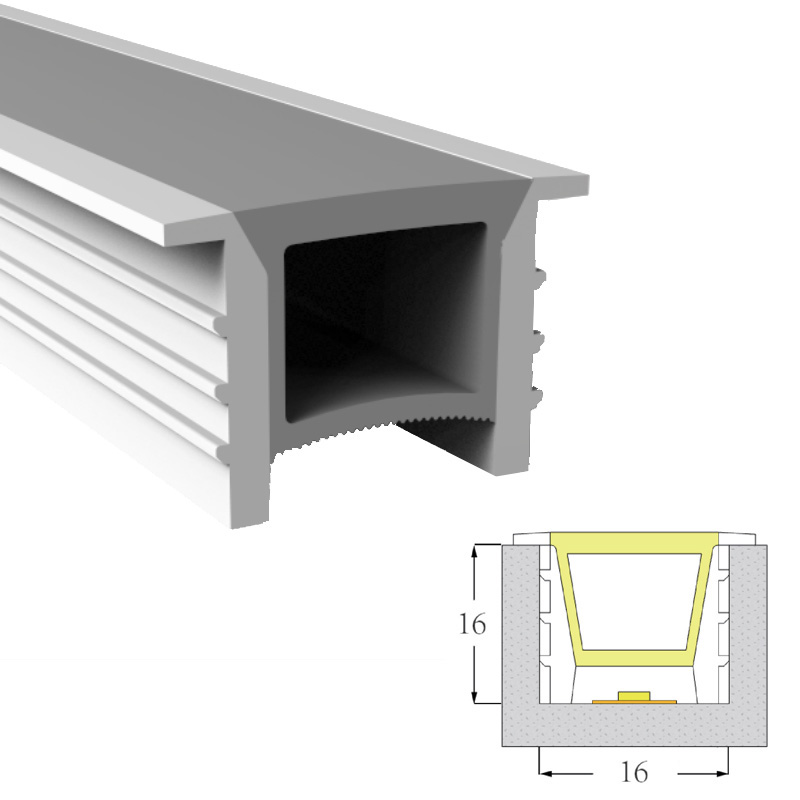
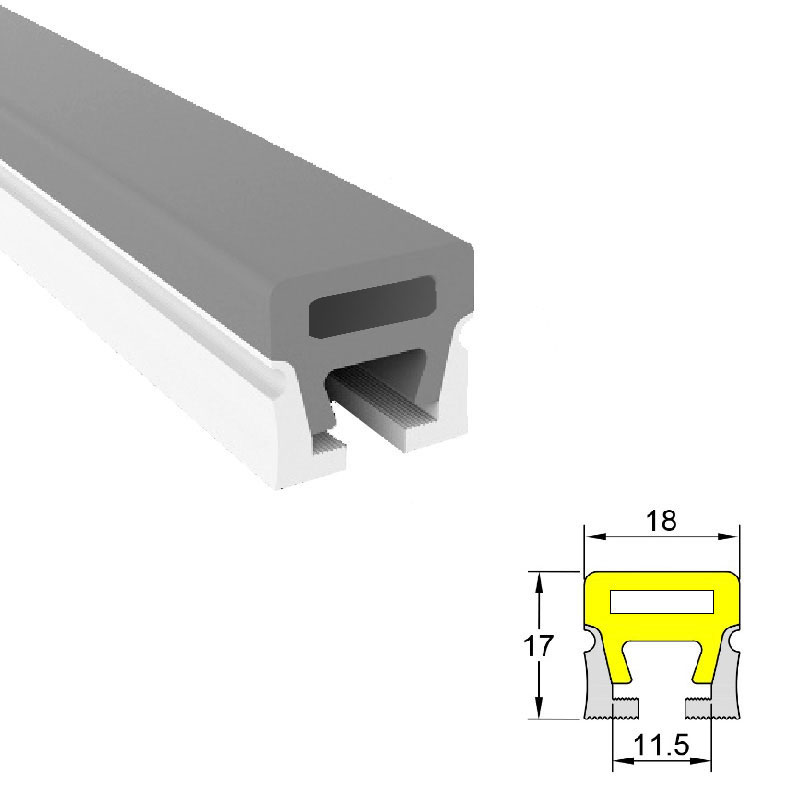
Flexible Silicone LED Channel - 180° Open Bottom for 10mm Strips
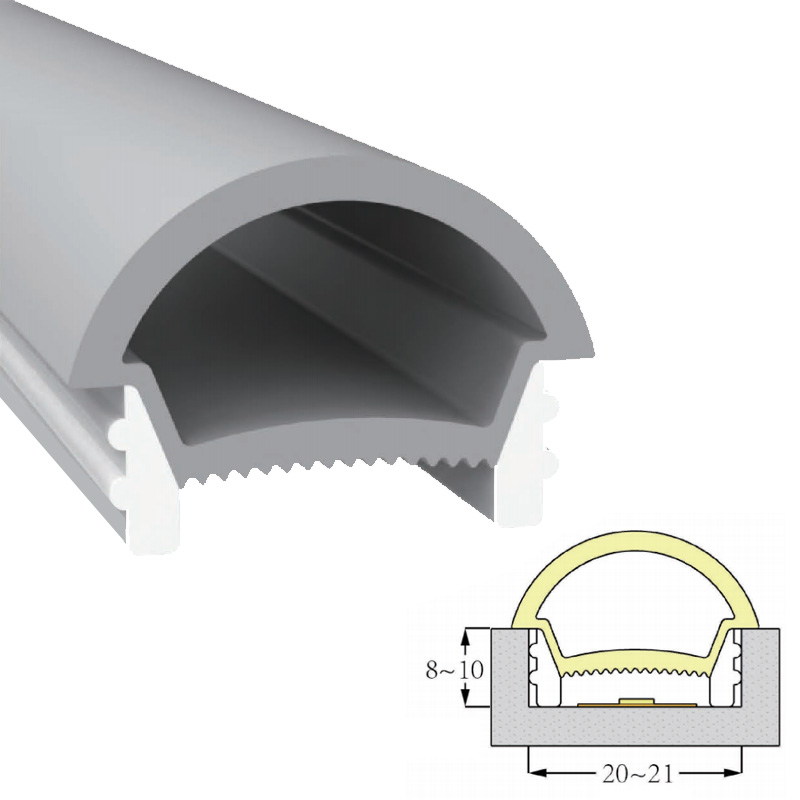
Dome Top Silicone LED Diffuser | 12mm Strip Lights | 180° Top Emitting
FAQs About Silicone Diffusers For Aluminum Channels
Got questions before you buy? As an engineer here for over a decade, I've answered them all. Here are the most common ones we get about installing these silicone covers.
For a proper LED strip installation in drywall, you first need to route a clean channel to the exact width and depth specified on the diffuser's product page. After routing, you'll place your LED tape light inside the channel, and then simply press-fit the silicone diffuser into the groove over the top. For a truly seamless finish, you'd mud and sand the wall right up to the edge of the diffuser.
The adhesive on the back of the LED strip is your first line of defense. For drywall or wood, make sure the channel is clean, dust-free, and maybe even primed for the best stick. If you're going into a non-porous surface or need extra hold, you can use compatible clips for screw mounting.
The silicone diffuser itself is water-resistant, but it does NOT waterproof the system. The bottom is open. To build a waterproof LED strip light channel for a wet area like a shower, you must start with an IP67 or IP68 rated waterproof LED strip and use waterproof connectors. The diffuser then provides a clean, finished look and protects the strip, but the waterproofing comes from the strip itself.
Seeing hotspots is almost always because the LED strip density is too low for the diffuser's depth. The closer the LEDs are to the diffuser surface, the more packed together they need to be. For our shallower silicone diffusers, you'll want a high-density strip—at least 120 LEDs/meter, but COB strips are your best bet for a perfectly smooth, dotless line of light. You can read more in our guide on silicone diffusers.
Silicone is an insulator, not a heat sink like aluminum. Because these covers are open on the bottom and installed in a larger groove, heat can still dissipate into the surrounding material (drywall, wood, etc.). However, for high-output strips (over 15W/m), we strongly recommend using an aluminum channel first, then this diffuser, to ensure a long lifespan. For standard accent lighting, it's not an issue.
You don't bend these sharply; you cut them. For a clean 90-degree corner, you'll need to make two 45-degree miter cuts on the ends of two separate diffuser pieces. You do the same with the LED strips inside. Butt the two cut ends together in the corner for a clean, professional join. Trying to force a single piece into a hard corner will cause it to buckle and look unprofessional.
A black diffuser cover will reduce the brightness, yes, but that's part of the look. The goal isn't maximum output; it's to create a sleek, black line that disappears when off and provides a smooth, stylized light when on. They're fantastic for accent walls and modern designs. Expect a light loss of 50-70% compared to a translucent white diffuser. We have a whole category of black silicone diffusers if that's the style you're going for.
It's pretty easy. Just use a damp cloth with a little bit of mild soap and water. Since they're made of food-grade silicone, they are non-porous and resist staining. Don't use abrasive cleaners, scouring pads, or harsh solvents like acetone, as they can permanently cloud the surface of the diffuser.
Each diffuser has a different minimum bend radius, depending on its size and shape. A smaller, slimmer profile can typically handle a tighter curve than a large, wide one. As a general rule, you can achieve gentle, sweeping curves easily. Forcing it into a radius tighter than specified on the datasheet will cause it to crease or pop out of its channel. If you need tight lettering or logos, you should look at our dedicated neon flex products.
Check the 'Inner Width' or 'Max PCB Width' spec on the product page. That number is the absolute maximum width of the LED strip's circuit board that will fit inside. A 10mm strip will not fit in a diffuser with an 8mm inner width. It's the most common mistake people make. Measure your strip's PCB, not including any waterproof coating, before you order.
Yes, we do this all the time. A huge part of our business is building parts to a customer's drawing that never appear on the website. For these silicone diffusers, we can produce custom lengths to match your exact run, and we can formulate the silicone in different colors or levels of diffusion with a minimum order. Just send us a sketch or a description of what you need. An engineer will get back to you with a full parts list and quote, usually the same day, with no fee or obligation to order.