
What is the CRI and Color Temperatures?
Three numbers describe the light of a white LED strip:
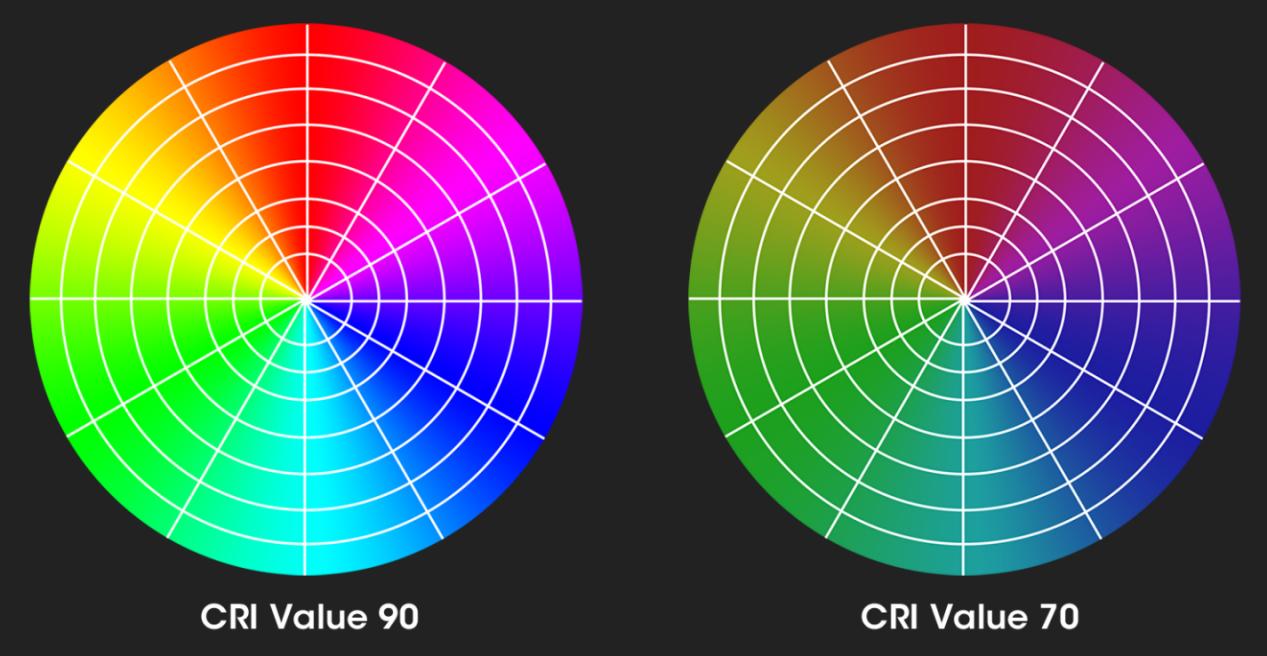
- CRI (color rendering index, Ra): how true colors look under the light, on a scale up to 100 (sunlight). Choose above 80; Ra 90–100 where colors must look right.
- Color temperature (Kelvin, K): how warm or cool the white looks. The lower the number, the warmer the light.
- Lumens (lm): the brightness figure. On a strip, lumens per meter = lumens per LED × LEDs per meter.
The short version: three definitions, one comparison table, and links to the full SuperLightingLED guide for each number.
What is CRI?
CRI, the color rendering index, measures how closely the color of an object under a light source matches its color under a reference light source; sunlight is defined as 100. The general index Ra is the average over eight test colors. For LED strips, choose above 80 to protect eyesight, and Ra 90–100 for shops, restaurants, galleries and color checking. Full guide: what is color rendering index.
What is color temperature?
Color temperature describes how warm or cool a white light looks, measured in degrees Kelvin (K). The lower the color temperature, the warmer the color:
- Warm white: 2800K–3200K
- Neutral white: 4000K–5000K
- Daylight white: 6000K–6500K
- Cool white: 7000K–9000K; above 7000K the light looks bluish
Names differ from guide to guide, so compare the Kelvin number. Full guide: what is color temperature. Side by side: the color difference between warm white, pure white and cool white.
What are lumens?
Lumens are the figure for brightness. On an LED strip, lumens per meter = lumens per LED × LEDs per meter, so brightness depends on the LED chip and the density. The SuperLightingLED guide top 6 considerations before buying LED strip lights lists typical lumens for each chip. Lumens say how much light; CRI and color temperature say what it looks like.
CRI vs color temperature vs lumens
| What it measures | Unit | What to look for | Full guide → | |
|---|---|---|---|---|
| CRI | How true colors look, against a reference light | Ra, up to 100 | Above 80 for homes; 90–100 where colors are judged; a high R9 for red goods such as meat | What is CRI? → |
| Color temperature | How warm or cool the white looks | Kelvin (K) | 2800K–3200K for rest and comfort; 4000K for task lighting; 6500K is the brightest white | What is color temperature? → |
| Lumens | Brightness | lm, per meter on a strip | The strip’s own figure; denser strips give more lumens | Top 6 considerations → |
How CRI, color temperature and brightness work together
- Higher CRI, lower brightness. CRI 85 is the common balance. For CRI 90 and high brightness together, our CRI guide suggests constant current LED strips.
- Color temperature changes how brightness feels. Under a high color temperature, low brightness feels cold; under a low color temperature, too much brightness feels stuffy.
- The Kelvin value can drift. LED strips have light decay: a 6000K strip may be 4500K a few months later, so install reels from the same batch.
CRI and color temperature FAQ
What is the difference between CRI and color temperature?
Color temperature tells you what color the white light is, from warm to cool, in Kelvin. CRI tells you how truly that light shows the colors of the things it lights, on a scale up to 100.
What is a good CRI for LED strip lights?
Above 80 for everyday lighting, which also protects eyesight. Ra 90 to 100 where colors must look accurate. LED strips can now reach CRI 95.
Which color temperature is warm white?
2800K to 3200K. Cool white is 7000K to 9000K.
Does a higher CRI make an LED strip brighter?
No, the opposite: the higher the CRI, the lower the brightness. CRI 85 is the common balance between brightness and quality.
How are LED strip lumens calculated?
Lumens per meter = lumens per LED × LEDs per meter: the chip type sets the first number, the density the second.
Shop white LED strips
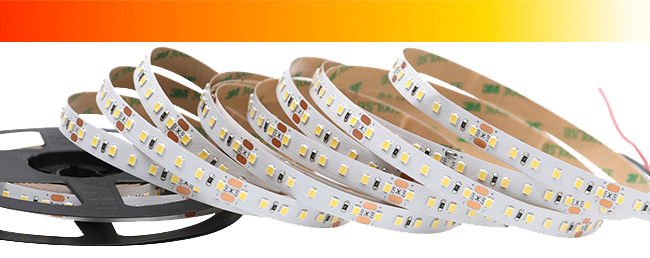 Static white LED strip lightsOne fixed color temperature
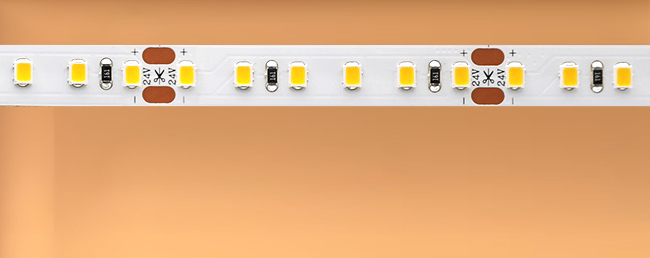 2700K warm white LED stripsWarm white for rest
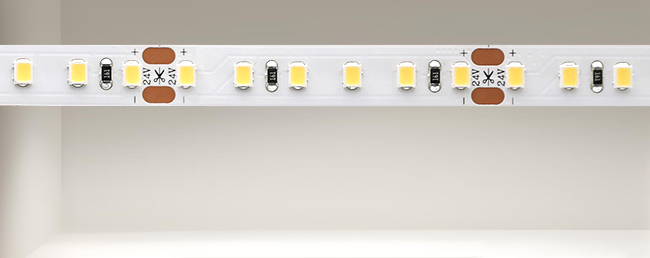 5000K daylight LED stripsDaylight in our Kelvin list
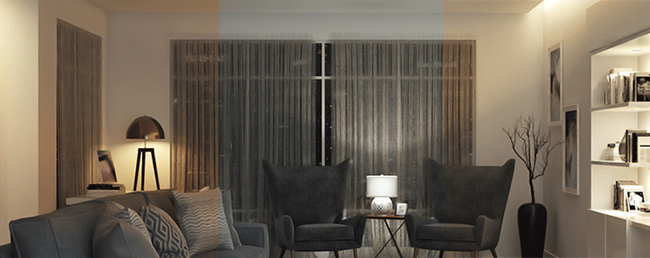 Dual white CCT dimmable LED strips2800K to 6500K in one strip
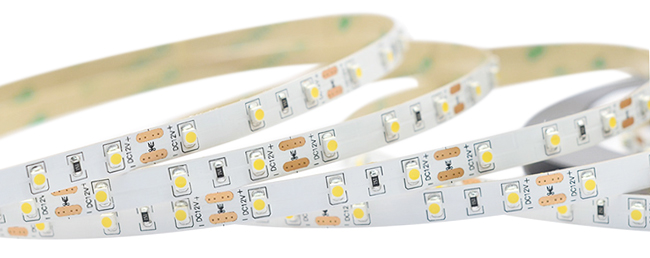 Full spectrum LED light stripsCheck the CRI (Ra) on each product page
 Constant current LED stripsFor high CRI with high brightness
Tell us the room and what the light is for, and the SuperLightingLED team will suggest a CRI and color temperature. Standard orders such as accessories and controllers ship within 24–48 hours; LED strip orders follow the production lead time shown on the product page. Contact our team