
High Voltage LED Dimmer Controllers
3 sub-categoriesUse these high voltage AC Light Controllers to dim, adjust color temperature, change color and mode for your 100V~240V AC power light. Our smart AC controllers are designed for lights working at the high voltage end, equipped with RF and IR remote control, WiFi and Zigbee mobile Tuya APP control, DMX signal control and other control methods, compatible with single-color, CCT, RGB, RGBW line-voltage LED lights and traditional incandescent and halogen lamps for dimming. Provides flexible AC light control and great lighting experience for home and outdoor line voltage lighting.
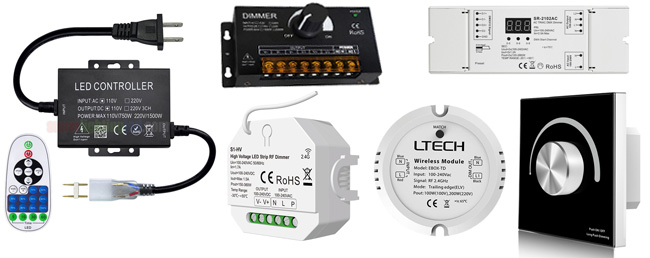
Line Voltage Dimmer Switch
In order to meet the dimming needs of static high voltage lights in different scenarios, we provide the following control methods:
• Remote control the brightness and on/off of single-color high voltage light via remote / mobile APP / smart home, suitable for lighting around houses;
• Adjust the light brightness by manual rotation, suitable for AC light installation in the reachable place such as under the cabinet;
• Connect the AC control module to a push switch or connect the AC light to a wall mounted dimmer, simple push or touch operation, suitable for home interior use;
• Centralized control of multiple line voltage lights via wireless modules, suitable for unified management of multiple lights in the same area/room;
• Centralized management of line voltage lighting over large areas and precise control of individual units via DMX signals.
Our line voltage dimmers provide flexible brightness and light management solutions for high voltage lamps ranging from home daily use to commercial and professional lighting applications. Compatible with dimming for single color high voltage LED strips, traditional incandescent and halogen light bulbs.

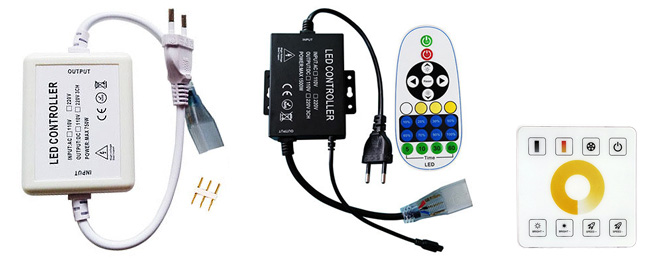
CCT Selectable AC Controller
A CCT Selectable AC LED Controller is designed specifically for high-voltage tunable white LED strips that operate directly from 110V or 220V AC power. Unlike low-voltage CCT LED strips that require a DC power supply and a separate CCT controller, these controllers are designed to control line-voltage CCT LED strips directly, providing convenient adjustment of brightness and color temperature.
CCT AC Controllers are especially useful for high-voltage CCT LED strips installed in hard-to-reach or extended locations, where running a low-voltage power supply and additional wiring may be inconvenient. Typical applications include ceiling lighting, cove lighting, above-cabinet lighting, under-eave lighting, architectural accent lighting, outdoor pathways, and other long-run line-voltage installations.
Flexible Ways to Control High-Voltage CCT LED Strips
Depending on the controller model, SuperLightingLED provides several control options for AC CCT LED strips, including RF remote control, wall-mounted panels, smartphone App control, and smart-home control. This allows you to choose a simple handheld remote for everyday use, a wall control for fixed installations, or smart control for integrating CCT lighting into a connected home or building system.
When selecting a controller, make sure the AC input voltage, LED strip type, total load, connection method, and supported control method match your installation. The controller's rated power can also vary between 110V and 220V, so always check the specified power rating before connecting the LED strip.
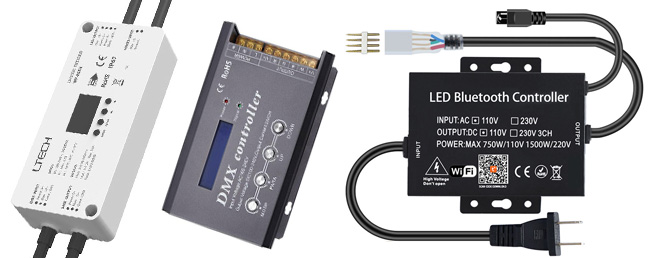
High Voltage RGB Controller
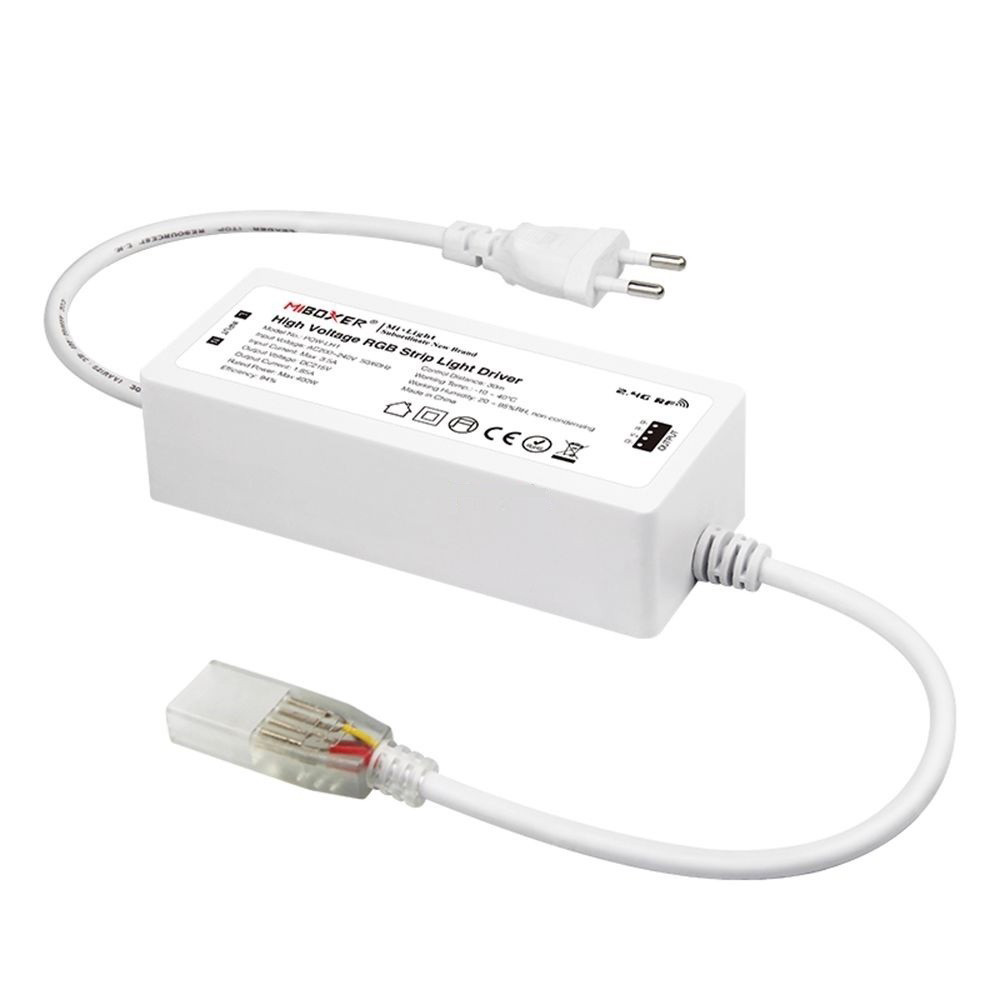
A High-Voltage RGB LED Controller is designed specifically for 110V or 220V AC RGB LED strips, allowing you to control the brightness, color, and dynamic lighting effects of line-voltage RGB lighting. Because the controller operates with line-voltage RGB light strips, it provides a convenient way to install without adding a low-voltage controller and power supply.
High-voltage RGB controllers are especially useful for long-run RGB lighting installations. They are commonly used for ceiling and cove lighting, architectural accents, building outlines, outdoor eaves, landscape features, commercial displays, event decoration, and other extended RGB lighting applications.
Choose the Right Control Method for Your High-Voltage RGB Strip Light
SuperLightingLED provides several ways to control high-voltage RGB LED strips to suit different projects and user preferences. IR and RF remote controls offer simple, convenient operation for DIY projects and everyday residential lighting. Mobile App and smart-home control provide more flexible wireless operation and are suitable for connected homes and smart lighting environments. For professional installations that require precise, centralized, and synchronized control, DMX512 controllers can integrate high-voltage RGB strips into a larger lighting control system.
When selecting a high-voltage RGB light controller, make sure the AC input voltage, RGB strip type, total load, control method, and connection configuration are compatible with your installation. The maximum supported load can also vary between 110V and 220V, so always check the controller's specifications before connecting a high-voltage RGB LED strip.
Best-selling High Voltage LED Dimmer Controllers
61–80 of 93 products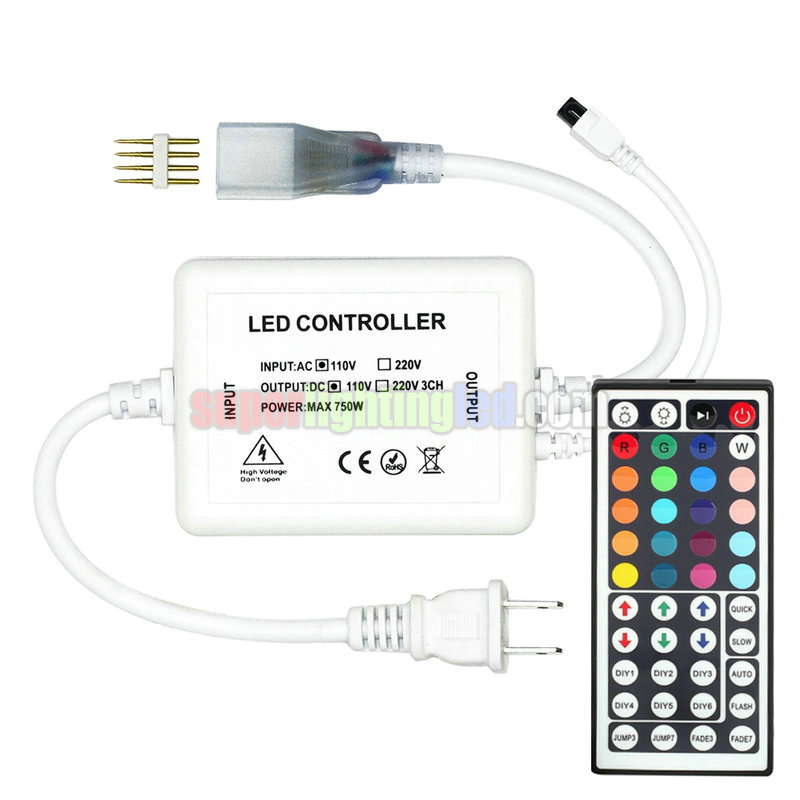
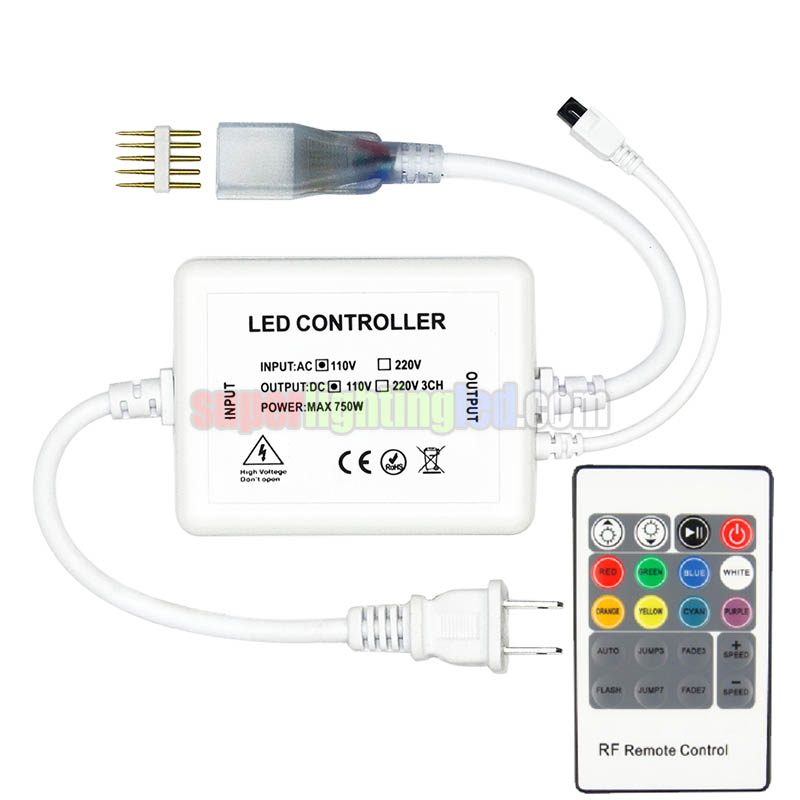
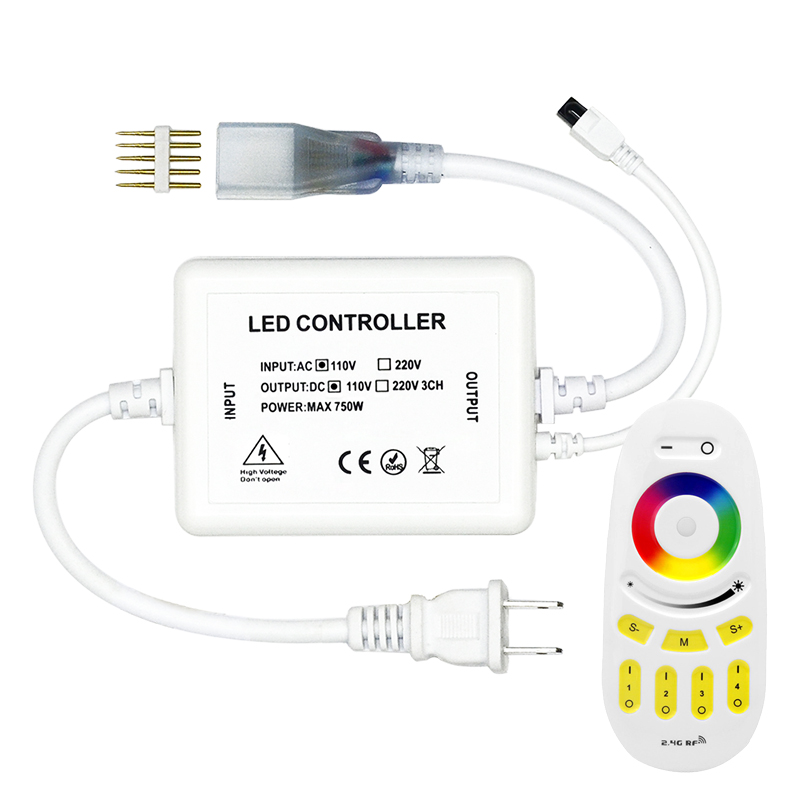
AC110/220V 750W, 20Keys IR mini rgb led controller, For Home lighting, Connect 110V 82Ft High...
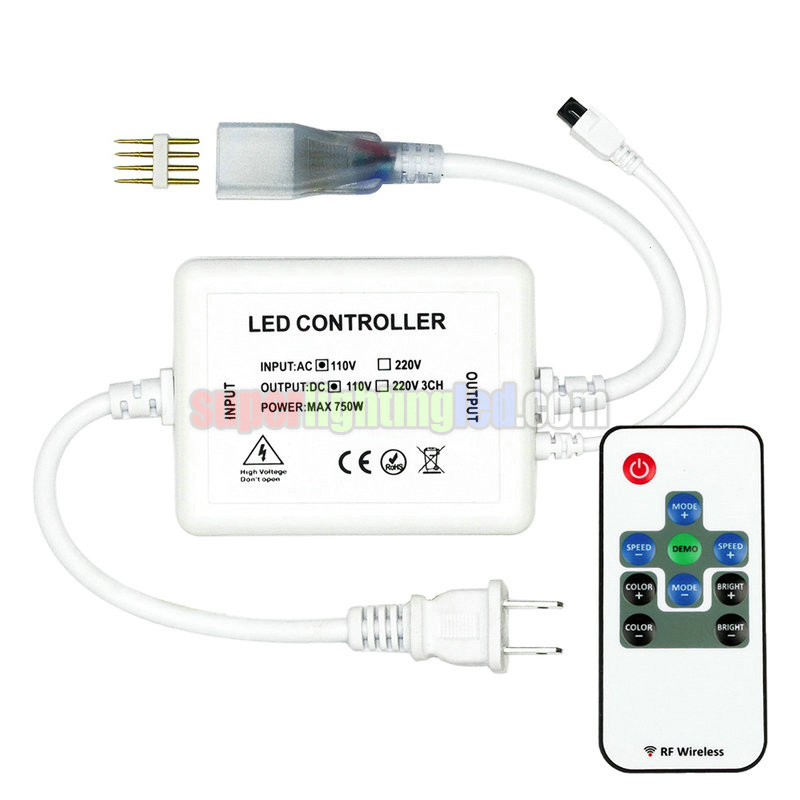
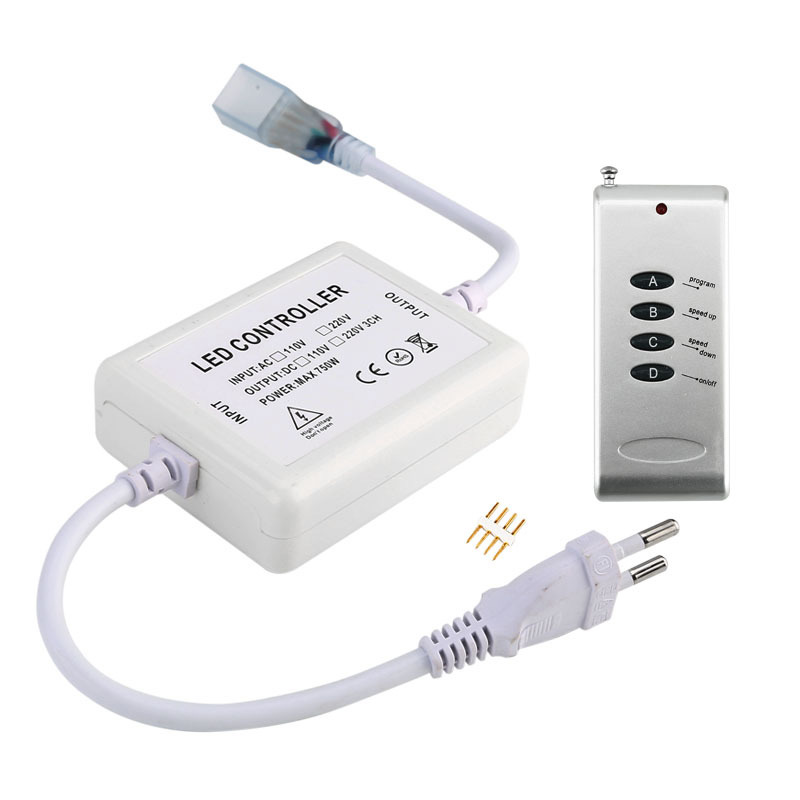
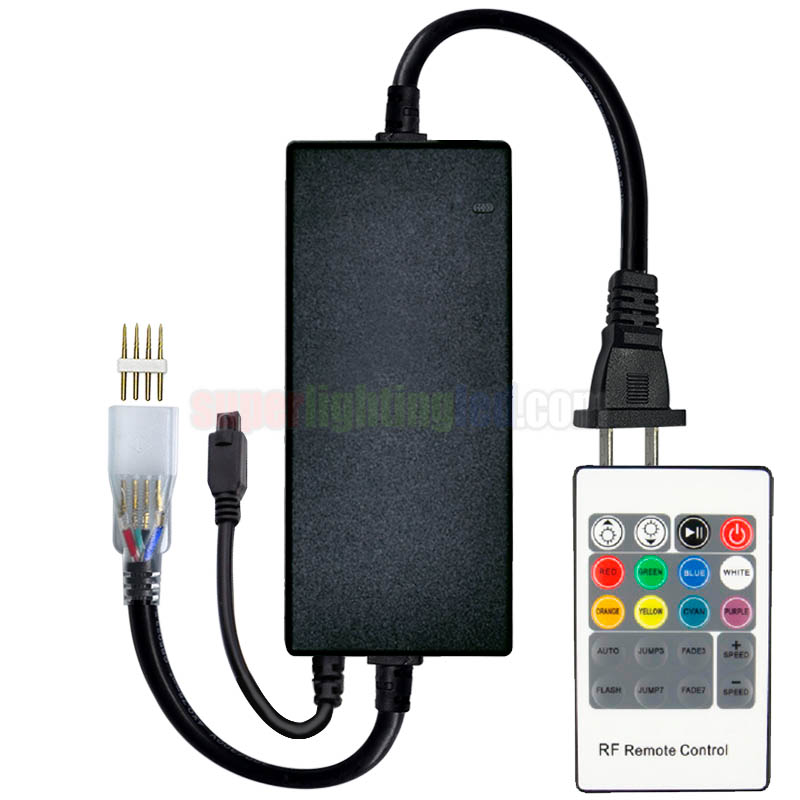
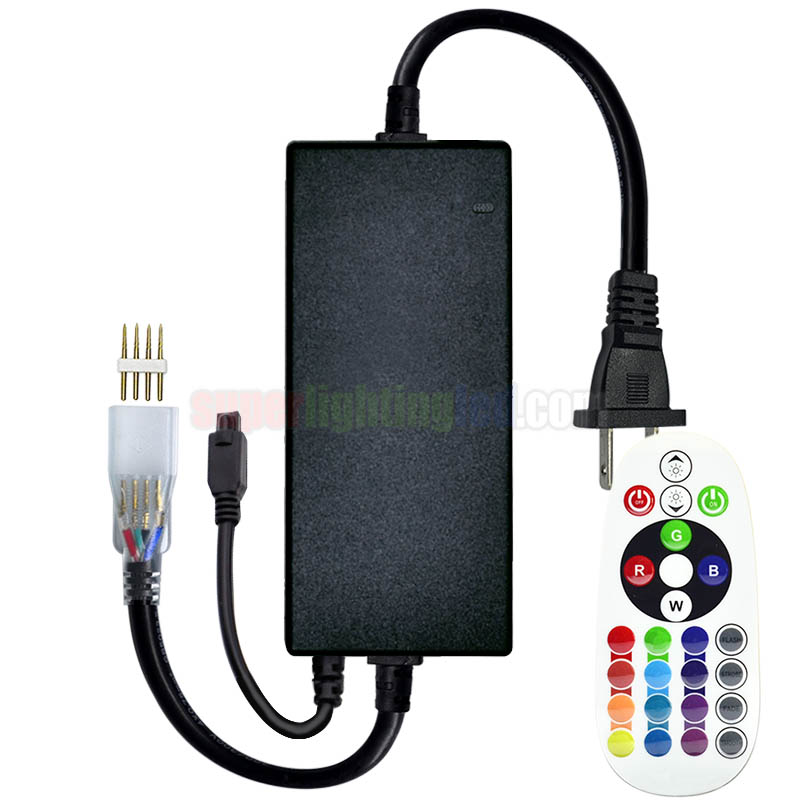
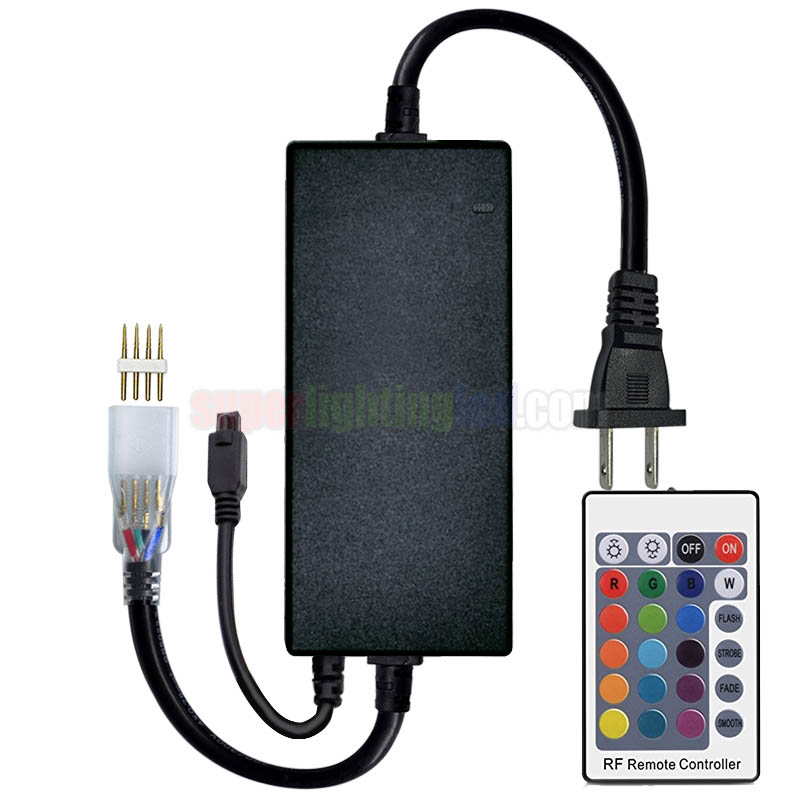
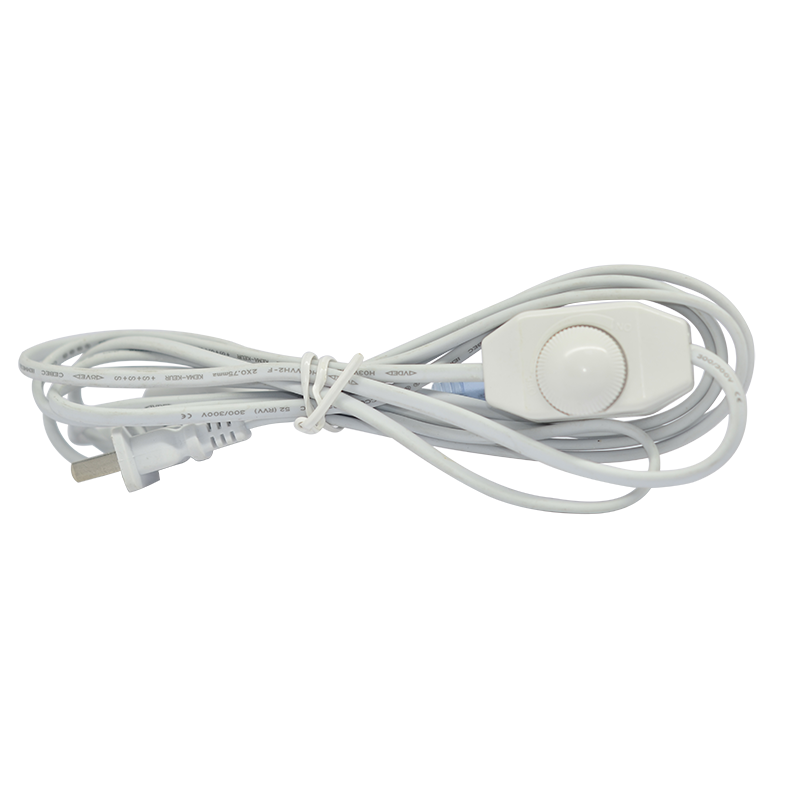
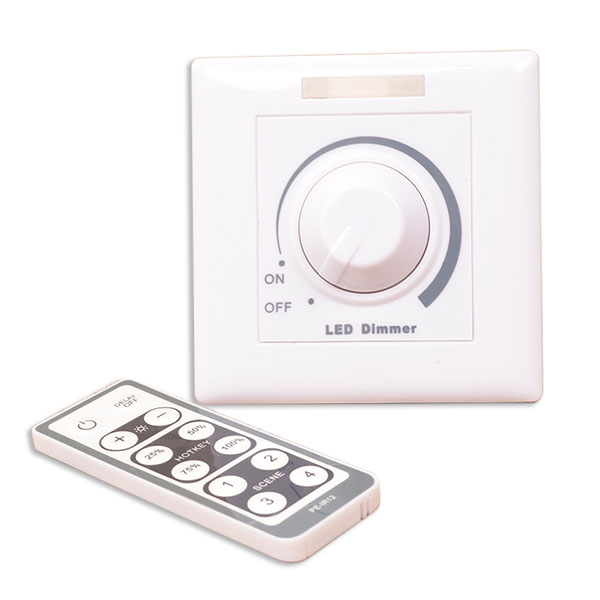
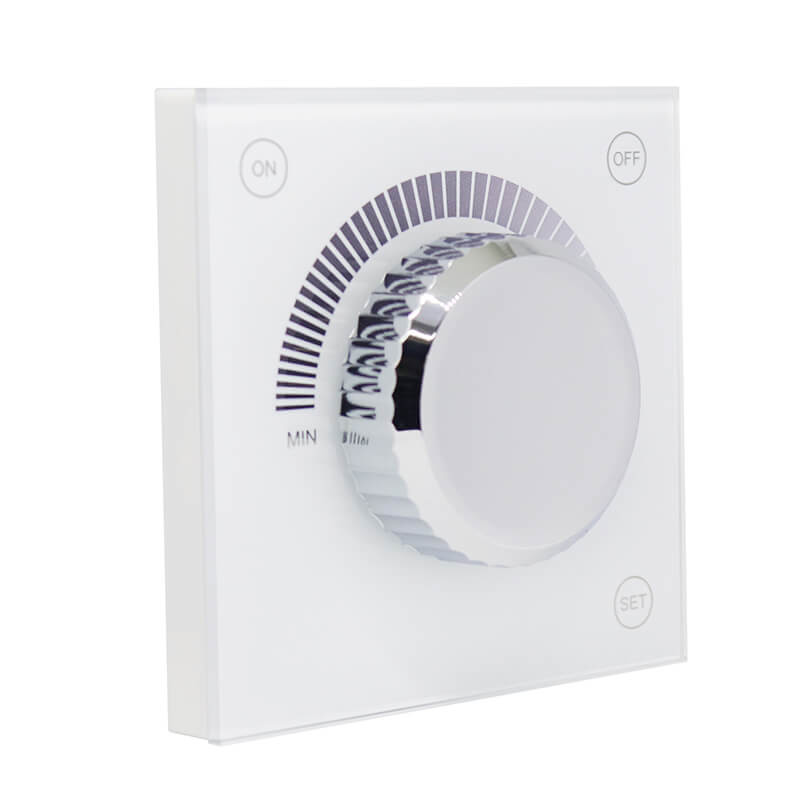
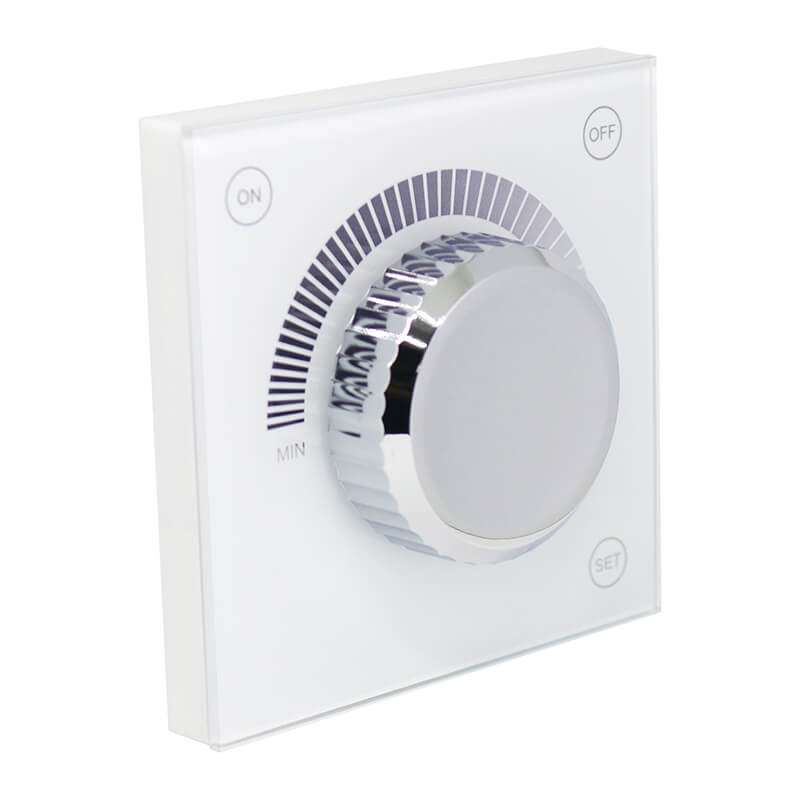
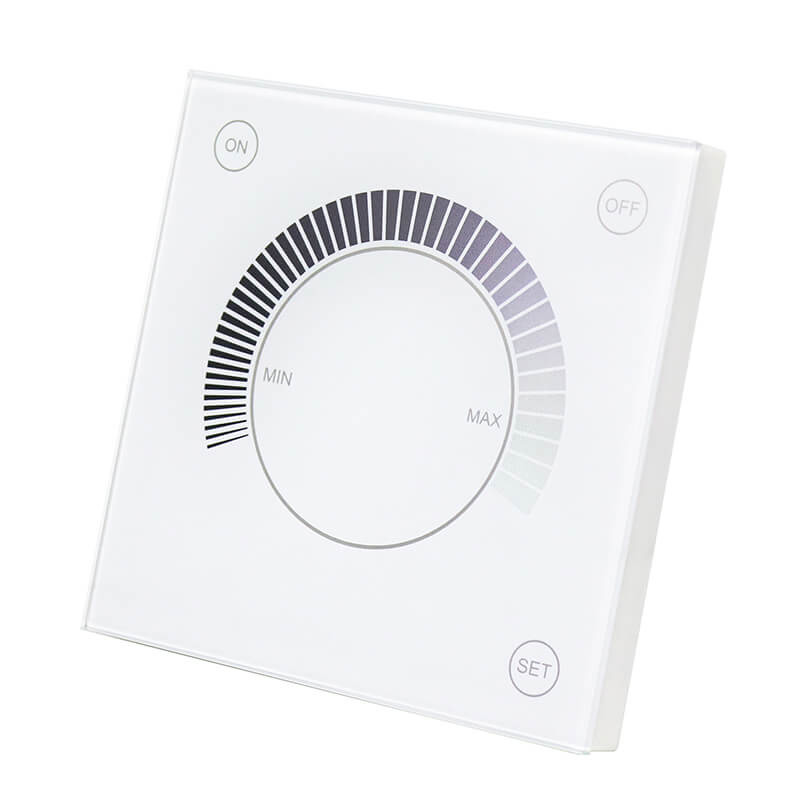
TW02RF RF AC Led Light Triac Touch Panel Dimmer Switch

TW02W RF Triac Tuya Smart WiFi Touch Dimmer Light Switch
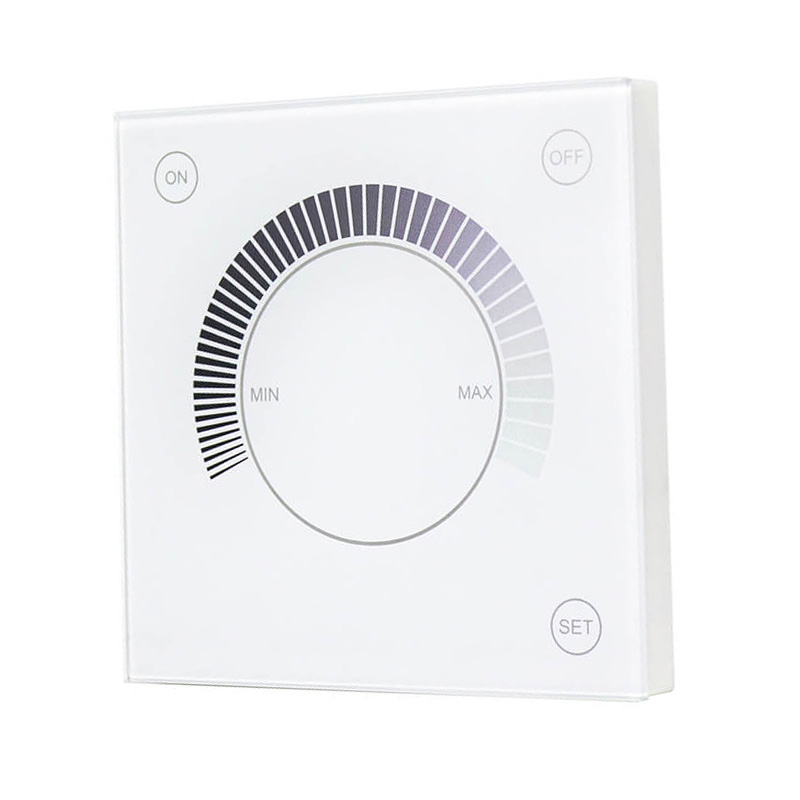
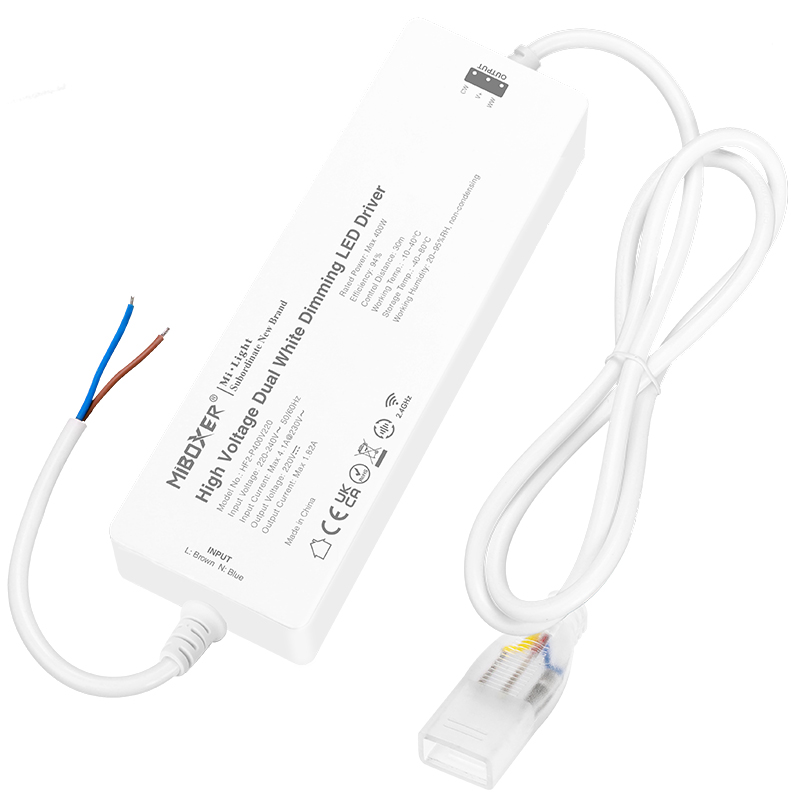
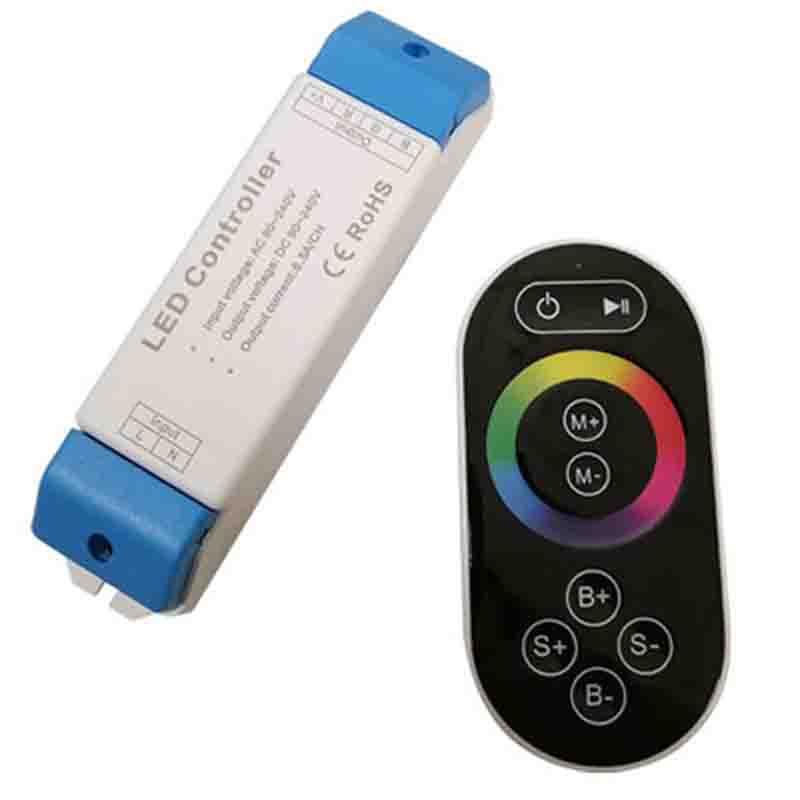
High Voltage LED Dimmer Controllers: Should I Be Careful About Power Ratings?
Dimmers and controllers have a clear rated power range, make sure that the total power of the connected high voltage fixtures is within the range supported by the dimmer controller to avoid overloading or underpowered resulting in damage or unstable light.
The same controller has a different total power when used at 110V and 220V
An AC led controller with a maximum output of 1500W may mean that it can reach 1500W on a 220V line, while it may only be 1000W on a 110V line.
Pay attention to the interface type of the AC light controller
Some AC controllers come with one or more output ports for quick connection of high voltage LED strips. For compatibility, it is best to leave the type of light port you have, whether it is a line voltage led tape or a dome-top / side-glow high voltage neon led strip.
Frequently Asked Questions About High Voltage LED Dimmer Controllers
Got a question about wiring, compatibility, or picking the right model? I've answered thousands of them over the years. Here are the most common ones.
The key difference is where the power conversion happens. These high voltage controllers work directly with your 110V or 220V AC mains power, sitting between the wall power and a high-voltage-rated light. A low-voltage controller operates on the other side of a power supply, taking 12V or 24V DC and controlling a low-voltage strip. Never mix them up — connecting a 12V controller to AC power will destroy it instantly.
No, and that's a common point of confusion. A high voltage dimmer controller manages or 'chops' the AC sine wave to dim the light; it does not change or stabilize the voltage level. A voltage regulator's job is to output a steady, specific voltage. These controllers expect a stable AC input and are designed for high voltage led light control, not for regulating fluctuating power sources.
It comes down to the current (Amps) the internal components can handle. Power (Watts) is Voltage (Volts) times Current (Amps). Since the maximum current is a fixed limit, doubling the voltage (from 110V to 220V) effectively doubles the total wattage the controller can handle. That's why you'll see a controller rated for, say, 1000W on a 110V line but 2000W on a 220V line. Always calculate your load based on your specific line voltage.
Only if the bulb is explicitly marked as 'dimmable'. A non-dimmable LED bulb doesn't have the internal circuitry to interpret the chopped AC signal from a dimmer. If you try, it will likely flicker badly, hum, or just fail to light up at all.
You'll cook it. Overloading a controller by connecting too many lights forces it to handle more current than it's built for. At first, it might just get very hot. Over time, the internal components will degrade and fail, sometimes permanently. Best case, its internal fuse blows; worst case, it's a fire hazard. Always add up the total wattage of your lights and ensure it's under the controller's rating for your voltage.
Yes, they generate some heat, especially under heavy load. The metal-cased, higher-wattage units use the case itself as a heat sink. It's important to install them where they have some airflow. Don't bury them in insulation or pack them into a tiny, unventilated box. Giving them breathing room is key to a long service life.
High voltage strips are much better for long runs than 12V or 24V, but they aren't immune to voltage drop, especially over hundreds of feet. While you can often run up to 50 meters (164ft) from a single power feed, for very long architectural runs, you may still see a slight dimming at the far end.