
MW UL-Listed IP20 Power Supply
26 productsWhen your 12V LED project requires higher current, permanent wiring, and a professional enclosed power supply, the Mean Well IP20 switching power supply series provides a strong solution for indoor installations.
This 12V LED power supply range covers approximately 35W to 3000W, allowing one product family to serve everything from medium-sized LED strips to very large, high-current lighting systems. Available 12V LED driver power supply products include widely used Mean Well series such as LRS, NES, NEL, UHP, RSP, and SE, depending on the required power level, form factor, and system requirements.
These 120V-240V AC to 12V DC switching power supplies are particularly suitable for 12V LED strip systems, RGB/RGBW/CCT installations, architectural lighting, signage, display lighting, cabinets, commercial interiors, and large-scale LED projects where a hardwired connection is preferred over a plug-in adapter.
A typical installation is: AC Power → Mean Well 12V Indoor Power Supply → 12V Controller / Dimmer → 12V LED Strip.
The controller and power supply should be sized independently: the power supply must handle the total LED load, while the controller must also be rated for the current passing through its outputs.
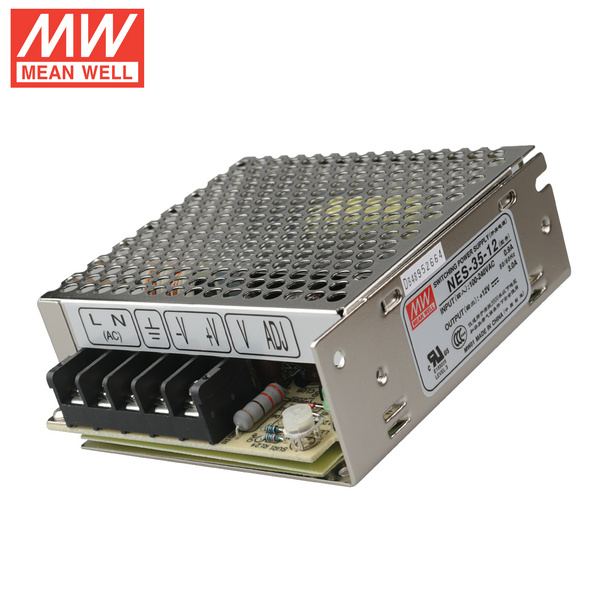
Mean Well LRS-35-12 12V 35W Power Supply UL Certified for LED Strips
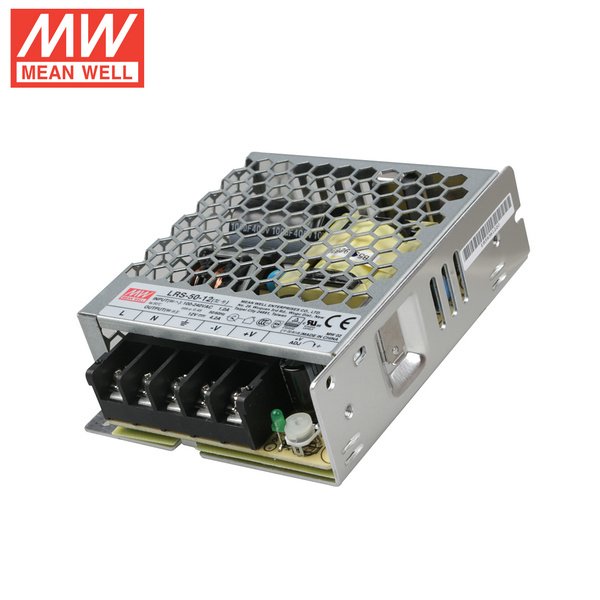
Mean Well LRS-50-12 12V 50W UL Power Supply for LED Strips
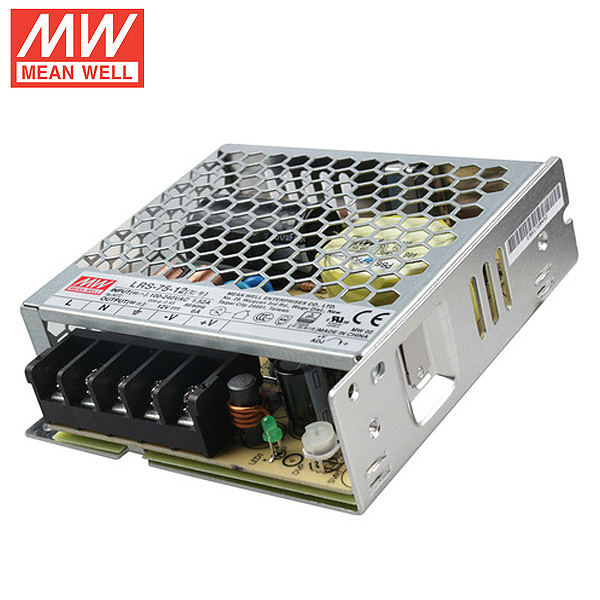
Mean Well LRS-75-12 12V 75W Power Supply - UL Certified for LED Strips
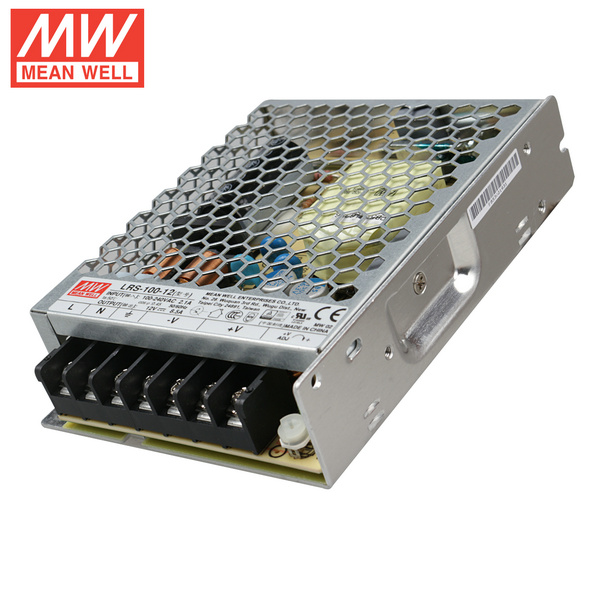
Mean Well LRS-100-12 12V 100W Power Supply - UL Certified LED Driver
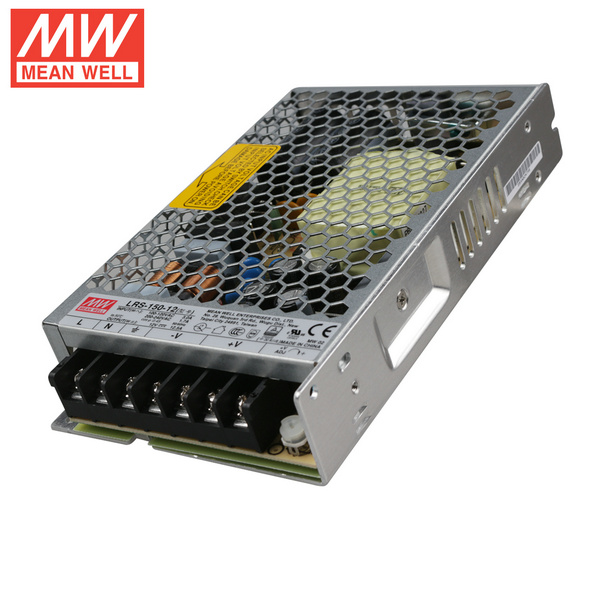
LRS-150-12 DC12V 150Watt 12.5A Mean Well LED Strip Lights Power Supply
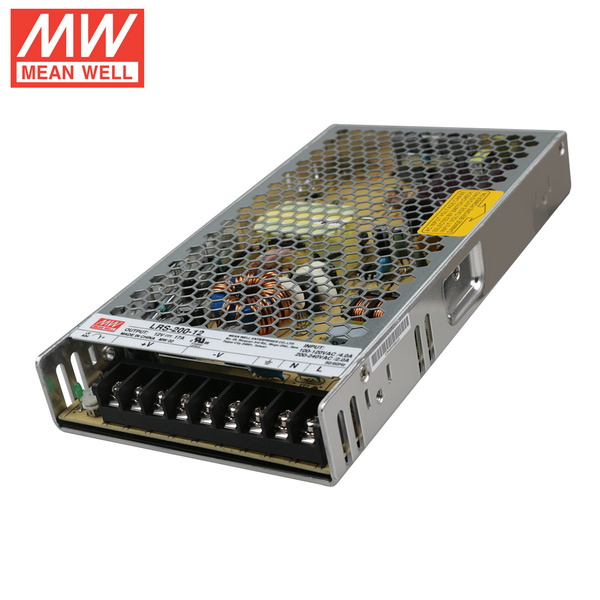
Mean Well LRS-200-12 200W 12V UL Switching Power Supply | LED Strip Driver
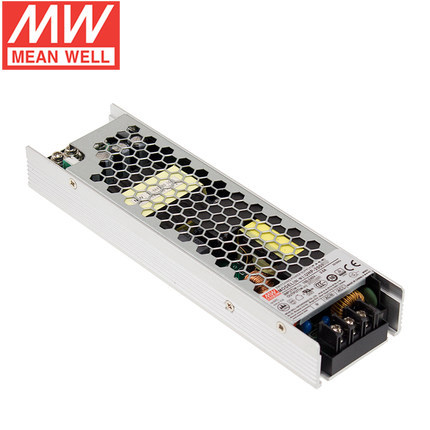
Mean Well UHP-200-12 12V 200W UL Switching LED Power Supply
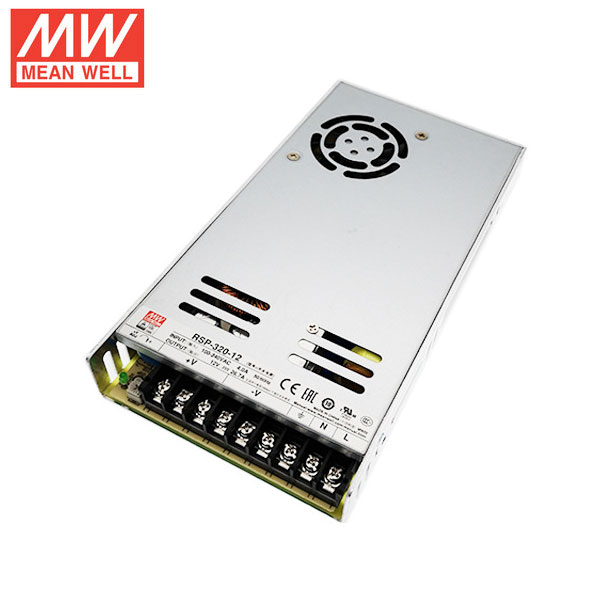
Mean Well RSP-320-12 12V 320W Power Supply - UL Certified LED Driver
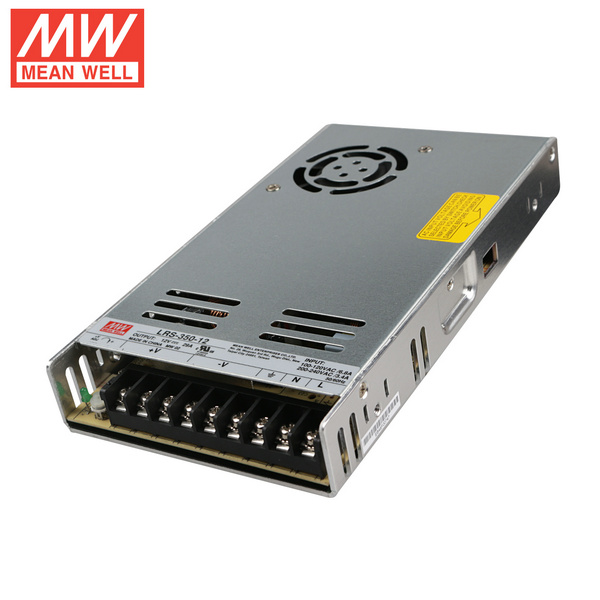
Mean Well LRS-350-12 12V 350W Power Supply - UL Certified LED Driver
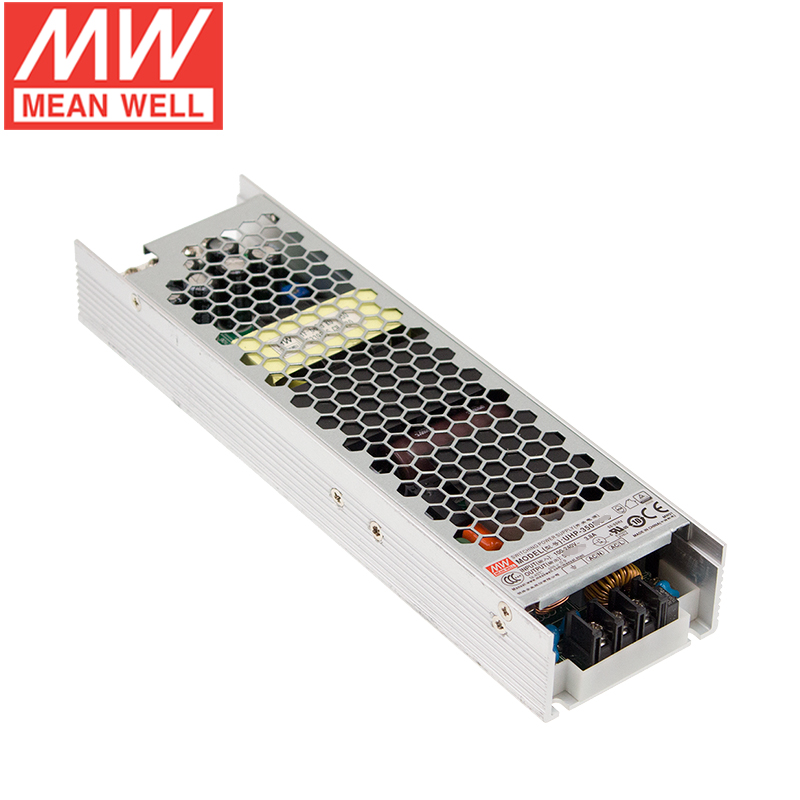
Mean Well UHP-350-12: Ultra-Thin 350W LED Power Supply
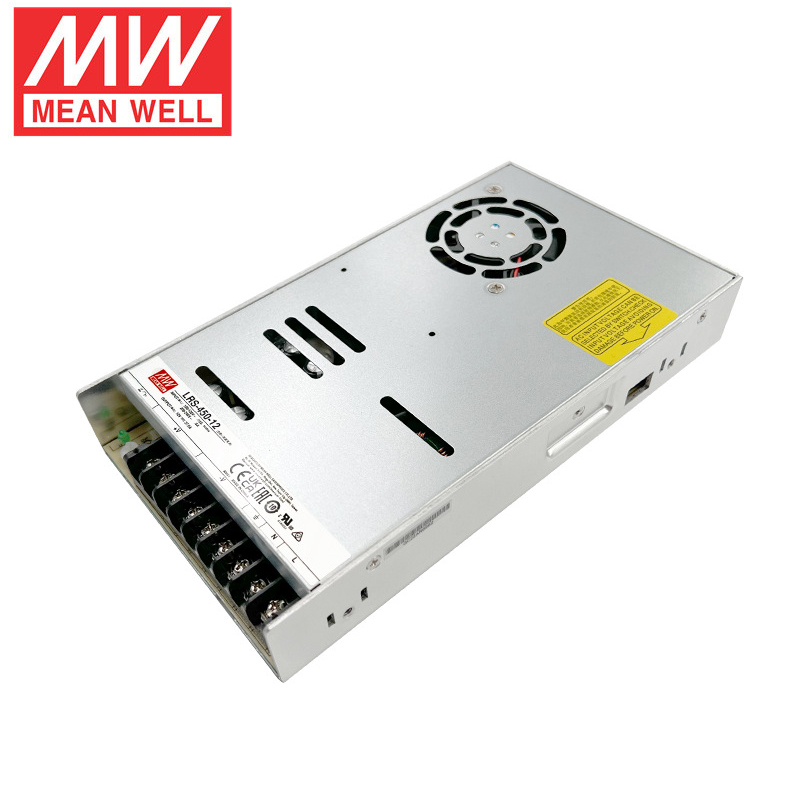
LRS-450-12 12V Meanwell 450W Power Supply | Efficient & Fan-Cooled
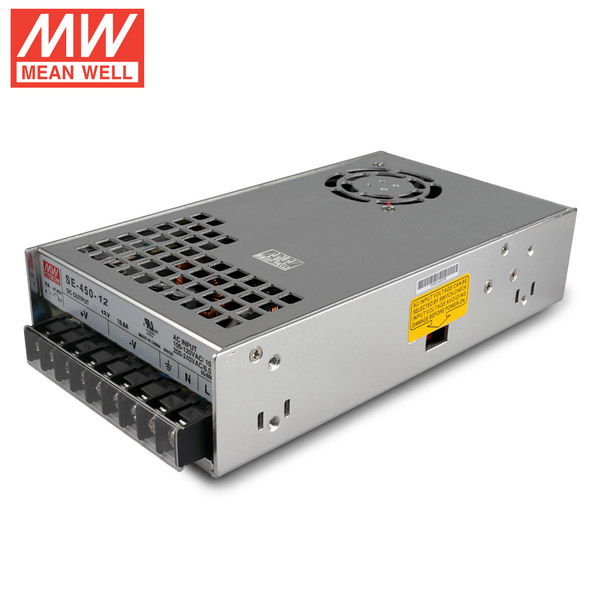
Mean Well SE-450-12 450W 12V UL Switching Power Supply for LED Strips
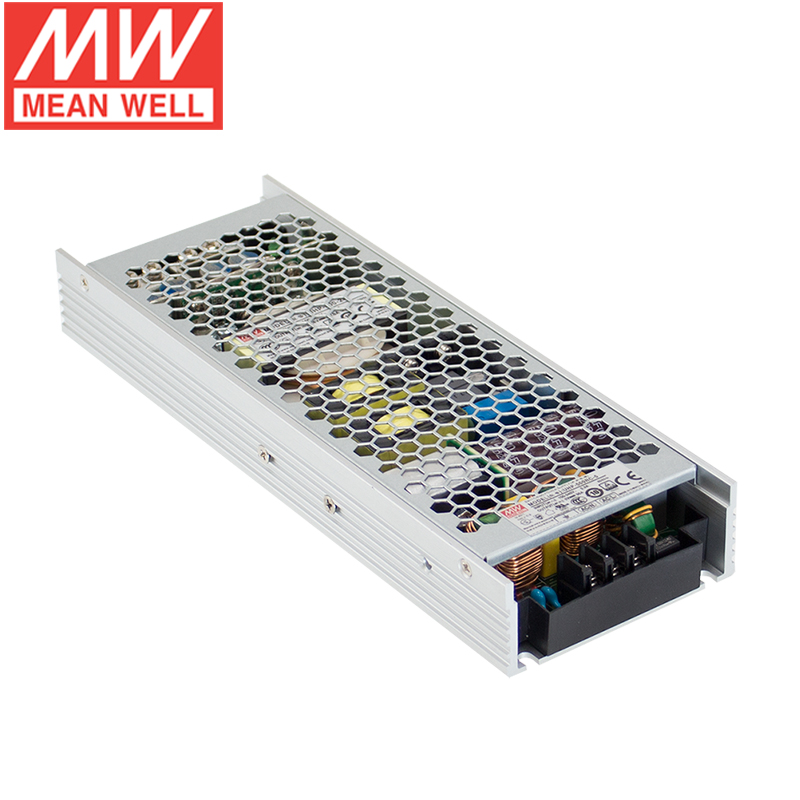
Mean Well UHP-500-12 500W 12V Fanless LED Power Supply | UL Listed Slim
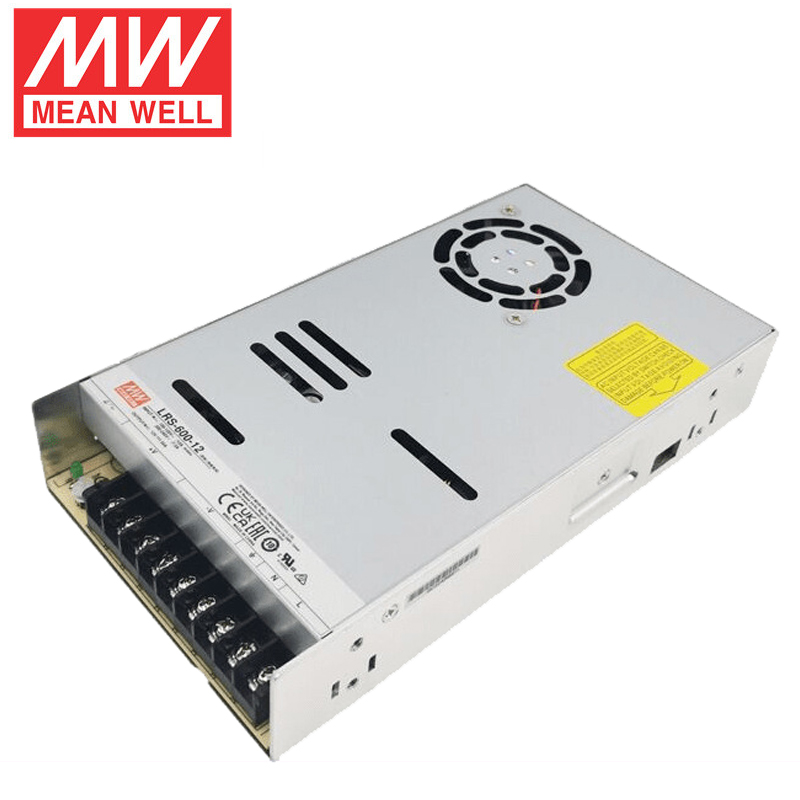
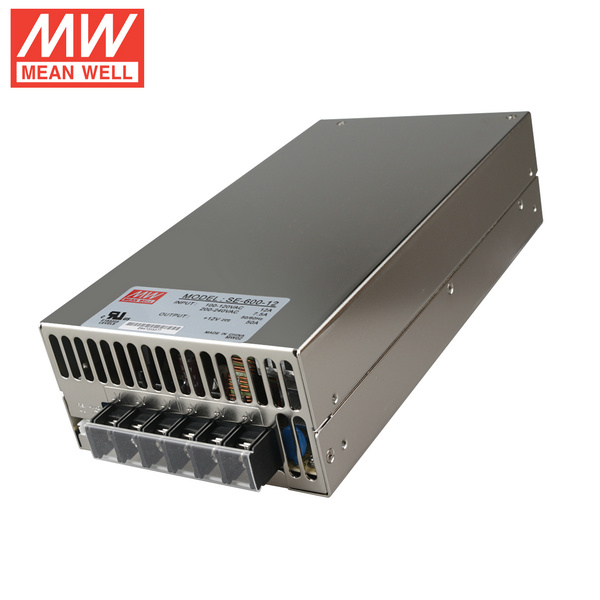
Mean Well SE-600-12 12V 600W UL Switching Power Supply | LED Strip Lights
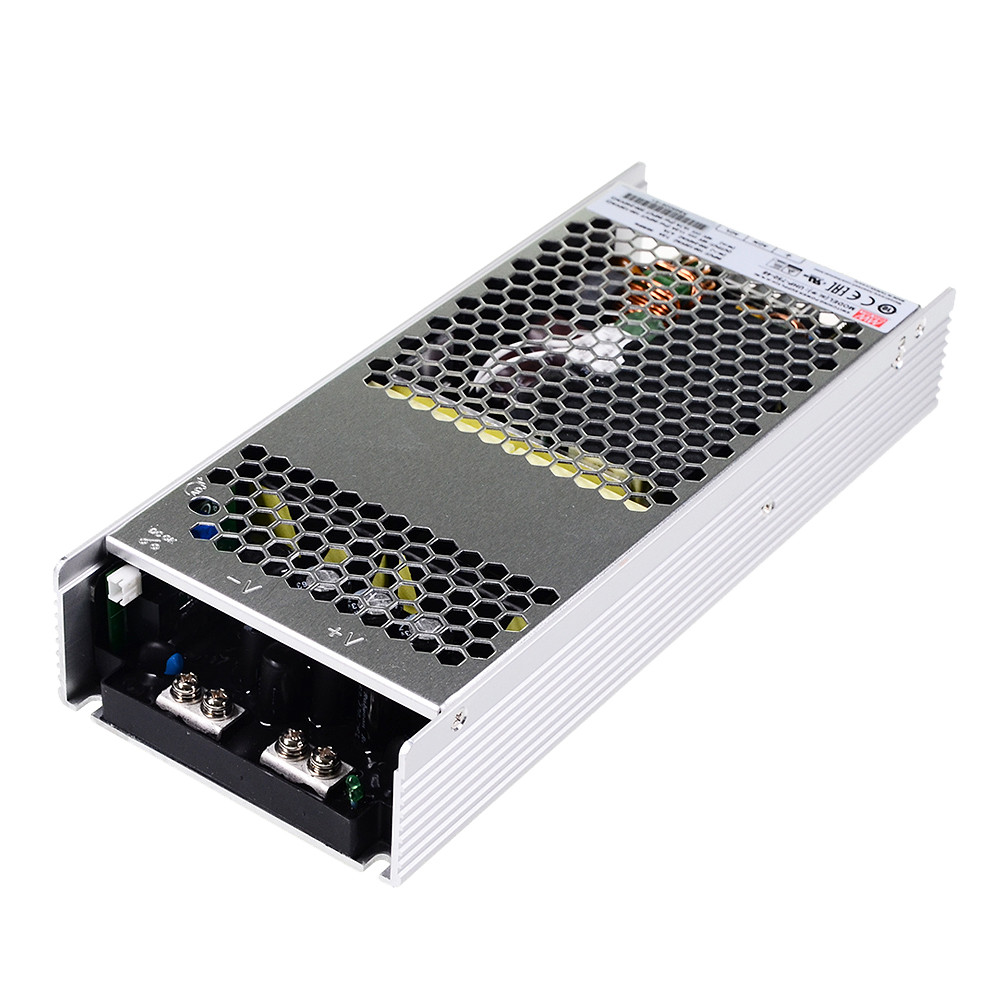
DC12V LED Power Supply - 720Watt UL Certification
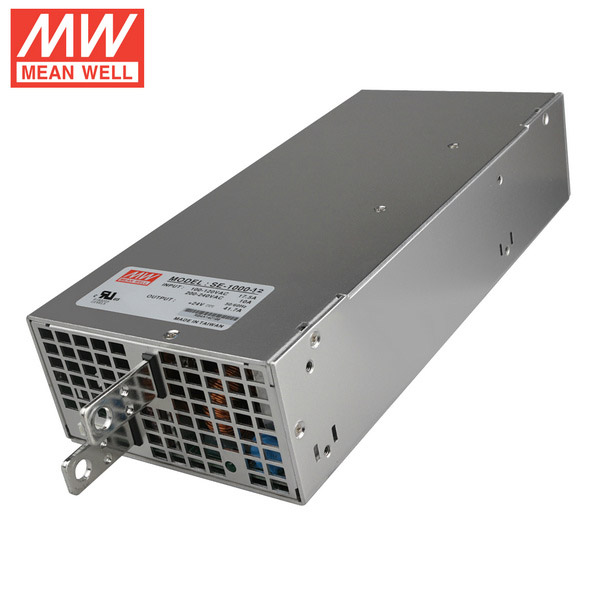
Mean Well SE-1000-12 12V 1000W UL Power Supply for LED Strips
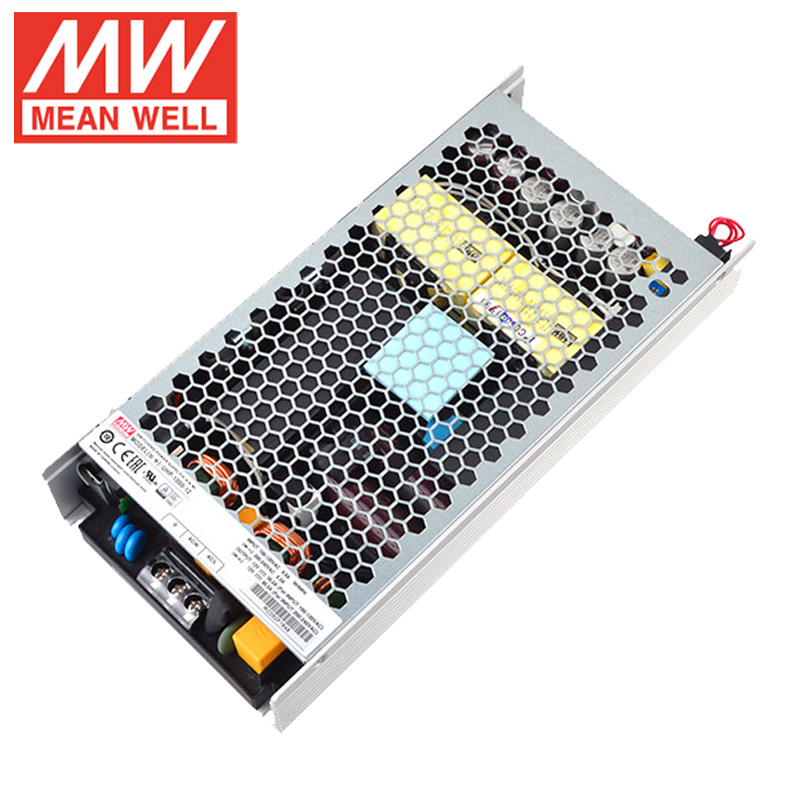
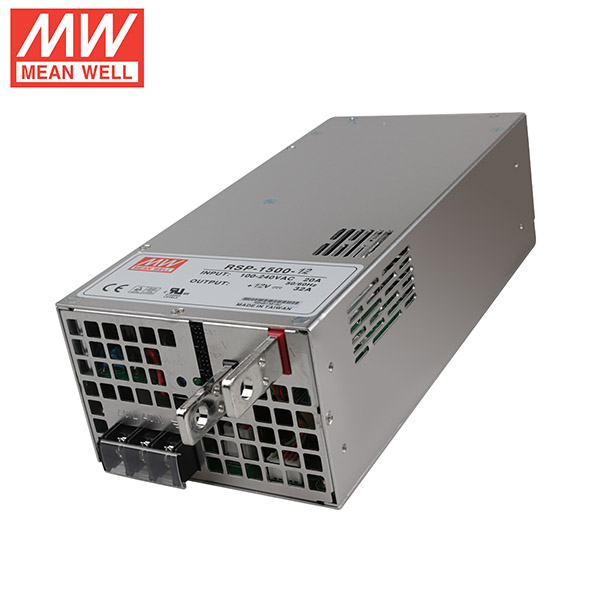
Mean Well RSP-1500-12 12V 1500W Power Supply - UL Certified LED Driver
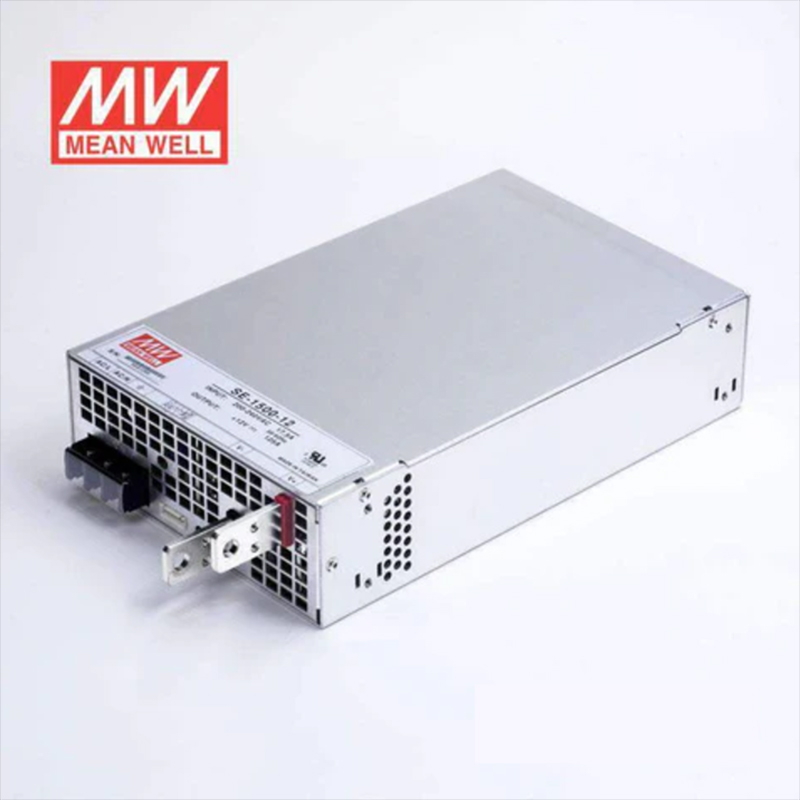
Mean Well SE-1500-12 DC12V 1500Watt Power Supply For LED Strip Lights
When Should You Choose the IP20 Switching 12V Power Source?
Choose this Mean Well category when the 12V power supply will be installed in a dry, protected indoor location and you need more power than a plug-in adapter can conveniently provide.
These 12 volt power supply models are not waterproof. If the LED strip power supply itself will be exposed to rain, condensation, splashing water, or other wet conditions, use a Mean Well IP67 model instead.
For high-power 12V LED tape lighting projects, this 12 volt PSU category is especially useful because it provides much more capacity than the plug-in adapter range, while still offering the established Mean Well platform and UL-listed options.
Frequently Asked Questions About MW UL-Listed IP20 Power Supplies
Your hardwired 12V projects need the right power. Here are the common questions we answer on the tech desk every day.
UL Listed means the entire power supply has been tested by Underwriters Laboratories and meets their safety standards for fire and electrical shock. It's not just a single component that's certified, but the whole finished product. For any commercial job, or any installation that needs to pass an electrical inspection, using a UL-Listed 12V LED power supply is almost always a requirement. It’s your assurance that the unit has been properly evaluated for safety.
To calculate the power supply for your LED strip lights, you need the strip's wattage per foot (or meter) and the total length you're running. Multiply those two numbers to get your total wattage. For example, a 16.4ft (5m) strip at 4.4W/ft needs 72.6W (16.4 * 4.4). Now, the important part: add a 20% buffer. So, you'd multiply 72.6W by 1.2, which gives you 87.12W. The right choice would be the next size up, like a 100W power supply. Never load a power supply to 100% of its capacity. For a detailed walkthrough, check out our guide on calculating power.
Many higher-wattage Mean Well 12V power supplies, like the LRS and SE series, use a fan for cooling. It's the most efficient way to get heat out of a compact metal box. Most of these have thermally controlled fans, meaning they only spin up when the unit hits a certain temperature or load. They won't run constantly if the load is light. If you absolutely need silent operation, look at the UHP series.
Setting that switch wrong is one of the most common and costly mistakes we see. If you're in the US (120V) and you set the switch to 230V, you will destroy the power supply instantly. It will make a loud pop and it's not repairable. If you're in a 230V country and you plug it in with the switch set to 115V, the power supply probably will have very low output voltage. Always, always check that switch before you apply power.
The terminals are separated into AC input and DC output. The 'L' is for Line (your hot wire, usually black), 'N' is for Neutral (usually white), and 'G' is for Ground (green or bare copper). That's your high-voltage AC input. The 'V+' is your positive DC output (+12V), and 'V-' is your negative DC output (or DC common). Be very precise with your wiring here; mixing them up is dangerous and will damage your equipment.
No, you can't. These are AC-to-DC switching power supplies, meaning they are designed to take high-voltage AC power from your wall outlet (like 120V or 240V) and convert it to low-voltage DC. A car or RV electrical system runs on DC power directly from a battery (typically 12V or 24V). Connecting a 12V DC source to the AC input terminals of these units will do nothing. You need a DC-to-DC converter for that kind of job.
Look for a label on the old unit. You need to find three key numbers: Input Voltage (e.g., AC 100-240V), Output Voltage (must be DC 12V to replace one from this category), and either Output Current (Amps) or Power (Watts). You must match the output voltage exactly. For power, choose a replacement with the same or slightly higher wattage rating. For example, if your old Mean Well NES-100-12 (100W) fails, its direct replacement is the newer LRS-100-12. If you can't read the label, send us a picture and the details of the lights it was running.
They're all great, but built for different needs. The LRS series is the workhorse: reliable, great value, but often has a fan at higher wattages and a more basic feature set. The RSP series is a step up, often including features like Power Factor Correction (PFC) for better efficiency and remote sense/control functions. The UHP series is the premium fanless option; they're very slim, highly efficient, and designed for silent operation in sensitive environments, but they have a higher price point. You choose based on budget, noise tolerance, and required features.
Running a 12V DC power supply for LED lights at its maximum rated wattage is like redlining your car engine everywhere you go. It will work for a while, but it generates excess heat and puts a lot of stress on the internal components, leading to a much shorter lifespan. We, and Mean Well, recommend loading a power supply to no more than 80-85% of its rated capacity. This buffer ensures the unit runs cooler, operates more reliably, and lasts for years.
A 12V 5 amp power supply provides 60 watts of power (12V * 5A = 60W). Following the 80% rule, this is suitable for a continuous LED load of about 48 watts. The specific model depends on your needs. For a standard, reliable enclosed unit, the LRS-75-12 is a great choice as it gives you a bit of extra capacity.
Yes, absolutely. These are open-frame, enclosed power supplies, but they are not touch-safe. The perforated metal case has openings for ventilation, and the screw terminals for the high-voltage AC input are exposed. For safety and to comply with electrical code, the power supply must be installed inside a larger electrical enclosure or in a location where it's protected from accidental contact and debris. It's not designed to be just set on a shelf in the open.
We do that all the time. A huge part of our business is building to a customer's specific drawing. You can send us a sketch or just describe what you need—for example, 'a LRS-350-12 with a 6-foot NEMA 5-15P AC cord attached and the DC outputs wired to a 4-port terminal block'. An engineer here will confirm the specs, draw up a wiring layout, and send you a quote, usually within 12 hours. There's no fee for the consultation. This way, your power supplies arrive on site ready to install, saving your team a ton of time.