
SK6812 12V LED Strip
44 products12V is the common voltage used in SK6812 led strips and offers wide compatibility and stability. SK6812 12V allows for longer current transmission distances than 5V SK6812, reducing voltage drop issues and working well in large, long LED lighting projects.
12V SK6812 is typically a single-signal transmission, but there are also versions that support the breakpoint continuity feature. Single-signal SK6812 12V led strip is controlled by a single data cable. The break-point retransmission is able to re-establish the data transmission when encountering signal loss, control interruption, or connection problems, which effectively improves stability, reduces maintenance time, and ensures the continuity of the display.
Special shape of S-type 12V SK6812 LED strip has unique advantages in advertising lighting applications, the zigzag S-shape PCB design can be flexibly bent and adapted to complex shapes and curved structures, uniformly lit advertising signs and light boxes.
• 12V Internal SK6812: Individually addressable, also available in a special 3-LED design with one internal IC control.
• 12V external SK6812: One SK6812 IC to control 3 LEDs.
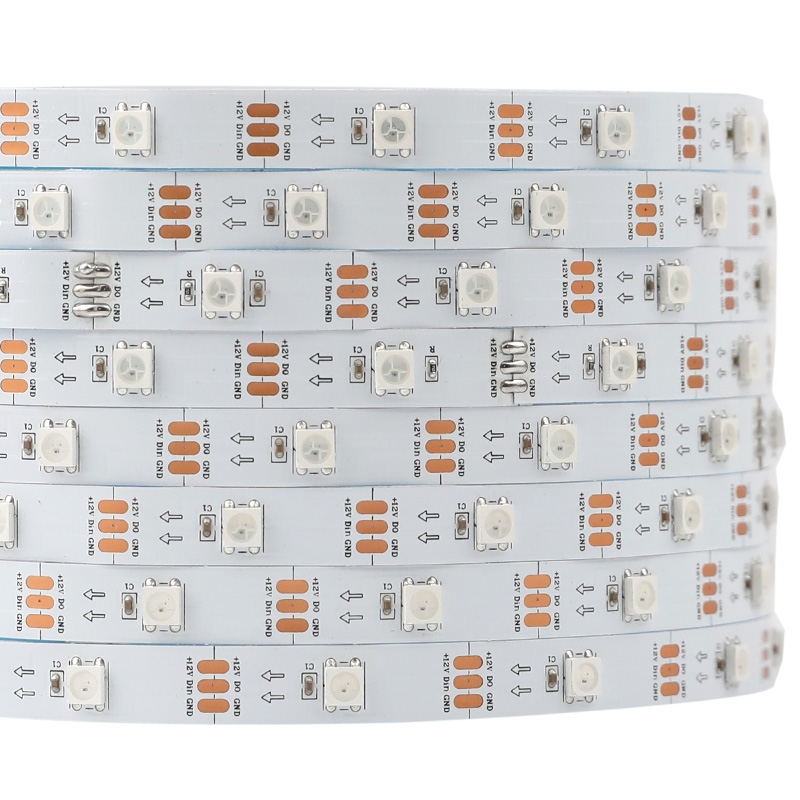
30LEDs/m SK6812 RGB 12V Individual IC LED Strip (150 Pixels)
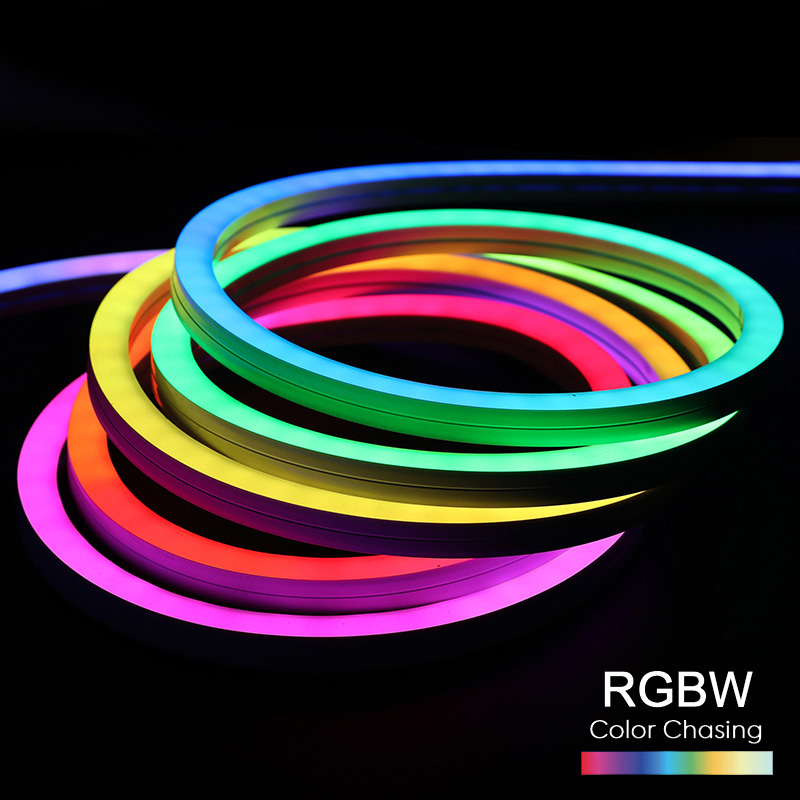
12V Individually Addressable RGBW IC Custom Neon Flex LED Strip
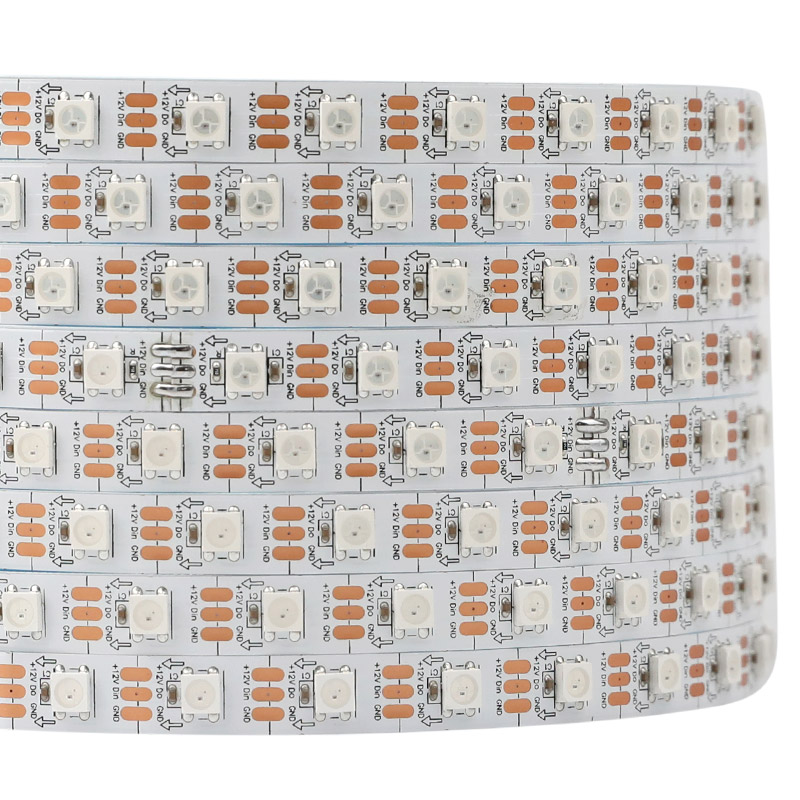
12V SK6812 5050 RGB 60LEDs/m Individual Pixel Light Tape
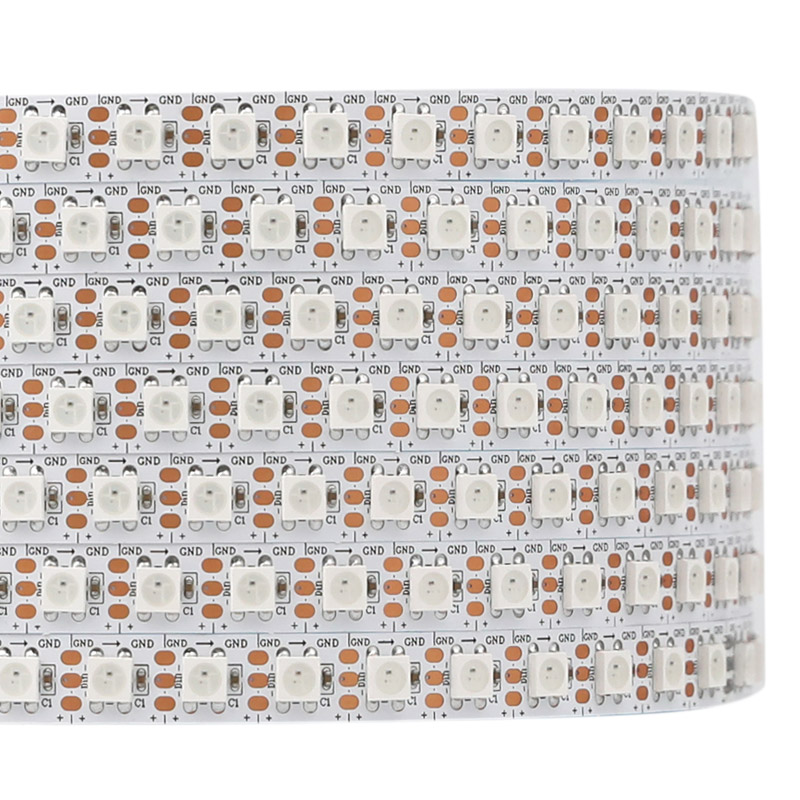
12V SK6812 High-Density SMD5050 96LEDs/m Individual RGB+IC LED Tape Light
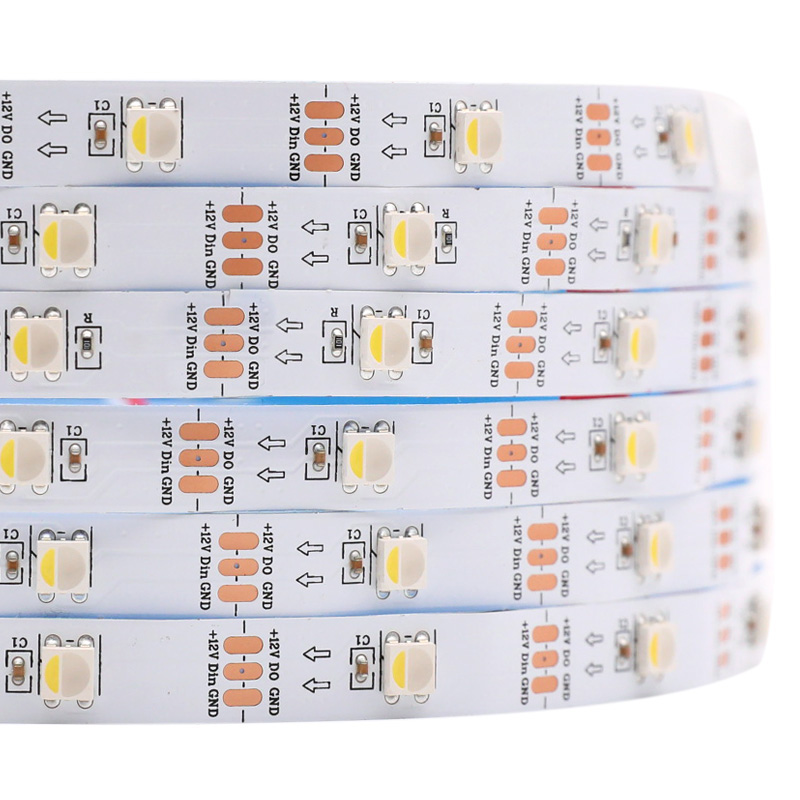
12V SK6812 150 Pixels Individually Controlled RGBW LED Strip
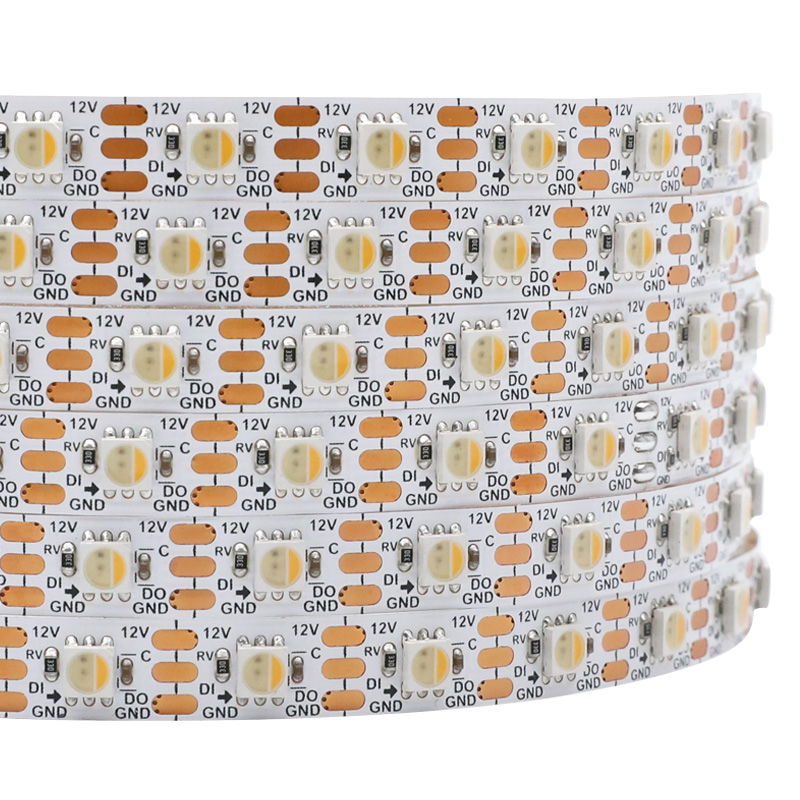
DC12V 16Ft Long SK6812 RGBW Individually Controllable LED Strip Lights
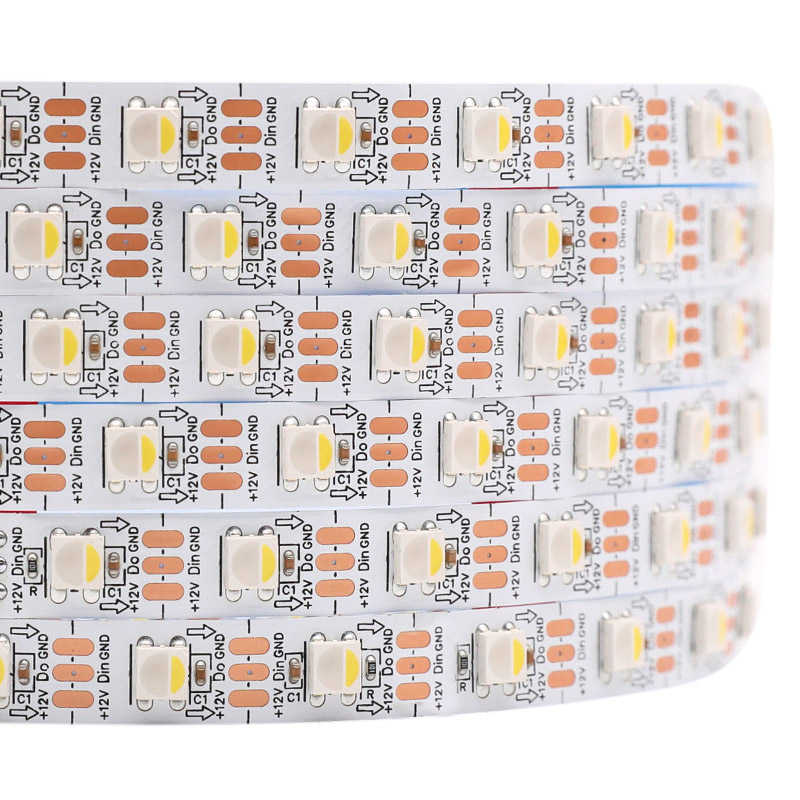
12V SK6812 300 Pixels Individually Controllable RGBW LED Strip
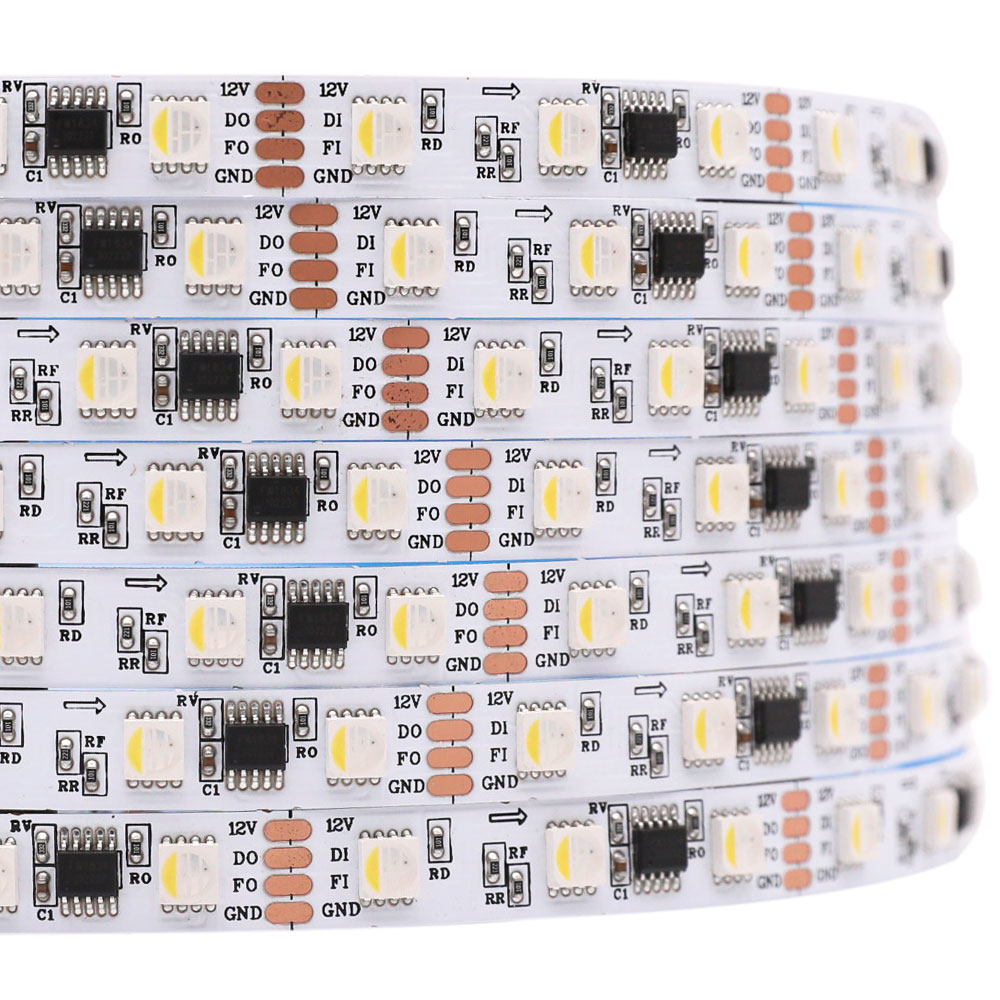
12V SK6812 Digital RGBW LED Strip Light Breakpoint Resume
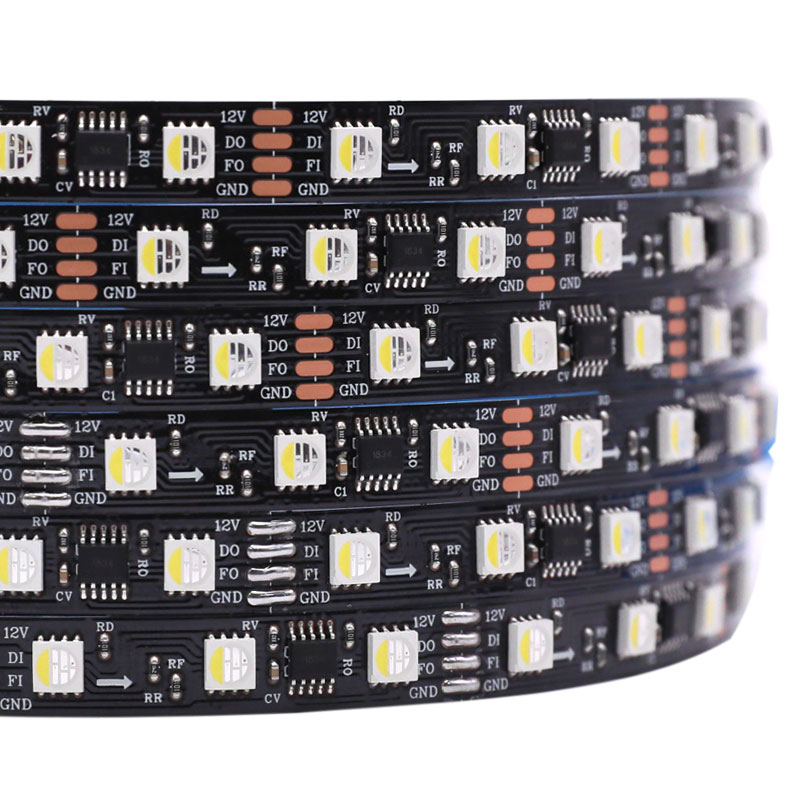
Black PCB SK6812 Dual Data Signal Pixel RGB+W LED Strip
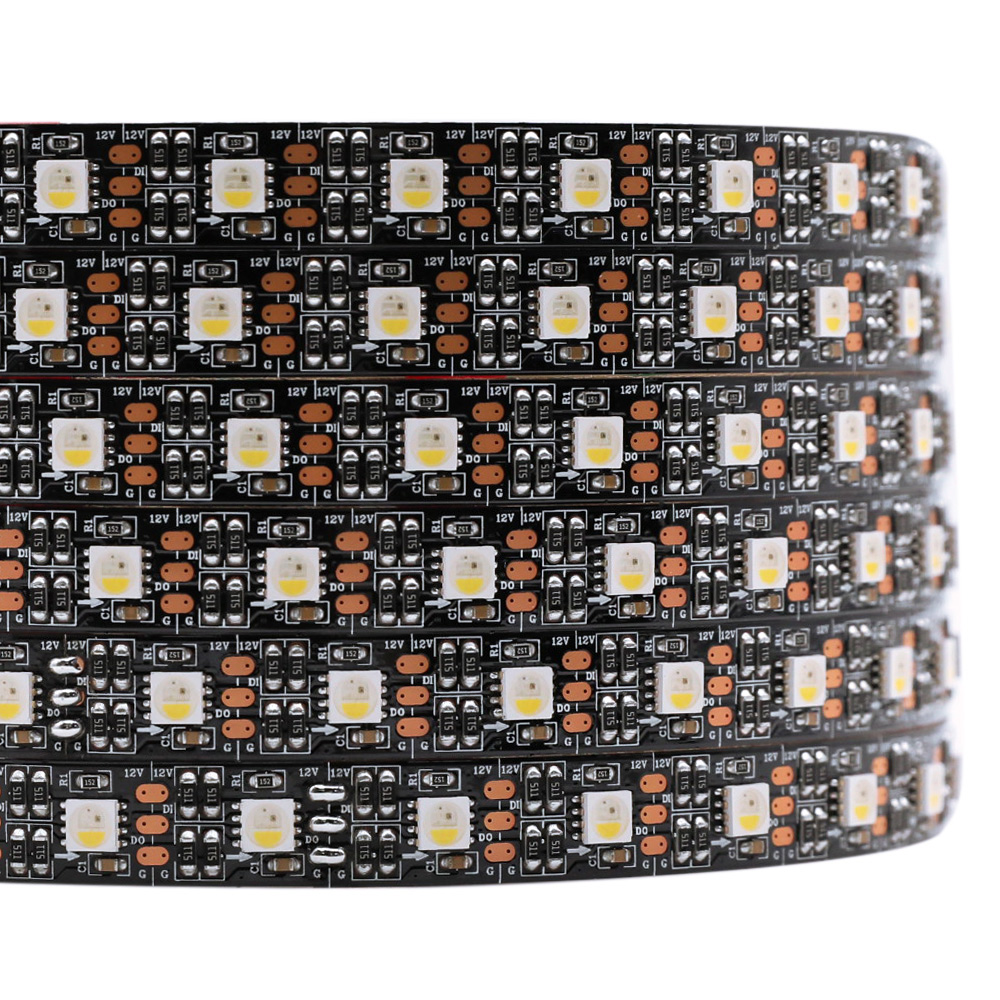
DC12V SK6812 Individually Addressable RGBW LED Strip Light
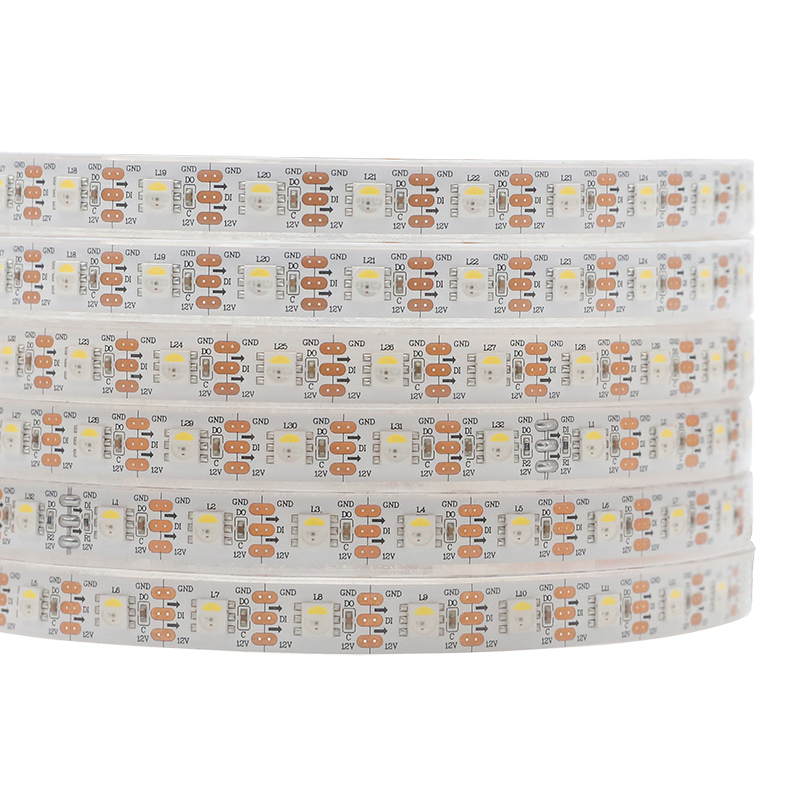
SK6812 Independently RGBW LED Strip (12V 64/m 10mm)

12V SK6812 Addressable LED Strip RGBW Lights Black Color PCB 96 LEDs/m
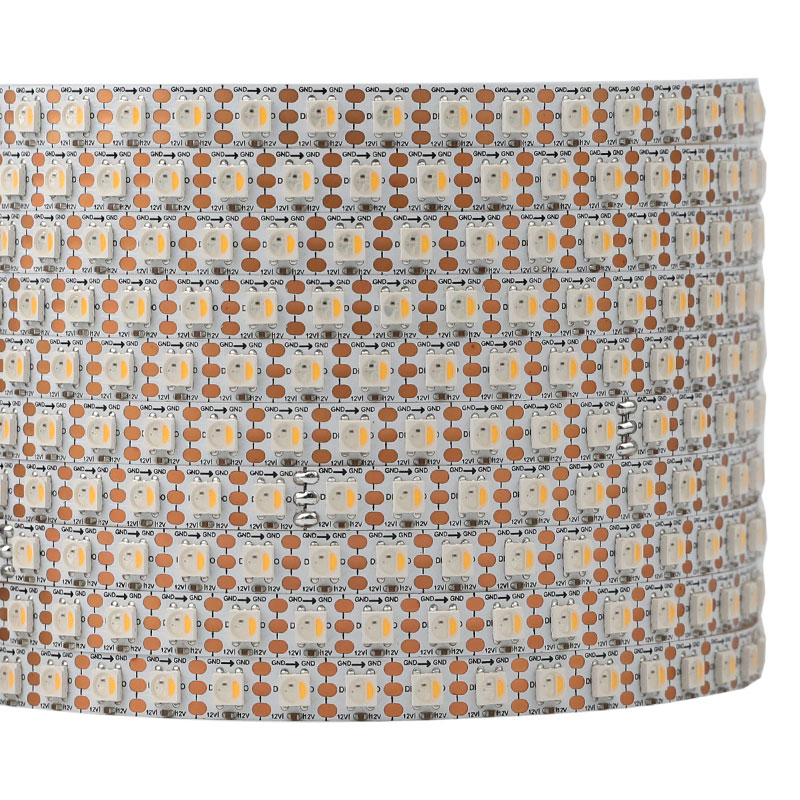
96 High Density 12V SK6812 RGBW Individual LED IC Strip Lights (480 Pixels)
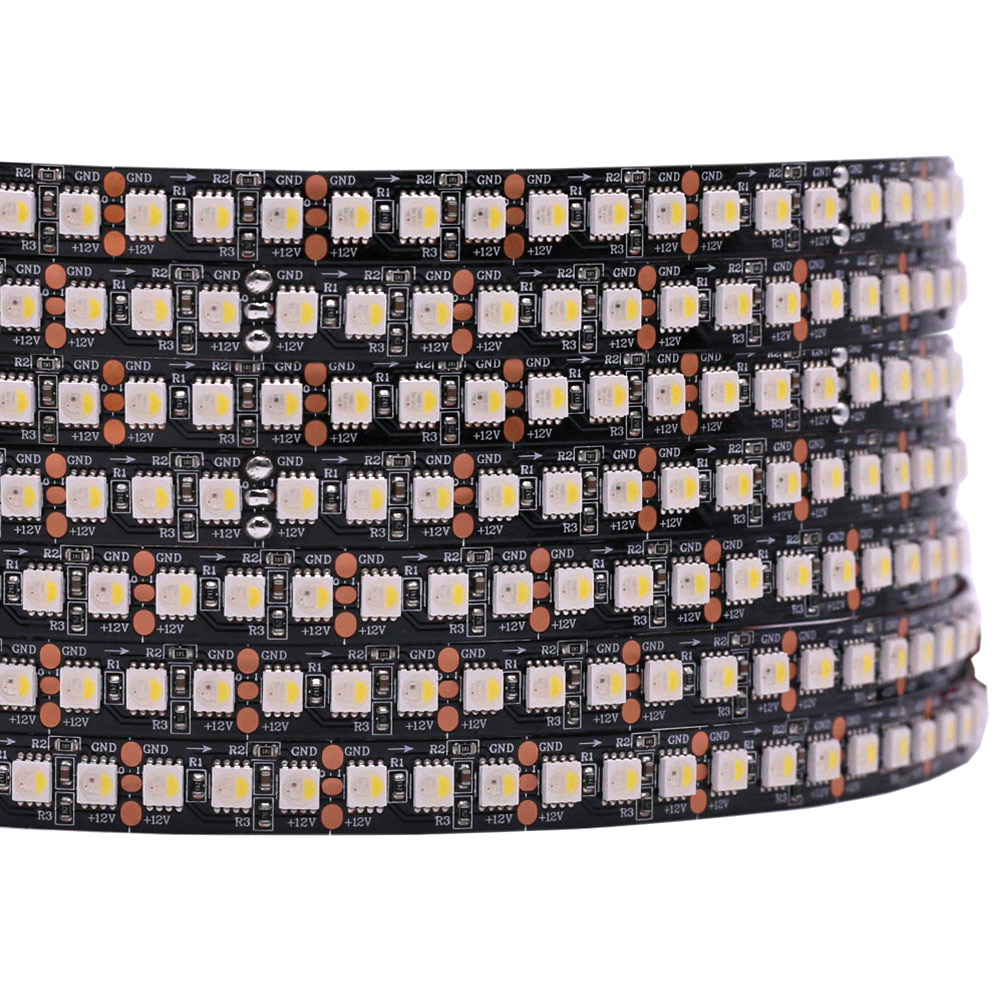
SK6812 4 In 1 DC12V Digital Addressable RGBW Pixel LED Color Changing Strip Lights Full Color
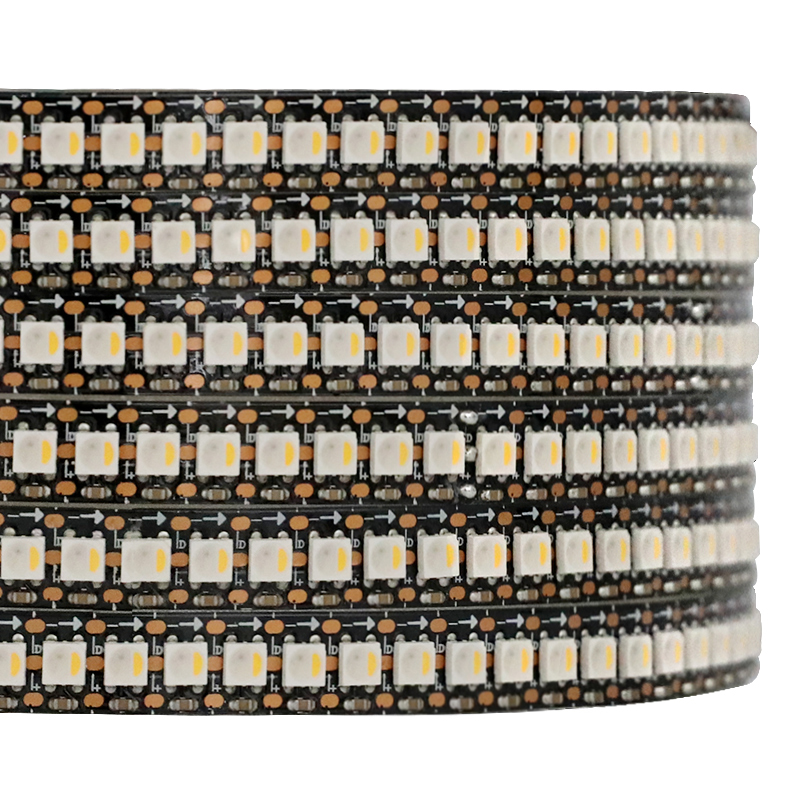
12V SK6812 Smart RGBW LED Strip Addressable per LED 144 LEDs/m
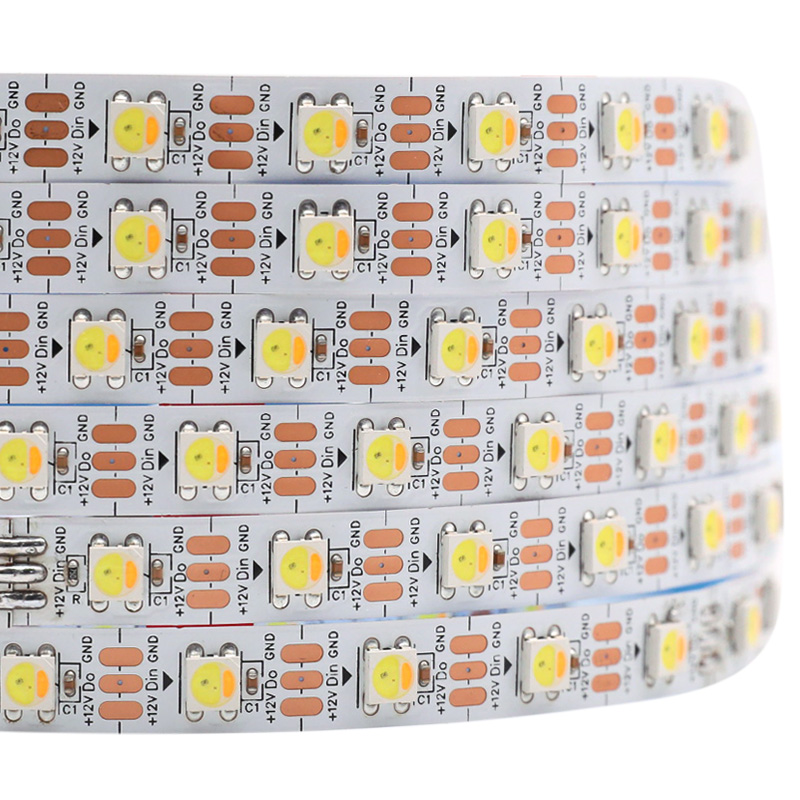
12V Individually Addressable SK6812 1800K to 6500K WWA LED Strip
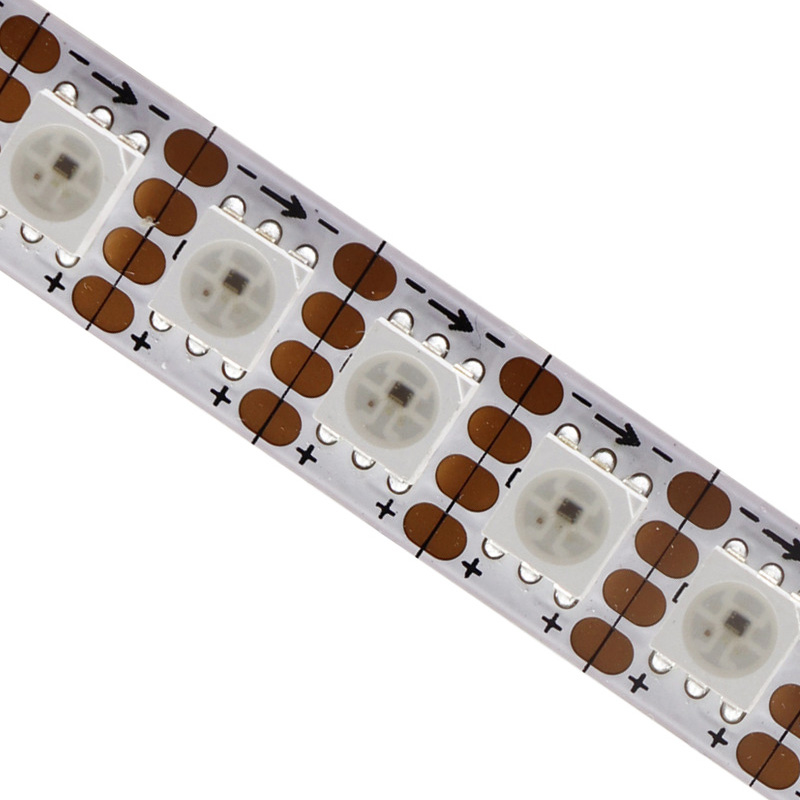
12V SK6813 600 Pixels 5050 RGB Individual LED Digital Strip
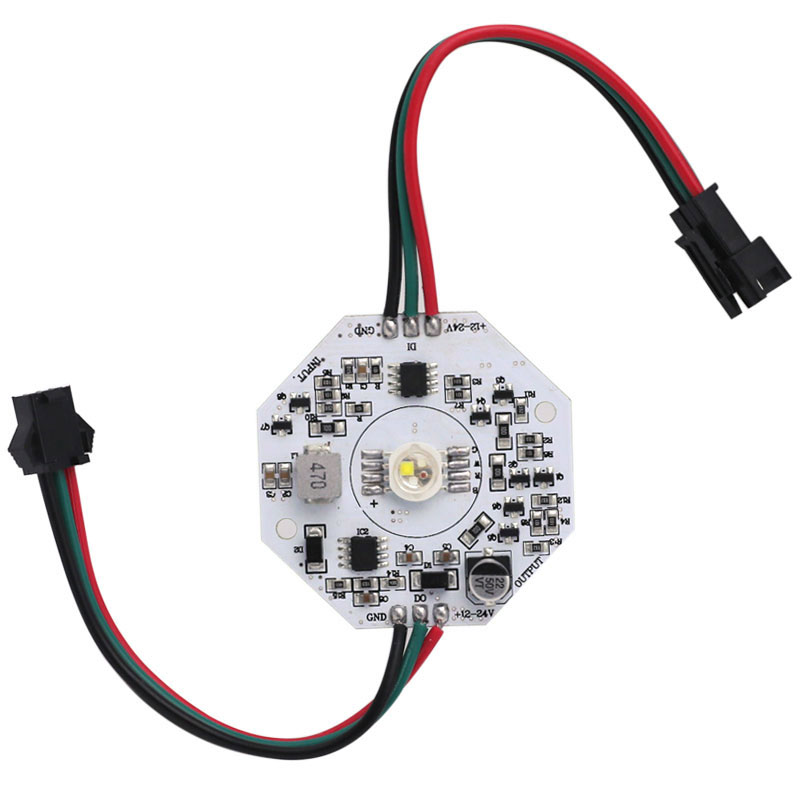
DC12-24V 4W High Power Digital SK6812 LED RGBW Pixel Light
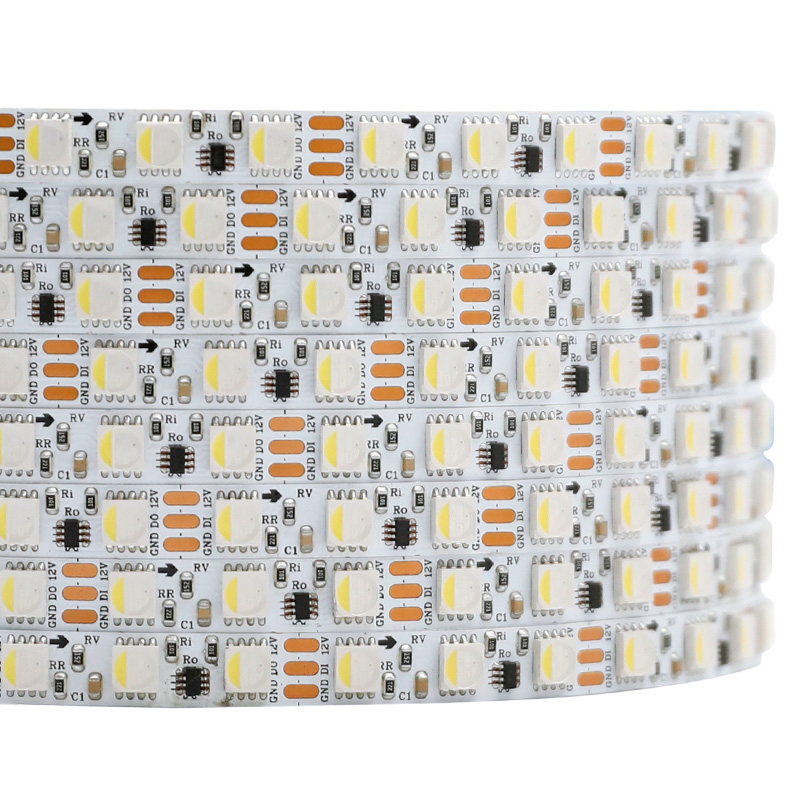
DC12V TM1824 SK6812 RGBW Narrow Addressable LED Strip Light 8mm Width
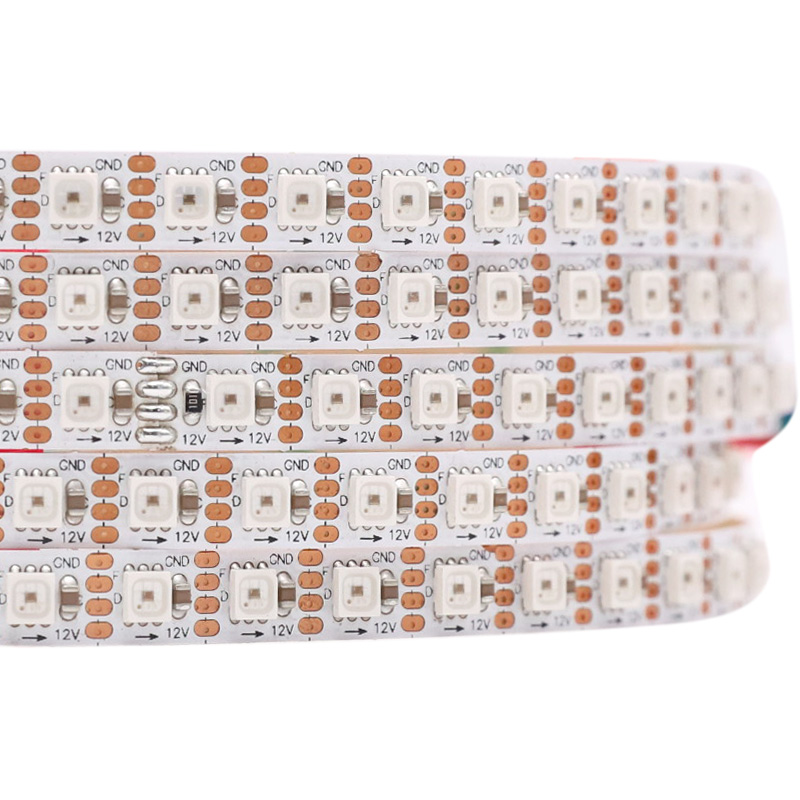
7mm 12V SK6813 3535 4Pin Individually Digital ARGB LED Strip
Frequently Asked Questions About 12V SK6812 LED Strips
Your project's already on our shelf. Here are the questions we get asked the most before it ships.
It's all about control resolution. An 'individually addressable' 12V SK6812 LED strip has a tiny IC inside every single LED, so you can control the color and brightness of each one. A '3-LED control' version uses one external IC to control a group of three LEDs. You can still create chasing effects, but the smallest controllable block is three LEDs long. The 3-LED version is a bit more budget-friendly and great for larger-scale effects where you don't need single-pixel detail.
A 12V LED light strip hits the sweet spot for many projects. It's much more forgiving about voltage drop than 5V, meaning you can have longer runs before the lights dim at the end. It's also a very common voltage for vehicles, off-grid systems, and a huge range of power supplies. While 24V pixel tape lets you go even longer, 12V offers the widest compatibility with controllers and accessories out there. It's the versatile workhorse.
For most of our 12V SK6812 LED strip lights, the rule of thumb is to inject power every 5 meters (about 16 feet). If you run it longer than that from a single connection, you'll see the brightness and colors start to fade or shift toward red at the far end. This isn't a defect; it's just physics, called voltage drop. For a clean, professional install, plan to run power to both ends of a 5m strip, or add a new power feed every 5m in a longer chain. We cover this in detail in our guide on long runs.
This is almost always a data signal problem, not a power issue. The SK6812 strip needs a clean data signal from the controller to work. If the first LED is stuck on or acting weird and the rest are dark, check your data line connection. Make sure it's firmly connected to the correct pin on your controller and the 'Data In' pad on the strip. Also, a very common mistake is having a ground wire that's loose or disconnected between the controller and the strip.
It's straightforward. Find the 'watts per meter' on the product page for the specific 12v led light strip you're using. Multiply that number by the total meters you'll be running. Then, add a 20% safety margin — you never want to run a power supply at 100% capacity. So, if you have 5 meters of a strip that uses 14.4W/m, that's 72 watts. Add 20% (14.4W), and you'll need a power supply rated for at least 86.4W. Your best bet would be a 100W 12V UL-listed power supply.
Yes, absolutely. SK6812 is one of the most common and well-supported chipsets in the DIY and home automation communities. Controllers running WLED, FastLED, Prismatik, or other open-source software will control these 12v lights perfectly. Just be sure to select SK6812 (or often the compatible WS2812B/NeoPixel) as the strip type in the software configuration. We stock a wide range of addressable SPI controllers that are ideal for these projects.
You can, but you must choose the right IP rating. For marine use or areas with direct water exposure, you need a strip with an IP67 (silicone tube) or IP68 (fully potted) rating. An IP65 coating isn't enough for a boat. Also, every connection, cut, and end cap must be sealed properly with silicone and marine-grade heat shrink. Using proper IP68 waterproof connectors is not optional here; it's critical for safety and longevity.
The basic wiring for a 12v led light strip is simple. You have three inputs: 12V positive (often red), Ground (GND, often white or black), and Data In (DI or DIN, often green). Your 12V power supply connects to the 12V and GND inputs. Your controller also needs power (12V and GND), and its data output pin connects to the strip's Data In. Critically, the power supply's ground and the controller's ground *must* be connected together. That shared ground is the most common point of failure for beginners.
An RGBW light 12v led strip includes a dedicated, separate white LED chip alongside the red, green, and blue ones. A standard RGB strip makes white by mixing red, green, and blue at full power, which often results in a bluish, cold, or slightly pinkish-looking white. The dedicated white chip on an RGBW strip gives you a much purer, higher-quality white light. It's a huge upgrade for any application where you might want both vibrant colors and functional, clean white task lighting.
For lower-density strips (30 or 60 LEDs/m) used for accent lighting, you can sometimes get away without one. But for any high-density 12v lights (96/m or more), or if the strip will be on for hours at a time, we strongly recommend it. The channel acts as a heat sink, pulling heat away from the LEDs and dramatically extending their lifespan. It also protects the strip from physical damage and gives you a much cleaner, more professional look with a diffuser.
If you've already fixed voltage drop with power injection and colors are still glitching or off at the far end, the problem is likely data signal degradation. The data signal can weaken over long wires. Keep the wire from your controller to the start of the strip as short as possible (ideally under 10ft). For longer distances, you may need a data booster or a null pixel. This is a common issue on long runs that people mistake for a power problem.
Yes, we do this all day. This is a huge part of our business that never even shows up on the website. Just send us a sketch of your cabinet layout with the lengths you need for each section and the wire length you need between them. A photo of a drawing on a napkin is fine. An engineer will send back a complete wiring plan, parts list, and a quote, usually the same business day and always within 12 hours. There's no fee for the consultation and no obligation to order.