
3-Pin Addressable LED Strip Parts
43 productsSeamless Connections for 3-Pin & 4-Pin Addressable LED Strips
Getting your dynamic pixel LED strip project right comes down to precise, reliable connections. Unlike standard static LED strips, addressable LED lights rely on dedicated signal lines to deliver pixel-level color and brightness control—enabling complex chasing, flowing, and matrix lighting effects. Choosing the correct connector structure is essential for your control architecture:
- 3-Pin Connectors (Single Data Protocol):
Engineered for single-data-line addressable LED strips such as WS2811 and WS2812B, utilizing Power (V+), Ground (GND), and a single Data line (DAT) to transmit pixel commands across the run.
- 4-Pin Connectors (Dual-Signal & High-Refresh SPI Protocol):
Designed for advanced 4-wire addressable LED strips, accommodating both dual-signal breakpoint resume (DAT + BKP) protocols like WS2815 and GS8208 (where a backup line ensures signal redundancy if a pixel fails), as well as high-speed SPI protocols (DAT + CLK) like SK9822 and APA102 that require a dedicated clock line for ultra-high refresh rates.
These 3-pin and 4-pin solderless connectors and extension cables solve the most critical installation challenges: jumping 90-degree corners, bridging gaps across cabinetry, and extending lead wire runs from your controller. Built for rapid, tool-free assembly, they deliver secure, low-resistance connections in seconds—eliminating hours of tedious field soldering and significantly cutting labor costs.
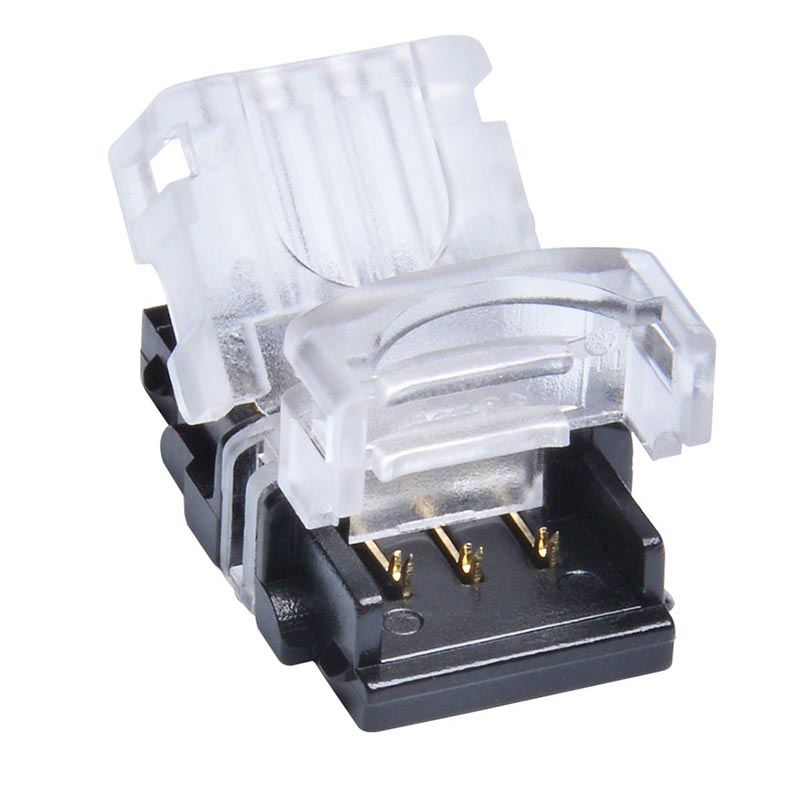
3 Pin 10mm LED Strip Connector - Waterproof IP65/IP54 Solderless | 5A
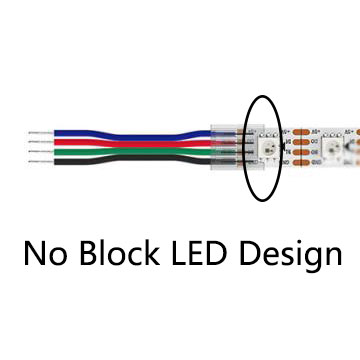
4 Pin 10mm High-Density RGB SMD LED Strip to Wire Connector
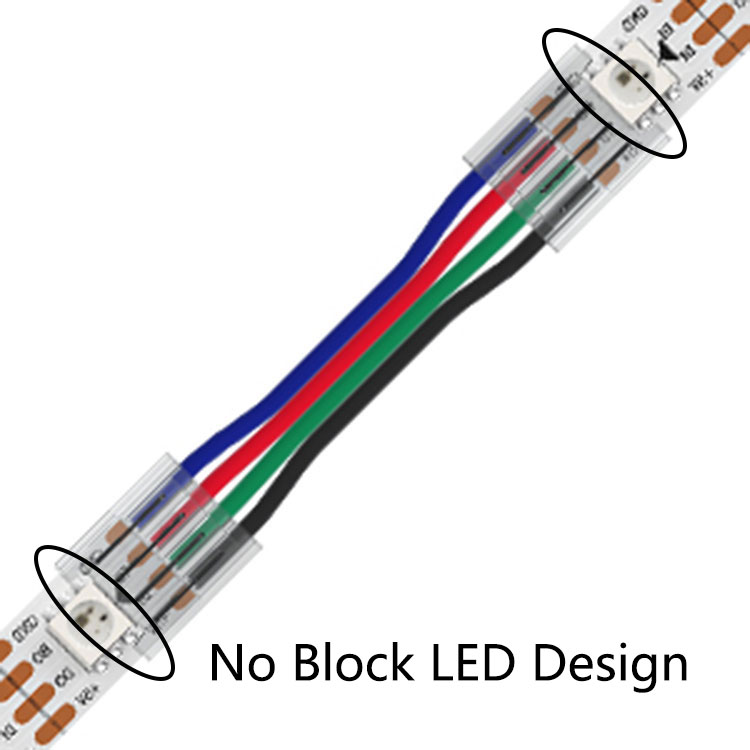
4 Pin 15CM RGB SMD LED Strip Connector For 10mm Rope Lights
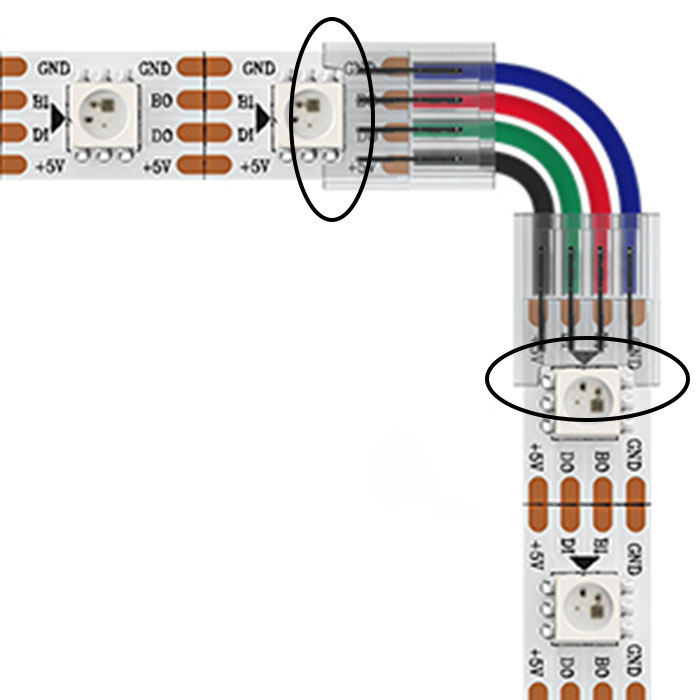
4-Pin L-Shape RGB Corner LED Connector For 10mm SMD LED Strips
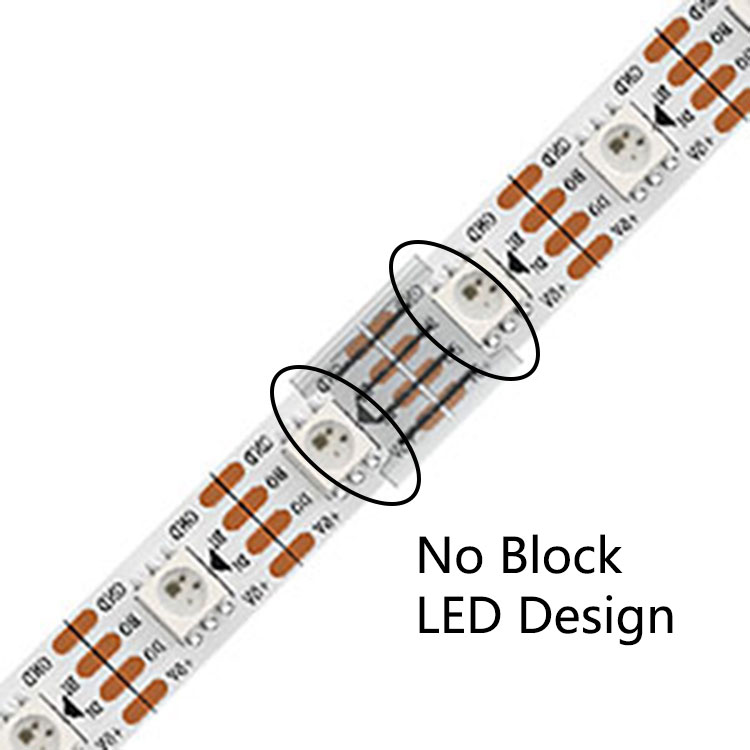
4-Pin SMD LED Strip Light Connector For 10mm RGB LED Strip
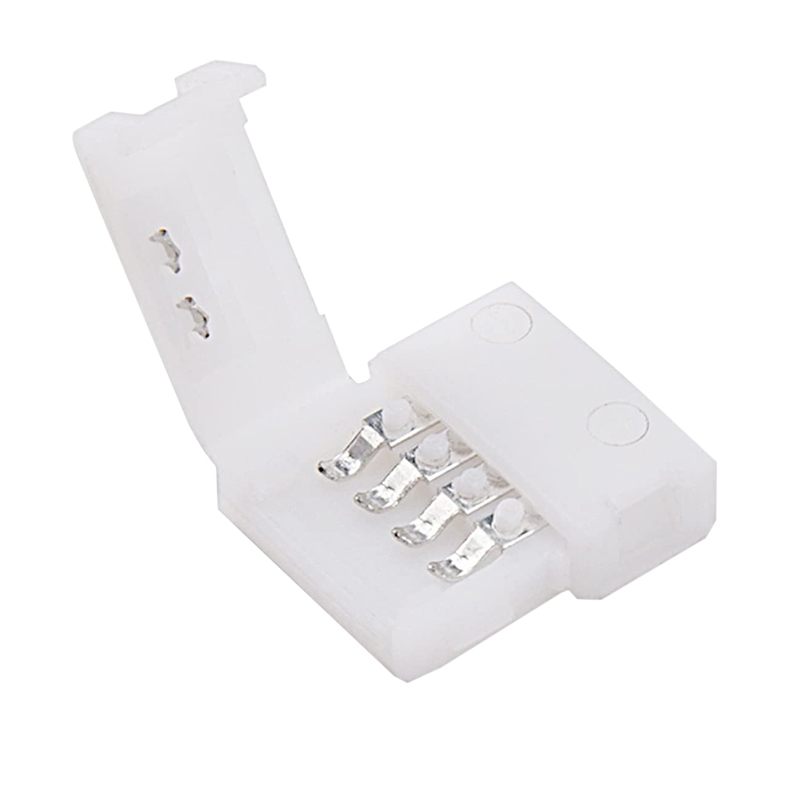
4Pin Solderless RGB LED Connector - 10mm 5050 Strip Jumper | 90° Bend
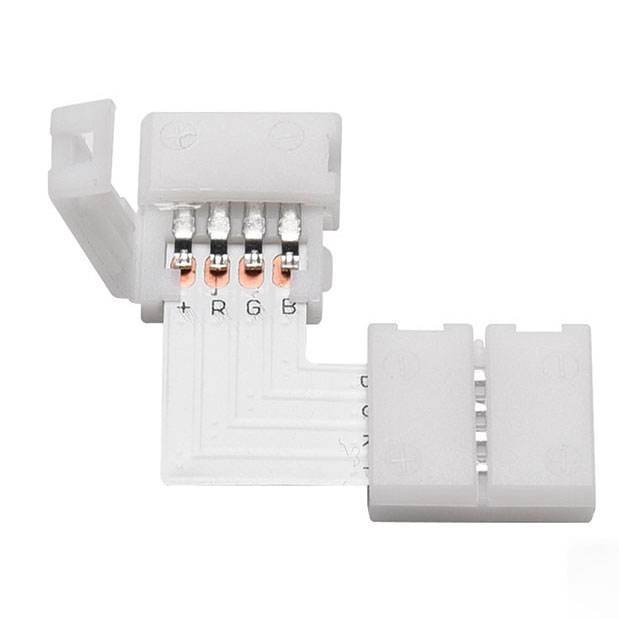
L Shape 4 Pin LED Fast Conector Accessories For Width 10mm RGB Color Changing LED Strip Light
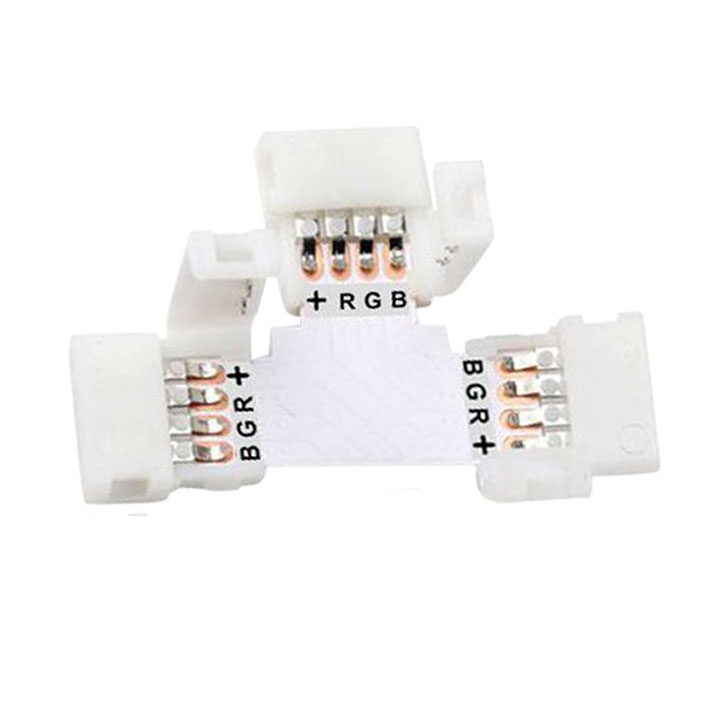
T Shape 4 Pin Solderless LED Fast Conector Accessories For Width 10mm RGB LED Strip Lights
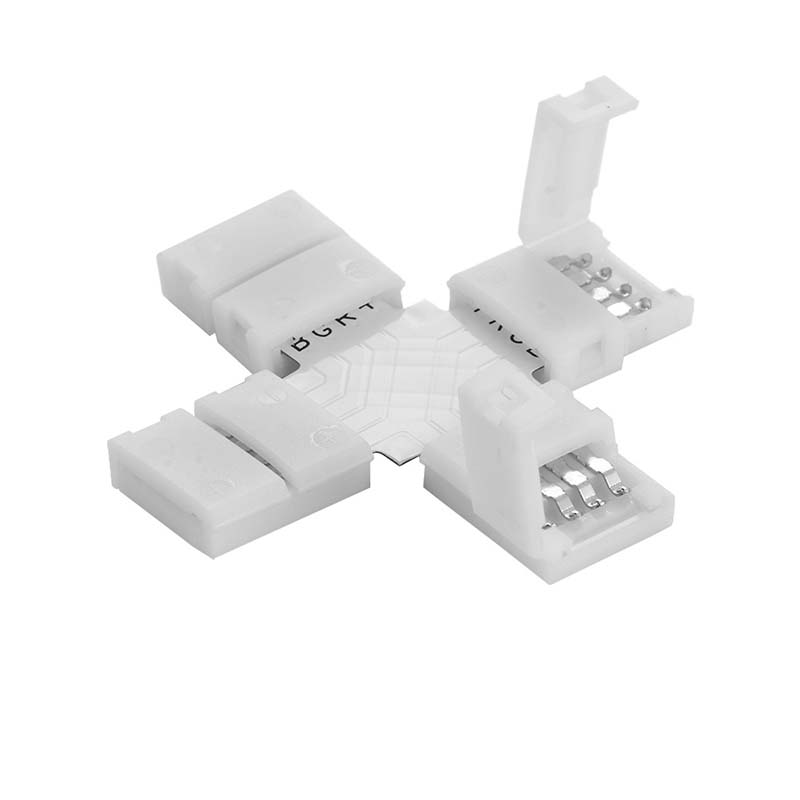
+ Shape 4 Pin LED Fast Conector Accessories For Width 10mm RGB LED Strip Light
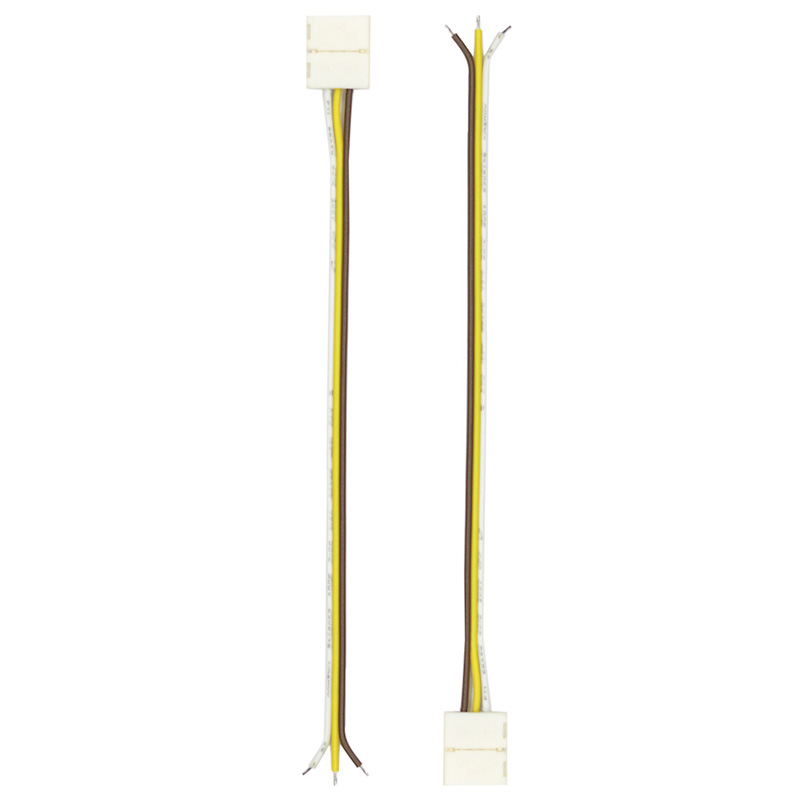
3Pin LED Connector for WS2811/WS2812B/SK6812 - Solderless 10mm Strip DIY
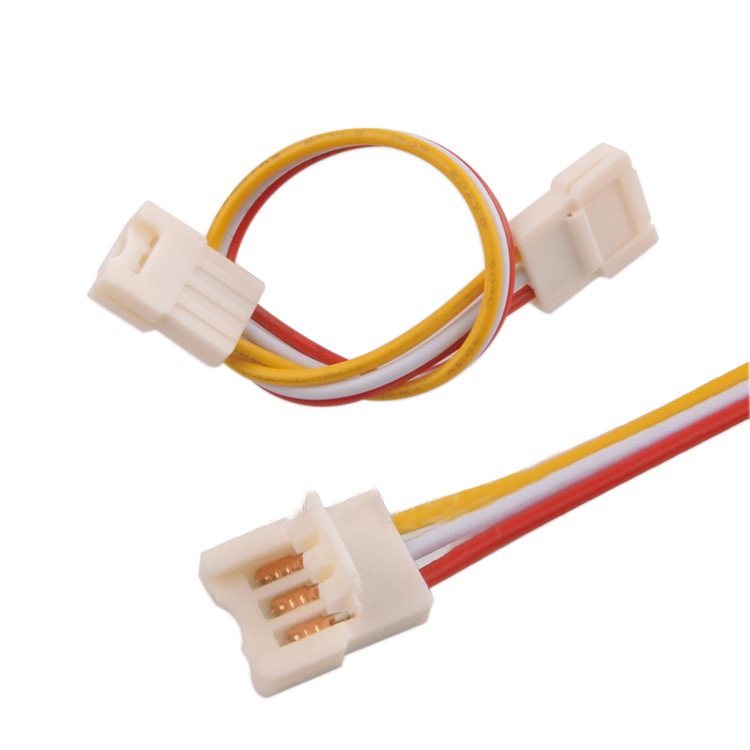
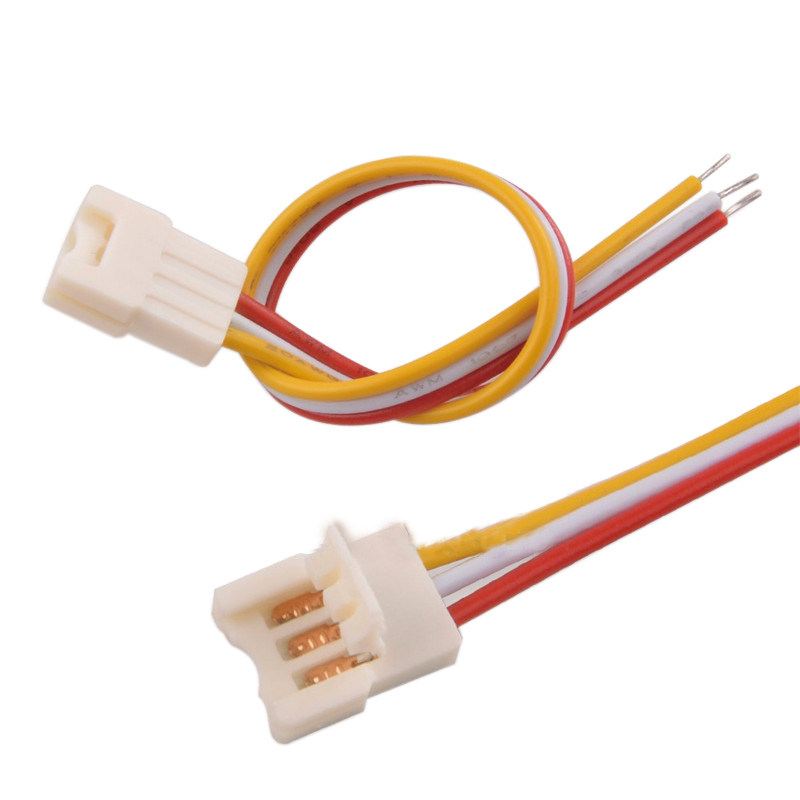
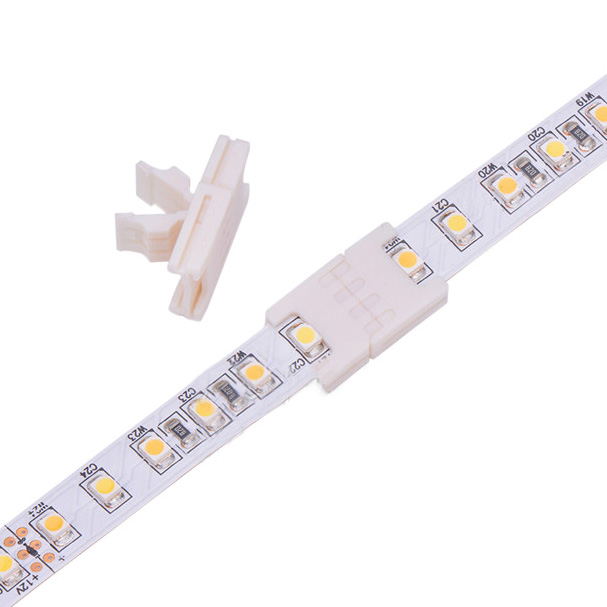
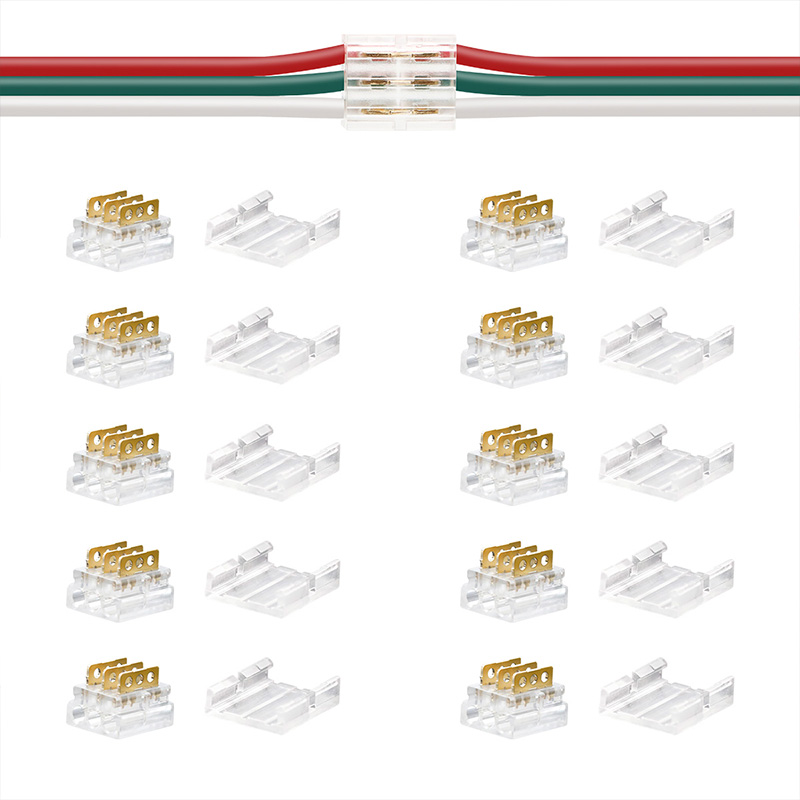
10 Pcs Mini Quick Splice 3 Way Push Wire Connectors for 20 to 24 AWG Wire Connection
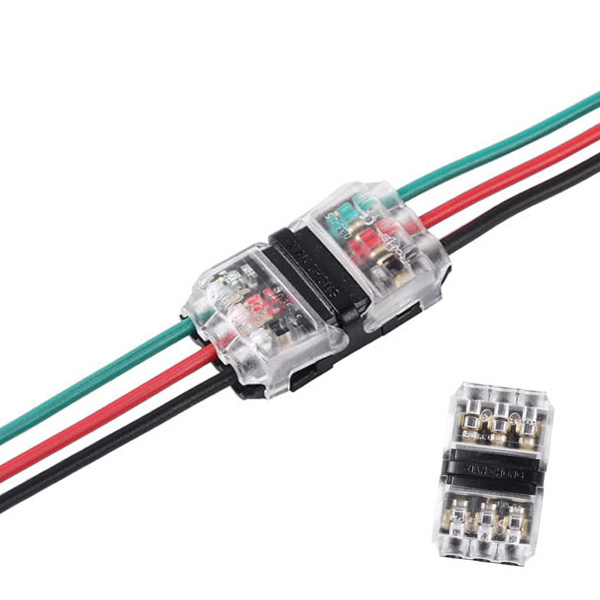
I Shape Inline 3 Wire Quick Splice Connector, 20 to 22 Gauge, 10A Max
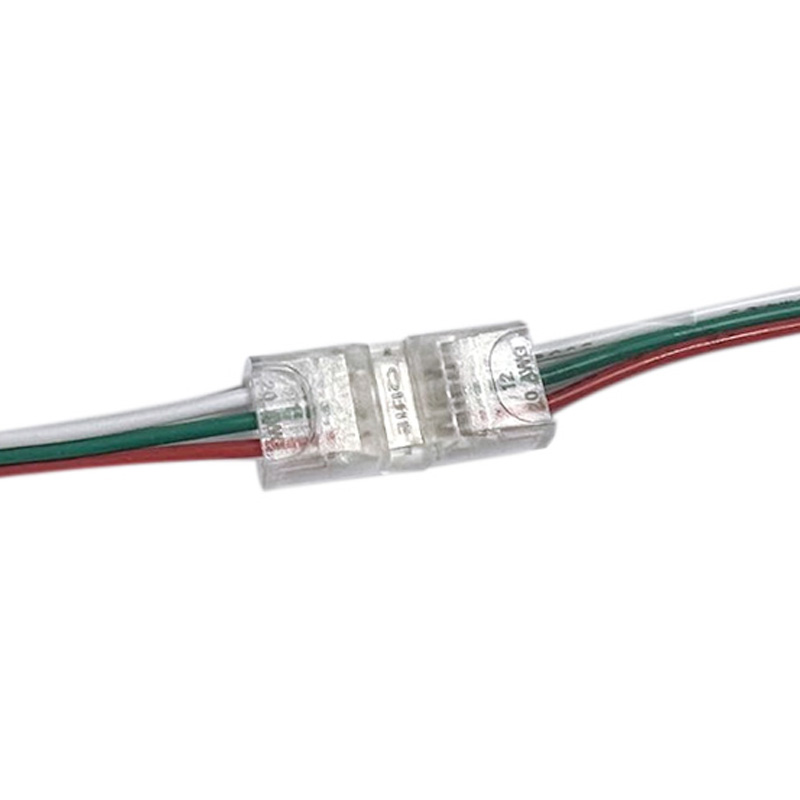
Quick Electrical 3 Pin Wire Splice Connector
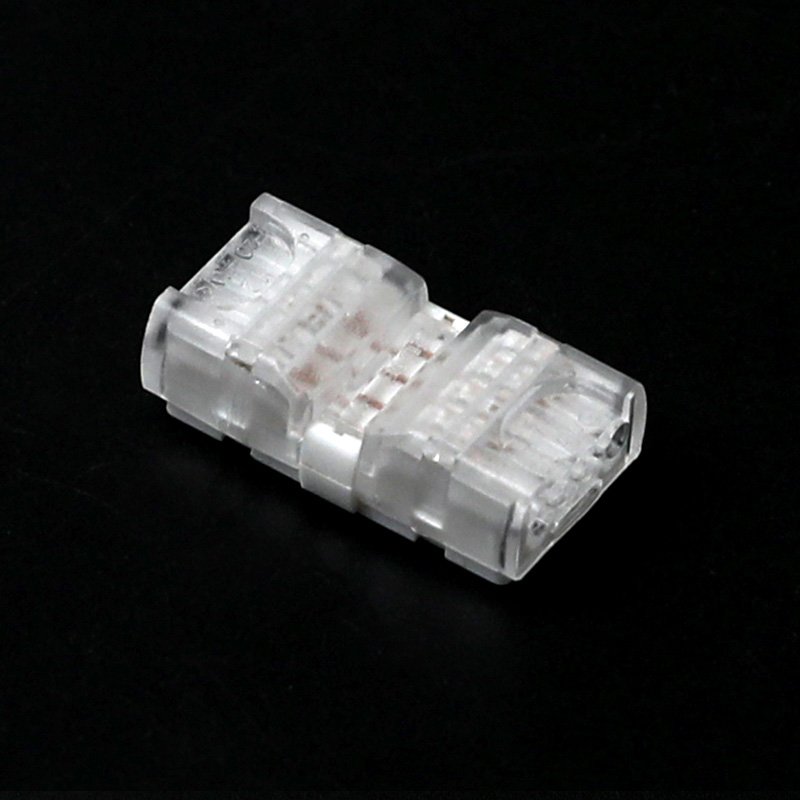
Quick Electrical 4 Pin Wire to Wire Splice Connector
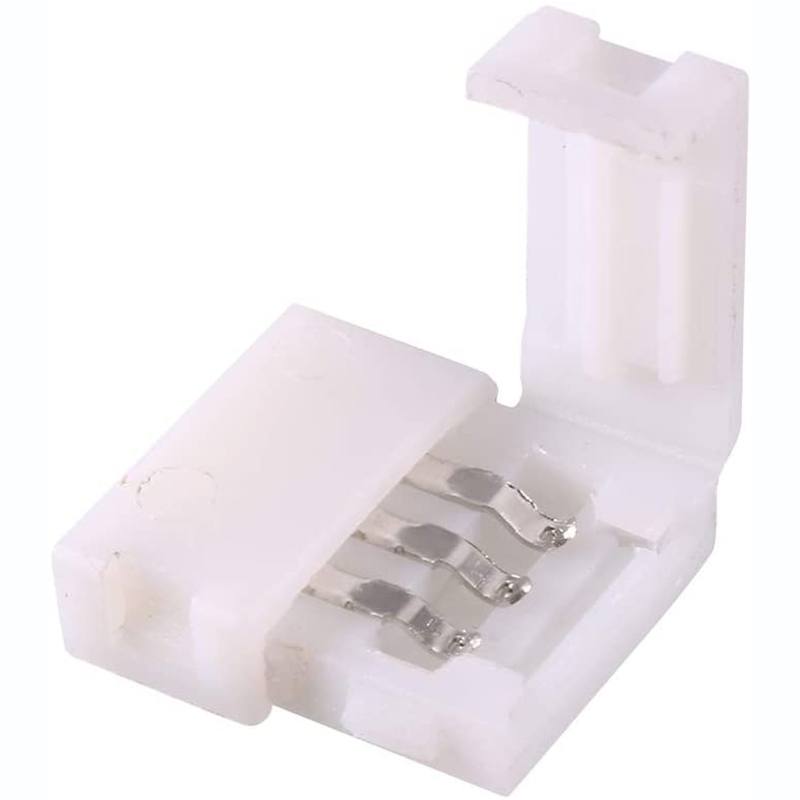
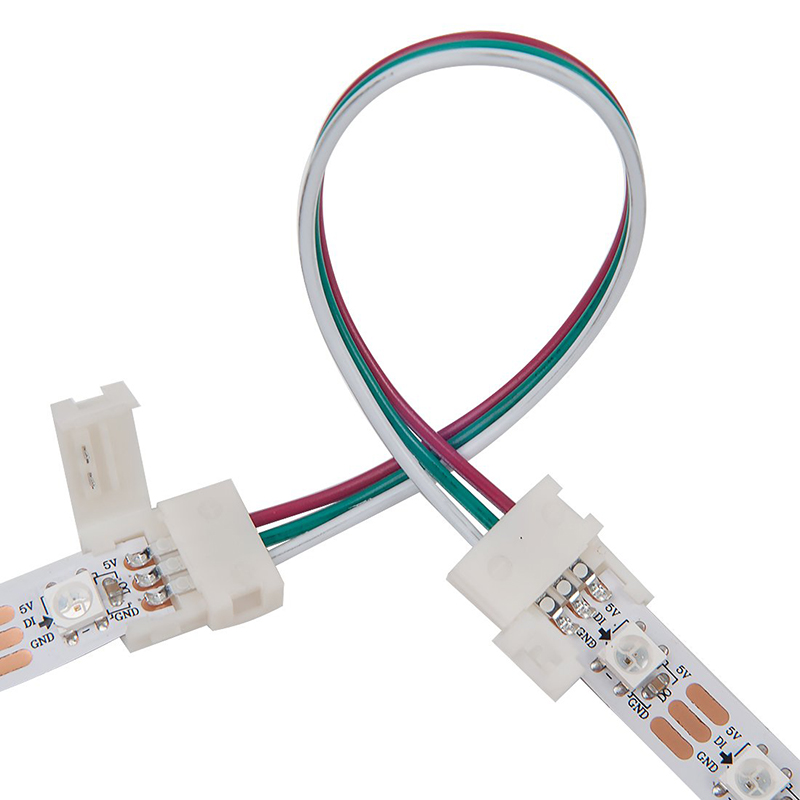
10mm Solderless LED Strip Connector for WS2811 WS2812B | Dual End, 3Pin/4Pin
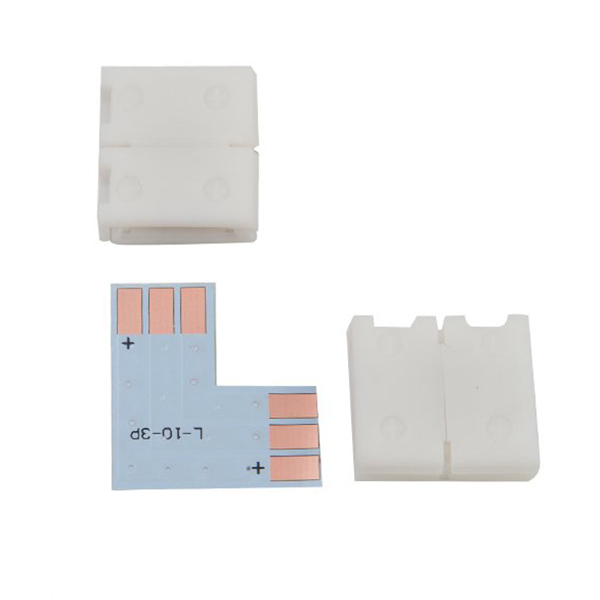
Frequently Asked Questions About 3-Pin LED Strip Connectors
Got a question about getting your addressable or CCT strips connected? I've answered thousands of these over the years. Here are the most common ones.
Electrically, nothing. They both have three copper contacts. The difference is what those pins do. On a CCT strip, the pins are typically for Power (V+), Warm White, and Cool White. For an addressable LED strip, the pins are Power (V+), Data, and Ground (GND). You can use the same physical connector for either, but you absolutely have to wire them correctly for the strip type you have.
Honestly, yes. A well-soldered joint is always the most reliable, electrically sound, and permanent connection. It's the standard for mission-critical commercial jobs. But soldering takes time and skill. These solderless connectors are the answer for 90% of projects where you need to move fast and don't have an expert installer on hand. They provide a solid connection that saves a ton of time and labor cost.
There is no difference. It's just a keyword people search for when their strip was sold to them as 'RGBIC'. An RGBIC strip is a 3-wire addressable LED strip. So, any 3-pin connector that matches your strip's PCB width (e.g., 10mm) is the correct 'RGBIC connector'. Don't let the marketing terms confuse you; just match the pin count and width.
Yes. They are a very common de-facto standard, especially for the pigtails that come pre-soldered on pixel LED lights.
Yes, absolutely. This is a huge part of our business that a lot of people don't know about. Just send us a sketch—even a photo of a drawing on a napkin is fine. Tell us you need a 2-meter extension from a JST connector to a waterproof plug, using 20AWG wire. Our engineers will spec it out, create a formal wiring diagram, and send you a quote, usually within 12 hours. There's no fee for this service and no obligation to order. We build custom-length wiring looms for installers every day.