
APA107/HD107S Addressable LED Strips
14 productsAPA107, HD107S, and HD108 all belong to the CLK+DAT control type. Typically, we think of APA107 (9 kHz PWM frequency, transmission rate 30MHZ) as an alternative to APA102C and SK9822 (~4.7 kHz PWM, transmission rate 30MHZ), HD107S (26+ kHz PWM frequency, transmission rate 40MHZ) as an upgrade to APA107 and APA102 (20+ kHz PWM, transmission rate 20-30MHZ), and HD108 (PWM frequency is up to 27 kHz, 40 MHZ data rate) as an upgrade to HD107S. Among all the addressable led strip IC chips, only HD108 supports 16-bit 65536 grayscale variations at present, the others are 8-bit 256 levels of grayscale.
HD108 LED has the fastest refresh rate, responds and updates LED status instantly, and with a 16-bit 65536 high-definition grayscale and a wider range of colors to provide richer, more realistic and detailed images and animated lighting effects. With optimal color matching and consistency across the entire HD108 LED strip or pixel matrix, and low forward voltage drop, HD108 strip is ideal for LED screens requiring the best animation and visual effects.
SK9822 vs APA102 vs APA107 vs HD107 vs HD107s vs HD108
Product spec sheets & downloads
Product spec sheets & downloads
Product spec sheets & downloads
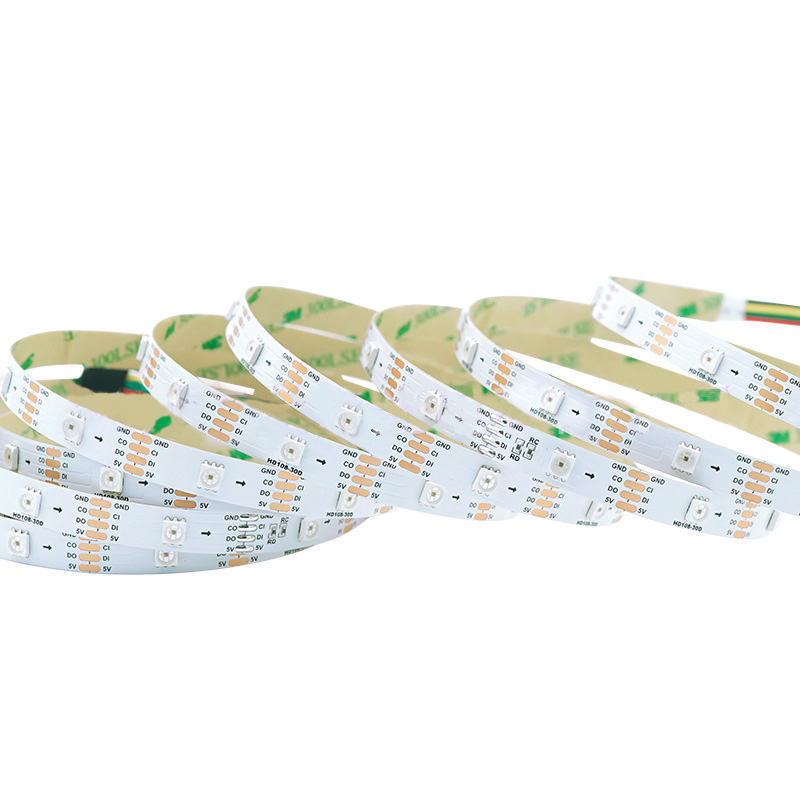
DC5V HD108 Addressable RGB LED Strip - 16.4Ft 150LEDs Waterproof Optional
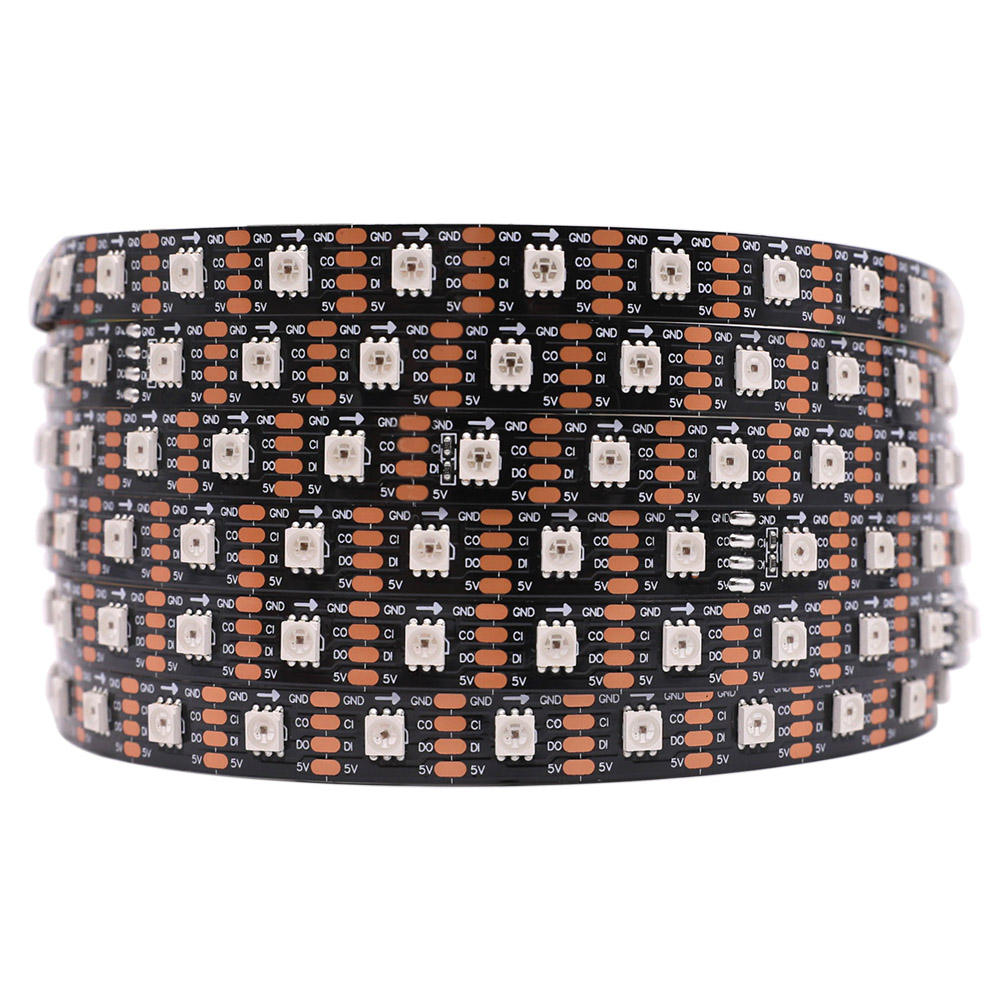
HD108 IC Individually Addressable RGB Color Changing Flexible DC5V LED Strip Lights
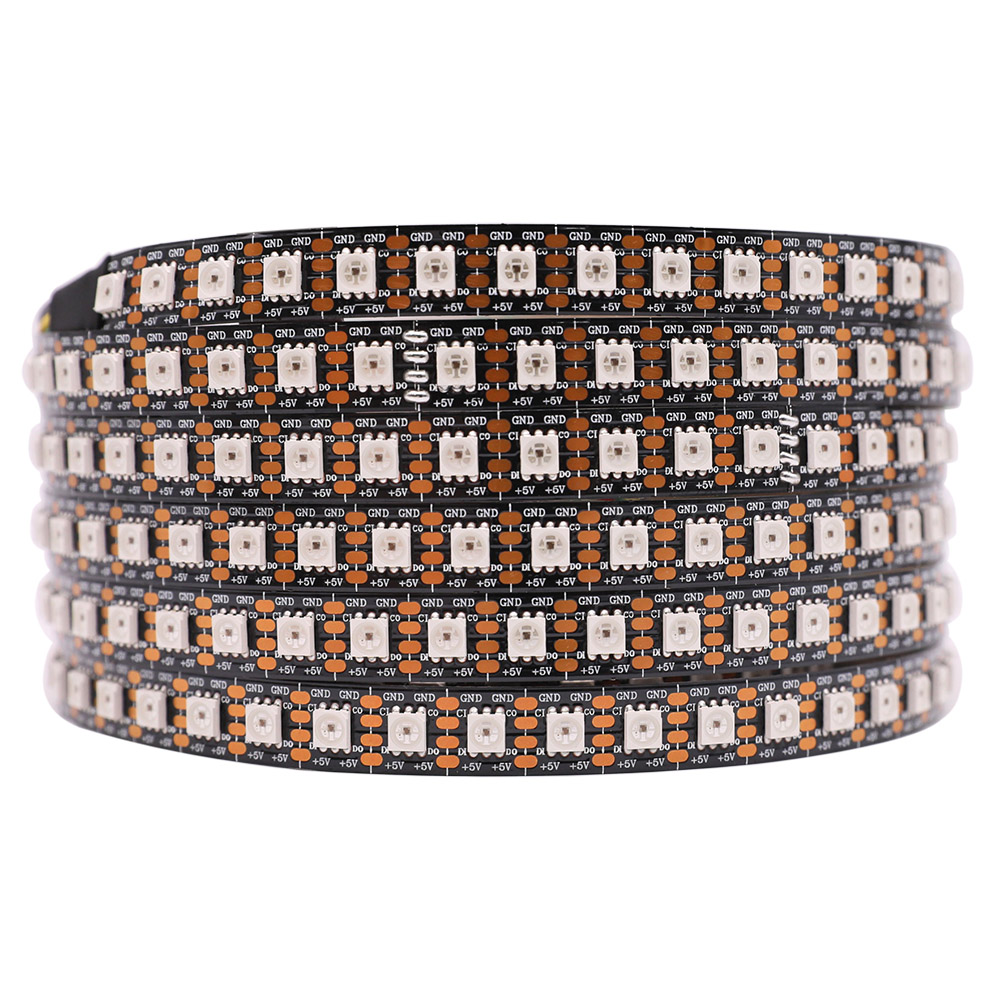
HD108 Individually Addressable RGB Pixel LED Flexible Strip Lights DC5V Full Color Changing
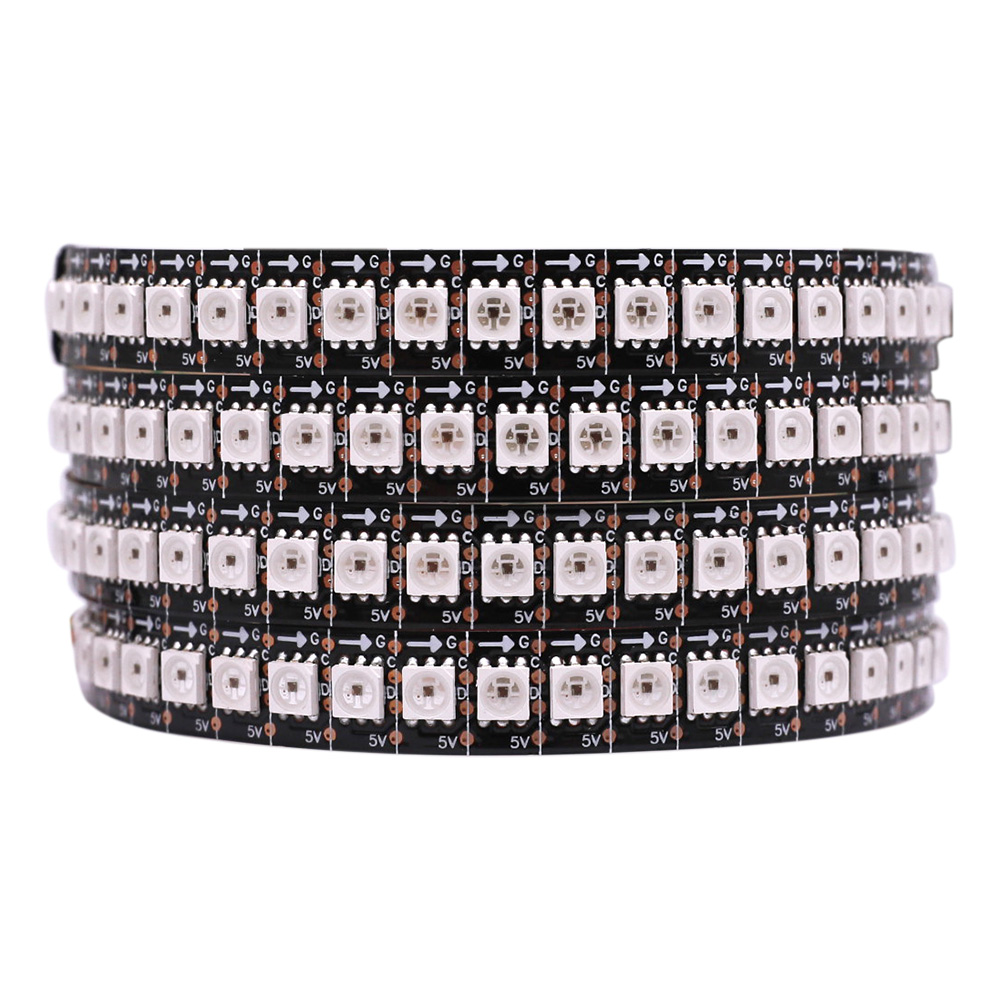
Individually Addressable DC5V HD108 Pixel LED RGB Color Changing LED Strip Lights

APA107 HD107S 30LEDs/m RGB Individually Addressable LED Strip
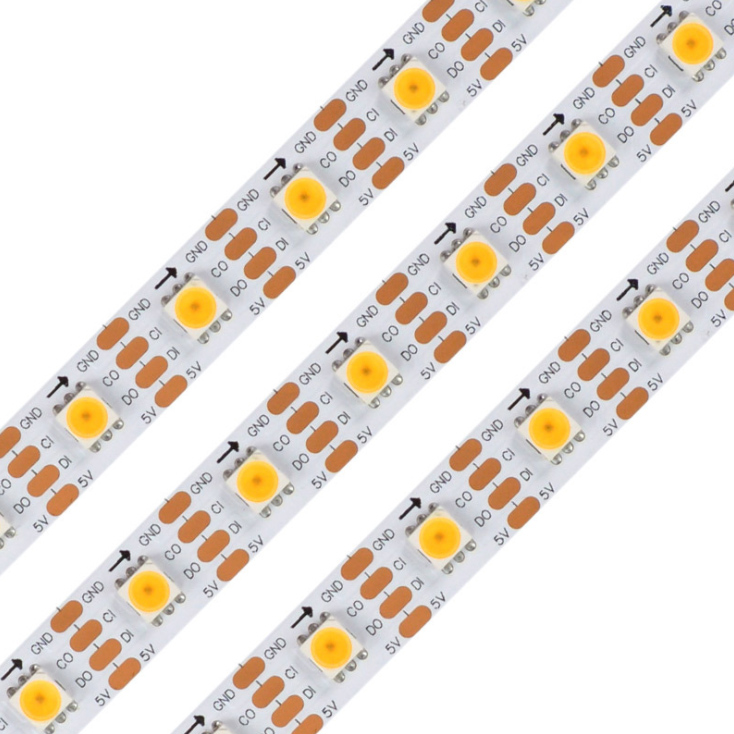
DC 5V HD107S SMD5050 built-in IC 60LEDS/M 3000k/6000k Optional Single point single control individually addressable LED Strip Light
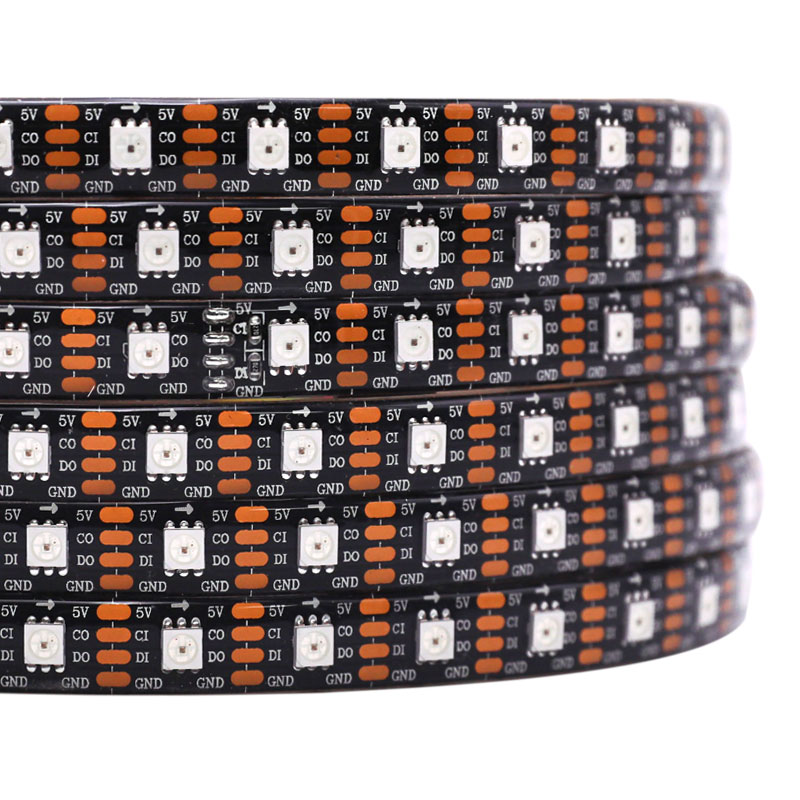
APA107 HD107S 60LEDs/m Individually Addressable RGB LED Strip
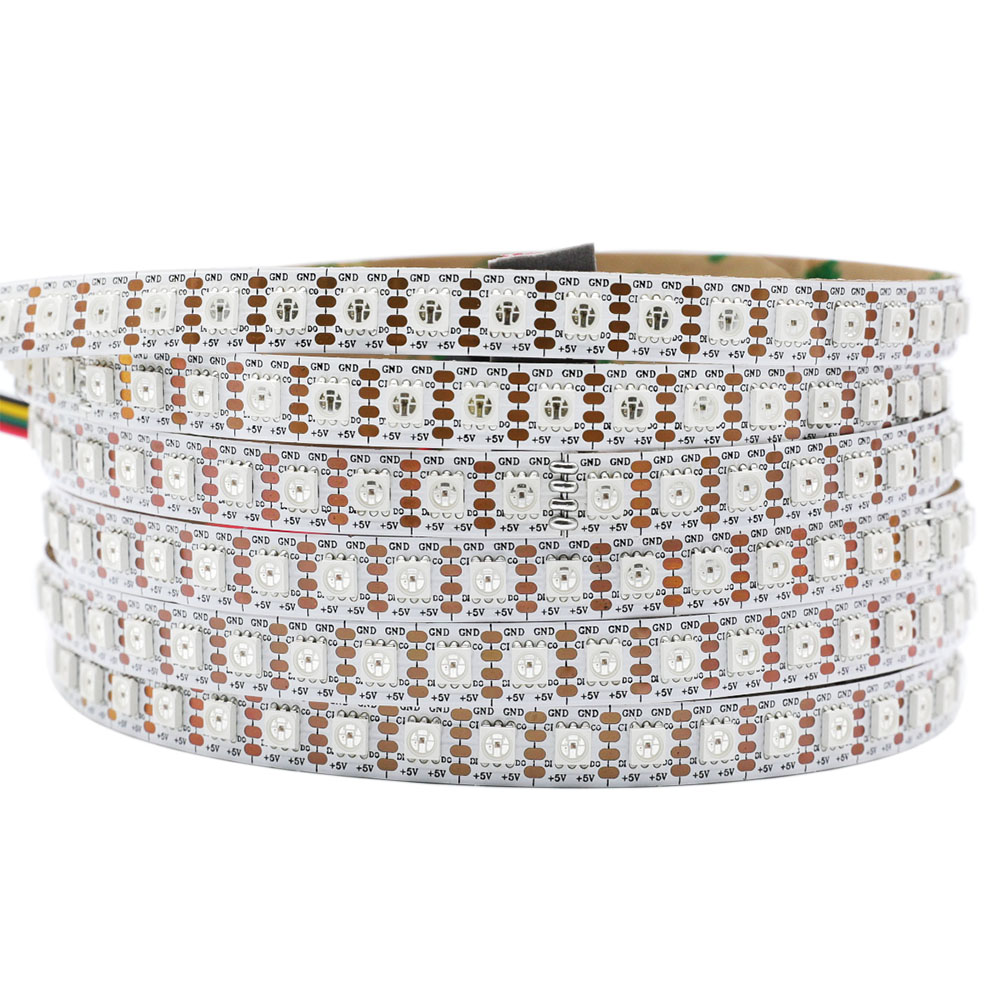
APA107 HD107S 96LEDs/m Individually Addressable Bright RGB LED Strip
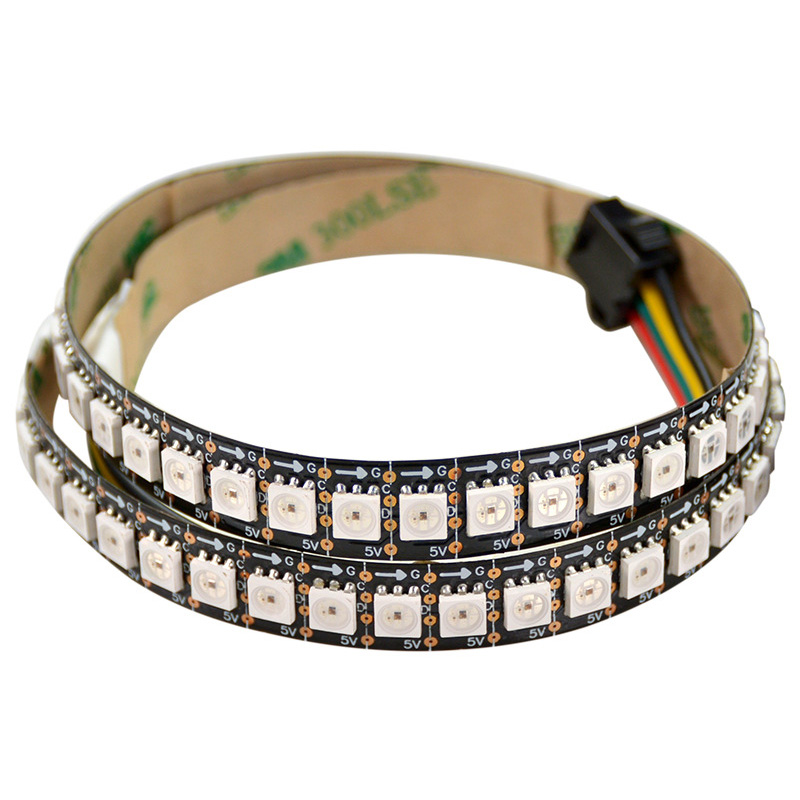
Highest Density 144LEDs/m APA107 HD107S Individually Addressable RGB Strip
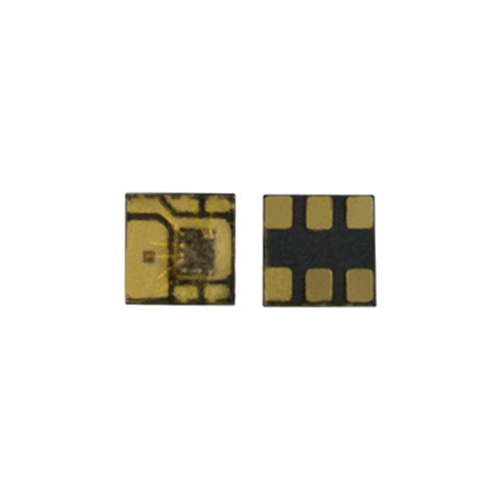
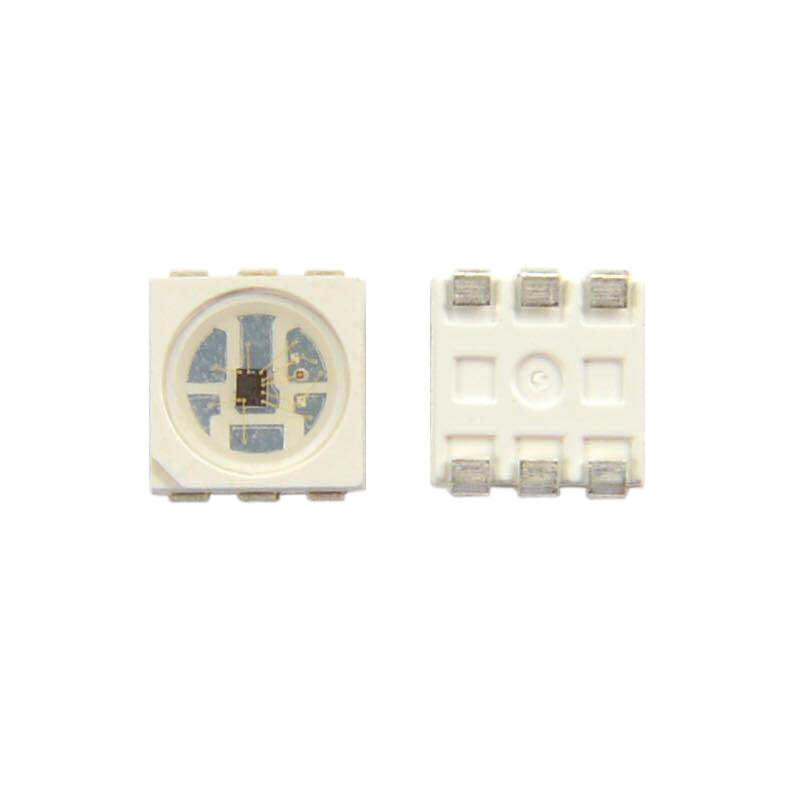
HD107S Addressable LED Chip - RGB 3535SMD - 1000PCS By Sale
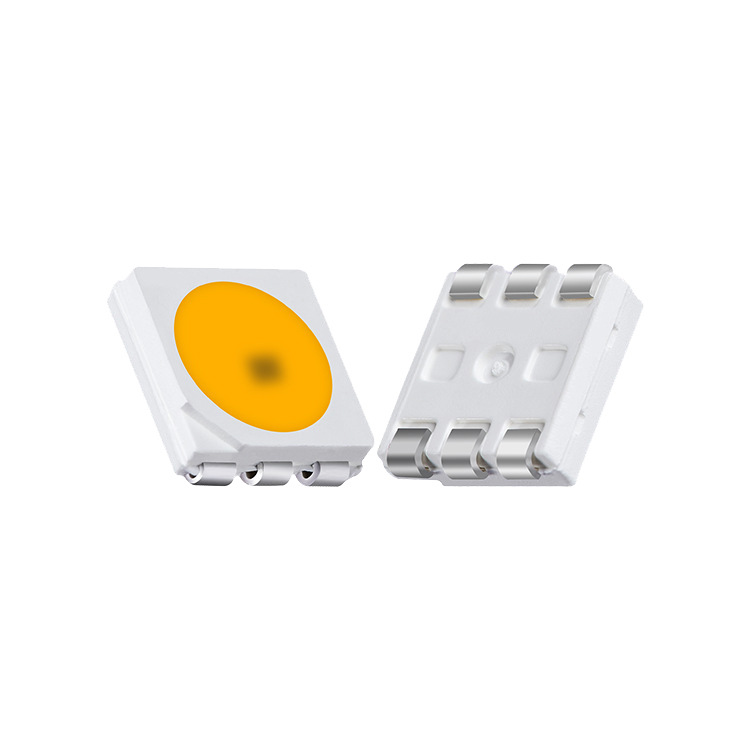
HD107S Addressable LED Chip - 5050SMD White - 1000PCS By Sale
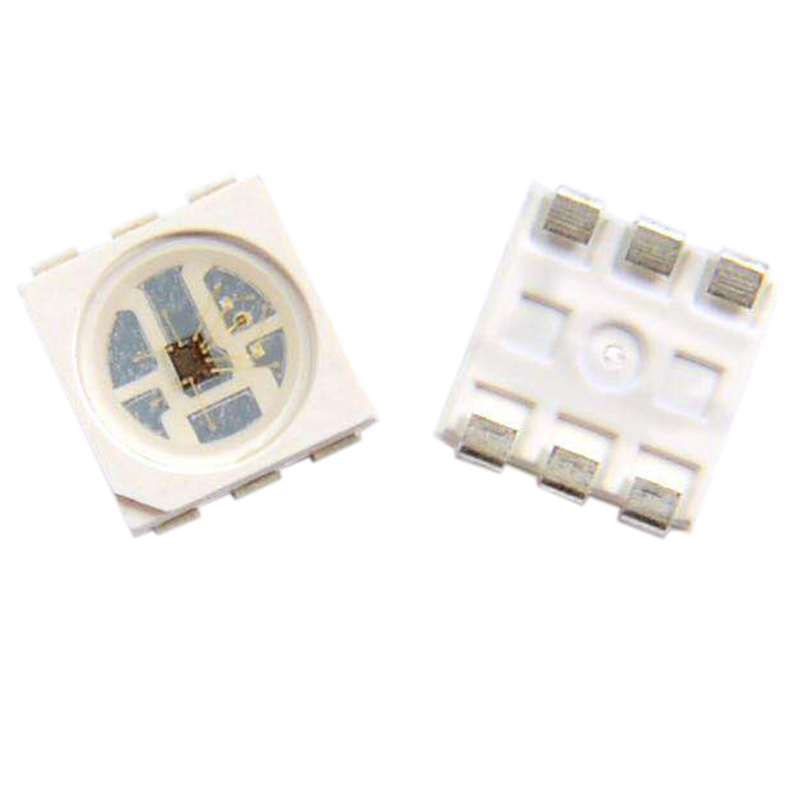
NS107S/HD107S( Update APA107) RGB 5050SMD Digital Intelligent Addressable LED Chip, DIY LED Chip, 500PCS By Sale
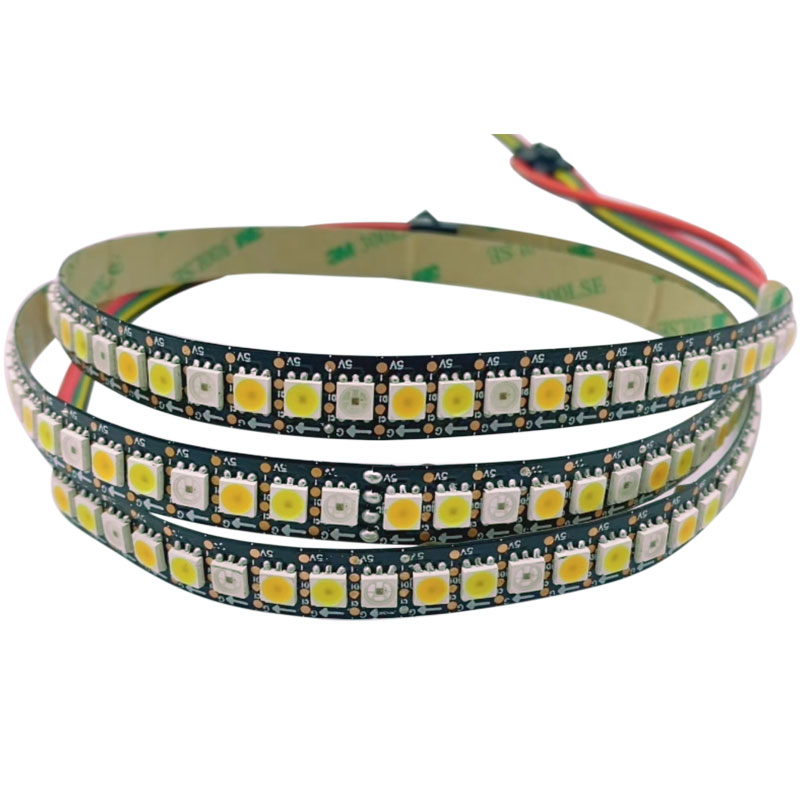
How to Choose: APA107 vs. HD107S vs. HD108
While the technical specs show a clear progression in speed, the right choice for your individually addressable LED strip depends entirely on your project's demands, especially regarding video and color fidelity. All three use a two-wire (Clock and Data) SPI-like protocol, making them significantly faster and more reliable than single-wire strips like WS2812B, but they aren't interchangeable. Think of it as a good-better-best lineup for specific tasks.
The APA107 is a solid, cost-effective replacement for older APA102 or SK9822 strips. It's fast, with a 30MHz data rate, making it great for general-purpose animations and effects. However, its 9 kHz PWM frequency can sometimes be visible to high-shutter-speed cameras, which might be a deal-breaker for video work. For most DIY projects, it's perfectly capable.
The HD107S is our go-to recommendation for almost any new design. It boosts the PWM frequency to over 26 kHz, completely eliminating any visible flicker for video recording or persistence-of-vision (POV) displays. With a 40MHz data rate, it's one of the fastest addressable RGB LED options available. We even stock the bare HD107S in 2020 SMD packages, allowing for custom, ultra-high-density PCB designs. If you're building anything that will be filmed, the HD107S is the minimum standard.
The HD108 is the specialist for when color accuracy is paramount. While it shares the high PWM and data rate of the HD107S, its killer feature is 16-bit color depth. This means it can produce 65,536 brightness levels for each color, compared to the 256 levels of 8-bit strips. The result is exceptionally smooth gradients and subtle color transitions, crucial for professional studio lighting, video walls, and high-end architectural installations. For most applications, 8-bit color is sufficient, but for broadcast-quality visuals, the HD108 is in a class of its own.
| Feature | APA107 | HD107S | HD108 |
| PWM Frequency | 9 kHz | 26+ kHz | 27 kHz |
| Max Data Rate | 30 MHz | 40 MHz | 40 MHz |
| Color Depth (Grayscale) | 8-bit (256 levels) | 8-bit (256 levels) | 16-bit (65,536 levels) |
| Camera Friendliness | Good (may flicker on some cameras) | Excellent (flicker-free) | Excellent (flicker-free) |
| Best For | General animations, data visualization, hobbyist projects. | Video projects, POV displays, professional installations, any new design. | Broadcast video walls, digital art, smooth gradients, ultimate color fidelity. |
Why Choose a Two-Wire (CLK/DAT) Individually Addressable LED Strip?
The key difference between this family of addressable RGB LED strips and more common single-wire types like WS2812B IC strips is the second wire. Instead of embedding the timing signal into the data line, these strips use a separate clock (CLK) line. This architecture is a major advantage for high-performance applications. Because the microcontroller doesn't have to generate a perfectly timed data signal, it's free to work on other tasks, and the data transmission itself is much more robust against noise and voltage variations.
The practical result is that you can drive these strips at much higher speeds with far greater reliability. This is essential for large-scale projects with hundreds or thousands of LEDs, or for high-speed effects like light painting and persistence-of-vision (POV) displays where every microsecond counts.
Power and Control for Your Addressable LED Strip Light
Properly powering your rgb addressable led lights is critical for performance and safety. All APA107, HD107S, and HD108 strips are DC5V. This low voltage requires careful planning to avoid issues, especially on runs longer than a few meters. We carry a full range of certified Mean Well 5V power supplies to handle any size project.
For control, any microcontroller that can output an SPI signal (like an ESP32, Teensy, or Arduino) will work well with popular libraries like FastLED. For larger, permanent installations, consider using a dedicated DMX to SPI decoder, which allows you to integrate your individually addressable led strip lights into a professional DMX512 lighting network.
Frequently Asked Questions About APA107, HD107S & HD108 LED Strips
Got a question about wiring, power, or controllers for these strips? I've answered thousands of them over the years. Here are the most common ones I hear.
The extra clock wire. An HD107S LED strip uses separate data and clock lines, which means the signal timing is precise and controlled by your microcontroller, not estimated by each chip. This makes it way more stable at high speeds and gets rid of the random flickering you sometimes see on long WS2812B runs. The PWM frequency is also much higher, so it's completely flicker-free on camera. For projects where data integrity and visual quality are critical, the clock line is a non-negotiable feature.
For most projects, the HD107S is fantastic. The main reason to step up to an HD108 is for professional video applications or LED display walls where you need perfect color depth. The HD108 supports 16-bit color, giving you 65,536 steps per color instead of 256. This creates incredibly smooth gradients and eliminates color banding. If you're not building a high-end display, you probably won't notice the difference, but for pro-grade visual effects, the HD108 is the one to get.
Yes, you will, and it's the biggest thing to plan for with any 5V addressable strip. The chips themselves are designed for a 5V logic level, so the strips are built around that. On a 5-meter run of an HD107S strip, you'll definitely see the end dimming and shifting color towards red if you only power it from one side. You have to inject power every few meters. Our guide to wiring addressable strips shows you exactly how to do it right.
Absolutely. HD107S and APA107 LED strips work perfectly with controllers that support 4-pin (clocked) strips. In WLED, you'd just configure it as an APA102 or SK9822 strip type, since the protocol is very similar. Same goes for boards running the FastLED library. Just make sure you connect both the data and clock pins to your controller, along with power and a common ground. We stock a wide range of addressable LED controllers if you need something more robust.
No, that's one of their biggest selling points. The HD107S has a PWM refresh rate over 26kHz, and the APA107 is at 9kHz. Both are well above what a camera shutter can detect. This makes them ideal for any situation where they might be filmed, like in the background of a YouTube video, for stage lighting, or in retail displays. Cheaper strips with low PWM rates will show obvious banding or flicker on video, but these will look perfectly solid.
The HD108 chip is rated for a data frequency up to 40 MHz. That's extremely fast and allows you to refresh very large pixel matrices at high frame rates without lag or tearing. In the real world, your limit will often be the controller you're using and the quality of your wiring, not the strip itself. For any project needing super-fast updates, like persistence of vision (POV) displays, the HD108 is the top choice.
Yes, we do that all the time. A huge part of our business is building strips to a customer's exact drawing. You can specify the PCB color (white or black), the exact length down to the millimeter, the IP waterproofing rating, and the length and type of connectors you need pre-soldered on. Just send us a sketch or a description of what you need. One of our engineers will send back a complete wiring diagram and parts list, usually the same day, with no fee or obligation to order.