
Pixel Led DMX String Lights
10 productsDMX String Lights provide an energy efficient and sustainable landscape lighting solution for outdoor and building lighting that requires large scale light placement. These DMX controlled string lights consisting of multiple DMX led pixel lights are individually addressable and have a high IP67 water and dust resistance rating.
You can adjust the length of the DMX light string and the number of DMX pixel points according to the actual needs of the installation location such as the outline of the building, so as to flexibly respond to the lighting needs of different scales. The center distance (light spacing) and number of each DMX addressable led string can be customized.
Using high brightness SMD5050 and low power consumption LEDs, the whole system also consumes less power when using DMX led string lights in large area arrangement and longer range, efficient wiring and power configuration. Visual creative expression through DMX512 signaling controller to precisely control the lighting changes of each LED DMX pixel.
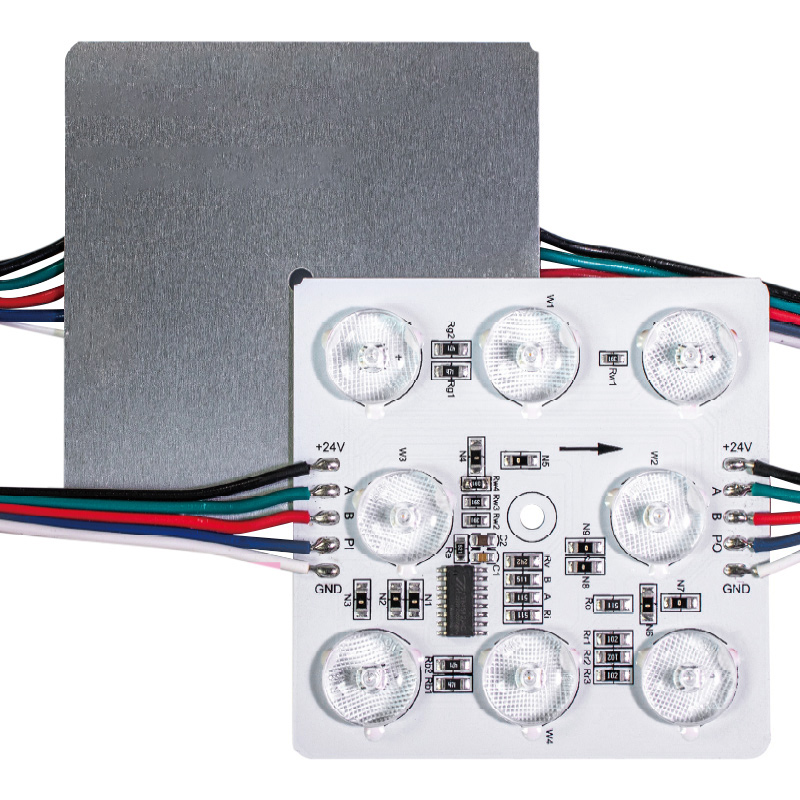
DC24V Diffuse Reflections Lens RGBW DMX LED Module for Signage
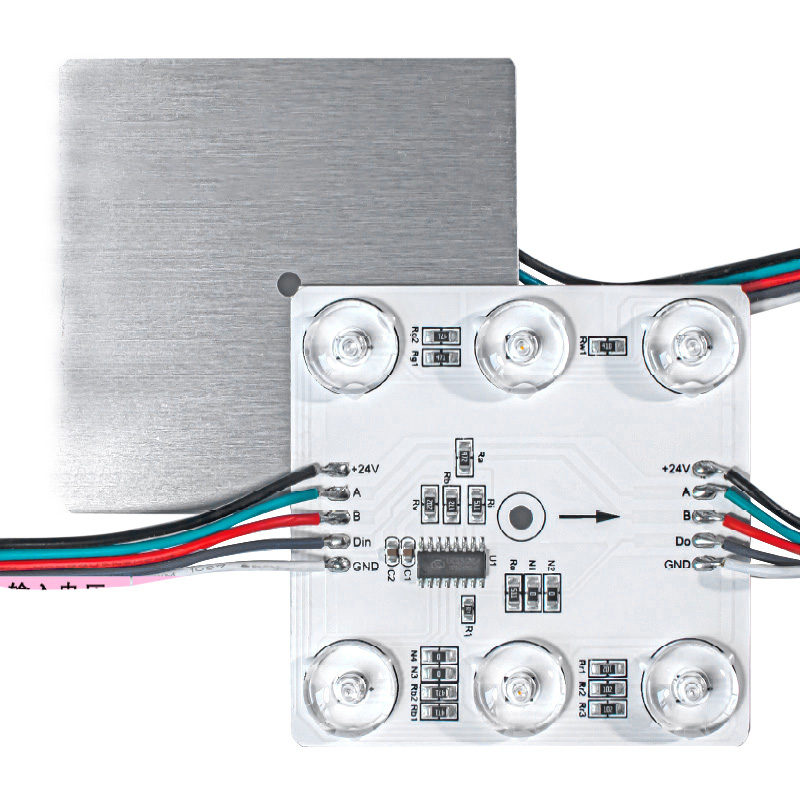
DC24V Diffused LED DMX512 RGBW Module Light with Wide Angle Lens
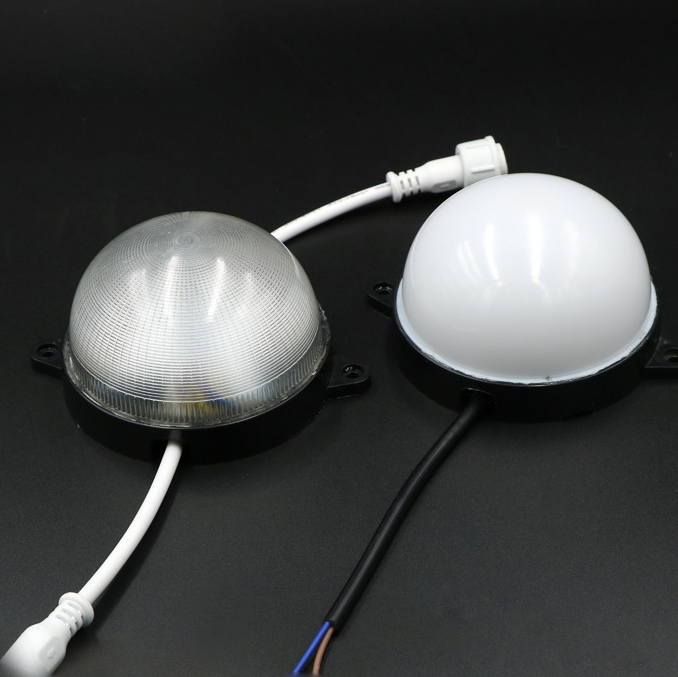
DMX512 Round Pixel LED Light IP67 - Full-Color Programmable Chase Effect
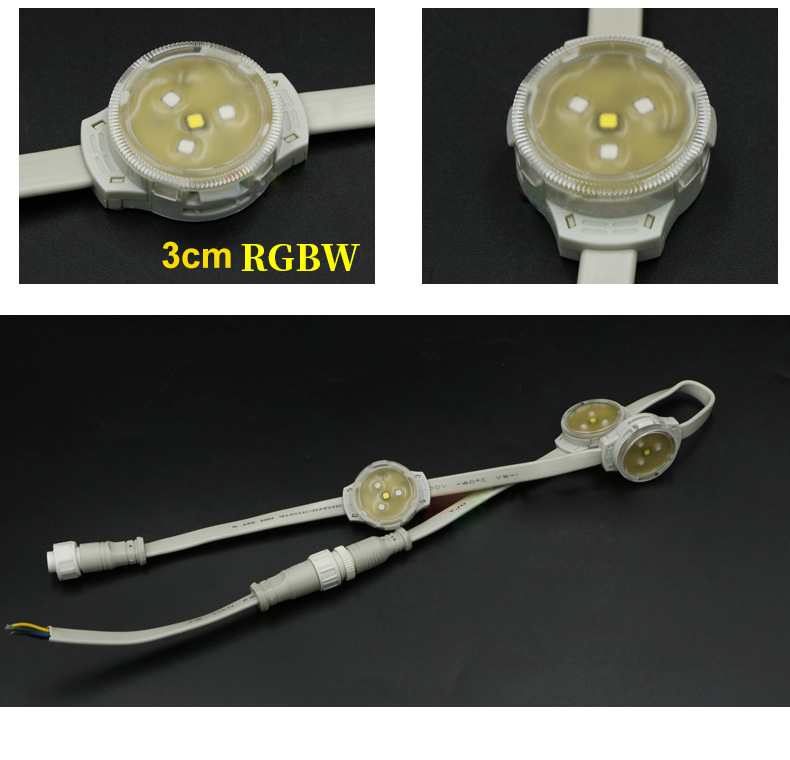
DMX512 RGB RGBW LED Pixel Module Light String 10PCS/Strip
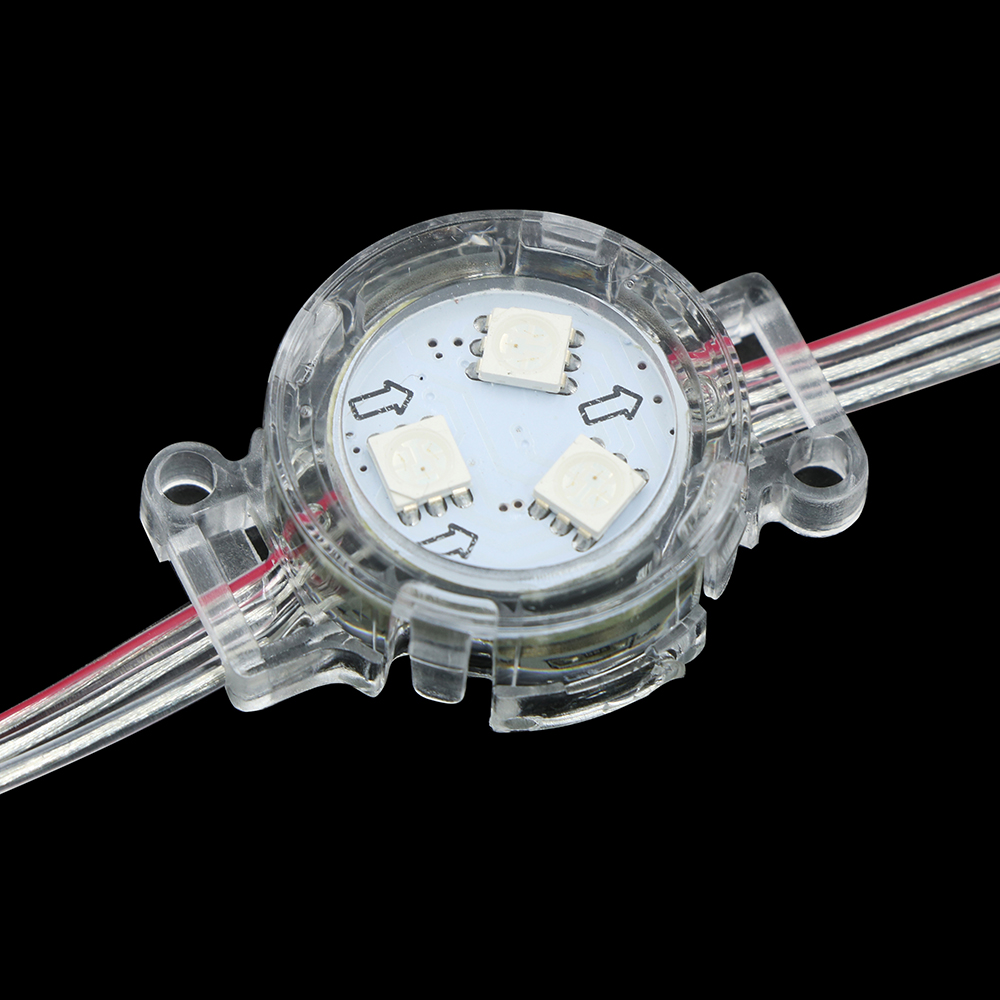
12V 30mm 3-Chip Programmable Modular LED Pixel Light String 40PCS Per Strip
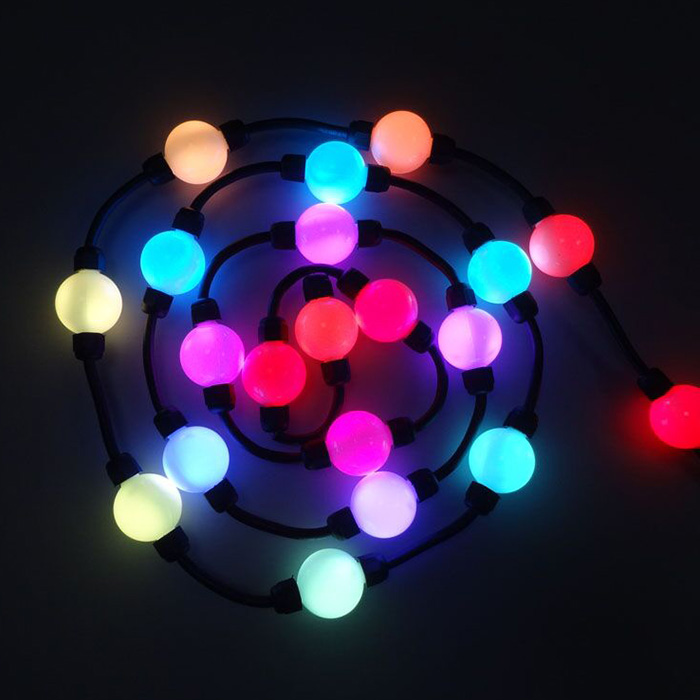
50mm 3D LED Pixel Ball Light | DC12V/24V RGB 360° Epistar Outdoor
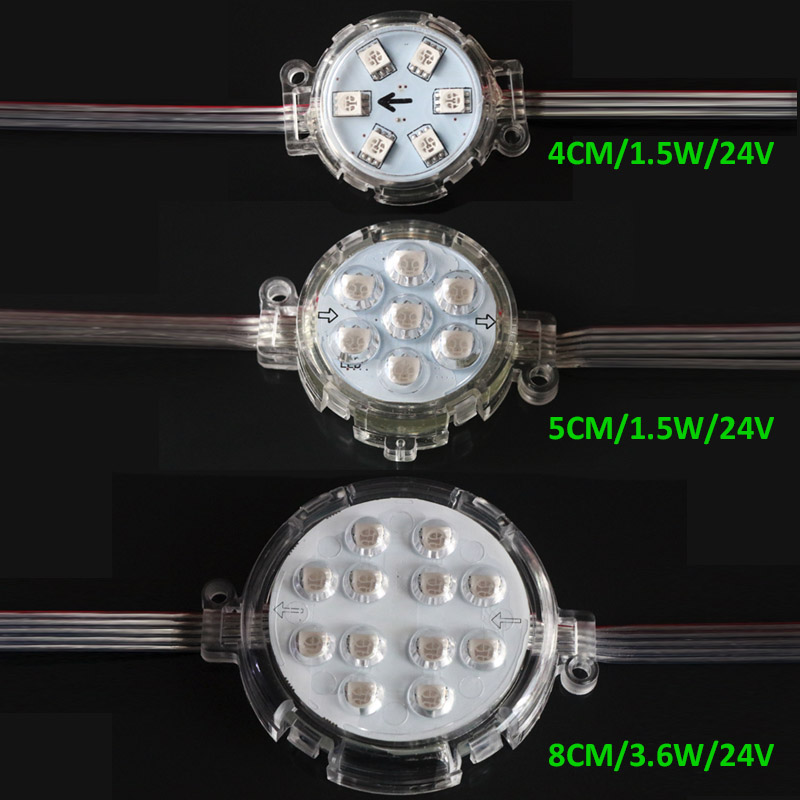
24V Addressable RGB Pixel LED Modular String Light | 30mm 40mm 50mm 80mm Diameter
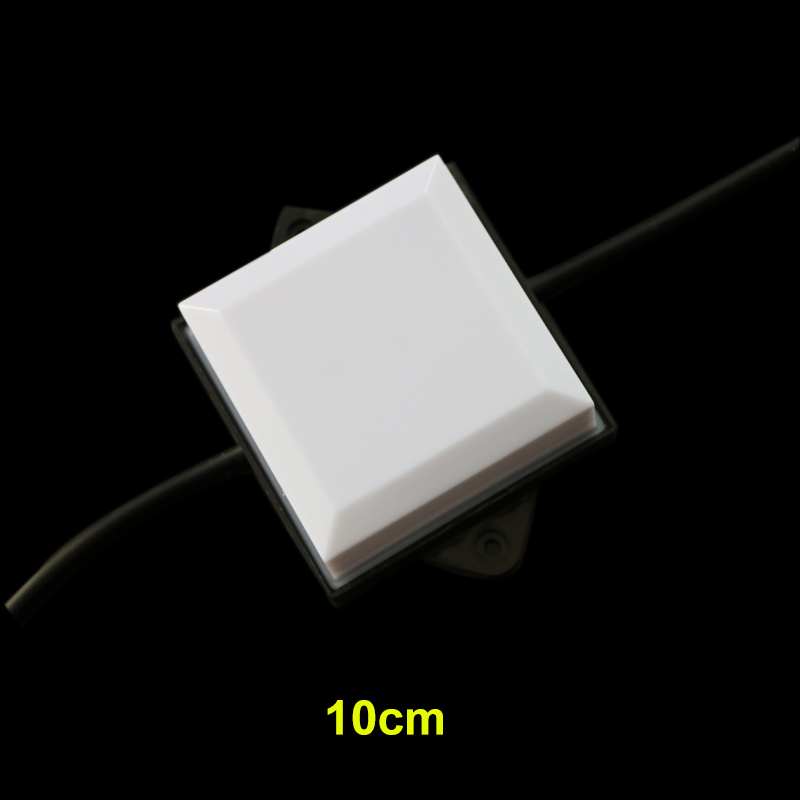
DC24V IP67 Full-Color Square Pixel Light - UCS1903/DMX512 Programmable LED
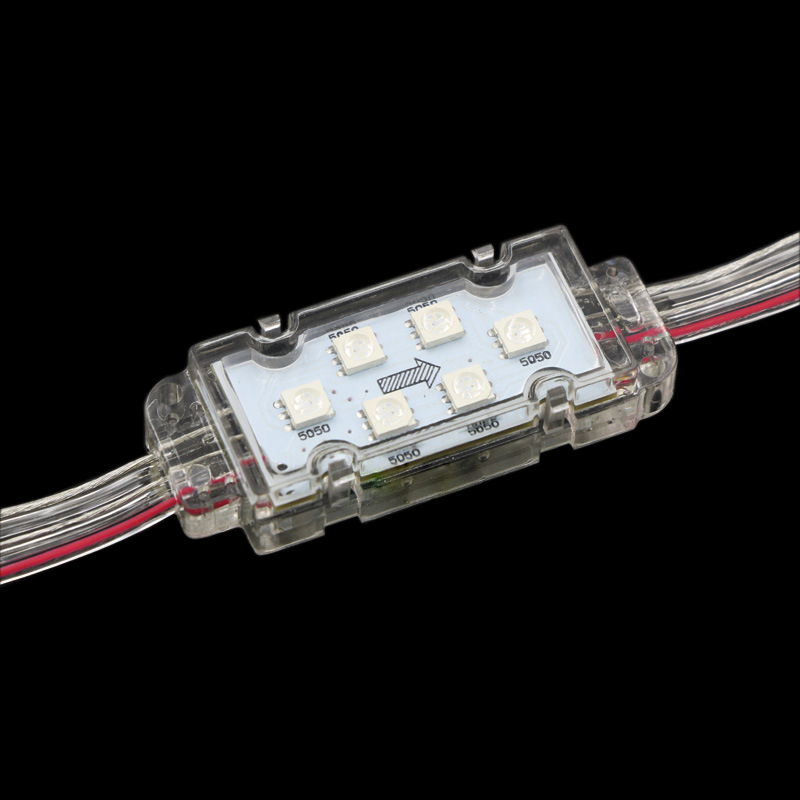
DC24V 50mm Full-Color Pixel Light - UCS1903/DMX512 Outdoor IP67

6 Inch Large Hemisphere DMX RGB LED Pixel Modular Light Outdoor
Frequently Asked Questions About Pixel LED DMX String Lights
Got a question before you spec your project? I've probably answered it a few hundred times. Here are the most common ones that come up for our DMX pixel strings.
It's all about scale and durability. A DMX LED strip is a flexible circuit board, great for coves and tight spaces. These Pixel Led DMX String Lights are individual, rugged modules—or pixel lights—on a heavy-gauge cable. They're designed to be mounted spaced apart on building exteriors or in large signs and to handle weather, with most being IP67 rated. Think of them as industrial-grade pixels for architectural work.
This depends more on the DMX protocol limit than power. A single DMX universe has 512 channels. If you're using RGB pixel lights, each one uses 3 channels (Red, Green, Blue). So, 512 divided by 3 gives you 170 pixels per universe. For RGBW, it's 4 channels, so you get 128 pixels. You'll need a new DMX output from your controller or a signal amplifier for each universe you want to run.
You don't need a "special" one, but you need the right one. Most of our Pixel Led DMX String Lights run on DC24V, which is great for pushing power over longer distances. The key is calculating the total wattage. Add up the wattage of every single pixel light on the string, then add another 20% headroom. We have a full range of 24V waterproof power supplies that are perfect for these outdoor jobs.
Yes, and doing the math is simple. There isn't a magic online pixel power calculator because it depends on your specific product, but the formula is straightforward. Find the wattage per module in the product specs (e.g., 3.6W). Multiply that by the total number of modules in your design. So, 50 modules x 3.6W = 180W. Then, add a 20% safety margin: 180W x 1.2 = 216W. You'd need a power supply rated for at least 216W.
Absolutely. That's what they're designed for. These modular string lights consist of individual pixels connected by sections of cable. You can simply unplug or cut the wire between any two modules to shorten the string. To rejoin them or add leader cable, you'll need a set of our IP68 waterproof connectors to maintain the weather seal. Just make sure you get the pin count right.
For large-scale digital signage, these DMX pixel lights are often used for low-resolution video or animated text on building facades, where a high-definition screen isn't needed or practical. Think of a stadium or the side of a skyscraper. They create a "media mesh" effect. Our modules with diffuse reflection lenses are specifically designed for this, creating even illumination that looks great from a distance.
Each pixel module typically has mounting holes for screws. For a clean look on a flat surface, you can screw each one directly into the facade. On some models, we also offer aluminum mounting tracks that the modules clip or slide into. This keeps your spacing perfectly uniform, which is critical for media facade effects. For irregular shapes, screw-mounting gives you more flexibility.
This totally depends on the viewing distance and the effect you want. For a smooth "wall wash" of color, you'll want them closer together, maybe 15-20cm apart. For a "starfield" or media mesh effect viewed from hundreds of feet away, you can space them much farther apart, like 1 meter or more. A good rule of thumb is to mock up a small section on-site and look at it from the intended viewing distance before drilling hundreds of holes.
Yes, we do this all the time. A huge amount of the DMX modular string lights we ship are built to a customer's drawing. You tell us the exact center-to-center spacing you need, the total string length, and the type of connectors you want. Send us a sketch or a CAD file, and an engineer will send back a complete wiring layout and parts list, usually within 12 hours. There's no fee for the consultation, and you're not obligated to order.
While an Arduino can generate a DMX signal with the right shield and library, it's not ideal for permanent installations. For reliable control of these Pixel Led DMX String Lights, you'll want a dedicated DMX controller. These can range from simple standalone units with pre-programmed scenes to sophisticated software-based systems that let you pixel-map video. A proper controller ensures your signal is clean and stable.