
DC24V MW Class II Power Adapter
13 productsFor smaller 24V LED residential projects, a plug-in adapter can be more practical than a hardwired switching power supply. SuperLightingLED's Mean Well AC DC 24V Power Adapter range provides both Class I desktop adapters and Class II wall-mounted adapters, combining convenient installation with Mean Well's industrial power technology.
The Class II models (GS06E/GS06U, GS15E/GS15U, GST25E/GST25U, GST36E/GST36U) use double insulation without a protective earth connection, while Class I models (GST18A, GST25A, GST40A, GST60A, GST90A, GST120A, GST160A, GST220A, GST280A) use single insulation with a required protective ground. The choice should therefore be based on the adapter's specified installation method and electrical requirements rather than treating one protection class as universally better than the other.
These 24V DC power source adapters are well suited to: cabinet lighting, furniture lighting, display lighting, desktop installations, controllers, and other low-power 24V applications where a simple AC plug is more convenient than terminal wiring.
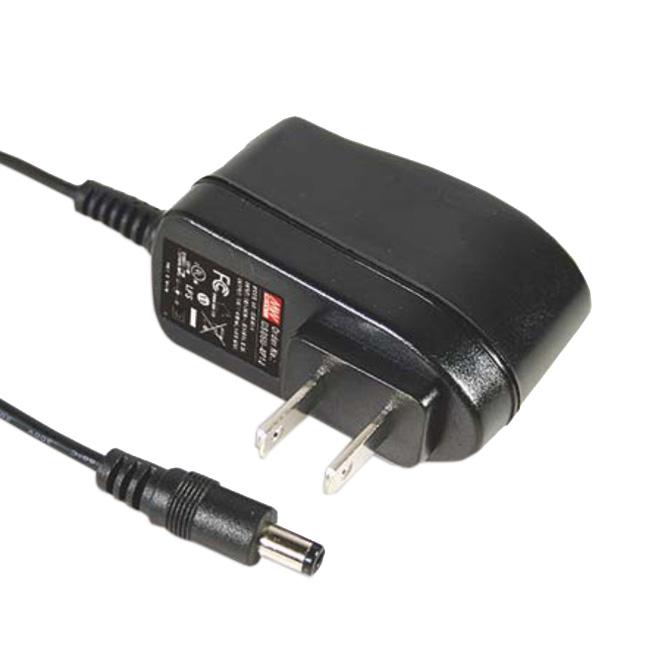
DC24V 0.25A 6W Meanwell AC To DC LED Power Adaptor GS06EU-6
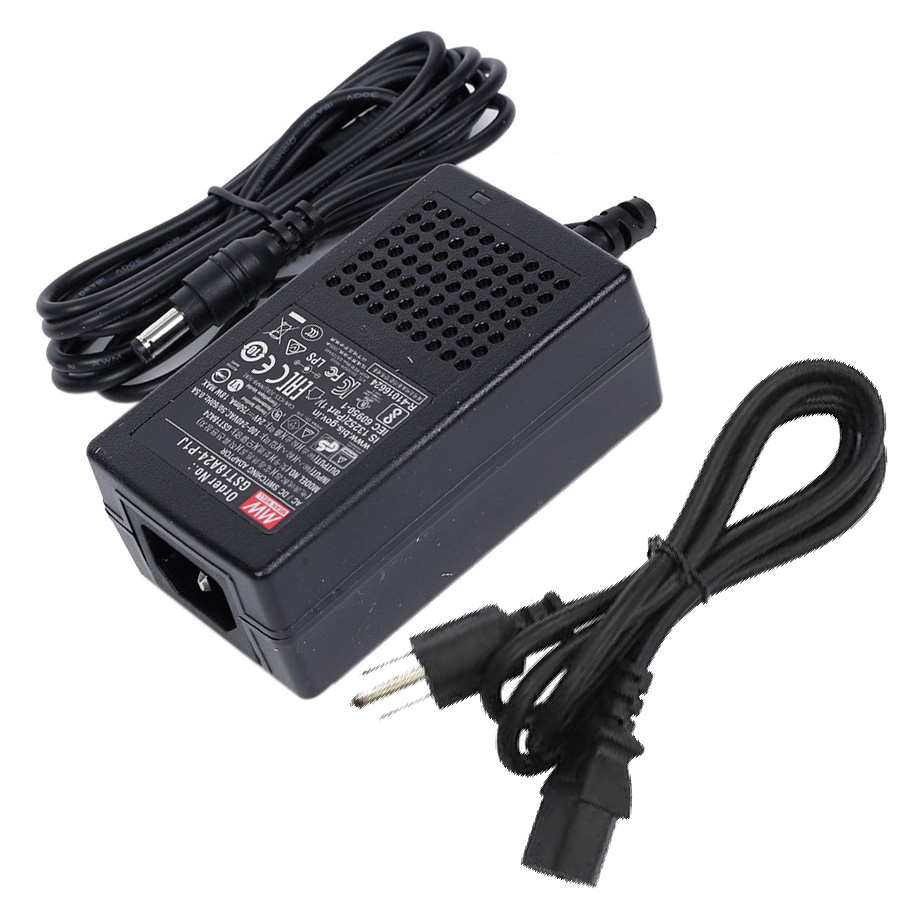
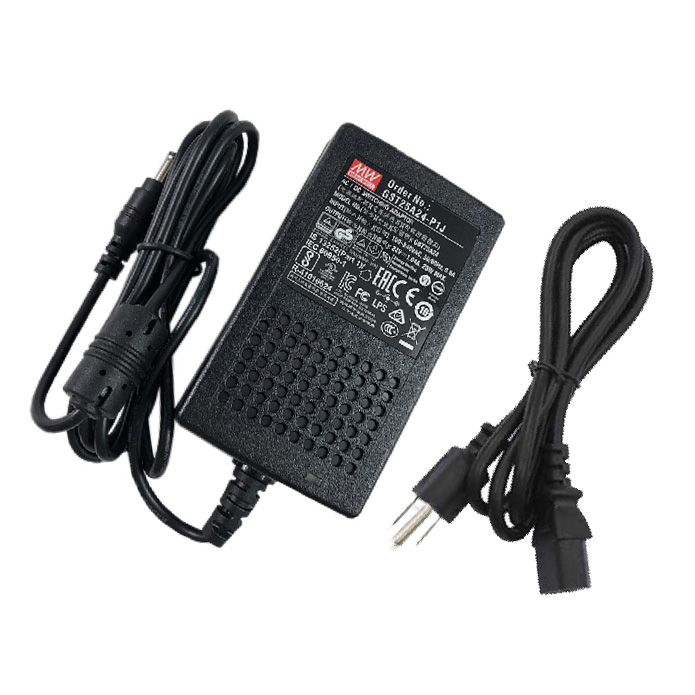
Mean Well AC-DC - 25W LED Power Adaptor - DC24V Input
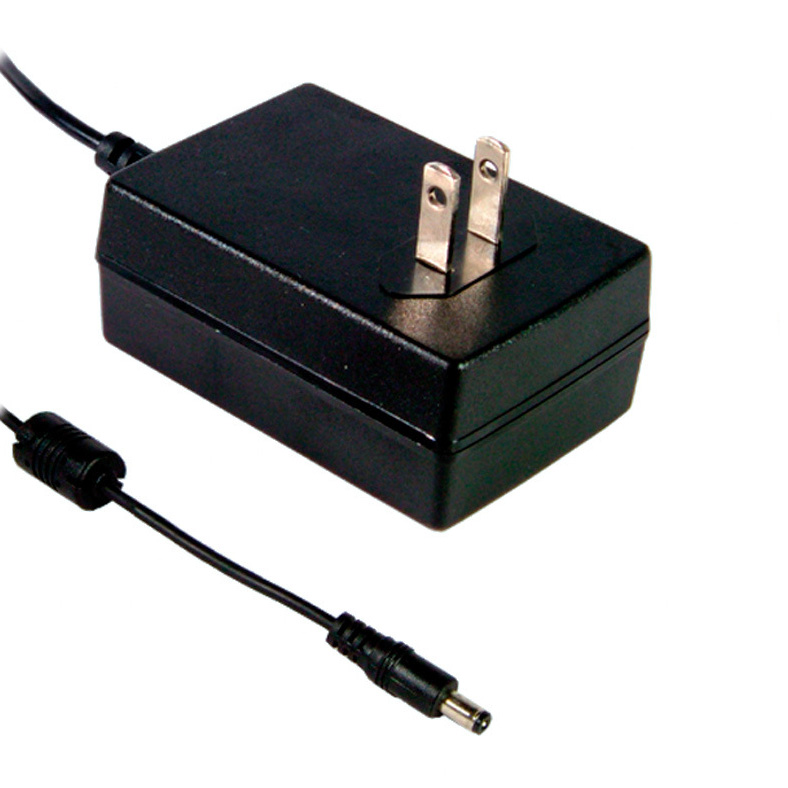
Mean Well AC To DC - 25W LED Power Adaptor - DC24V Input
Mean Well AC To DC - 36W LED Power Adaptor - DC24V Input
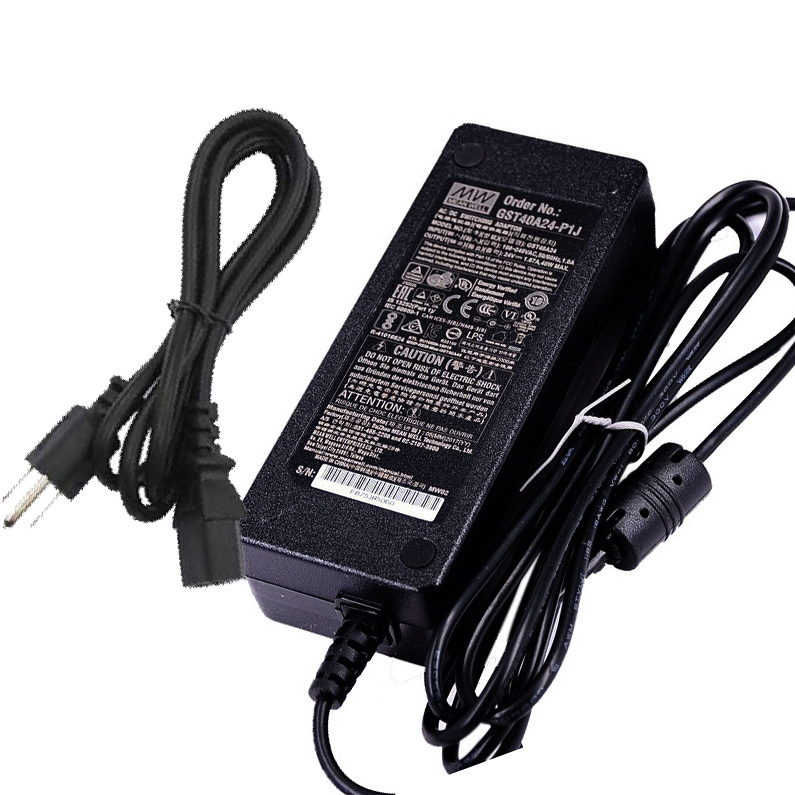
Mean Well AC To DC - 40W LED Power Adaptor - DC24V Input
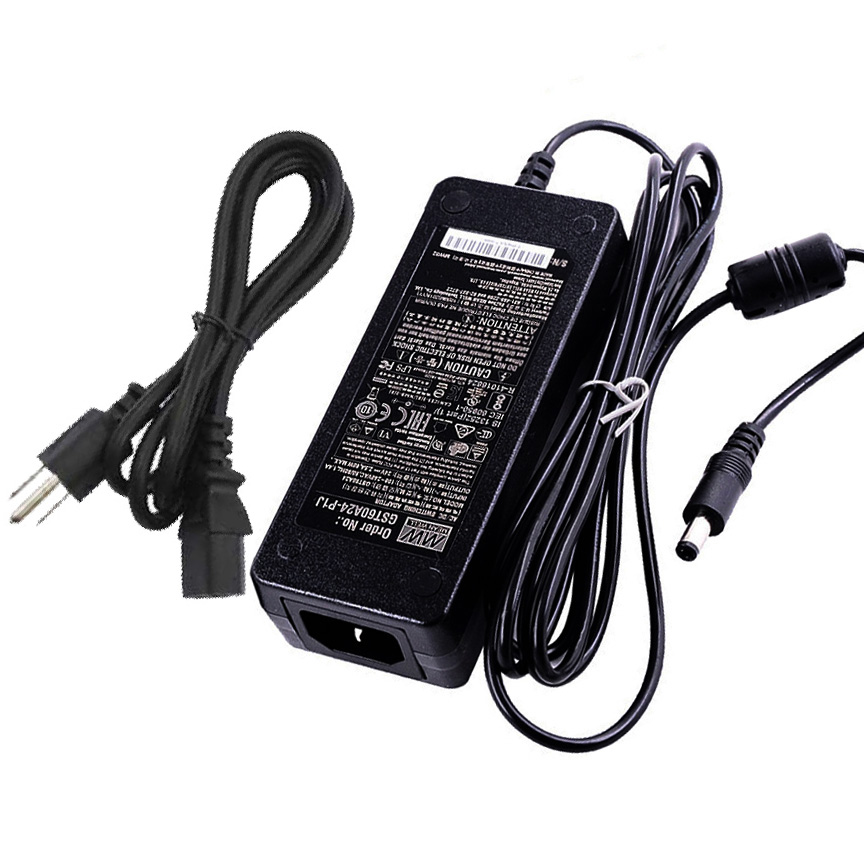
Mean Well AC To DC - 60W LED Power Adaptor - DC24V Input
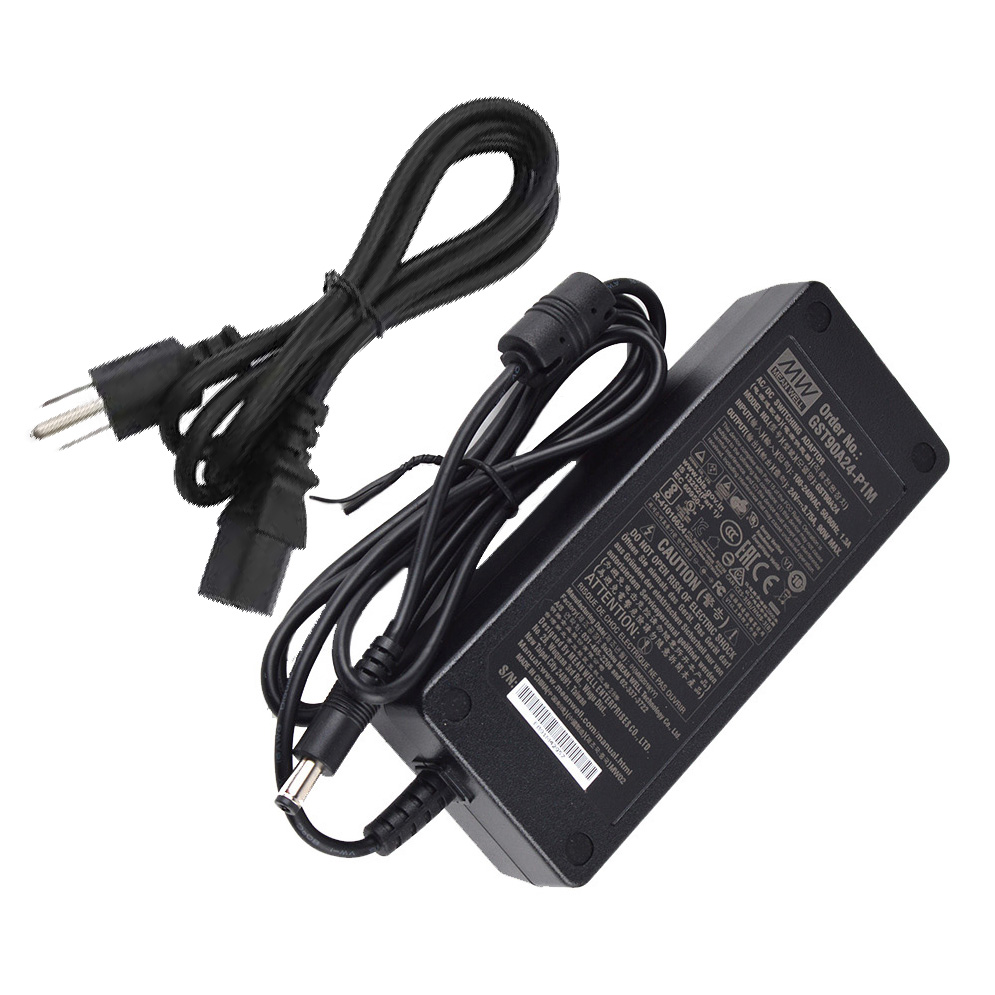
Mean Well AC To DC - 90W LED Power Adaptor - DC24V Input
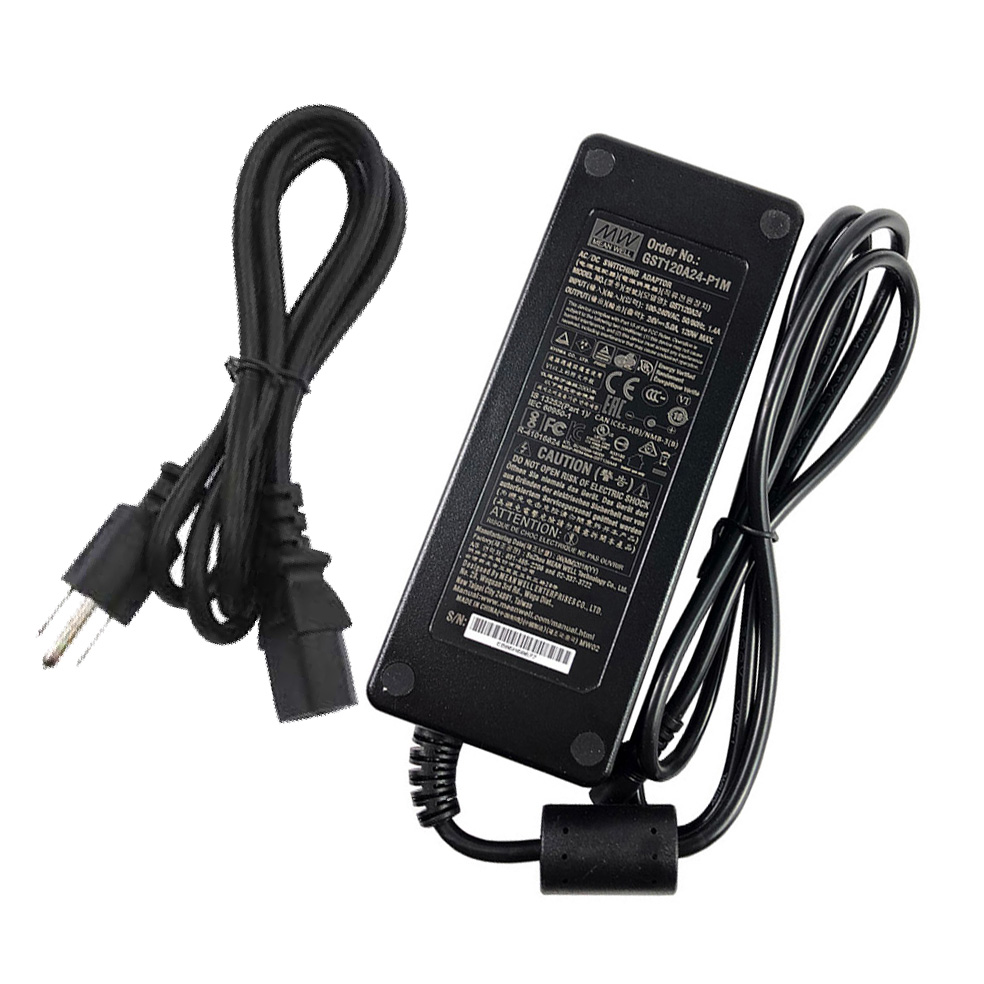
Mean Well AC To DC - 120W LED Power Adaptor - DC24V Input
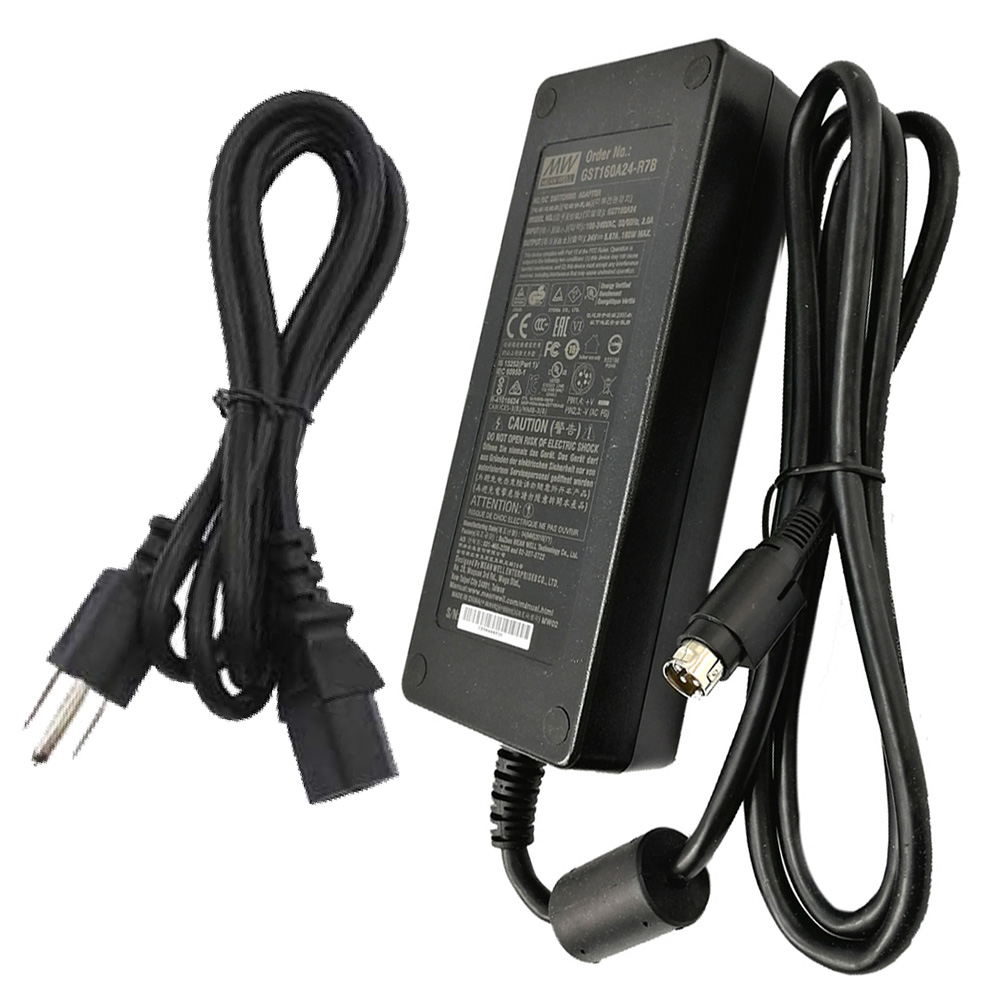
Mean Well AC To DC - 160W LED Power Adaptor - DC24V Input
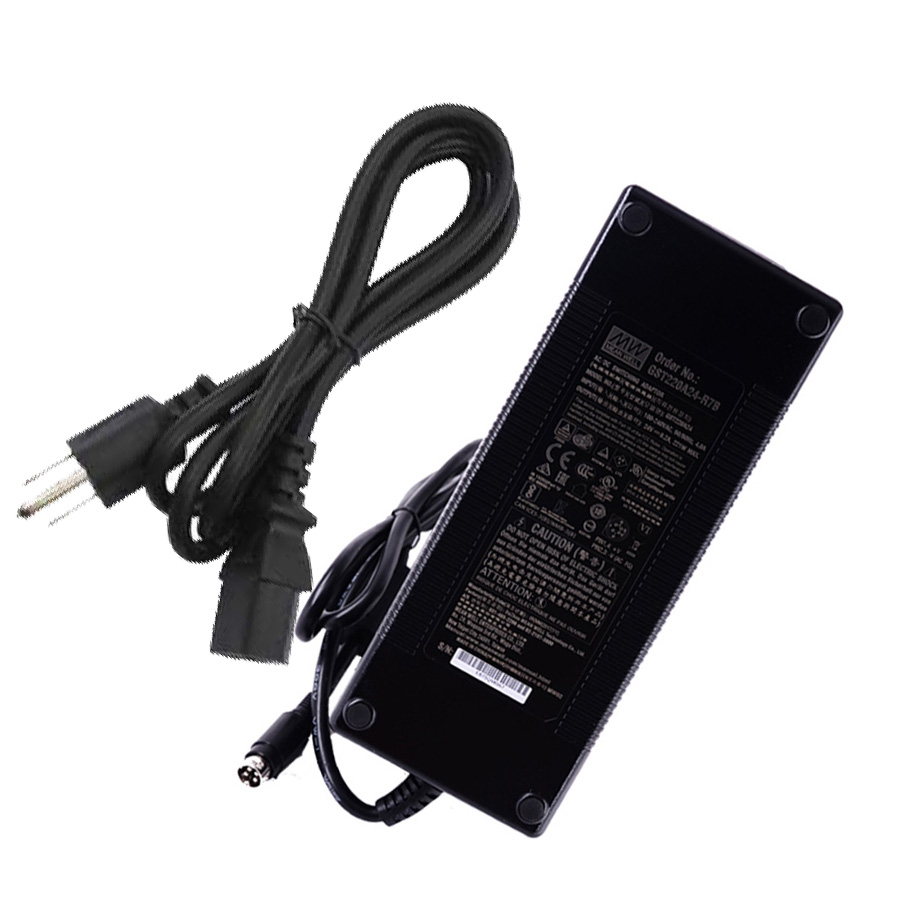
Mean Well AC To DC - 221W LED Power Adaptor - DC24V Input
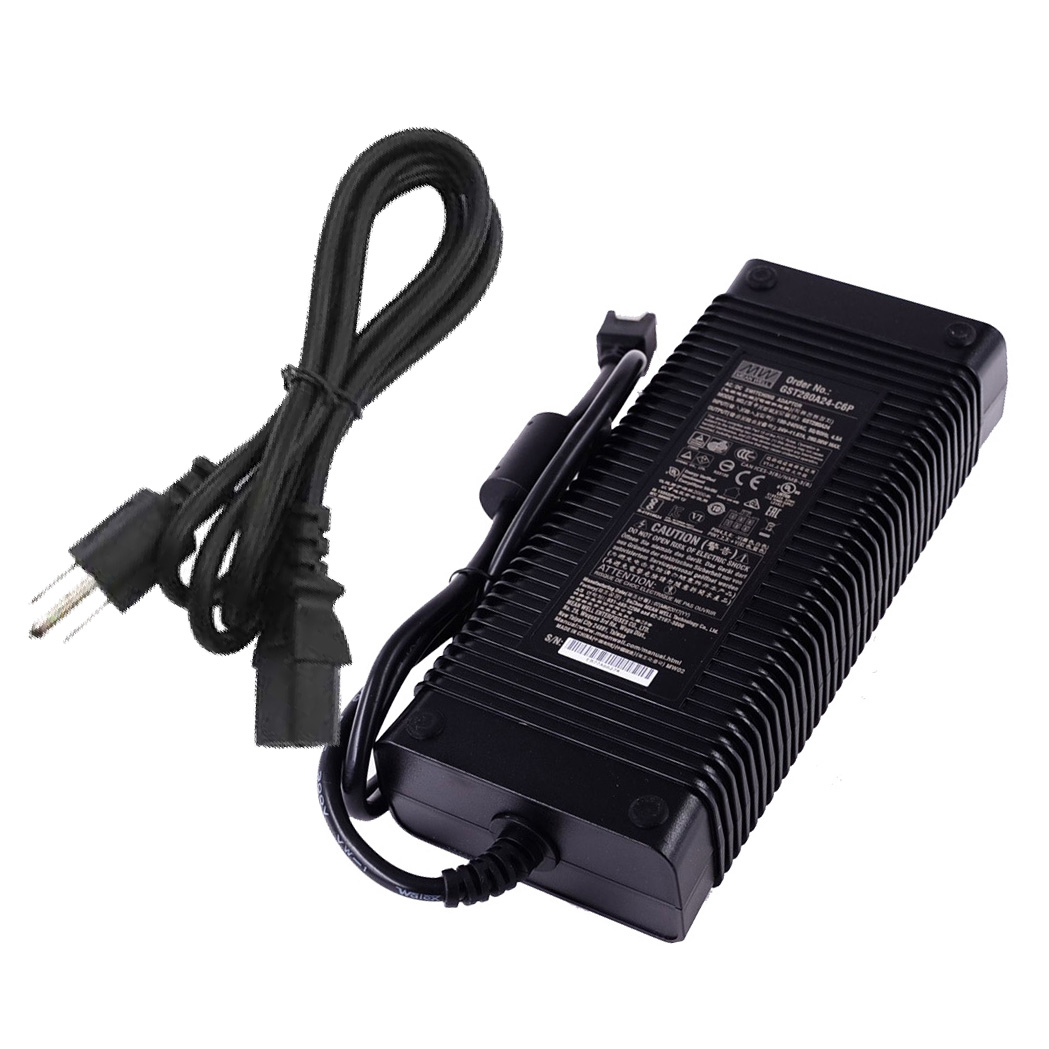
Mean Well AC To DC - 280.08W LED Power Adaptor - DC24V Input
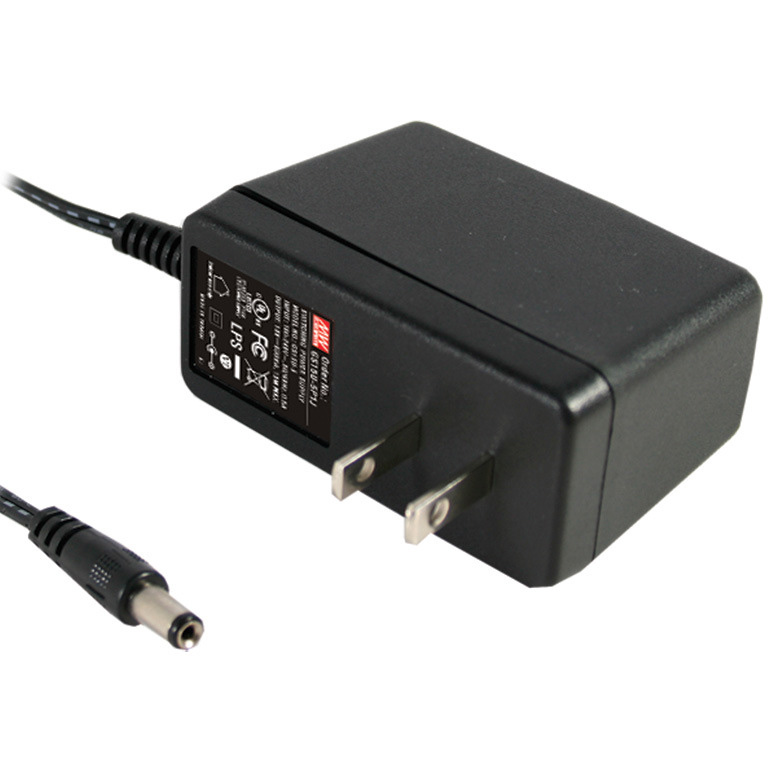
GS15EU-6 Mean Well AC DC Power Adaptor DC24V 0.625A 15W
24V Power Adapters for Residential and Small-Scale LED Lighting
Mean Well LED adapters are the industry gold standard for complex commercial installations, harsh operating environments, and high-duty-cycle setups. Renowned for strict industrial-grade component quality, high MTBF (Mean Time Between Failures), advanced thermal management, and global safety compliance (UL, CE, TÜV), Mean Well power supplies offer unmatched long-term stability and precise voltage regulation under continuous heavy loads.
SuperLightingLED standard 24V adapters are specially designed and tested for everyday residential LED tape runs, indoor cabinet accents, and standard desktop installations. Our standard AC/DC 24V power adapters deliver an ideal balance of cost-efficiency, reliable performance, and effortless plug-and-play setup for standard low-voltage 24V lighting applications.
Frequently Asked Questions About DC24V MeanWell Power Adapters
Got a question about picking the right plug-in power supply? After 12 years on the desk, I've heard them all. Here are the answers you need.
You don't need to measure the circuit, just the lights. To find the power your LED strip needs, multiply its watts-per-foot by the total length in feet. For example, a 16-foot run of strip that uses 5 watts/foot needs 80 watts (16 x 5 = 80). Then, add a 20% safety margin. So for that 80W strip, you'd choose a 96W or larger AC DC adaptor 24V, like our 120W GST120A24 model.
The vast majority of these MeanWell adapters use the industry-standard 2.1mm DC power plug. Specifically, it's a 5.5mm outer diameter and 2.1mm inner pin diameter, which is the most common size for LED strips and controllers. If you have a device with a different sized jack, let our team know and we can find a solution.
A Class 2 LED driver is a power source that's limited to 60V DC and 100VA (or 5A). This limitation is a safety feature required by the National Electrical Code (NEC) in many residential and commercial applications. It means the output is considered safe from both fire and electric shock hazards, often simplifying installation requirements.
Simple enough: the green LED light just means the adapter is receiving AC power from the wall and is on. If that light isn't on when it's plugged in, check your outlet and the AC power cord connection to the adapter brick itself. It's just a power-on indicator, it doesn't show load or faults.
They absolutely are. The MeanWell GST series is specifically designed as a reliable green industrial power adaptor. They have higher efficiency ratings (Level VI), better build quality, and more comprehensive safety certifications (UL, TUV, CE, etc.) than typical consumer-grade chargers. We've seen these run for years in retail displays, museum exhibits, and office lighting projects.
That depends entirely on the wire gauge and the power draw of your strip. As a general rule, with standard 18 AWG wire, you can go about 15-20 feet before voltage drop might become noticeable. If you need to go further, you either need to use much thicker wire or rethink the layout.
Yes, you can. As long as it's a quality, UL-listed power strip or extension cord that can handle the adapter's rated power, it's perfectly safe. Just be sure not to daisy-chain multiple extension cords together, and use a cord with a wire gauge appropriate for the distance and load. For permanent installations, plugging directly into a wall receptacle is always the best practice.