
DC24V MW UL-Listed Power Supply
3 sub-categoriesSuperLightingLED's Meanwell 277V 120V to 24V 36V 48V LED Driver Power Supply System is a high-performance power supply solution designed to provide reliable and stable power support for a wide range of DC low voltage LED lights and LED strips.
Designed for applications that require more power or longer cable runs, these higher-voltage DC systems can deliver the same electrical power at lower current than comparable 5V or 12V systems, helping reduce cable losses and making power distribution more practical for large LED installations.
These power solutions are especially well suited to high-power LED strips, long-run linear lighting, architectural lighting, commercial projects, and professional residential installations where minimizing voltage drop and simplifying power distribution are important.
Whether used in residential, commercial, or architectural applications, our Mean Well 24V, 36V, and 48V power supplies provide a reliable foundation for building stable and scalable low-voltage LED systems.
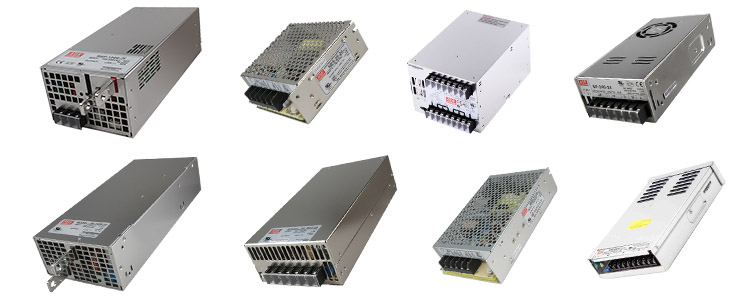
MeanWell UL Indoor Power Supplies
For longer indoor LED strip installations, choosing a higher DC operating voltage, such as 24V, 36V, and 48V, can make power distribution easier and help reduce current-related losses. SuperLightingLED's 24V, 36V, and 48V Mean Well switching power supplies are designed for dry indoor environments where stable power, higher output capacity, and reliable long-term operation are important.
From LED Strip Length to the Right Mean Well Power Supply
For an indoor long-run 24V or 48V LED strip project, selecting the right Mean Well power supply starts with the LED strip voltage, total length, and power consumption. Once these are confirmed, you can narrow down the appropriate output power, Mean Well series, and power supply capacity for the installation. The selection process can be simplified to:
- 1. Confirm the LED strip voltage → 24V / 36V / 48V
- 2. Calculate the total LED load → Power per meter × Total length
- 3. Add sufficient power headroom → typically around 20%
- 4. Consider the cable length, voltage drop, and power-injection layout
- 5. Choose the Mean Well series based on power, size, cooling, efficiency, and project requirements
- 6. Select the exact model that matches the required voltage and current
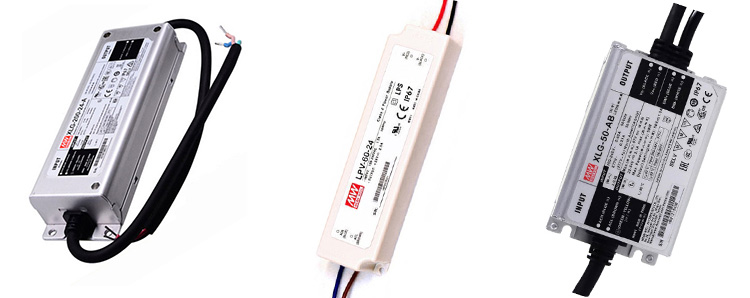
MeanWell UL Outdoor Power Supplies
For long-distance LED strip installations in outdoor or moisture-prone environments, the power supply needs to provide not only stable DC output, but also appropriate protection against environmental exposure. SuperLightingLED offers 24V, 36V, and 48V Mean Well waterproof power supplies for outdoor architectural lighting, landscape accents, signage, exterior linear lighting, and other low-voltage LED applications where reliable power distribution is important.
For outdoor applications, the power supply is only one part of the lighting system. The LED strip, controller, connectors, junctions, cable entries, and power distribution should all be selected for the actual environment and load. A waterproof power supply does not make non-waterproof downstream LED components suitable for outdoor exposure.
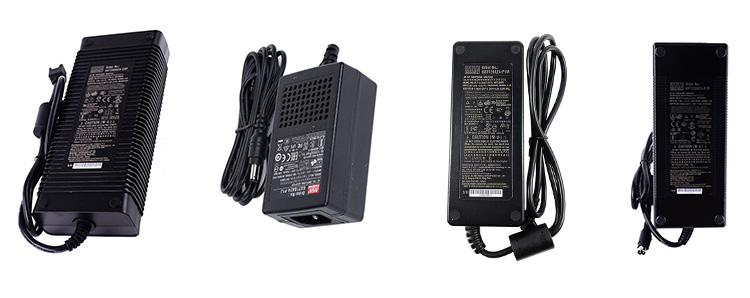
DC24V MW Class II Power Adapter
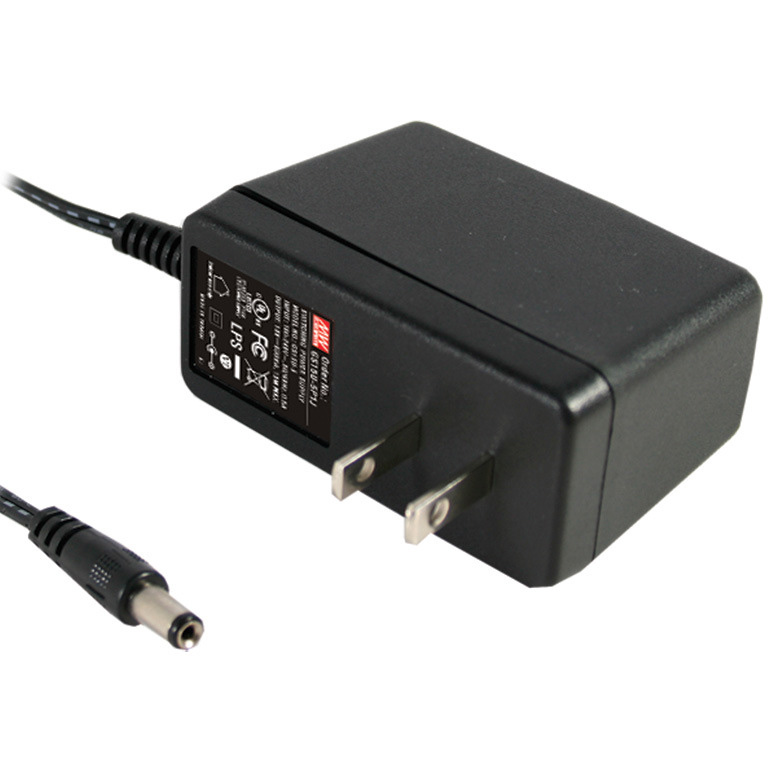
For smaller 24V LED residential projects, a plug-in adapter can be more practical than a hardwired switching power supply. SuperLightingLED's Mean Well AC DC 24V Power Adapter range provides both Class I desktop adapters and Class II wall-mounted adapters, combining convenient installation with Mean Well's industrial power technology.
The Class II models (GS06E/GS06U, GS15E/GS15U, GST25E/GST25U, GST36E/GST36U) use double insulation without a protective earth connection, while Class I models (GST18A, GST25A, GST40A, GST60A, GST90A, GST120A, GST160A, GST220A, GST280A) use single insulation with a required protective ground. The choice should therefore be based on the adapter's specified installation method and electrical requirements rather than treating one protection class as universally better than the other.
These 24V DC power source adapters are well suited to: cabinet lighting, furniture lighting, display lighting, desktop installations, controllers, and other low-power 24V applications where a simple AC plug is more convenient than terminal wiring.
Best-selling DC24V MW UL-Listed Power Supply
41–59 of 59 products
Mean Well SP-500-24 DC24V 500Watt 21A UL Certification AC110-220 Volt Switching Power Supply For...
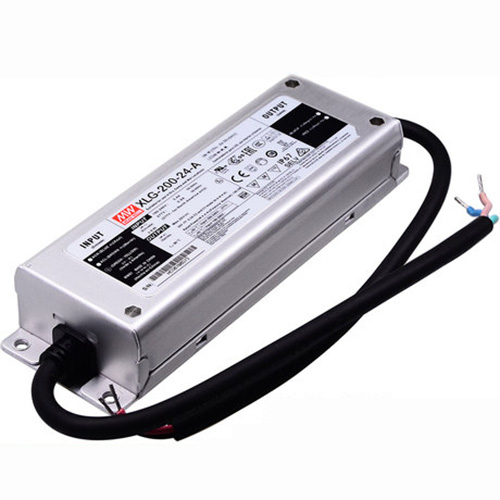
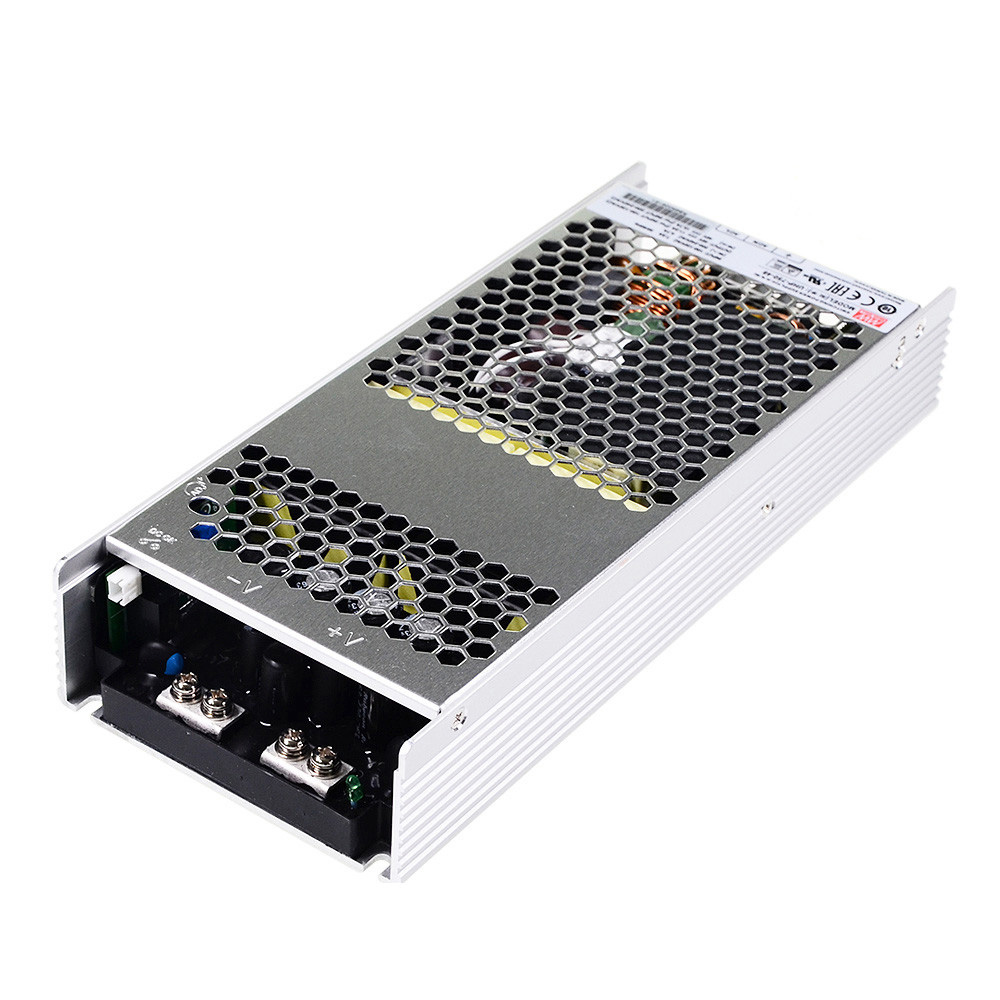

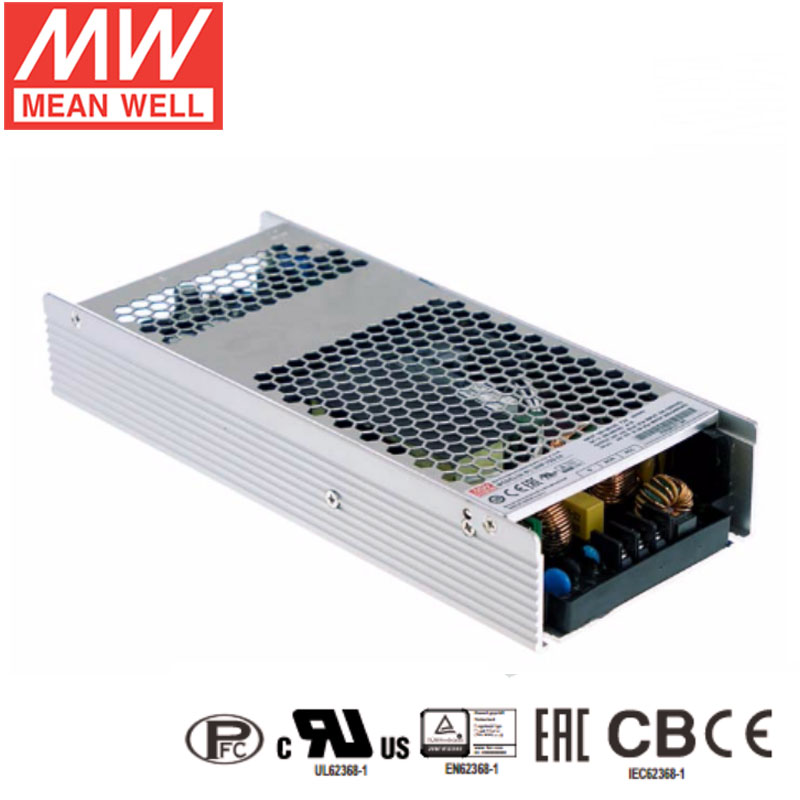

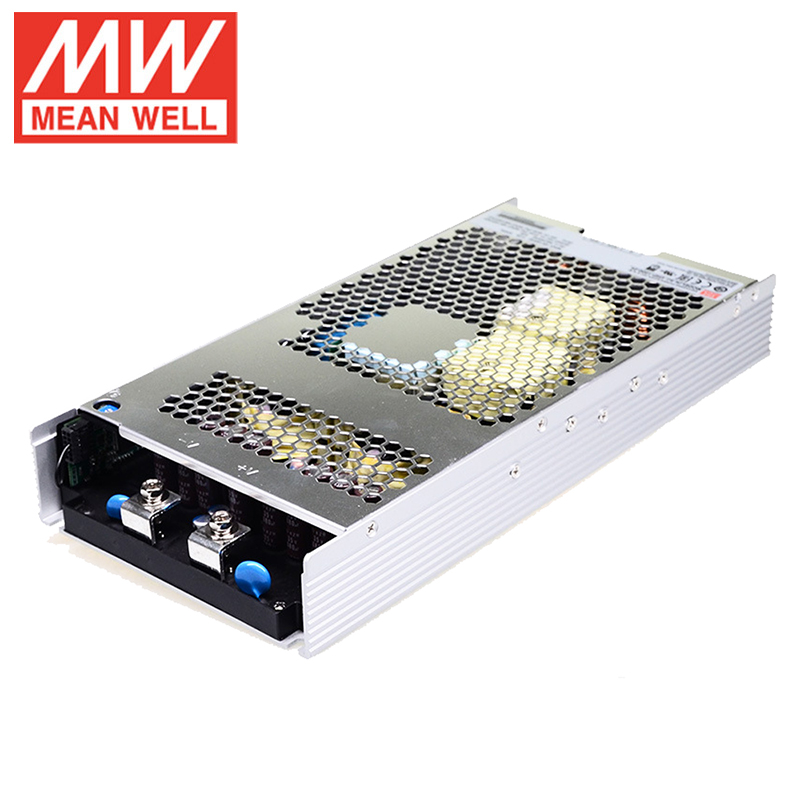
UHP-1500 24V 48V Meanwell PFC Switch Mode Power Supply Fanless

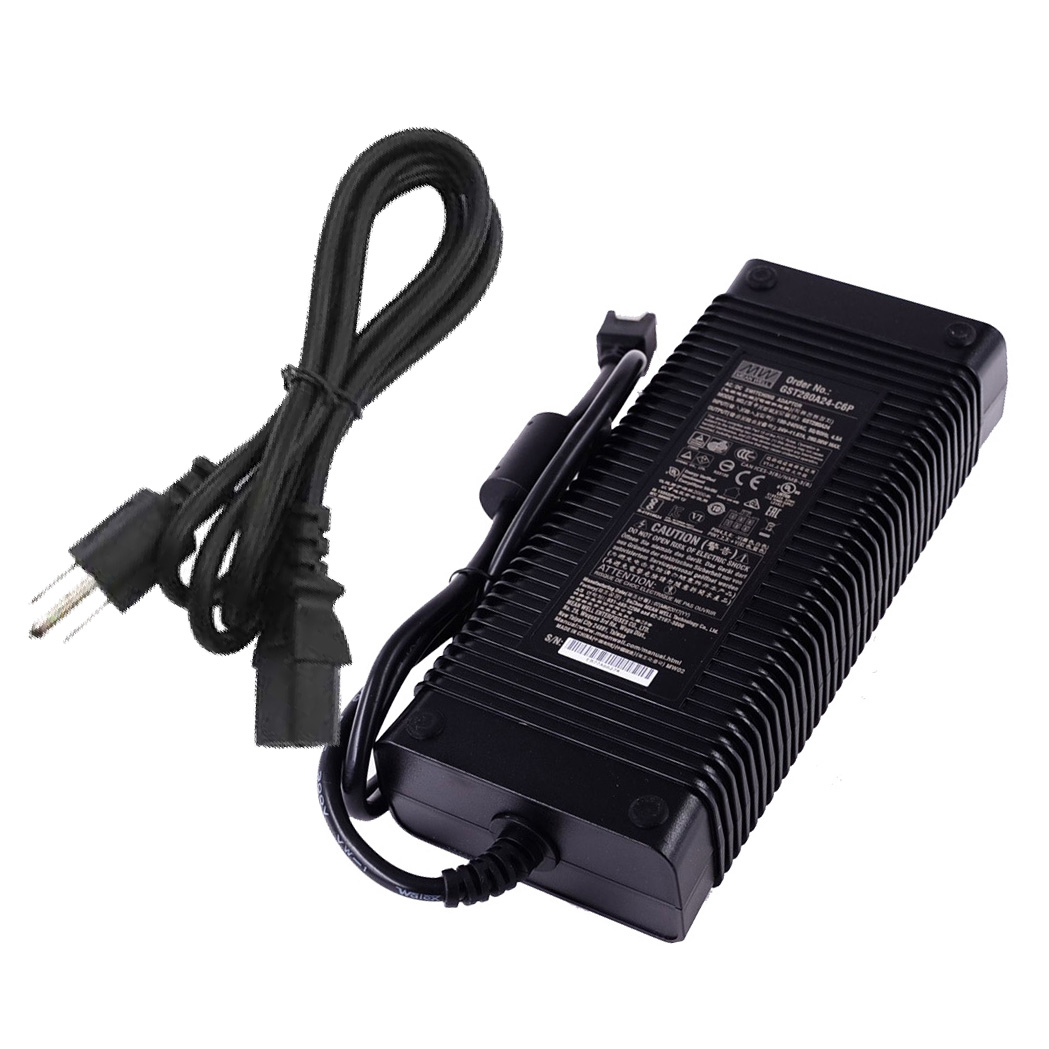
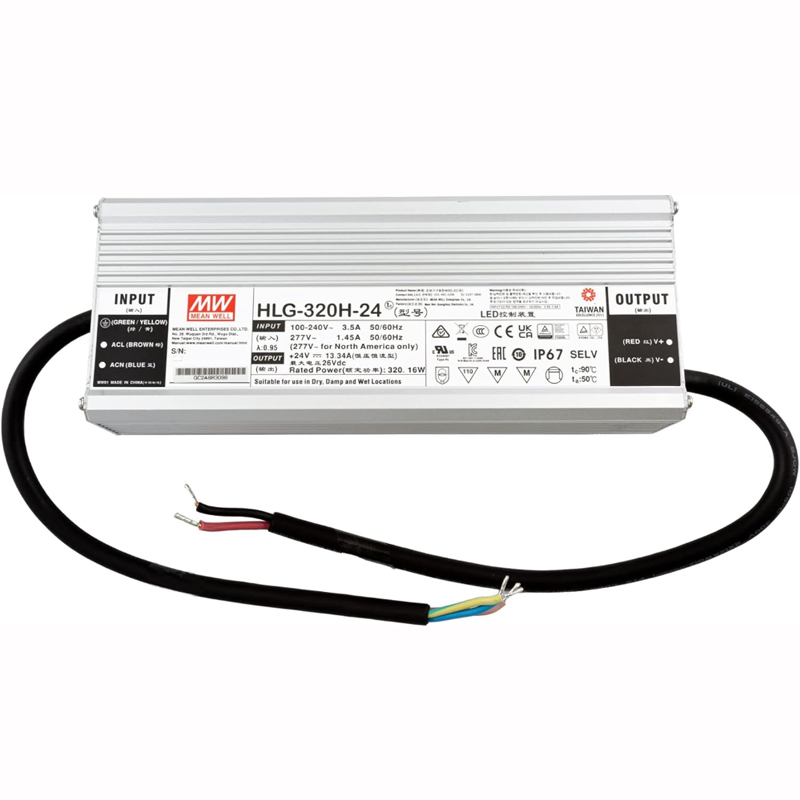
HLG-320H-24 Meanwell 320W 24V UL Listed CC and CV Power Supply - IP67 Waterproof
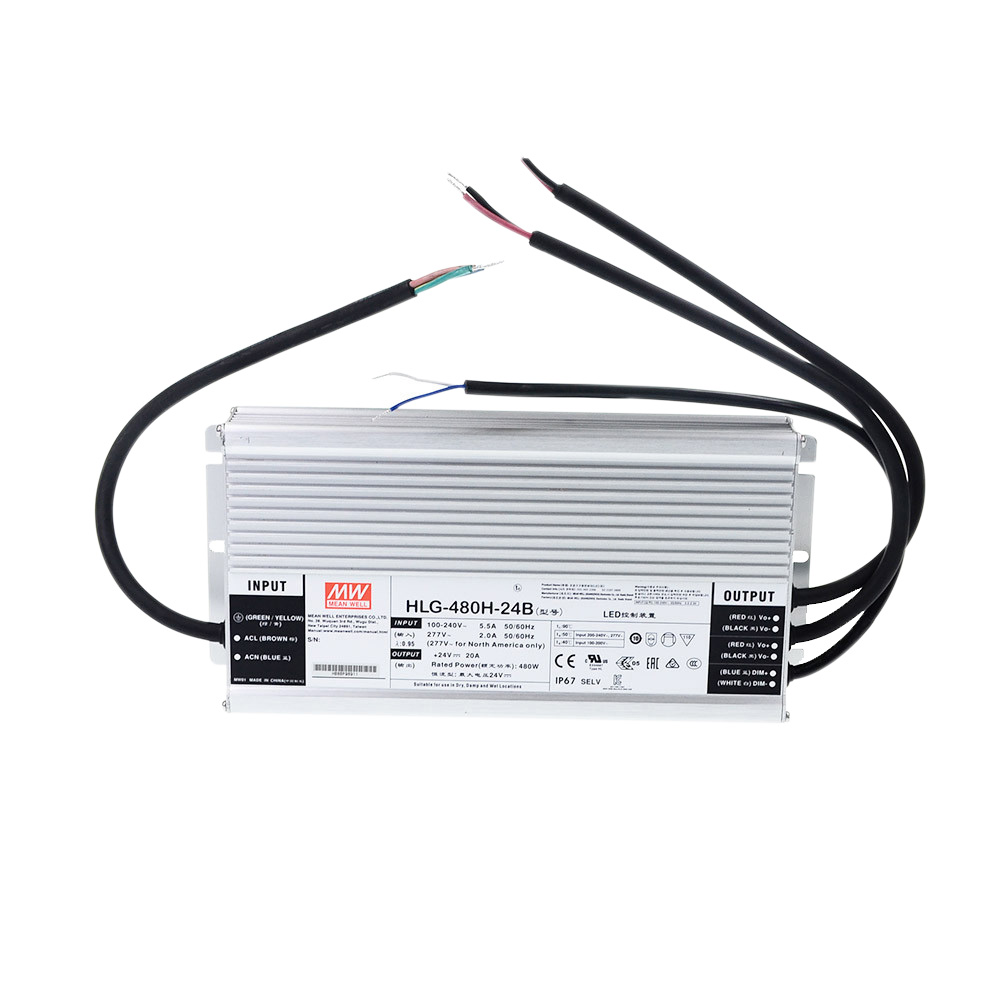
HLG-480H-24B 480Watt AC90~305V Input Voltage Mean Well IP67 Waterproof DC24V UL-Listed LED Power...
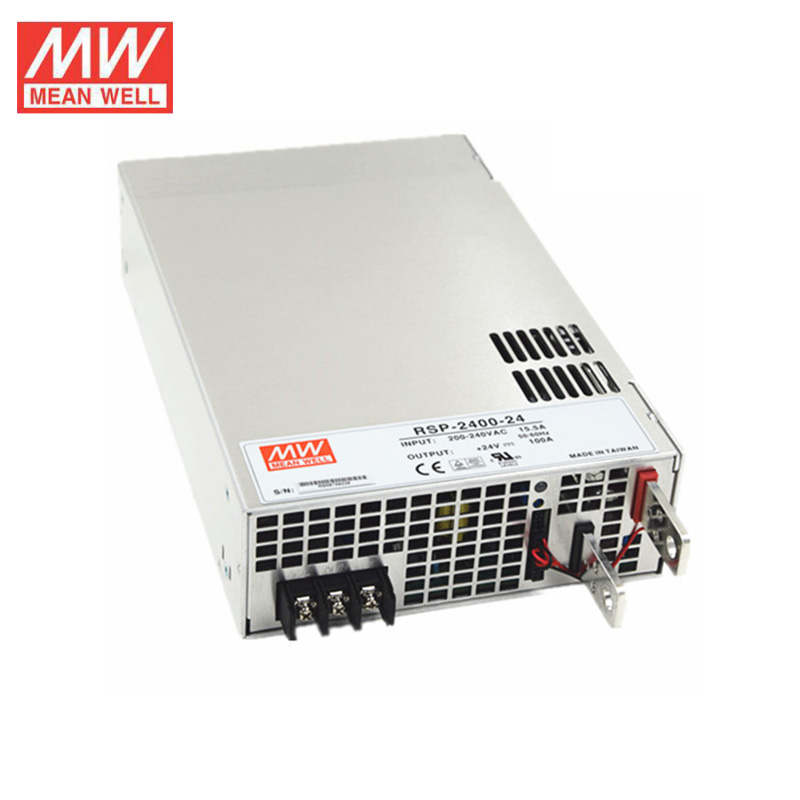
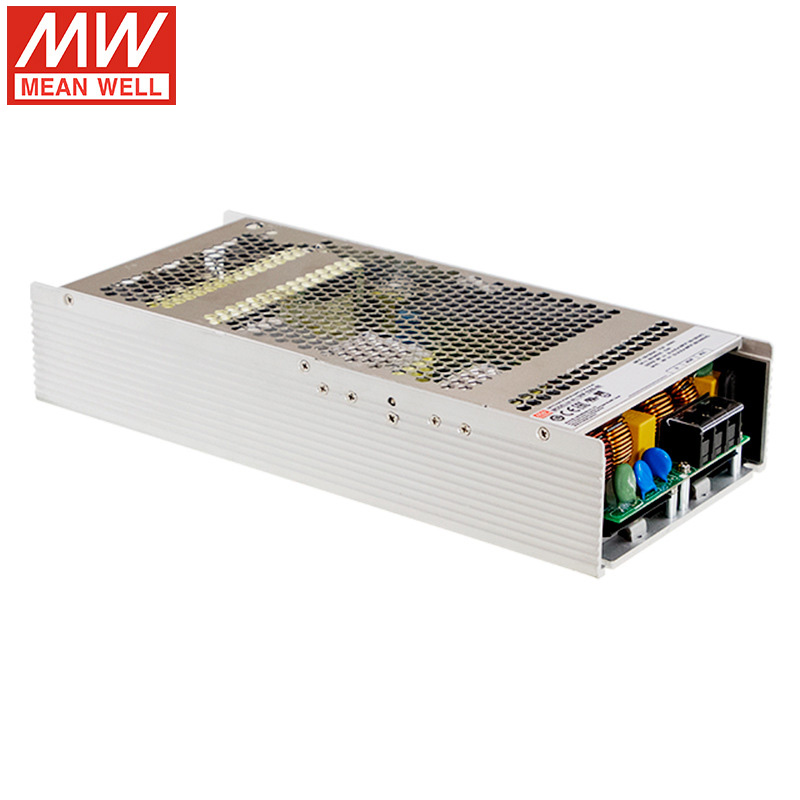
Meanwell 24V Switching Power Supply - Fanless PFC Series - UHP-2500-24
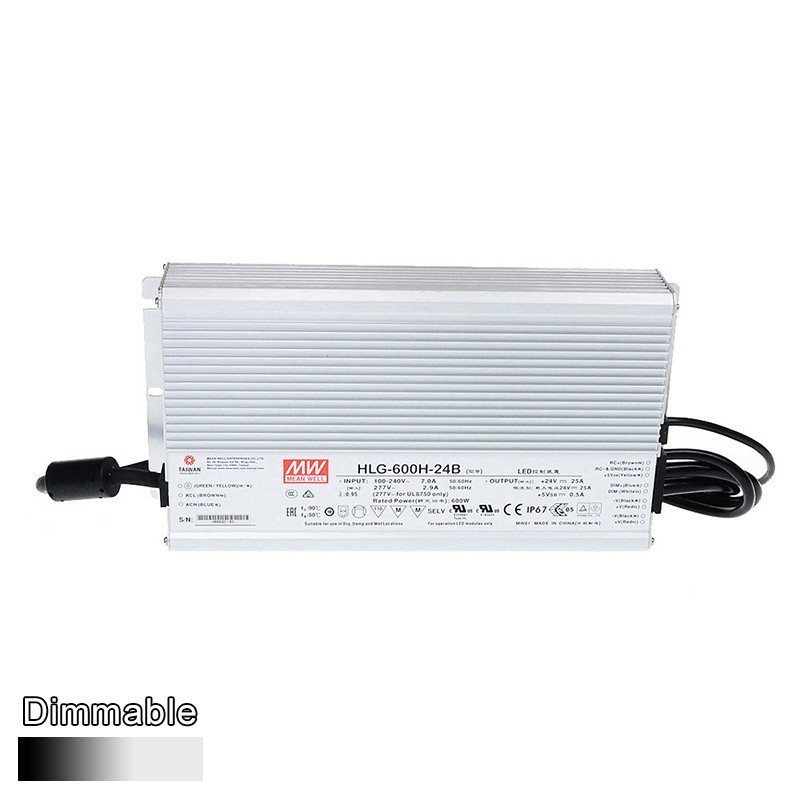
HLG-600H-12B AC90-305V Input Voltage Mean Well Waterproof DC24V 600Watt UL-Listed LED Power Supply
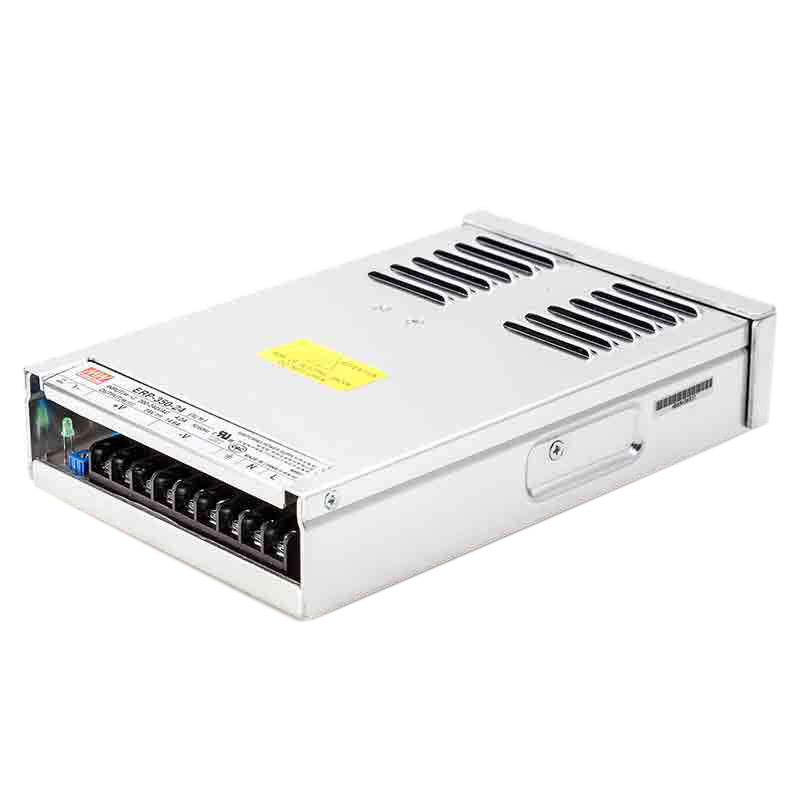
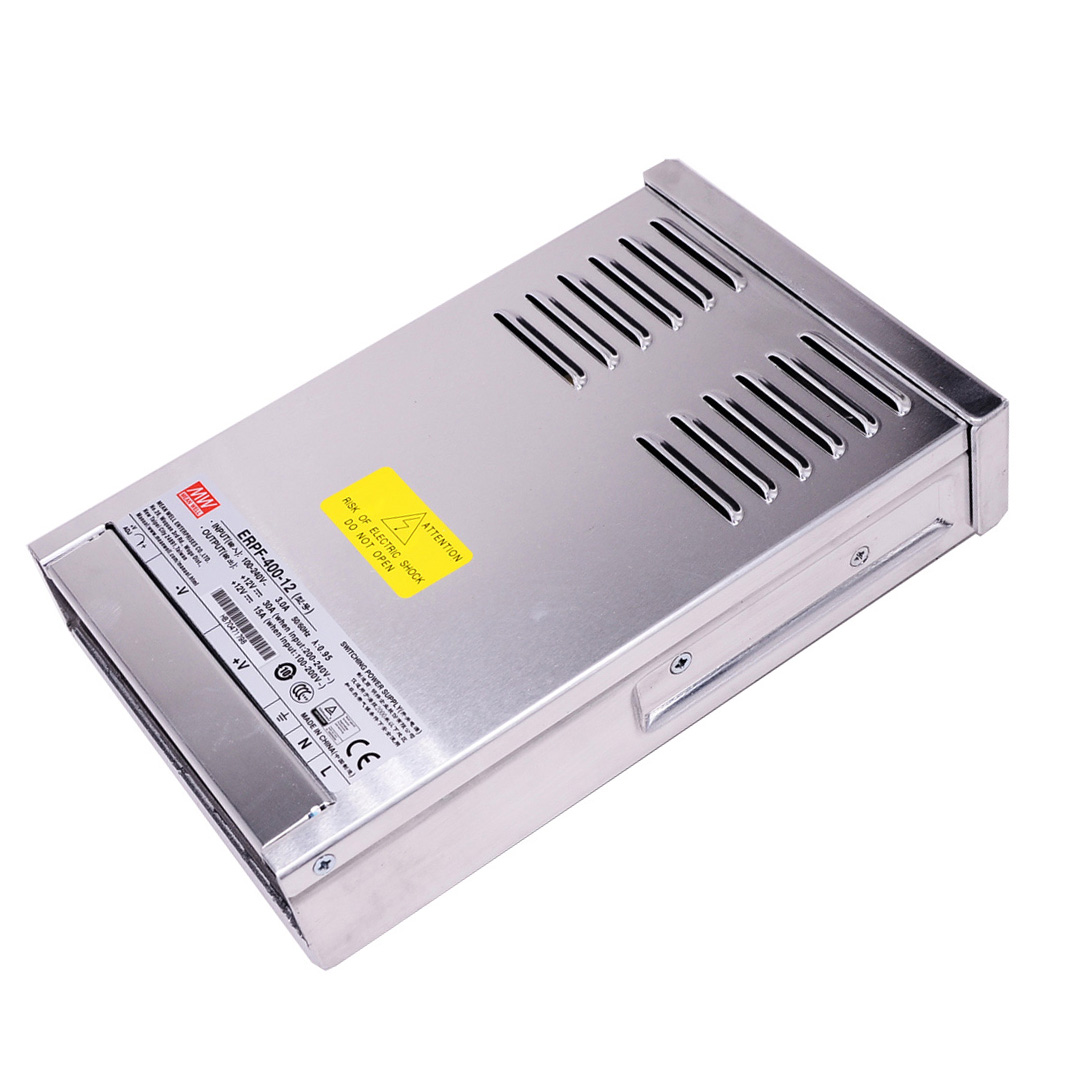

Mean Well SP-240-24 Discontinued, RSP-320-24 Will Be Sent, DC24V 240Watt 10A UL Certification...
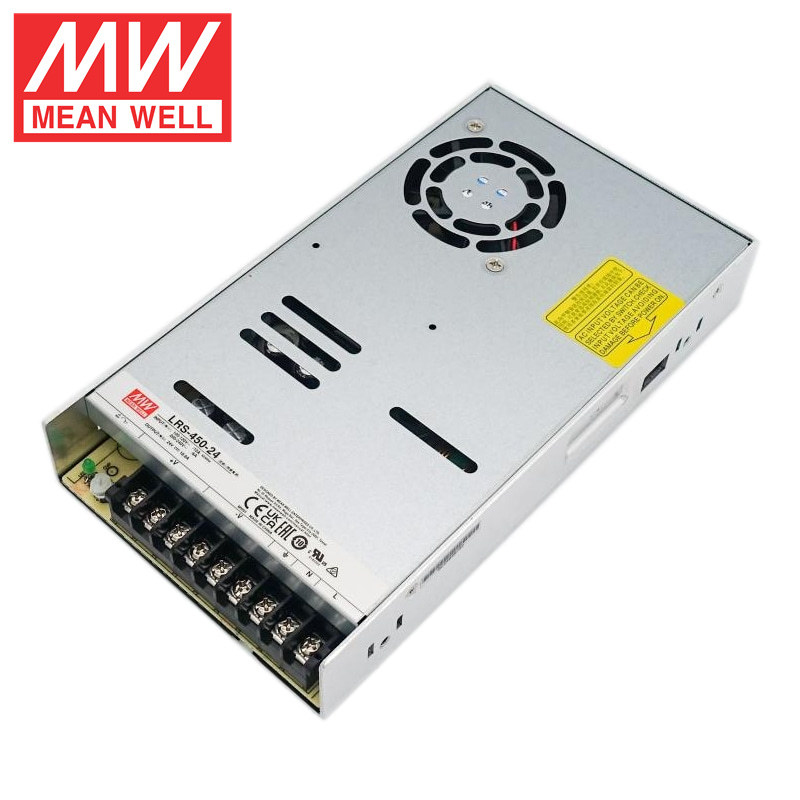
Mean Well SE-450-24 DC24V 450Watt 19A UL Certification AC110-220 Volt Switching Power Supply For...
Mean Well 24V, 36V & 48V LED Power Supply Systems
The Meanwell system includes three different types of 24V 36V 48V power supply, namely MeanWell UL Indoor Power Supply, MeanWell UL Outdoor Power Supply, and Meanwell 24V Industrial Green Class I & Class II Power Adapters, to meet different scenarios and power requirements.
For high-power LED lighting projects, the Meanwell AC to DC 24V 36V 48V switching power supply is the ideal choice. It is capable of carrying up to 2500 watts of power output.
For outdoor LED light projects, Meanwell 24V outdoor IP67 waterproof power supply is the best choice. It can maintain stable operation under outdoor weather conditions.
For household low-power LED lights projects, the compact, easy-to-install Meanwell 24V Industrial Green Class I & Class II power adapter is the most suitable choice. Not only does it excel in performance, but it also has green features that meet industrial-grade standards, while also meeting the safety requirements for home use.
Your LED Controller and Power Supply Should Use the Same Voltage
The LED strip, LED controller, and power supply should be selected for the same operating voltage unless a compatible voltage-conversion device is specifically used in the system. For example, a 24V LED strip should normally be powered by a regulated 24V DC power supply, and a 48V controller or driver should be matched with a 48V system.
Keeping the voltage consistent helps ensure that the LED strip receives the correct electrical input while the controller or driver operates within its specified range. An incorrect voltage can cause reduced brightness, unstable operation, overheating, or damage to the LED strip or control equipment.
For a complete system, think of the voltage path as:
AC Power → Mean Well 24V / 36V / 48V Power Supply → Matching LED Controller/Driver → LED Strip
Always check the voltage rating of every component in the chain, including the power supply, controller, dimmer, amplifier, decoder, and LED strip. A higher-power supply does not make a different voltage suitable for the LED.
What If the Voltages Do Not Match? Use a DC-to-DC Power Converter
When your available power source and LED lighting system operate at different DC voltages, a DC-to-DC converter can be used to convert one DC voltage to another before it reaches the controller or LED load.
For example: 48V DC Source → DC-to-DC Converter → 24V LED Controller → 24V LED Strip
or: 36V DC Source → DC-to-DC Converter → 24V LED System
A DC-to-DC converter can be useful when the project already has a higher-voltage DC power distribution system but the connected LED strip or controller requires a lower voltage. This approach can help preserve an existing power architecture without replacing the entire power source.
However, a DC-to-DC converter should be selected based on the input voltage range, required output voltage, maximum output current, total load, efficiency, and installation environment. It is not a substitute for simply choosing the correct LED power supply when a suitable Mean Well 24V, 36V, or 48V supply is available.
High DC Voltage LED Power Supply (24V/36V/48V) FAQ Guide
In LED strip lighting applications, a 24V power supply is an electrical device that converts household AC power (typically 120V or 240V) into low-voltage 24V DC output required by LED strips. Any device that provides a stable 24V DC output suitable for LED operation can be considered a 24V power supply. When selecting a driver for your 24V LED strip, always check key specifications such as output voltage, wattage capacity, efficiency, and compatibility with controllers or dimmers.
In this MeanWell series, a 36V power supply converts standard household AC power into 36V DC output, typically used for DC 36V longer LED strip runs (36V addressable RGBW, 36V Neon, 36V 2835, 36V 3528) where reduced current and improved voltage stability are required.
In this MeanWell series, a 48V power supply converts AC mains power into 48V DC output, designed for long-distance, continuous LED strip lighting systems. These 48V power supplies are to connect to DC 48V LED strips for professional residential projects, commercial buildings, and architectural lighting designs.
Yes, most professional LED drivers have a fixed output voltage (e.g., exactly 24V or 48V). Unlike some universal electronics, LED strips are voltage-specific. Connecting a 24V LED strip to a 48V power supply will cause immediate permanent damage, so you must choose a driver that matches your LED strip's rated voltage exactly.
Yes. Standard household wall outlets provide high-voltage AC (typically 110V or 220V), while these 24V, 36V, and 48V LED strips operate on low-voltage DC. An LED transformer (power supply) is required to safely convert and rectify the high-voltage AC into the stable low-voltage DC required by the LEDs.
This depends entirely on your LED strip choice and project scale. 24V is the industry standard for high-output lighting and can typically run up to 10-20 meters without significant voltage drop. 36V is less common but used for specific high-power industrial modules. 48V is the ideal choice for large-scale residential and commercial projects, as it can support ultra-long runs of up to 50-60 meters from a single power feed with minimal brightness loss.
If your LED strip is rated for long-runs (e.g., a 50m roll), simply connect the head wires to the power supply. However, for standard LED strips that experience voltage drop, you should use parallel wiring. Divide the long run into multiple shorter LED segments and run a separate "home run" wire from each segment back to the same high-capacity power supply to ensure uniform brightness.
Absolutely. You must consider the load capacity of the controller just as much as the power supply. If your power supply can handle 300W but your controller is only rated for 144W, the controller will overheat or burn out. Always ensure that the LED controller’s max amperage exceeds the total current draw of the connected LED strips.