
DMX512-SPI LED Decoder
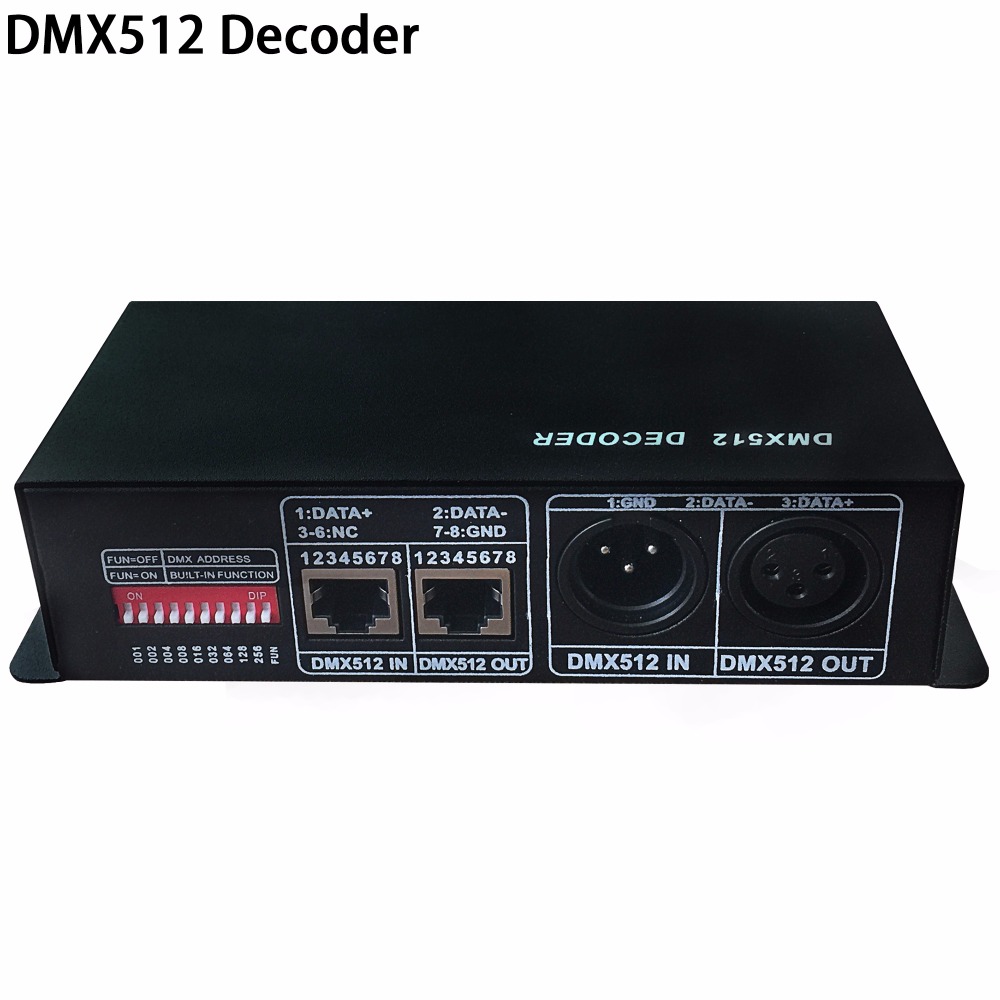
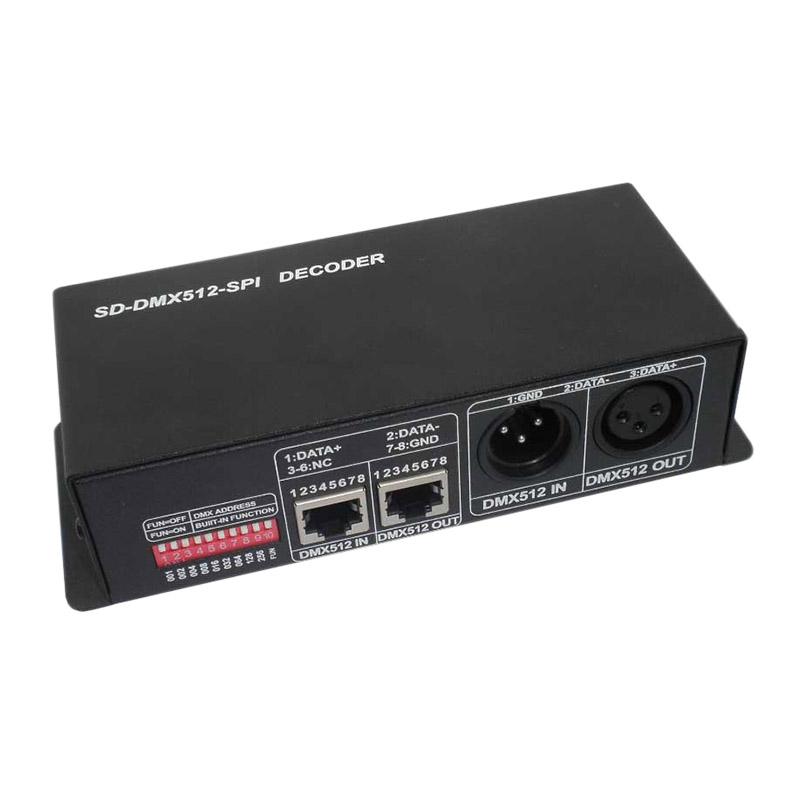
16 productsCan SPI/TTL addressable LED strip lights and fixtures be controlled by a standard DMX system? Yes! While SPI and DMX use different communication protocols, the DMX512-SPI LED Decoder acts as the ultimate bridge. It converts universal DMX512/1990 digital signals into SPI (Data or Data + Clock) digital signals, allowing professional DMX lighting consoles or masters to seamlessly control addressable SPI LED strips (such as WS2811, WS2812B, UCS1903, SK6812, etc.).
Through these decoders, your DMX console gains pixel-level precision, allowing you to control every single channel or pixel of the LED fixture to achieve smooth 0–100% dimming, dynamic color chasing, fluent flowing, and complex custom lighting patterns.
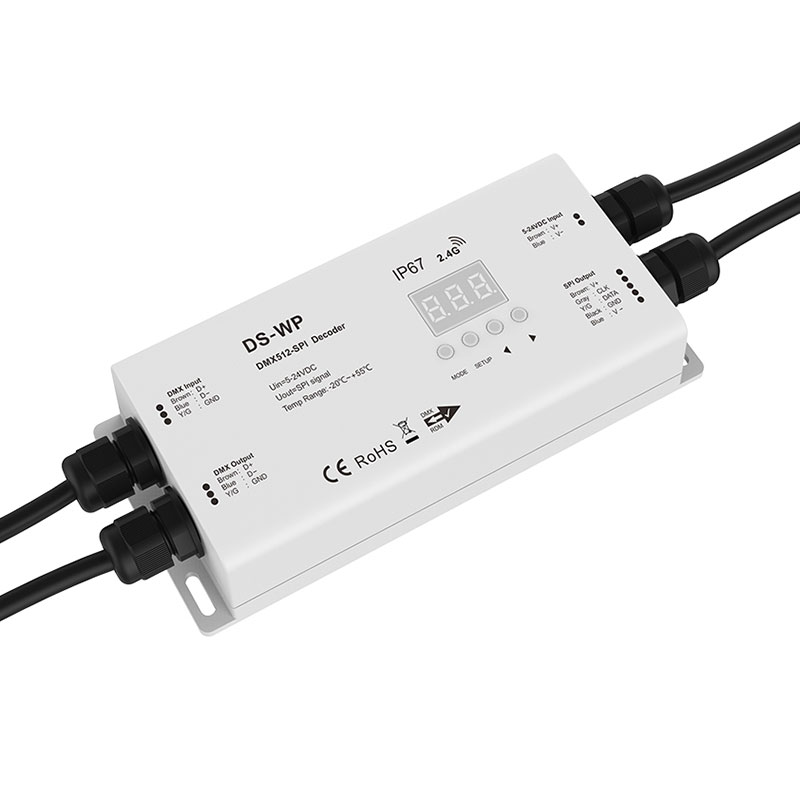
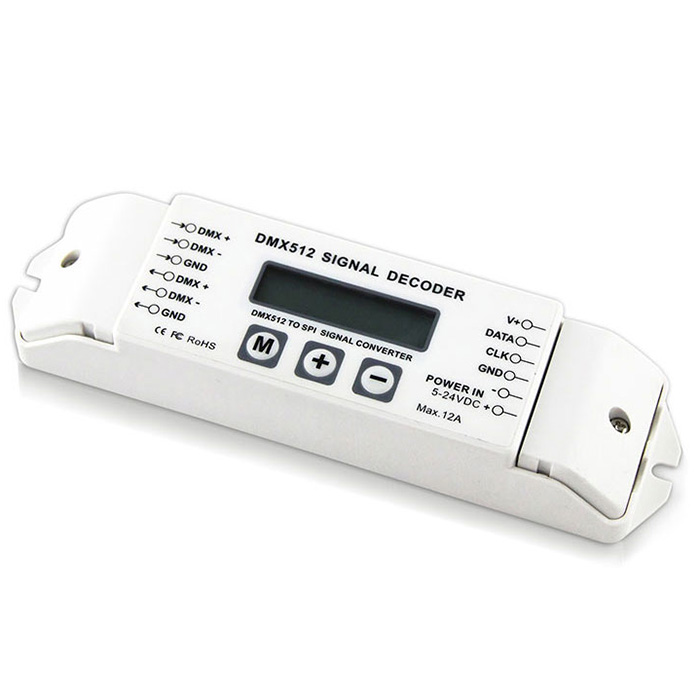
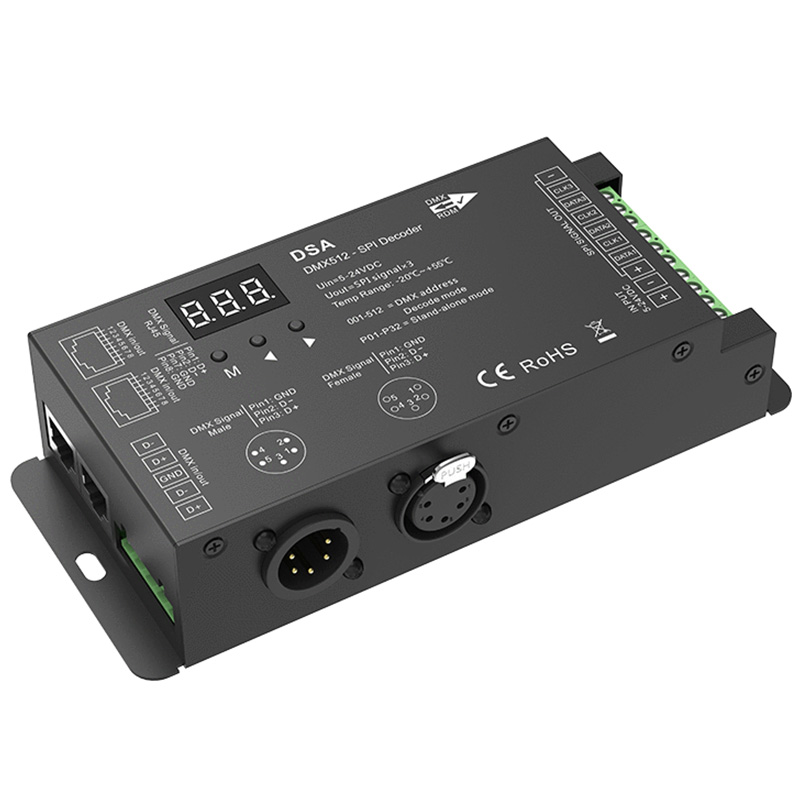
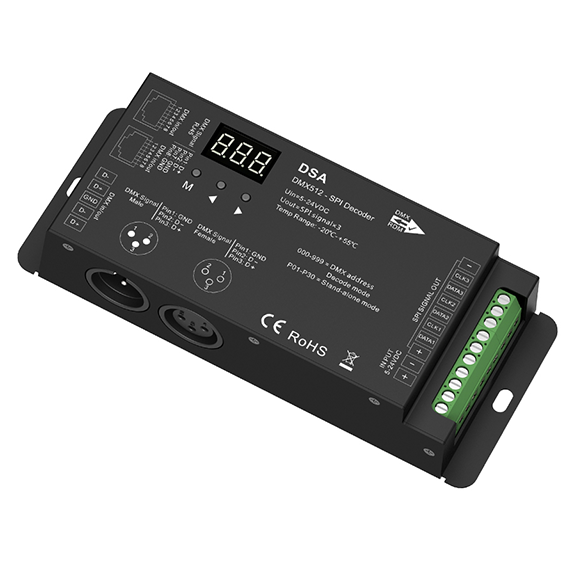

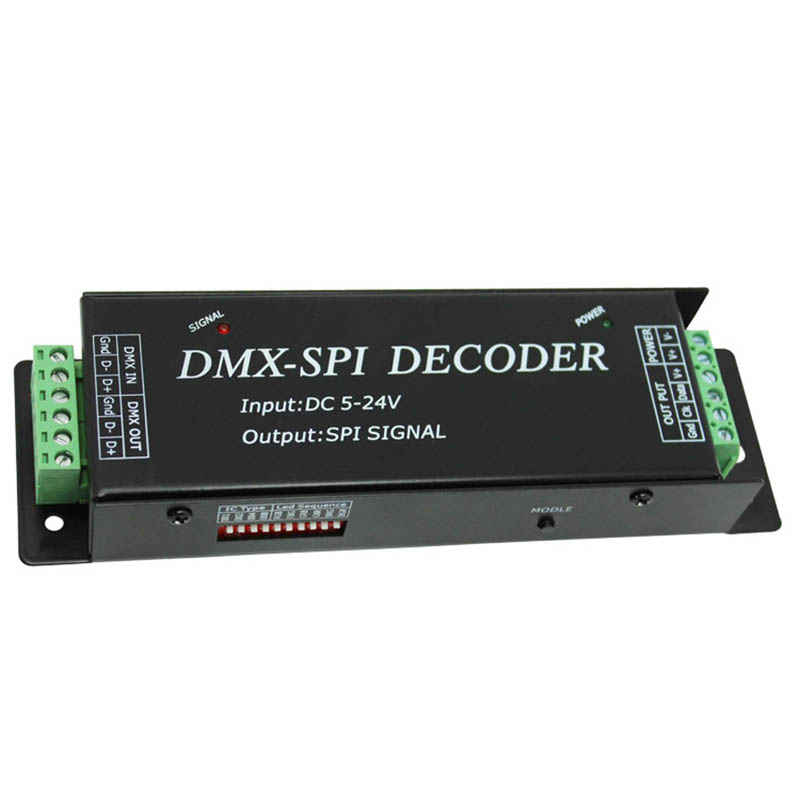
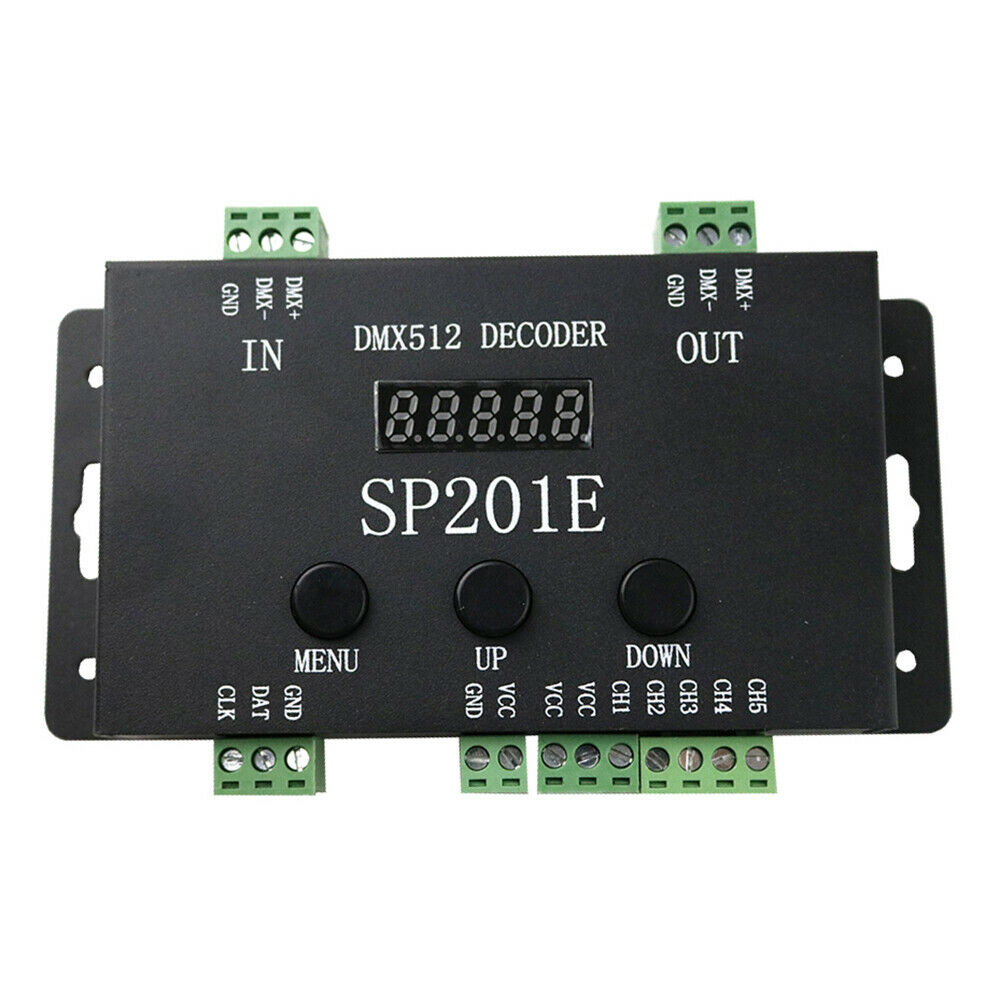
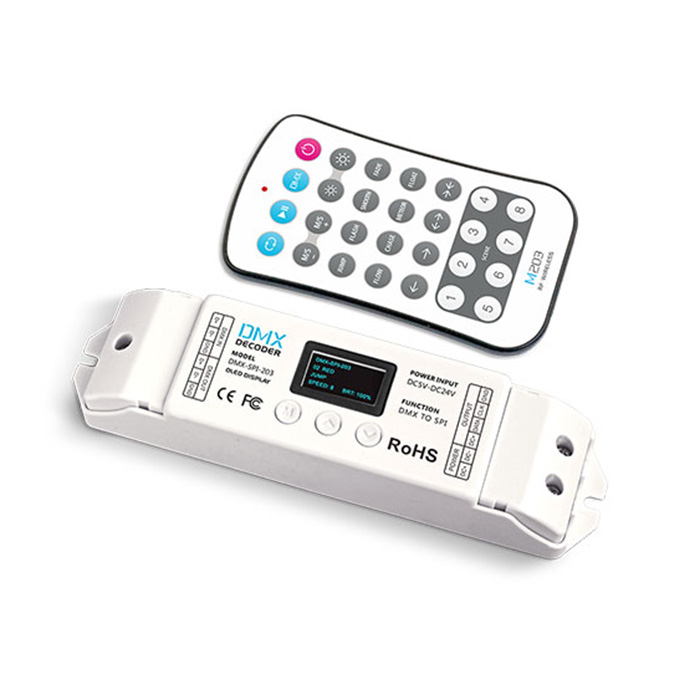
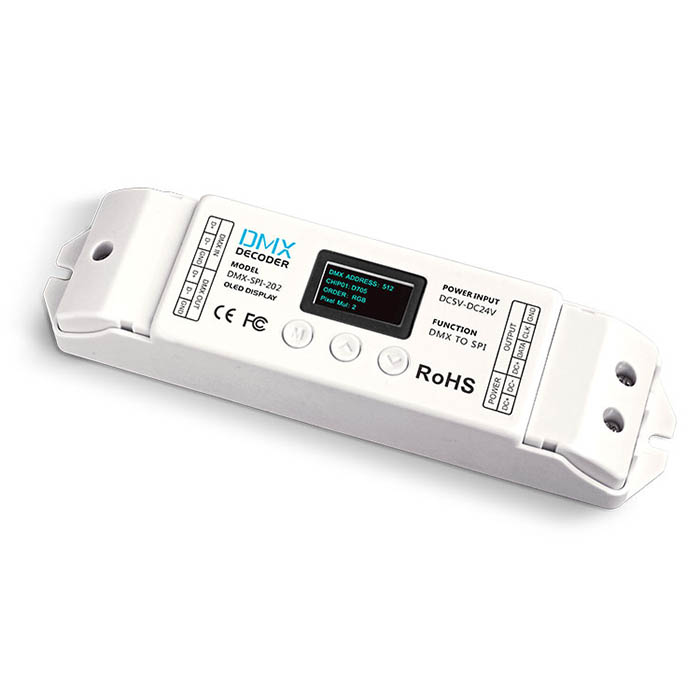
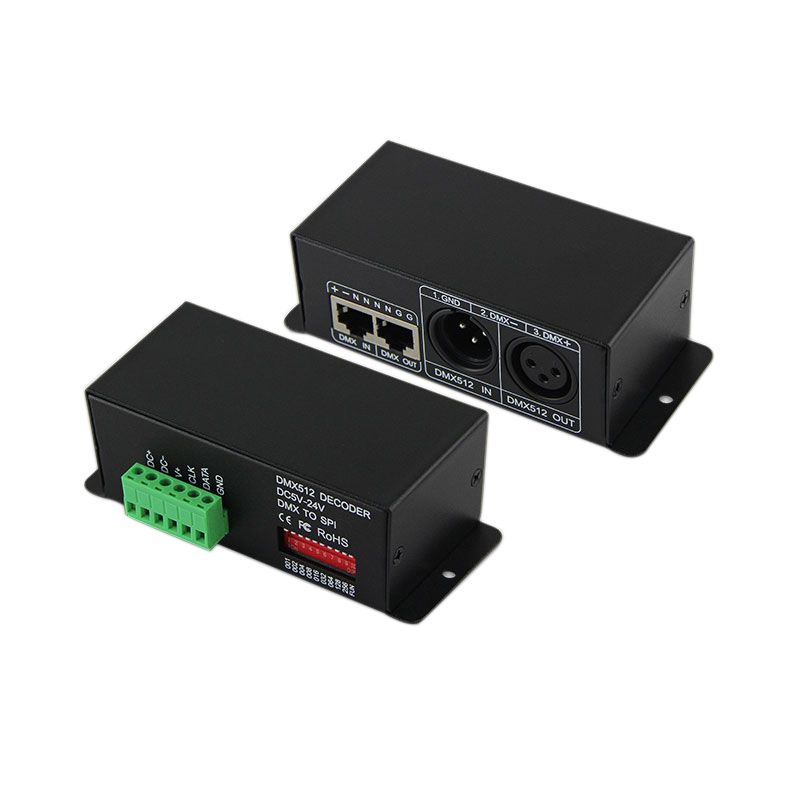
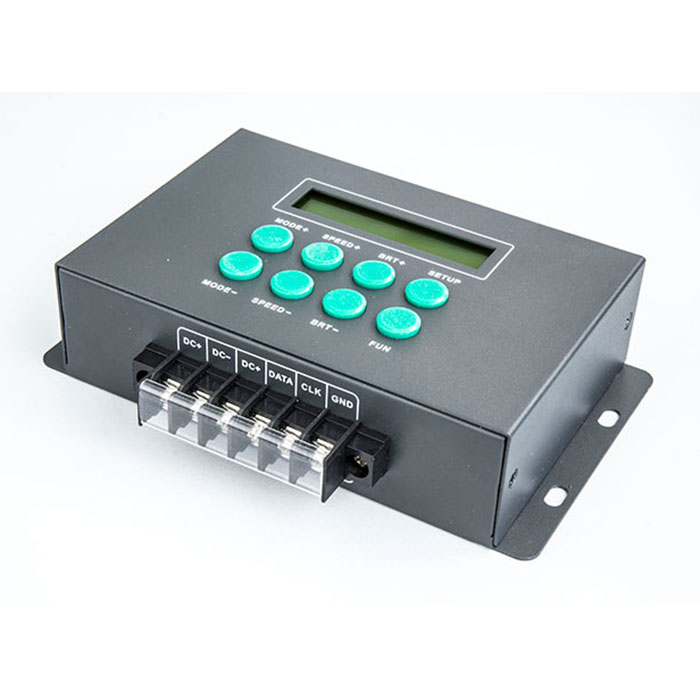
DMX512 to SPI Signal Decoder BC-802 - Supports LPD/TM/WS/SK Pixels
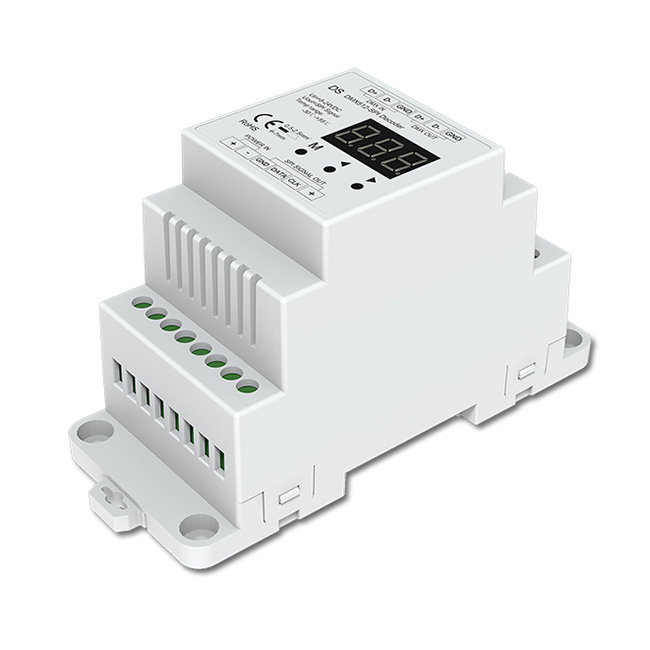
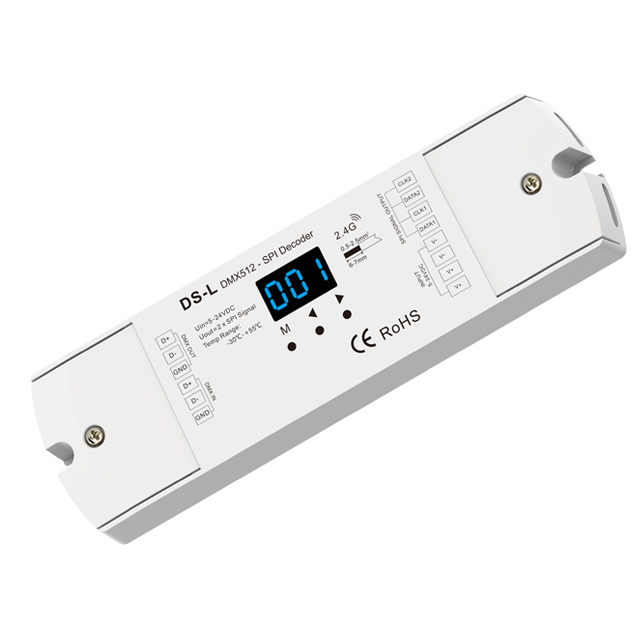
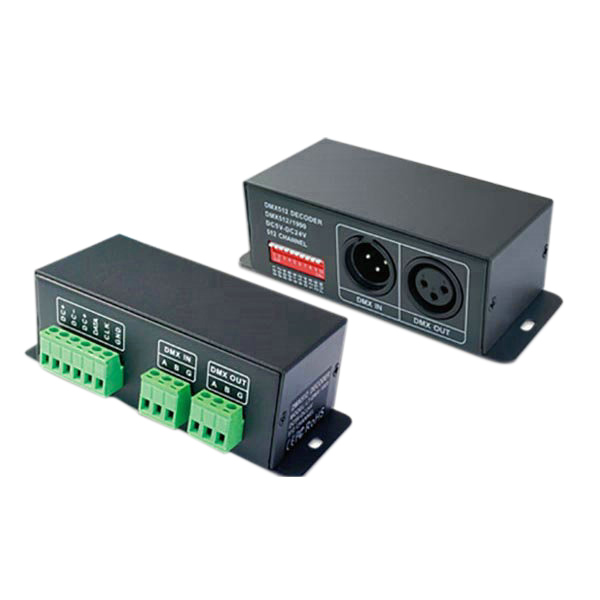
Why Choose SuperLightingLED DMX-SPI Decoders
SuperLightingLED offers a diverse range of decoder models supporting dozens of popular driving IC chips in the market, ensuring your existing or custom fixtures are fully compatible.
We provide multiple controller types and interface formats (including XLR 3-pin/5-pin, RJ45 ports, and RF wireless remote combinations) to suit various installation scales.
Featuring high gray-scale output, high refresh rates, and multiple built-in standalone testing/change modes, our decoders guarantee stable, flicker-free performance for architectural, stage, and entertainment lighting.
DMX512-SPI LED Decoder Questions
Got a question about getting your DMX console to talk to pixel tape? You're in the right place. Here are the answers we give most often on the tech desk.
A DMX512-SPI LED decoder is basically a translator. It takes the universal DMX512 signal used by professional stage and architectural lighting consoles and converts it into the SPI (Serial Peripheral Interface) signal that individual pixel LEDs on a strip need to work. Without it, your DMX controller and your addressable LED strips are speaking two different languages.
Almost certainly, yes. Most of our decoders are compatible with a whole range of common ICs, including WS2811, WS2812B, SK6812, TM1809, and dozens more. The key is to check the product's datasheet for the supported IC list and then set the correct IC type on the decoder itself, usually with dip switches or a digital display. Picking the wrong one is a common reason for weird colors or flickering.
A single DMX512-SPI decoder's capacity is tied to the DMX protocol itself. One DMX universe has 512 channels. A typical RGB pixel needs 3 channels (one for red, one for green, one for blue). So, you divide 512 by 3, which gives you 170 pixels. If you're running RGBW strips, that's 4 channels, so you can only control 128 pixels. Some of our advanced decoders can handle multiple universes to control more pixels from one box.
You can on small setups, but for professional results, we recommend powering the strips separately. Use a hefty power supply correctly sized for your total strip length, and run a separate, lighter gauge wire from that same supply to power the decoder. This prevents the high current draw of the LEDs from affecting the decoder's sensitive electronics.
The main differences are the number of pixels they can control, the specific SPI chipsets they support, and the input voltage range (some are 5V only, others are wide-range 5-24V). Other features to look for are an OLED screen for easier setup, an IP67 waterproof rating for outdoor use, or extra control modes like a built-in RF receiver for a remote.
Absolutely. Using a decoder is the standard way to integrate pixel tape into a stage environment. It allows your lighting designer to use their main console (like a GrandMA, Avolites, or Chamsys) to pixel-map video content or create intricate chase effects across LED strips on the set, just as they would with any other DMX fixture. This is how you use DMX to control SPI TTL pixel lights professionally.
RDM stands for Remote Device Management. A DMX-SPI decoder with RDM allows for two-way communication. This means a compatible RDM controller can 'find' the decoder on the network, set its DMX address, change its settings, and check its status remotely. It saves a massive amount of time on large jobs where you might have dozens of decoders hidden in ceilings or walls.
Use a DMX-SPI decoder when your signal source is a physical DMX output, like the 5-pin XLR port on a lighting desk. Use an ArtNet controller when your signal source is software on a computer (like Madrix, Resolume, or Jinx!) sending data over an Ethernet network. ArtNet is essentially DMX over a network, and an ArtNet node is the box that converts it back to DMX or directly to SPI.
First, check the simple things: Is the decoder powered on? Is the DMX address set correctly and not overlapping with another fixture? Second, check your cable.