
Motion Sensor Closet Light
9 productsMotion Sensor Under Cabinet Lighting and Motion Sensor Closet Light are often paired with short aluminum light bars or puck/spot lights, they allow the under cabinet lights and closet lights to turn on automatically as you walk in.
This type of motion detector lighting allows you to experience hassle-free cabinet lighting and closet lighting. Motion sensor led light is very energy efficient by providing lights only when they are needed and are dormant the rest of the time.
These motion detector closet light and motion activated under cabinet lighting are typically human infrared sensors that detect humans and pets, and some also come with light sensors to avoid being accidentally touched during the day.
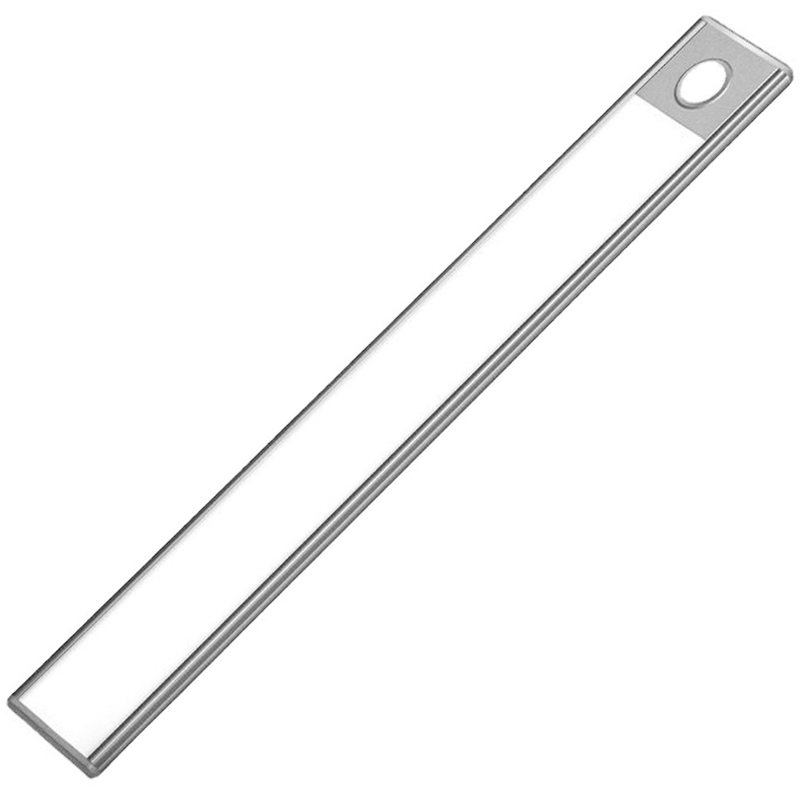
24 Inch 2ft Magnetic USB LED Motion Sensored Under Cabinet Lighting Bar
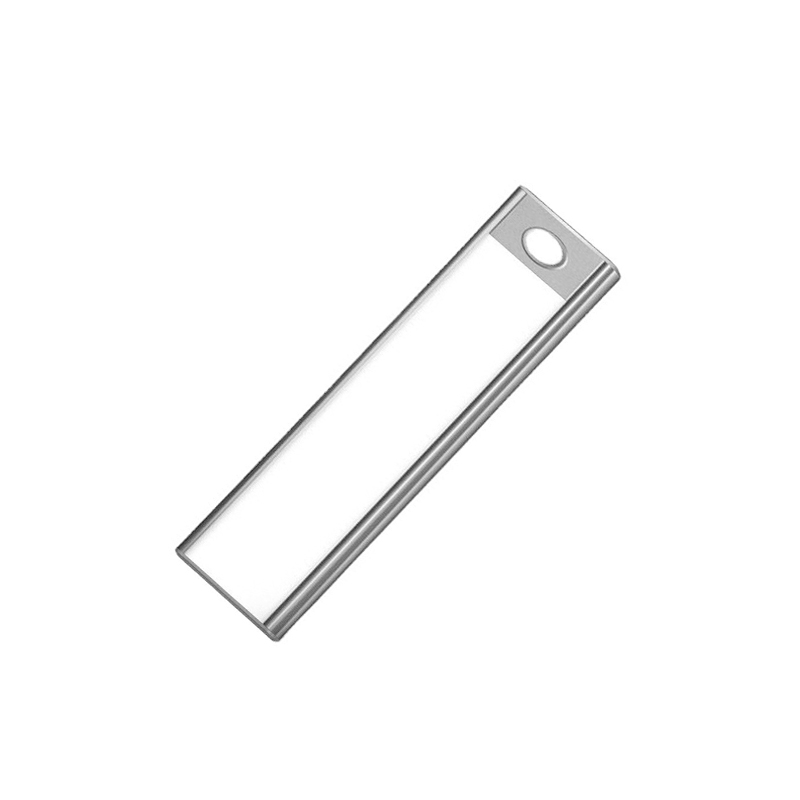
9 Inch Thin LED Motion Sensing Closet Light Bar Magnetic USB Rechargeable

12V Thin LED Puck Motion Sensor Closet Light Hardwired
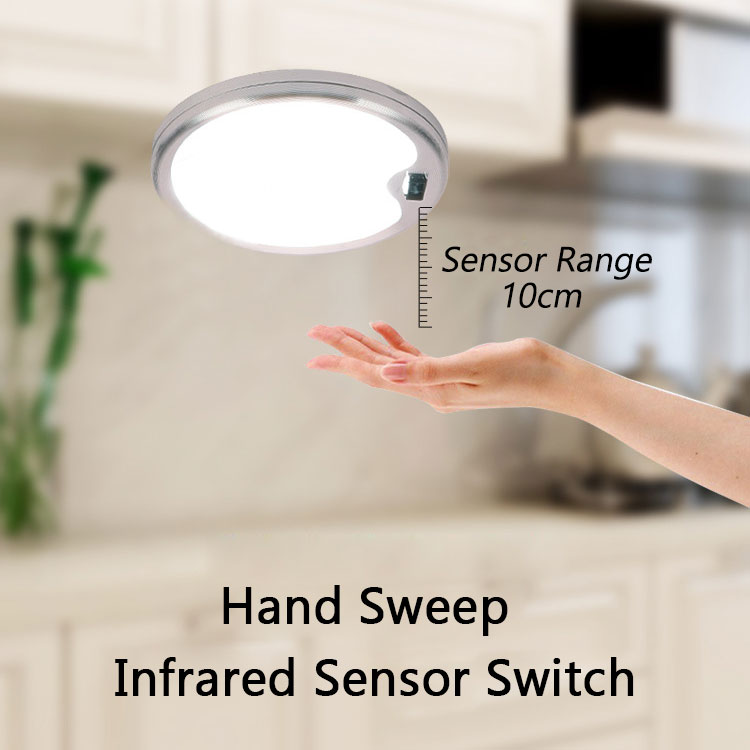
Smart 12V Motion Sensor Dimmable Puck Lights - Hand Gesture Control
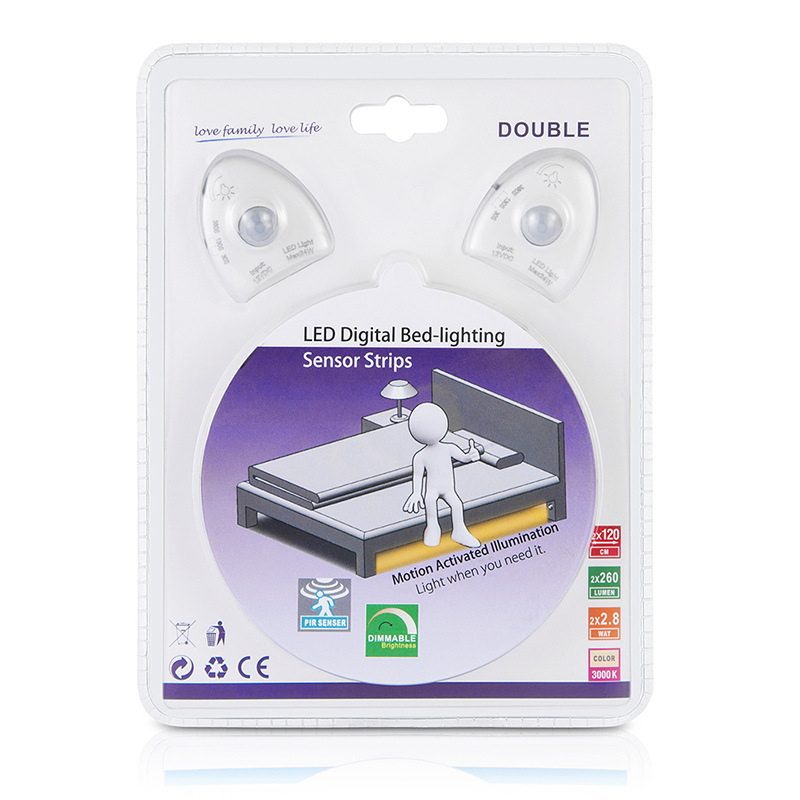
IP65 4ft Warm White Motion Sensor LED Strip Light Kit
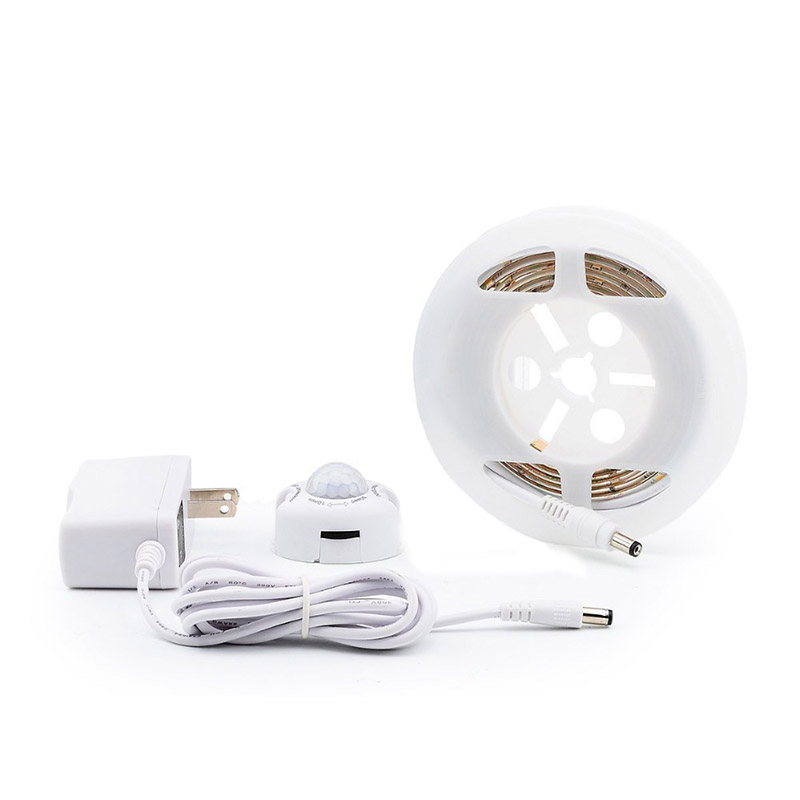
4ft IP65 Warm White LED Light Strip Motion Activated Kit
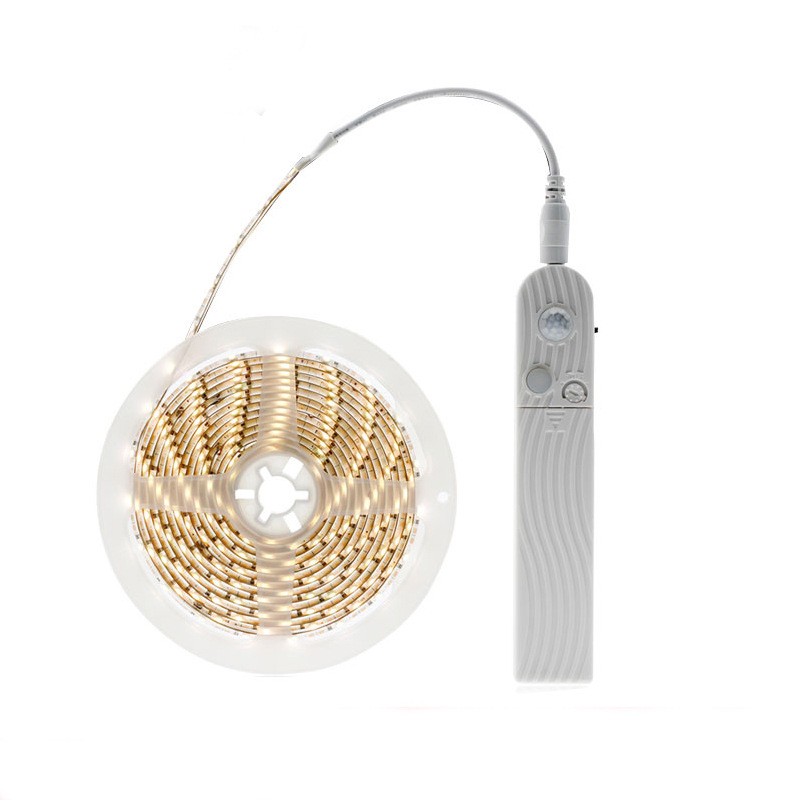
Battery Operated Motion Sensor Light LED Strip Kit
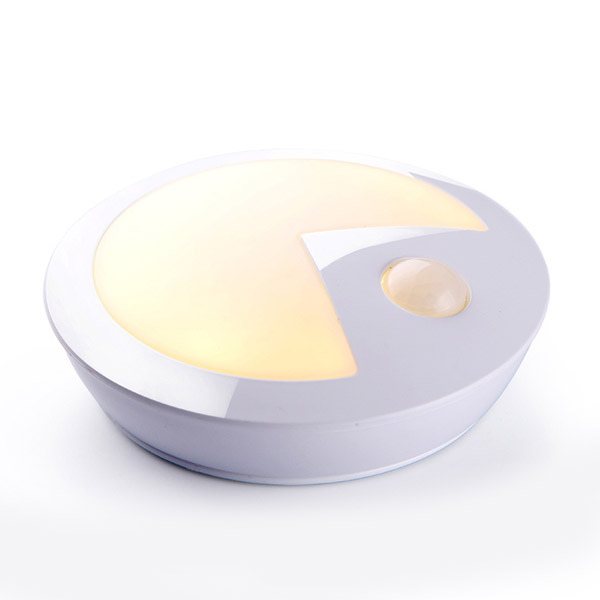
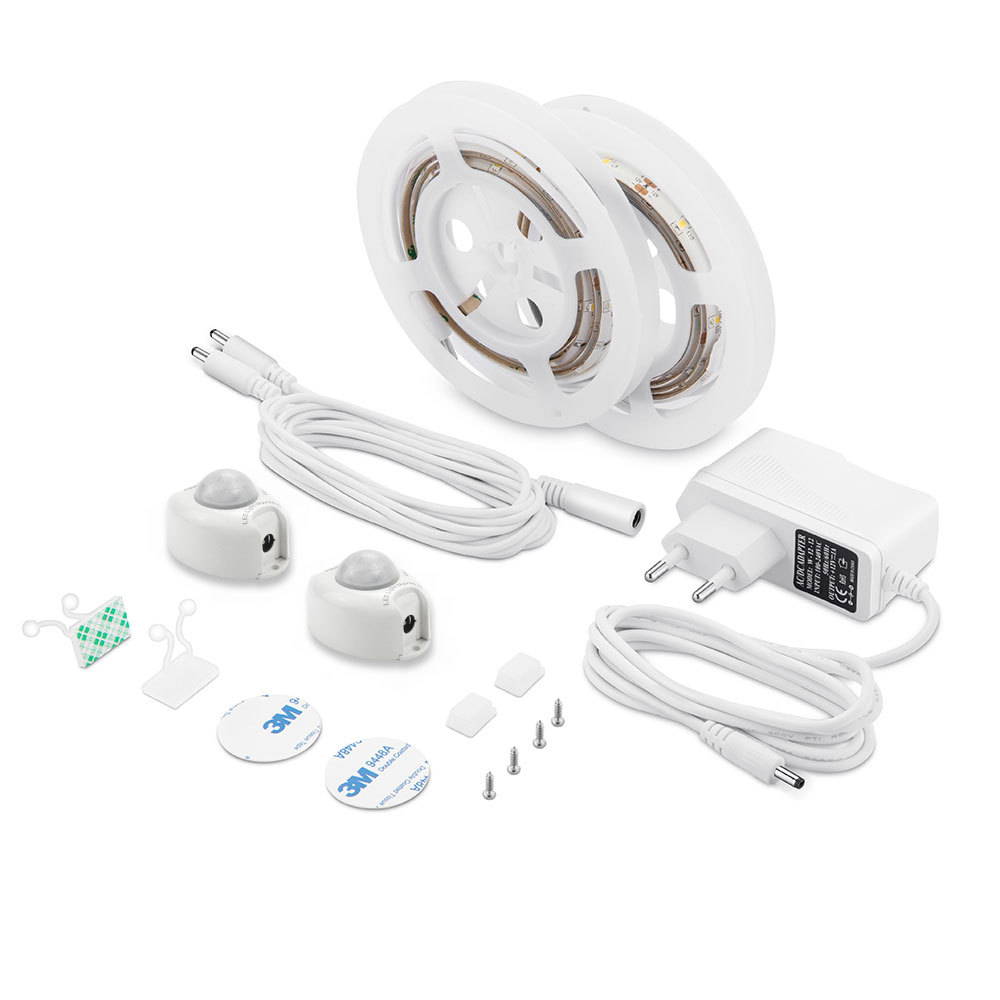
Smart Bed & Cabinet LED Night Light | Human Sensor, Dual Side
Frequently Asked Questions About Motion Sensor Closet Lights
Got questions before you buy? I've answered thousands of them over the years. Here are the most common ones for motion-activated lights.
It depends on the type. For our rechargeable bars, it's just a peel-and-stick magnetic strip. You stick the mount up, and the light bar clicks right on. For hardwired pucks or strips, you'll need to run low-voltage wire from a 12V or 24V power supply. You mount the light, connect the wires using the supplied connectors, and place the sensor where it has a clear view of the area. It's the most common DIY project we support.
The best closet lighting depends on your setup. For a small closet or pantry where you can't run wires, a USB rechargeable bar is perfect—no electrician needed. For a large walk-in closet or a full kitchen renovation with lighting in every cabinet, hardwired is the way to go. It’s more work upfront but you never have to think about it again. Battery-only (AA/AAA) models are good for spots with zero power access, like a shed.
This is usually caused by the sensor seeing something you don't expect it to. Most of these are PIR sensors, which detect heat. An HVAC vent blowing warm air, a pet walking by, or even sunlight hitting the floor can trigger it. Try moving the sensor to a different spot or slightly angling it down. A false trigger is almost never a faulty light; it's just a sensor doing its job too well.
No, it can't. The PIR sensors in these lights need a direct line of sight to detect the infrared heat from a person. They can't see through glass, plastic, or wood. If you want the light to come on when you open the door, you'll need to mount the sensor inside the cabinet, aimed at the opening. Or, you could use a different type of switch, like a magnetic door sensor.
It's probably not broken; it's a feature. Many motion sensor closet lights have a built-in photocell, or light sensor, to save energy. This keeps the light from turning on when the room is already bright enough. If you need it to work in daylight, look for a model with a switch to disable the photocell or one that doesn't include the feature in the first place.
For a closet with no existing wiring, the best light fixture is definitely one of our USB rechargeable models. The 9-inch magnetic light bar is a customer favorite. You mount a small metal plate with adhesive, and the light bar just snaps on magnetically. When it needs a charge, you just pull it off and plug it into any USB port. You can have it installed in about 60 seconds.
For typical use in a kitchen or closet, you can expect to charge them every 1 to 3 months. Of course, this varies a lot. If it's in a high-traffic hallway, it might be more like every few weeks. If it's in a rarely used guest closet, it could last for six months. The battery life depends entirely on how many times a day it gets triggered.
Some of our kits, yes. The hardwired kits like the Bed Light Strip Kit often have a small dial on the sensor module that lets you adjust the delay time from around 30 seconds up to several minutes. The all-in-one rechargeable bars and battery pucks usually have a fixed time, typically around 15-25 seconds, to conserve power. Always check the product specs for 'delay time' to be sure.
You don't wire 120V directly to the light. That's a common and dangerous mistake. All our low-voltage motion lights run on DC 12V or 24V. You'll use a hardwired under cabinet lighting system where your 120V home wiring feeds a driver, which steps the voltage down. The motion sensor is then wired on the low-voltage side, between the driver and the lights. This makes the installation much safer and easier to work with.
The best wireless under cabinet lighting for a rental is anything that doesn't require drilling holes or running new wires. Our magnetic USB-rechargeable bars are the top choice here. They install with a simple adhesive strip that won't damage the cabinets, and you can just take them with you when you move out.
Absolutely, and it's a very popular application for safety. You can use individual puck lights on each step or a continuous strip light along the side. The key is sensor placement. You usually need two sensors, one at the top and one at the bottom, to trigger the lights as you approach from either direction. We have a detailed guide on how to install stair lights that walks you through the whole process.
First, check if the light has a manual override switch. Many have an 'On/Off/Auto' setting, and it's easy to accidentally bump it to 'On'. If it's definitely in 'Auto' mode and still won't turn off, it could be getting constant re-triggers from something like an air vent or a curtain moving. If you've ruled that out, the sensor itself might have failed, but that's the last thing to check.
Yes, we do this all the time. A huge part of our business is building custom kits that never appear on the website. Just send us a sketch of your closet layout with dimensions—even a photo of a drawing on a napkin is fine. An engineer will spec out the right pucks or strips, cut all the connecting wires to the exact length you need, and pair it with the right power supply and sensors. You'll get back a complete plug-and-play kit with a quote, usually within 12 hours, with no fee or obligation to buy.