
Motion Sensor LED Light Strip Kit
28 productsMotion Sensor LED Strip Light is an intelligent led lighting product that automatically lights up when motion or human proximity is detected. It is typically used to provide convenient, energy-efficient lighting solutions for your home.
The motion sensor for led strip lights activates the light only when motion is detected, are especially suited for applications where temporary illumination is required, such as nighttime hallways, bedrooms, closets, cabinets, and drawers.
Our motion activated led light strip kits are easily installed using the adhesive backing, battery-powered or connected to a power source by a plug-in DC adapter. We have mutiple sensor control types because the right sensor depends entirely on how you want the light to behave. Choosing the correct trigger mechanism is the most important decision you'll make.
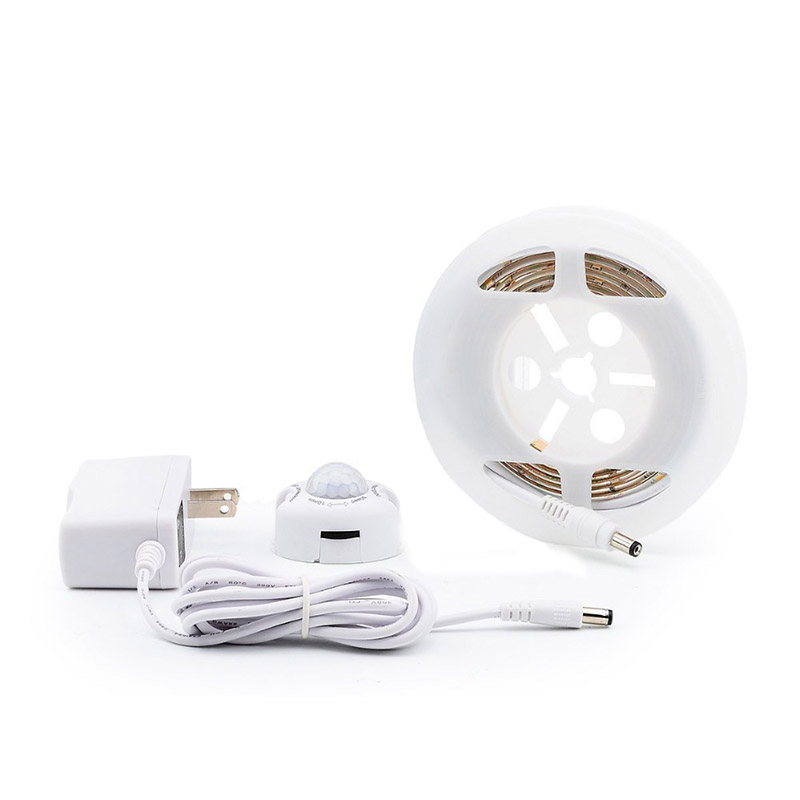
4ft IP65 Warm White LED Light Strip Motion Activated Kit
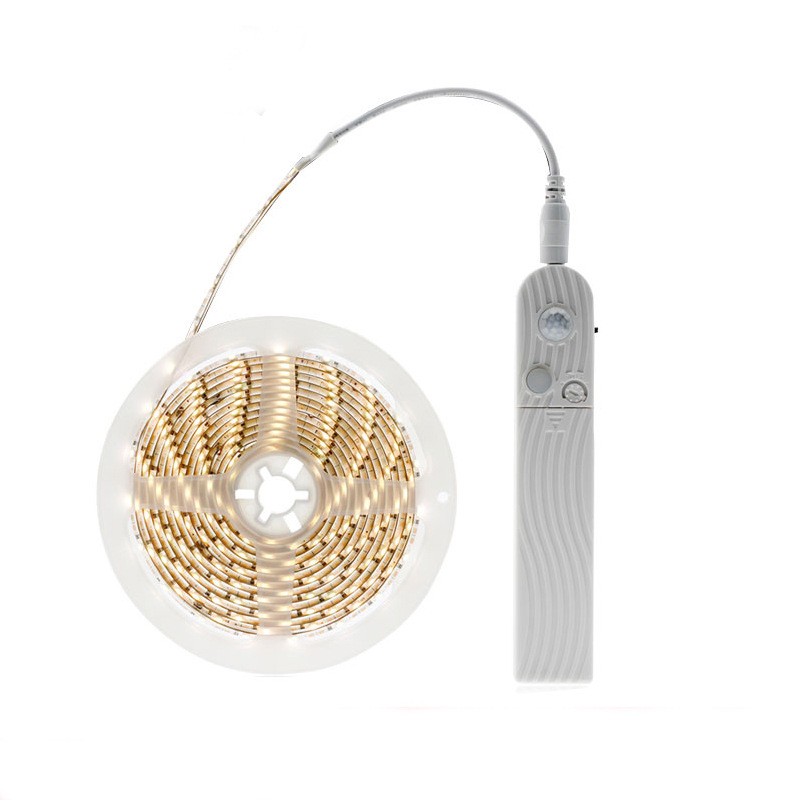
Battery Operated Motion Sensor Light LED Strip Kit
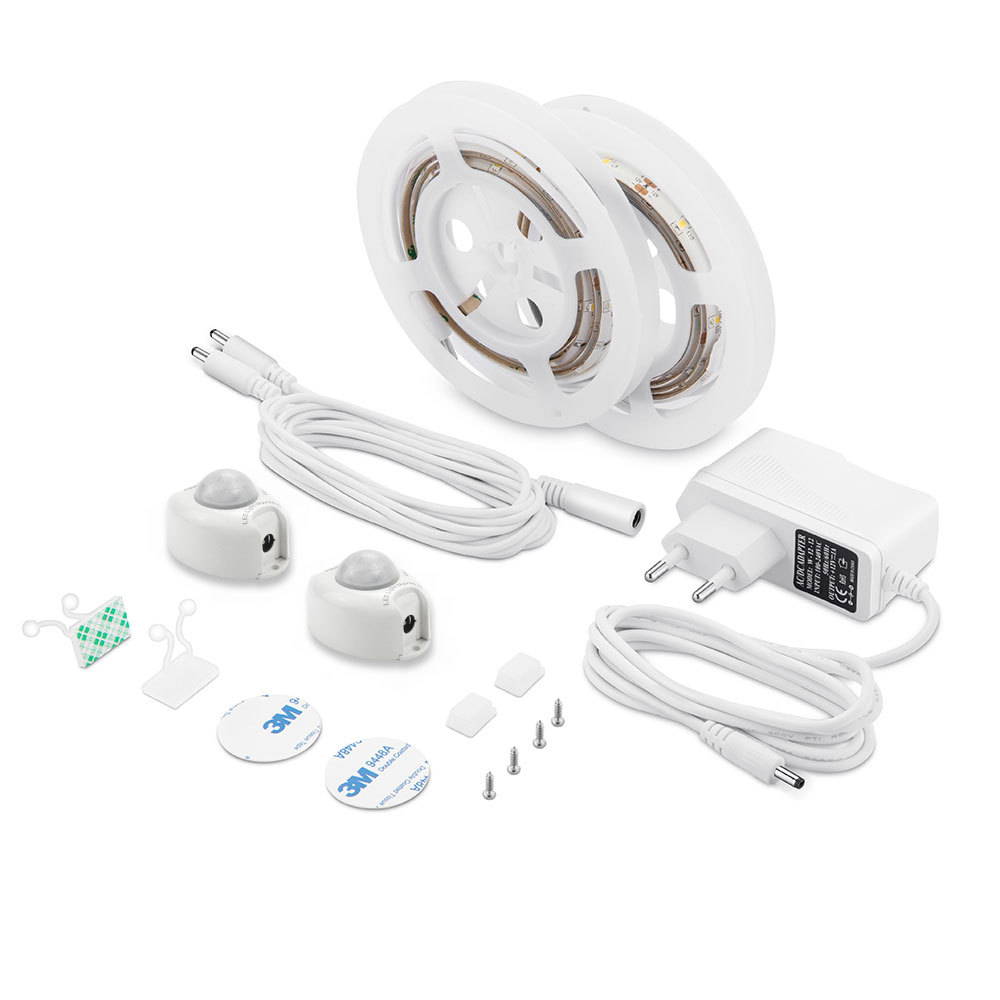
Smart Bed & Cabinet LED Night Light | Human Sensor, Dual Side

Wall Mount Line Voltage Recessed Motion Sensor For Lights
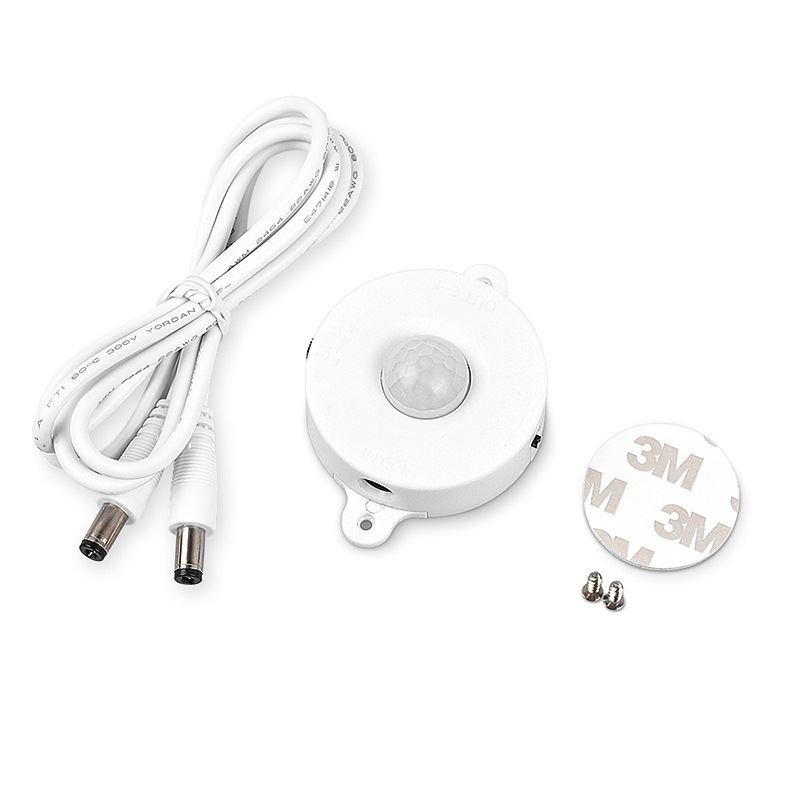
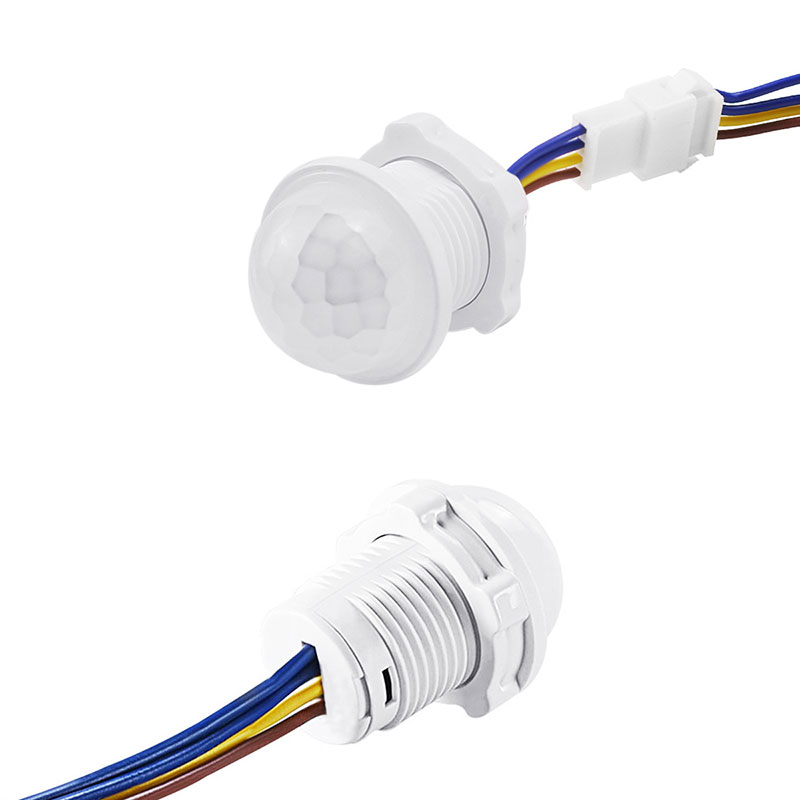
Mini AC Infrared PIR Motion Sensor Stair Light Switch
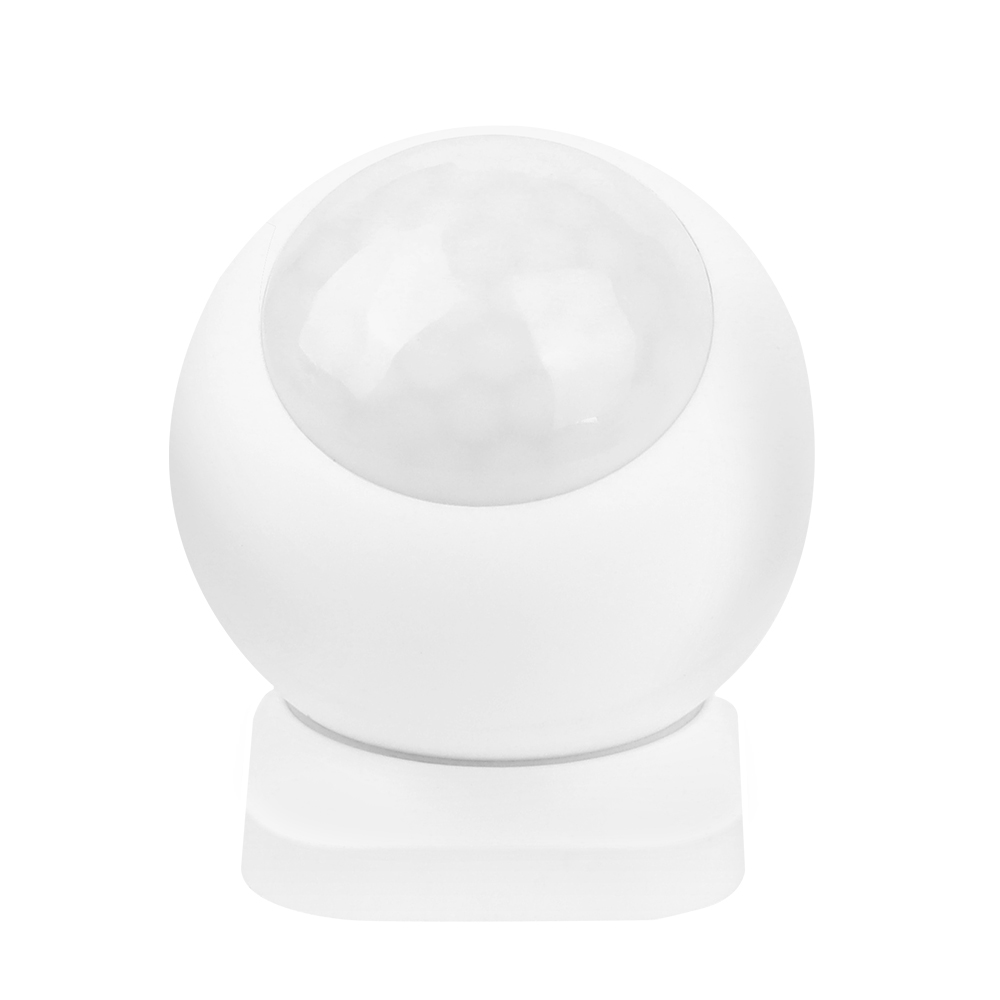
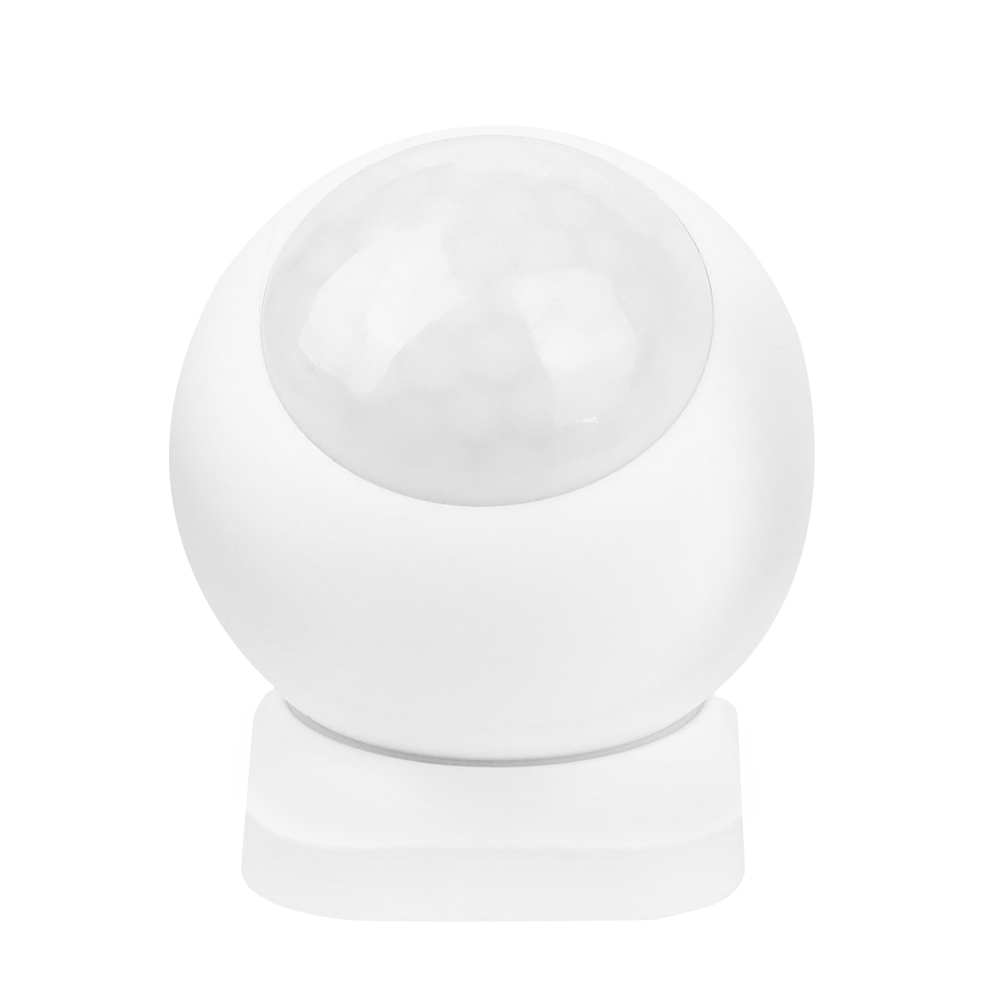
How does a motion sensor detector light switch work?
A motion sensor light switch works by using a sensor to detect presence and trigger the lights. Most of our kits use a PIR (Passive Infrared) sensor, which detects the infrared energy (heat) naturally emitted by people and animals. When a change in this energy is detected within its field of view, the sensor sends a signal to switch the LED strip on. Many of our advanced sensors, like the E1-RS Smart PIR Switch, also include a built-in light sensor (photocell). This daylight detection feature is crucial for energy savings, as it prevents the motion light from activating when there's already enough ambient light in the room.
Beyond simple on/off functions, our motion sensors offer adjustable settings. You can typically control two key parameters: the sensitivity (the distance at which motion is detected) and the time delay (how long the lights stay on after motion has stopped, often from 10 seconds to several minutes). This level of control prevents the frustration of lights turning off too quickly or triggering from too far away.
Where can you use motion activated lighting?
The beauty of these kits is their adaptability. Their hands-free operation makes them a great fit for dozens of spots around the home or office.
-
Safety and Navigation: Install a motion sensor night light strip under the bed frame to provide a soft glow for nighttime trips to the bathroom. Use them on stair treads, in dark hallways, or in a garage to prevent trips and falls.
-
Convenience and Task Lighting: A motion sensor closet light is a classic application, turning on the moment you open the door. They are also perfect inside pantries, laundry rooms, deep cabinets, and drawers.
-
Accent and Ambiance: Use a motion activated light strip along the toe-kick in a kitchen or bathroom to create a floating effect when someone enters the room. You can also place them behind headboards or in display cases to highlight features automatically.
Frequently Asked Questions About Motion Sensor LED Light Strip Kits
Got a question about how these lights work or the best way to install them? I've answered thousands of them over the years. Here are the most common ones.
Most of our motion sensor LED light strip kits use a PIR sensor, which stands for Passive Infrared. It's a small electronic sensor that detects the infrared energy—basically, body heat—that people and pets radiate. When you walk into its detection range, it triggers the switch, turning the lights on. After you leave and a set time passes, it turns them off. It’s simple, reliable, and saves a lot of energy.
A PIR sensor is for presence detection—it turns on when you enter a room or approach a staircase. A hand-sweep or IR sensor is for intentional control. You wave your hand past it to turn lights on or off, which is perfect for under-cabinet lights when your hands are messy. Think of it this way: PIR is automatic, hand-sweep is a touchless switch.
Absolutely, they're perfect for it. Most under cabinet lighting is low voltage (12V or 24V) for safety and ease of installation. Our motion activated kits, especially the USB-powered or plug-in types, are a great fit. You get light exactly when and where you need it without fumbling for a switch, making them one of the best choices for low voltage under cabinet lighting.
It varies a lot based on usage, but you can expect a set of AAA batteries in a typical closet light to last anywhere from 3 to 6 months. For our rechargeable USB models like the 9-inch closet bar, a full charge can last for weeks or even a couple of months with average use (activating a few times per day). If it's a high-traffic area, a plug-in or hardwired kit is a better bet.
Yes, on most of them you can. Many of our sensor switches and controllers, like the E1-RS Smart PIR switch, have adjustable 'on' time delays. You can typically set it from a few seconds to several minutes. This lets you decide how long the lights stay on after motion is no longer detected, so you can tailor it to your space—a short delay for a closet, a longer one for a hallway.
It's pretty straightforward for low-voltage strips. The motion sensor switch gets wired in between your power supply and the LED strip. So, the sequence is: Wall Outlet -> Power Supply (converts AC to 12V/24V DC) -> Motion Sensor -> LED Strip. Don't ever wire a low-voltage DC sensor directly to high-voltage AC power. Just match the voltage of the sensor to your power supply and strip, and you're good to go.
It's possible, yes. PIR sensors detect heat signatures, and pets are warm enough to trigger them. The key is sensor placement. If you mount the sensors higher up on the wall (maybe 3-4 feet) and aim them slightly upwards, they'll be more likely to pick up a person walking by and miss a smaller pet on the floor. For a detailed walkthrough, check out our step-by-step guide to installing stair lights.
For stairs, you want a complete system that can handle the specific logic needed. Our dedicated LED stair lights kits are the best option. They come with two sensors (one for the top, one for the bottom) and a smart controller that lights the steps up sequentially as you walk. It's a much better effect than just having a single flood of light turn on.
Many motion sensors have a built-in photocell or daylight sensor. This is designed to save energy by preventing the lights from turning on during the day when there's already enough ambient light. Some of our more advanced controllers let you adjust or disable this daylight-sensing threshold if you need the lights to activate regardless of the ambient brightness.
Only if the entire kit—the strip, the sensor, and all connections—is specifically rated for outdoor use, typically IP65 or higher. An indoor-rated (IP20) sensor will fail quickly from moisture and humidity. If you need a weatherproof setup, you're better off choosing from our weatherproof LED strip kits and pairing them with a compatible, high IP-rated motion sensor.
Detection range depends on the specific sensor model, but a typical PIR sensor has a range of about 3 to 5 meters (roughly 10 to 16 feet) and a detection angle of around 110-120 degrees. This is usually listed on the product's spec sheet. Keep in mind that the range is most effective when you're walking *across* the sensor's field of view, not directly towards it.
Yes, we do this every day. A huge portion of what we ship is built to a customer's drawing. Just send us a sketch of your cabinet layout with dimensions—even a photo of a drawing on a napkin works. An engineer will spec out a complete kit with custom wire lengths between lights, the right sensor lead, and the correct power supply. We'll send back a wiring diagram and a quote, usually within 12 hours, with no fee and no obligation to order.