
RF RGB Remote Control
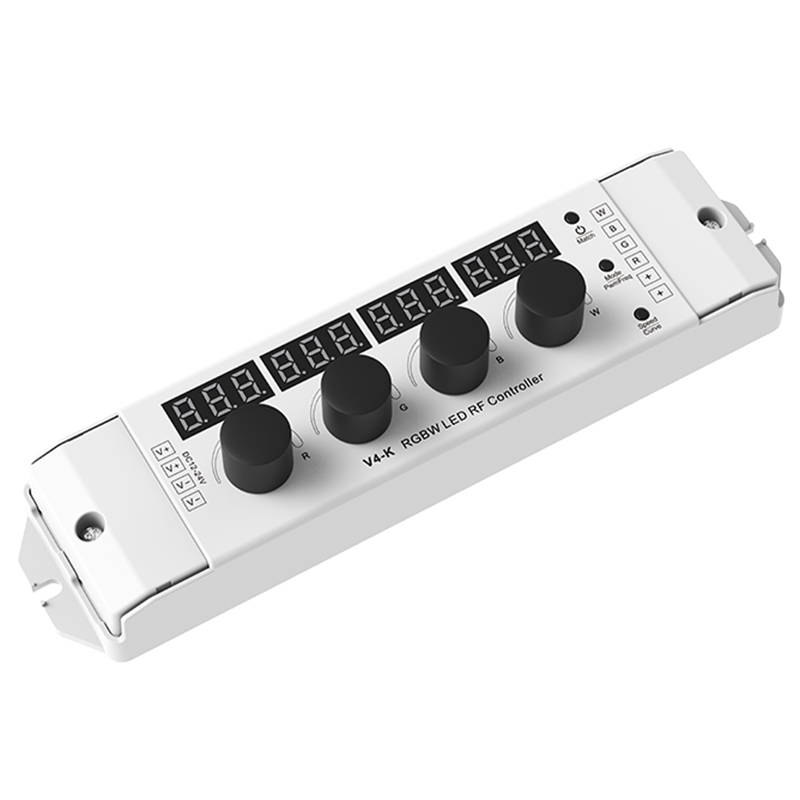
19 productsThe SkyDance RF RGB Remote Control Series is specifically designed for compatible SkyDance constant-voltage (CV) RGB controllers and constant-current (CC) RGB controllers, providing convenient handheld wireless control for different RGB LED lighting installations.
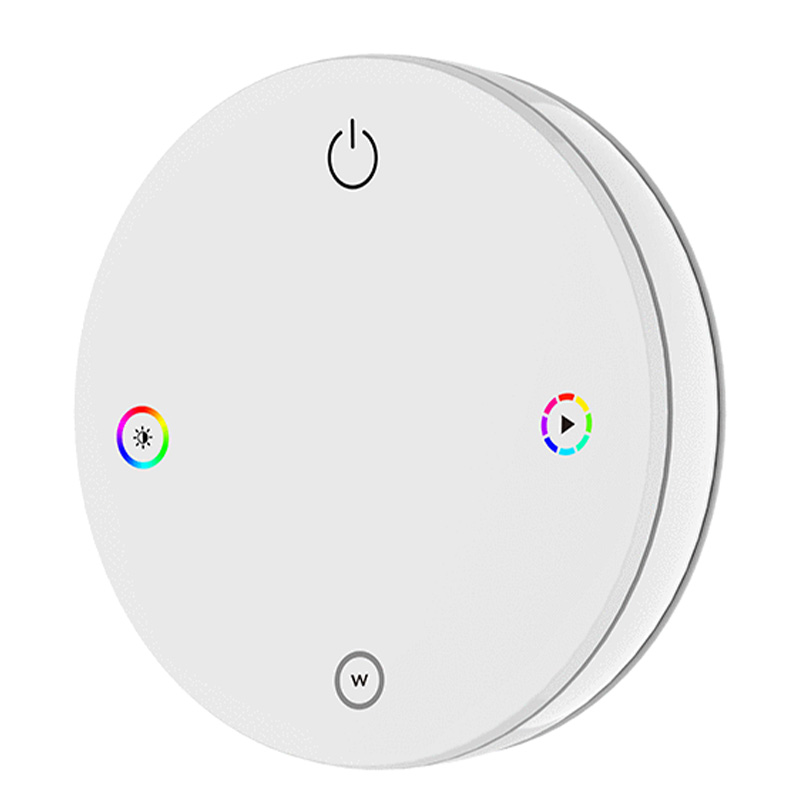
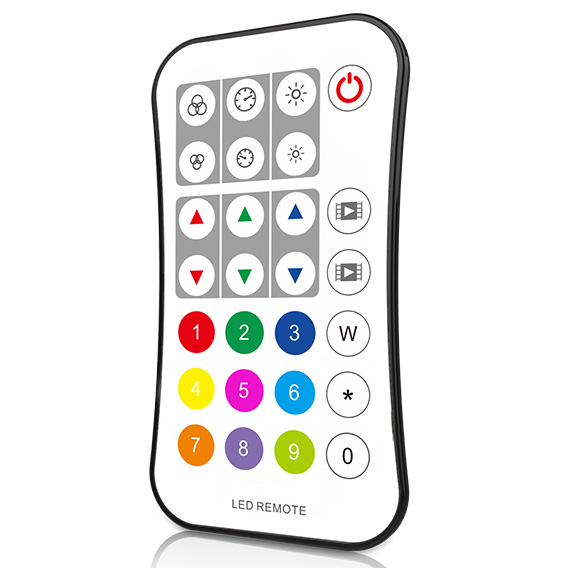
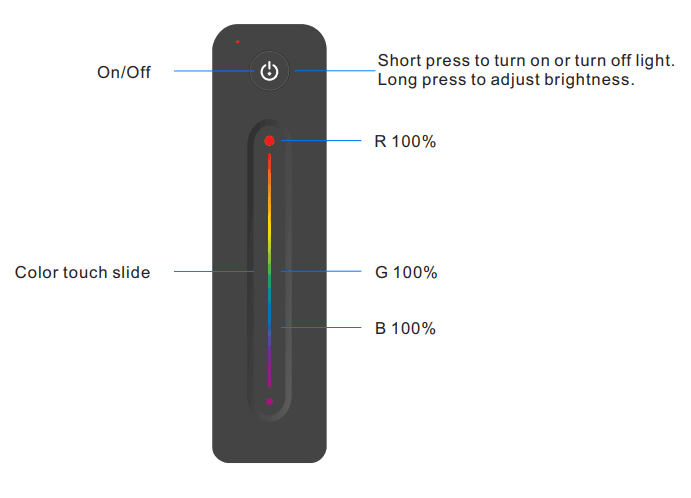
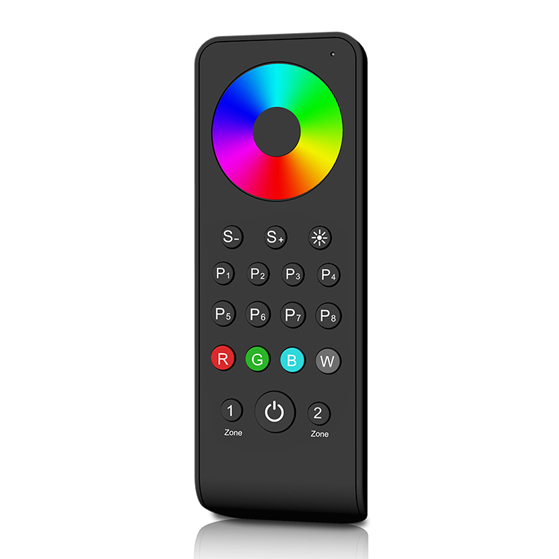
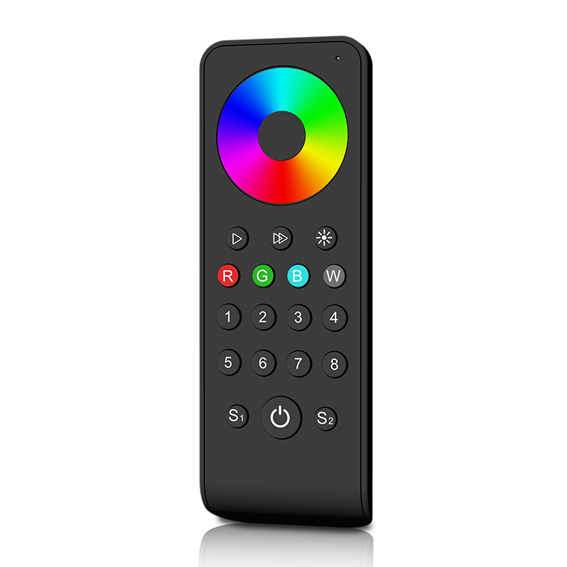
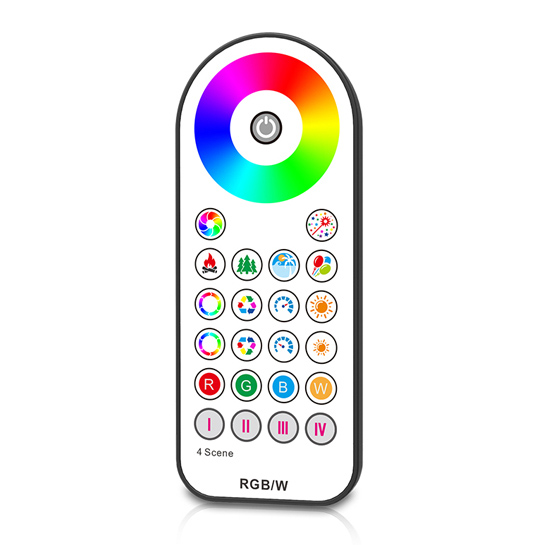
With a compatible 2.4GHz RF handheld remote, you can select static RGB colors, adjust brightness and color saturation, switch lights on or off, and explore dynamic color-changing modes with adjustable effect speeds. Depending on the remote model, additional functions include scene selection and multi-zone lighting control, giving you greater flexibility to customize your RGB lighting experience.
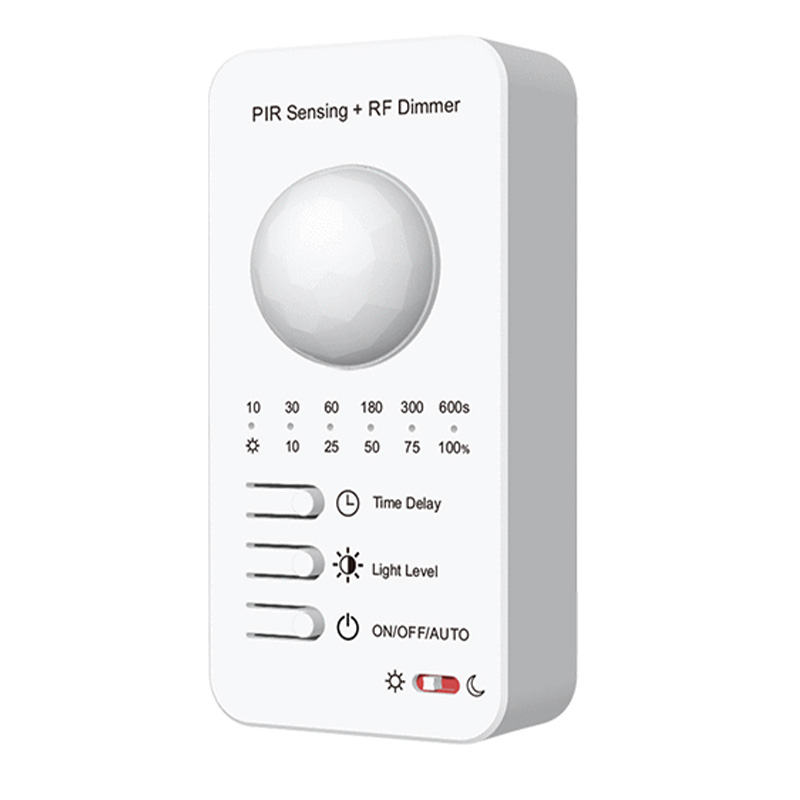
SkyDance also offers RF PIR motion-sensing products that can serve as independent wireless control devices for compatible RGB tape lighting systems. When someone passes through the detection area, the sensor can trigger the connected lighting to turn on automatically and switch it off after a preset delay when motion is no longer detected. This is particularly useful for hallways, stairways, entrances, and other areas where lighting is only needed when people are present.
One Remote for Multiple RGB Controllers and Lighting Zones
Within a wireless range of up to 30 meters in unobstructed conditions, a single compatible RF RGB handheld remote can operate one or multiple RF RGB controllers. Choose a single-zone remote to control paired lighting units together, or select a multi-zone model to manage different RGB lighting areas independently.
SkyDance offers 1-zone, 2-zone, 4-zone, and 8-zone remote options to accommodate different installation layouts. Each zone can be paired with multiple compatible controllers, allowing you to synchronize RGB lighting throughout an area or adjust individual zones separately from the same handheld remote.


FAQ About RF RGB Remote Control
Direct answers to the most common setup, pairing, and multi-zone layout questions we receive on our technical desk.
A 2.4G RF remote uses omnidirectional radio frequency signals at 2.4 GHz rather than line-of-sight infrared, allowing commands to pass cleanly through drywall, cabinet doors, and architectural plasterboard up to 30 meters away. Unlike old IR remotes that require pointing directly at an optical sensor diode, 2.4 GHz transmissions radiate outward in a spherical pattern. The signal only drops off when encountering dense physical obstacles like solid poured concrete shear walls, metal junction boxes, or thick steel equipment enclosures. For standard residential framing and commercial drops, you can leave your receivers tucked out of sight inside ceiling coves or millwork.
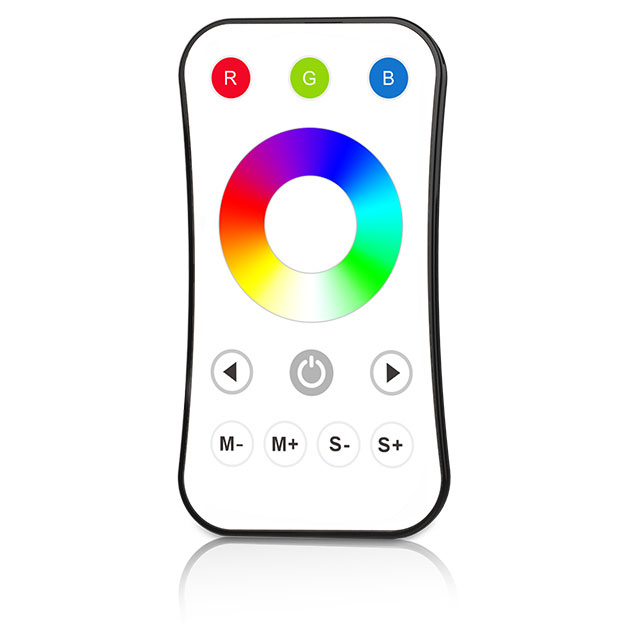
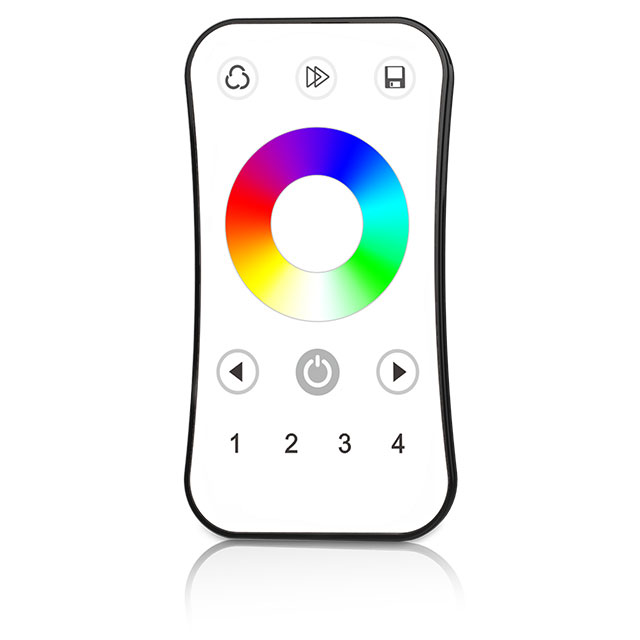
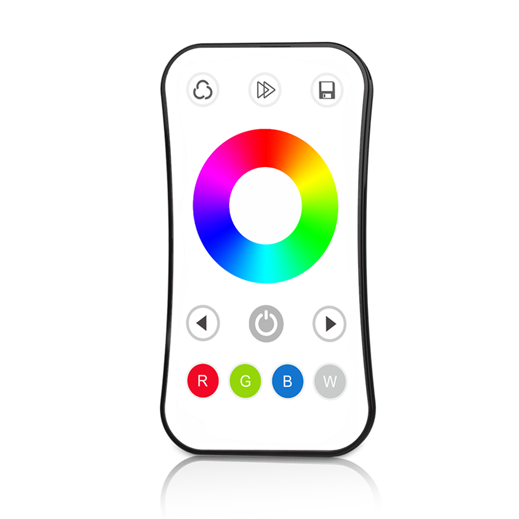
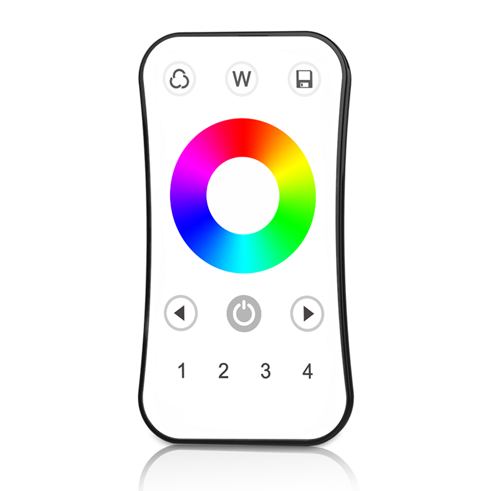
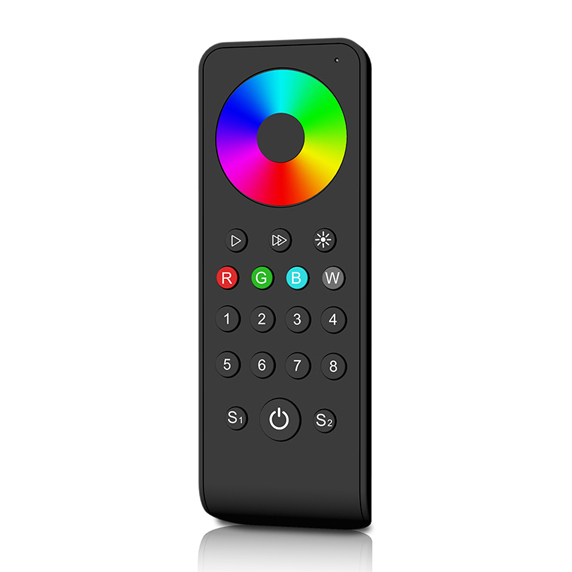
The zone count on an RF RGB remote control determines how many distinct lighting areas you can switch, dim, and color-tune independently from a single handheld transmitter. A 1-zone remote like the R15 sends universal commands to every receiver paired to it simultaneously. A 4-zone model like the R16 or RS4 and an 8-zone unit like the RS8 feature numbered channel buttons that let you adjust the kitchen under-cabinet run, the cove accents, and the toe-kicks separately or group them together with an all-on master switch. Each individual zone can be matched to an unlimited number of receivers within range.
Pairing an RF lighting remote control to an inaccessible receiver is done using power-cycle matching rather than hunting for the physical match button. Shut off the line power to that receiver's DC driver for 10 seconds using the branch breaker or wall toggle switch. Turn the power back on, and within 5 seconds of the receiver booting, press the target zone key or the power button on your remote 3 times rapidly. The connected LED strip will flash 3 times to confirm pairing. If you need to clear all paired remotes, perform the same cycle but press the key 5 times; the LED strip will flash 5 times to confirm unpairing.
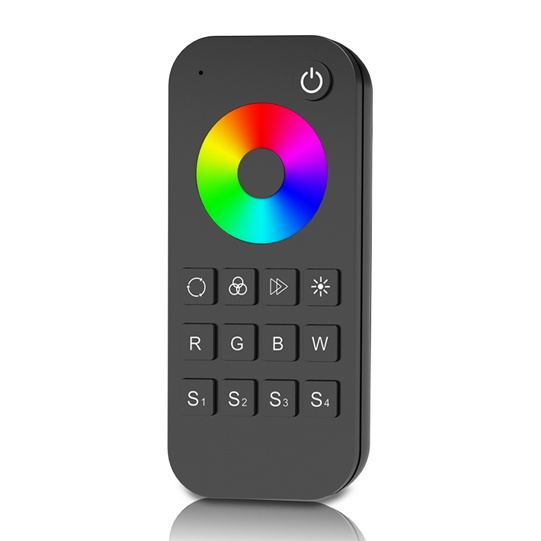
A 2.4G RF remote delivers between 6 months and 2 years of battery life depending on whether it relies on a CR2032 lithium coin cell or standard AAA batteries. In standby sleep mode, these transmitters draw under 20 microamps, only waking to draw 5 to 10 milliamps during button presses or touch-wheel sweeps. Slim remotes like the R15 and R16 use a CR2032 cell that typically lasts 6 to 12 months in daily living room use, while heavier handhelds like the RS9 and RS4 carry two 1.5V AAA cells that easily run 18 to 24 months before requiring replacement.
A 2.4G RF remote control system operates reliably up to 30 meters in direct open space, but built-in auto-transmitting cascades allow the signal to reach across hundreds of meters on large jobsites. Every paired receiver acts as an active RF repeater node, forwarding incoming command packets to neighboring receivers located within 30 meters of it. If you have five receivers spaced 25 meters apart along a long commercial hallway, sending a color change command to the first unit cascades seamlessly through all five units over a total distance of 125 meters without line-of-sight dead spots.
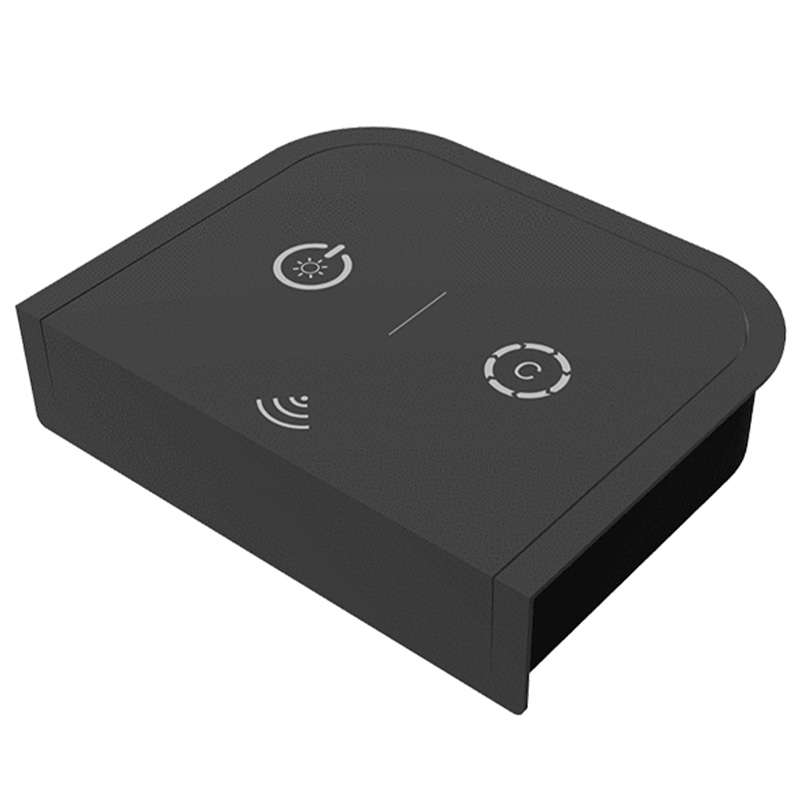
Up to 10 separate RF lighting remote control units can be paired to a single RF receiver at the same time. This capability lets you pair two handheld remotes, two wall-mount touch panels, and a desktop wireless dial to the exact same under-cabinet run without signal collision. If an installer attempts to pair an 11th remote, the receiver's memory buffer overwrites the very first remote that was registered. If you ever lose a remote and want to lock it out, hold the receiver's match button down for 5 seconds until the status indicator flashes 5 times, which clears all saved IDs instantly.
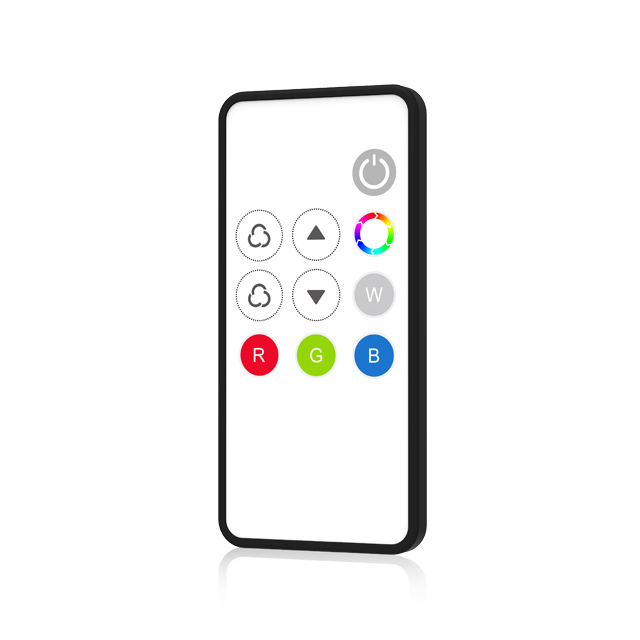
An RGB remote control featuring an ultra-sensitive touch color wheel delivers faster visual sweeps across 16 million colors, while button-based remotes provide repeatable step-by-step color mixing. Touch-wheel models like the R16, RT9, and RS4 let you drag your finger along a circular rainbow ring to jump immediately from warm amber to deep cobalt in a single fluid gesture. Button-based units like the RS9 provide independent R, G, B, and W percentage keys that step brightness by 1% to 10% increments per click, making them far better suited for commercial spaces that need exact, repeatable color balances.