
Mini Series LED Aluminum Channels
79 products
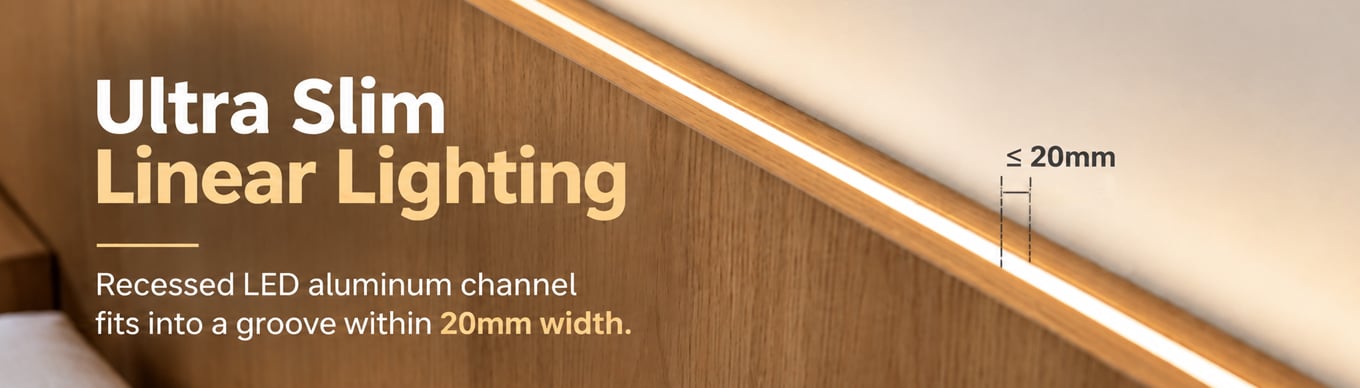
Mini LED Aluminum Profiles are small in size and are mainly used for indoor auxiliary lighting or accent lighting, such as ceiling lighting, cabinet lighting, stairs lighting, shelves lighting, etc. Equipping your thin LED strip with a mini LED channel can help dissipate the heat accumulated by the LEDs, effectively prolong the life of the light strip, and at the same time protect the LED strip light from the dust, moisture, and external damage.
We offer a variety of aluminum channel types and PC light diffusers to meet your different needs. Selecting different LED diffusers will get different light diffusing effects. The clear diffuser has high light transmittance, the semi-clear diffuser has medium-light transmittance, and the opal matte diffuser has the lowest light transmittance. You can choose to buy a 1-meter standard length LED profile or a 2-meter or 8-foot LED strip channel (20cm sample also available). We also provide the silver, white, or black LED aluminum channels to best suit your decorating style.
What LED Strip Widths Are Available?
SlimLine COB LED Strip Collection – Revolutionizing Ambient Lighting
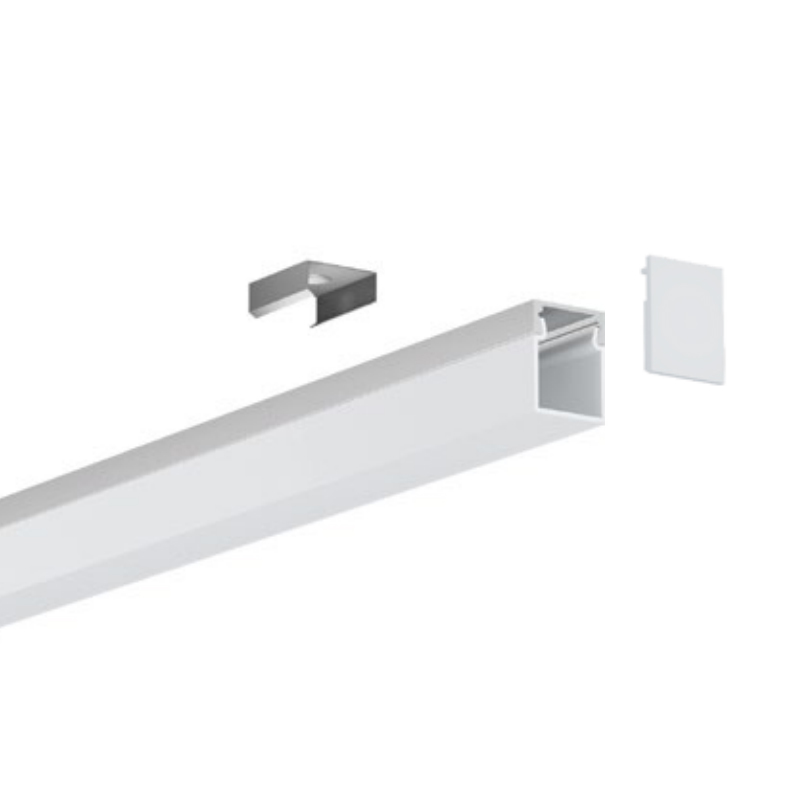
Ultra Small 45-Degree LED Channel for Under Shelf Strip Lighting
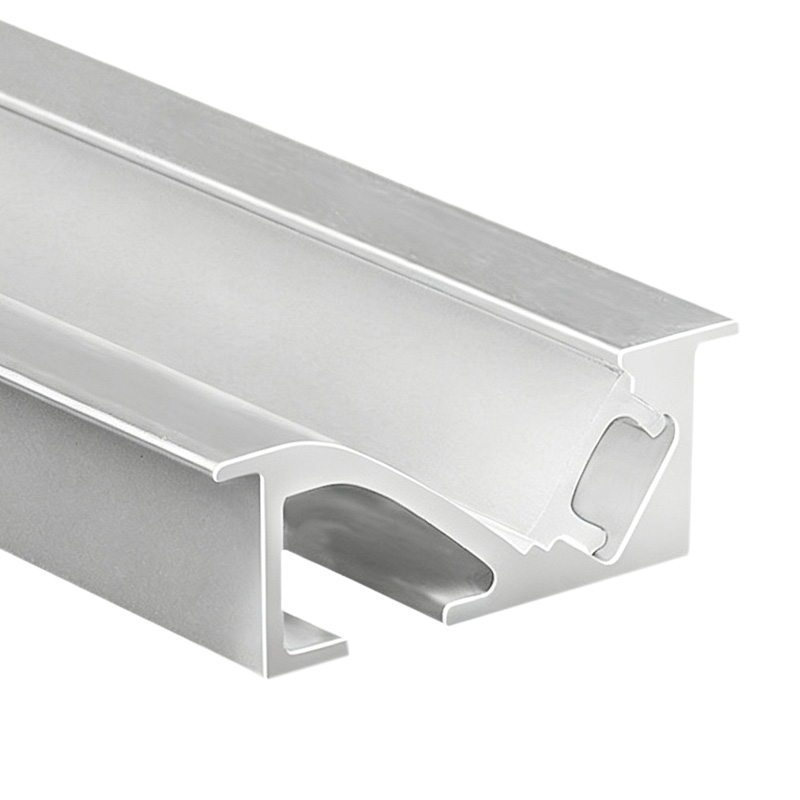
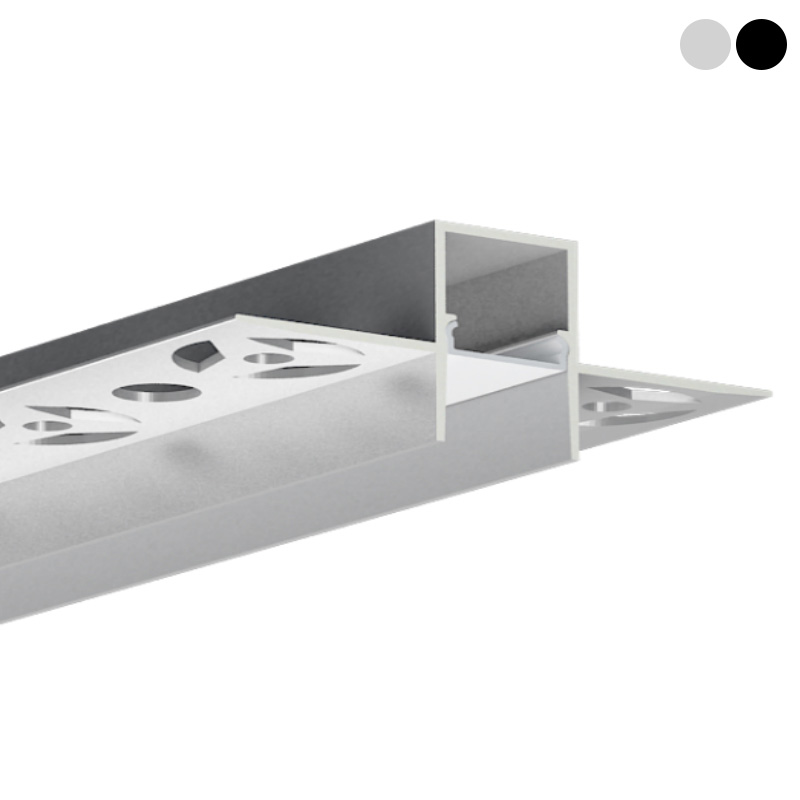
Ultra Thin Recessed Asymmetrical Under Cabinet LED Channel
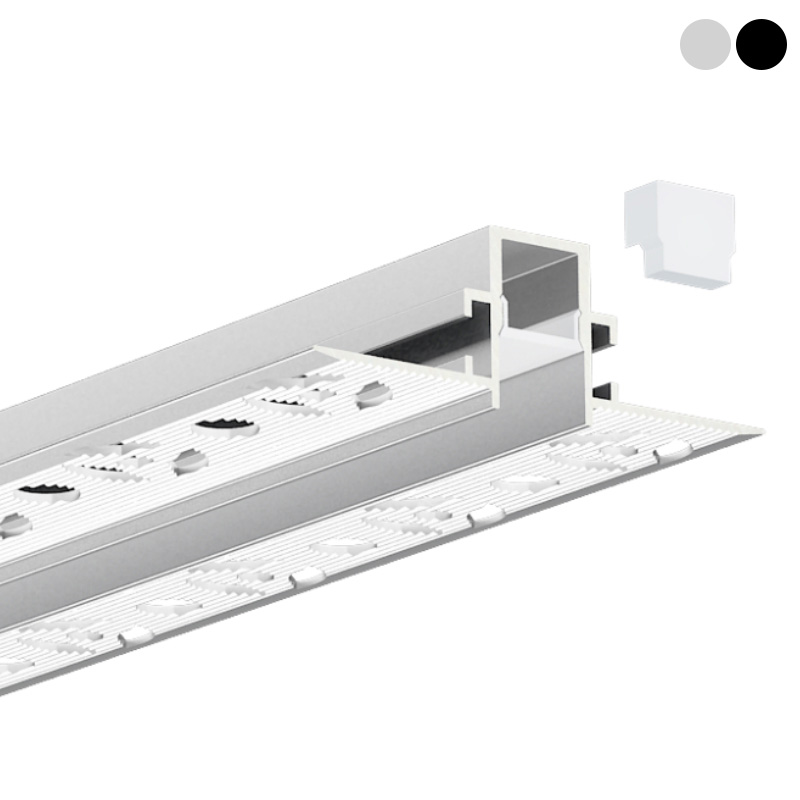
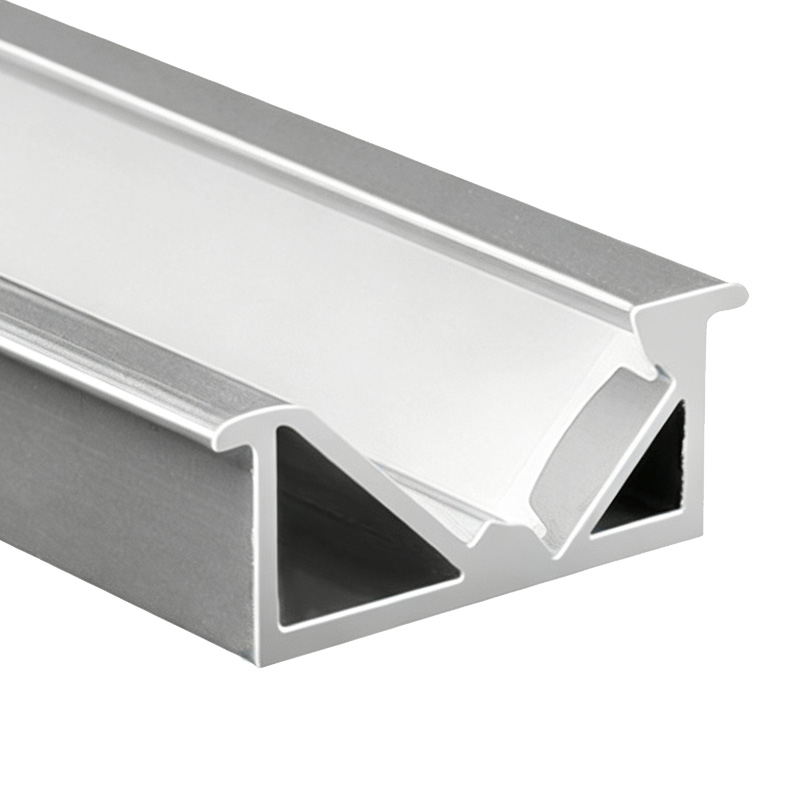
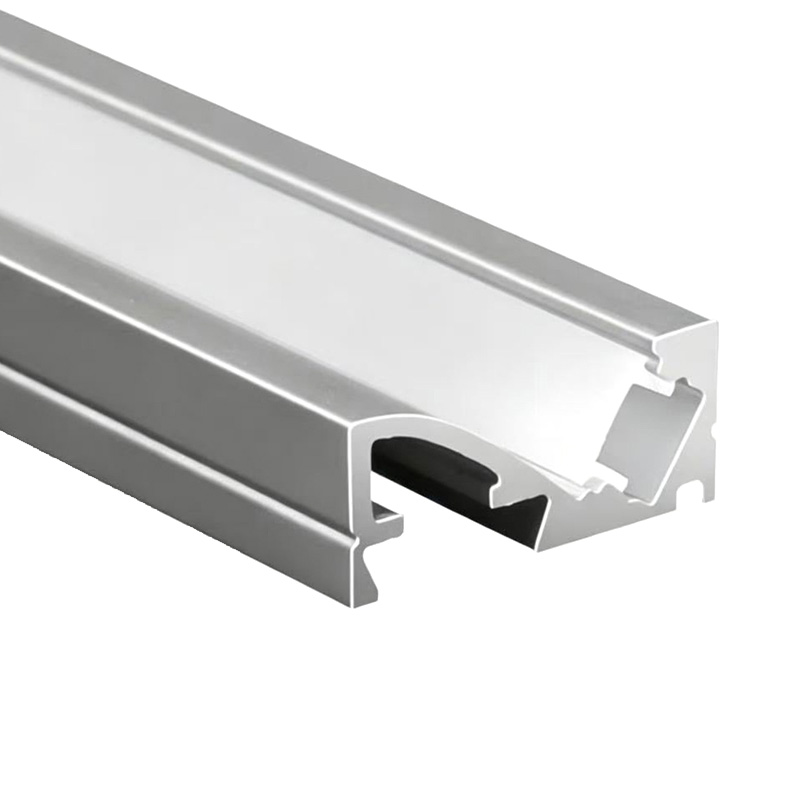
Mini Recessed 45-Degree Under-Cabinet LED Lighting Profile
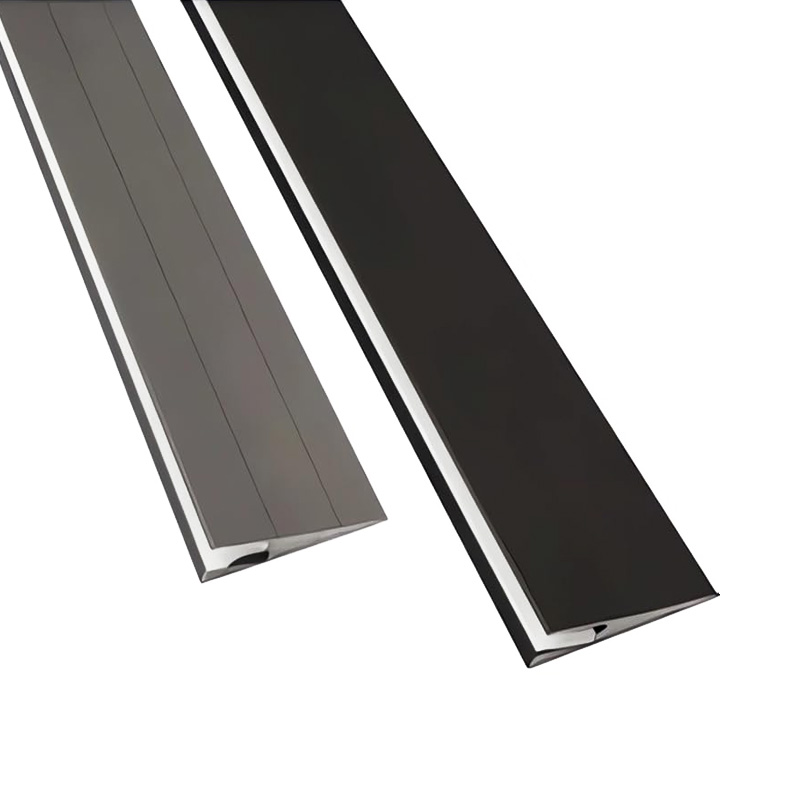
45 Degree Bias Lighting Low Profile Under Counter LED Strip Bar Ultra Thin
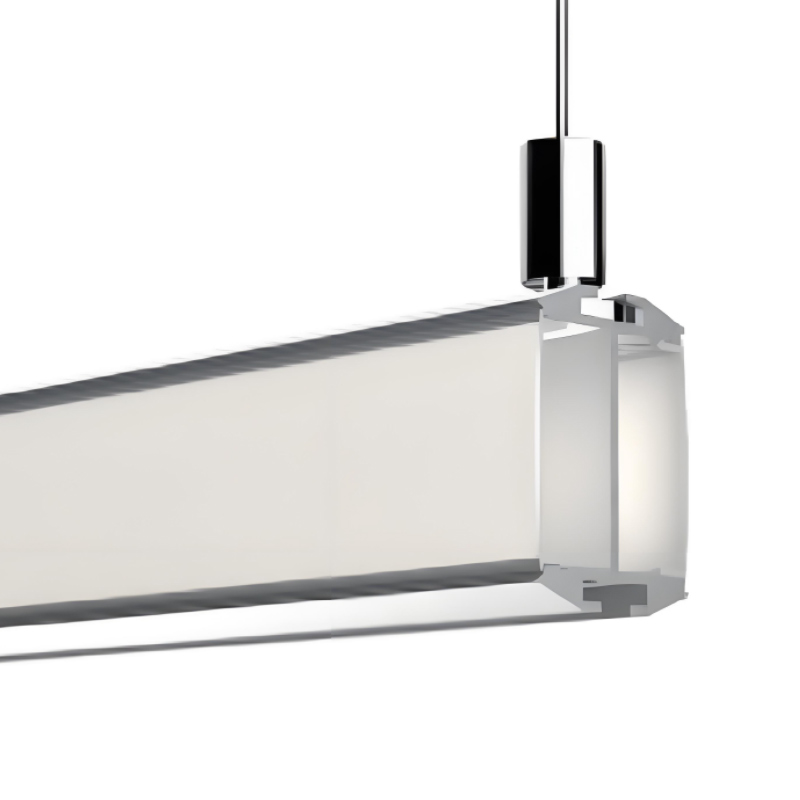
Dual-Side Glow Miniature Hanging LED Ceiling Light Profile
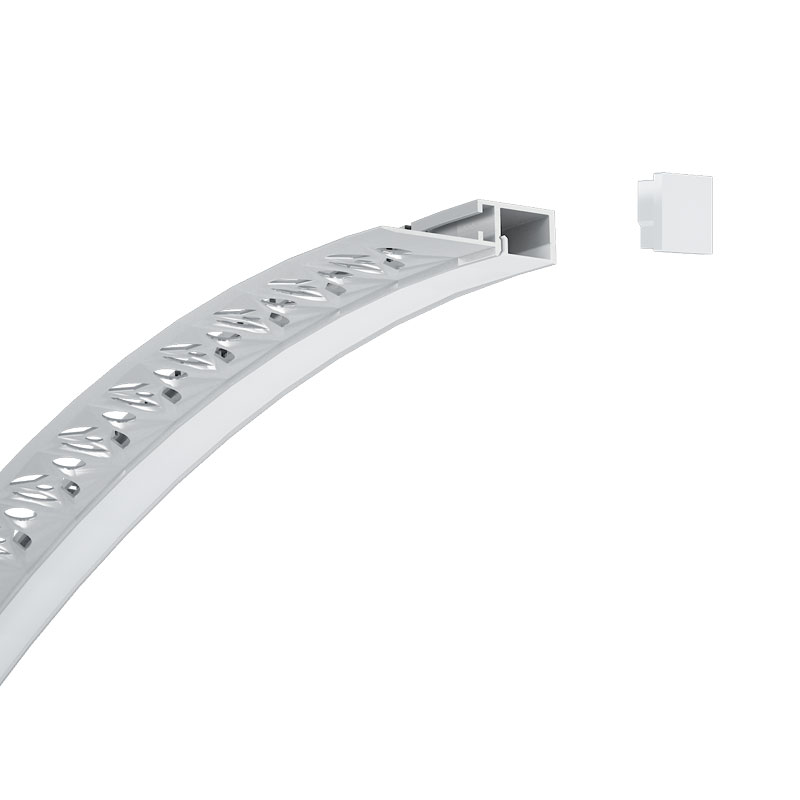
36.2x12.2mm Bendable LED Recessed Channel For 10mm Tape Light
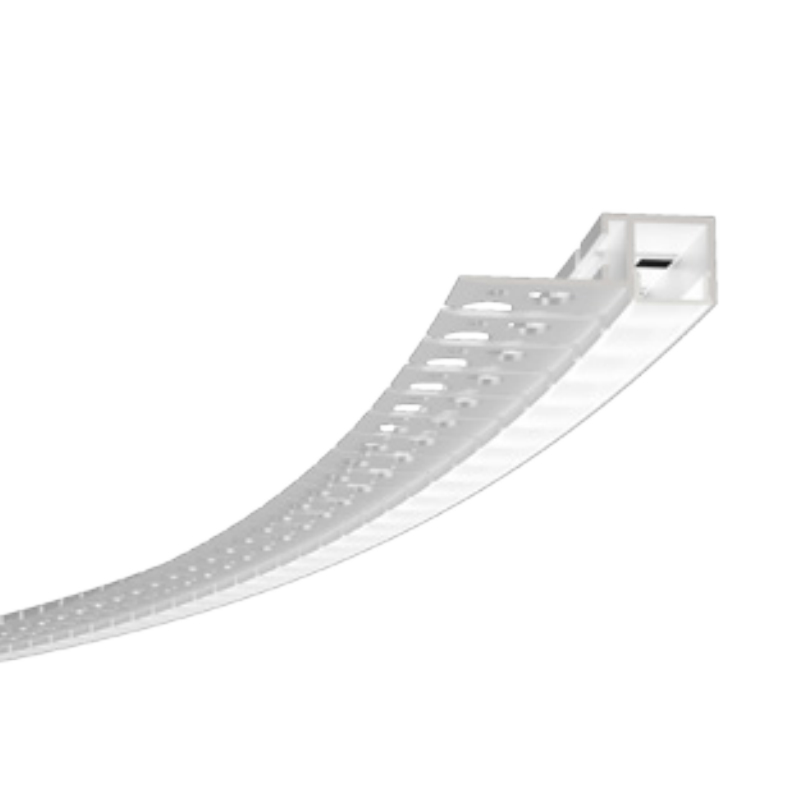
LR Series Curved LED Wall Light Profile - 10mm Light Line
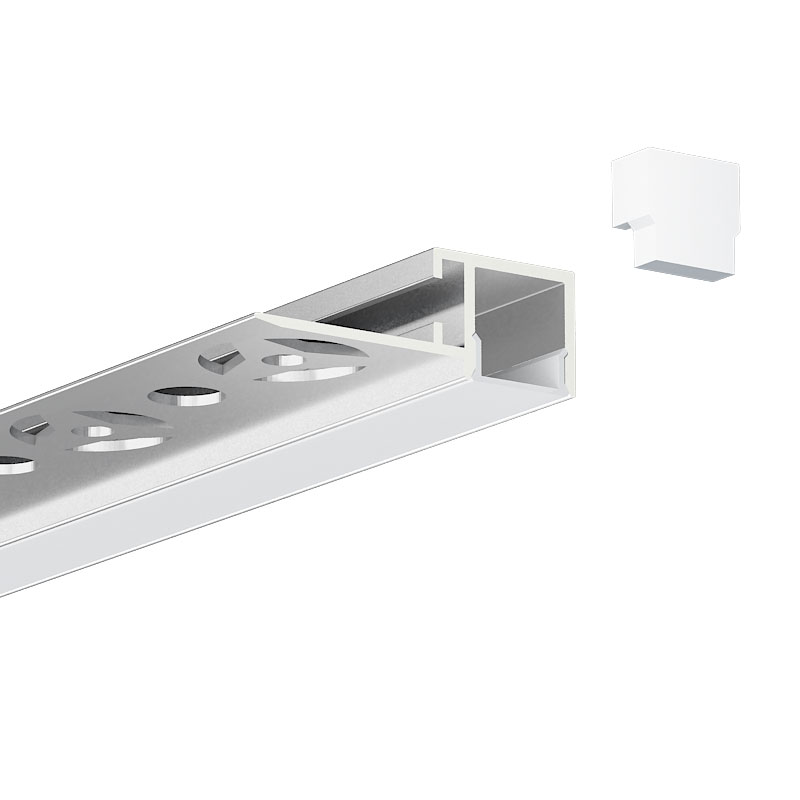
Narrow Beam Plaster-In LED Channel - Wall Wash Lighting
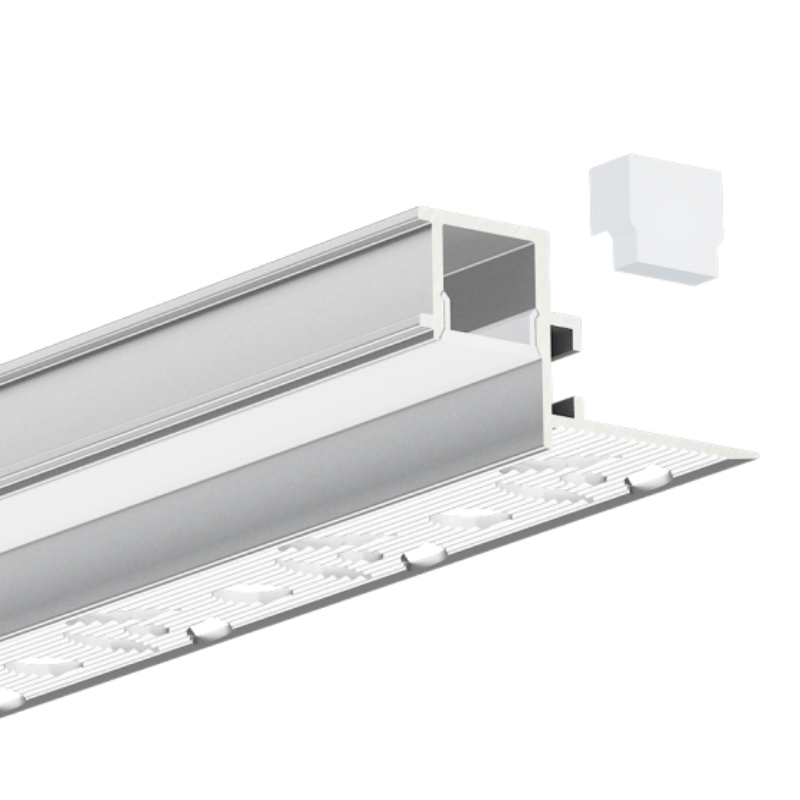
Anti Glare Plaster In Wall Washer LED Profile
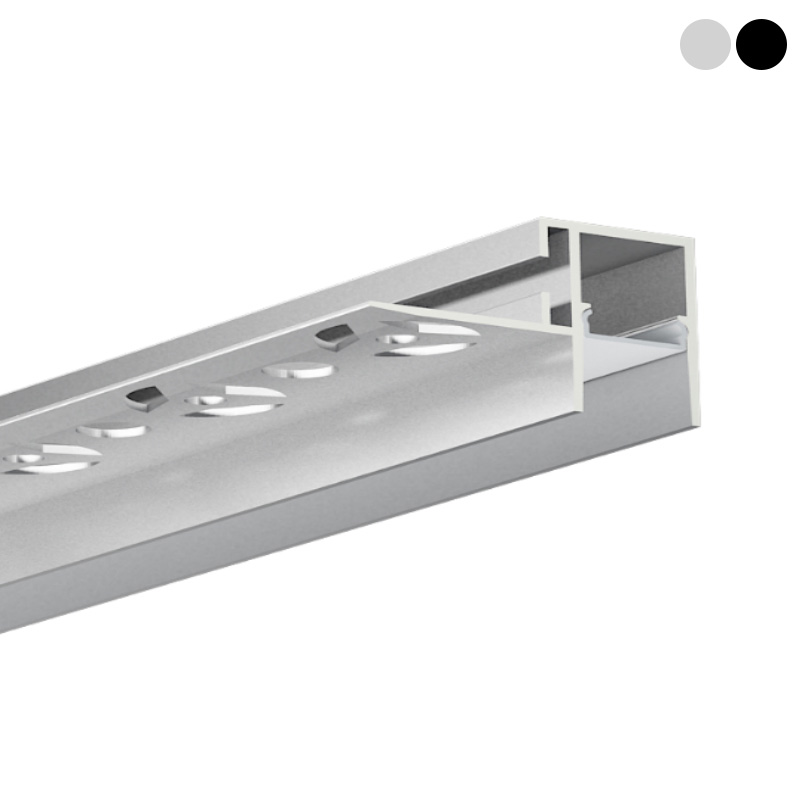
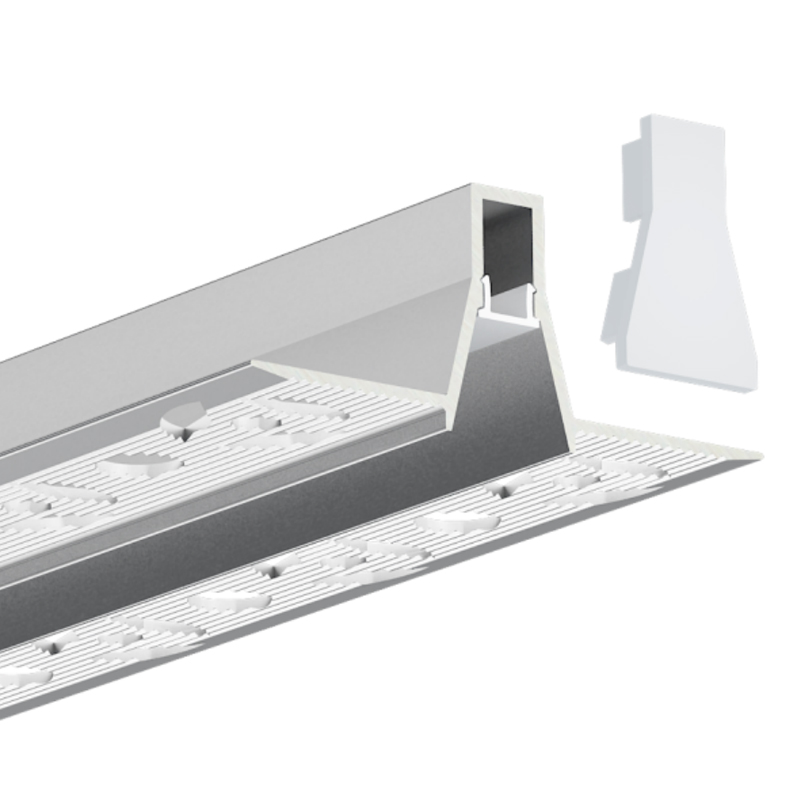
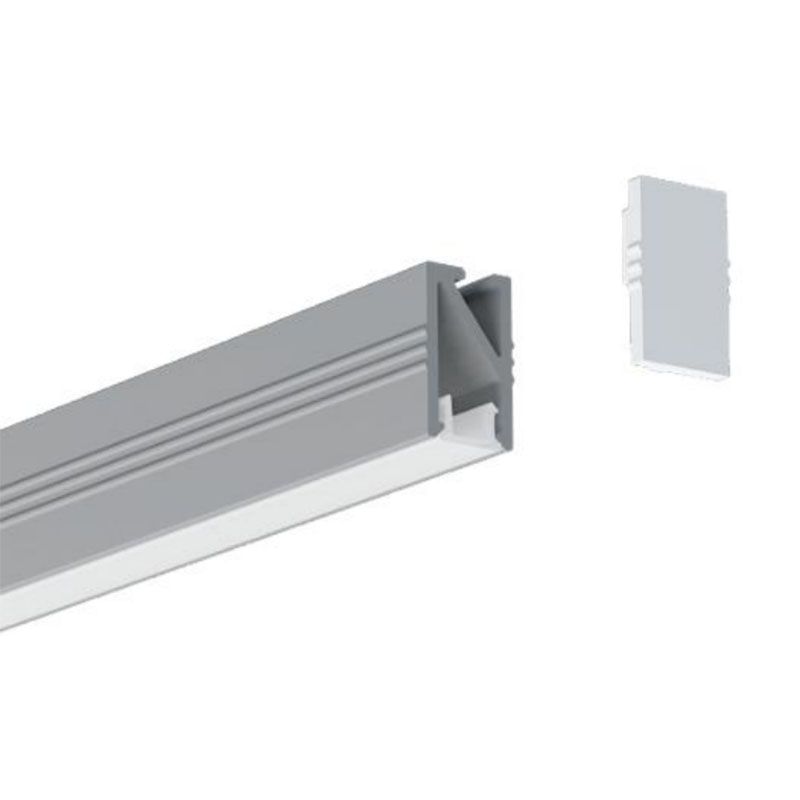
Mini LED Channel Aluminum Profile for 8mm Strips - Durable & Sleek
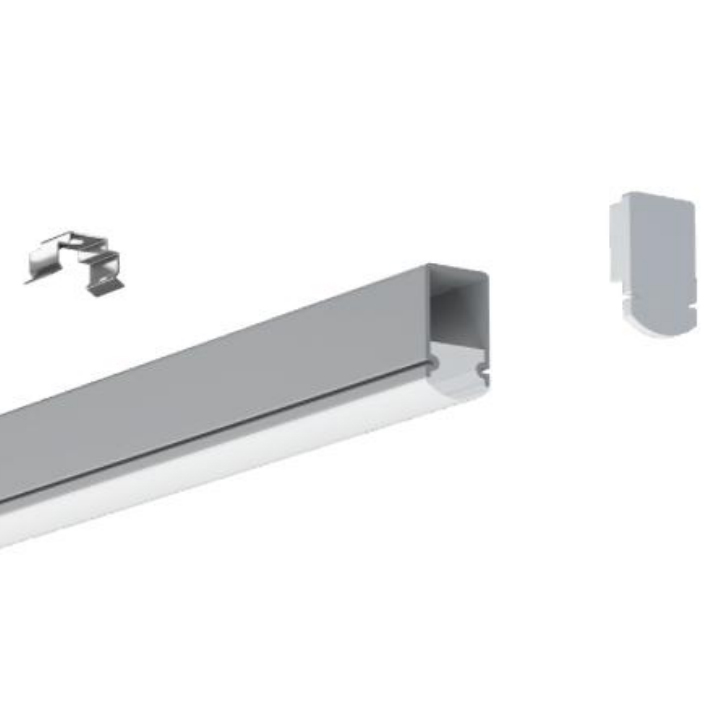
Linear LED Diffuser Channel - 10mm CCT Strip Aluminum Profile
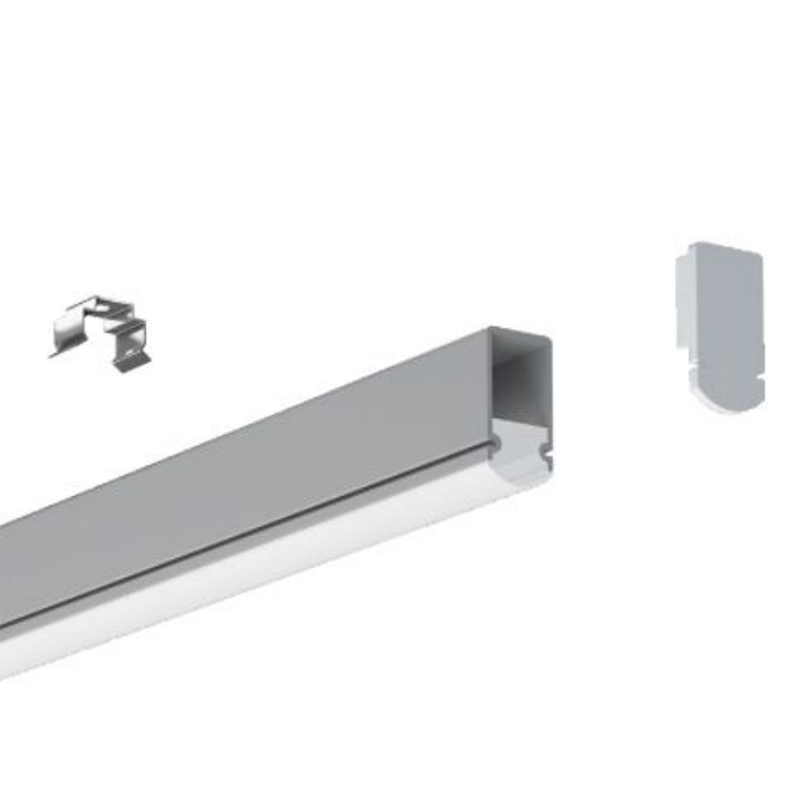
Bendable LED Aluminum Channel | 10mm Strip Diffuser Profile
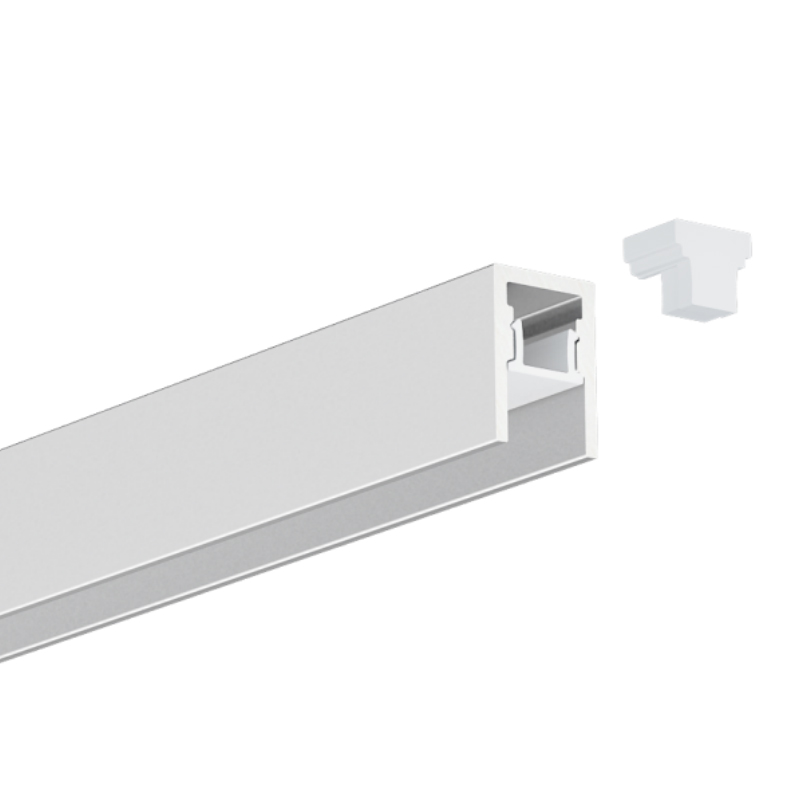
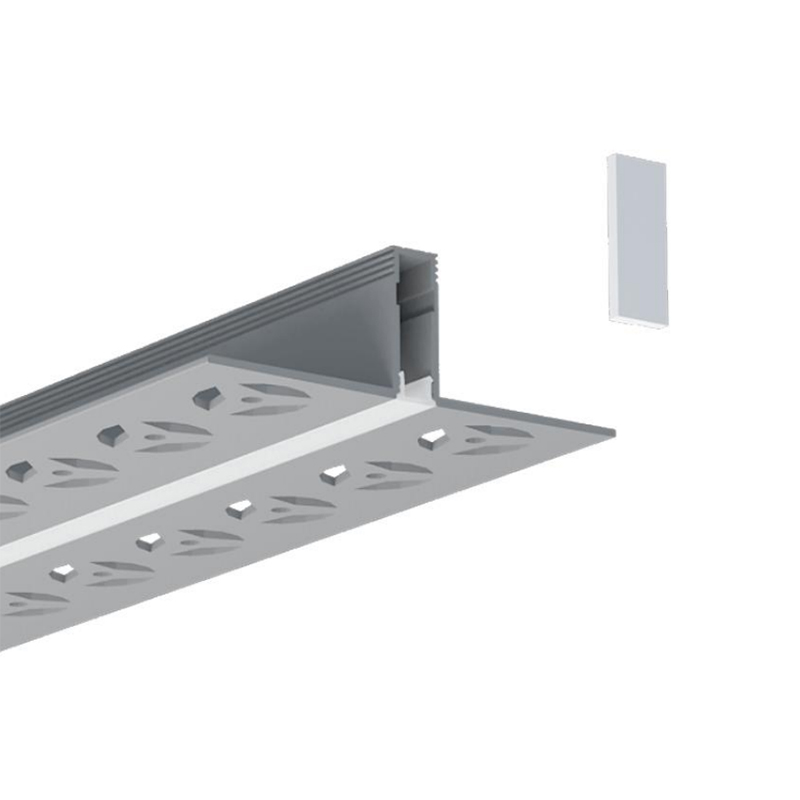
Slim Plaster-In LED Profile for 7mm Strips | Seamless Lighting
Mini LED Aluminum Channels for Ultra Slim Linear Lighting Applications
SuperLightingLED Mini Series LED Aluminum Channels are designed for compact LED strip lighting projects where installation space is limited but professional lighting performance is required. For residential and commercial furniture applications, space is often the most important design consideration. Mini LED profiles provide a discreet lighting solution that can be integrated directly into cabinets, shelves, and furniture structures.
In kitchens, they can be installed under cabinets to provide functional task lighting. In wardrobes and closets, they create soft interior illumination without occupying valuable storage space. For retail displays and showcases, the slim design keeps attention focused on products while providing clean and attractive lighting.
With ultra-slim structures and multiple installation options, Mini LED Channels are ideal for furniture lighting, cabinet lighting, display showcases, architectural accents, and other applications where traditional LED profiles may be too large to fit. They allow designers, contractors, and homeowners to integrate linear lighting into modern spaces without compromising aesthetics.
Space-Saving Lighting Solutions for Modern Interiors
Mini LED Aluminum Channels solve one of the biggest challenges in compact lighting design — achieving a professional linear lighting effect in very limited installation areas.
Compared with standard LED profiles, mini channels feature a smaller profile size while still providing the essential functions of an aluminum LED channel, including LED strip protection, improved thermal management, and diffused light output.
These compact profiles are especially suitable for:
- Kitchen cabinet lighting
- Wardrobe and closet lighting
- Bookshelf and furniture lighting
- Display cabinet illumination
- Stair and pathway accent lighting
- Decorative wall and ceiling lighting
By hiding the LED strip inside the aluminum channel and covering it with a diffuser, Mini LED Channels help reduce visible LED dots and create a more comfortable, continuous lighting effect.
Frequently Asked Questions About Mini Series LED Aluminum Channels
Got a question about picking or installing the right mini profile? I've answered thousands of them over the years. Here are the most common ones.
That's called 'hotspotting', and it's a common issue with a small LED channel. It happens when the LEDs are too far apart or too close to the diffuser. A mini profile, by definition, has very little space between the strip and the cover. The best fix is to use an LED strip with a higher density of chips, or better yet, a COB strip which has no visible dots at all. A frosted or opal diffuser helps, but the LED source is the real key.
Yes, absolutely. We have a whole range of flexible channels for that. Look for models described as 'bendable' or 'shapeable'. Some bend side-to-side (LR, for left-right) to follow a curved wall, and others bend up-and-down (UD) to follow an arch. Our guide to flexible channels explains the difference. They're perfect for creating smooth, curved lines of light where a rigid profile is impossible to install.
You can, but you have to choose the right type. You need a 'plaster-in' or 'trimless' mini profile. These have a perforated flange on the sides. You screw the channel to the joists, then apply mud over the flange right up to the edge of the diffuser. This gives you a clean, seamless line of light with no visible aluminum trim. Just installing a regular recessed channel will leave a visible flange.
If there's no room for clips, you have two main options. The first is a high-strength, heat-resistant double-sided tape or construction adhesive. Make sure the surface is perfectly clean and dry first. The second option, for some specific profiles, is using magnets. We carry magnetic mounting kits that are a great solution for installing in steel shelving or fixtures.
No, I wouldn't recommend it. Mini profiles are designed for accent and task lighting, not for bearing weight or being walked on. They don't have the structural reinforcement or the durable, walk-over-rated diffusers needed for that kind of abuse. For that job, you need purpose-built profiles from our stair and floor channel series. They're engineered to handle foot traffic safely.
Yes, we do this all the time. A huge part of our business is building custom-length LED strip fixtures. Just send us a sketch or a list of the lengths you need for your project. We can cut the thin aluminum profile and the diffuser to match, install the LED strip, solder the lead wires, and seal the end caps. An engineer will send back a complete parts list and quote, usually within 12 hours, with no fee or obligation to order.